
The Spectrum of Suffering: Exploring Mild to Severe PTSD Symptom Presentations

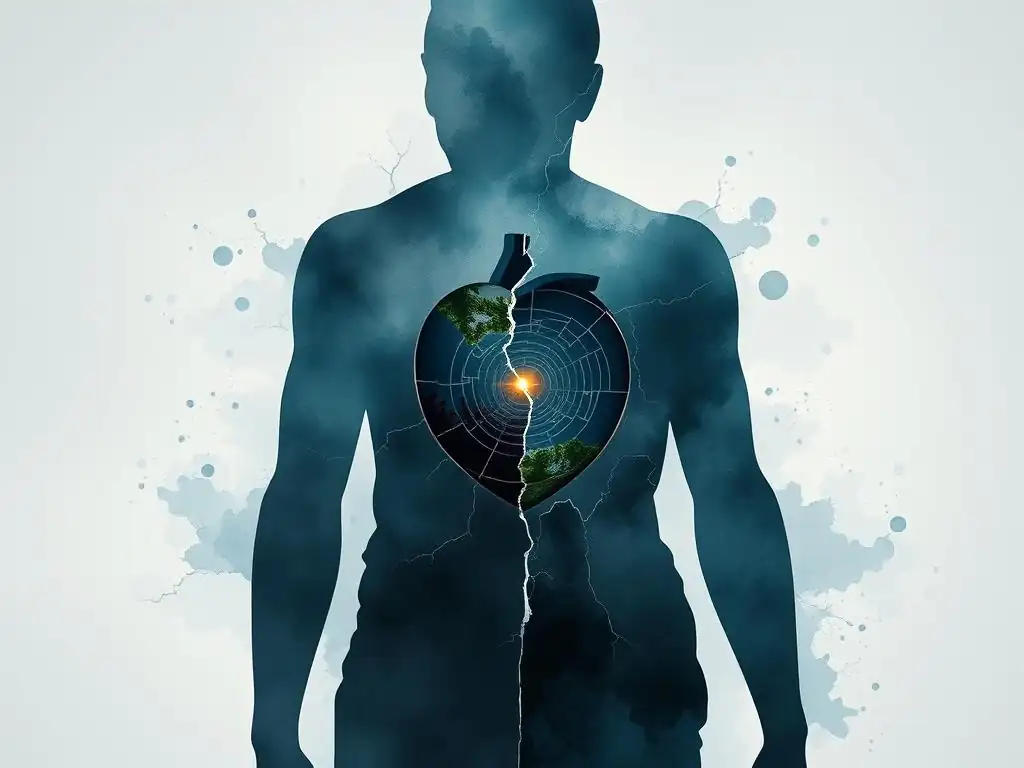
Welcome to Mind Care Guide, your trusted haven for mental well-being.
Do you ever wonder where you fall on the spectrum of trauma's impact? It's okay to not be okay, and understanding is the first step towards healing. This guide delves into PTSD symptom severity levels, offering a compassionate exploration of experiences ranging from mild to severe. Uncover the nuances of your own journey and discover pathways to support and recovery. Let's begin this exploration together – what might your symptoms reveal?
The Spectrum of Suffering: Exploring Mild to Severe PTSD Symptom Presentations
- Understanding PTSD Symptom Severity Levels
- Mild PTSD Symptoms: Early Signs and Manifestations
- Moderate PTSD Symptoms: Increased Intensity and Impact
- Severe PTSD Symptoms: Debilitating Effects and Challenges
- PTSD Symptom Clusters and Severity Assessment
- Factors Influencing PTSD Symptom Severity
- Diagnosing PTSD: Differentiating Severity Levels
- Treatment Approaches Tailored to PTSD Symptom Severity
- Living with PTSD: Strategies for Managing Symptoms at All Severity Levels
- Seeking Help: When to Consult a Mental Health Professional for PTSD
-
Frequently Asked Questions
- What are the main categories of PTSD symptom severity levels?
- How is PTSD symptom severity usually assessed?
- Can someone with mild PTSD symptoms still benefit from treatment?
- What are some common symptoms associated with severe PTSD?
- Does the severity of PTSD symptoms directly correlate with the effectiveness of treatment?
- Final Reflection: Understanding the Spectrum of Suffering in PTSD
- Uncover Your Path to Healing: Next Steps for PTSD Understanding
Understanding PTSD Symptom Severity Levels
Defining Post-Traumatic Stress Disorder (PTSD)
Post-Traumatic Stress Disorder, or PTSD, is a mental health condition that can develop after someone has experienced or witnessed a traumatic event. This event could be anything from military combat, a natural disaster, a serious accident, terrorist acts, war, or personal assault like sexual assault or physical attack. The core characteristic is that the individual perceived the event as life-threatening or involving serious injury, either to themselves or others. Unlike typical stress responses that fade over time, PTSD symptoms persist and can significantly impact daily functioning.
The diagnostic criteria for PTSD, as outlined in the Diagnostic and Statistical Manual of Mental Disorders (DSM-5), involve a specific constellation of symptoms. These symptoms fall into four main clusters: intrusion (e.g., flashbacks, nightmares), avoidance (avoiding reminders of the trauma), negative alterations in cognition and mood (e.g., difficulty remembering, negative beliefs, detachment), and alterations in arousal and reactivity (e.g., hypervigilance, irritability). A diagnosis requires symptoms from each cluster to be present for more than a month and cause significant distress or impairment in social, occupational, or other important areas of functioning.
The Importance of Recognizing PTSD Symptom Variation
Understanding the range of PTSD symptom severity levels is crucial for effective diagnosis and treatment. Not everyone who experiences trauma will develop PTSD, and among those who do, the presentation can vary dramatically from mild distress to severe, debilitating impairment. Recognizing this spectrum allows clinicians to tailor interventions, predict potential challenges, and provide appropriate support. Ignoring the nuances in PTSD symptom severity levels can lead to misdiagnosis or inadequate treatment, potentially prolonging suffering and hindering recovery.
The variation in PTSD symptom severity levels is influenced by numerous factors, including the nature and duration of the trauma, individual resilience, genetic predispositions, and the availability of social support. Acknowledging that symptoms exist on a continuum – from subthreshold symptoms that don't meet full diagnostic criteria but still cause distress, to full-blown PTSD across mild, moderate, and severe presentations – helps destigmatize the condition and encourages individuals to seek help regardless of how "bad" they perceive their symptoms to be.
Early recognition of even mild symptoms can facilitate timely intervention, potentially preventing the escalation to more severe forms of the disorder.
Mild PTSD Symptoms: Early Signs and Manifestations
Characteristics of Mild PTSD Presentations
Mild PTSD is characterized by symptoms that meet the diagnostic criteria but are less intense, less frequent, and cause less overall impairment compared to moderate or severe forms. Individuals with mild PTSD might experience occasional intrusive thoughts or brief flashbacks, but these are often manageable and don't significantly disrupt their daily routine. They might have some avoidance behaviors, such as steering clear of specific places or people related to the trauma, but they can generally maintain their social and occupational functioning.
Emotional and cognitive symptoms in mild PTSD are typically less pronounced. While they might experience some difficulty concentrating or feel slightly detached, these issues are not overwhelming. Similarly, arousal symptoms like irritability or difficulty sleeping might be present but are not constant or severely disruptive. For example, someone with mild PTSD after a car accident might feel anxious when driving past the specific intersection but can still drive to work daily and maintain relationships, experiencing only occasional nightmares about the event.
Common Triggers and Reactions in Mild Cases
Triggers for individuals with mild PTSD are often specific and directly linked to the traumatic event. These might include sensory cues like a particular smell, a loud noise, or seeing something that resembles a detail from the trauma. For a veteran, hearing a sudden loud bang might cause a brief startle response or a fleeting intrusive thought about combat, but they are quickly able to ground themselves. Similarly, someone who experienced a home invasion might feel anxious when hearing unexpected noises at night but can typically manage the fear without it escalating into a full-blown panic attack.
Reactions in mild cases tend to be less intense and shorter-lived. A trigger might cause a momentary increase in anxiety, a brief memory fragment, or a fleeting urge to avoid a situation, but the individual can usually employ coping mechanisms to regulate their response relatively quickly. They might experience a brief period of emotional numbness or irritability, but it doesn't persist for hours or days. The key distinction is the ability to regain composure and continue functioning without significant, lasting distress or impairment.
Coping Strategies for Managing Mild PTSD Symptoms
Individuals with mild PTSD often benefit significantly from early intervention and the development of effective coping strategies. Psychoeducation about trauma responses and PTSD symptoms can empower them to understand their experiences and reduce self-blame. Learning relaxation techniques, such as deep breathing exercises or mindfulness, can help manage moments of anxiety or intrusive thoughts.
Developing healthy coping mechanisms, such as maintaining a regular exercise routine, ensuring adequate sleep, and engaging in social activities, can build resilience and mitigate the impact of symptoms. For instance, someone with mild symptoms might find that talking to a supportive friend helps process difficult feelings, or that focusing on a hobby distracts them from intrusive thoughts. These strategies, often learned through initial therapy or self-help resources, play a vital role in preventing symptoms from worsening and maintaining overall well-being.
Moderate PTSD Symptoms: Increased Intensity and Impact
Identifying Moderate PTSD Symptom Severity
Moderate PTSD symptom severity represents a significant increase in the intensity, frequency, and pervasiveness of symptoms compared to mild presentations. Intrusive symptoms, such as flashbacks and nightmares, become more frequent and vivid, potentially disrupting sleep patterns and causing distress during the day. Avoidance behaviors are more pronounced, leading individuals to actively steer clear of a wider range of places, people, or activities associated with the trauma, which can begin to limit their life space.
Negative alterations in cognition and mood are more evident. Individuals might experience persistent negative beliefs about themselves, others, or the world (e.g., "I am worthless," "The world is completely dangerous"). Difficulty experiencing positive emotions, feelings of detachment from others, and memory problems related to the trauma or other important events become more noticeable. Arousal symptoms like hypervigilance, exaggerated startle response, and irritability are more persistent and can interfere with daily interactions and ability to relax.
The Effect of Moderate PTSD on Daily Life
Moderate PTSD symptoms begin to significantly impact various aspects of an individual's daily life. Occupational functioning may suffer due to difficulty concentrating, irritability impacting colleagues, or the need to avoid work-related situations that act as triggers. Social relationships can become strained as avoidance leads to withdrawal, or irritability causes conflict. For example, someone with moderate PTSD might struggle to maintain friendships because they avoid social gatherings that feel unpredictable or overwhelming, or they might have difficulty focusing at work, leading to decreased productivity.
Family life can also be affected, with individuals potentially becoming more emotionally distant or prone to angry outbursts. Leisure activities might be abandoned due to avoidance or lack of interest. The cumulative effect of these symptoms can lead to a reduced quality of life, increased feelings of isolation, and difficulty managing everyday responsibilities. While individuals with moderate PTSD may still be able to function in some areas, they often require significant effort and experience considerable distress.
Treatment Options for Moderate PTSD
Treatment for moderate PTSD typically involves evidence-based psychotherapies. Trauma-focused cognitive behavioral therapy (TF-CBT) and Eye Movement Desensitization and Reprocessing (EMDR) are frequently used and have demonstrated effectiveness in reducing moderate PTSD symptom severity levels. These therapies help individuals process the traumatic memory, challenge negative beliefs, and develop healthier coping strategies. For instance, TF-CBT might involve gradually exposing the individual to trauma-related memories or situations in a safe environment, helping them to re-evaluate their thoughts and feelings.
Medication, such as selective serotonin reuptake inhibitors (SSRIs), may also be prescribed to help manage symptoms like anxiety, depression, and sleep disturbances often associated with moderate PTSD. A combination of therapy and medication is sometimes the most effective approach. The goal of treatment at this level is to reduce the intensity and frequency of symptoms, improve daily functioning, and prevent the condition from progressing to a severe state.
Severe PTSD Symptoms: Debilitating Effects and Challenges

Recognizing the Signs of Severe PTSD
Severe PTSD is characterized by intense, persistent, and pervasive symptoms across all four clusters, leading to significant and often debilitating impairment. Intrusive symptoms like frequent, vivid flashbacks or dissociative episodes can make it difficult to distinguish between the past and the present. Nightmares are often severe and nightly, leading to chronic sleep deprivation. Avoidance is extensive, potentially resulting in complete withdrawal from social situations, inability to work, and difficulty leaving the home.
Negative alterations in cognition and mood are profound. Individuals may experience a near-total inability to feel positive emotions, deep feelings of alienation, and pervasive negative beliefs about themselves and the world that are resistant to change. Memory gaps about the trauma or significant life events may be substantial. Arousal symptoms are extreme, including constant hypervigilance, explosive anger, reckless behavior, and severe difficulty concentrating, making it nearly impossible to maintain a stable life.
The Impact of Severe PTSD on Functioning and Relationships
The impact of severe PTSD on daily functioning and relationships is devastating. Individuals often struggle to maintain employment, leading to financial instability. Social isolation is common due to extreme avoidance and difficulty connecting with others. Relationships with family and friends are severely strained by emotional numbness, irritability, and the inability to participate in shared activities. For example, someone with severe PTSD might be unable to hold a job due to frequent flashbacks or panic attacks triggered at work, or they might alienate loved ones through unpredictable anger or complete emotional withdrawal.
Basic self-care, such as maintaining hygiene or eating regularly, can become challenging. The risk of co-occurring conditions like severe depression, substance abuse, and suicidal ideation is significantly higher in individuals with severe PTSD. Their ability to navigate the world independently is severely compromised, often requiring significant support from family, friends, or mental health services.
Intensive Treatment Approaches for Severe PTSD
Treating severe PTSD often requires more intensive and specialized approaches. This may include residential treatment programs or intensive outpatient programs that provide structured, daily therapy and support. Hospitalization may be necessary during crises, such as severe suicidal ideation or inability to function safely. Evidence-based therapies like TF-CBT and EMDR are still used, but they may need to be adapted or paced differently to manage the intensity of the symptoms.
Medication management is often a critical component, potentially involving multiple medications to address severe anxiety, depression, sleep disturbances, and irritability. Adjunctive therapies like dialectical behavior therapy (DBT) or skills-based groups can help individuals manage intense emotions and improve interpersonal effectiveness. Treatment for severe PTSD is typically a long-term process requiring a high level of commitment from both the individual and the treatment team, focusing not only on trauma processing but also on stabilizing the individual's life and building foundational coping skills.
PTSD Symptom Clusters and Severity Assessment
Intrusion Symptoms: From Mild Flashbacks to Severe Nightmares
Intrusion symptoms, a hallmark of PTSD, vary significantly in their severity. At the milder end, individuals might experience brief, fleeting intrusive thoughts or images related to the trauma during waking hours. These are often manageable and don't significantly disrupt their focus. Nightmares might occur occasionally, but they are not necessarily vivid or distressing enough to cause significant sleep disturbance consistently.
At the severe end of the spectrum, intrusion symptoms are overwhelming and persistent. Flashbacks can be intense, feeling as though the traumatic event is happening again, sometimes accompanied by dissociation where the individual loses touch with their current reality. These can occur frequently throughout the day, making it impossible to concentrate or engage in normal activities. Nightmares are often vivid, terrifying, and occur nightly, leading to chronic sleep deprivation and exacerbating other symptoms. The frequency and intensity of these intrusions are key indicators when assessing PTSD symptom severity levels.
Avoidance Symptoms: Variations in Avoidance Behaviors
Avoidance symptoms range from specific, limited behaviors to widespread, debilitating patterns. Mild avoidance might involve simply avoiding a particular street or a type of media that triggers a reminder of the trauma. The individual can generally navigate their life with minimal inconvenience, making small adjustments to their routine.
In severe cases, avoidance is extensive and significantly limits the individual's life. This can include avoiding all social situations, being unable to leave the house, refusing to talk about the trauma at all, or even avoiding thoughts and feelings associated with the event through extreme emotional suppression or dissociation. The degree to which avoidance restricts an individual's participation in important activities (work, social life, self-care) is a major factor in determining the severity of PTSD symptoms.
Negative Alterations in Cognition and Mood: Severity and Impact on Beliefs
Negative alterations in cognition and mood also present across a severity spectrum. Mild presentations might involve occasional difficulty remembering specific details of the trauma or a temporary feeling of detachment. The individual's core beliefs about themselves or the world might be slightly shaken but not fundamentally altered.
In moderate to severe PTSD, these alterations are profound and persistent. Negative beliefs about the self ("I am permanently damaged"), others ("No one can be trusted"), and the world ("The world is inherently dangerous") become deeply ingrained and resistant to change. The inability to experience positive emotions, feelings of alienation from others, and difficulty maintaining interest in previously enjoyed activities are pervasive.
Severe cases can involve significant memory loss (dissociative amnesia) related to the trauma or other life events, further impacting their ability to function and connect with reality. Assessing the rigidity and pervasiveness of these negative shifts is crucial for understanding the overall PTSD symptom severity levels.
Alterations in Arousal and Reactivity: Hypervigilance Across the PTSD Spectrum
Alterations in arousal and reactivity, such as hypervigilance, exaggerated startle response, irritability, and difficulty concentrating, also vary in intensity. In mild PTSD, hypervigilance might manifest as being slightly jumpier than usual or having minor difficulty relaxing in certain situations. Irritability might be occasional.
In severe PTSD, arousal symptoms are constant and overwhelming. Hypervigilance can reach a point where the individual feels constantly on edge, scanning their environment for threats, making it impossible to feel safe even in their own home. The exaggerated startle response can be extreme, causing significant physical reactions to minor noises. Irritability or anger can be explosive and unpredictable, leading to frequent conflict. Difficulty concentrating is severe, impacting even simple tasks. The pervasive nature and intensity of these arousal symptoms are significant indicators of higher PTSD symptom severity levels.
Factors Influencing PTSD Symptom Severity
Trauma Type and Exposure
The nature of the traumatic event itself is a significant factor influencing PTSD symptom severity levels. Traumas that are interpersonal (e.g., assault, abuse), involve intentional harm, are prolonged or repeated (e.g., chronic child abuse, combat exposure over time), or occur in childhood tend to be associated with more severe and complex PTSD presentations. For instance, studies consistently show that survivors of prolonged or repeated childhood trauma are at a higher risk of developing complex PTSD, which often involves more severe difficulties with emotional regulation, self-concept, and interpersonal relationships compared to single-incident adult trauma.
The intensity and duration of exposure also matter. Military personnel in active combat zones with repeated exposure to life-threatening situations are statistically more likely to develop severe PTSD than someone who experienced a single, less prolonged traumatic event. The perceived threat level during the trauma and the amount of personal injury or loss involved also contribute to the potential severity of the resulting PTSD symptoms.
Pre-Existing Mental Health Conditions
Individuals with a history of pre-existing mental health conditions are more vulnerable to developing PTSD and experiencing more severe symptoms after trauma. Conditions such as anxiety disorders, depression, or other trauma-related disorders can increase susceptibility. For example, someone who has previously struggled with generalized anxiety disorder may find that trauma exacerbates their existing anxious tendencies, leading to more intense hypervigilance and avoidance behaviors within the context of PTSD.
Substance use disorders are also frequently co-occurring conditions and can complicate both the presentation and treatment of PTSD. Individuals may use substances to cope with distressing symptoms, which can paradoxically worsen anxiety, depression, and overall functioning, contributing to higher PTSD symptom severity levels. Addressing these co-occurring conditions is a critical part of comprehensive PTSD treatment.
The presence of strong social support is a powerful protective factor against the development of severe PTSD symptom severity levels. Having supportive family, friends, or community connections can buffer the impact of trauma, providing emotional validation, practical assistance, and a sense of safety. Conversely, lack of social support, isolation, or experiencing trauma within a context of betrayal or interpersonal conflict can exacerbate symptoms and contribute to greater severity.
Individual resilience factors, such as effective coping skills, a positive outlook, the ability to find meaning in adversity, and access to resources, also play a significant role. Individuals with strong coping repertoires and a history of successfully navigating challenges may be better equipped to process trauma and experience less severe PTSD symptoms. Building these resilience factors is often a key component of therapy for individuals at all levels of PTSD symptom severity.
Diagnosing PTSD: Differentiating Severity Levels

The Role of Psychological Assessments in Determining PTSD Severity
Psychological assessments are essential tools used by mental health professionals to diagnose PTSD and determine the specific PTSD symptom severity levels. Standardized questionnaires and clinical interviews help gather detailed information about the traumatic event, the nature, frequency, and intensity of symptoms across all four clusters, and the degree of functional impairment. Examples of commonly used assessments include the Clinician-Administered PTSD Scale (CAPS-5), which is considered the gold standard interview, and self-report measures like the PTSD Checklist for DSM-5 (PCL-5).
These assessments provide a structured way to evaluate the presence and severity of each symptom criterion. For instance, the CAPS-5 asks specific questions about the frequency and intensity of flashbacks or nightmares over the past month, allowing the clinician to score the severity of intrusion symptoms. Similarly, questions about avoidance behaviors or negative beliefs help quantify the impact in those areas. The total scores or specific symptom profiles from these assessments help differentiate between mild, moderate, and severe presentations, guiding treatment planning.
Using Diagnostic Criteria to Evaluate Symptom Presentations
Mental health professionals use the diagnostic criteria outlined in the DSM-5 as the foundation for diagnosing PTSD and evaluating the varying PTSD symptom severity levels. The DSM-5 specifies the number of symptoms required from each of the four clusters for a diagnosis. Beyond simply meeting the minimum number of symptoms, the criteria also consider the duration (more than one month) and, crucially, the level of distress or impairment caused by the symptoms.
Clinicians assess the impact of symptoms on the individual's social, occupational, or other important areas of functioning. Someone who meets the symptom criteria but can still maintain their job and relationships with only moderate difficulty might be diagnosed with moderate PTSD, whereas someone with the same symptom profile but who is unable to work, leaves the house rarely, and has completely withdrawn from loved ones would likely be assessed as having severe PTSD. The DSM-5 criteria, combined with clinical judgment and assessment data, allow for a nuanced understanding of the individual's specific PTSD symptom severity levels.
Challenges in Diagnosing and Assessing PTSD Severity
Despite the tools available, diagnosing and accurately assessing PTSD symptom severity levels can be challenging. Individuals may underreport symptoms due to shame, fear of stigma, or difficulty articulating their experiences, especially regarding dissociation or intense emotional states. Conversely, some individuals might overreport symptoms due to heightened anxiety or other co-occurring conditions.
The subjective nature of symptom reporting is another challenge. What one person describes as a "mild" flashback might be different from another person's experience. Co-occurring conditions, such as depression, anxiety disorders, or substance use disorders, can also complicate the picture, as their symptoms can overlap with or mask PTSD symptoms. Accurate assessment requires a skilled clinician who can build rapport, use multiple assessment methods (interviews, questionnaires, collateral information if available), and differentiate PTSD symptoms from those of other conditions to arrive at an accurate understanding of the individual's specific PTSD symptom severity levels.
Treatment Approaches Tailored to PTSD Symptom Severity
Therapy Options for Mild, Moderate, and Severe PTSD
Therapy is the cornerstone of PTSD treatment, and the approach is often tailored to the individual's PTSD symptom severity levels. For mild PTSD, brief interventions focusing on psychoeducation, coping skills, and support may be sufficient. Techniques like stress inoculation training or brief cognitive restructuring can be helpful.
For moderate PTSD, evidence-based trauma-focused therapies like TF-CBT and EMDR are highly recommended. These therapies typically involve processing the traumatic memory and challenging negative thoughts and beliefs over a course of 8-16 sessions. For severe PTSD, more intensive and longer-term therapy is often necessary.
This may involve preparatory work focusing on safety and emotional regulation before trauma processing can begin. Therapies like Dialectical Behavior Therapy (DBT) can be helpful for individuals with severe PTSD and difficulties with emotional dysregulation. The intensity, duration, and specific focus of therapy are adjusted based on the individual's symptom severity and capacity to engage in trauma processing.
Medication Management for Varying PTSD Symptom Presentations
Medication can be a helpful adjunct to therapy, particularly for managing specific symptoms associated with different PTSD symptom severity levels. For moderate to severe PTSD, SSRIs like sertraline (Zoloft) or paroxetine (Paxil) are often the first-line pharmacological treatment, helping to reduce overall anxiety, depression, and irritability. Other medications may be used to target specific symptoms, such as prazosin for trauma-related nightmares or benzodiazepines for acute, severe anxiety (though these are typically used short-term due to dependence risk).
For mild PTSD, medication is less commonly the primary treatment unless co-occurring conditions like significant anxiety or depression warrant it. In severe PTSD, multiple medications may be necessary to manage the complexity of symptoms, including mood stabilizers or antipsychotics in some cases, particularly if dissociation or psychotic-like symptoms are present. Medication management requires careful monitoring by a psychiatrist or prescribing physician to ensure effectiveness and manage side effects, always considered within the context of the individual's overall PTSD symptom severity levels and treatment plan.
The Importance of Personalized Treatment Plans
Given the wide variation in PTSD symptom severity levels and the factors that influence them, personalized treatment plans are essential for effective recovery. A one-size-fits-all approach is rarely successful. A personalized plan considers the individual's specific trauma history, symptom presentation (mild, moderate, or severe), co-occurring conditions, strengths, preferences, and available support system.
For instance, a treatment plan for someone with mild PTSD might focus on weekly individual therapy sessions and learning coping skills, while a plan for someone with severe PTSD might involve an intensive outpatient program, medication management, and adjunctive group therapy. Regular assessment of PTSD symptom severity levels throughout treatment allows clinicians to adjust the plan as needed, ensuring that the interventions remain appropriate and effective as the individual progresses towards recovery. The collaborative development of this plan between the individual and their treatment team fosters empowerment and commitment to the healing process.
Living with PTSD: Strategies for Managing Symptoms at All Severity Levels
Self-Care Techniques for PTSD Symptom Management
Regardless of PTSD symptom severity levels, incorporating self-care techniques into daily life is crucial for managing symptoms and promoting well-being. These techniques can help individuals build resilience, reduce stress, and regain a sense of control. Basic self-care includes ensuring adequate sleep, maintaining a balanced diet, and engaging in regular physical activity, all of which can positively impact mood and energy levels.
More specific techniques for managing PTSD symptoms include practicing mindfulness or meditation to stay grounded during moments of anxiety or intrusive thoughts, using relaxation exercises like progressive muscle relaxation to reduce physical tension, and engaging in enjoyable hobbies or activities that provide a sense of purpose and distraction from distressing symptoms. Establishing a predictable daily routine can also help create a sense of stability and safety, particularly for those experiencing hypervigilance or difficulty with organization due to their PTSD symptom severity levels.
Building a Support System for Individuals with PTSD
A strong support system is invaluable for individuals navigating the challenges of PTSD, regardless of their symptom severity levels. Connecting with understanding friends, family members, or partners can provide emotional validation, practical assistance, and reduce feelings of isolation. Educating loved ones about PTSD can help them understand the symptoms and respond supportively, rather than with frustration or judgment.
Joining a support group specifically for trauma survivors can be immensely beneficial. Hearing from others with similar experiences can reduce feelings of shame and alienation, provide new coping ideas, and offer a sense of community. Organizations dedicated to mental health and trauma recovery often offer support groups, both in-person and online, providing accessible resources for individuals at various PTSD symptom severity levels.
Resources for Individuals and Families Affected by PTSD
Numerous resources are available to support individuals with PTSD and their families. Mental health organizations provide information about PTSD symptom severity levels, treatment options, and how to find qualified professionals. Websites and helplines offer immediate support during crises. Books and online materials can provide psychoeducation and self-help strategies.
For families, resources are available to help them understand PTSD, learn how to support their loved one without enabling avoidance, and cope with the impact of the disorder on the family system. These resources emphasize that recovery is possible at all PTSD symptom severity levels and that seeking help is a sign of strength, not weakness. Accessing these resources is a vital step in the journey towards healing and improved quality of life.
Seeking Help: When to Consult a Mental Health Professional for PTSD
Recognizing the Need for Professional Intervention
Recognizing when to seek professional help is a critical step for anyone experiencing symptoms after trauma. While some initial stress reactions are normal, persistent or worsening symptoms that interfere with daily life are a clear indicator that professional intervention is needed. If symptoms last for more than a month, are causing significant distress, impacting work, relationships, or self-care, it's time to consult a mental health professional. This applies whether you perceive your symptoms as mild, moderate, or severe; early intervention can significantly improve outcomes across all PTSD symptom severity levels.
Specific signs that warrant immediate professional attention include suicidal thoughts or intentions, severe difficulty functioning (e.g., unable to leave the house, maintain hygiene), or using substances to cope with symptoms. Even if symptoms seem manageable but are causing persistent discomfort or concern, a consultation can provide valuable assessment, guidance, and support to prevent escalation of PTSD symptom severity levels.
Finding Qualified PTSD Therapists and Treatment Centers
Finding a qualified mental health professional specializing in trauma is crucial for effective treatment. Look for therapists who are trained in evidence-based therapies for PTSD, such as TF-CBT or EMDR. Websites of professional organizations (like the American Psychological Association or the Anxiety & Depression Association of America) or trauma-specific organizations often have directories of qualified providers. Primary care physicians can also provide referrals to mental health specialists.
For individuals with moderate to severe PTSD symptom severity levels, considering specialized trauma treatment centers or programs might be beneficial. These centers often offer intensive, multidisciplinary care tailored to complex trauma presentations. When searching for a therapist or center, don't hesitate to ask about their experience treating PTSD, their therapeutic approaches, and their understanding of varying PTSD symptom severity levels.
Understanding the Road to Recovery from PTSD
Recovery from PTSD is a journey, not a destination, and it is absolutely possible at all PTSD symptom severity levels. Treatment helps individuals process the trauma, manage symptoms, and regain control over their lives. The path may involve ups and downs, and progress can be gradual, particularly with moderate to severe presentations. However, with appropriate, evidence-based treatment and a strong support system, individuals can significantly reduce their symptoms, improve their functioning, and enhance their quality of life.
Recovery doesn't necessarily mean forgetting the trauma, but rather learning to live with the experience without being overwhelmed by it. It involves building resilience, developing healthy coping strategies, and reconnecting with life. Understanding the spectrum of PTSD symptom severity levels can help individuals and their loved ones set realistic expectations for recovery and appreciate the progress made along the way, reinforcing the message that healing is achievable.
Frequently Asked Questions
What are the main categories of PTSD symptom severity levels?
The primary categories typically range from mild, where symptoms are manageable and have limited impact, to moderate, where symptoms interfere with daily life, and severe, where symptoms are debilitating and significantly impair functioning.
How is PTSD symptom severity usually assessed?
Assessment usually involves standardized clinical interviews and self-report questionnaires that measure the frequency and intensity of PTSD symptoms. These tools help determine the impact on the individual's life.
Can someone with mild PTSD symptoms still benefit from treatment?
Yes, even mild PTSD symptoms can benefit from treatment. Early intervention can prevent symptoms from worsening and improve overall mental well-being and functioning.
What are some common symptoms associated with severe PTSD?
Common symptoms include intrusive memories, avoidance behaviors, negative alterations in cognition and mood, and marked alterations in arousal and reactivity, all significantly impacting daily life.
Does the severity of PTSD symptoms directly correlate with the effectiveness of treatment?
Not necessarily. While severe PTSD may require more intensive treatment, the effectiveness of treatment depends on various factors, including the individual's motivation, the therapeutic approach, and the support system available.
Final Reflection: Understanding the Spectrum of Suffering in PTSD
The exploration of PTSD symptom severity levels is not just an academic endeavor; it is a vital conversation that resonates deeply in our society today. As we navigate a world increasingly aware of mental health issues, understanding the nuances of PTSD becomes crucial. The varying presentations of this condition remind us that suffering is not uniform; it is a spectrum that demands our empathy and informed response. Recognizing the severity levels of PTSD symptoms can empower individuals and communities to foster healing and support.
Culturally, the conversation around PTSD has evolved significantly, influencing how we perceive trauma and its aftermath. The acknowledgment of PTSD symptom severity levels has opened doors for more tailored therapeutic approaches and increased awareness about mental health challenges. As we reflect on this ongoing influence, we are reminded of the words of author and mental health advocate, Brene Brown: Vulnerability is the birthplace of innovation, creativity, and change.
This highlights the importance of embracing our vulnerabilities, as they can lead to profound transformations in how we address and support those affected by PTSD.
As we conclude this exploration, I invite you to reflect on your own understanding of PTSD and its impact on individuals and communities. Consider how you can contribute to a more compassionate dialogue around mental health. Whether through educating yourself, supporting someone in need, or advocating for mental health resources, your actions can make a difference. Let us commit to fostering an environment where every individual feels seen, heard, and supported on their journey through the spectrum of suffering.
Uncover Your Path to Healing: Next Steps for PTSD Understanding
Thanks for taking the time to explore the complexities of PTSD with us. We hope this article has provided you with valuable insights into the diverse ways PTSD can manifest. Now, let's move forward. Here's how you can continue your journey towards healing and support:
- Identify Your Next Steps: Based on what you've learned, reflect on your personal experience with PTSD symptoms. Do any of the described presentations resonate with you? This self-reflection is a crucial first step towards seeking appropriate support.
- Share Your Insights: Discuss this information with a trusted friend, family member, or healthcare professional. Sharing your knowledge can help others understand PTSD better and even encourage someone to seek help.
- Explore Resources: Consider researching additional resources on PTSD tailored to your specific experience. This could involve seeking out support groups or educational materials specific to mild, moderate, or severe presentations.
What specific steps will you take today to better understand your experience with PTSD or to support someone you know?