
Exploring the Mental Health Benefits of Religious Meditation

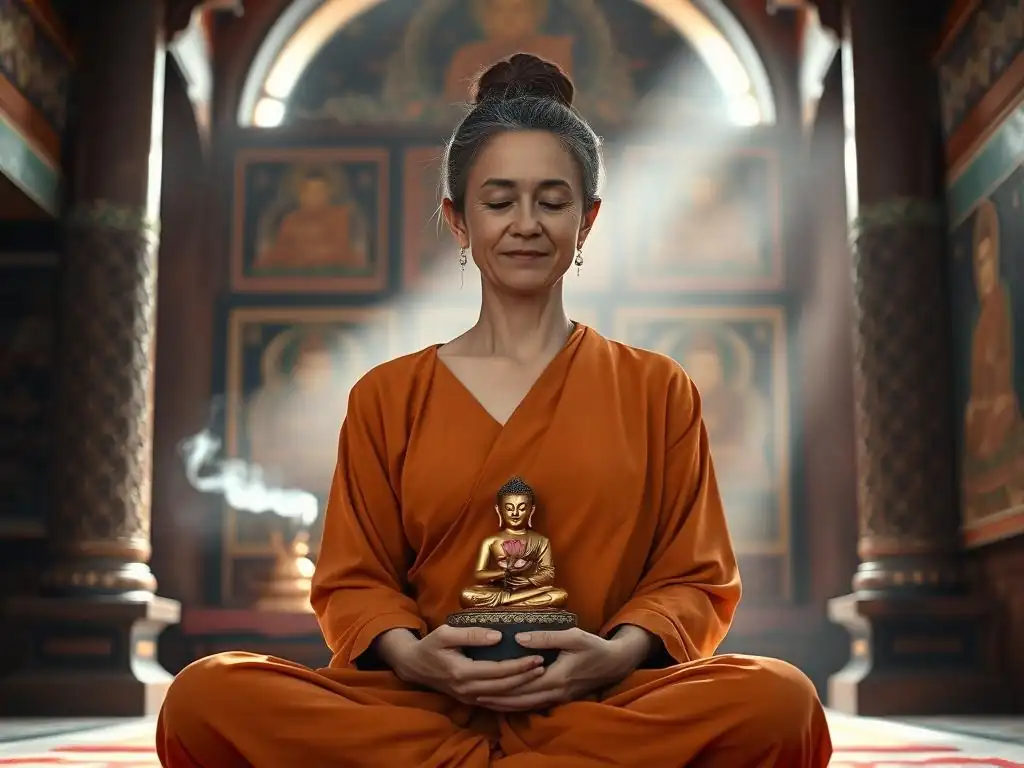
Welcome to Mind Care Guide, your trusted companion on the path to inner peace. Feeling overwhelmed by anxiety and stress? You're not alone. Discover how the ancient practice of religious meditation reduces anxiety stress and cultivates a profound sense of calm. Intrigued? Let's explore the powerful connection between faith, mindfulness, and mental well-being together.
Exploring the Mental Health Benefits of Christian Meditation
- Introduction: Christian Meditation for Mental Well-being
- Defining Christian Meditation: A Pathway to Inner Peace
-
The Science-Backed Benefits of Christian Meditation on Mental Health
- Christian Meditation and Anxiety Reduction: Empirical Evidence from Studies on Prayer
- Stress Relief Through Christian Meditation: Calming the Mind and Body Through Scripture
- Improved Mood and Emotional Regulation with Christian Meditation
- Christian Meditation and its Positive Impact on Depression Symptoms
- Specific Christian Meditation Techniques for Mental Clarity
- Integrating Christian Meditation into Your Daily Life for Better Mental Health
- The Role of Christian Community in Supporting Mental Well-being Through Meditation
- Potential Downsides and Considerations of Christian Meditation
- Conclusion: Embracing Christian Meditation for a Holistic Approach to Mental Wellness
-
Frequently Asked Questions
- What is religious meditation and how does it differ from other types of meditation?
- How can religious meditation specifically help reduce anxiety and stress?
- What are some of the documented mental health benefits of engaging in religious meditation?
- Are there any specific religious traditions that are particularly known for their meditative practices?
- Is religious meditation suitable for everyone, and are there any potential drawbacks to consider?
- Final Reflection: Finding Peace Through Faith and Focus
- Unlock Your Inner Peace: Take the Next Step on Your Wellness Journey
Introduction: Christian Meditation for Mental Well-being
Understanding the Intersection of Faith, Spirituality, and Mental Health in Christianity
For centuries, faith and spirituality have played a significant role in human well-being, offering comfort, meaning, and a framework for understanding life's challenges. Within the Christian tradition, there is a rich history of practices aimed at connecting with the divine, seeking inner peace, and navigating the complexities of the human experience. This connection between one's faith and mental state is not merely anecdotal; a growing body of research suggests that spiritual practices can indeed have a positive impact on mental health outcomes. For many, their faith provides a crucial support system and a source of resilience in facing difficulties.
The Christian faith offers various avenues for nurturing this spiritual dimension, from corporate worship and community involvement to personal prayer and contemplation. These practices can contribute to a sense of belonging, purpose, and hope, all of which are vital components of mental well-being. Exploring how specific faith-based practices, such as Christian meditation, intersect with and support mental health can unlock valuable tools for individuals seeking holistic wellness. It acknowledges that for many, the spiritual journey is deeply intertwined with their emotional and psychological landscape.
How Christian Meditation Can Reduce Anxiety and Stress
Christian meditation, at its core, involves intentionally quieting the mind and focusing one's attention, often on scripture, prayer, or simply resting in God's presence. This deliberate shift away from anxious thoughts and stressors can have a profound calming effect. By focusing on divine promises, the nature of God, or specific biblical passages, individuals can find perspective and comfort that transcends their immediate circumstances. This process helps to interrupt the cycle of worry and rumination that often fuels anxiety.
Furthermore, the act of surrendering control and placing trust in a higher power, which is central to many forms of Christian meditation, can significantly alleviate the burden of stress. Instead of feeling solely responsible for solving every problem, the meditator learns to release concerns through prayer and contemplation. This type of religious meditation reduces anxiety stress by providing a spiritual anchor, fostering a sense of peace that "surpasses all understanding," as described in scripture. Regular practice can train the mind to return to this state of peace more readily, even amidst daily pressures.
Defining Christian Meditation: A Pathway to Inner Peace
What is Christian Meditation? Exploring Lectio Divina and Centering Prayer
Christian meditation is a contemplative practice rooted in the Christian tradition, distinct from secular mindfulness in its focus on relationship with God and engagement with Christian scripture and theology. It is not about emptying the mind, but rather about filling it with divine presence or truth, or simply resting openly in God's love. Two prominent forms illustrate this: Lectio Divina and Centering Prayer. Lectio Divina, or "Divine Reading," is an ancient monastic practice involving a prayerful reading of scripture, moving through stages of reading, meditating, praying, and contemplating the text.
Centering Prayer, a more contemporary practice drawing from the contemplative desert tradition, involves choosing a "sacred word" as a symbol of one's intention to consent to God's presence and action within. It is a method designed to open the practitioner to a deeper level of silent communion with God beyond thoughts, words, and emotions. Both practices, while different in method, share the common goal of fostering a deeper relationship with the divine and cultivating inner stillness and peace, serving as potent forms of religious meditation that reduce anxiety stress.
Key Elements of Christian Meditation Practices: Scripture, Prayer, and Stillness
At the heart of most Christian meditation practices lie three interconnected elements: scripture, prayer, and stillness. Scripture often serves as the foundation, providing the content for reflection, inspiration, or the very words used in prayer. Engaging with biblical texts in a contemplative way allows individuals to encounter divine truth on a deeper, more personal level, moving beyond intellectual understanding to heartfelt connection. This can involve reflecting on a specific verse, a biblical story, or a theological concept.
Prayer is the active turning of the heart and mind towards God. In Christian meditation, prayer takes various forms, from speaking specific prayers (like the Jesus Prayer) to simply offering one's presence and attention to God in silence. It is a dialogue or communion that seeks to deepen the relationship with the divine.
Stillness is cultivated internally and often externally. It involves quieting the mental chatter, setting aside distractions, and creating space to listen for God's voice or simply rest in His presence. This intentional stillness is crucial for allowing the transformative power of prayer and scripture to take root, fostering the internal peace that religious meditation reduces anxiety stress.
Distinguishing Christian Meditation from Secular Mindfulness
While secular mindfulness shares some superficial similarities with Christian meditation, particularly in its emphasis on focus and present-moment awareness, their underlying goals and frameworks differ significantly. Secular mindfulness typically focuses on observing thoughts, feelings, and sensations without judgment, aiming to cultivate non-reactive awareness for psychological benefits like stress reduction and improved focus. Its orientation is generally non-theological or non-religious.
Christian meditation, conversely, is explicitly relational and theological. Its primary goal is not just awareness for its own sake, but deepening one's relationship with God, discerning His will, and aligning one's spirit with divine truth. While stress reduction and mental clarity are often positive outcomes, they are typically seen as byproducts of seeking communion with God. The practice is grounded in Christian beliefs, scripture, and the desire for spiritual transformation, setting it apart as a faith-specific path to inner peace.
The Science-Backed Benefits of Christian Meditation on Mental Health

Christian Meditation and Anxiety Reduction: Empirical Evidence from Studies on Prayer
Research into the effects of religious and spiritual practices on mental health has yielded compelling results, particularly concerning anxiety. While studies specifically labeled "Christian meditation" might be fewer than those on secular mindfulness, research on prayer, religious coping, and contemplative Christian practices offers valuable insights. For example, studies involving individuals who regularly engage in prayer or spiritual meditation often report lower levels of anxiety compared to those who do not. One study published in the Journal of Health Psychology examining the effects of prayer found that participants who reported higher levels of prayer frequency also reported lower anxiety scores.
The mechanism by which this religious meditation reduces anxiety stress is thought to involve several factors. Physiologically, contemplative prayer and meditation practices can lead to reduced heart rate, lower blood pressure, and decreased levels of stress hormones like cortisol, similar to the effects observed in secular meditation studies.
Psychologically, focusing on scripture or prayer provides a sense of control, hope, and connection to a benevolent power, which can counteract feelings of helplessness and worry central to anxiety disorders. A 2019 review in Spirituality in Clinical Practice highlighted that religious and spiritual practices can serve as effective coping mechanisms for anxiety, providing both emotional and existential support.
Stress Relief Through Christian Meditation: Calming the Mind and Body Through Scripture
The practice of Christian meditation, especially when centered on scripture, offers a powerful pathway to stress relief by calming both the mind and the body. Engaging deeply with biblical passages can shift focus away from the internal narrative of stress and worry towards transcendent truths and promises. For instance, meditating on verses about peace, trust, or God's provision can reframe stressful situations within a context of faith and hope. This cognitive shift can interrupt the stress response cycle.
Beyond the cognitive effects, the focused stillness and rhythmic breathing often adopted during Christian meditation can induce a state of physiological relaxation. Studies on meditation in general, which can be extrapolated to contemplative religious practices, have shown measurable effects such as reduced muscle tension and slower respiration. By intentionally disengaging from external pressures and internal stressors through prayerful contemplation of scripture, individuals can lower their physiological arousal and experience a tangible reduction in stress. This reinforces how religious meditation reduces anxiety stress by providing a spiritual and physiological reset.
Improved Mood and Emotional Regulation with Christian Meditation
Regular engagement in Christian meditation can significantly contribute to improved mood and enhanced emotional regulation. The practice often cultivates virtues like gratitude, patience, and compassion, which are known to positively impact emotional states. By spending time contemplating God's goodness or meditating on biblical examples of love and forgiveness, individuals can foster a more positive outlook and develop greater empathy towards themselves and others. This spiritual formation process helps build emotional resilience.
Furthermore, Christian meditation provides a framework for processing difficult emotions within a spiritual context. Instead of suppressing feelings, individuals can bring their anger, sadness, or fear into prayer, offering them to God and seeking comfort or guidance from scripture. This allows for a healthier processing of emotions, preventing them from becoming overwhelming or leading to negative coping mechanisms. Learning to sit with difficult emotions in a prayerful, accepting manner, trusting in divine presence, is a key aspect of how religious meditation reduces anxiety stress and improves overall emotional well-being.
Christian Meditation and its Positive Impact on Depression Symptoms
Studies exploring the link between religious involvement and mental health have often found an inverse relationship between religiosity/spiritual practices and symptoms of depression. While not a standalone cure, Christian meditation can be a valuable complementary tool in managing depression. The practice can combat feelings of isolation by fostering a sense of connection to God and a larger spiritual community, which is often lacking in individuals experiencing depression. Meditating on themes of hope, redemption, and divine love can provide a sense of purpose and meaning, counteracting the despair that characterizes depression.
Moreover, the structure and routine of a regular meditation practice can provide a sense of stability and accomplishment, which can be beneficial when motivation is low. Engaging with scripture can offer narratives of overcoming adversity and finding light in darkness, providing encouragement.
While severe depression requires professional intervention, incorporating religious meditation can support recovery by nurturing hope, fostering a sense of connection, and providing a spiritual lens through which to process suffering. Research, including a 2016 study review in the Journal of Affective Disorders, has indicated that religious coping strategies can be associated with lower depressive symptoms and better adjustment to illness.
Specific Christian Meditation Techniques for Mental Clarity
Lectio Divina: Engaging with Scripture for Spiritual Growth
Lectio Divina is an ancient and deeply rewarding method of Christian meditation that involves prayerful engagement with scripture. It typically follows four steps: Lectio (reading), Meditatio (meditation), Oratio (prayer), and Contemplatio (contemplation). In the Lectio phase, you read a short scripture passage slowly, perhaps several times, listening for a word or phrase that catches your attention. This initial reading is receptive, allowing the text to speak to you.
Next, in Meditatio, you reflect on the chosen word or phrase. You ponder its meaning, how it relates to your life, and what God might be saying to you through it. This is a time of personal rumination and reflection.
Oratio involves responding to the passage in prayer, speaking to God about what you've read and meditated upon, offering your thoughts, feelings, and intentions. Finally, Contemplatio is a period of restful silence, simply being in God's presence and savoring the divine connection without words or thoughts. This structured engagement with scripture provides a clear path for mental focus and spiritual insight, contributing to mental clarity.
Centering Prayer: Opening to God's Presence
Centering Prayer is a method of contemplative prayer that facilitates resting in God's presence. Rooted in the wisdom of desert fathers and mothers and revitalized by figures like Thomas Keating, it is a simple yet profound practice. The method involves choosing a "sacred word" (like Peace, Love, Jesus, God, or Abba) as a symbol of your intention to consent to God's presence and action within you during the prayer period. You sit comfortably with eyes closed and introduce the sacred word silently as the symbol of your consent.
Whenever you become aware of thoughts, feelings, or sensations—which is inevitable—you gently return to the sacred word as a symbol of your intention to consent to God's presence. The practice is not about suppressing thoughts but about letting them go and returning to the intention of resting in God. This gentle, repetitive return to the sacred word cultivates inner stillness and makes space for a deeper awareness of the divine, offering a quiet respite from mental noise and fostering a sense of peace.
The Jesus Prayer: A Mantra-Based Approach to Christian Meditation
The Jesus Prayer is a short, simple prayer that has been used for centuries, particularly in the Eastern Orthodox tradition, as a form of contemplative practice. The most common form is "Lord Jesus Christ, Son of God, have mercy on me, a sinner," although shorter variations exist, such as "Lord Jesus Christ, have mercy on me." This prayer is often repeated continuously, sometimes in conjunction with rhythmic breathing, aiming to integrate the prayer into the rhythm of the heart and breath.
Repeating the Jesus Prayer serves as a way to focus the mind and cultivate a constant awareness of God's presence. It is a form of prayer that moves beyond intellectual thought into a deeper, more intuitive level of connection. For individuals seeking a simple, portable method of Christian meditation that can be practiced anywhere, the Jesus Prayer offers a powerful tool for centering oneself in Christ and seeking divine mercy and peace. This repetitive, focused prayer is a direct way that religious meditation reduces anxiety stress by anchoring the mind.
Imaginative Prayer: Encountering Biblical Scenes and Figures
Imaginative prayer, often associated with the spiritual exercises of St. Ignatius of Loyola, involves using one's imagination to enter into biblical scenes or interact with biblical figures. The practitioner reads a scripture passage, such as a Gospel story, and then uses their imagination to visualize the scene, placing themselves within it. They might imagine what they see, hear, smell, taste, and touch in that moment, and how they feel as they interact with Jesus or other figures.
This method allows for a deeply personal and experiential engagement with scripture. By imaginatively walking with Jesus, witnessing His miracles, or being present at a significant event, individuals can gain new insights, feel a deeper connection to the divine, and process their own emotions and experiences in light of the biblical narrative. This form of contemplative prayer can be particularly effective for those who are visually oriented or who benefit from experiential learning, offering a vivid path to mental clarity and spiritual connection.
Integrating Christian Meditation into Your Daily Life for Better Mental Health
Finding a Christian Meditation Practice that Resonates with You
Integrating Christian meditation into daily life begins with exploring the various practices available and finding one that genuinely resonates with your personality, spiritual inclinations, and current life circumstances. Some individuals might find the structured engagement of Lectio Divina appealing, while others may prefer the quiet simplicity of Centering Prayer or the rhythmic focus of the Jesus Prayer. Imaginative prayer might suit those who connect well with visual or narrative approaches.
It's helpful to try a few different methods for a short period, perhaps a week or two each, to see which one feels most natural and supportive. Resources such as books, online guides from reputable Christian organizations, or courses offered by churches or retreat centers can provide introductions to these practices. The goal is not to find the "best" practice universally, but the one that best helps you connect with God and cultivate inner peace, thereby supporting your mental health goals.
Creating a Sacred Space for Christian Meditation: An Altar or Quiet Room
Designating a specific sacred space for your Christian meditation practice can significantly enhance consistency and focus. This doesn't require elaborate setup; it can be as simple as a comfortable chair in a quiet corner of a room, a small table designated as an altar with a Bible, candle, or cross, or even just a clean mat on the floor. The key is to choose a location where you can minimize distractions and feel a sense of peace and reverence.
Having a dedicated space signals to your mind and body that it is time for prayer and contemplation. It helps create a routine and makes the practice feel like a set-apart time. Ensure the space is tidy and comfortable. Some find it helpful to incorporate elements that are meaningful to their faith, such as icons, religious art, or natural elements like plants or stones, creating an environment conducive to connecting with God and cultivating inner stillness.
Establishing a Consistent Christian Meditation Routine
Consistency is paramount for reaping the mental health benefits of Christian meditation. Just like physical exercise, the positive effects accumulate over time with regular practice. Start small, perhaps with just 5-10 minutes each day, and gradually increase the duration as you become more comfortable. Finding a consistent time that works for you is also crucial, whether it's first thing in the morning before the day's demands begin, during a lunch break, or in the evening before bed.
Linking your meditation practice to an existing daily habit can help anchor it. For instance, you might meditate immediately after waking up, before breakfast, or after reading your daily news. Don't be discouraged by missed days or distractions; simply return to the practice the next opportunity you have. The aim is progress, not perfection. Committing to a regular schedule, even a brief one, ensures that you consistently make space for the spiritual nourishment that helps religious meditation reduce anxiety stress.
Overcoming Challenges and Maintaining Motivation in Your Practice
Maintaining a consistent Christian meditation practice isn't always easy; challenges like distraction, boredom, doubt, or feeling unproductive are common. It's important to approach these challenges with patience and self-compassion. When your mind wanders—which it will—gently acknowledge the thought without judgment and return your focus to your chosen method (e.g., the sacred word, the scripture passage, the prayer). This gentle redirection is part of the practice itself.
If you find yourself struggling with motivation, reflect on why you started the practice. Revisit the potential benefits for your mental and spiritual well-being. Consider varying your practice occasionally or exploring different techniques if one feels stale. Finding a meditation partner or joining a group (as discussed in the next section) can also provide encouragement and accountability. Remember that some days will feel more fruitful than others, and simply showing up is an act of faith and self-care.
The Role of Christian Community in Supporting Mental Well-being Through Meditation
Finding a Church or Small Group to Practice Christian Meditation With
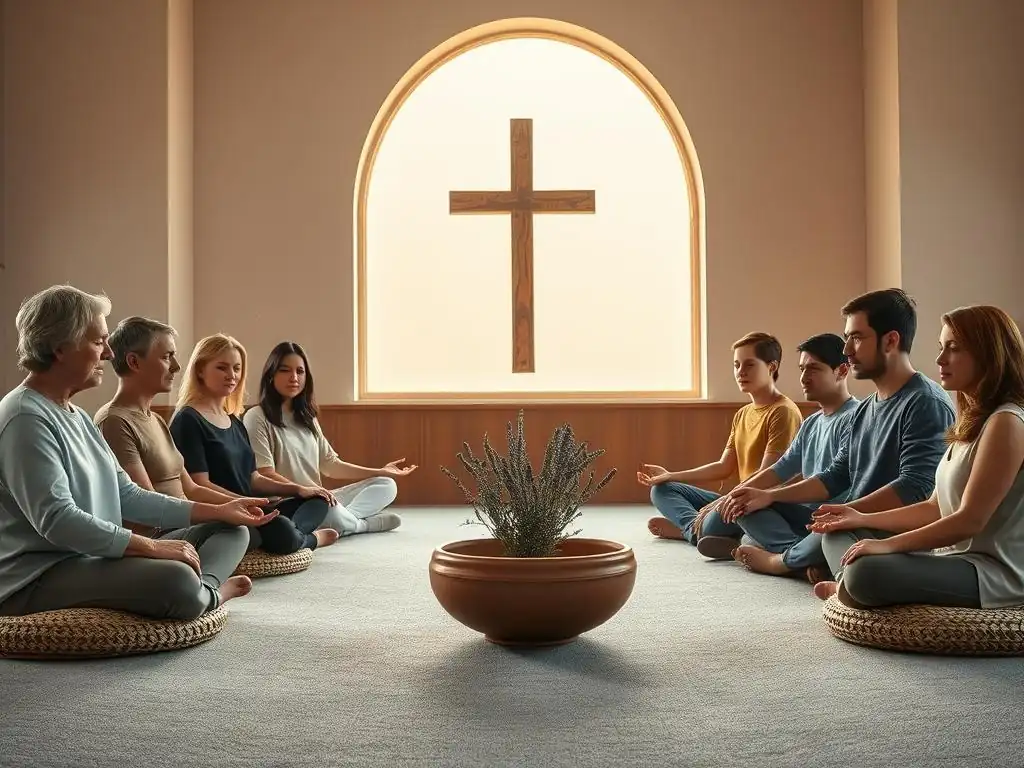
Practicing Christian meditation within a supportive community can significantly enhance its benefits for mental well-being. Many churches offer contemplative prayer groups, Lectio Divina studies, or workshops on Centering Prayer. Exploring these opportunities can connect you with others who share your interest in deepening their spiritual lives through meditation. If formal groups aren't available, consider starting one with a few like-minded friends from your church or community.
Engaging in Christian meditation alongside others provides a sense of shared journey and reduces feelings of isolation, which is particularly beneficial for those struggling with mental health challenges. Practicing in a group can also provide structure and accountability, making it easier to maintain consistency. The collective intention and prayerful atmosphere in a group setting can create a powerful sense of God's presence, enriching the individual experience.
Beyond simply practicing together, Christian meditation groups offer invaluable social support. Sharing your experiences, challenges, and insights from your meditation practice with trusted fellow believers can be deeply encouraging. Hearing how others navigate distractions, find comfort in scripture, or experience God's presence can normalize your own journey and provide new perspectives. This shared vulnerability fosters genuine connection and mutual support.
The relationships formed within these faith communities provide a crucial buffer against stress and anxiety. Knowing you have a network of people who care about your spiritual and emotional well-being offers a sense of security and belonging. This communal aspect reinforces the benefits of religious meditation reducing anxiety stress, as the support received from the group strengthens resilience and provides comfort during difficult times.
The Benefits of Guidance and Mentorship from Pastors and Spiritual Directors
Many pastors and spiritual directors within the Christian tradition are knowledgeable about contemplative practices and can offer guidance and mentorship. A pastor might recommend resources, suggest specific practices based on your needs, or even lead group meditation sessions. Spiritual directors are trained companions who walk alongside individuals on their spiritual journey, helping them discern God's presence and action in their lives, including their prayer and meditation practices.
Seeking guidance from an experienced spiritual leader can help you deepen your practice, navigate difficulties, and gain a richer understanding of the theological underpinnings of Christian meditation. They can offer wisdom on integrating the practice into your life and connecting it with your overall spiritual growth. This mentorship provides a layer of support that complements the personal practice and community involvement, contributing to a more holistic approach to mental and spiritual wellness.
Potential Downsides and Considerations of Christian Meditation
Addressing Potential Conflicts with Personal Beliefs and Scriptural Interpretation
While Christian meditation offers many benefits, it's important to approach it thoughtfully, considering potential conflicts with personal beliefs or interpretations of scripture. Different Christian traditions have varying levels of emphasis on contemplative practices, and some individuals may hold theological views that make certain methods feel uncomfortable or incompatible with their understanding of prayer or God. It's essential to explore these practices prayerfully and ensure they align with your core faith convictions.
If a particular method feels forced or contrary to your understanding of scripture or Christian doctrine, it's okay to explore other approaches or seek guidance from a trusted spiritual leader. The goal is to deepen your relationship with God and find peace, not to adopt a practice that creates internal conflict. Engaging with scripture and tradition while being open to personal revelation within the bounds of Christian teaching is a delicate balance that requires discernment.
Avoiding Dogmatism and Promoting Open-Mindedness
As with any spiritual practice, there is a potential for dogmatism or exclusivity when discussing Christian meditation. It's important to avoid presenting one specific method as the only valid or effective way to meditate within the Christian tradition. The history of Christian contemplative prayer is rich and diverse, encompassing many paths to God. Promoting open-mindedness towards different Christian meditation techniques and respecting the practices of others is crucial.
Furthermore, while advocating for the benefits of Christian meditation, it's important to do so without judgment towards those who do not practice it or who find other forms of prayer more helpful. The journey of faith and spiritual growth is personal, and what resonates deeply with one person may not resonate with another. Cultivating humility and grace in discussing these practices ensures that the focus remains on spiritual growth and mental well-being rather than rigidity.
Seeking Professional Mental Health Support When Needed
It is critically important to understand that while Christian meditation can be a powerful tool for supporting mental well-being and managing stress and anxiety, it is not a substitute for professional mental health treatment for conditions like severe anxiety disorders, clinical depression, bipolar disorder, or other serious psychological illnesses. Christian meditation is a complementary practice that can work alongside therapy, medication, or other recommended treatments.
If you are experiencing significant mental health challenges, it is essential to seek help from qualified mental health professionals, such as therapists, counselors, psychologists, or psychiatrists. They can provide diagnosis, treatment plans, and support tailored to your specific needs. While your faith and meditation practice can be integral to your coping strategy and recovery, professional medical and psychological care is necessary for addressing the clinical aspects of mental illness. Integrating faith, meditation, and professional support offers the most comprehensive approach to healing and well-being.
Conclusion: Embracing Christian Meditation for a Holistic Approach to Mental Wellness
The Lasting Benefits of Faith-Based Meditation on Mental Health
Embracing Christian meditation offers a profound pathway to enhanced mental wellness, rooted in centuries of faith tradition and supported by contemporary insights. By intentionally creating space for prayer, scripture engagement, and silent contemplation, individuals can cultivate inner peace, reduce the grip of anxiety and stress, and foster greater emotional resilience. This form of religious meditation reduces anxiety stress by providing a spiritual anchor, helping practitioners navigate life's challenges with greater calm and perspective. It offers a unique blend of spiritual depth and psychological benefit, addressing both the soul and the mind.
The lasting benefits extend beyond mere symptom reduction. Regular Christian meditation can foster a deeper sense of purpose, strengthen faith, improve self-awareness, and enhance relationships with God and others. It encourages a shift from a focus on external circumstances to an internal grounding in divine presence and truth. This holistic approach acknowledges that mental health is intricately connected to spiritual health, offering a sustainable path toward flourishing.
Longitudinal Studies on the Impact of Christian Meditation on Well-being
While specific long-term studies focusing solely on "Christian meditation" are still an emerging area of research, broader longitudinal studies on the impact of religious and spiritual practices provide compelling evidence for their sustained benefits on well-being. Research consistently indicates that individuals who engage in regular spiritual or religious practices often report higher levels of life satisfaction, greater resilience in the face of adversity, and lower rates of depression and anxiety over time.
These studies suggest that the consistent cultivation of a spiritual life, including contemplative practices, contributes to long-term psychological health. While more targeted research is needed to fully understand the specific long-term effects of distinct Christian meditation methods like Lectio Divina or Centering Prayer, the existing evidence strongly supports the notion that incorporating faith-based contemplative practices into one's life can have enduring positive impacts on mental health and overall quality of life.
Resources for Exploring Christian Meditation Practices
For those interested in exploring Christian meditation further, numerous resources are available. Many books delve into the history and practice of Lectio Divina, Centering Prayer, and other contemplative methods, offering guidance for beginners and experienced practitioners alike. Various Christian organizations and retreat centers offer workshops, retreats, and online resources dedicated to teaching and supporting Christian meditation.
Additionally, connecting with your local church or speaking with a pastor or spiritual director can provide personalized recommendations and opportunities to join guided practices or study groups. These resources can help you find a practice that resonates and provide the support needed to establish a consistent routine. Embarking on the journey of Christian meditation can be a transformative step towards integrating faith and mental wellness, offering a pathway to deeper peace and resilience.
Frequently Asked Questions
What is religious meditation and how does it differ from other types of meditation?
Religious meditation incorporates spiritual or religious beliefs and practices into the meditation process. Unlike secular meditation, it often involves prayer, scripture reading, or contemplation on religious figures or concepts.
How can religious meditation specifically help reduce anxiety and stress?
Religious meditation can foster a sense of connection with a higher power, providing comfort and reducing feelings of isolation. It can also promote mindfulness and acceptance, lessening the impact of anxious thoughts and stressful situations.
What are some of the documented mental health benefits of engaging in religious meditation?
Studies suggest religious meditation can lead to reduced anxiety and stress levels, improved mood, and a greater sense of inner peace and well-being. It may also enhance coping mechanisms for dealing with life's challenges.
Are there any specific religious traditions that are particularly known for their meditative practices?
Many religious traditions, including Buddhism, Christianity, Hinduism, and Islam, feature meditative practices. Each tradition offers unique techniques and approaches to cultivate inner stillness and spiritual growth.
Is religious meditation suitable for everyone, and are there any potential drawbacks to consider?
While beneficial for many, religious meditation may not resonate with individuals who are not religious or spiritual. It's important to choose practices that align with one's beliefs and to consult with a mental health professional if experiencing significant mental health challenges.
Final Reflection: Finding Peace Through Faith and Focus
The exploration of religious meditation's impact on anxiety and stress is not merely an academic exercise; it's a vital lifeline in our increasingly frenetic world. The evidence presented strongly suggests that incorporating faith-based meditative practices can offer a powerful, accessible tool for managing the pervasive anxieties and stresses of modern life. This isn't about replacing professional help, but rather about supplementing existing coping mechanisms with a deeply personal and spiritually enriching approach.
The profound influence of religious meditation extends far beyond individual well-being; it shapes communities, fosters resilience, and offers a framework for navigating life's inevitable challenges. It's a practice that has sustained countless individuals across generations, providing solace and strength in times of adversity. As the Dalai Lama wisely stated, Peace is not merely the absence of war, but the presence of justice, compassion, and the understanding of our interconnectedness.
This sentiment perfectly encapsulates the holistic benefits of religious meditation, extending its impact beyond the individual to create a more compassionate and understanding world.
Consider, for a moment, how the integration of mindful practices rooted in your faith could enrich your own life. Are you ready to explore the calming power of prayer, the centering effect of chanting, or the grounding presence of contemplative reflection? This isn't a passive pursuit; it's an active engagement with your spirituality and a conscious choice to prioritize your mental and emotional well-being. Embrace the opportunity to discover the transformative potential within, and embark on a journey towards a more peaceful and fulfilling life.
Unlock Your Inner Peace: Take the Next Step on Your Wellness Journey
Thanks for taking the time to explore the powerful connection between religious meditation and mental well-being. We hope you gained valuable insights into how this practice can enrich your life. Now it's time to put those insights into action!
- Begin your personalized meditation practice: Start with just 5 minutes a day, focusing on the techniques discussed in the article. Even small steps can make a big difference.
- Share your experience: Connect with others on our Mind Care Guide social media channels and share your journey, inspiring others to explore the benefits of meditation.
- Explore different religious traditions: Learn more about the diverse approaches to meditation found within various faiths – you might discover a new perspective that resonates deeply with you.
Ready to cultivate a deeper sense of calm and inner peace? What specific element of religious meditation resonates most with you and how will you incorporate it into your daily life?