
Dating with Social Anxiety: Tips for Making Connections


Welcome to Mind Care Guide, a sanctuary for your mental well-being.
Are you navigating the complexities of dating while living with social anxiety? You're not alone. This article, " Dating with Social Anxiety: Tips for Making Connections," offers practical strategies and empathetic guidance to help you build meaningful relationships. Discover how to manage your anxiety, embrace your authentic self, and find joy in the journey of connection. Curious to learn how? Let's explore together...
- Dating with Social Anxiety: A Mind Care Guide to Making Connections
- Preparing for the Dating World with Social Anxiety
-
Practical Tips for Navigating the Dating Process
- Choosing the Right Dating Platforms for Socially Anxious Individuals
- Crafting an Authentic Online Dating Profile: Highlighting Strengths
- Initiating Conversations Online: Overcoming the First Message Fear
- Planning Social Anxiety-Friendly First Dates
- Managing Anxiety During Dates: Grounding Techniques and Strategies
- Communicating Your Social Anxiety to a Potential Partner
- Building Healthy Relationships While Managing Social Anxiety
- Overcoming Common Dating Challenges with Social Anxiety
- Long-Term Relationship Strategies for Individuals with Social Anxiety
- Resources for Dating with Social Anxiety
-
Frequently Asked Questions
- What are some common challenges faced when dating with social anxiety?
- How can I manage anxiety symptoms before a date?
- Is it okay to disclose my social anxiety to a potential partner?
- What are some strategies for coping with social anxiety during a date?
- Where can I find additional support and resources for dating with social anxiety?
- Final Reflection: Navigating Love's Landscape with Social Anxiety
- Unlock Your Dating Potential: Take the First Step Today!
Social anxiety disorder (SAD), often referred to simply as social anxiety, can profoundly influence an individual's ability to form and maintain romantic connections. The core fear in social anxiety is the intense dread of being judged, scrutinized, or rejected by others in social situations. When applied to the context of dating, this fear can manifest as extreme nervousness before, during, and after interactions with potential partners. This pervasive anxiety can lead to avoidance behaviors, causing individuals to shy away from dating opportunities altogether or to end relationships prematurely due to overwhelming discomfort.
The impact extends beyond just initiating contact. Even within a developing or established relationship, social anxiety can create challenges. For instance, attending social events with a partner, meeting their friends or family, or even navigating intimate conversations can trigger significant anxiety. The fear of not being "good enough" or saying the "wrong thing" can lead to self-consciousness, difficulty expressing feelings authentically, and a tendency to overanalyze every interaction. This constant internal struggle can strain the relationship and prevent deeper emotional intimacy from developing, as the individual might feel compelled to hide aspects of themselves to avoid perceived negative judgment.
Recognizing the signs of social anxiety during dating is crucial, both for the individual experiencing it and for potential partners. Physically, signs can include blushing, sweating, trembling, a rapid heartbeat, or feeling nauseous when anticipating or engaging in a date. These physical symptoms are often accompanied by intense mental distress. Someone might find it difficult to make eye contact, struggle to find words, or speak very softly.
Behaviorally, individuals with social anxiety might exhibit avoidance patterns. They might cancel dates last minute, avoid group dates or meeting friends, or stick to very "safe" activities where interaction is limited, like watching a movie at home rather than going to a restaurant. During conversation, they might appear withdrawn, overly quiet, or excessively agreeable, fearing disagreement or conflict. Post-date, they might engage in intense rumination, replaying every moment and criticizing their own performance, a process sometimes referred to as post-event processing. Understanding these manifestations is the first step toward effective management and successful dating with social anxiety.
Individuals navigating dating with social anxiety often grapple with a specific set of fears that can feel paralyzing. One prevalent fear is the fear of not knowing what to say or running out of conversation topics, leading to awkward silences. This is often tied to the deeper fear of being perceived as boring, unintelligent, or socially incompetent. Another significant fear is the fear of being judged negatively based on appearance, personality, or past experiences shared during the date. This judgment extends to the fear of rejection, which can feel intensely personal and devastating, reinforcing negative self-beliefs.
Beyond initial impressions, fears also surface regarding future interactions. Meeting the partner's friends or family is a common source of dread, amplifying worries about group scrutiny and fitting in. Intimacy can also be a concern, not necessarily the physical aspect, but the emotional vulnerability required, fearing that revealing their true self will lead to disapproval or abandonment. Even seemingly minor interactions, like ordering food or paying the bill, can trigger anxiety due to the fear of making a mistake and being observed. These varied fears highlight the complex internal landscape faced by those dating with social anxiety.
Building Self-Esteem: A Foundation for Confident Dating
Building robust self-esteem is a fundamental step for anyone preparing for dating, and it is particularly vital when dealing with social anxiety. Low self-esteem often fuels the fear of judgment and rejection that characterizes social anxiety. Therefore, actively working on how you perceive yourself is paramount. This involves identifying your strengths, acknowledging your achievements, and practicing self-compassion. Instead of focusing on perceived flaws or past social missteps, try listing positive qualities you possess – perhaps you are kind, a good listener, creative, or have a strong sense of humor.
This process isn't about becoming boastful but about cultivating a realistic and positive self-image. Engaging in activities you enjoy and where you feel competent, like a hobby or a skill, can significantly boost confidence. Setting small, achievable goals, unrelated to dating initially, and accomplishing them can also build a sense of capability.
For someone with social anxiety, this might start with small social exposures, like initiating a brief conversation with a cashier, before tackling the larger goal of dating. This foundational work makes the prospect of dating feel less daunting and more like an opportunity to share your developing self with others.
Identifying and Challenging Negative Thoughts About Dating
A key component of managing social anxiety in dating is learning to identify and challenge the negative, often distorted, thought patterns that arise. These thoughts frequently take the form of assumptions or predictions about how interactions will go, such as "I'm going to say something stupid," "They won't find me interesting," or "This date will be a disaster." These thoughts are rarely based on objective reality but are products of anxiety-driven cognitive biases. The first step is awareness: becoming mindful of these thoughts as they occur, perhaps even jotting them down.
Once identified, the next step is to challenge their validity. Ask yourself: What is the evidence for this thought? Is there any evidence against it? What's a more balanced or realistic perspective? For example, if the thought is "They won't find me interesting," challenge it by considering past positive interactions or recognizing that your interests, while perhaps niche, are valid and could be engaging to the right person. This process, often used in cognitive behavioral therapy (CBT), helps weaken the power of negative thoughts, making them less automatic and less distressing when you are dating with social anxiety.
Setting realistic expectations is crucial when you have social anxiety and are entering or re-entering the dating world. It's easy to fall into the trap of expecting every interaction to be perfect, every connection to be instant, or to compare yourself to idealized versions of dating portrayed in media. However, dating is a process with ups and downs for everyone. Not every first date will lead to a second, and not every interesting conversation will blossom into a relationship. This is normal and not a reflection of your worth or social capability.
Understanding that dating involves vulnerability and the possibility of rejection, but framing it as a learning experience rather than a test, can reduce pressure. A realistic expectation might be to simply get through the first date, focus on being present, and learn a little about the other person, rather than aiming for instant chemistry or a guaranteed second date. For someone managing social anxiety, even successfully initiating contact or having a brief, pleasant conversation on a date is a significant achievement. Celebrate these small victories, and remember that finding a compatible partner takes time and multiple interactions.
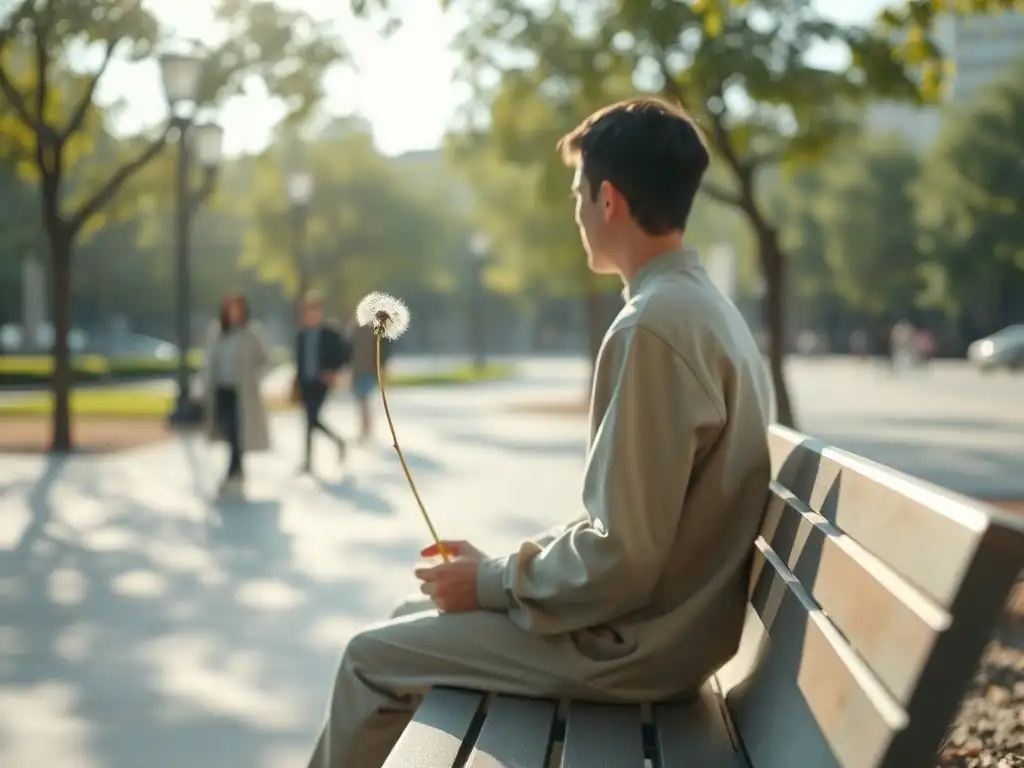
For individuals navigating dating with social anxiety, the platform where you begin your search can make a significant difference. While mainstream apps offer a wide pool, some might find the sheer volume and fast pace overwhelming. Consider platforms that encourage more detailed profiles or shared interests, which can provide natural conversation starters and a sense of knowing a bit about the person before meeting. Apps that match based on personality quizzes or shared values might also reduce the pressure of initial icebreakers by providing pre-established common ground.
Alternatively, looking into niche dating sites or apps based on specific hobbies or interests (e.g., reading, gaming, hiking) can connect you with people who already share a passion. This reduces the anxiety of finding common topics and increases the likelihood of a comfortable initial interaction. It's about finding an environment that feels less like a competition and more like an opportunity to connect with like-minded individuals at a pace that feels manageable when you are dating with social anxiety. Experimenting with a couple of different types of platforms might be helpful to see which environment feels most comfortable.
Crafting an Authentic Online Dating Profile: Highlighting Strengths
When creating an online dating profile, the goal is to present an authentic, appealing snapshot of who you are, even when you have social anxiety. Instead of trying to guess what others want to see, focus on genuinely representing yourself. Include recent photos that clearly show your face and perhaps one or two of you engaged in an activity you enjoy. Avoid overly filtered or misleading pictures. In your bio, highlight your interests and passions. What do you love to do? What are you curious about?
Focus on your strengths and positive qualities. Are you a good listener? Do you have a unique hobby? Are you known for your kindness or sense of humor (even if it's a bit quirky)?
Share these aspects. Being specific can spark interest and provide easy conversation points. For example, instead of saying "I like movies," mention your favorite genre or a recent film you enjoyed. While it might feel vulnerable to put yourself out there, an authentic profile attracts people who are genuinely interested in you, which is a much better foundation for dating with social anxiety than attracting someone based on a fabricated persona.
Initiating Conversations Online: Overcoming the First Message Fear
The fear of sending that first message is a common hurdle when dating with social anxiety. What do you say? Will they respond? What if they think my message is stupid? To navigate this, try to shift the focus from predicting the outcome (rejection) to simply taking the action of initiating contact. Keep the first message relatively short and friendly. Reference something specific in their profile – a shared interest, a detail in a photo, or something they wrote in their bio. This shows you've read their profile and provides an easy starting point for conversation.
For example, if their profile mentions loving a specific book, your message could be "Hi [Name], I saw you love [Book Title]! That's one of my favorites too. What did you think of the ending?" This is much more engaging than a generic "Hey" or "How are you?"
If the thought of sending a message feels overwhelming, try breaking it down: just open the chat window, then just type the first word, then finish the sentence. Remind yourself that their response (or lack thereof) is not a reflection of your worth. Many factors influence who responds online; focus on the fact that you bravely took the step to reach out.
Planning a first date that minimizes potential anxiety triggers can make the experience much more enjoyable when dating with social anxiety. Avoid environments that feel overwhelming or unpredictable, like crowded bars with loud music where conversation is difficult, or large social gatherings. Opt for quieter, more controlled settings where you can focus on getting to know the other person without excessive external pressure.
Good options include:
- A coffee shop during a less busy time.
- A walk in a park or along a scenic route.
- Visiting a museum or art gallery (allows for quiet observation and provides conversation topics).
- A casual lunch instead of dinner (often shorter and less formal).
Choosing an activity you genuinely enjoy can also help you feel more comfortable and confident. Having a planned activity can reduce anxiety about awkward silences, as there's something external to focus on or discuss. Communicate your preference for a quieter setting if possible, or suggest a few options to your date that fit your comfort level.
Managing Anxiety During Dates: Grounding Techniques and Strategies
Managing anxiety during a date requires conscious effort and preparation. Before the date, practice relaxation techniques like deep breathing or progressive muscle relaxation. During the date, if you feel anxiety rising, try grounding techniques. One common technique is the 5-4-3-2-1 method: acknowledge 5 things you can see, 4 things you can touch, 3 things you can hear, 2 things you can smell, and 1 thing you can taste. This helps pull your focus back to the present moment and away from anxious thoughts.
Another strategy is to focus your attention outward onto your date. Listen actively, ask questions, and show genuine interest. This not only makes the conversation flow better but also shifts your focus away from your internal state and self-consciousness. If you feel overwhelmed, it's okay to take a brief pause – a quick trip to the restroom for a few deep breaths can help reset. Remember that your date is likely also feeling some level of nervousness; you are not alone in feeling vulnerable.
Deciding when and how to communicate your social anxiety to a potential partner is a personal choice, but it can significantly reduce pressure and foster understanding. There's no single right time; some might mention it early in the online chat, while others might wait until after a few dates if a connection is forming. The key is to share in a way that is informative, not apologetic. Explain that you sometimes experience anxiety in social situations, particularly new ones, and describe how it might manifest for you (e.g., difficulty making eye contact, being quiet initially).
You don't need to share every detail immediately, but providing a brief, clear explanation can help your date interpret your behavior accurately rather than making potentially negative assumptions (like thinking you are uninterested or aloof). Frame it as a part of who you are and something you are working on, rather than a fundamental flaw.
For example, you might say, "Just so you know, I can be a bit quiet when I first meet people because I sometimes feel anxious in new situations, but I'm really enjoying getting to know you." This approach allows for empathy and open communication, which are vital for building any healthy relationship, especially when dating with social anxiety.
Establishing Boundaries and Communicating Needs
Establishing clear boundaries and effectively communicating your needs are essential for building a healthy relationship, especially when managing social anxiety. Your partner cannot intuitively know what makes you anxious or what support you need unless you tell them. This involves being open about situations that are challenging for you, such as large parties or meeting new groups of people. It also means setting boundaries around these situations – perhaps agreeing to attend for a limited time, having an "exit strategy," or needing some quiet time before or after a social event.
Communicating your needs might sound like saying, "I feel overwhelmed in crowded places, so maybe we could start with smaller gatherings?" or "Sometimes I need a little quiet time to recharge after we've been out." It's also important to communicate what is helpful. Does having your partner by your side make you feel more secure? Does knowing the plan in advance reduce your anxiety? Open dialogue about these things prevents misunderstandings and allows your partner to be a source of support rather than unknowingly adding to your stress while dating with social anxiety and beyond.
Navigating social events and group settings together is a common challenge for couples where one partner has social anxiety. These situations often trigger intense fears of judgment and scrutiny. As a couple, you can develop strategies to make these events more manageable. Discuss the event beforehand: Who will be there? What is the planned structure? Having this information can reduce anxiety about the unknown.
During the event, having your partner present can be a significant source of comfort. You can agree on subtle signals if you're feeling overwhelmed and need a break or want to leave. Your partner can also help facilitate conversations or introduce you to people, easing the pressure of initiating interactions yourself.
It's also perfectly acceptable to take short breaks from the group if needed, perhaps stepping outside for a few minutes. Remember, the goal isn't necessarily to become the life of the party, but to participate in a way that feels manageable and allows you to support your partner while respecting your own limits.
Professional support is invaluable for effectively managing social anxiety, particularly when it impacts dating and relationships. Therapists specializing in anxiety disorders can provide evidence-based treatments like Cognitive Behavioral Therapy (CBT) or Exposure and Response Prevention (ERP). CBT helps identify and challenge the negative thought patterns and beliefs that fuel social anxiety, while ERP involves gradually exposing yourself to feared social situations in a controlled environment to build tolerance and reduce fear.
A therapist can also work with you on developing social skills, improving communication, and building self-esteem specifically within the context of dating. For instance, they might help you practice initiating conversations, handling small talk, or navigating potential rejection. Seeking help is a sign of strength and a proactive step towards building a fulfilling romantic life. Many individuals see significant improvements in their ability to date and form relationships after engaging in therapy tailored to dating with social anxiety.
Maintaining Self-Care Practices Throughout the Dating Journey
Maintaining consistent self-care practices is crucial for managing social anxiety, especially during the emotionally taxing process of dating. Dating can bring vulnerability, uncertainty, and potential rejection, all of which can exacerbate anxiety symptoms. Prioritizing your well-being ensures you have the emotional resilience to navigate these challenges.
Self-care isn't selfish; it's necessary. This includes getting adequate sleep (aiming for 7-9 hours per night), eating nutritious meals, and engaging in regular physical activity, which is known to reduce anxiety levels. Make time for activities you enjoy and find relaxing, whether it's reading, spending time in nature, listening to music, or practicing mindfulness or meditation. Maintaining connections with supportive friends and family, unrelated to your dating life, also provides a vital emotional buffer. By consistently practicing self-care, you build a stronger foundation from which to approach dating with social anxiety and increase your overall capacity to handle stress.

Dealing with Rejection and Building Resilience
Rejection is an inevitable part of dating for everyone, but for individuals with social anxiety, the fear of rejection can be particularly intense and debilitating. When it happens, it's easy to internalize it and view it as confirmation of your deepest fears about not being good enough. Overcoming this requires building resilience and changing your perspective on rejection. See each instance not as a personal failure, but as a matter of compatibility. Not everyone will be a match, and that's okay.
Challenge the automatic negative thoughts that arise after rejection. Instead of thinking, "I was rejected because I'm awkward," try reframing it: "We weren't the right fit," or "This wasn't the right person for me." Focus on what you learned from the experience rather than dwelling on the perceived negative outcome. Over time, with practice and reframing, you can build a stronger emotional armor against the sting of rejection, making the process of dating with social anxiety less frightening.
Awkward silences and navigating unpredictable social interactions are significant sources of anxiety when dating with social anxiety. The fear is often centered around feeling responsible for keeping the conversation flowing perfectly. However, it's helpful to remember that silences are a normal part of conversation and don't necessarily indicate failure. They can be opportunities for reflection or simply comfortable pauses.
If a silence feels genuinely awkward, you can have a few go-to conversation starters ready in advance. These could be open-ended questions about their interests, recent experiences, or even lighthearted observations about your surroundings. For unpredictable social interactions, like bumping into someone you know while on a date, try to stay calm. A brief, polite introduction is usually sufficient. Practice these scenarios in your mind beforehand or with a trusted friend to feel more prepared. The more you expose yourself to these situations, the less power they hold over your anxiety.
Managing Post-Date Anxiety and Overthinking
Post-date anxiety and excessive overthinking are common experiences when dating with social anxiety. After a date, the mind can replay every moment, scrutinizing every word spoken and gesture made, searching for perceived flaws or signs of disapproval. This rumination can be exhausting and fuel further anxiety about future interactions. To manage this, try to interrupt the cycle of overthinking.
Set a time limit for post-date analysis – perhaps 15-20 minutes – and then actively shift your focus to something else. Engage in a distracting activity you enjoy. Write down your thoughts in a journal to get them out of your head. Challenge the negative interpretations by considering alternative explanations or focusing on the positive aspects of the date, no matter how small.
For example, instead of dwelling on a perceived awkward comment, focus on a moment where you felt comfortable or genuinely laughed. Practice mindfulness to stay grounded in the present rather than getting lost in hypothetical future scenarios or past analyses. This helps reduce the intensity of post-date rumination when dating with social anxiety.
Maintaining Open Communication and Honesty
Open communication and honesty form the bedrock of any strong long-term relationship, and they are particularly vital when one partner is managing social anxiety. Continuously communicating your feelings, triggers, and needs helps your partner understand your experience and provide support. This isn't a one-time conversation; anxiety levels can fluctuate, and different situations may present new challenges. Regularly checking in with each other about how you're both feeling fosters a supportive environment.
Honesty extends to acknowledging when you're feeling anxious, rather than trying to hide it or pretending everything is fine. Sharing your vulnerability can deepen the connection and allow your partner to offer reassurance or practical help. Conversely, it's also important to communicate your successes and moments of comfort. When you successfully navigate a challenging social situation or feel particularly at ease with your partner, sharing that positive experience reinforces the understanding and support within the relationship built while dating with social anxiety and growing together.
For couples where social anxiety significantly impacts the relationship dynamics, seeking couples therapy can be immensely beneficial. A therapist can provide a neutral space to discuss the challenges that social anxiety presents for both partners. They can help the non-anxious partner better understand the nature of social anxiety, differentiating it from shyness or disinterest, and learn effective ways to be supportive without enabling avoidance behaviors.
The therapist can also work with the couple on communication strategies specifically related to navigating social situations together, setting boundaries, and managing expectations. They can address potential relationship strain caused by canceled plans, avoidance of social events, or difficulties in meeting friends and family. Couples therapy provides tools and strategies to strengthen the partnership and navigate the complexities of maintaining a relationship while one partner is actively managing dating with social anxiety and its effects on shared life.
Cultivating a Supportive and Understanding Partnership
Cultivating a supportive and understanding partnership is key to long-term relationship success when social anxiety is a factor. This involves mutual empathy and patience. The non-anxious partner can show support by being patient with gradual progress, offering reassurance without pressure, and celebrating small victories. Understanding that social anxiety is a mental health condition, not a choice or a flaw in personality, is fundamental.
The partner with social anxiety can contribute by being open, willing to work on managing their anxiety, and appreciating their partner's efforts. It's a team effort. Together, you can identify challenging situations and brainstorm coping strategies. Celebrating successes, like attending a difficult event or having a successful interaction, reinforces positive experiences. A strong, understanding partnership provides a secure base that makes facing the challenges of social anxiety feel less isolating and more manageable, allowing the relationship to thrive.
Online Support Groups and Communities
Online support groups and communities can be a valuable resource for individuals navigating dating with social anxiety. These platforms connect you with others who share similar experiences, reducing feelings of isolation and providing a space to share challenges and successes without fear of judgment. Many forums and social media groups are dedicated specifically to social anxiety or dating with anxiety.
Within these communities, you can read about other people's strategies, ask for advice on specific dating scenarios, or simply find validation in knowing you're not alone. Popular platforms like Reddit have active subreddits focused on social anxiety where users frequently discuss dating challenges. While these groups are not a substitute for professional help, they offer peer support, shared wisdom, and a sense of belonging that can be incredibly encouraging when you're dating with social anxiety.
Numerous books and articles offer insights and practical strategies for dating with social anxiety. These resources often provide in-depth explanations of how social anxiety manifests in relationships, cognitive techniques to challenge negative thoughts, and behavioral exercises to gradually approach feared situations.
Look for resources based on cognitive behavioral therapy (CBT) principles, as these are widely recognized as effective for social anxiety. Books like "Dating Without Fear" or guides specifically aimed at social anxiety and relationships can offer structured approaches to building confidence, improving social skills, and navigating the dating process. Reading personal accounts or expert advice can provide new perspectives and actionable steps to take on your journey towards successful dating with social anxiety.
For personalized support and evidence-based treatment, consulting a mental health professional specializing in social anxiety and relationship issues is highly recommended. Psychologists, therapists, or counselors with expertise in anxiety disorders can provide tailored treatment plans. They can help you understand the root causes of your anxiety, teach coping mechanisms, and guide you through exposure exercises in a safe and controlled manner.
When seeking a professional, look for someone experienced in treating social anxiety, preferably using CBT or ERP. They can help you develop specific strategies for dating scenarios, work through fears of intimacy or commitment, and address any underlying issues that might be contributing to your anxiety. Investing in professional support is an investment in your mental well-being and your ability to form meaningful connections, making the path of dating with social anxiety much more manageable and hopeful.
Frequently Asked Questions
Dating with social anxiety often involves intense fear of judgment, difficulty initiating social interactions, and overthinking past or potential future encounters. This can lead to avoidance and feelings of isolation.
How can I manage anxiety symptoms before a date?
Before a date, focus on relaxation techniques like deep breathing or mindfulness. Prepare some conversation starters to ease the initial awkwardness and reduce anxiety about what to say.
Yes, being honest and open about your social anxiety can foster trust and understanding. Choose the right time and way to share, focusing on how they can support you.
During a date, practice self-compassion and challenge negative thoughts. If feeling overwhelmed, take a short break to compose yourself or communicate your needs calmly.
Mind Care Guide offers valuable information, support groups, and articles on managing social anxiety in various contexts, including dating. Look for online forums and professional therapists specializing in anxiety disorders.
Dating with social anxiety is not a sentence; it's a challenge, a journey, and ultimately, a testament to the resilience of the human heart. This article explored practical strategies for navigating the complexities of dating while managing social anxiety, from preparing for first dates to managing overwhelming feelings. These tools aren't just helpful for those diagnosed with social anxiety; they offer valuable insights for anyone who feels hesitant or insecure in social situations, especially those involving romantic connection.
The impact of social anxiety on relationships is profound, shaping how we perceive ourselves and interact with others. It's a silent struggle that often goes unseen, yet its influence on our ability to form meaningful connections is undeniable. The most beautiful people we have known are those who have known defeat, known suffering, known struggle, known loss, and have found their way out of the depths.
This quote, while not directly about social anxiety, speaks to the strength and beauty that can emerge from overcoming challenges, a sentiment deeply relevant to the journey of dating with this condition. The ongoing conversation surrounding mental health is crucial, and normalizing the experience of social anxiety within the context of dating is a vital step towards fostering understanding and support.
You are not alone in this journey. Consider the strategies discussed – mindful self-compassion, gradual exposure, and building self-esteem – as tools in your personal toolkit. Embrace the process of self-discovery and growth. Remember that vulnerability is not weakness; it's the pathway to authentic connection. Take a moment to reflect on your own experiences and identify one small step you can take today to move forward with confidence and courage in your dating life. Your journey towards love and connection is worth celebrating, every step of the way.
Unlock Your Dating Potential: Take the First Step Today!
Thanks for taking the time to explore the world of dating with social anxiety. We hope you found practical strategies to build confidence and connect authentically. Now it's time to put those tips into action!
- Start small: Identify one social situation this week (even a small one, like smiling at someone) that makes you feel slightly uncomfortable, and do it! This is about building momentum, not conquering anxiety overnight.
- Share your journey: Tell a friend or family member about your progress and the strategies you're using. Talking about it can help solidify your learning and provide added support.
- Challenge your negative self-talk: When anxious thoughts creep in, actively challenge them. Replace them with positive affirmations about your strengths and capabilities.
Ready to step outside your comfort zone and embrace new connections? What small step will you take this week to build confidence in your dating life?