
Creating Calm: Designing a Home Environment That Reduces Anxiety

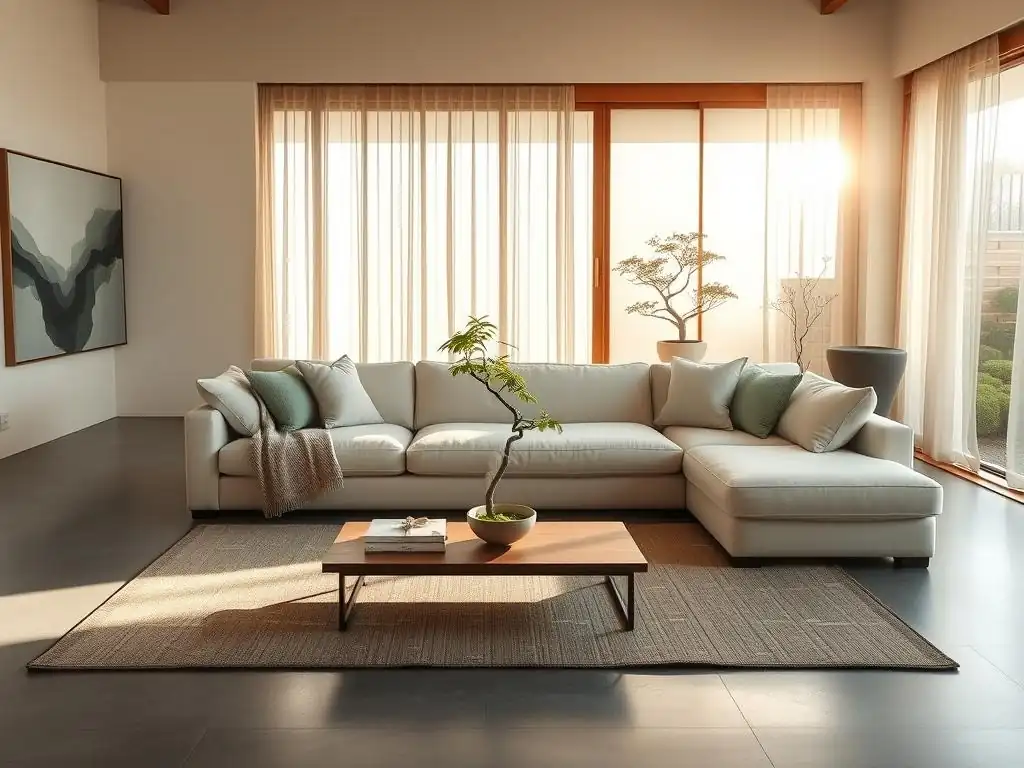
Welcome to Mind Care Guide.
Feeling overwhelmed? Your home should be a sanctuary, a place of peace. But sometimes, it can unintentionally contribute to anxiety. Discover how your home environment can drastically impact your mental well-being and start creating a space where you can truly relax. Are you ready to transform your surroundings and reduce anxiety from the inside out? Let's explore the powerful connection between your home and your peace of mind in our article: "Creating Calm: Designing a Home Environment That Reduces Anxiety."
Creating Calm: Designing a Home Environment That Reduces Anxiety
- Understanding Anxiety in Children and Adolescents: The Role of the Home
- The Principles of Calming Home Design for Anxiety Relief
- Practical Strategies for Designing an Anxiety-Reducing Home
- Specific Room-by-Room Design Tips for Anxiety Reduction
- The Importance of Routine and Predictability in a Calming Home
- Involving Children and Adolescents in the Design Process
- Maintaining a Calm Home Environment Long-Term
- Seeking Professional Help: When Home Design Isn't Enough
- Conclusion: Creating a Home That Supports Mental Well-being
-
Frequently Asked Questions
- How does the home environment impact anxiety levels?
- What are some key design elements that can reduce anxiety at home?
- Are there specific materials or textures that are better for creating a calming home environment?
- How can I declutter my home effectively to reduce anxiety?
- What role does personalization play in creating an anxiety-reducing home environment?
- Final Reflection: Cultivating Inner Peace Through Mindful Design
- Unveil Your Calm: Design Your Anxiety-Free Sanctuary
Understanding Anxiety in Children and Adolescents: The Role of the Home
Anxiety Triggers in the Home Environment for Young People
The home, while ideally a sanctuary, can inadvertently harbor triggers that exacerbate anxiety in children and adolescents. Disorganization and clutter are significant culprits, creating visual chaos that can overwhelm a young, developing mind already struggling with internal turmoil. A cluttered space can feel unpredictable and unsafe, making it difficult for a child or teen to relax or focus.
For instance, a study area piled high with books and papers might increase feelings of being overwhelmed by schoolwork, directly contributing to anxiety about academic performance. Similarly, a lack of personal space or privacy, especially in shared rooms or crowded homes, can heighten feelings of vulnerability and stress, denying a child the necessary retreat to process emotions or simply be alone.
Beyond physical clutter, emotional triggers within the home environment also play a profound role. High levels of conflict between family members, inconsistent routines, or excessive noise can create a constant state of alertness and unease for an anxious young person. The absence of clear boundaries or predictable schedules can be particularly unsettling, as anxiety often thrives on uncertainty.
Consider a home where mealtimes and bedtimes are erratic; a child with anxiety might worry excessively about what will happen next, when they will eat, or if they will get enough sleep, all contributing to a baseline level of stress that is difficult to manage. Understanding these potential triggers is the first step in intentionally designing a home environment that reduces anxiety.
Why a Supportive Home Environment is Crucial for Managing Anxiety
A supportive home environment acts as a vital buffer against the challenges of anxiety for children and adolescents. It provides a sense of security, predictability, and calm that is essential for emotional regulation. When a young person feels safe and understood in their own home, they are better equipped to cope with anxious feelings that arise from external pressures like school or social situations. This safe base allows them to return and recharge, knowing they have a consistent place where they can feel accepted and supported, regardless of how their anxiety is manifesting.
Furthermore, a consciously designed home environment reduces anxiety by minimizing sensory overload and creating spaces conducive to relaxation and coping mechanisms. For a child prone to anxiety, small adjustments can make a big difference.
Knowing there is a quiet corner to retreat to when feeling overwhelmed, or that their bedroom is a peaceful sanctuary free from stress, empowers them to manage their emotions more effectively. This supportive setting doesn't just reduce anxiety in the moment; it helps build resilience over time, teaching young people that their environment can be a tool for well-being and that they have agency in creating spaces that nurture their mental health.
The Principles of Calming Home Design for Anxiety Relief
Minimalism and Decluttering: Creating a Peaceful Space
Minimalism and decluttering are foundational principles for designing a home environment that reduces anxiety. Excessive possessions and disorganization create visual noise and mental clutter, making it difficult to relax and find peace. When surfaces are clear and items have designated places, the brain expends less energy processing stimuli, leading to a greater sense of calm.
Think about the difference between walking into a chaotic room versus a tidy one; the latter immediately feels more restful. Reducing the sheer volume of stuff in a home, particularly in a child's or teen's personal space, can significantly lower their baseline stress levels and make the environment feel more manageable.
The process of decluttering itself can also be therapeutic, offering a sense of control and accomplishment. For a young person, participating in decluttering their own room can be empowering, allowing them to curate their space and decide what items truly matter. This isn't about stark emptiness, but about intentionality – keeping only what is functional, meaningful, or brings joy.
Studies suggest that living in a decluttered space can improve focus and reduce procrastination, indirectly alleviating anxiety related to tasks and responsibilities. Implementing regular, small decluttering habits throughout the home contributes to a sustained feeling of order and peace, making the entire home environment more conducive to relaxation and reducing anxiety.
The Impact of Color Psychology on Anxiety Levels in Children and Teens
Color psychology plays a significant role in how a home environment affects mood and anxiety levels, particularly for sensitive young people. Certain colors have been shown to evoke feelings of calm and tranquility, while others can be stimulating or even agitating. Soft, muted tones found in nature, such as gentle blues, greens, and earthy neutrals (like beige, cream, or light gray), are widely recommended for spaces intended to promote relaxation.
Blue is often associated with calmness and stability, while green connects us to nature and promotes feelings of balance and harmony. Using these colors on walls, bedding, or decor can create a serene backdrop that helps reduce anxiety.
Conversely, overly bright or highly saturated colors, such as vibrant reds or yellows, can be stimulating and may increase feelings of restlessness or irritability in some individuals, especially those prone to anxiety. While pops of bright color can be cheerful, using them extensively in areas meant for rest or quiet activities might be counterproductive. The key is balance and intentionality.
Choosing calming colors for main areas like bedrooms and living rooms, and using more vibrant colors sparingly or in activity-focused zones, can help tailor the home environment to support emotional regulation and reduce anxiety effectively. Research indicates that exposure to certain calming colors can even have subtle physiological effects, such as slightly lowering heart rate.
Biophilic Design: Connecting with Nature to Reduce Stress
Biophilic design, the practice of incorporating elements of nature into the built environment, is a powerful strategy for creating a home environment that reduces anxiety. Humans have an innate connection to nature, and bringing natural elements indoors can significantly lower stress levels and improve overall well-being. This doesn't require a complete home renovation; simple additions can make a difference. Introducing houseplants, for example, not only improves air quality but also provides visual connection to the natural world. Studies have shown that interacting with or even just viewing plants can reduce cortisol levels, the body's primary stress hormone.
Other ways to integrate biophilic design include maximizing access to natural light, using natural materials like wood or stone in decor, incorporating water features (even small tabletop ones), and using patterns or art that mimic natural forms. Ensuring views of nature from windows, if available, is also beneficial. For a child or teen struggling with anxiety, having these natural elements present in their daily environment provides a subtle, constant source of calm and grounding.
It helps them feel more connected to the outside world and less trapped by their internal struggles, contributing to a more peaceful and anxiety-reducing home. Even displaying nature-themed photographs or prints can offer some of these benefits.
Practical Strategies for Designing an Anxiety-Reducing Home
Creating Designated Calm-Down Zones
Creating specific calm-down zones within the home provides anxious children and adolescents with a predictable, safe retreat when they feel overwhelmed. These zones are not for punishment but are intentionally designed spaces where they can go to regulate their emotions. Knowing that this dedicated space exists and is readily available can itself reduce anticipatory anxiety about not having a place to cope during moments of distress.
These zones should be comfortable, easily accessible, and free from distractions or demands. They can be a corner of a bedroom, a small nook in the living area, or even a designated spot under a sturdy table draped with a blanket.
Setting Up a Sensory-Friendly Corner
Within a calm-down zone, a sensory-friendly corner can be particularly effective for children and teens whose anxiety is heightened by sensory overload or who benefit from sensory input to regulate. This corner might include items that engage different senses in a soothing way. Soft pillows and blankets provide tactile comfort.
Gentle lighting, perhaps from a small lamp with a warm bulb or string lights, creates a calming visual environment. Noise-reducing headphones can help block out overwhelming sounds. Including items like fidget toys, stress balls, or textured objects can provide helpful tactile and kinesthetic input that helps ground an anxious individual and redirect their focus away from distressing thoughts.
Utilizing Weighted Blankets and Comfort Items
Weighted blankets are a popular and often effective tool for reducing anxiety, particularly in calm-down zones. The gentle, even pressure they provide mimics a hug or swaddling, which can activate the parasympathetic nervous system, promoting relaxation and reducing feelings of agitation. Many users report feeling a sense of security and calm when using a weighted blanket.
The appropriate weight typically ranges from 5% to 10% of the user's body weight, though individual preference varies. Along with weighted blankets, incorporating other familiar comfort items like a favorite stuffed animal, a soft throw pillow, or a beloved book can enhance the sense of safety and security in the calm-down space, further helping the home environment reduce anxiety.
Optimizing Lighting for Relaxation and Improved Mood
Lighting significantly impacts mood and anxiety levels. Harsh, bright, or fluorescent lighting can be jarring and contribute to feelings of stress and irritability. Optimizing lighting is a key element in creating a home environment that reduces anxiety. The goal is to create soft, warm, and adjustable lighting conditions that promote relaxation and support healthy sleep-wake cycles, which are often disrupted by anxiety.
Natural Light vs. Artificial Light: Finding the Right Balance
Maximizing natural light during the day is incredibly beneficial for mental well-being. Exposure to natural light helps regulate circadian rhythms, improving sleep quality and reducing symptoms of anxiety and depression. Arrange furniture to take advantage of windows, keep curtains open during the day, and ensure windows are clean.
However, direct, harsh sunlight can sometimes be overwhelming; using sheer curtains or blinds to diffuse intense light can help. As evening approaches, transitioning away from bright overhead lights to softer, warmer artificial light signals to the body that it's time to wind down. This balance between invigorating natural light during the day and calming artificial light in the evening is crucial for an anxiety-reducing home.
Using Dimmers and Calming Light Colors
Artificial lighting choices can profoundly influence the atmosphere of a room. Installing dimmer switches allows for adjustable light levels, providing flexibility to create brighter environments for tasks and softer, more subdued lighting for relaxation. Warm-toned light bulbs (typically those with a color temperature around 2700K) emit a soft, yellowish light that feels cozy and calming, mimicking the glow of incandescent bulbs or candlelight.
Avoid cool white or blue-toned LED lights in areas meant for relaxation, as these can be stimulating and suppress melatonin production, negatively impacting sleep. Layering different light sources – such as lamps with warm bulbs, string lights, or salt lamps – can create a gentle, ambient glow that contributes significantly to a calm and anxiety-reducing home environment.
Soundproofing and Noise Reduction Techniques
Noise can be a major source of stress and anxiety, particularly for individuals who are sensitive to auditory stimuli. A home environment reduces anxiety most effectively when it minimizes disruptive sounds. External noise from traffic, neighbors, or construction can be unpredictable and overwhelming, while internal noise from appliances, electronics, or other family members can prevent relaxation and concentration. Implementing strategies to reduce unwanted noise creates a more peaceful auditory landscape.
Minimizing External Noise Pollution
To minimize external noise pollution, consider sealing gaps around windows and doors, which are common entry points for sound. Heavy curtains or blinds can help absorb some external noise. For more significant issues, installing double-paned windows or adding insulation to walls can provide substantial sound reduction, though these are more significant investments. Even simple steps like arranging furniture strategically, placing bookshelves against shared walls, or using rugs and carpets to absorb sound can make a noticeable difference. Reducing the intrusion of chaotic external sounds helps create a more predictable and tranquil home environment that reduces anxiety.
Incorporating White Noise or Nature Sounds
While reducing unwanted noise is important, introducing calming sounds can also be beneficial. White noise machines or apps that play consistent, ambient sounds (like the hum of a fan or static) can help mask sudden, jarring noises that might trigger anxiety. Many people also find nature sounds, such as gentle rain, ocean waves, or forest ambiance, to be incredibly soothing.
Playing these sounds at a low volume can create a peaceful auditory backdrop that promotes relaxation and helps drown out distracting or anxiety-inducing noises. This intentional use of sound contributes to making the home environment a more predictable and calm space, aiding in the reduction of anxiety.
Specific Room-by-Room Design Tips for Anxiety Reduction
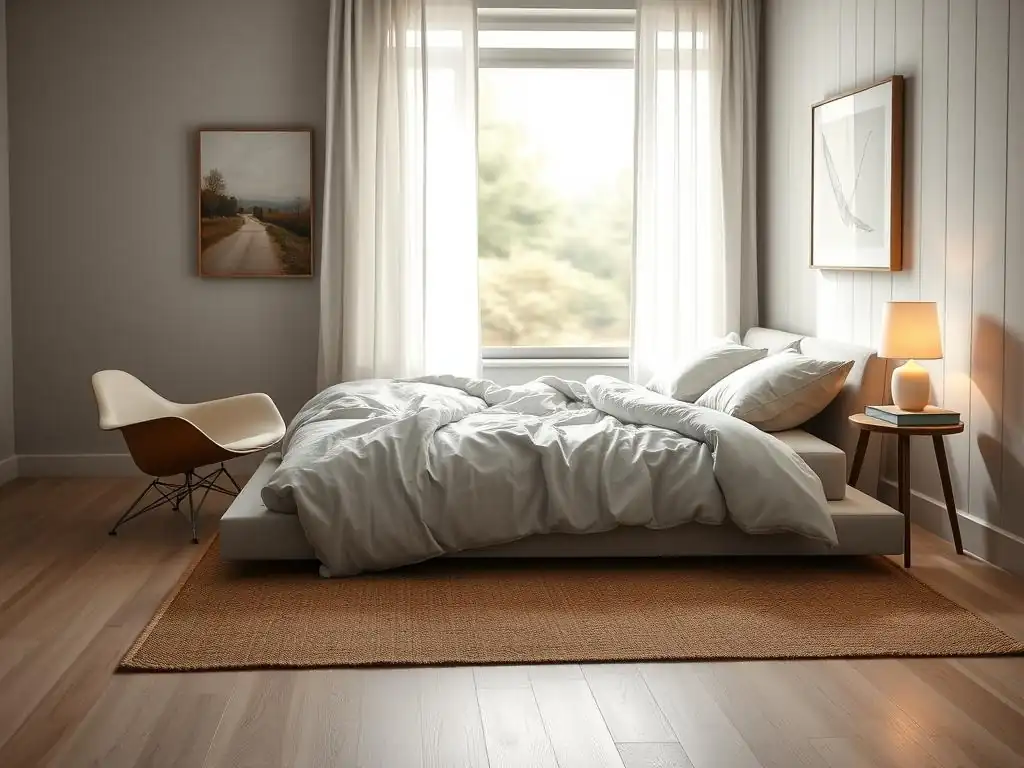
The Bedroom: Creating a Sleep Sanctuary
The bedroom should be the ultimate sanctuary, a place dedicated to rest, relaxation, and sleep. For a child or adolescent with anxiety, a bedroom that promotes calm is essential, as sleep disturbances are frequently linked to anxiety levels. Designing this space with tranquility in mind is paramount for an anxiety-reducing home.
Choosing Calming Bedding and Decor
Selecting calming colors and textures for bedding and decor creates a soothing visual and tactile experience. Soft, breathable fabrics in muted colors like blues, greens, grays, or pastels contribute to a restful atmosphere. Avoid busy patterns or vibrant colors on large surfaces like walls or bedding. Keep decor simple and meaningful; too many items can feel cluttered and distracting. Comfortable pillows and blankets, perhaps including a weighted blanket, enhance the sense of coziness and security. Ensuring the room is dark enough for sleep, perhaps with blackout curtains, also supports healthy sleep patterns, which directly impacts anxiety management.
Eliminating Electronic Devices Before Bed
A critical step in making the bedroom an anxiety-reducing space is enforcing a strict rule about eliminating electronic devices for a significant period before bedtime. The blue light emitted by screens (phones, tablets, computers, TVs) interferes with melatonin production, making it harder to fall asleep. Furthermore, engaging with social media, stressful news, or even stimulating games right before bed can heighten anxiety and make the mind race.
Encourage reading a physical book, listening to quiet music or a calming podcast, or practicing simple relaxation techniques instead. Designating the bedroom as a screen-free zone, especially in the hour or two before sleep, significantly contributes to creating a sleep sanctuary that helps the home environment reduce anxiety.
The Living Room: Fostering Connection and Relaxation
The living room is often a central gathering space, and designing it to foster connection and relaxation is key to creating a supportive home environment that reduces anxiety for the whole family. It should be a place where family members feel comfortable spending time together or quietly pursuing individual activities.
Comfortable Seating Arrangements
Arranging seating to encourage conversation and connection makes the living room feel more welcoming and less formal. Comfortable sofas and chairs with soft cushions invite relaxation. Consider arranging seating in a way that facilitates face-to-face interaction rather than just facing a television. Providing a variety of seating options, such as floor cushions or bean bags, can cater to different preferences and create a more relaxed vibe. Ensuring there is enough space for everyone to sit comfortably without feeling crowded also contributes to a sense of ease in the room.
Designating a Quiet Reading Nook
Even in a shared space like the living room, designating a small quiet reading nook can provide a valuable retreat. This doesn't require a separate room; it could be an armchair in a corner with a good reading lamp and maybe a small side table for a drink. This clearly defined space signals that it's a place for quiet activity and relaxation.
For a child or teen who needs a break from social interaction or noise, this nook offers a readily available option within the family space, allowing them to decompress without having to fully isolate themselves in their bedroom. This simple addition supports individual quiet time within the communal area, helping the home environment reduce anxiety by offering varied options for relaxation.
The Study Area: Promoting Focus and Reducing Stress
For children and adolescents, the study area can be a significant source of anxiety, tied to academic pressures and deadlines. Designing this space to promote focus and reduce stress is vital. A calm and organized study area helps manage the anxiety associated with schoolwork.
Ergonomic Furniture for Proper Posture
While seemingly unrelated to anxiety, physical discomfort can contribute to mental unease. Ergonomic furniture, such as a chair that supports proper posture and a desk at the right height, prevents physical strain that can be distracting and uncomfortable. When a child or teen is physically comfortable, they are better able to focus on their tasks without the added stress of aches and pains. This attention to physical well-being is an often-overlooked aspect of creating a supportive study environment that indirectly helps the home environment reduce anxiety related to schoolwork.
Minimizing Distractions and Visual Clutter
The study area should be designed to minimize distractions. Facing the desk towards a wall rather than a window or a busy part of the room can limit visual distractions. Keep the desk surface clear, with only necessary items within reach.
Use organizers for pens, papers, and other supplies to prevent clutter buildup. Good lighting, preferably natural light supplemented by a task lamp, is essential for preventing eye strain, which can add to discomfort and reduce focus. Creating a clean, organized, and distraction-free study space helps a young person feel more in control of their tasks, reducing the anxiety that can come from feeling overwhelmed or unable to concentrate.
The Importance of Routine and Predictability in a Calming Home
Beyond the physical design, establishing consistent routines and predictability is a cornerstone of creating a truly anxiety-reducing home environment. Anxiety often thrives in uncertainty, so knowing what to expect can provide a profound sense of security for children and adolescents. Predictable rhythms throughout the day and week reduce the mental load of constantly anticipating what comes next.
Establishing Consistent Daily Schedules
Consistent daily schedules for activities like meals, homework, chores, playtime, and bedtime help create a predictable framework for the day. While flexibility is sometimes necessary, maintaining a general structure provides a sense of stability. For example, having a set time for dinner each evening or a regular sequence of activities before bed (e.g., tidy up, bath, reading) signals transitions and helps young people mentally prepare. This predictability reduces the anxiety that can arise from constant unknowns and helps manage expectations for what needs to be done and when. It makes the home environment feel safe and reliable.
Visual Aids for Managing Expectations
For younger children or those who benefit from visual cues, using visual aids can significantly enhance predictability and reduce anxiety. A visual schedule posted in a common area, showing the day's or week's activities using pictures or simple text, allows them to see what is coming up. Checklists for morning or bedtime routines can also provide a sense of accomplishment and structure. These tools externalize the schedule, making it less abstract and easier for an anxious child to process and anticipate, thereby contributing to a calmer home environment that reduces anxiety about transitions and upcoming events.
Involving Children and Adolescents in the Design Process
Empowering children and adolescents by involving them in the process of designing their personal space and contributing to common areas is crucial for creating a truly anxiety-reducing home. When young people have a say in their surroundings, they feel a greater sense of ownership, control, and comfort. This participation is not just about aesthetics; it's about validating their feelings and needs.
Empowering Young People to Create Their Own Safe Spaces
Give children and teens agency in designing their own bedrooms or calm-down corners. This could involve letting them choose paint colors (within a calming palette), select bedding and decor, or decide how their furniture is arranged. For a calm-down zone, allow them to gather the comfort items and sensory tools that they find most helpful. This autonomy is incredibly empowering for someone who often feels out of control due to anxiety. It transforms their space into a personal sanctuary that reflects their preferences and needs, making it a more effective tool for managing anxiety.
Considering Their Preferences and Needs
While guiding them towards calming principles, it's vital to genuinely consider their preferences and unique needs. What one child finds soothing, another might not. Some might prefer soft textures, while others benefit from deep pressure.
Some might want a completely quiet space, while others find gentle background noise calming. Ask them what makes them feel safe, relaxed, or overwhelmed in their current space. Incorporating their input ensures that the design choices are genuinely supportive and tailored to their specific anxieties and coping styles, making the home environment a more effective tool for reducing anxiety in a way that resonates with them personally.
Maintaining a Calm Home Environment Long-Term
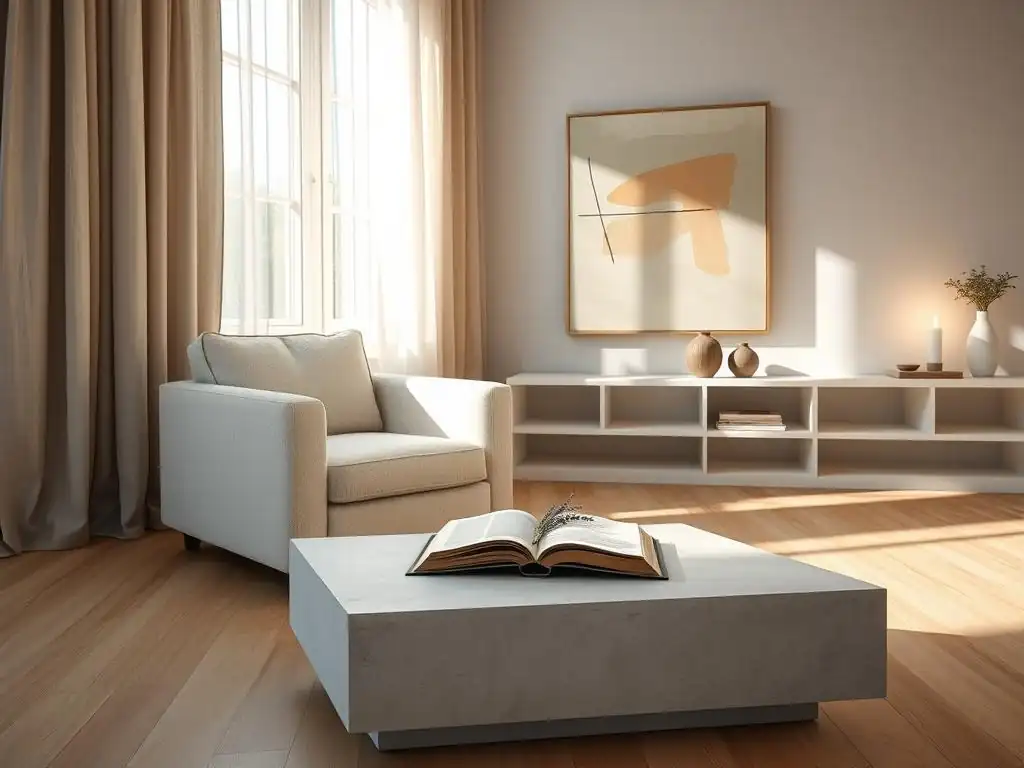
Creating an anxiety-reducing home environment is not a one-time project but an ongoing process. Maintaining the principles of calm design and supportive routines requires consistent effort. Life happens, and clutter or disruptions can creep back in, but having strategies for long-term maintenance ensures the home remains a haven.
Regular Decluttering and Organization
Just as initial decluttering is vital, maintaining organization is key. Implement regular, perhaps weekly or monthly, mini-decluttering sessions. This prevents the overwhelming buildup of items that can quickly reintroduce visual stress. Involve the children and adolescents in maintaining the organization of shared spaces and their own rooms. Making it a routine part of family life, perhaps framed as "resetting our calm space," reinforces the importance of the organized environment for everyone's well-being. Consistent tidiness helps the home environment continue to reduce anxiety by keeping visual chaos at bay.
Open Communication About Anxiety Triggers
Maintaining a calm home also involves ongoing open communication about what is and isn't working. Encourage family members, especially the children and adolescents, to voice if something in the home environment is triggering their anxiety. Perhaps a certain noise has become bothersome, a shared space feels too chaotic, or the calm-down corner needs new items. Regularly checking in and being responsive to these needs ensures that the home environment remains a dynamic, supportive space that adapts as needs change. This open dialogue about anxiety and its environmental triggers is fundamental to sustaining a truly anxiety-reducing home.
Seeking Professional Help: When Home Design Isn't Enough
While designing a supportive home environment is a powerful tool for managing anxiety, it's important to recognize its limitations. Environmental changes are supportive strategies, not a cure for clinical anxiety. If a child or adolescent's anxiety is significantly impacting their daily life, relationships, or schooling, professional help is necessary.
Recognizing the Signs of More Severe Anxiety
Signs that might indicate a need for professional evaluation include persistent and excessive worry that is difficult to control, significant avoidance of situations due to fear, frequent physical symptoms like stomachaches or headaches with no medical cause, sleep disturbances unrelated to the environment, panic attacks, or significant distress that interferes with typical activities. If these symptoms are chronic or severe, they warrant assessment by a mental health professional. While a calming home environment reduces anxiety symptoms and provides support, it cannot address underlying clinical conditions.
Finding Qualified Mental Health Professionals
If professional help is needed, seek out qualified mental health professionals specializing in child and adolescent anxiety. This could include child psychologists, psychiatrists, licensed clinical social workers, or licensed professional counselors. They can provide accurate diagnosis, therapy (such as Cognitive Behavioral Therapy or exposure therapy), and potentially medication if appropriate. Working with a therapist can provide young people with coping skills and strategies that complement the supportive aspects of their home environment. The combination of professional support and a nurturing home provides the most comprehensive approach to managing anxiety.
Conclusion: Creating a Home That Supports Mental Well-being
Designing a home environment that reduces anxiety in children and adolescents is a meaningful investment in their mental well-being. By understanding potential triggers, applying principles of calm design, implementing practical strategies room-by-room, and maintaining routines, families can transform their living space into a powerful ally in the fight against anxiety.
The Lasting Benefits of a Calming Home Environment
The lasting benefits of cultivating a calming home environment extend far beyond immediate anxiety reduction. Such a space fosters a sense of security, predictability, and peace that can help young people develop better emotional regulation skills, improve focus, enhance sleep quality, and build resilience. It provides a stable foundation from which they can navigate the challenges of growing up. A home designed with mental well-being in mind is not just aesthetically pleasing; it is a functional, supportive ecosystem that nurtures the emotional health of its inhabitants, demonstrating that the physical home environment reduces anxiety and promotes lasting calm.
Frequently Asked Questions
How does the home environment impact anxiety levels?
The home environment can significantly impact anxiety levels by either promoting calm or triggering stress. A cluttered or chaotic space can lead to increased feelings of being overwhelmed.
What are some key design elements that can reduce anxiety at home?
Key elements include natural light, calming colors, and minimalism. Incorporating these can foster a sense of tranquility and reduce sensory overload.
Are there specific materials or textures that are better for creating a calming home environment?
Yes, natural materials like wood and cotton are often preferred for their soothing qualities. Soft textures and organic shapes can also contribute to a more relaxed atmosphere.
How can I declutter my home effectively to reduce anxiety?
Start by focusing on one area at a time and getting rid of items you don't need or use. Creating designated storage spaces helps maintain order and prevent future clutter.
What role does personalization play in creating an anxiety-reducing home environment?
Personalization is crucial; it should reflect your personal preferences and create a space where you feel comfortable and safe. Incorporating items that bring joy helps reduce stress.
Final Reflection: Cultivating Inner Peace Through Mindful Design
The pursuit of calm in our increasingly chaotic world is not a luxury, but a necessity. Creating a home environment that actively reduces anxiety is no longer a niche interest; it's a vital strategy for navigating the pressures of modern life. The principles explored in this article – from decluttering and incorporating natural elements to optimizing lighting and sound – are not mere aesthetic choices, but powerful tools for improving mental well-being.
The impact of our surroundings on our mental state is profound and often underestimated. We spend a significant portion of our lives within the confines of our homes, and the atmosphere we cultivate there directly influences our emotional landscape. As the saying goes, Home is where the heart is,
and a heart burdened by a stressful environment will struggle to find peace. This article has aimed to provide practical steps towards transforming your home into a sanctuary, a place where you can truly relax, recharge, and reconnect with yourself.
Now, consider your own home. What elements contribute to feelings of stress or anxiety? What changes, however small, could you implement to foster a more calming atmosphere? Perhaps it's rearranging furniture to create a more fluid flow, introducing plants to purify the air, or simply investing in softer lighting. The journey to a calmer home begins with a single, mindful step. Embrace the opportunity to design a space that nurtures your mental health, and watch as the tranquility you cultivate within your walls radiates outwards, enriching every aspect of your life.
Unveil Your Calm: Design Your Anxiety-Free Sanctuary
Thanks for taking the time to explore how to create a calming home environment! We hope you gained valuable insights into designing a space that promotes peace and reduces anxiety. Now it’s time to put that knowledge into action.
Here are a few steps you can take to start transforming your home:
- Prioritize one calming element: Choose one area or aspect of your home (a specific room, a corner, even just your bedside table) to focus on first. Implement a single calming change—a new plant, softer lighting, a comfortable throw—and experience the difference. This small win will motivate you to continue!
- Share your progress: Tell us (and others!) about your calming transformations. What change made the biggest impact on your mood? Sharing your journey can inspire others and keep you motivated.
- Experiment with sensory details: Consider the often-overlooked impact of sounds and scents. Explore calming music or nature sounds, and experiment with essential oils or diffusers to enhance your relaxation. What sensory details could you add?
Ready to create your own personal oasis of calm? What small step will you take today to transform your home into a haven of peace?