
Loss of Independence: A Significant Source of Anxiety for the Elderly

Welcome to Mind Care Guide.
Feeling overwhelmed by the anxieties that come with aging and the potential loss of independence? You're not alone. We understand the unique challenges faced by seniors and their loved ones. This guide offers compassionate insights and practical strategies for elderly independence loss anxiety relief. Explore our article to find comfort, understanding, and a path towards greater peace of mind. Let's navigate this journey together.
Loss of Independence: A Significant Source of Anxiety for the Elderly
As individuals age, the journey often involves navigating various transitions. One of the most profound changes many older adults face is the gradual or sudden loss of independence. This shift, whether it involves physical mobility, cognitive function, or financial autonomy, can deeply impact a senior's sense of self-worth and security. For many, this loss is not just a practical challenge but a significant emotional one, often leading to heightened levels of anxiety. Understanding this connection is crucial for providing effective support and promoting mental well-being in the elderly population.
- Understanding Anxiety Related to Loss of Independence in Seniors
- Why Loss of Independence Triggers Anxiety in Seniors?
- Recognizing the Signs of Anxiety Related to Loss of Independence
- Strategies for Elderly Independence Loss Anxiety Relief
- Practical Tips to Support Elderly Individuals Experiencing Anxiety from Loss of Independence
- Maintaining a Positive Outlook: Fostering Resilience in the Face of Independence Loss
- Resources for Elderly Individuals and Caregivers Facing Anxiety Related to Loss of Independence
- Conclusion: Empowering Seniors to Navigate Loss of Independence with Reduced Anxiety
-
Frequently Asked Questions
- What is the primary connection between loss of independence and anxiety in elderly individuals?
- How can family members or caregivers effectively support elderly individuals experiencing anxiety due to a loss of independence?
- What are some practical strategies elderly individuals can use to cope with anxiety related to the loss of independence?
- What specific resources does Mind Care Guide offer to help elderly individuals and their families navigate the challenges of independence loss and anxiety?
- How can focusing on remaining abilities, instead of lost ones, aid in elderly independence loss anxiety relief?
- Final Reflection: Reclaiming Agency in the Face of Aging
- Rediscover Your Inner Strength: Taking Action Against Elderly Anxiety
The golden years are often envisioned as a time of relaxation and freedom, yet for many, they bring unique anxieties. The fear of losing control over one's life, a fundamental aspect of independence, can be a pervasive source of distress. This anxiety isn't merely worry; it can manifest as a clinical condition requiring attention and care. Addressing this specific type of anxiety is vital for improving the quality of life for older adults.
Defining Elderly Independence and Its Importance for Mental Well-being
Elderly independence encompasses a broad spectrum, including the ability to manage daily tasks like dressing, bathing, and cooking (Activities of Daily Living - ADLs), as well as more complex tasks like managing finances, shopping, and transportation (Instrumental Activities of Daily Living - IADLs). It also includes the autonomy to make personal decisions about one's life, healthcare, and living situation. This self-reliance is deeply tied to identity formed over decades of independent living.
Maintaining independence provides older adults with a sense of purpose, dignity, and control. It fosters self-esteem and allows them to remain engaged in their communities and relationships. When this independence diminishes, it can lead to feelings of helplessness, frustration, and worthlessness, significantly eroding mental well-being and increasing susceptibility to mental health challenges, including anxiety disorders and depression.
The Link Between Loss of Independence and Anxiety Disorders in Older Adults
The transition from independence to reliance on others can be a fertile ground for anxiety. As seniors experience declines in physical or cognitive abilities, they may anticipate future losses, triggering chronic worry. This anticipatory anxiety can be as debilitating as the actual loss itself, leading to avoidance behaviors that further limit their activities and exacerbate isolation.
Research indicates a strong correlation between functional decline and increased rates of anxiety and depression in the elderly. For instance, studies on aging populations have shown that seniors who report difficulty with even one ADL or IADL are statistically more likely to report symptoms of anxiety compared to their peers who maintain full functional independence. This highlights the direct impact that perceived or actual loss of independence has on the mental health landscape of older adults.
Why Loss of Independence Triggers Anxiety in Seniors?
The factors contributing to the loss of independence are multifaceted, and each can act as a significant trigger for anxiety in the elderly. It's often a combination of these elements that creates a challenging environment for mental well-being. Understanding these triggers is the first step toward providing effective Elderly independence loss anxiety relief.
Physical Limitations and Anxiety: Understanding the Connection
Physical limitations, such as reduced mobility due to arthritis, frailty, or recovery from a fall, directly impact a senior's ability to perform daily activities independently. The inability to walk without assistance, climb stairs, or even open jars can transform simple tasks into daunting challenges or impossible feats. This loss of physical capacity can lead to a pervasive fear of falling, injury, or being unable to care for oneself.
This constant awareness of physical vulnerability fuels anxiety. Seniors may become fearful of leaving their homes, participating in social activities, or even navigating their own living space. This fear, in turn, reduces physical activity, potentially worsening their physical condition and creating a negative feedback loop where physical decline and anxiety mutually reinforce each other. Approximately one-third of adults aged 65 and older fall each year, and the fear of falling can significantly restrict activity, leading to increased anxiety and further physical deconditioning.
Cognitive Decline and Fear of Dependence: A Vicious Cycle
Cognitive changes, ranging from mild forgetfulness to more significant conditions like dementia, profoundly affect independence. Difficulty remembering appointments, managing medications, or navigating familiar routes can make living alone unsafe or impractical. This loss of cognitive function is often accompanied by an acute awareness of these deficits, leading to significant distress and fear.
Seniors experiencing cognitive decline may fear losing control of their minds, becoming a burden on their families, or being forced to move from their homes. This fear of increasing dependence and the unknown progression of cognitive impairment can trigger intense anxiety. This anxiety, in turn, can sometimes worsen cognitive symptoms or lead to behavioral changes that further complicate independent living, trapping the individual in a distressing cycle.
Financial Insecurity and the Erosion of Independence: Impact on Mental Health
Financial independence is a cornerstone of overall autonomy. For many seniors, managing their own money allows them to make choices about their lifestyle, healthcare, and living arrangements. However, fixed incomes, rising healthcare costs, and potential scams can create significant financial stress and insecurity.
The fear of running out of money, being unable to afford necessary care, or becoming financially dependent on family members can be a major source of anxiety. This worry can restrict access to needed services, impact dietary choices, and limit social engagement, all of which can further erode independence and mental well-being. A report by the National Council on Aging in recent years highlighted that millions of seniors live on incomes that make it difficult to afford basic necessities, underscoring the widespread nature of this financial vulnerability and its potential impact on anxiety.
Loss of independence often leads to reduced participation in social activities. Difficulty driving, mobility issues, or cognitive impairment can make it challenging to visit friends, attend community events, or even maintain regular contact with family. This enforced isolation can result in profound loneliness, which is a significant risk factor for both physical and mental health problems, including anxiety.
Loneliness exacerbates the anxiety associated with losing independence by removing a vital support system. Without regular social interaction, seniors may lack opportunities to share their fears, receive emotional support, or get practical help. This feeling of being alone in their struggle can intensify feelings of vulnerability and anxiety about their future independence. Studies consistently show that social isolation is linked to higher rates of anxiety and depression in older adults.
Anxiety in the elderly can present differently than in younger adults and may sometimes be mistaken for typical signs of aging or other medical conditions. Recognizing the specific signs linked to the fear of losing independence is crucial for timely intervention and providing appropriate Elderly independence loss anxiety relief.
Identifying Behavioral Changes Indicating Anxiety in Elderly Individuals
Behavioral changes are often the most noticeable indicators of anxiety. A previously outgoing senior might become withdrawn, refusing invitations to social events or showing reluctance to leave their home. They might exhibit increased irritability, restlessness, or agitation, especially when discussing their health, living situation, or future.
Other signs include avoidance of specific activities that highlight their limitations, such as driving, using stairs, or handling finances. Compulsive behaviors, like repeatedly checking locks or asking the same questions about their care arrangements, can also signal underlying anxiety about safety and control related to their independence. An increase in hoarding behavior might also indicate a fear of future scarcity or inability to acquire necessities independently.
Recognizing Physical Symptoms of Anxiety in the Elderly
Anxiety doesn't just affect the mind; it has significant physical manifestations. In older adults experiencing anxiety related to independence loss, these symptoms might include unexplained fatigue, muscle tension, headaches, or gastrointestinal issues like nausea or stomach upset. Sleep disturbances, such as difficulty falling asleep or staying asleep, are also common.
Seniors might also experience increased heart rate, shortness of breath, or trembling, particularly when faced with situations that highlight their dependencies or limitations. These physical symptoms can be distressing and may lead to further health concerns, sometimes even mimicking symptoms of other medical conditions, making accurate diagnosis challenging.
Emotional Manifestations of Anxiety Triggered by Dependence
Emotionally, anxiety related to independence loss can manifest as persistent worry, nervousness, or a sense of dread about the future. Seniors may express feelings of helplessness, hopelessness, or a loss of control over their lives. They might feel overwhelmed by the prospect of needing help or becoming a burden on their families.
Irritability, frustration, and heightened sensitivity are also common emotional responses. Some seniors may show excessive clinginess towards caregivers or family members, while others might push people away as a defense mechanism against feeling vulnerable. Feelings of shame or embarrassment about their limitations can also contribute significantly to their emotional distress.
Strategies for Elderly Independence Loss Anxiety Relief
Providing effective support requires a multi-faceted approach that addresses the underlying causes of anxiety and empowers seniors to maintain as much autonomy as possible. Strategies for Elderly independence loss anxiety relief focus on physical, cognitive, financial, and social well-being.
Promoting Physical Activity and Mobility to Maintain Independence
Encouraging regular physical activity is paramount. Even modest exercise can improve strength, balance, and mobility, directly combating some physical limitations that trigger anxiety. Increased physical function can boost confidence and reduce the fear of falls and injury, thereby reducing associated anxiety.
Tailored exercise programs can make a significant difference. Water aerobics, chair yoga, or simple walking routines can be less strenuous and more accessible. The goal is to maintain existing capabilities and potentially regain some lost function, fostering a sense of agency and control over one's body.
Simple Exercises for Seniors to Enhance Physical Independence
- Chair Stands: Strengthens leg muscles needed for standing and walking.
- Arm Raises: Improves upper body strength for daily tasks like lifting groceries.
- Wall Push-ups: Builds upper body strength and can aid in balance.
- Heel-to-Toe Walks: Enhances balance and coordination to reduce fall risk.
- Stretching: Maintains flexibility and range of motion for easier movement.
Cognitive Stimulation and Mental Acuity: Combating Anxiety Through Engagement
Keeping the mind active is just as important as keeping the body active. Engaging in mentally stimulating activities can help maintain cognitive function, which in turn reduces the fear associated with cognitive decline and the potential loss of independence it brings. Mental acuity allows seniors to manage complex tasks and make decisions, reinforcing their autonomy.
Cognitive engagement provides a sense of purpose and accomplishment, diverting focus from worries about declining abilities. It also facilitates social interaction if done in group settings, further alleviating isolation-related anxiety.
Brain Training Activities for Older Adults to Reduce Anxiety
- Puzzles and Crosswords: Challenge problem-solving skills and memory.
- Learning a New Skill: Taking up a language, instrument, or craft stimulates neural pathways.
- Reading and Discussion Groups: Encourages critical thinking and social interaction.
- Memory Games: Simple games or apps designed to challenge recall.
- Creative Writing or Journaling: Expressing thoughts can help process anxiety and keep the mind active.
Financial Planning and Security: Reducing Anxiety Through Financial Independence
Addressing financial concerns head-on can significantly reduce anxiety. Helping seniors understand their financial situation, identify potential risks, and create a plan can provide a sense of control and security. This doesn't necessarily mean managing their money for them but empowering them with information and resources.
Exploring available financial assistance programs and benefits can alleviate worries about healthcare costs, housing, and daily expenses. Knowing there are safety nets can reduce the fear of becoming destitute or completely reliant on others for basic needs.
Resources for Financial Assistance and Planning for Seniors
- National Council on Aging (NCOA) - BenefitsCheckUp: Helps seniors find federal, state, and local benefit programs.
- Area Agencies on Aging (AAAs): Provide information and assistance regarding local resources, including financial aid and planning services.
- Social Security Administration: Information on retirement, disability, and survivor benefits.
- Medicare and Medicaid: Resources for healthcare coverage and assistance.
- Non-profit financial counseling services specializing in senior needs.
Combating social isolation is a powerful strategy for Elderly independence loss anxiety relief. Maintaining strong social ties provides emotional support, practical assistance, and a sense of belonging, all of which buffer the negative effects of losing independence. Encouraging and facilitating social engagement is key.
This can involve helping seniors stay connected with family and friends, finding ways for them to participate in community activities despite limitations, or introducing them to new social opportunities tailored to their abilities. Social interaction provides distraction from worries and reinforces their value within a community.
Support Groups and Social Activities for Seniors
- Senior Centers: Offer a variety of activities, classes, and social events.
- Support Groups: Specific groups for conditions like arthritis, diabetes, or grief can provide peer support.
- Volunteer Opportunities: Engaging in volunteer work provides purpose and social connection.
- Religious or Community Organizations: Often have programs and social gatherings for seniors.
- Online Social Platforms or Video Calls: Can help connect with distant family and friends.
Practical Tips to Support Elderly Individuals Experiencing Anxiety from Loss of Independence
Supporting a senior struggling with anxiety related to independence loss requires patience, empathy, and practical strategies. Caregivers, family members, and friends play a vital role in creating a supportive environment that fosters security and reduces distress.
Creating a Safe and Supportive Home Environment
Modifying the home environment can significantly enhance a senior's ability to maintain independence and reduce anxiety about safety. Simple changes can make a big difference in their confidence and ability to navigate their living space autonomously.
- Install grab bars in bathrooms and hallways.
- Improve lighting to prevent falls.
- Remove tripping hazards like loose rugs.
- Rearrange furniture for easier movement.
- Consider assistive devices like walkers or shower chairs.
These modifications not only improve safety but also reinforce the message that their independence is valued and supported, alleviating some of the anxiety stemming from physical vulnerability.
Encouraging Open Communication and Active Listening
Creating a safe space for seniors to express their fears and frustrations is paramount. Encourage them to talk about their feelings without judgment. Active listening involves truly hearing their concerns, validating their emotions, and acknowledging the difficulty of the changes they are facing.
Avoid dismissing their worries or forcing help upon them. Instead, work with them to find solutions that respect their autonomy as much as possible. Discussing their anxieties openly can help process difficult emotions and reduce the feeling of being alone with their fears.
Seeking Professional Help: Therapy and Counseling for Elderly Anxiety
For many seniors, anxiety related to independence loss may require professional intervention. Therapists specializing in geriatric mental health can provide valuable support and coping strategies. Cognitive Behavioral Therapy (CBT), for instance, is effective in helping individuals identify and challenge anxious thought patterns related to their limitations.
Counseling offers a confidential space for seniors to explore their feelings about aging, loss, and dependence. It can equip them with tools to manage anxiety symptoms and develop resilience. Family therapy can also be beneficial in helping families navigate these transitions together and improve communication.
Understanding the Role of Medication in Managing Anxiety in Seniors
In some cases, medication may be considered as part of a comprehensive treatment plan for significant anxiety. This is typically done under the careful supervision of a physician or psychiatrist specializing in geriatric care, as older adults can be more sensitive to medication side effects and interactions.
Medication is usually considered in conjunction with therapy and other supportive strategies, not as a standalone solution. The goal is to alleviate severe symptoms to a point where the individual can benefit from other interventions aimed at improving their independence and overall well-being.
Maintaining a Positive Outlook: Fostering Resilience in the Face of Independence Loss
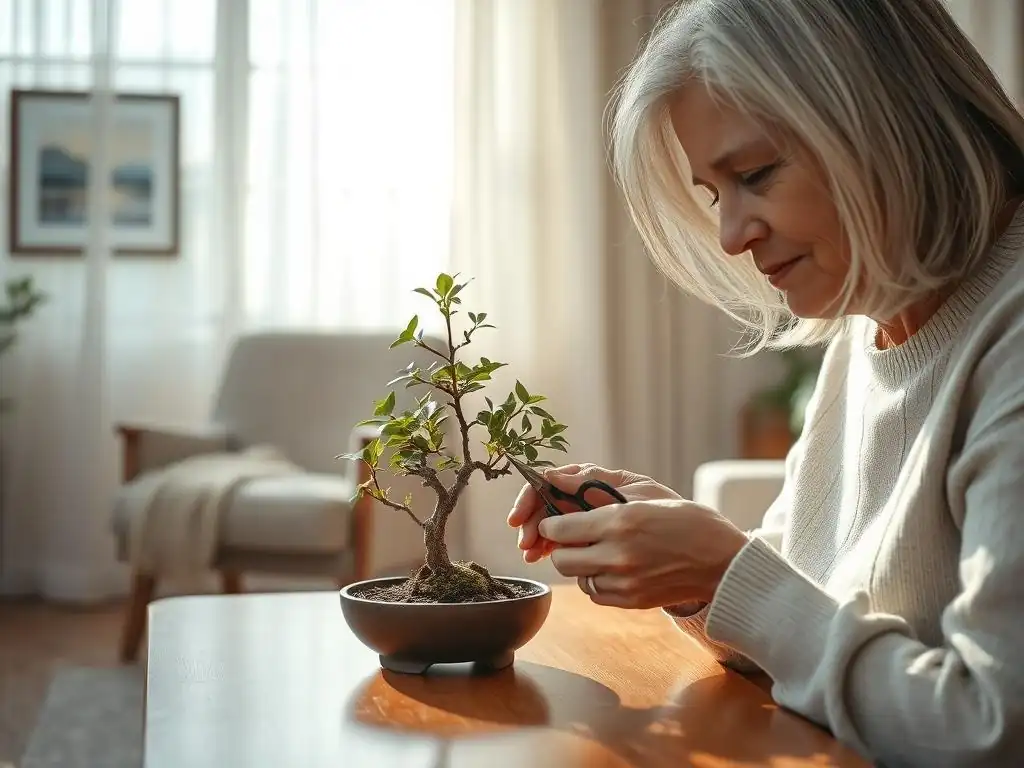
While acknowledging the challenges, fostering a positive outlook and building resilience are crucial aspects of Elderly independence loss anxiety relief. This involves shifting focus and celebrating capabilities rather than dwelling on losses.
Focusing on Strengths and Abilities: Empowering Seniors
Help seniors identify and focus on the abilities they still possess. Even with limitations, individuals retain many strengths, whether they are cognitive, social, emotional, or related to specific skills or hobbies they can still enjoy.
Celebrating these strengths reinforces their sense of self-worth and competence. Encourage engagement in activities that align with their current abilities, providing opportunities for success and positive reinforcement. This focus helps counteract the negative self-perception that can accompany loss of independence.
Setting Realistic Goals and Celebrating Small Victories
Encourage seniors to set small, achievable goals related to maintaining their independence or engaging in enjoyable activities. These goals should be realistic given their current capabilities. For instance, if walking is difficult, a goal might be walking to the mailbox or around the living room daily.
Celebrating these small victories, no matter how minor they seem, provides a sense of accomplishment and motivates further effort. This process helps build confidence and demonstrates that progress is still possible, reducing feelings of hopelessness and anxiety.
Practicing Mindfulness and Relaxation Techniques for Anxiety Reduction
Mindfulness and relaxation techniques can be powerful tools for managing anxiety symptoms. Simple practices like deep breathing exercises, guided imagery, or progressive muscle relaxation can help calm the nervous system and reduce feelings of overwhelm.
Mindfulness involves paying attention to the present moment without judgment, which can help seniors detach from anxious thoughts about the past or future. Incorporating these practices into a daily routine can provide seniors with tangible ways to cope with moments of heightened anxiety related to their independence.
Access to reliable information and support is essential for both seniors and those who care for them. Numerous resources are available to help navigate the challenges of aging and provide Elderly independence loss anxiety relief.
Government Agencies and Organizations Offering Support
Several governmental and non-profit organizations are dedicated to supporting the elderly population. These resources often provide information on aging services, healthcare, legal rights, and financial assistance, which can directly address some of the root causes of anxiety related to independence loss.
These agencies can act as central hubs for connecting seniors and caregivers with local programs and services tailored to their specific needs.
Online Resources and Support Groups for Elderly Anxiety
The internet offers a wealth of information and support, though it's important to use reputable sources. Many organizations provide online articles, forums, and virtual support groups specifically for seniors dealing with anxiety or the challenges of aging.
Online platforms can also help seniors connect with peers who are facing similar struggles, reducing feelings of isolation and providing a space to share experiences and coping strategies for elderly independence loss anxiety relief.
Mental Health Professionals Specializing in Geriatric Anxiety
Finding mental health professionals with experience in working with older adults is crucial. Geriatric psychiatrists, psychologists, and social workers understand the unique challenges of aging, including the psychological impact of losing independence.
These specialists can provide accurate diagnosis, tailored therapy, and medication management if needed. They are equipped to address the complex interplay between physical health, cognitive changes, social factors, and mental well-being in the elderly.
The loss of independence is a challenging, often inevitable, part of aging for many. It is a profound life change that significantly impacts mental well-being, frequently leading to heightened anxiety. Recognizing the signs, understanding the triggers, and implementing targeted strategies are vital steps in providing effective Elderly independence loss anxiety relief.
Empowering seniors means supporting their remaining abilities, addressing their fears with empathy, connecting them with resources, and fostering a sense of control and purpose despite limitations. It requires a collective effort from individuals, families, communities, and healthcare systems to ensure older adults can navigate this transition with dignity and reduced distress.
The Importance of Early Intervention and Ongoing Support
Addressing anxiety related to independence loss early on can prevent it from escalating into more severe mental health conditions. Early intervention allows for the implementation of coping strategies, home modifications, and access to support services before anxiety significantly impacts quality of life or leads to further decline.
Ongoing support is equally critical, as the challenges of aging are often progressive. Continuous monitoring, flexible care plans, and consistent emotional support ensure that seniors feel secure and valued as they continue to adapt to changes in their independence, providing sustained Elderly independence loss anxiety relief.
Fostering a Society That Values and Supports Elderly Independence
Ultimately, reducing anxiety related to independence loss requires a societal shift towards valuing and actively supporting the autonomy of older adults. This includes creating age-friendly communities with accessible transportation and public spaces, challenging ageist stereotypes, and ensuring access to affordable healthcare and supportive services.
By fostering an environment where aging is viewed with respect and where support systems are readily available, we can help seniors maintain their independence for as long as possible and provide compassionate Elderly independence loss anxiety relief when challenges arise.
Frequently Asked Questions
What is the primary connection between loss of independence and anxiety in elderly individuals?
The loss of independence is a significant trigger for anxiety as it often leads to feelings of helplessness and reduced control over their lives. This can be particularly distressing as they face age-related challenges.
How can family members or caregivers effectively support elderly individuals experiencing anxiety due to a loss of independence?
Family and caregivers can provide emotional support, practical assistance, and encourage participation in activities that promote a sense of autonomy and purpose. This helps maintain dignity and reduce anxiety.
Elderly individuals can focus on maintaining social connections, engaging in mindfulness exercises, and seeking professional help if anxiety becomes overwhelming. Accepting help when needed is also crucial.
Mind Care Guide provides information on anxiety management, resources for elderly care, and support networks to help families and individuals cope with loss of independence and related anxiety.
How can focusing on remaining abilities, instead of lost ones, aid in elderly independence loss anxiety relief?
By shifting the focus to strengths and abilities, elderly individuals can maintain a sense of self-efficacy and control. This positive perspective can significantly reduce feelings of helplessness and anxiety.
Final Reflection: Reclaiming Agency in the Face of Aging
The erosion of independence is not merely a physical decline; it's a profound emotional and psychological challenge for the elderly, significantly contributing to anxiety and impacting their overall well-being. This reality, often overlooked in discussions of aging, demands immediate attention and a shift in societal perspectives. We must move beyond simply acknowledging the problem to actively developing and implementing solutions that prioritize the preservation of autonomy and dignity in later life.
The pervasive anxiety surrounding loss of independence isn't simply a personal struggle; it's a societal issue reflecting our collective understanding (or misunderstanding) of aging. The fear of becoming a burden, of losing control over one's life, is deeply ingrained. Growing old is mandatory; growing up is optional.
This quote highlights the importance of maintaining a sense of self and agency, even as physical capabilities diminish. Addressing this anxiety requires not only medical interventions but also a cultural shift that values the contributions and wisdom of older adults, fostering environments that support their continued participation in society.
You, the reader, are now equipped with a deeper understanding of the anxieties surrounding independence loss in the elderly. Consider how you can contribute to a more supportive and inclusive environment for older adults in your own life. Perhaps it's volunteering at a senior center, advocating for better elder care policies, or simply offering a listening ear to a loved one facing these challenges. Let's work together to build a future where aging is viewed not as a decline, but as a continued journey of growth, resilience, and empowered living.
Rediscover Your Inner Strength: Taking Action Against Elderly Anxiety
Thanks for taking the time to learn about the anxieties faced by our aging loved ones. Understanding the challenges of loss of independence is a crucial first step towards supporting them. Now, let's turn that understanding into action:
- Prioritize open and honest conversations: Start a dialogue with your loved one (or yourself!) about their feelings and concerns regarding independence. This simple act can make a world of difference.
- Share this article: Help spread awareness among family, friends, and caregivers who might be facing similar situations. Let's build a supportive community together.
- Explore local resources: Look into senior centers, community support programs, or home healthcare options that can help maintain independence and alleviate anxieties.
What small step can you take today to address the anxieties surrounding aging and loss of independence?