
Easing the Goodbye: Gentle Ways to Help Your Child Overcome Separation Anxiety

Welcome to Mind Care Guide, a safe space dedicated to nurturing your mental well-being.
Is the thought of parting ways with your little one causing you both distress? You're not alone. Many parents and children experience the pangs of separation anxiety. Our comprehensive guide, starting with Child Separation Anxiety Coping, offers gentle strategies and supportive resources to ease these difficult goodbyes. Discover compassionate approaches and practical tips to help your child—and yourself—navigate this challenging phase with confidence and care. Let's explore together...
Easing the Goodbye: Gentle Ways to Help Your Child Overcome Separation Anxiety
- Understanding Child Separation Anxiety
- Practical Strategies for Child Separation Anxiety Coping
- Supporting Your Child's Emotional Well-being During Separation
- Working with Schools and Caregivers to Manage Separation Anxiety
- When to Seek Professional Help for Child Separation Anxiety
- Long-Term Strategies for Managing Separation Anxiety in Children
- Coping with Separation Anxiety: Tips for Parents
-
Frequently Asked Questions
- What exactly is child separation anxiety and how is it different from normal clinginess?
- What are some common signs of separation anxiety in children that parents should watch out for?
- Are there specific strategies I can use to prepare my child for separation, such as starting preschool or being left with a babysitter?
- When should I seek professional help for my child's separation anxiety?
- What types of therapy or interventions are typically used to treat child separation anxiety?
- Final Reflection: Nurturing Resilience Through Separation
- Unleash Your Child's Confidence: Step Towards Separation Success!
Understanding Child Separation Anxiety
What is Separation Anxiety in Children? Defining the Problem
Separation anxiety is a normal and expected part of a child's development. It's the distress a child feels when separated from their primary caregiver, usually a parent. This can manifest as crying, clinging, or refusing to let the caregiver leave. While typically peaking between 18 months and three years of age, it can reappear during transitions like starting school or moving to a new care environment. The core of separation anxiety is the child's fear that the caregiver will not return or that something bad will happen to either the child or the caregiver during the separation.
For many young children, separation anxiety is a sign of a healthy attachment. They understand that their primary caregiver is essential for their safety and well-being, and their distress is a natural reaction to the perceived threat of losing that security. It's important to recognize this as a developmental phase that most children navigate successfully with support and patience. The intensity and duration can vary greatly from one child to another, influenced by temperament, previous experiences, and the consistency of the caregiving environment.
Identifying the Signs and Symptoms of Separation Anxiety in Children
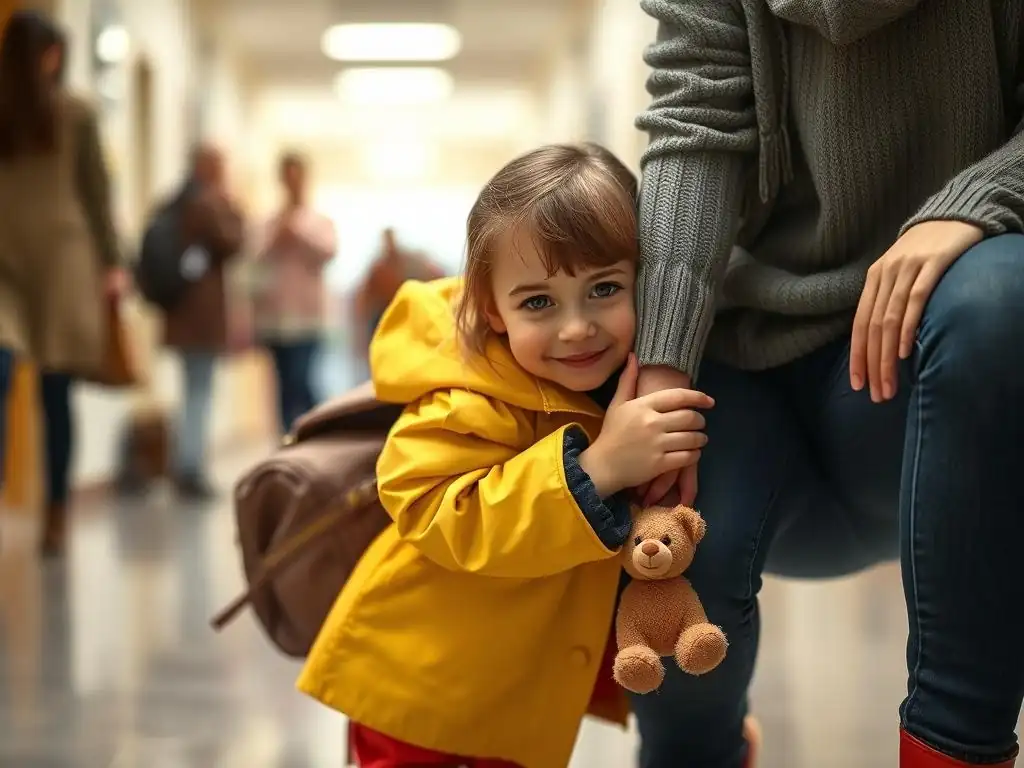
Recognizing the signs of child separation anxiety is the first step toward effective child separation anxiety coping. Common symptoms can include overt behaviors like intense crying, screaming, or having a tantrum when separation is imminent or occurs. Children might cling tightly to a parent, refuse to let go, or block the door. These reactions are often most pronounced during transitions like being dropped off at daycare or school.
Beyond immediate distress, other symptoms can emerge. A child might refuse to go to sleep without the parent nearby, experience nightmares about separation, or complain of physical ailments like stomachaches or headaches specifically linked to separation times. Some children might become excessively worried about the safety of their parent when they are apart. While a certain degree of protest is typical for young children (e.g., brief crying upon drop-off), persistent and severe distress that doesn't subside after a few minutes could signal more significant anxiety.
Differentiating Normal Separation Anxiety from Separation Anxiety Disorder
It's crucial to distinguish between typical, age-appropriate separation anxiety and Separation Anxiety Disorder (SAD). Normal separation anxiety is a transient phase; the child may be upset upon separation but can usually be comforted and engage in activities after a brief period. The distress is manageable and does not significantly interfere with the child's daily life or development. This type of anxiety generally diminishes as the child grows and gains more independence.
In contrast, Separation Anxiety Disorder involves excessive and persistent fear or anxiety concerning separation from attachment figures that is beyond what is expected for the individual's developmental level. For diagnosis in children, these symptoms must last at least four weeks and cause significant distress or impairment in social, academic, or other important areas of functioning, such as refusing to go to school or participate in social activities. SAD is less common than normal separation anxiety, estimated to affect around 1-2% of school-aged children, but requires professional attention for effective child separation anxiety coping strategies.
Practical Strategies for Child Separation Anxiety Coping
Creating a Consistent Goodbye Routine: Minimizing Distress
Establishing a predictable and consistent goodbye routine is one of the most effective child separation anxiety coping strategies. When a child knows exactly what to expect before you leave, it reduces uncertainty and can significantly lower their anxiety levels. This routine should be brief, calm, and consistent every single time, whether it's for school, daycare, or leaving them with a sitter.
A simple routine might involve a hug, a kiss, a specific phrase ("I love you, I'll be back after playtime"), and then promptly leaving. Avoid lingering, sneaking out, or showing your own distress, as this can heighten the child's anxiety. Repeating the same steps in the same order helps the child build trust in the process and understand that the separation is temporary and predictable. Research suggests that consistent routines can reduce the intensity of separation distress by as much as 50% in some children compared to erratic or prolonged goodbyes.
Preparing Your Child for Separation: Role-Playing and Visual Aids
Preparation is key to helping children feel more secure about separations. Talking about the upcoming separation in advance, in simple, reassuring terms, can make a big difference. For example, you might say, "Tomorrow, you're going to Grandma's house while I go to the store. You'll have fun playing with her toys, and I'll be back before dinner." This gives the child time to process the information and mentally prepare.
Using tools like role-playing or visual aids can be particularly helpful for child separation anxiety coping. You can use dolls or stuffed animals to act out the goodbye scenario, letting the child practice saying goodbye and seeing the toy parent return. Creating a simple visual schedule with pictures showing the sequence of events (e.g., arriving at school, playing, lunch, parent pickup) helps the child understand the timeline and know when to expect your return. These techniques demystify the separation experience and build confidence by making the unknown more familiar and manageable.
Building Confidence and Independence in Children
Fostering a child's overall confidence and independence is a powerful long-term approach to child separation anxiety coping. When children feel capable and secure in their own abilities, they are often better equipped to handle time away from their primary caregivers. Encourage age-appropriate independence in daily tasks, such as dressing themselves, packing their own snack bag, or choosing their clothes.
Provide opportunities for your child to spend short, positive periods away from you in safe environments, such as playing in a different room while you are nearby, or spending an hour at a friend's house. Celebrate their small successes and efforts towards independence with specific praise ("You did a great job putting on your shoes all by yourself!"). These experiences build self-efficacy and demonstrate to the child that they are competent and can thrive even when you are not immediately present, gradually reducing their reliance on constant proximity for security.
The Power of Positive Reinforcement: Encouraging Brave Behavior
Positive reinforcement is a highly effective tool for encouraging brave behavior and supporting child separation anxiety coping. Instead of focusing on the child's distress during separation, which can inadvertently reinforce the anxiety, focus on and praise any signs of coping or bravery. This could be anything from walking towards the classroom door without clinging, to playing happily after the initial goodbye, or even just managing to say goodbye without excessive tears.
Specific praise is most impactful. Instead of a general "Good job," say "I'm so proud of how bravely you walked into your classroom today!" or "You did great playing with your friends after I left, that shows you're a big kid!"
You can also use small rewards or a sticker chart for successful goodbyes or periods of separation. The key is to make the positive behavior more rewarding than the anxious behavior, reinforcing the idea that they can handle separation and that their efforts are recognized and valued. This shifts the focus from the fear to the coping, promoting resilience.
Supporting Your Child's Emotional Well-being During Separation
Acknowledging and Validating Your Child's Feelings of Anxiety
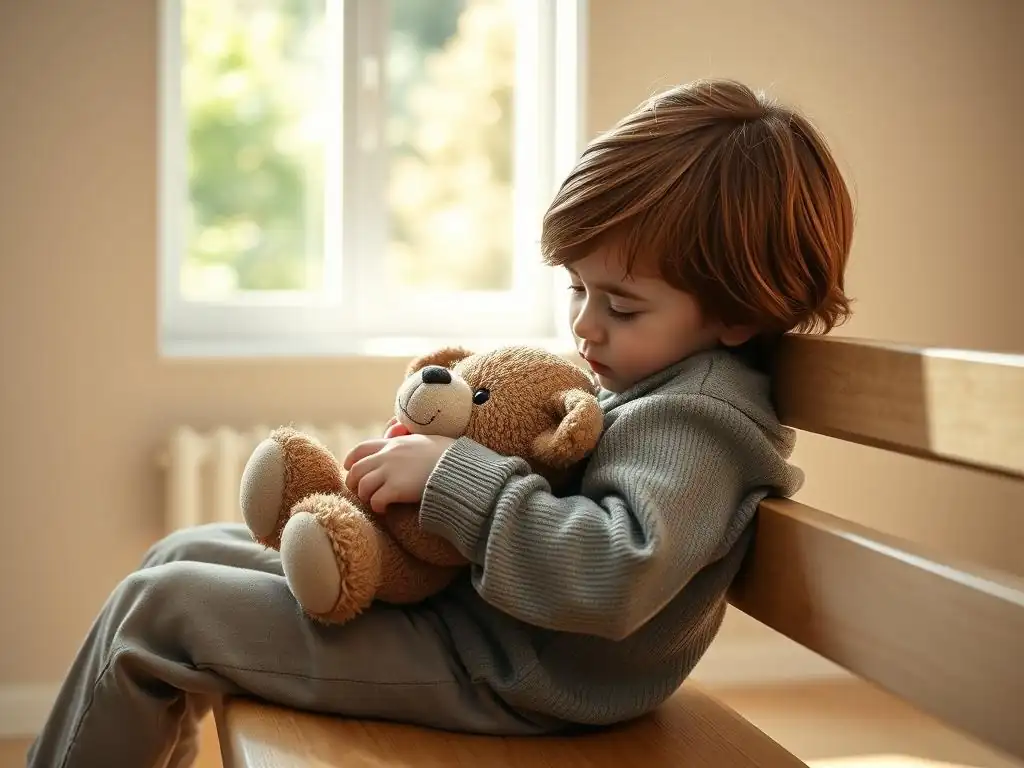
A critical part of supporting a child with separation anxiety is acknowledging and validating their feelings, even if the anxiety seems excessive to you. Dismissing their fears ("Don't be silly, there's nothing to be scared of") can make a child feel misunderstood and alone in their distress. Instead, use empathetic language to show you understand their experience ("I know you feel nervous when I leave," or "It's okay to feel a little scared when things are new").
Validation doesn't mean agreeing that the separation is dangerous or avoiding it altogether. It means accepting their feelings as real for them in that moment. Phrases like "It sounds like you miss me a lot right now, and that's a hard feeling" can help the child feel seen and heard. Feeling understood can actually help reduce the intensity of the anxiety, as the child isn't also struggling with the feeling that their emotions are wrong or unacceptable. This foundational step builds trust and opens the door for teaching coping strategies.
Teaching Relaxation Techniques: Deep Breathing and Progressive Muscle Relaxation
Teaching children simple relaxation techniques can provide them with practical tools for child separation anxiety coping when they feel overwhelmed. Deep breathing exercises are excellent for calming the nervous system. You can teach young children techniques like "smell the flower" (inhale deeply through the nose) and "blow out the candle" (exhale slowly through the mouth). Practicing this together regularly, not just during anxious moments, makes it a familiar and accessible tool.
For slightly older children, you can introduce progressive muscle relaxation, where they learn to tense and then release different muscle groups in their body (e.g., "Make your hands into tight fists like you're squeezing lemons, now let them go all soft"). These techniques help children become aware of physical tension caused by anxiety and learn how to actively release it. Practicing these skills empowers children by giving them something concrete they can do when they feel anxious, shifting from feeling helpless to feeling more in control of their physical and emotional state.
Creating a Safe and Secure Environment: Minimizing Triggers
Ensuring the child feels safe and secure in the environment they are being separated into is paramount for effective child separation anxiety coping. This involves minimizing potential triggers and maximizing elements of comfort and predictability. For instance, if starting a new daycare, arrange for transition visits beforehand so the child can become familiar with the space and caregivers while you are present.
Make sure the child knows who their main point of contact is (e.g., their teacher or a specific caregiver) and that this person is a safe and comforting presence. Allowing the child to bring a comfort item, like a small stuffed animal or a blanket, can also provide a tangible link to home and security. Consistency in the schedule and knowing what to expect throughout the day reduces uncertainty, which is a major driver of anxiety. A child who feels safe in their environment is far more likely to manage separation with less distress.
Working with Schools and Caregivers to Manage Separation Anxiety
Communicating with Teachers and Daycare Providers
Open and consistent communication with your child's teachers or daycare providers is vital for a collaborative approach to child separation anxiety coping. Share information about your child's specific anxieties, what triggers their distress, and what strategies you use at home that seem helpful. Provide them with context – for instance, if anxiety is worse after a weekend or holiday, let them know.
Discuss the goodbye routine you use at home and how you would like it mirrored at school or care. For example, agree on a consistent handoff process. Sharing this information helps the caregivers understand the child's behavior and respond effectively rather than being caught off guard. This partnership ensures consistency between home and the care environment, which is key to helping the child build confidence in handling separation across different settings.
Developing a Collaborative Plan for Managing Anxiety at School
Working together with school staff to develop a specific plan for managing your child's anxiety during the school day can make a significant difference. This plan should outline agreed-upon strategies for handling separation moments, especially drop-off, and for supporting the child if anxiety arises during the day. For example, the plan might include allowing the child to have a designated quiet corner, providing a specific task to focus on immediately upon arrival, or having a pre-arranged signal with the teacher.
This collaborative plan provides a roadmap for both parents and educators, ensuring everyone is on the same page and responding to the child's anxiety in a consistent and supportive manner. It might also detail communication methods – how the teacher will let you know the child settled in, or how you will be contacted if the anxiety is severe and persistent. A well-defined plan reduces uncertainty for the adults involved and provides the child with predictable support, reinforcing effective child separation anxiety coping.
Addressing Potential Triggers in the School Environment
Identifying and addressing potential triggers within the school or care environment is an important part of managing child separation anxiety. Common triggers include transitions (arrival time, moving between classrooms, recess, lunch), unstructured time, or specific activities. Discuss these with the teacher to see how they can be made more predictable or less daunting for your child.
Strategies might include having the child arrive a few minutes early to ease into the environment before the rush, pairing them with a supportive peer buddy during transitions, or allowing them to help the teacher with a small task upon arrival to provide a sense of purpose and distraction. For unstructured times like recess, the plan might involve ensuring the child has a specific friend or activity they can reliably engage in.
Proactively addressing these specific environmental triggers can significantly reduce the frequency and intensity of anxious episodes, improving the child's overall experience and supporting their child separation anxiety coping efforts.
When to Seek Professional Help for Child Separation Anxiety
Recognizing the Need for Professional Intervention
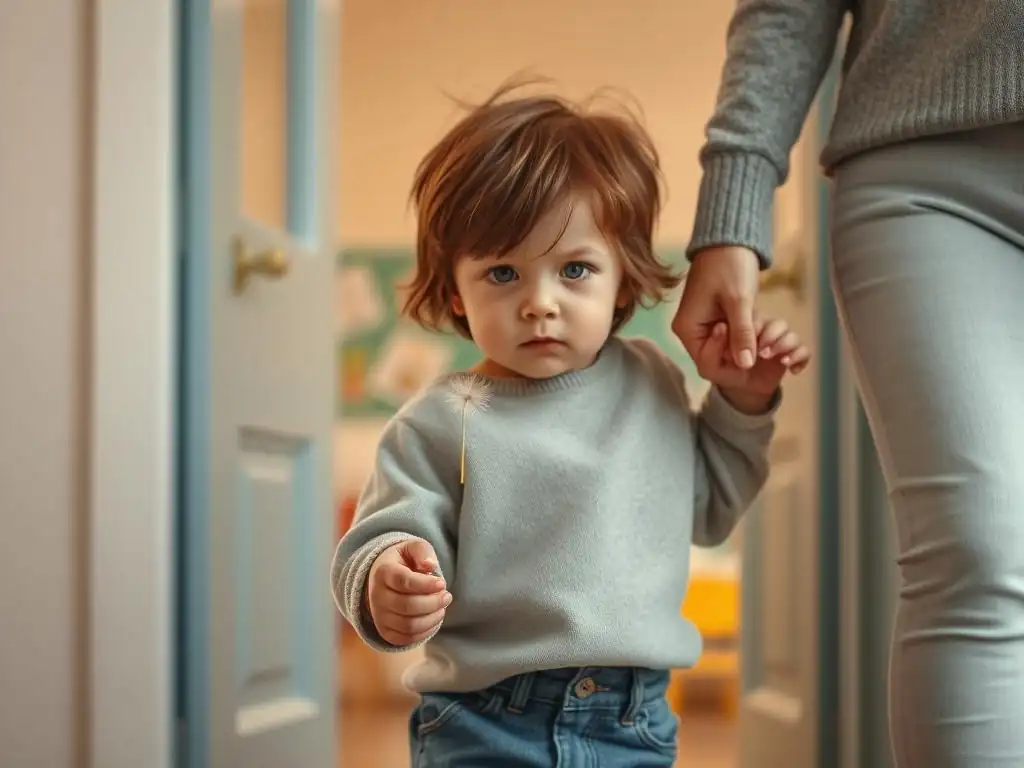
While most children outgrow separation anxiety with time and support, there are instances when professional help is necessary. You should consider seeking professional intervention if your child's separation anxiety is severe, persistent, and significantly interferes with their daily life. This includes refusing to attend school regularly, avoiding social activities or sleepovers, experiencing panic symptoms (rapid heart rate, shortness of breath, dizziness) during separations, or having physical symptoms like vomiting or severe headaches tied to anxiety.
If the anxiety has lasted for four weeks or longer and is causing significant distress for both the child and the family, or if it seems to be getting worse despite using typical child separation anxiety coping strategies at home and school, it's a strong indicator that professional support is warranted. A mental health professional specializing in children can accurately assess the situation, determine if it meets the criteria for Separation Anxiety Disorder, and recommend appropriate treatment.
Finding a Therapist Specializing in Childhood Anxiety
Finding the right therapist is a crucial step when professional help is needed for child separation anxiety coping. Look for licensed mental health professionals who have specific experience and training in working with young children and treating anxiety disorders. This could be a child psychologist, a licensed clinical social worker, or a licensed professional counselor. Experience with childhood developmental stages and evidence-based therapies for children is key.
You can start by asking for recommendations from your pediatrician, your child's school counselor, or trusted friends. Many professional organizations also have online directories where you can search for therapists by specialization and location. Don't hesitate to ask potential therapists about their experience with separation anxiety in children and their therapeutic approach during an initial consultation. Finding a good fit in terms of personality and approach is important for both you and your child.
Therapy Options for Child Separation Anxiety: Cognitive Behavioral Therapy (CBT) and Play Therapy
Several therapeutic approaches are effective for helping children overcome separation anxiety, with Cognitive Behavioral Therapy (CBT) being a widely recommended evidence-based treatment. CBT for children is adapted to be age-appropriate and often involves identifying and challenging anxious thoughts (e.g., "Mommy won't come back") and gradually exposing the child to feared situations (separation) in a safe and controlled environment (exposure therapy).
This helps the child learn that their feared outcomes don't happen and they can tolerate the discomfort. Studies show that CBT can be effective for a significant percentage of children with anxiety disorders, with success rates often cited between 60% and 80% depending on the severity and specific approach.
Play Therapy is another valuable approach, particularly for younger children who may not have the verbal skills to articulate their fears. In Play Therapy, a trained therapist uses toys, games, and creative activities to help the child express their emotions, fears, and experiences related to separation. Through play, the child can process their anxiety, gain a sense of mastery over difficult situations, and develop coping skills in a non-threatening way. Often, a combination of therapeutic techniques, tailored to the child's age and needs, is used to provide the most effective child separation anxiety coping support.
Long-Term Strategies for Managing Separation Anxiety in Children
Fostering Independence and Self-Esteem
Continuously fostering independence and building self-esteem are long-term strategies that strengthen a child's resilience against separation anxiety over time. As children grow, provide them with increasing opportunities to do things for themselves and make age-appropriate choices. This could range from choosing their snack to deciding how to spend their free time or managing simple chores. Each small step towards independence reinforces their belief in their own capabilities.
Encourage participation in activities that align with their interests and strengths, whether it's a sport, art class, or a club. Mastering skills and feeling competent in specific areas significantly boosts self-esteem. A child who feels good about themselves and confident in their abilities is generally more secure and less reliant on constant reassurance or proximity from caregivers, making future separations easier to navigate and supporting their child separation anxiety coping skills development.
Building a Strong Parent-Child Relationship
A secure and strong parent-child relationship serves as a vital protective factor against intense separation anxiety. When children feel securely attached, they trust that their caregiver is a reliable source of comfort and safety and will be there for them when needed, even when they are not physically present. This secure base allows them to feel confident exploring the world and tolerating separations, knowing they can return to a safe haven.
Continuously nurture this relationship through quality time, active listening, and providing consistent emotional support. Engage in shared activities, have regular conversations about their day and feelings, and be responsive to their needs. A strong bond built on trust and security doesn't eliminate separation anxiety entirely, but it provides the foundation for the child to feel safe enough to face the challenges of separation and develop effective child separation anxiety coping mechanisms.
Maintaining Consistency and Patience: A Long-Term Approach
Helping a child overcome separation anxiety is often a process that requires significant consistency and patience over the long term. There may be setbacks, especially during times of stress, change, or developmental leaps. It's important not to get discouraged by these moments but to return to the established routines and strategies with calm persistence.
Consistency in routines, expectations, and responses to anxious behavior reinforces predictability and helps the child feel secure. Patience is crucial; overcoming anxiety takes time and practice. Celebrate small victories and acknowledge the effort the child is making. Remembering that this is a developmental journey, and providing unwavering support and understanding, is key to helping your child build lasting resilience and develop effective child separation anxiety coping skills for life.
Coping with Separation Anxiety: Tips for Parents
Managing Your Own Anxiety During Separations
It's completely normal for parents to feel anxious when their child is distressed during separation. However, children are highly attuned to their parents' emotions. If you appear visibly anxious, tearful, or hesitant during goodbyes, it can inadvertently signal to your child that the situation is indeed unsafe, reinforcing their own fears. Managing your own anxiety is therefore a critical component of child separation anxiety coping for the whole family.
Before a separation, take a few deep breaths, practice positive self-talk ("My child is in a safe place, they are capable, they will be okay"), and project confidence, even if you don't feel it entirely. Establish your goodbye routine and stick to it calmly and efficiently. Once you've left, allow yourself to feel your emotions, but try not to let them dictate your actions during the goodbye itself. This calm demeanor provides a sense of security for your child.
Seeking Support for Yourself: Parent Support Groups and Resources
Supporting a child through significant separation anxiety can be emotionally draining for parents. It's important to remember that you don't have to navigate this alone. Seeking support for yourself is not only beneficial for your well-being but also makes you a more effective support system for your child. Connect with other parents who have similar experiences; parent support groups, either in person or online, can provide a valuable space to share challenges, gain insights, and feel understood.
Utilize resources available through your child's school or community, such as parenting workshops focused on anxiety or child development. Reading books or articles from reputable sources on child separation anxiety coping can also provide helpful information and strategies. Remember that taking care of your emotional needs is essential for maintaining the patience and energy required to support your child through their anxiety journey.
Remembering the Importance of Self-Care
Finally, prioritize self-care. The demands of parenting a child with anxiety can be significant, and neglecting your own needs can lead to burnout, which ultimately impacts your ability to help your child. Self-care doesn't have to be elaborate; it can be as simple as taking 15 minutes each day to do something you enjoy, ensuring you get enough sleep, eating nutritious food, or engaging in regular physical activity.
Schedule time for activities that help you de-stress and recharge, whether it's a hobby, spending time with friends, or practicing mindfulness. When you are feeling more rested and less stressed, you are better equipped to handle challenging goodbyes with patience and empathy. Prioritizing your well-being is not selfish; it's a necessary part of being a strong and supportive presence for your child as they learn child separation anxiety coping skills and build their confidence.
Frequently Asked Questions
What exactly is child separation anxiety and how is it different from normal clinginess?
Child separation anxiety is an excessive fear or distress experienced by a child when separated from primary caregivers. It's more intense and persistent than typical clinginess, significantly impacting their daily functioning and causing significant distress.
What are some common signs of separation anxiety in children that parents should watch out for?
Signs include excessive crying or tantrums when separated, refusal to go to school or daycare, and persistent worries about harm befalling themselves or their caregivers. Other signs are physical symptoms like headaches or stomachaches before separation.
Are there specific strategies I can use to prepare my child for separation, such as starting preschool or being left with a babysitter?
Yes, preparation is key. Practice short separations beforehand, create a consistent goodbye routine, and talk positively about the upcoming separation event. Consider using a comfort object like a favorite toy.
When should I seek professional help for my child's separation anxiety?
If the anxiety is severe, persistent (lasting longer than a few weeks), and significantly interferes with the child's daily life (school, social activities), seeking professional help from a therapist or psychologist is recommended. Consider it if home strategies are ineffective.
What types of therapy or interventions are typically used to treat child separation anxiety?
Common therapies include Cognitive Behavioral Therapy (CBT), which helps children manage anxious thoughts and behaviors. Play therapy and family therapy can also be beneficial, depending on the child's age and the underlying causes of the anxiety.
Final Reflection: Nurturing Resilience Through Separation
The anxieties surrounding separation from loved ones are not merely childhood quirks; they are deeply rooted developmental challenges that significantly impact a child's emotional well-being and future relationships. Understanding and addressing these anxieties with patience and empathy is crucial for fostering a secure and confident child. The strategies outlined in this article – from establishing consistent routines to employing comforting rituals – are not just temporary fixes, but tools for building resilience that will serve children throughout their lives.
The journey of separation, whether it's the first day of school or a brief absence from a parent, is a significant milestone in a child's development. It shapes their understanding of trust, independence, and their own self-worth. The most important thing a father can do for his children is to love their mother.
While this quote from Theodore Hesburgh speaks to a different context, the underlying principle remains: a secure attachment built on consistent love and support provides the bedrock for navigating the inevitable separations life presents. This secure base allows children to explore their world with confidence, knowing they have a safe haven to return to.
You, as a parent or caregiver, hold the key to easing this transition. By implementing the gentle techniques discussed, you are not simply managing a behavioral issue, but actively shaping your child's emotional landscape. Take a moment to reflect on your own experiences with separation and how they may be influencing your child's anxieties. Consider which strategies resonate most with you and your child, and commit to practicing them consistently. Remember, your patience, understanding, and unwavering love are the most powerful tools you possess in helping your child navigate the sometimes-difficult, but ultimately rewarding, journey of independence.
Unleash Your Child's Confidence: Step Towards Separation Success!
Thanks for taking the time to learn about easing separation anxiety! We hope you gained valuable insights into supporting your little one. Now, let's put that knowledge into action.
- Prioritize one calming ritual: Choose one consistent activity (a special story, a comforting song, a favorite stuffed animal) to use before every separation. This creates a predictable and reassuring routine.
- Create a "Goodbye Box": Fill a small box with small, special items from home that your child can take with them to daycare or another caregiver's home.
- Share your experience:Connect with other parents in the comments below – sharing your stories and challenges can be incredibly supportive!
What small step will you take today to build your child’s confidence and ease their separation anxiety?