
Beyond the Doctor's Visit: Holistic Approaches to Senior Anxiety Relief

Welcome to Mind Care Guide, a sanctuary for your mental well-being.
Are you, or someone you love, navigating the complexities of anxiety later in life? It's more common than you think, and we understand the unique challenges it presents. This week, we're diving deep into Senior Anxiety Holistic Relief, exploring gentle yet powerful approaches that go beyond conventional treatments. Discover practical strategies and compassionate support to help find peace and reclaim joy. Intrigued? Let's begin this journey together.
Beyond the Doctor's Visit: Holistic Approaches to Senior Anxiety Relief
- Understanding Senior Anxiety and the Need for Holistic Care
- Exploring Holistic Therapies for Senior Anxiety: A Comprehensive Guide
- Creating a Personalized Holistic Plan for Senior Anxiety
- Maintaining Long-Term Anxiety Relief: Lifestyle Changes for Seniors
- Resources for Seniors Seeking Holistic Anxiety Relief
- The Future of Holistic Senior Anxiety Care
-
Frequently Asked Questions
- What exactly does "holistic" mean in the context of senior anxiety relief?
- Why is it important to look beyond just doctor-prescribed medication for senior anxiety?
- What are some practical examples of holistic strategies seniors can use to manage anxiety?
- How can family members support a senior loved one in pursuing holistic anxiety relief?
- Where can seniors find qualified professionals who specialize in holistic approaches to anxiety management?
- Final Reflection: Weaving a Tapestry of Calm for Our Aging Loved Ones
- Unlock Your Senior's Inner Calm: Practical Steps to Anxiety Relief
Understanding Senior Anxiety and the Need for Holistic Care
Defining Anxiety in Older Adults: Unique Challenges
Anxiety in older adults presents distinct challenges compared to younger populations. While general anxiety symptoms like excessive worry, restlessness, and difficulty concentrating are common, seniors often experience anxiety intertwined with age-related factors such as chronic health conditions, grief and loss, financial insecurity, and reduced mobility. The manifestation can also be less typical, sometimes appearing as physical complaints (stomach issues, headaches) or cognitive changes that might be mistaken for other age-related conditions. It's estimated that a significant percentage of older adults, potentially ranging from 10% to 20%, experience clinically significant anxiety symptoms, though it is often underdiagnosed.
Furthermore, the unique life transitions faced by seniors – including retirement, moving from a long-time home, the loss of loved ones and peers, and changes in social roles – can act as significant stressors triggering or exacerbating anxiety. There can also be a reluctance among some older adults to report mental health symptoms due to stigma or a belief that anxiety is just a "normal" part of aging. This makes identifying and addressing senior anxiety crucial, especially when looking for effective senior anxiety holistic relief strategies that consider these specific life circumstances and physiological changes.
The Limitations of Traditional Treatment for Senior Anxiety
Traditional medical approaches, primarily medication and psychotherapy, are valuable tools in managing anxiety. However, they can present specific limitations when applied to the senior population. Polypharmacy, where older adults take multiple medications for various health conditions, is common. Introducing anxiety medications can increase the risk of adverse drug interactions, side effects like dizziness or sedation (leading to falls), and cognitive impairment. Finding the right dosage and medication can be complex and requires careful monitoring by healthcare professionals.
While psychotherapy, such as Cognitive Behavioral Therapy (CBT), is effective, accessibility can be a barrier for some seniors due to mobility issues, transportation challenges, or lack of local therapists specializing in geriatrics. Additionally, the pace and format of traditional therapy may not always align perfectly with the needs or preferences of all older individuals. These factors highlight why exploring complementary and alternative methods for senior anxiety holistic relief is not just an option, but often a necessary component of comprehensive care.
Why Holistic Approaches are Crucial for Anxiety Relief in Seniors
Holistic approaches to senior anxiety relief recognize that mental well-being is deeply interconnected with physical health, lifestyle, social support, and environmental factors. Instead of solely focusing on symptoms, these methods address the whole person and the potential root causes or contributing factors to anxiety in later life. This perspective is particularly valuable for seniors, whose lives are often complex, involving multiple health issues, social changes, and personal histories that influence their emotional state.
By integrating various non-pharmacological strategies – ranging from diet and exercise to mindfulness and social engagement – holistic care can offer effective ways to manage anxiety with fewer side effects than medication alone. It empowers seniors by providing them with tools and practices they can incorporate into their daily lives, fostering a sense of control and agency. For comprehensive senior anxiety holistic relief, combining these approaches creates a more robust and sustainable path to well-being, enhancing overall quality of life beyond just symptom reduction.
Exploring Holistic Therapies for Senior Anxiety: A Comprehensive Guide
Mind-Body Techniques for Anxiety Reduction in Seniors
Meditation and Mindfulness for Calming Anxious Thoughts in Seniors
Meditation and mindfulness are powerful mind-body techniques that can significantly benefit seniors experiencing anxiety. Mindfulness involves paying attention to the present moment without judgment, which can help older adults detach from worrisome thoughts about the past or future. Even short sessions, perhaps just 5-10 minutes daily, can cultivate a sense of calm and increase awareness of thought patterns, allowing seniors to recognize and gently redirect anxious spirals.
Research supports the effectiveness of mindfulness-based interventions in reducing anxiety symptoms in older adults. Studies have shown decreases in self-reported anxiety levels and improvements in emotional regulation. For instance, a program involving weekly mindfulness sessions over several weeks demonstrated measurable reductions in generalized anxiety disorder symptoms among participants aged 65 and older. These practices are accessible, require minimal physical exertion, and can be adapted for various abilities, making them ideal components of senior anxiety holistic relief.
Yoga and Tai Chi: Gentle Movement for Anxiety Relief in Elderly Individuals
Gentle movement practices like yoga and Tai Chi offer a combination of physical activity, breath control, and mindfulness, making them excellent tools for anxiety relief in elderly individuals. Tai Chi, often described as "meditation in motion," involves slow, flowing movements that promote relaxation and balance. Yoga adapted for seniors (chair yoga, gentle yoga) focuses on gentle stretches, controlled breathing, and poses that improve flexibility and strength without strain.
The physical benefits of these practices, such as improved balance, reduced pain, and better sleep, can indirectly alleviate anxiety triggers. Directly, the focus on breath and movement helps ground individuals in the present moment, interrupting anxious rumination. A meta-analysis of studies on Tai Chi, for example, indicated a significant positive effect on reducing anxiety symptoms across various populations, including older adults. Participating in these activities, often available in senior centers or specialized classes, also offers social benefits, combating isolation which is a known contributor to senior anxiety.
Deep Breathing Exercises: A Simple Tool for Managing Senior Anxiety
Deep breathing is a fundamental and highly accessible technique for managing acute moments of anxiety in seniors. When feeling anxious, the breath often becomes shallow and rapid, triggering the body's stress response. By consciously slowing down and deepening the breath, seniors can activate the parasympathetic nervous system, promoting relaxation and reducing the physical symptoms of anxiety like a racing heart or shortness of breath.
Simple exercises, such as diaphragmatic breathing (breathing into the belly) or the 4-7-8 technique (inhale for 4 counts, hold for 7, exhale for 8), can be practiced anywhere, anytime. Encouraging seniors to use these techniques during stressful situations or even routinely throughout the day provides them with an immediate tool for self-soothing. Teaching these methods is a practical step towards empowering seniors with effective strategies for senior anxiety holistic relief.
Nutrition and Diet for Senior Anxiety Management
The Gut-Brain Connection: How Diet Impacts Anxiety in Older Adults
Emerging research increasingly highlights the significant connection between the gut microbiome and brain health, including mood and anxiety. The gut contains trillions of microorganisms that produce various compounds, some of which can influence neurotransmitter production (like serotonin, much of which is produced in the gut) and inflammation levels, both of which are linked to anxiety. For older adults, changes in diet, digestion, and medication use can impact the gut microbiome, potentially affecting their mental state.
A healthy gut microbiome, fostered by a diet rich in fiber and fermented foods, is associated with lower anxiety levels. Conversely, diets high in processed foods, sugar, and unhealthy fats can negatively alter the gut bacteria composition, potentially contributing to inflammation and exacerbating anxiety symptoms. Understanding this connection is vital when considering dietary adjustments as part of a holistic approach to senior anxiety relief.
Key Nutrients and Foods to Reduce Anxiety in Seniors
Certain nutrients and food groups are particularly beneficial for brain health and can help manage anxiety in seniors. Omega-3 fatty acids, found in fatty fish (like salmon and mackerel), flaxseeds, and walnuts, are known for their anti-inflammatory properties and role in brain function. B vitamins, abundant in leafy greens, whole grains, and lean proteins, are essential for neurotransmitter synthesis. Magnesium, found in nuts, seeds, and dark chocolate, plays a role in nerve function and stress response; deficiency has been linked to increased anxiety.
Including probiotic-rich foods like yogurt (with live cultures), kefir, sauerkraut, and kimchi can support a healthy gut microbiome. Complex carbohydrates (oats, brown rice, vegetables) provide sustained energy and help regulate blood sugar, avoiding crashes that can trigger anxiety. Encouraging seniors to incorporate these nutrient-dense foods into their daily meals is a practical step towards senior anxiety holistic relief through diet.
Foods to Avoid That Can Trigger or Worsen Anxiety in Elderly Individuals
Just as some foods can help, others can exacerbate anxiety in older adults. High consumption of sugar and refined carbohydrates can lead to blood sugar spikes and crashes, contributing to mood swings and increased anxiety. Excessive caffeine intake, found in coffee, tea, and some sodas, is a stimulant that can trigger nervousness, restlessness, and heart palpitations, mimicking or worsening anxiety symptoms.
Highly processed foods, often low in nutrients and high in unhealthy fats and additives, can contribute to inflammation and negatively impact gut health. While individual sensitivities vary, reducing or avoiding alcohol, which can disrupt sleep and neurotransmitter balance, is also often recommended for anxiety management. Guiding seniors on limiting these potentially triggering foods is a crucial part of a holistic dietary plan for senior anxiety management.
Combating Loneliness and Isolation: Strategies for Seniors
Loneliness and social isolation are significant risk factors for anxiety and depression in older adults. Retirement, health issues, mobility challenges, and the loss of friends and family can drastically reduce social interaction. Feeling disconnected can lead to increased stress and worry. Addressing isolation is a cornerstone of senior anxiety holistic relief.
Strategies to combat loneliness include encouraging participation in community activities, joining clubs or groups based on interests (gardening, book clubs, crafts), volunteering, or attending senior centers. Technology can also play a role; teaching seniors how to use video calls or social media can help them stay connected with distant family and friends. Even small, regular interactions, like a daily chat with a neighbor or a weekly phone call, can make a substantial difference in reducing feelings of isolation and the associated anxiety.
Support Groups and Community Programs for Senior Anxiety
Participating in support groups specifically for older adults or those dealing with anxiety can provide invaluable emotional support and a sense of belonging. These groups offer a safe space to share experiences, challenges, and coping strategies with peers who understand. Hearing from others facing similar issues can reduce feelings of being alone and provide practical insights into managing anxiety.
Community programs offered by local senior centers, libraries, or non-profit organizations often include activities that promote social interaction, learning, and physical activity, all of which contribute to mental well-being. For example, structured programs focusing on managing chronic conditions often incorporate elements addressing the associated anxiety. These programs not only offer social connection but also provide access to resources and information, contributing significantly to senior anxiety holistic relief efforts.
The Role of Family and Friends in Providing Emotional Support
The support of family and friends is paramount for older adults dealing with anxiety. Loved ones can provide a listening ear, offer encouragement to seek help, and assist with practical tasks that might be overwhelming for someone feeling anxious (like attending appointments or grocery shopping). Their presence alone can offer comfort and reassurance.
Encouraging open communication about feelings, validating their experiences, and involving them in enjoyable activities are simple yet powerful ways family and friends can help. It's also important for support networks to be informed about senior anxiety and holistic approaches so they can offer appropriate assistance and encouragement. Their consistent presence and understanding are vital components of comprehensive senior anxiety holistic relief.
Complementary Therapies for Senior Anxiety Relief
Acupuncture for Anxiety in Older Adults
Acupuncture, a practice rooted in traditional Chinese medicine, involves inserting thin needles into specific points on the body. The theory is that this stimulates the body's energy flow (Qi) and promotes balance, which can influence physical and mental health. For anxiety, acupuncture points are often chosen to calm the mind, reduce stress hormones, and promote relaxation.
While research on acupuncture specifically for senior anxiety is still developing, studies on general anxiety populations have shown promising results, suggesting it can reduce anxiety symptoms and improve sleep quality. It is generally considered safe for older adults when performed by a licensed practitioner, with minimal side effects compared to medication. Acupuncture can be a valuable complementary option for seniors seeking non-pharmacological senior anxiety holistic relief.
Aromatherapy for Anxiety: Using Essential Oils Safely and Effectively in Seniors
Aromatherapy uses the inhalation or topical application of essential oils derived from plants to promote well-being. Certain scents, such as lavender, chamomile, and bergamot, are widely recognized for their calming and relaxing properties. For seniors, aromatherapy can be used via diffusers in their living space, a few drops on a tissue for inhalation, or diluted in a carrier oil for gentle massage.
When using aromatherapy with seniors, safety is key. Ensure oils are high quality, properly diluted for topical use (e.g., 1-2 drops per teaspoon of carrier oil), and used in well-ventilated areas. Be mindful of potential sensitivities or allergies and avoid ingestion. Used cautiously, aromatherapy can be a pleasant and effective tool to create a calming environment and provide momentary relief from anxiety, complementing other senior anxiety holistic relief strategies.
Massage Therapy for Stress Reduction and Anxiety Relief in Elderly Individuals
Massage therapy involves manipulating the body's soft tissues, which can have profound effects on stress and anxiety levels. Gentle massage can reduce muscle tension, which is often heightened by anxiety, and promote the release of endorphins, natural mood boosters. It also offers the benefit of positive physical touch, which can be particularly comforting for seniors who may experience less physical contact.
Studies have indicated that massage therapy can help lower cortisol levels (a stress hormone) and reduce symptoms of anxiety and depression. For older adults, adapted techniques like geriatric massage, which uses lighter pressure and considers age-related conditions, are recommended. Incorporating regular, gentle massage can be a soothing and effective component of a holistic plan for senior anxiety relief.
Creating a Personalized Holistic Plan for Senior Anxiety
Assessing Individual Needs and Preferences
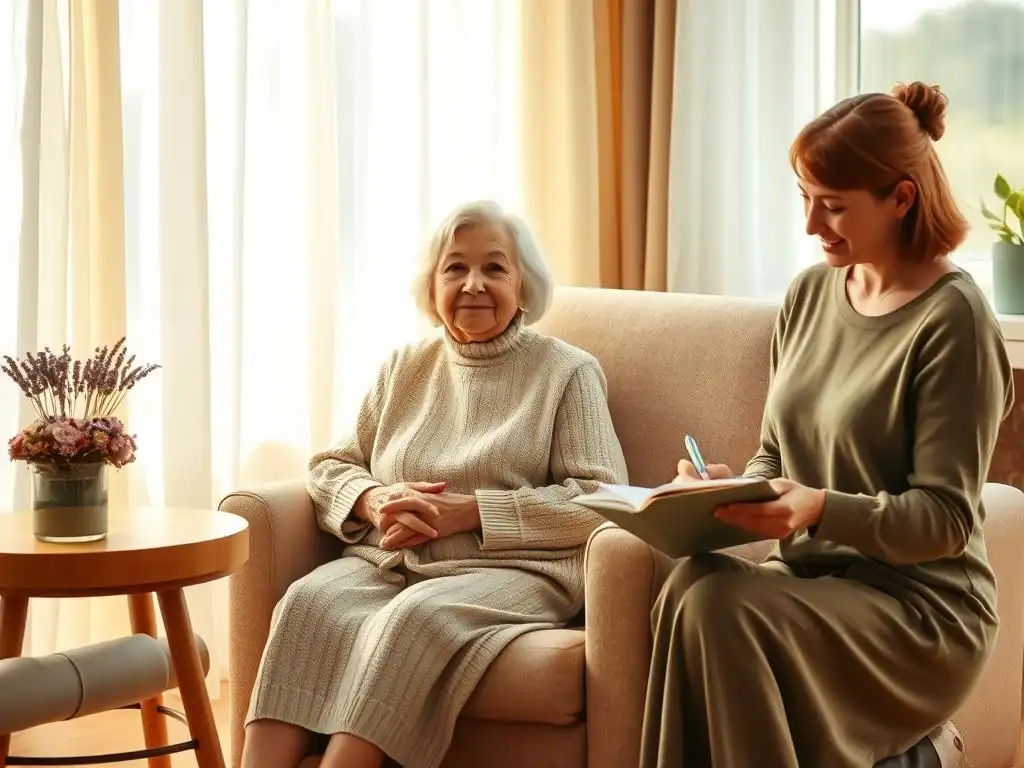
Developing an effective senior anxiety holistic relief plan begins with a thorough assessment of the individual's specific needs, circumstances, health status, and personal preferences. What are their unique anxiety triggers? What existing health conditions need to be considered? What are their physical abilities and limitations? What activities do they genuinely enjoy or find relaxing?
A comprehensive assessment might involve conversations with the senior, their family, and healthcare providers. Understanding their daily routine, social life, dietary habits, sleep patterns, and coping mechanisms (or lack thereof) is crucial. A plan that doesn't align with the senior's lifestyle or interests is unlikely to be sustained. For example, recommending vigorous exercise to someone with severe mobility issues is impractical; gentle chair yoga or breathing exercises would be more appropriate. This initial step ensures the holistic plan is tailored and realistic.
Integrating Holistic Therapies with Conventional Treatments
Holistic approaches are often most effective when integrated thoughtfully with conventional medical care, not used as a replacement. Seniors should continue to consult with their doctor regarding their anxiety symptoms and any prescribed medications or recommended therapies. Holistic strategies can work synergistically with traditional treatments, potentially enhancing their effectiveness or allowing for reduced reliance on medication under medical supervision.
For instance, a senior might continue taking a low dose of anxiety medication while also incorporating daily mindfulness practice, attending a Tai Chi class, and making dietary changes. Open communication between the senior, their family, and all healthcare providers (including physicians, therapists, and potentially holistic practitioners like acupuncturists or nutritionists) is essential to ensure a cohesive and safe approach. This integrated model offers the most comprehensive path to senior anxiety holistic relief.
Setting Realistic Goals and Expectations for Anxiety Relief
Setting realistic goals is vital for managing expectations and maintaining motivation when pursuing senior anxiety holistic relief. Anxiety is often a chronic condition, and while holistic methods can significantly reduce symptoms and improve coping, they may not eliminate anxiety entirely. Goals should focus on gradual improvements and increased well-being rather than a complete cure.
Examples of realistic goals might include: "Reduce the frequency of severe anxiety episodes by half within three months," "Feel more relaxed and less worried most days," "Be able to attend a social event once a week without overwhelming anxiety," or "Improve sleep quality by consistently getting 6-7 hours per night." Celebrating small victories along the way helps reinforce positive changes and encourages continued effort in implementing the holistic plan. Patience and persistence are key, acknowledging that finding the most effective combination of holistic strategies takes time and adjustment.
Maintaining Long-Term Anxiety Relief: Lifestyle Changes for Seniors
Regular Physical Activity: Exercise as a Natural Anxiety Reducer
Regular physical activity is a cornerstone of both physical and mental health for seniors and acts as a potent natural anxiety reducer. Exercise releases endorphins, which have mood-boosting effects, and can help reduce stress hormones like cortisol. It also provides a healthy outlet for pent-up energy and tension often associated with anxiety.
The type and intensity of exercise should be appropriate for the senior's health status and mobility. This could range from gentle walking, swimming, or cycling to chair exercises, gardening, or dancing. Aiming for at least 150 minutes of moderate-intensity aerobic activity per week, as recommended for older adults, or whatever amount is feasible and safe, can significantly contribute to long-term senior anxiety holistic relief. Consistency is more important than intensity; incorporating enjoyable movement into the daily or weekly routine is key.
Prioritizing Sleep Hygiene: Improving Sleep Quality for Anxiety Management
Poor sleep is both a symptom and a contributor to anxiety, creating a vicious cycle. Prioritizing good sleep hygiene is therefore crucial for maintaining long-term anxiety relief in seniors. Age-related changes can affect sleep patterns, but lifestyle adjustments can often lead to significant improvements.
Establishing a regular sleep schedule (going to bed and waking up at roughly the same time, even on weekends), creating a relaxing bedtime routine, ensuring the bedroom is dark, quiet, and cool, and avoiding caffeine and heavy meals before bed are fundamental practices. Limiting daytime naps and engaging in physical activity during the day can also help regulate sleep patterns. Addressing sleep disturbances is a vital component of a holistic approach to senior anxiety management.
Managing Stress Through Relaxation Techniques and Hobbies
Effective stress management is key to preventing anxiety from escalating. Seniors can benefit from incorporating regular relaxation techniques into their routine beyond just during moments of anxiety. This might include daily practice of deep breathing, progressive muscle relaxation, guided imagery, or listening to calming music.
Engaging in enjoyable hobbies and activities also serves as a powerful stress reducer and promotes mental well-being. Whether it's painting, reading, bird watching, playing an instrument, or spending time in nature, pursuing passions provides a sense of purpose, distraction from worries, and opportunities for relaxation and joy. Encouraging seniors to dedicate time to activities they love is an essential part of maintaining long-term senior anxiety holistic relief.
Resources for Seniors Seeking Holistic Anxiety Relief
Finding Qualified Holistic Practitioners
When seeking senior anxiety holistic relief, it's important to find qualified practitioners for therapies like acupuncture, massage, or nutritional counseling. Look for individuals who are licensed or certified in their respective fields and ideally have experience working with older adults. Professional organizations often have directories of practitioners.
Discussing potential holistic therapies with a primary care physician is a good starting point, as they may be able to offer recommendations or refer to integrated health centers. Checking credentials and asking about their experience with senior populations and anxiety can help ensure the practitioner is a good fit.
Books and Online Resources on Holistic Anxiety Management for Seniors
Numerous reputable books and online resources offer valuable information on holistic anxiety management tailored for older adults. Websites of national health organizations (like the National Institute on Aging) and mental health associations often provide guides, articles, and tips on managing anxiety through lifestyle and complementary methods.
Specific books dedicated to senior wellness, mindfulness for older adults, or gentle exercise programs can provide practical instructions and inspiration. It's essential to choose resources that are credible and evidence-based, and to remember that online information should not replace professional medical advice. These resources can empower seniors and their caregivers with knowledge about various senior anxiety holistic relief strategies.
Support Organizations and Advocacy Groups for Older Adults with Anxiety
Connecting with support organizations and advocacy groups can provide seniors and their families with valuable resources, community, and information specific to the challenges of aging and mental health. Organizations focused on mental health (like the Anxiety & Depression Association of America) often have resources tailored to older adults.
Groups dedicated to senior wellness or specific age-related conditions may also offer programs or support networks that indirectly address anxiety. These organizations can be excellent sources for finding local support groups, community programs, or getting advice on navigating the healthcare system, contributing to comprehensive senior anxiety holistic relief efforts.
The Future of Holistic Senior Anxiety Care
The landscape of senior health is increasingly recognizing the value of integrated, holistic approaches. As research continues to illuminate the interconnectedness of mind, body, and social well-being, holistic strategies are likely to become more mainstream components of senior anxiety care. We may see greater integration of mindfulness coaches, registered dietitians specializing in geriatrics, and certified exercise physiologists within traditional healthcare settings serving older adults.
Furthermore, increased awareness of senior anxiety and the demand for non-pharmacological options will likely drive the development of more accessible and tailored holistic programs. This could include community-based initiatives, telehealth options for holistic consultations, and insurance coverage for a wider range of complementary therapies. The future holds promise for a more comprehensive and person-centered approach to senior anxiety holistic relief, empowering older adults to live calmer, more fulfilling lives.
Frequently Asked Questions
What exactly does "holistic" mean in the context of senior anxiety relief?
"Holistic" refers to addressing anxiety by considering the whole person, including their physical, mental, emotional, and spiritual well-being. It moves beyond just medication and looks at lifestyle factors.
Why is it important to look beyond just doctor-prescribed medication for senior anxiety?
Medication can be helpful, but it may not address the root causes of anxiety. A holistic approach aims to provide long-term, sustainable relief by tackling underlying issues.
What are some practical examples of holistic strategies seniors can use to manage anxiety?
Examples include mindful meditation, regular light exercise like walking, and ensuring adequate social connection to combat loneliness. These address both mind and body.
How can family members support a senior loved one in pursuing holistic anxiety relief?
Family can help by encouraging participation in activities, providing transportation, and creating a supportive and understanding environment. Offer assistance in finding local resources.
Where can seniors find qualified professionals who specialize in holistic approaches to anxiety management?
Look for therapists, counselors, or wellness coaches experienced in working with seniors and who embrace mind-body practices. Websites like "Mind Care Guide" can offer directories and resources.
Final Reflection: Weaving a Tapestry of Calm for Our Aging Loved Ones
The escalating rates of anxiety among seniors are a stark reminder of the urgent need for holistic approaches to mental wellbeing. This isn't simply a medical issue; it's a societal one, demanding that we move beyond the limitations of traditional treatments and embrace a more comprehensive understanding of senior mental health. We must recognize the interconnectedness of physical, emotional, and spiritual well-being in crafting effective solutions.
The journey of exploring holistic anxiety relief for seniors has profoundly impacted my understanding of aging and the importance of compassionate care. It's not just about managing symptoms; it's about fostering a sense of purpose, connection, and self-worth in a stage of life often marked by significant transitions and losses. The best remedy for those who are afraid, lonely or unhappy is to go outside, somewhere where they can be quite alone with the heavens, nature and God.
– Søren Kierkegaard. This quote highlights the power of nature and spiritual connection, elements often overlooked in conventional approaches to senior anxiety.
Consider the impact of incorporating even one of the techniques discussed – be it mindful movement, nature immersion, or engaging in creative pursuits – into the lives of your aging loved ones. You have the power to contribute to a more peaceful and fulfilling experience for them. Take the time to listen, to understand their unique needs, and to explore the diverse avenues available for nurturing their mental and emotional well-being. Let's work together to create a world where our seniors age with grace, dignity, and peace of mind.
Unlock Your Senior's Inner Calm: Practical Steps to Anxiety Relief
We appreciate you taking the time to learn about holistic approaches to easing senior anxiety. You've gained valuable insights into natural methods that can promote peace and well-being. Now, let's put this knowledge into action!
- Prioritize one calming activity: Choose a single technique from the article – whether it's gentle yoga, mindful breathing, or nature walks – and commit to practicing it daily for a week. Notice the difference!
- Share this knowledge: Discuss the article's findings with your loved one, encouraging them to participate in the chosen calming activity alongside you. This shared experience can significantly boost its effectiveness.
- Explore further: Dive deeper into the resources mentioned in the article to discover additional strategies and support systems that may benefit your senior loved one. Could aromatherapy or a supportive community group make a difference?
What small step will you take today to begin nurturing your senior loved one's inner calm?