
Age and Brain Chemistry: Why Mood Disorders May Change with Time

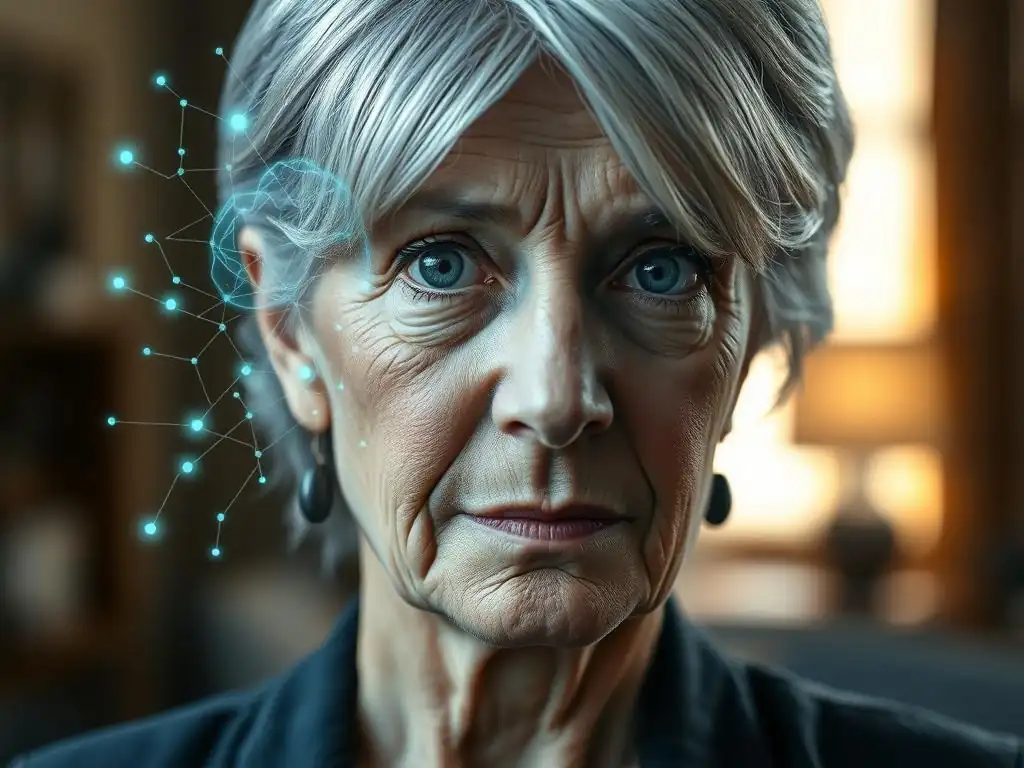
Welcome to Mind Care Guide, a sanctuary dedicated to understanding and nurturing your mental well-being.
Are you finding that your emotional landscape is shifting with age? Discover how the intricate dance of brain chemistry influences mood as we journey through life. This article, " Aging brain mood disorder treatment," explores the connection between the aging brain and mood disorders, offering insights and hope for a brighter, more balanced future. Ready to unravel the mysteries and find strategies for navigating these changes? Let's begin.
Age and Brain Chemistry: Why Mood Disorders May Change with Time - Mind Care Guide
- Introduction: Understanding the Aging Brain and Mood Vulnerability
- Brain Chemistry Changes Associated with Aging
- The Impact of Age-Related Physical Health on Mood
- How Aging Affects the Presentation of Mood Disorders
- Diagnosing Mood Disorders in the Aging Brain
- Aging Brain Mood Disorder Treatment Options
- Supporting Loved Ones with Mood Disorders in Later Life
- Conclusion: Promoting Mental Wellness Throughout the Lifespan
-
Frequently Asked Questions
- How does aging affect brain chemistry and its relation to mood disorders?
- What are the common mood disorders that might change as people age?
- Are there unique challenges in diagnosing mood disorders in older adults?
- What treatment options are available for mood disorders in older adults, considering the aging brain?
- Where can I find resources and support for managing mood disorders related to the aging brain?
- Final Reflection: The Evolving Landscape of Mood Disorders and Aging
- Unlock Your Brain's Potential: Navigate Mood Changes with Confidence
Introduction: Understanding the Aging Brain and Mood Vulnerability
The Interplay of Age, Brain Chemistry, and Mental Well-being
As the years pass, our bodies undergo numerous changes, and the brain is no exception. This intricate organ, the seat of our emotions and thoughts, experiences structural and chemical shifts that can profoundly impact mental well-being. Understanding the complex interplay between the aging process, brain chemistry, and mood is crucial for recognizing, diagnosing, and managing mood disorders later in life. It's not simply about getting older; it's about how the biological foundations of our emotional landscape evolve.
This journey through the aging brain reveals that the very mechanisms regulating mood, such as neurotransmitter systems and hormonal balance, can become less efficient or altered. For instance, studies suggest a general decline in the synthesis and signaling of certain key neurotransmitters as age advances. These changes don't necessarily cause a mood disorder in everyone, but they can certainly increase vulnerability, making individuals more susceptible to developing conditions like depression or anxiety, or altering how existing conditions manifest.
Why Mood Disorders Can Evolve with the Aging Process
Mood disorders, such as major depressive disorder or bipolar disorder, are not static conditions. Their presentation, severity, and even underlying biological drivers can shift over a person's lifespan. As individuals age, the symptoms they experience might differ from those seen in younger adults. For example, depression in older adults might manifest more as physical complaints, apathy, or cognitive slowing rather than overt sadness. This evolution is directly linked to the ongoing changes in brain chemistry and structure.
Furthermore, aging often brings significant life transitions – retirement, loss of loved ones, changes in physical health, and shifts in social roles. These psychosocial factors interact with the biological changes in the aging brain, creating a complex picture. A brain that is already navigating altered neurotransmitter levels or reduced neuronal plasticity may be less resilient to stress, making an older individual more vulnerable to the onset or recurrence of a mood episode, or changing the typical presentation of their specific mood disorder.
Brain Chemistry Changes Associated with Aging
Neurotransmitter Decline and Mood Regulation
The intricate network of neurotransmitters is fundamental to regulating mood, sleep, appetite, motivation, and cognitive function. As we age, the efficiency of these neurotransmitter systems can change. This doesn't mean a complete shutdown, but rather potential alterations in synthesis, release, reuptake, or receptor sensitivity for various key chemicals like serotonin, dopamine, and norepinephrine. These subtle or sometimes significant shifts in the chemical messengers of the brain are thought to play a role in the increased vulnerability to mood disturbances observed in some older adults.
Consider the serotonin system, often associated with feelings of well-being and emotional stability. Research suggests a general decline in serotonin transporter binding sites and potentially reduced serotonin synthesis with advancing age. Similarly, the dopamine system, critical for motivation and reward, shows age-related changes, including decreased dopamine receptor availability, particularly in areas like the striatum. These chemical shifts can contribute to the changes in mood regulation mechanisms seen in the aging brain.
Reduced Serotonin Levels and Their Impact on Mood
Serotonin is a crucial neurotransmitter involved in mood, sleep, digestion, and memory. While the exact mechanisms are still being researched, there is evidence suggesting age-related declines in aspects of the serotonergic system. For example, some post-mortem studies have indicated a reduction in serotonin receptors in certain brain regions in older individuals compared to younger adults. This potential reduction in serotonin availability or signaling efficiency can directly impact mood stability.
Lowered serotonin activity is a well-established factor associated with depressive symptoms. In the aging brain, this potential decline may contribute to feelings of sadness, irritability, sleep disturbances, and changes in appetite. While not the sole cause, the aging-related changes in the serotonin system are considered a significant biological factor contributing to the altered landscape of mood regulation in later life.
Dopamine Deficiency: Implications for Motivation and Pleasure
Dopamine is often linked to pleasure, reward, motivation, and motor control. The dopaminergic system undergoes notable changes with age, including a decrease in dopamine production and a reduction in dopamine receptor density, particularly the D2 receptors, in brain areas like the striatum and prefrontal cortex. This age-related decline in dopamine activity has significant implications for mood.
A deficiency in dopamine can manifest as symptoms such as anhedonia (the inability to experience pleasure), lack of motivation, fatigue, and reduced interest in activities that were once enjoyable. These symptoms are core features of depression and can be particularly prominent in older adults. The aging brain's altered dopamine system is therefore a critical component in understanding why some individuals experience diminished drive and pleasure as they age, contributing to depressive presentations.
The Role of Norepinephrine in Age-Related Mood Changes
Norepinephrine is another vital neurotransmitter involved in the body's stress response, alertness, attention, and mood regulation. The noradrenergic system, originating primarily in the locus coeruleus, also shows some age-related changes, though perhaps less consistently documented than serotonin or dopamine across all brain regions. However, alterations in norepinephrine signaling are known to be implicated in mood disorders.
Changes in norepinephrine activity in the aging brain might affect energy levels, concentration, and overall emotional resilience. Both reduced and dysregulated norepinephrine levels have been linked to different aspects of depression and anxiety. While the precise pattern of age-related noradrenergic changes is complex, its involvement in arousal and mood suggests it plays a role in the shifting landscape of emotional regulation experienced by older adults.
Structural Brain Changes in Older Adults
Beyond chemistry, the physical structure of the brain also changes with age. These structural alterations, while often subtle initially, can accumulate over time and impact brain function, including mood regulation. Common changes include a decrease in brain volume, particularly in certain areas like the prefrontal cortex and hippocampus, and changes in the white matter tracts that connect different brain regions.
These structural shifts can affect the efficiency of neural networks involved in emotional processing and cognitive control. For instance, changes in areas like the amygdala (involved in processing emotions) or the prefrontal cortex (involved in executive function and mood regulation) can alter how an individual perceives and responds to emotional stimuli. Understanding these structural changes provides another piece of the puzzle in explaining why mood disorders might present differently or emerge in later life.
Gray Matter Atrophy and its Link to Mood Disorders
Gray matter, composed primarily of neuronal cell bodies, dendrites, and synapses, is crucial for processing information. As the brain ages, there is a general, albeit variable, reduction in gray matter volume, a process often referred to as atrophy. This atrophy is not uniform and tends to be more pronounced in certain brain regions, including the prefrontal cortex, hippocampus, and anterior cingulate cortex – areas heavily implicated in mood regulation, memory, and emotional processing.
Studies using MRI have consistently shown reduced gray matter volume in these key regions in individuals with depression, including late-life depression. For example, research comparing older adults with depression to their non-depressed peers has often found smaller hippocampal volumes in the depressed group. This shrinkage affects the functionality of these areas, potentially impairing emotional regulation, increasing stress vulnerability, and contributing to the symptoms of mood disorders in the aging brain.
White Matter Lesions and Their Connection to Emotional Processing
White matter consists of myelinated axons, forming the communication highways between different brain regions. With age, white matter integrity can decline, and lesions (areas of damage or reduced blood flow) become more common. These white matter lesions, often associated with vascular risk factors like high blood pressure, can disrupt the efficient transmission of signals across neural circuits.
Disruptions in white matter tracts connecting regions involved in mood regulation, such as pathways between the prefrontal cortex, amygdala, and other limbic areas, can impair emotional processing and stability. Extensive white matter changes, particularly in frontal lobe connections, have been linked to an increased risk of developing late-life depression and may influence the response to aging brain mood disorder treatment. These lesions can essentially 'disconnect' critical mood-regulating circuits.
Hormonal Shifts and Their Influence on Mood
Hormones act as chemical messengers in the body and brain, influencing a vast array of functions, including mood. Aging is accompanied by significant changes in hormone levels, particularly sex hormones, which can have a direct impact on brain chemistry and emotional well-being. These hormonal shifts represent another layer of biological complexity contributing to the potential for mood disturbances in later life.
For both men and women, declining levels of sex hormones like estrogen and testosterone have been associated with mood changes. Additionally, alterations in stress hormones like cortisol, which can become dysregulated with chronic stress and age, can also affect brain structure and function, further impacting mood stability. Understanding these hormonal influences is vital when considering the multifaceted nature of mood disorders in the aging brain.
Estrogen Decline in Women and Mood Instability
Estrogen plays a significant role in brain function, influencing neurotransmitter systems (like serotonin and norepinephrine), neuronal growth, and synaptic plasticity. As women transition through menopause, estrogen levels decline dramatically. This reduction can impact mood, contributing to symptoms such as irritability, anxiety, and depression. While not all women experience significant mood changes during menopause, the hormonal shift is a well-recognized risk factor.
Research indicates that the decline in estrogen can affect areas of the brain involved in mood regulation, potentially altering the sensitivity of serotonin receptors or affecting the production of mood-related neurotransmitters. This makes the menopausal and post-menopausal periods a time of increased vulnerability for mood disorders, adding a distinct hormonal dimension to the overall picture of the aging brain and its emotional landscape.
Testosterone Reduction in Men and Depressive Symptoms
Testosterone, while primarily a male sex hormone, also plays a role in mood, energy levels, and cognitive function in both sexes, though its decline with age is more pronounced in men (often referred to as andropause, though less abrupt than menopause). As testosterone levels gradually decrease in aging men, some may experience symptoms that overlap significantly with depression.
Lower testosterone levels have been associated with reduced energy, fatigue, decreased motivation, irritability, and a general decline in well-being – symptoms commonly seen in depressive states. While the link is complex and varies among individuals, research suggests that testosterone influences neurotransmitter systems and brain regions involved in mood regulation. Thus, age-related testosterone reduction is considered a potential contributing factor to mood changes and depressive symptoms in older men.
Aging often brings an increase in chronic physical health conditions. The presence of these illnesses, the pain they can cause, and the medications used to treat them are not isolated issues; they are deeply intertwined with mental health and can significantly impact mood. This mind-body connection is particularly pronounced in older adults, where physical and mental health challenges frequently co-occur.
Managing chronic illness requires physical and emotional energy and can lead to functional limitations, social isolation, and a loss of independence – all factors that can negatively affect mood. Furthermore, the biological effects of chronic inflammation or metabolic changes associated with physical diseases can directly influence brain function and chemistry, contributing to or exacerbating mood disorders.
Chronic Illnesses and Depression in Older Adults
There is a strong bidirectional relationship between chronic physical illnesses and depression in older adults. Conditions such as heart disease, stroke, diabetes, arthritis, and respiratory diseases are significantly more prevalent in older populations, and they are also associated with a higher incidence of depression. For example, estimates suggest that depression affects approximately 15-25% of individuals with chronic health conditions.
Living with a chronic illness imposes significant burdens: managing symptoms, adhering to complex treatment regimens, dealing with physical limitations, and facing an uncertain prognosis. These stressors can trigger or worsen depressive symptoms. Conversely, depression can negatively impact the management of chronic diseases, leading to poorer adherence to treatment, worse health outcomes, and increased disability. This creates a challenging cycle where physical and mental health decline together.
Pain Management and Its Effect on Mental Health
Chronic pain is highly prevalent in older adults, affecting a substantial portion of the population, with some estimates suggesting over 50% of older adults in community settings experience persistent pain. Living with chronic pain can be emotionally exhausting and significantly impacts quality of life. It interferes with sleep, mobility, social activities, and independence, all of which are vital for maintaining positive mental health.
Unmanaged or poorly managed pain is strongly linked to an increased risk of depression and anxiety in older adults. The constant physical discomfort and the associated limitations can lead to feelings of hopelessness, irritability, and sadness. Effective pain management is therefore not just about physical comfort; it is a critical component of comprehensive aging brain mood disorder treatment, as alleviating pain can significantly improve mood and overall psychological well-being.
Medication Side Effects and Their Contribution to Mood Disturbances
Older adults often take multiple medications to manage various health conditions, a practice known as polypharmacy. While necessary for treating physical ailments, many medications can have psychiatric side effects, including causing or worsening symptoms of mood disorders. It is estimated that polypharmacy affects a large percentage of older adults, increasing the risk of adverse drug reactions.
Common culprits include certain blood pressure medications, corticosteroids, pain relievers (especially opioids), and even some over-the-counter drugs or supplements. These medications can interfere with neurotransmitter systems, alter hormonal balance, or cause sedation and fatigue, all of which can mimic or induce symptoms of depression or anxiety. Careful review and management of medication regimens are essential when addressing mood disorders in older adults, highlighting the importance of considering drug interactions as part of any aging brain mood disorder treatment plan.
How Aging Affects the Presentation of Mood Disorders
Mood disorders in older adults often present differently than in younger populations, making them more challenging to recognize and diagnose. While sadness is a hallmark symptom of depression in younger individuals, it may be less prominent in older adults. Instead, other symptoms might take center stage, reflecting the unique biological and psychosocial context of aging.
This altered presentation can lead to mood disorders being overlooked or misattributed to normal aging or physical health problems. Healthcare providers and family members need to be aware of these atypical presentations to ensure that older adults receive timely and appropriate care. Recognizing these differences is the first step toward effective identification and aging brain mood disorder treatment.
Atypical Depression in Older Adults: Irritability, Loss of Appetite, and Fatigue
Depression in older adults frequently presents with more somatic (physical) symptoms and less overt emotional distress compared to younger adults. Instead of reporting feeling sad, older individuals might complain primarily of fatigue, loss of energy, unexplained aches and pains, or significant changes in appetite and weight (often loss). Irritability and a lack of interest or motivation are also common, sometimes more so than persistent sadness.
This atypical presentation can complicate diagnosis. A healthcare provider might focus solely on physical complaints without recognizing them as potential manifestations of depression. For example, weight loss might be attributed solely to a physical illness, or fatigue seen as a normal part of aging. Recognizing this pattern is critical for proper assessment and initiation of aging brain mood disorder treatment.
Increased Risk of Anxiety Disorders with Age
While depression often receives significant attention in the context of aging, anxiety disorders are also highly prevalent in older adults and can co-occur with depression. Generalized Anxiety Disorder (GAD), phobias, and panic disorder can persist from earlier life or emerge anew in later years. Age-related anxieties often revolve around health concerns, financial security, loss of independence, and social isolation.
The symptoms of anxiety in older adults might include excessive worry, restlessness, difficulty concentrating, muscle tension, and sleep disturbances. These symptoms can overlap with those of depression or physical illness, making diagnosis tricky. The biological changes in the aging brain, coupled with increased life stressors, can heighten vulnerability to anxiety, which also requires specific approaches as part of comprehensive aging brain mood disorder treatment.
Cognitive Impairment and Its Overlap with Mood Disorders
Cognitive changes are a common concern in aging. Mood disorders, particularly depression, can cause significant cognitive symptoms such as problems with memory, concentration, decision-making, and processing speed. This overlap creates a diagnostic challenge, as these cognitive issues can resemble the early signs of dementia or other neurodegenerative conditions.
This phenomenon is sometimes referred to as "pseudodementia," where severe depression mimics dementia. However, it's also true that depression can co-occur with mild cognitive impairment (MCI) or early-stage dementia, and each condition can exacerbate the other. Distinguishing between mood-related cognitive symptoms and primary neurocognitive disorders requires careful evaluation, as the aging brain mood disorder treatment approach will differ significantly depending on the underlying cause.
Diagnosing Mood Disorders in the Aging Brain
Diagnosing mood disorders in older adults requires a nuanced approach that considers the unique aspects of aging, including physical health, medication use, and the potential for atypical symptom presentation. It's not as straightforward as applying diagnostic criteria designed primarily for younger adults. A thorough evaluation is essential to differentiate mood disorders from other conditions that can mimic their symptoms.
Healthcare providers must be skilled in assessing the complex interplay of biological, psychological, and social factors in older patients. This often involves gathering information from multiple sources, including the individual, family members, and other caregivers. Accurate diagnosis is the cornerstone of effective aging brain mood disorder treatment.
Challenges in Differentiating Dementia from Depression
One of the most significant diagnostic challenges in older adults is distinguishing between depression and dementia, particularly in the early stages of dementia. Both conditions can present with apathy, withdrawal, cognitive difficulties (memory problems, confusion), changes in sleep and appetite, and a loss of interest in activities.
Key differences can include the onset (depression symptoms often have a more defined start, while dementia is gradual), the pattern of cognitive impairment (in depression, memory problems might fluctuate and the person might express distress about them, whereas in dementia, memory loss is often progressive and the person may lack insight), and the presence of specific mood symptoms like pervasive sadness (more common in depression, though not always prominent in older adults) versus disorientation or difficulty with familiar tasks (more indicative of dementia). Careful clinical history and assessment are crucial.
The Importance of Comprehensive Assessments
Given the complexities, a comprehensive assessment is paramount for diagnosing mood disorders in the aging brain. This typically involves:
- A detailed medical history, including current and past physical illnesses and all medications/supplements.
- A thorough psychiatric history, including previous episodes of mood disorders.
- A cognitive assessment, ranging from screening tools to more detailed testing.
- An evaluation of functional status (ability to perform daily activities).
- Assessment of social support and living situation.
- Review of laboratory tests to rule out medical causes (e.g., thyroid problems, vitamin deficiencies).
This holistic approach helps paint a complete picture, allowing clinicians to identify contributing factors and make an accurate diagnosis, paving the way for appropriate aging brain mood disorder treatment.
Utilizing Neuropsychological Testing for Accurate Diagnosis
Neuropsychological testing can be a valuable tool in the diagnostic process, particularly when there is uncertainty about the presence or nature of cognitive impairment and its relationship to mood symptoms. These tests provide a detailed evaluation of various cognitive domains, such as memory, attention, executive function, and language.
Neuropsychological profiles can sometimes help differentiate between cognitive deficits primarily driven by depression (which might show more variability and less severe deficits in certain areas) versus those characteristic of specific types of dementia. While not definitive on their own, these tests provide objective data that, when combined with clinical information, can significantly improve diagnostic accuracy and guide the selection of the most appropriate aging brain mood disorder treatment.
Aging Brain Mood Disorder Treatment Options
Effective aging brain mood disorder treatment requires a personalized approach that considers the individual's specific symptoms, co-occurring physical health conditions, medication regimen, cognitive status, and social support. Treatment plans often involve a combination of pharmacological interventions, psychotherapy, and lifestyle modifications. The goal is to alleviate symptoms, improve quality of life, and promote overall well-being in later life.
Given the unique physiological changes of aging, the approach to treatment may differ from that used in younger adults. Medication dosages may need adjustment, and potential drug interactions must be carefully monitored. Psychotherapy techniques may be adapted to address age-specific concerns. A comprehensive aging brain mood disorder treatment plan is essential for successful outcomes.
Pharmacological Interventions: Considerations for Older Adults
Medications, particularly antidepressants, are a cornerstone of aging brain mood disorder treatment for many individuals. However, prescribing for older adults requires careful consideration due to age-related changes in drug metabolism and elimination, increased sensitivity to side effects, and the presence of multiple other medications.
Starting with a low dose and gradually increasing it ("start low, go slow") is a common principle. Clinicians must carefully weigh the potential benefits of a medication against the risks of side effects and drug interactions. Regular monitoring is essential to assess effectiveness, manage side effects, and ensure the treatment remains appropriate as circumstances change.
Antidepressants: Choosing the Right Medication
Several classes of antidepressants are used in aging brain mood disorder treatment. Selective Serotonin Reuptake Inhibitors (SSRIs) like sertraline (Zoloft) or escitalopram (Lexapro) are often considered first-line due to their generally favorable side effect profile compared to older classes like tricyclic antidepressants (TCAs). However, even SSRIs can cause side effects such as hyponatremia (low sodium), gastrointestinal issues, or increased fall risk in older adults.
Serotonin-Norepinephrine Reuptake Inhibitors (SNRIs) like venlafaxine (Effexor) or duloxetine (Cymbalta) may also be used, particularly if chronic pain is a co-occurring symptom, as some SNRIs have analgesic properties. Atypical antidepressants like bupropion (Wellbutrin) or mirtazapine (Remeron) are other options, each with its own profile of potential benefits and risks. The choice of medication depends on the specific symptoms, co-occurring conditions, potential drug interactions, and individual tolerance.
Managing Side Effects and Drug Interactions
Older adults are more susceptible to medication side effects and drug interactions due to physiological changes and polypharmacy. Side effects like dizziness, sedation, dry mouth, constipation, or cognitive dulling can be particularly problematic, increasing the risk of falls or exacerbating existing health issues. Clinicians must be vigilant in monitoring for these effects.
Drug interactions are a major concern when providing aging brain mood disorder treatment. Antidepressants can interact with medications for heart conditions, blood thinners, pain medications, and more, potentially altering drug levels or increasing the risk of adverse events. Utilizing pharmacy consultations, maintaining an up-to-date medication list, and considering potential interactions when prescribing are critical steps to ensure safety and efficacy.
Psychotherapy for Older Adults with Mood Disorders
Psychotherapy, or "talk therapy," is a highly effective component of aging brain mood disorder treatment, either alone or in combination with medication. Therapy provides a safe space for older adults to process emotions, develop coping strategies, address life transitions, and improve social connections.
Several forms of psychotherapy have been adapted and proven effective for older adults. These therapies consider the unique cognitive abilities, life experiences, and practical challenges faced by this population. Therapy can help challenge negative thought patterns, improve interpersonal relationships, and build resilience in the face of age-related changes and stressors.
Cognitive Behavioral Therapy (CBT) for Late-Life Depression
Cognitive Behavioral Therapy (CBT) is a widely used and evidence-based psychotherapy that is effective for late-life depression. CBT focuses on identifying and changing negative thought patterns and behaviors that contribute to depressive feelings. For older adults, CBT can be adapted to address specific concerns like coping with chronic illness, loss, or changes in social roles.
A typical course of CBT might involve identifying negative thoughts about aging (e.g., "I'm useless now"), challenging their validity, and replacing them with more realistic and positive thoughts. Behavioral components might include scheduling pleasant activities, even small ones, to combat apathy and withdrawal. Studies have shown that CBT can significantly reduce depressive symptoms in older adults, making it a key element in aging brain mood disorder treatment.
Interpersonal Therapy (IPT) for Addressing Relationship Challenges
Interpersonal Therapy (IPT) is another effective psychotherapy approach for mood disorders that focuses on the role of interpersonal relationships and social roles in contributing to depression. For older adults, life often involves significant changes in relationships – loss of a spouse or friends, changes in family dynamics, or shifts in social networks due to retirement or reduced mobility.
IPT helps individuals identify problematic interpersonal areas, such as grief, role disputes, role transitions, or interpersonal deficits. The therapist works with the individual to develop strategies for managing these challenges, improving communication skills, and building supportive relationships. By addressing the social context of mood disorders, IPT provides a valuable avenue for aging brain mood disorder treatment.
Lifestyle Modifications for Supporting Brain Health and Mood
Beyond medication and therapy, lifestyle factors play a significant role in supporting brain health and influencing mood as we age. Encouraging healthy habits is an important, often overlooked, aspect of aging brain mood disorder treatment. Simple changes in diet, physical activity, and social engagement can have a profound impact on emotional well-being.
These modifications support the brain's resilience, potentially mitigating some age-related changes and enhancing the effectiveness of other treatments. Empowering older adults to make positive lifestyle choices is a crucial part of a holistic approach to mental wellness in later life.
The Role of Diet and Exercise in Mental Well-being
Nutrition and physical activity are powerful tools for maintaining cognitive function and emotional health throughout the lifespan. A diet rich in fruits, vegetables, whole grains, lean proteins, and healthy fats (like the Mediterranean diet) is associated with better brain health and a reduced risk of depression. For instance, omega-3 fatty acids found in fish are thought to support brain cell function and neurotransmitter balance.
Regular physical activity, even moderate exercise like walking for 30 minutes several times a week, has been shown to have significant antidepressant effects. Exercise increases blood flow to the brain, promotes the release of endorphins (natural mood boosters), and can stimulate the growth of new brain cells, particularly in the hippocampus. Integrating healthy diet and exercise is a vital component of aging brain mood disorder treatment.
Social Engagement and Preventing Isolation
Social connection is a fundamental human need, and isolation is a significant risk factor for depression and anxiety in older adults. As social networks change due to retirement, relocation, or loss of peers and family, older individuals can become increasingly isolated. Lack of social interaction deprives the brain of stimulating experiences and emotional support.
Encouraging social engagement is a critical strategy in aging brain mood disorder treatment and prevention. This can involve participating in community activities, joining clubs or senior centers, maintaining contact with family and friends, volunteering, or even utilizing technology to stay connected. Fostering strong social ties provides emotional support, reduces feelings of loneliness, and contributes to a sense of purpose and belonging.
Research into aging brain mood disorder treatment is ongoing, and new therapeutic options are continually being explored, particularly for individuals who do not respond adequately to traditional approaches. These emerging treatments often target specific brain circuits or utilize novel mechanisms to alleviate symptoms.
While some are still considered experimental or are used for treatment-resistant cases, they offer hope for individuals struggling with persistent mood disorders in later life. These advancements underscore the evolving understanding of the aging brain and its capacity for response to targeted interventions.
Transcranial Magnetic Stimulation (TMS) for Treatment-Resistant Depression
Transcranial Magnetic Stimulation (TMS) is a non-invasive brain stimulation technique that has gained traction as a treatment option for major depressive disorder, including in older adults with treatment-resistant depression (depression that hasn't responded to medication or therapy). TMS uses magnetic pulses delivered to specific areas of the brain, typically the prefrontal cortex, to stimulate nerve cells involved in mood regulation.
TMS is generally well-tolerated, with common side effects being mild scalp discomfort or headache. It requires a series of daily sessions over several weeks. While the precise mechanisms are still being studied, TMS is thought to modulate activity in dysfunctional brain circuits associated with depression. For older adults who haven't found relief from standard aging brain mood disorder treatment, TMS represents a promising alternative.
Supporting Loved Ones with Mood Disorders in Later Life
Family members and caregivers play an invaluable role in supporting older adults with mood disorders. Recognizing the signs, offering empathetic support, and helping them access professional care are crucial steps. It can be challenging to navigate these issues, especially when mood changes are mistakenly attributed to normal aging or physical health.
Educating oneself about the unique ways mood disorders present in the aging brain is the first step. Open communication, patience, and advocacy are essential to ensure that loved ones receive the appropriate assessment and aging brain mood disorder treatment they need to regain their quality of life.
Recognizing the Signs of Mental Health Struggles
Be observant of changes in behavior, mood, and physical well-being in older loved ones. Signs of depression or anxiety might include:
- Persistent sadness or feelings of emptiness (though less common than in younger adults).
- Loss of interest or pleasure in activities they once enjoyed (anhedonia).
- Significant changes in appetite or weight (gain or loss).
- Sleep disturbances (insomnia or sleeping too much).
- Fatigue or loss of energy.
- Increased irritability or restlessness.
- Feelings of worthlessness or excessive guilt.
- Difficulty concentrating, remembering, or making decisions.
- Increased worry or nervousness.
- Physical complaints that lack a clear medical explanation.
- Social withdrawal or isolation.
- Thoughts of death or suicide (though older adults may be less likely to express these directly, they are at higher risk for completed suicide).
Note that not all these signs need to be present, and they can vary greatly between individuals.
Communicating Effectively with Aging Individuals
Approaching a conversation about mental health with an older loved one requires sensitivity and patience. Choose a calm, private setting and express your concerns in a supportive, non-judgmental way. Avoid dismissive phrases like "just cheer up" or "everyone gets down sometimes." Instead, focus on specific observations ("I've noticed you haven't been joining your bridge club lately") and express your care ("I'm worried about you and want to help").
Listen actively to their feelings and experiences. Validate their emotions, even if you don't fully understand them. Avoid forcing solutions. The goal is to open the door for communication and encourage them to consider seeking help. Remind them that mood disorders are treatable medical conditions, not a sign of weakness, and that effective aging brain mood disorder treatment is available.
Seeking Professional Help and Advocating for Care
Encouraging a loved one to seek professional help from a doctor or mental health specialist is a critical step. Offer to help them find a qualified professional, make the appointment, or even accompany them to the visit. Be prepared to provide the clinician with relevant information about their symptoms, medical history, and medications, as older adults may not always recall or report details accurately.
Advocate for their needs within the healthcare system. This might involve asking questions about diagnosis and aging brain mood disorder treatment options, ensuring all their medications are reviewed for potential interactions, and communicating concerns to their healthcare team. Remember, you are an important partner in their journey toward recovery and improved mental wellness.
Conclusion: Promoting Mental Wellness Throughout the Lifespan
Understanding the interplay of age, brain chemistry, and mood disorders is essential for promoting mental wellness across the lifespan, particularly in later years. The aging brain undergoes natural changes that can increase vulnerability to mood disturbances, and these changes interact with physical health, social factors, and life experiences. Recognizing the unique ways mood disorders present in older adults is the first step towards effective intervention.
Fortunately, effective aging brain mood disorder treatment options are available and continue to evolve. A combination of appropriate medication management, tailored psychotherapy, and supportive lifestyle modifications can significantly improve symptoms and enhance the quality of life for older adults struggling with mood challenges.
The Importance of Early Intervention and Ongoing Support
Early identification and intervention are just as crucial for mood disorders in older adults as they are in younger populations. The longer a mood disorder goes untreated, the greater the potential impact on physical health, cognitive function, and social well-being. Untreated depression in older adults is associated with higher rates of disability, increased healthcare costs (potentially 2-3 times higher than non-depressed peers), and increased mortality risk.
Ongoing support is also key. Mood disorders can be chronic conditions, requiring continuous management and adaptation of aging brain mood disorder treatment plans as needs change. Regular check-ins with healthcare providers, continued engagement in therapy or support groups, and maintaining social connections are vital for sustaining recovery and preventing relapse.
Optimizing Brain Health for a Positive Emotional Future
While some age-related brain changes are inevitable, adopting healthy lifestyle habits throughout life can help optimize brain health and potentially build resilience against mood disorders. This includes maintaining a healthy diet, engaging in regular physical and mental activity, managing stress, getting adequate sleep, and staying socially connected.
These proactive steps contribute to overall brain vitality, potentially supporting neurotransmitter function, maintaining neuronal connections, and promoting cognitive reserve. By prioritizing brain health throughout the aging process, individuals can enhance their emotional resilience and pave the way for a more positive emotional future, reducing the likelihood or severity of needing aging brain mood disorder treatment later in life.
Frequently Asked Questions
How does aging affect brain chemistry and its relation to mood disorders?
Aging can lead to changes in neurotransmitter production and receptor sensitivity, potentially exacerbating or altering the presentation of mood disorders. These changes can impact the effectiveness of existing treatment strategies.
What are the common mood disorders that might change as people age?
While depression and anxiety remain prevalent, older adults may experience atypical depression, presenting with more physical symptoms or cognitive impairment. Bipolar disorder can also manifest differently, potentially with more manic episodes.
Are there unique challenges in diagnosing mood disorders in older adults?
Yes, co-existing medical conditions, cognitive decline, and social isolation can mask or mimic symptoms of mood disorders. This makes accurate diagnosis more complex and requires a thorough assessment.
What treatment options are available for mood disorders in older adults, considering the aging brain?
Treatment approaches often involve a combination of psychotherapy, such as cognitive behavioral therapy (CBT), and pharmacological interventions. Medications may need adjusted dosages due to age-related physiological changes.
Mind Care Guide offers comprehensive information, support networks, and resources specifically tailored to addressing the challenges of aging brain mood disorder treatment. Consult with a qualified mental health professional for personalized guidance.
Final Reflection: The Evolving Landscape of Mood Disorders and Aging
The intricate relationship between age, brain chemistry, and mood disorders is not merely an academic pursuit; it's a critical area impacting millions globally. Understanding how these factors interact throughout a lifespan is paramount to developing effective and compassionate treatment strategies for an aging population increasingly affected by mental health challenges. The implications are far-reaching, demanding a shift in how we approach mental healthcare in the later years of life.
The journey of exploring the changing landscape of mood disorders with age has been profoundly insightful, highlighting the need for a more nuanced understanding of the brain's dynamic nature. It's clear that a "one-size-fits-all" approach to treatment is insufficient. We must move beyond simplistic generalizations and embrace the complexity of individual experiences. The brain is the most complex organ in the body, and its plasticity allows for change throughout life. This means that treatment approaches must be adaptable and personalized.
This quote underscores the importance of ongoing research and tailored interventions that acknowledge the unique challenges faced by individuals at different stages of life.
You, the reader, are now equipped with a deeper understanding of the intricate connection between aging, brain chemistry, and mood disorders. Consider how this knowledge might inform your own approach to mental well-being, whether for yourself or a loved one. Engage in open conversations about mental health, advocate for personalized treatment plans, and support research efforts aimed at improving the lives of those affected by age-related mood disorders. Let us collectively work towards a future where age is not a barrier to receiving effective and compassionate mental healthcare.
Thanks for exploring the fascinating connection between age and brain chemistry! We hope you gained valuable insights into how mood can shift over time. Now, let's put that knowledge into action.
- Prioritize self-care: Identify one small, manageable self-care practice you can implement this week (e.g., a daily walk, mindful breathing, journaling) to support your mental well-being. This is your keystone habit.
- Share your story: Have you noticed similar mood shifts? Share your experiences and insights in the comments below – your perspective could help others.
- Explore resources: Consider researching local support groups or mental health professionals specialized in age-related mood changes. This proactive step could prove invaluable.
What small step will you take today to prioritize your mental well-being, based on what you've learned?