
Exploring NonMedication Alternatives (Briefly Mentioned in Context of Choice)


Welcome to Mind Care Guide, a space dedicated to nurturing your mental well-being. Feeling overwhelmed by the sheer number of treatment options available? You're not alone. Many seek pathways to healing that go beyond medication. This guide offers insights and resources to navigate those choices, starting with a deeper look into nonmedication mental health options – especially relevant when considering managing mood disorders. Curious to explore the possibilities?
- Exploring Nonmedication Mental Health Options: A Holistic Approach
- What are Nonmedication Mental Health Options?
- Types of Nonmedication Treatment Options for Anxiety Disorders
- Choosing the Right Nonmedication Approach: Factors to Consider
- Integrating Medication and Nonmedication Approaches: A Holistic Strategy
- Benefits and Limitations of Nonmedication Mental Health Options
- Finding Support and Resources for Nonmedication Treatment
- Conclusion: Empowering Yourself with Nonmedication Options
-
Frequently Asked Questions
- What are some common nonmedication mental health options available?
- How effective are nonmedication approaches compared to medication for mental health?
- Can nonmedication strategies be used alongside medication?
- Where can I find reliable resources for learning more about nonmedication mental health options?
- What are the potential benefits of prioritizing nonmedication mental health options?
- Final Reflection: Charting a Course Towards Holistic Wellbeing
- Unleash Your Inner Wellness: Discover Natural Paths to Better Health
Exploring Nonmedication Mental Health Options: A Holistic Approach
Anxiety disorders are among the most common mental health conditions globally, affecting millions of people. These disorders encompass a range of conditions, including Generalized Anxiety Disorder (GAD), Panic Disorder, Social Anxiety Disorder, and specific phobias. While the experience of anxiety is universal, for those with an anxiety disorder, these feelings become excessive, persistent, and interfere significantly with daily life. Understanding the nature of these disorders is the first step in exploring effective treatment pathways.
Treatment for anxiety disorders is not one-size-fits-all. It often involves a combination of approaches tailored to the individual's specific symptoms, severity, and personal circumstances. Traditionally, medication has played a significant role in managing severe anxiety symptoms, but a growing understanding of mental health highlights the critical importance of exploring a wide array of nonmedication mental health options. These alternatives offer diverse strategies for managing anxiety and promoting long-term well-being.
The Role of Medication in Anxiety Disorder Treatment
Medications, such as selective serotonin reuptake inhibitors (SSRIs), serotonin-norepinephrine reuptake inhibitors (SNRIs), benzodiazepines, and buspirone, are frequently prescribed to manage the symptoms of anxiety disorders. SSRIs and SNRIs, for example, work by affecting neurotransmitters in the brain believed to play a role in mood and anxiety. They are often considered a first-line treatment for moderate to severe anxiety, particularly GAD and Panic Disorder, and may take several weeks to reach their full therapeutic effect.
While effective for many, medication treatment for anxiety is not without its considerations. Potential side effects can range from mild (like digestive issues or sleep disturbances) to more significant. Furthermore, some medications, such as benzodiazepines, carry risks of dependence if used for extended periods. The decision to use medication is a complex one, typically made in consultation with a psychiatrist or other qualified healthcare provider, weighing the potential benefits against the risks and side effects for the individual patient.
Beyond Pills: Recognizing the Importance of Nonmedication Alternatives
While medication offers crucial relief for many struggling with significant anxiety, it is increasingly recognized that a comprehensive treatment plan often benefits from including non-pharmacological interventions. These nonmedication mental health options address anxiety through psychological, behavioral, and lifestyle-based approaches, often targeting the root causes and learned patterns associated with the disorder rather than solely focusing on symptom suppression.
Integrating nonmedication alternatives allows for a more holistic approach to mental wellness. It empowers individuals with tools and strategies they can use actively in their daily lives to manage stress, challenge anxious thoughts, and build resilience. For instance, learning coping mechanisms through therapy or incorporating stress-reducing practices like mindfulness can provide lasting benefits that complement or, in some cases, even replace the need for medication, especially for individuals with mild to moderate symptoms or those seeking adjunctive support.
What are Nonmedication Mental Health Options?
Nonmedication mental health options, often referred to as non-pharmacological interventions, encompass a broad spectrum of therapeutic strategies and lifestyle adjustments aimed at improving mental well-being without the use of prescription drugs. These interventions are grounded in various psychological theories, behavioral science, and the understanding of the mind-body connection. They focus on equipping individuals with skills, changing thought patterns, modifying behaviors, and promoting overall health to alleviate symptoms of mental health conditions like anxiety.
Examples range from structured psychotherapies administered by trained professionals to self-directed practices and lifestyle changes. The core principle is to activate the individual's own capacity for healing and coping, providing sustainable strategies for managing symptoms and enhancing quality of life. Exploring these nonmedication mental health options allows individuals to find approaches that resonate with their personal values and circumstances.
Defining Non-Pharmacological Interventions for Mental Well-being
Non-pharmacological interventions include any therapeutic method or practice that does not involve the administration of medication. This definition is broad and covers a significant territory in mental health care. At its heart, it's about harnessing the brain's neuroplasticity and the body's natural systems to foster healing and balance. These methods often require active participation from the individual, involving learning new skills, practicing techniques, and making conscious choices about behavior and lifestyle.
Think of interventions like Cognitive Behavioral Therapy ( CBT), which teaches individuals to identify and challenge negative thought patterns contributing to anxiety. Or consider the impact of regular physical activity, which research consistently shows can reduce anxiety symptoms by releasing endorphins and reducing stress hormones. These are tangible actions and learned skills, distinct from the passive role often associated with taking a pill, and represent powerful nonmedication mental health options.
When to Consider Nonmedication Approaches for Anxiety Disorders
Nonmedication approaches can be considered at various stages of managing anxiety disorders. For individuals experiencing mild to moderate anxiety, these options are often recommended as a first line of treatment before considering medication. Therapy, like CBT or Exposure Therapy, has strong evidence supporting its effectiveness for specific anxiety disorders, sometimes showing results comparable to or even exceeding medication in the long term, particularly in preventing relapse.
Even for those with severe anxiety or who are already taking medication, nonmedication strategies are invaluable as complementary treatments. They can help manage symptoms that medication doesn't fully address, improve coping skills, address underlying issues, and reduce reliance on medication over time if appropriate. Consulting with a mental health professional is crucial to determine the most suitable time and type of nonmedication mental health options based on the individual's diagnosis, symptom severity, history, and personal preferences.
Types of Nonmedication Treatment Options for Anxiety Disorders
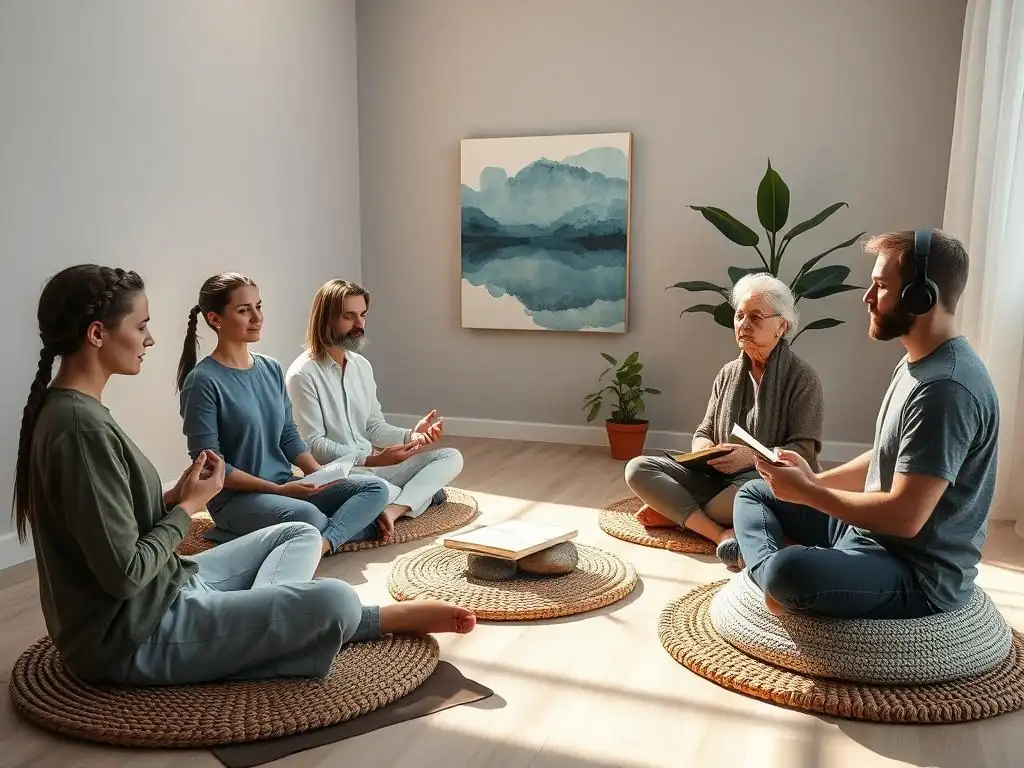
The landscape of nonmedication mental health options is rich and varied, offering multiple pathways to address anxiety. These options can generally be categorized into several main areas: psychotherapy, lifestyle changes, mind-body practices, and alternative/complementary therapies. Each category offers unique tools and perspectives for managing anxiety symptoms and improving overall mental well-being.
Choosing among these options depends heavily on individual needs, preferences, and the specific nature of the anxiety experienced. For instance, someone with social anxiety might benefit greatly from CBT focusing on social situations, while someone experiencing generalized worry might find mindfulness meditation particularly helpful. Often, a combination of approaches yields the best results, creating a personalized toolkit of nonmedication mental health options.
Psychotherapy: Talking Therapies for Anxiety Management
Psychotherapy, commonly known as talk therapy, involves working with a trained therapist to explore the thoughts, feelings, and behaviors contributing to anxiety. It is a cornerstone of nonmedication mental health options and has a robust evidence base supporting its effectiveness for various anxiety disorders. Therapists use different approaches, each with unique techniques and focuses, to help individuals understand their anxiety and develop healthier coping mechanisms.
Through psychotherapy, individuals can gain insight into the origins of their anxiety, learn to challenge irrational fears, develop problem-solving skills, and practice new ways of responding to stressful situations. The therapeutic relationship itself provides a supportive and safe environment for processing difficult emotions and experiences. The duration and frequency of therapy sessions vary depending on the individual's needs and the specific therapeutic approach used.
Cognitive Behavioral Therapy (CBT) for Anxiety Disorders
CBT is one of the most widely researched and effective forms of psychotherapy for anxiety disorders. It operates on the principle that our thoughts, feelings, and behaviors are interconnected, and by changing one, we can influence the others. For anxiety, CBT helps individuals identify negative or distorted thought patterns (cognitive distortions) that fuel their anxiety and challenge their validity.
A typical CBT course for anxiety might involve identifying specific triggers, analyzing anxious thoughts (e.g., "If I make a mistake, everyone will think I'm incompetent"), and learning to replace them with more realistic and balanced perspectives. Behavioral components include gradually confronting feared situations ( exposure therapy, often integrated into CBT) to reduce avoidance behaviors and demonstrate that feared outcomes are unlikely or manageable. Studies frequently show significant reductions in anxiety symptoms, with effectiveness rates often cited between 60% and 80% for various anxiety disorders after a structured course of CBT, though individual results vary.
Acceptance and Commitment Therapy (ACT) for Psychological Flexibility
ACT is another form of therapy that falls under the umbrella of nonmedication mental health options, offering a different perspective from traditional CBT. Instead of challenging or trying to eliminate anxious thoughts and feelings, ACT emphasizes acceptance of difficult internal experiences. The goal is not to feel better, but to get better at feeling.
ACT uses mindfulness and acceptance strategies to help individuals observe their thoughts and feelings without judgment, reducing their power. It also focuses on identifying personal values (what truly matters to you) and committing to taking actions aligned with those values, even in the presence of anxiety. This approach builds psychological flexibility, enabling individuals to live a meaningful life alongside their anxiety, rather than being controlled by it. Research suggests ACT is effective for various anxiety-related issues, promoting long-term coping skills.
Exposure Therapy for Overcoming Fears
Exposure therapy is a specific type of behavioral therapy often used within a CBT framework or as a standalone treatment, particularly effective for phobias, Panic Disorder, and Social Anxiety Disorder. The core principle is confronting feared objects, situations, or sensations in a safe and controlled environment to reduce the associated anxiety response over time. This is based on the concept of habituation – repeated exposure to a feared stimulus without the feared consequence occurring leads to a reduction in the fear response.
Exposure can be done gradually (graded exposure), starting with less anxiety-provoking situations and moving up a "fear hierarchy," or more intensely (flooding), though the latter is less common. For someone with a fear of public speaking (a form of social anxiety), graded exposure might start with speaking in front of a mirror, then one friend, then a small group, building up to a larger audience.
For Panic Disorder, interoceptive exposure involves intentionally bringing on physical sensations associated with panic (like dizziness or a racing heart) to learn they are not dangerous. Exposure therapy is highly effective, with studies showing significant improvement or elimination of specific phobias in a large percentage of individuals, often upwards of 70-90% after intensive treatment.
Lifestyle Changes: Enhancing Mental Wellness Naturally
Beyond formal therapy, incorporating healthy lifestyle changes represents powerful nonmedication mental health options that individuals can integrate into their daily lives. These changes impact physical health, which is intrinsically linked to mental and emotional states. Simple adjustments to diet, exercise, and sleep can significantly influence anxiety levels and overall resilience.
Making these changes requires commitment and consistency, but the benefits extend beyond anxiety management to overall physical health and improved quality of life. Lifestyle adjustments are accessible nonmedication mental health options that empower individuals to take an active role in their well-being journey, complementing other forms of treatment.
The Impact of Diet and Nutrition on Anxiety
While diet alone may not cure anxiety, nutrition plays a significant role in brain function and mood regulation. A diet rich in whole foods, fruits, vegetables, lean proteins, and healthy fats can help stabilize blood sugar levels, which can prevent mood swings and irritability often associated with anxiety. Conversely, diets high in processed foods, sugar, and saturated fats have been linked to increased inflammation and potential disruptions in neurotransmitter function, potentially exacerbating anxiety symptoms.
Specific nutrients are particularly relevant. Omega-3 fatty acids, found in fish and flaxseeds, are important for brain health. B vitamins are crucial for nervous system function. Magnesium deficiency has been tentatively linked to increased anxiety in some studies. While specific dietary prescriptions vary, focusing on balanced, nutrient-dense meals and limiting caffeine and alcohol (known anxiety triggers for many) are practical nonmedication mental health options related to diet.
Exercise and Physical Activity for Anxiety Reduction
Regular physical activity is a profoundly effective nonmedication mental health option, often recommended by mental health professionals. Exercise releases endorphins, natural mood elevators, and can act as a powerful stress reducer. Engaging in physical activity also helps regulate sleep patterns and can improve self-esteem, all of which positively impact anxiety levels.
Studies have shown that even moderate exercise, like brisk walking for 30 minutes several times a week, can significantly reduce anxiety symptoms. More vigorous activities like running or high-intensity interval training (HIIT) can also be beneficial, but the key is consistency and finding an activity that is enjoyable and sustainable. Exercise provides a healthy outlet for nervous energy and can break the cycle of anxious rumination by focusing attention on the body.
The Importance of Sleep Hygiene for Mental Health
Sleep and anxiety have a complex bidirectional relationship: anxiety can cause sleep problems, and lack of sleep can worsen anxiety. Prioritizing good sleep hygiene is therefore a vital nonmedication mental health option. This involves establishing consistent sleep habits, creating a relaxing bedtime routine, ensuring the sleep environment is dark, quiet, and cool, and avoiding stimulants like caffeine and nicotine before bed.
Aiming for 7-9 hours of quality sleep per night is important for regulating mood, improving cognitive function, and enhancing the body's ability to cope with stress. Implementing strategies like going to bed and waking up at the same time each day, even on weekends, and avoiding screens close to bedtime can make a significant difference in reducing sleep-related anxiety and improving overall mental resilience.
Mind-Body Practices: Connecting the Body and Mind for Emotional Balance
Mind-body practices represent a category of nonmedication mental health options that emphasize the connection between psychological and physical states. These techniques often involve focused attention, controlled breathing, and gentle movement to promote relaxation, reduce stress, and enhance self-awareness. They provide tools for individuals to actively regulate their nervous system and cultivate a sense of calm amidst anxious feelings.
Incorporating mind-body practices into a routine can help individuals become more attuned to their physical sensations and emotional states without being overwhelmed by them. This increased awareness is a key component in managing anxiety effectively.
Meditation and Mindfulness for Stress Reduction
Meditation and mindfulness practices are increasingly popular and well-researched nonmedication mental health options. Mindfulness involves paying attention to the present moment without judgment, observing thoughts, feelings, and sensations as they arise. Meditation is a practice often used to cultivate mindfulness or achieve a state of deep relaxation and calm.
Regular mindfulness meditation practice has been shown to reduce activity in the amygdala, the brain region associated with fear and the stress response, while increasing activity in areas related to self-awareness and emotional regulation. Even short daily practices (e.g., 5-10 minutes) can build resilience to stress and reduce the frequency and intensity of anxious thoughts. Mindfulness-Based Stress Reduction ( MBSR) and Mindfulness-Based Cognitive Therapy ( MBCT) are structured programs that teach these skills specifically for managing stress, anxiety, and depression.
Yoga and Tai Chi for Emotional and Physical Well-being
Yoga and Tai Chi are ancient practices that combine gentle physical postures, movement, breathing techniques, and meditation. They are excellent examples of nonmedication mental health options that integrate physical activity with mindfulness and relaxation. The focus on breath control and slow, deliberate movements helps calm the nervous system and reduce muscle tension, common physical manifestations of anxiety.
Studies suggest that regular yoga or Tai Chi practice can reduce anxiety symptoms, improve mood, and enhance overall physical function. The emphasis on present-moment awareness during practice helps pull individuals out of anxious rumination about the past or future. These practices offer a gentle yet effective way to release physical and mental tension associated with anxiety.
Progressive Muscle Relaxation (PMR) for Tension Relief
Progressive Muscle Relaxation ( PMR) is a technique that involves systematically tensing and then releasing different muscle groups in the body. The practice helps individuals become more aware of the physical sensations of tension and relaxation, and actively learn to release muscle tightness, a common symptom of anxiety.
By practicing PMR regularly, individuals can learn to recognize the early signs of muscle tension related to stress and anxiety and use the technique to induce a state of relaxation. This simple, accessible technique is a valuable tool among nonmedication mental health options for immediate anxiety relief and long-term tension management. It can be practiced anywhere, anytime, requiring no special equipment.
Alternative and Complementary Therapies: Exploring Other Avenues
Beyond mainstream psychotherapy and lifestyle changes, a range of alternative and complementary therapies are explored by individuals seeking nonmedication mental health options. These approaches often have varying levels of scientific evidence supporting their effectiveness for anxiety, and it is crucial to approach them with caution and, ideally, in consultation with a healthcare provider.
These therapies can sometimes offer relief or serve as helpful adjuncts to more evidence-based treatments. Their appeal often lies in their holistic nature or their focus on specific aspects of well-being.
Acupuncture for Anxiety Regulation
Acupuncture, a traditional Chinese medicine technique involving the insertion of thin needles into specific points on the body, is sometimes explored as a nonmedication option for anxiety. The theory behind acupuncture's effect on anxiety often relates to its potential influence on the nervous system and the release of endorphins.
While research on acupuncture specifically for anxiety disorders is ongoing and results are somewhat mixed, some studies suggest it may help reduce anxiety symptoms in certain individuals. It is typically considered a complementary therapy, meaning it is used alongside conventional treatments rather than as a standalone solution. Individuals considering acupuncture should seek a licensed and experienced practitioner.
L-Theanine for Relaxation (Discuss with Doctor)
L-Theanine is an amino acid found primarily in green tea, known for its potential calming effects. It is believed to work by increasing levels of certain neurotransmitters, such as GABA, serotonin, and dopamine, which influence mood and relaxation. L-Theanine is available as a dietary supplement and is often marketed as a natural way to reduce stress and promote relaxation without causing drowsiness, making it a nonmedication mental health option.
Some studies suggest L-Theanine can promote relaxation and reduce anxiety in stressful situations. However, the evidence is not as robust as for established therapies, and supplement quality and dosage vary. It is absolutely essential to discuss the use of L-Theanine or any supplement with a doctor or pharmacist, especially if taking other medications, to ensure safety and appropriateness.
Aromatherapy for Calming Effects
Aromatherapy involves the use of essential oils, extracted from plants, for therapeutic purposes. Certain scents, particularly lavender, chamomile, and bergamot, are commonly used in aromatherapy for their purported calming and stress-reducing properties. Essential oils can be inhaled (using a diffuser or directly from the bottle) or applied topically (diluted with a carrier oil).
While research on the effects of aromatherapy on clinical anxiety disorders is limited, the pleasant scents and the ritual of using them can promote relaxation and well-being for some individuals. It is generally considered a low-risk, complementary nonmedication mental health option that can be easily incorporated into relaxation routines. However, essential oils should be used cautiously, following safety guidelines, and never ingested unless under the guidance of a qualified professional.
Choosing the Right Nonmedication Approach: Factors to Consider
Navigating the many nonmedication mental health options can feel overwhelming. Selecting the most appropriate approach or combination of approaches requires careful consideration of several factors specific to the individual. There is no universal "best" nonmedication strategy; what works for one person may not work for another.
Making an informed choice involves understanding the nature of one's anxiety, personal preferences, practical considerations, and engaging in a thorough assessment process. This empowers individuals to select nonmedication mental health options that align with their unique needs and goals.
Severity of Symptoms and Individual Needs
The severity and specific presentation of anxiety symptoms are primary factors in determining which nonmedication mental health options are most suitable. For instance, someone with severe, debilitating panic attacks might require intensive exposure therapy and potentially medication initially, while someone with mild, generalized worry might benefit more from mindfulness training and lifestyle adjustments.
Individual needs also encompass co-occurring conditions (like depression or chronic pain), personal history, and specific triggers. A comprehensive assessment by a mental health professional helps identify these factors and tailor recommendations. Understanding the individual's unique challenges is key to selecting the most impactful nonmedication strategies.
Patient Preferences and Treatment Goals
An individual's preferences and what they hope to achieve from treatment are critically important. Some people may prefer talking therapies, while others might be more drawn to physical practices like yoga or lifestyle changes. Feeling a sense of agency and buy-in regarding the chosen nonmedication mental health options significantly increases the likelihood of adherence and success.
Discussing treatment goals openly with a therapist or doctor is vital. Are you hoping to reduce the frequency of panic attacks, learn to manage social situations more comfortably, reduce overall worry, or simply feel more in control? Clearly defined goals help guide the selection of the most relevant and effective nonmedication strategies.
Availability and Accessibility of Nonmedication Options
Practical considerations such as the availability and accessibility of different nonmedication mental health options play a significant role in the decision-making process. Access to qualified therapists specializing in specific modalities like CBT or ACT can vary depending on location and insurance coverage. The cost of therapy sessions or specialized programs can also be a barrier for some.
Fortunately, many nonmedication options, such as incorporating exercise, improving sleep hygiene, or practicing basic mindfulness, are highly accessible and low-cost or free. Online resources and digital mental health platforms are also expanding access to guided meditations, therapy tools, and information about nonmedication mental health options, helping bridge gaps in traditional access.
The Importance of a Comprehensive Assessment
Before embarking on any specific nonmedication treatment path, a comprehensive assessment by a qualified mental health professional (such as a psychiatrist, psychologist, or licensed therapist) is highly recommended. This assessment involves evaluating symptoms, diagnosis, medical history, lifestyle, and personal circumstances.
A thorough assessment helps rule out any underlying medical conditions that might be contributing to anxiety symptoms and ensures that the recommended nonmedication mental health options are appropriate and safe for the individual. It provides a foundation for creating a personalized treatment plan, potentially integrating various approaches for the best possible outcome.
Integrating Medication and Nonmedication Approaches: A Holistic Strategy
For many individuals, the most effective approach to managing anxiety disorders involves integrating medication with nonmedication strategies. This holistic strategy recognizes that mental well-being is influenced by a complex interplay of biological, psychological, and environmental factors. Medication can help manage severe symptoms, creating a window for non-pharmacological interventions to be more effective, while nonmedication options can build long-term coping skills and address underlying issues.
This integrated approach is often the standard of care for moderate to severe anxiety, providing robust support for individuals on their recovery journey. It emphasizes collaboration among healthcare providers and empowers the individual to utilize a full spectrum of tools. Combining medication and nonmedication mental health options leverages the strengths of both approaches.
Collaborative Care: Working with Your Mental Health Provider
Successful integration of medication and nonmedication approaches requires open communication and collaboration between the individual and their mental health provider(s). This might involve a psychiatrist prescribing medication and a therapist providing psychotherapy, with both professionals communicating to coordinate care.
Regular check-ins with both providers are important to monitor symptom changes, assess the effectiveness of different interventions, manage potential side effects of medication, and adjust the treatment plan as needed. This collaborative model ensures that all aspects of the individual's well-being are considered and that their nonmedication mental health options are working in harmony with any prescribed medication.
Combining Therapy and Lifestyle Changes for Optimal Results
Research and clinical experience consistently show that combining psychotherapy (like CBT) with lifestyle changes (such as exercise, improved sleep, and healthy diet) often yields better and more sustainable results than either approach alone. Therapy provides structured tools and addresses cognitive and behavioral patterns, while lifestyle changes support overall physical and mental resilience.
For example, someone learning to challenge anxious thoughts in CBT might find that regular exercise makes it easier to manage the physical sensations of anxiety, or that improved sleep reduces irritability and improves focus during therapy sessions. This synergy highlights the power of combining different nonmedication mental health options.
Medication as a Complement to Non-Pharmacological Interventions
In many cases, medication serves as a crucial complement to non-pharmacological interventions, rather than a standalone solution. For individuals with severe anxiety, medication can reduce the intensity of symptoms to a level where they can actively engage in therapy or implement lifestyle changes effectively. Without the dampening effect of medication, overwhelming symptoms might make it too difficult to concentrate on therapy techniques or find the motivation to exercise.
As individuals develop better coping skills through therapy and experience the benefits of lifestyle changes, it may be possible, in consultation with their doctor, to reduce the dosage of or even discontinue medication over time. This underscores the role of medication as a temporary support system that facilitates the long-term benefits of nonmedication mental health options.
Benefits and Limitations of Nonmedication Mental Health Options

Nonmedication mental health options offer significant advantages, but it's also important to acknowledge their potential limitations. Understanding both sides helps individuals make informed decisions about their treatment path and manage expectations.
While non-pharmacological treatments empower individuals and offer sustainable strategies, they may not be suitable or sufficient for everyone, particularly those with very severe symptoms or certain complex conditions.
Advantages of Non-Pharmacological Treatments
One of the primary benefits of nonmedication mental health options is the absence of medication side effects and the risk of dependence associated with certain drugs. These approaches focus on teaching skills and fostering internal resilience, providing individuals with tools they can use throughout their lives.
Furthermore, therapies like CBT or ACT address the underlying thought and behavior patterns contributing to anxiety, leading to potentially more sustainable long-term improvements and reduced risk of relapse compared to medication alone. Lifestyle changes offer broad health benefits beyond mental well-being. These nonmedication strategies empower individuals, giving them an active role in their recovery process.
Potential Drawbacks and Challenges
Nonmedication mental health options, particularly psychotherapy, often require a significant investment of time, effort, and financial resources. Therapy sessions can be costly, and progress typically requires consistent effort and practice between sessions. Finding a suitable therapist with availability can also be challenging.
Unlike medication, which can sometimes offer relatively rapid symptom relief, the effects of nonmedication approaches like therapy or lifestyle changes often build gradually over weeks or months. This can be frustrating for individuals seeking immediate relief from intense symptoms. For some, the severity of their anxiety may make it difficult to even begin engaging in therapy or making lifestyle changes without initial symptom reduction from medication.
Finding Support and Resources for Nonmedication Treatment
Accessing nonmedication mental health options requires knowing where to look for qualified professionals and reliable information. Fortunately, numerous resources are available to help individuals find therapists, learn about different approaches, and connect with others who understand their experiences.
Seeking support is a sign of strength and a crucial step in pursuing effective nonmedication mental health options. These resources can provide guidance, validation, and practical assistance.
Locating Therapists and Mental Health Professionals
Finding a qualified therapist is a key step for pursuing psychotherapy, a central nonmedication mental health option. Resources for locating therapists include directories provided by professional organizations (like the American Psychological Association or the Association for Behavioral and Cognitive Therapies), referrals from primary care physicians, and online therapy platforms.
It is helpful to look for therapists who specialize in anxiety disorders and the specific therapeutic modalities you are interested in, such as CBT, ACT, or Exposure Therapy. Checking their credentials, experience, and ensuring they are licensed in your state or region is essential. Don't hesitate to schedule initial consultations to find a therapist you feel comfortable working with.
Support Groups and Online Communities
Connecting with others who have similar experiences can be incredibly validating and informative. Support groups, both in-person and online, provide a space to share challenges, learn coping strategies from peers, and feel less alone. These groups are a valuable, often free, nonmedication mental health option.
Online communities and forums dedicated to anxiety disorders offer 24/7 access to peer support and information sharing. While not a substitute for professional treatment, these communities can provide encouragement, practical tips, and help individuals feel understood as they explore different nonmedication mental health options. Always exercise caution and discretion when sharing personal information online.
Anxiety & Depression Association of America (ADAA)
The Anxiety & Depression Association of America ( ADAA) is a leading non-profit organization dedicated to the prevention, treatment, and cure of anxiety, depression, and related disorders. Their website is an excellent resource for finding information about various treatment options, including extensive details on nonmedication mental health options like psychotherapy and lifestyle strategies.
The ADAA website also offers a "Find a Therapist" directory, information on support groups, webinars, and patient education materials. Utilizing resources like the ADAA can empower individuals with knowledge and connect them to professional help and community support as they explore and pursue non-pharmacological treatments.
Conclusion: Empowering Yourself with Nonmedication Options
Navigating anxiety disorders involves understanding the various pathways to well-being. While medication plays a vital role for many, exploring the rich landscape of nonmedication mental health options is fundamental to a holistic and empowering approach. These options, ranging from evidence-based psychotherapies like CBT and ACT to impactful lifestyle changes and mind-body practices, offer diverse tools for managing symptoms, building resilience, and improving overall quality of life.
Embracing nonmedication strategies means taking an active role in your mental health journey. It's about learning skills, making conscious choices about how you live, and recognizing the profound connection between your mind and body.
Taking Control of Your Mental Well-being Journey
Choosing to explore nonmedication mental health options is a powerful step towards taking control of your well-being. It moves beyond passively receiving treatment to actively participating in your healing process. Whether it's committing to regular exercise, practicing mindfulness daily, or engaging in challenging therapeutic work, these actions build self-efficacy and demonstrate your capacity for change.
It's important to remember that finding the right combination of nonmedication strategies often involves some trial and error. Be patient with yourself, celebrate small victories, and remain open to trying different approaches until you find what resonates and is most effective for your unique needs.
The Power of Choice in Mental Health Treatment
The availability and increasing recognition of nonmedication mental health options underscore the power of choice in mental health treatment. Individuals are not limited to a single approach but can work with professionals to build a personalized plan that may include therapy, lifestyle adjustments, complementary practices, and potentially medication.
Making informed choices about your care, based on your needs, preferences, and professional guidance, is crucial for feeling empowered on your path to recovery and well-being. Exploring nonmedication options expands the possibilities and provides hope for sustainable, long-term management of anxiety.
Frequently Asked Questions
What are some common nonmedication mental health options available?
Common options include therapy (like CBT or talk therapy), lifestyle changes such as exercise and diet, and mindfulness practices like meditation.
How effective are nonmedication approaches compared to medication for mental health?
Effectiveness varies depending on the individual and the condition. Nonmedication options can be highly effective, particularly for mild to moderate mental health challenges.
Can nonmedication strategies be used alongside medication?
Yes, often nonmedication approaches are used as a complementary treatment, working in conjunction with medication to improve overall well-being.
Where can I find reliable resources for learning more about nonmedication mental health options?
Websites like Mind Care Guide offer valuable information. Also, mental health professionals and support groups can provide guidance and resources.
What are the potential benefits of prioritizing nonmedication mental health options?
Potential benefits include fewer side effects, increased self-efficacy, and development of long-term coping skills for managing mental health.
Final Reflection: Charting a Course Towards Holistic Wellbeing
The pursuit of mental wellness is no longer solely reliant on pharmaceutical interventions; a vibrant landscape of non-medication alternatives offers powerful pathways to healing and self-discovery. This exploration into diverse non-medication approaches highlights the crucial need for a holistic and personalized approach to mental health, recognizing the unique needs and preferences of each individual. The sheer breadth of options available, from mindfulness practices to nature immersion, underscores the potential for effective and empowering self-care strategies.
The impact of embracing these alternatives extends far beyond individual well-being; they are reshaping our cultural understanding of mental health. We are moving away from a solely medical model towards a more integrated approach that values the mind-body connection and the power of self-agency. This shift is vital, as it empowers individuals to take control of their mental health journey. The greatest wealth is health.
– Ralph Waldo Emerson. This quote, while seemingly simple, encapsulates the profound truth that underlies the importance of exploring and prioritizing holistic wellness strategies.
Consider the possibilities. What resonates with you from the options presented? Perhaps it's the calming rhythm of yoga, the grounding connection of nature, or the insightful self-reflection fostered by journaling. I encourage you to explore these alternatives, to experiment, and to discover the path that best supports your unique journey towards a more balanced and fulfilling life. Your mental wellbeing is an investment worth making, and the rewards are immeasurable.
Unleash Your Inner Wellness: Discover Natural Paths to Better Health
Thanks for taking the time to explore non-medication alternatives for well-being! We hope you gained valuable insights into the power of natural approaches. Now it's time to put that knowledge into action.
- Prioritize one self-care practice from the article: Whether it's meditation, mindful movement, or a dietary change, dedicate just 15 minutes today to experiencing its benefits firsthand. This small step can make a big difference.
- Share your experience: Tell us (or a friend!) about your chosen self-care practice. What resonated most with you? What unexpected benefits did you notice?
- Explore further: Dive deeper into the resources mentioned – consider researching additional techniques or finding a local support group dedicated to holistic well-being.
Ready to embark on your journey towards a healthier, happier you? What small change will you prioritize today?