
The Elderly & Access: Ensuring Seniors Get the Mental Health Support They Need


Welcome to Mind Care Guide, a sanctuary dedicated to nurturing your mental well-being. We understand that navigating mental health can feel overwhelming, especially when seeking support for loved ones. Are you concerned about the challenges seniors face in accessing mental health services? This article, " The Elderly & Access: Ensuring Seniors Get the Mental Health Support They Need," delves into the crucial issue of senior mental health access support, offering insights and resources to help bridge the gap. Discover how you can advocate for better care and empower the seniors in your life. Let's explore together.
- The Elderly & Access: Ensuring Seniors Get the Mental Health Support They Need - Mind Care Guide
-
Barriers to Senior Mental Health Access Support
- Financial Constraints Limiting Access to Mental Healthcare for Seniors
- Transportation Difficulties as a Barrier to Mental Health Services for the Elderly
- Stigma and Cultural Beliefs Affecting Senior Mental Health Access
- Lack of Awareness of Mental Health Resources Among Older Adults
- The Role of Ageism in Limiting Mental Health Support for Seniors
-
Improving Senior Mental Health Access: Solutions and Strategies
- Telehealth and Technology: Expanding Mental Health Access for Seniors
- Integrating Mental Healthcare into Primary Care Settings for Older Adults
- Community-Based Mental Health Programs for Seniors: Bringing Support Closer to Home
- Educating Seniors and Families About Mental Health: Reducing Stigma and Increasing Awareness
- Addressing Financial Barriers: Affordable Mental Health Options for Seniors
- The Role of Policy and Advocacy in Enhancing Senior Mental Health Access
- Resources and Support for Senior Mental Health Access
- Case Studies: Successful Senior Mental Health Access Programs
- Conclusion: Prioritizing Senior Mental Health Access Support for a Healthier Aging Population
-
Frequently Asked Questions
- What are the primary barriers preventing seniors from accessing mental health care?
- How can families and caregivers better support senior mental health?
- What specific resources are available to improve senior mental health access support?
- How does ageism impact the mental healthcare seniors receive?
- Why is early intervention crucial in addressing mental health concerns in seniors?
- Final Reflection: Bridging the Gap in Senior Mental Health
- Unlock Better Mental Wellbeing for Our Seniors
The Elderly & Access: Ensuring Seniors Get the Mental Health Support They Need - Mind Care Guide
The Unique Mental Health Challenges Faced by Older Adults
Aging brings about significant life changes, including retirement, loss of loved ones, physical health decline, and changes in social roles, all of which can profoundly impact mental well-being. These transitions can lead to feelings of isolation, grief, anxiety, and depression. For example, the loss of a spouse, a common experience in later life, can increase the risk of clinical depression by several times in the year following the loss.
Furthermore, chronic physical health conditions, prevalent among seniors, are often intertwined with mental health issues; approximately one-third of older adults with chronic medical conditions also experience symptoms of depression. Addressing these unique challenges requires a nuanced understanding and tailored approach to senior mental health access support.
Beyond life transitions, physiological changes associated with aging, such as neurochemical imbalances or the impact of medications, can also contribute to mental health challenges. Cognitive decline, while distinct from mental illness, can coexist and complicate diagnosis and treatment. The burden of managing multiple chronic physical conditions often overshadows mental health concerns, leading to underreporting and undertreatment. It is crucial to recognize that mental health issues are not a normal part of aging and that effective senior mental health access support is vital for maintaining quality of life in later years.
Prevalence of Mental Health Conditions in the Elderly Population
Mental health conditions are surprisingly common among older adults, though often underdiagnosed. While major depression affects an estimated 1-5% of the elderly living in the community, this figure rises significantly to 11.5% in older hospital patients and 13.5% in those requiring home healthcare. Anxiety disorders are also prevalent, potentially affecting 10-20% of older adults. Substance abuse, particularly alcohol and prescription drug misuse, is another concern, impacting a notable portion of the senior population, sometimes as a coping mechanism for untreated mental health issues or chronic pain.
Despite these figures, a significant gap exists in recognition and treatment. Estimates suggest that only a fraction of older adults with mental health conditions receive appropriate care. For instance, studies indicate that less than half of older adults experiencing depression receive minimally adequate treatment. This underscores the critical need to improve senior mental health access support systems and ensure that prevalence rates translate into proactive identification and intervention strategies within communities and healthcare settings.
Recognizing the Signs of Mental Health Issues in Seniors: A Guide for Caregivers and Family
Identifying mental health issues in seniors can be challenging, as symptoms may differ from those in younger adults or be mistaken for normal signs of aging or physical illness. Key indicators might include persistent sadness, loss of interest in activities once enjoyed, changes in appetite or sleep patterns, increased irritability, or unexplained fatigue. Unlike younger adults, depression in seniors might manifest more as physical complaints, social withdrawal, or memory problems, sometimes leading to a misdiagnosis of dementia. Caregivers and family members play a crucial role in observing these subtle shifts and seeking professional help.
Other signs to watch for include excessive worries or fears (anxiety), increased confusion or disorientation (potentially linked to delirium, depression, or other conditions), or changes in personality. Open communication with healthcare providers is essential. Keeping a journal of observed changes can be helpful when discussing concerns with a doctor. Recognizing these signs is the first step toward enabling effective senior mental health access support and ensuring timely intervention for better outcomes.
Barriers to Senior Mental Health Access Support
Financial Constraints Limiting Access to Mental Healthcare for Seniors
For many older adults, the cost of mental healthcare poses a significant hurdle to accessing needed services. While Medicare provides some coverage, it may not cover all types of therapy or the full cost, leaving seniors with substantial out-of-pocket expenses. Supplemental insurance can help, but not all seniors have it, and even with it, copays and deductibles can be prohibitive, especially for those on fixed incomes. A 2019 study highlighted that cost was a major reason why individuals, including seniors, delayed or did not receive mental health treatment.
Furthermore, the cost extends beyond just therapy sessions. Prescription medications for mental health conditions can also be expensive, particularly if seniors are managing multiple prescriptions for physical ailments. The complexity of insurance plans and billing can be confusing for older adults, adding another layer of difficulty in navigating the system to find affordable senior mental health access support. These financial pressures can force difficult choices between essential mental healthcare and other necessities like food or housing.
Transportation Difficulties as a Barrier to Mental Health Services for the Elderly
Getting to appointments is a practical, yet often insurmountable, barrier for many seniors seeking mental health support. Older adults may no longer drive due to age-related physical limitations, vision problems, or medical conditions. Public transportation may not be available or accessible in their area, or it may be too physically demanding to use. Reliance on family or friends for rides is common but can be inconsistent or unavailable when needed, especially for frequent therapy sessions.
The lack of reliable transportation can lead to missed appointments, discontinuity of care, and ultimately, abandonment of treatment. For a senior living in a rural area, the nearest mental health clinic might be many miles away, making the trip a significant undertaking. Addressing this logistical challenge is fundamental to improving senior mental health access support and ensuring that geographical distance or physical limitations do not prevent necessary care.
Stigma and Cultural Beliefs Affecting Senior Mental Health Access
Deep-seated stigma surrounding mental illness remains a powerful barrier, particularly for older generations who grew up in times when mental health issues were rarely discussed openly and often associated with shame or weakness. Many seniors internalize this stigma, feeling embarrassed or reluctant to admit they are struggling or seek help, fearing judgment from family, friends, or their community. This reluctance can lead to suffering in silence and avoiding professional assistance altogether.
Cultural beliefs can also play a significant role. In some cultures, expressing emotional distress openly is discouraged, or mental health issues are viewed through a lens that doesn't align with Western clinical approaches. This can make it difficult for seniors from diverse backgrounds to feel comfortable seeking traditional mental healthcare or to find culturally sensitive providers. Overcoming this stigma and respecting diverse cultural perspectives are crucial steps in facilitating senior mental health access support.
Lack of Awareness of Mental Health Resources Among Older Adults
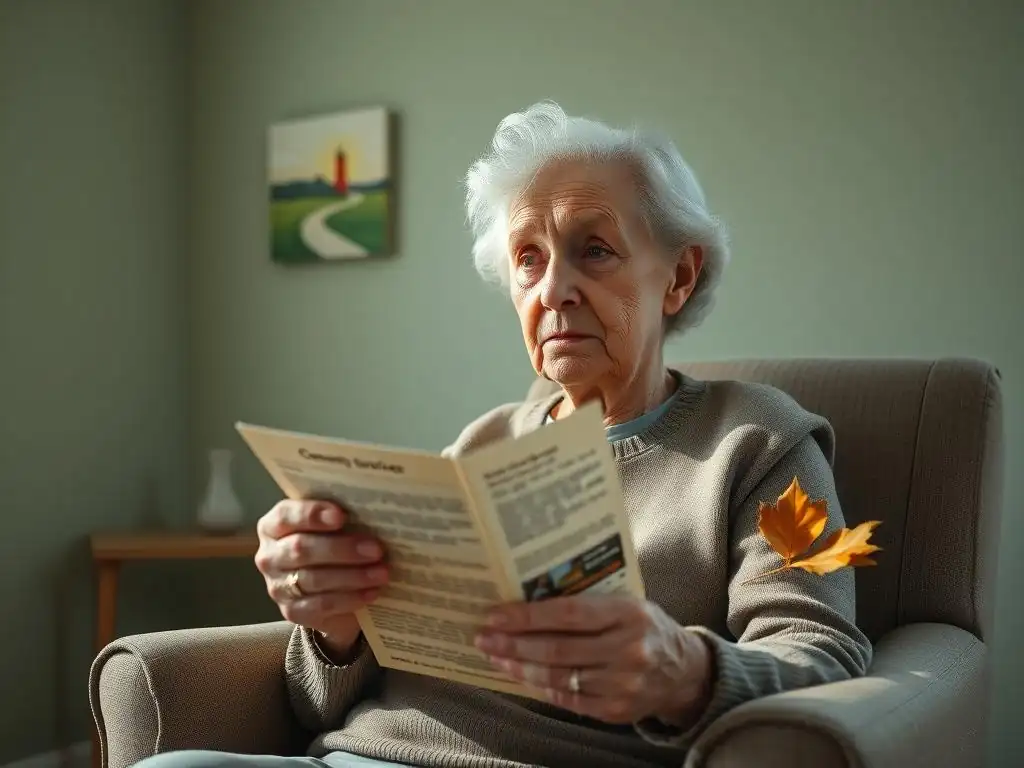
Many seniors, and often their families, are simply unaware of the mental health resources available to them or how to access them. Information about services, support groups, and affordable care options may not be effectively disseminated to the elderly population, particularly those who are less connected digitally or socially. They might not know who to contact, what services are covered by their insurance, or that help is even available for their specific concerns.
This lack of awareness is compounded by the fact that mental health is often not routinely discussed during regular medical appointments, leaving seniors without a clear pathway to care. Primary care physicians are often the first point of contact for older adults, but they may not be equipped to screen for mental health issues or provide comprehensive information about available resources. Improving the visibility and accessibility of information is key to enhancing senior mental health access support.
The Role of Ageism in Limiting Mental Health Support for Seniors
Ageism, the prejudice or discrimination based on a person's age, significantly impacts access to mental healthcare for seniors. It can manifest in healthcare settings when providers mistakenly attribute symptoms of depression or anxiety to "just getting old" rather than recognizing them as treatable conditions. This leads to underdiagnosis and undertreatment, as the mental health concerns of older adults may not be taken as seriously as those of younger patients.
Furthermore, ageism can influence resource allocation and policy decisions, potentially leading to underfunding of mental health services specifically tailored for the elderly. It can also affect the availability of mental health professionals with specialized training in geriatric mental health. Challenging ageist attitudes within the healthcare system and society at large is essential to ensuring equitable and effective senior mental health access support.
Improving Senior Mental Health Access: Solutions and Strategies
Telehealth and Technology: Expanding Mental Health Access for Seniors
Telehealth has emerged as a powerful tool to overcome geographical and transportation barriers, significantly expanding senior mental health access support. Through secure video conferencing, seniors can connect with therapists, psychiatrists, and support groups from the comfort of their homes. This is particularly beneficial for those with mobility issues, living in rural areas, or who find it difficult to travel. During the COVID-19 pandemic, the use of telehealth services surged, demonstrating its viability and effectiveness for many older adults.
While digital literacy can be a challenge for some seniors, initiatives providing training and technical support can help bridge this gap. Many platforms are designed to be user-friendly, and assistance from family members or caregivers can facilitate access. Telehealth not only improves convenience but can also reduce the stress associated with travel and waiting rooms, making mental healthcare more approachable for the elderly. It represents a significant step towards ensuring that location is not a barrier to receiving essential senior mental health access support.
Integrating Mental Healthcare into Primary Care Settings for Older Adults
Integrating mental health services directly into primary care practices is a highly effective strategy for improving senior mental health access support. Older adults visit their primary care physicians regularly, making these settings ideal for routine mental health screening, early intervention, and collaborative care. Instead of requiring seniors to navigate a separate mental health system, they can receive initial assessments and basic support within a familiar and trusted environment.
Models like the Collaborative Care Model (CoCM) have shown success in improving outcomes for depression and anxiety in older adults. In CoCM, a care manager (often a nurse or social worker) works with the primary care physician and a psychiatric consultant to provide evidence-based treatment. This approach reduces stigma, improves detection rates, and ensures follow-up, making mental healthcare more accessible and less fragmented for the elderly population seeking senior mental health access support.
Community-Based Mental Health Programs for Seniors: Bringing Support Closer to Home
Developing and expanding community-based mental health programs is vital for reaching seniors who may not otherwise seek traditional clinical services. These programs can be housed in senior centers, community centers, or even libraries, offering accessible and low-stigma environments for support. Services might include group therapy, peer support groups focused on topics like grief or social isolation, educational workshops on mental wellness, and outreach programs to identify at-risk individuals.
Examples include programs that dispatch mental health professionals or trained volunteers to conduct home visits for isolated seniors, or partnerships with local organizations to offer mental health talks during regular senior activities. These initiatives bring senior mental health access support directly into the places where older adults already gather, fostering a sense of community and making help more readily available and less intimidating.
Educating Seniors and Families About Mental Health: Reducing Stigma and Increasing Awareness
Combating stigma and increasing awareness requires targeted education initiatives aimed at seniors and their families. Educational campaigns can help demystify mental illness, explain that it is treatable, and provide information about available resources. Workshops and presentations at senior centers, community events, and through healthcare providers can teach individuals how to recognize symptoms in themselves and others and encourage help-seeking behavior.
Equipping family members and caregivers with knowledge about common mental health challenges in seniors and how to offer support is equally important. They are often the first to notice changes and can play a critical role in encouraging seniors to seek senior mental health access support. By fostering open conversations and providing accurate information, these educational efforts can gradually erode the stigma and empower seniors to prioritize their mental well-being.
Addressing Financial Barriers: Affordable Mental Health Options for Seniors
Addressing the financial burden requires a multi-faceted approach to improve senior mental health access support. Advocating for better insurance coverage for mental health services under Medicare and supplemental plans is crucial. Promoting the use of sliding scale fees or income-based payment options at clinics and community mental health centers can make services more affordable. Exploring grant programs or subsidies specifically for low-income seniors needing mental healthcare could also provide relief.
Furthermore, integrating mental health screenings and brief interventions into primary care visits, which are typically covered by insurance, can provide initial support without significant extra cost. Highlighting free or low-cost community resources, such as support groups or services offered by non-profit organizations, is also important. Making financial information clear and easy to understand is key to helping seniors navigate the system and find affordable senior mental health access support.
The Role of Policy and Advocacy in Enhancing Senior Mental Health Access

Advocating for Policies that Support Senior Mental Health
Effective policy and advocacy are fundamental to creating systemic change and improving senior mental health access support on a larger scale. This involves advocating for legislation that increases funding for geriatric mental health services, improves insurance coverage parity for mental health conditions, and supports the integration of mental and physical healthcare. Advocacy groups can influence policymakers by highlighting the significant need for mental health support among the elderly and the potential cost savings associated with early intervention and prevention.
Policies that promote age-friendly healthcare systems, including mental health services designed with the unique needs of older adults in mind, are also critical. This might include policies that encourage accessible clinic locations, flexible appointment scheduling, and the provision of culturally and linguistically appropriate services. Strong advocacy ensures that senior mental health access support remains a priority on the public health agenda.
Funding and Resource Allocation for Elderly Mental Healthcare
Adequate funding and strategic resource allocation are essential to building a robust system of senior mental health access support. This includes allocating sufficient government funds for community mental health centers that serve the elderly, supporting research into effective treatments for mental health conditions in older adults, and funding programs that train mental health professionals in geriatric care. Currently, funding for mental health services for seniors often lags behind the need.
Resource allocation also involves ensuring that funds are distributed equitably across different regions, including rural and underserved areas, and that programs are designed to reach diverse senior populations. Investing in preventative mental wellness programs and early intervention strategies can be more cost-effective in the long run than treating crises. Prioritizing funding for senior mental health access support is an investment in the well-being of an aging population.
Training and Support for Mental Health Professionals Working with Seniors
A critical component of improving senior mental health access support is ensuring there is a sufficient workforce of mental health professionals trained to work specifically with older adults. Geriatric mental health is a specialization that requires understanding the unique physiological, psychological, and social factors affecting this population. There is currently a shortage of such specialists.
Policies and initiatives that encourage mental health professionals to pursue training in geriatrics, provide incentives for working with older adults, and offer ongoing professional development opportunities are vital. This includes training in recognizing age-specific presentations of mental illness, understanding the complexities of polypharmacy, and providing culturally competent care to diverse senior populations. Supporting these professionals ensures that when seniors seek help, they receive high-quality, specialized senior mental health access support.
Resources and Support for Senior Mental Health Access
National Organizations Providing Mental Health Support for Seniors
Several national organizations are dedicated to supporting the mental health of older adults and can serve as valuable resources for finding senior mental health access support. Organizations like the National Alliance on Mental Illness (NAMI) and the Depression and Bipolar Support Alliance (DBSA) offer information, support groups, and advocacy efforts that include a focus on seniors. The Substance Abuse and Mental Health Services Administration (SAMHSA) provides a national helpline and treatment locator that can help individuals find mental health services in their area.
The National Council on Aging (NCOA) also provides resources and information related to senior health, including mental well-being. While these organizations may not provide direct clinical care, they are excellent starting points for finding information, understanding options, and connecting with support networks relevant to senior mental health access support.
State and Local Mental Health Services and Programs for Older Adults
State and local governments often fund and operate mental health services, including programs specifically for seniors. These may include community mental health centers, aging and adult services agencies, and county-level programs. Services can range from individual counseling and group therapy to case management and crisis intervention. The availability and type of services vary significantly by location.
Contacting the local Area Agency on Aging is often a good way to learn about specific programs and resources available in a particular community. State mental health departments also typically have websites or helplines providing information about publicly funded services. Exploring these local options is crucial for finding accessible and potentially affordable senior mental health access support close to home.
Online Resources and Tools for Senior Mental Health
The internet offers a wealth of resources that can support senior mental health access, although digital literacy and access to technology can be limiting factors for some. Websites from reputable organizations provide information about mental health conditions, coping strategies, and guides on how to find help. Online support groups and forums can offer peer support and reduce feelings of isolation, though it's important to choose moderated and safe platforms.
Mental wellness apps and online cognitive behavioral therapy (CBT) programs are also becoming more available, offering tools for managing symptoms of anxiety and depression. While online resources should not replace professional care when needed, they can serve as valuable supplementary tools and sources of information for seniors and their families seeking to understand and improve senior mental health access support.
Case Studies: Successful Senior Mental Health Access Programs
Senior Mental Health Outreach Program: Improving Access in Rural Communities
A successful Senior Mental Health Outreach Program in a large, rural county demonstrated significant improvements in accessing care. Recognizing that transportation was a major barrier, the program utilized mobile mental health units and community health workers who traveled to senior centers, community halls, and even individual homes. They provided screenings, brief counseling, and connected seniors with telehealth services for more intensive therapy or psychiatric consultations.
Over a two-year period, the program screened over 500 seniors, identifying a significant number with previously undiagnosed depression and anxiety. By bringing services directly into the community and leveraging technology, the program increased the rate of seniors receiving mental health treatment in the county by an estimated 20% within its service area, highlighting the effectiveness of proactive, accessible senior mental health access support models in underserved regions.
Geriatric Psychiatry Integration Model: Addressing Depression in Assisted Living Facilities
An assisted living facility implemented a Geriatric Psychiatry Integration Model to address the high prevalence of depression among its residents. Instead of waiting for residents to show severe symptoms and require referral to external specialists (which often faced transportation and scheduling hurdles), a geriatric psychiatrist and a mental health social worker visited the facility weekly. They conducted routine screenings, provided on-site therapy and medication management, and consulted with facility staff.
Within 18 months of implementing the model, the rate of diagnosed and treated depression among residents increased by approximately 35%. Residents showed improvements in mood, engagement in activities, and overall quality of life. This case demonstrates how integrating specialized mental health expertise directly into residential care settings can significantly improve senior mental health access support and resident outcomes.
Conclusion: Prioritizing Senior Mental Health Access Support for a Healthier Aging Population
Ensuring robust senior mental health access support is not just a healthcare issue; it is a matter of social justice and public health priority. Older adults face unique challenges that can impact their mental well-being, yet they encounter numerous barriers – financial, logistical, social, and systemic – that prevent them from receiving the care they need. Prevalence rates highlight a significant, often unmet, need within this population.
Improving senior mental health access requires a concerted effort involving individuals, families, healthcare providers, policymakers, and communities. Strategies like expanding telehealth, integrating care into primary settings, developing community-based programs, and combating stigma through education are vital steps. By prioritizing funding, training, and advocacy, we can dismantle barriers and build systems that effectively provide senior mental health access support, enabling older adults to live healthier, more fulfilling lives. Investing in the mental health of seniors is an investment in the health and vitality of our entire society.
Frequently Asked Questions
What are the primary barriers preventing seniors from accessing mental health care?
Access barriers often include stigma surrounding mental illness, limited financial resources, and a lack of transportation to appointments.
How can families and caregivers better support senior mental health?
Families can provide emotional support, help seniors navigate the healthcare system, and advocate for their needs.
What specific resources are available to improve senior mental health access support?
Resources encompass community mental health centers, telehealth services, and government programs focused on elder care.
How does ageism impact the mental healthcare seniors receive?
Ageism can lead to underdiagnosis of mental health conditions, dismissal of symptoms, and a lack of appropriate treatment options.
Why is early intervention crucial in addressing mental health concerns in seniors?
Early intervention can prevent conditions from worsening, improve quality of life, and facilitate more effective treatment outcomes.
Final Reflection: Bridging the Gap in Senior Mental Health
The mental health crisis extends beyond age, yet our support systems often fail to adequately address the unique needs of our aging population. This stark reality demands immediate attention, as the increasing number of seniors facing isolation, cognitive decline, and chronic illnesses underscores the urgency of improving access to mental health services for this vulnerable group. We cannot afford to overlook the mental well-being of a generation that has shaped our world.
The pervasive stigma surrounding mental health, particularly among older adults, creates a significant barrier to seeking help. Many seniors fear judgment, believe their struggles are "normal" for aging, or lack awareness of available resources. This silence perpetuates a cycle of suffering, leaving countless individuals to grapple with their challenges alone. The greatest barrier to mental health care is not the lack of services, but the lack of access to those services.
This quote highlights the core issue we've explored: access isn't just about availability; it's about removing the systemic and societal obstacles that prevent seniors from seeking and receiving the care they deserve.
You, the reader, now hold the power to be part of the solution. Consider how you can contribute to a more supportive and understanding environment for seniors in your life. Reach out to an elderly neighbor, volunteer at a senior center, or simply lend a listening ear.
By fostering empathy, raising awareness, and advocating for improved access to mental health services, we can collectively bridge the gap and ensure that every senior has the opportunity to live a fulfilling and mentally healthy life. Let's work together to create a future where age is no barrier to receiving the support needed to thrive.
Unlock Better Mental Wellbeing for Our Seniors
Thanks for taking the time to learn about the crucial mental health needs of our aging population. You've gained valuable insights into the challenges and opportunities for supporting seniors. Now, let's turn that knowledge into action!
- Become a Mental Health Advocate: Reach out to a senior in your life – a grandparent, neighbor, or friend – and simply ask how they're doing. A small gesture can make a big difference.
- Share this Article: Spread awareness about senior mental health by sharing this article with your social networks. Help us amplify important conversations!
- Explore Local Resources: Find and connect with local senior centers or mental health organizations dedicated to supporting the elderly. You might be surprised by the resources in your community.
Ready to make a real difference in the lives of our seniors? What small step will you take today to promote better mental wellbeing in your community?