
The Brain's Reward System: Anhedonia in Depression Explained

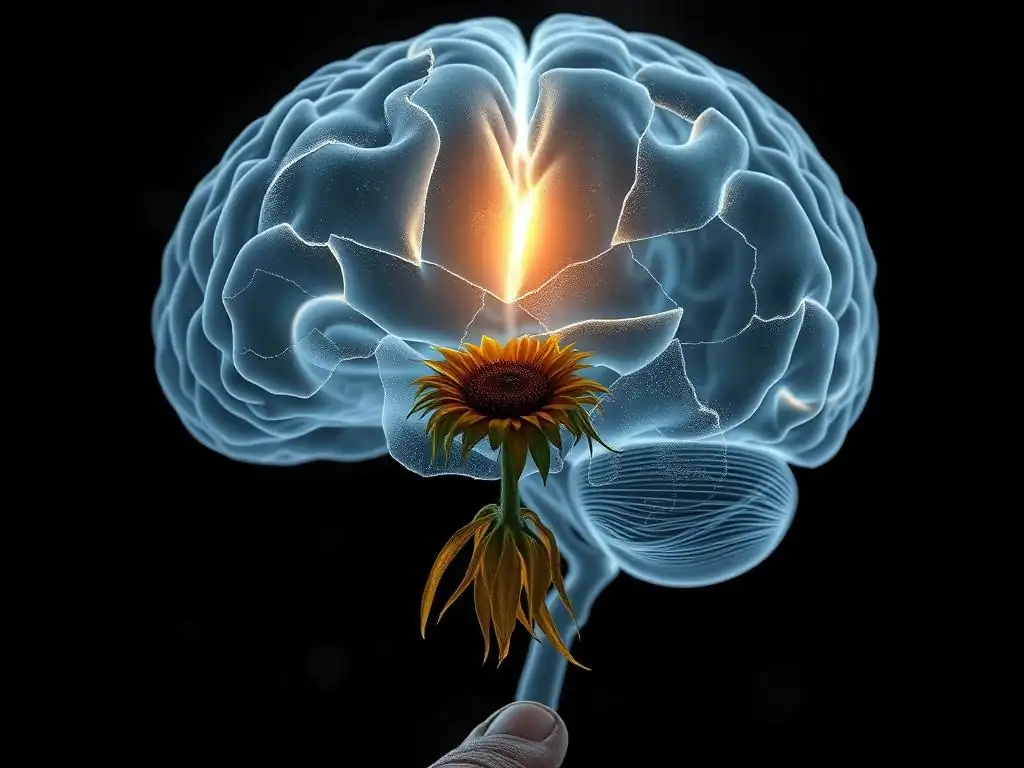
Welcome to Mind Care Guide, a safe space to explore the intricate landscape of your mental well-being. Feeling disconnected from joy? Perhaps the world seems muted, lacking the vibrancy it once held? This can be a symptom of anhedonia, often linked to depression. Let's delve into understanding and addressing this challenge. Our article, " Anhedonia depression treatment strategies," provides a comprehensive look at how to reignite your brain's reward system and rediscover the pleasure in life's simple moments. Curious to learn more? Your journey to reclaiming joy starts here.
The Brain's Reward System: Anhedonia in Depression Explained - Mind Care Guide
- Understanding Anhedonia: A Core Symptom of Depression
- The Neurobiology of Reward: How the Brain Processes Pleasure
- Anhedonia in Depression: A Breakdown of Neurological Mechanisms
- Diagnosing Anhedonia: Identifying and Assessing the Condition
- Anhedonia Depression Treatment Strategies: Restoring Pleasure and Motivation
- Overcoming Anhedonia: Practical Tips and Strategies for Reclaiming Joy
- Anhedonia and Co-Occurring Conditions
- The Future of Anhedonia Research: Promising New Avenues
- Resources for Individuals Struggling with Anhedonia
-
Frequently Asked Questions
- What is Anhedonia and how is it related to depression?
- What are some common Anhedonia depression treatment strategies?
- How does the brain's reward system contribute to Anhedonia?
- Can lifestyle changes help with Anhedonia related to depression?
- Are there specific types of therapy particularly effective for treating Anhedonia?
- Final Reflection: Reclaiming Joy: Understanding and Treating Anhedonia
- Unlock Your Brain's Potential: Rediscover Joy Today!
Understanding Anhedonia: A Core Symptom of Depression
What is Anhedonia? Defining the Inability to Experience Pleasure
Anhedonia is a central symptom of major depressive disorder, characterized by a significantly reduced ability or complete inability to experience pleasure in activities that were previously enjoyable. It's more than just feeling sad or low in mood; it's a distinct disruption in the capacity for joy, interest, and motivation derived from pleasurable experiences. This can manifest across various domains, such as social interactions, hobbies, physical sensations, or even anticipating future positive events. For individuals experiencing anhedonia, the world can feel flat, devoid of color and emotional resonance.
Estimates suggest that anhedonia affects a substantial majority of individuals diagnosed with depression, potentially impacting 70% or more in some clinical populations. This makes it a critical target for effective Anhedonia depression treatment strategies. Unlike transient low spirits, anhedonia often persists even when other depressive symptoms might wax and wane, significantly impairing a person's quality of life and making recovery feel particularly challenging. Understanding this core deficit is vital for both diagnosis and developing targeted interventions.
Anhedonia vs. Apathy: Differentiating Between Loss of Pleasure and Lack of Motivation
While anhedonia and apathy often co-occur in depression and can appear similar on the surface, they represent distinct psychological constructs with potentially different underlying neurobiological mechanisms. Anhedonia specifically refers to the failure to experience pleasure when engaging in activities or anticipating rewards. A person with anhedonia might engage in a previously loved hobby but feel nothing during or after.
Apathy, on the other hand, is characterized by a lack of motivation, interest, or drive. An apathetic individual might not initiate activities because they simply don't feel like doing anything, regardless of potential pleasure. While anhedonia can lead to apathy (why bother if it won't feel good? ), apathy doesn't necessarily mean an inability to experience pleasure if an activity is initiated. Differentiating these can be important for tailoring Anhedonia depression treatment strategies, as interventions targeting motivation might differ from those targeting the pleasure response itself.
The Impact of Anhedonia on Daily Life and Mental Well-being
The pervasive nature of anhedonia profoundly impacts nearly every aspect of daily life. Simple activities that once brought joy, like spending time with loved ones, listening to music, eating a favorite meal, or engaging in a hobby, lose their appeal and significance. This leads to reduced engagement with the environment, social withdrawal, and a significant decline in social interaction and support, further exacerbating feelings of isolation characteristic of depression.
Furthermore, anhedonia cripples motivation. Without the anticipation or experience of pleasure as a natural reward, it becomes incredibly difficult to initiate or complete tasks, even necessary ones. Work performance, academic achievement, and even basic self-care can deteriorate. The lack of positive reinforcement from activities can create a vicious cycle, reinforcing feelings of hopelessness and worthlessness, making recovery feel out of reach and highlighting the critical need for effective Anhedonia depression treatment strategies.
The Neurobiology of Reward: How the Brain Processes Pleasure
The Brain's Reward Circuitry: Key Players and Their Roles
The brain's ability to process reward and pleasure relies on a complex network of interconnected regions, often referred to as the reward circuitry. This system is crucial for motivating behavior, learning, and survival by signaling the value of stimuli and driving us to seek out beneficial experiences. Disruptions within this circuit are strongly implicated in conditions like depression, particularly anhedonia.
Several key brain areas are central to this circuitry:
- The Ventral Tegmental Area (VTA)
- The Nucleus Accumbens (NAcc)
- The Prefrontal Cortex (PFC), including the ventromedial prefrontal cortex (vmPFC) and orbitofrontal cortex (OFC)
- The Amygdala
- The Hippocampus
The Mesolimbic Pathway: Dopamine's Central Role in Reward Processing
At the heart of the reward system is the mesolimbic dopamine pathway. This pathway originates in the ventral tegmental area (VTA), a region in the midbrain, and projects to several forebrain structures, most notably the nucleus accumbens. Dopamine neurons in the VTA are activated by rewarding stimuli, both natural rewards like food and social interaction, and artificial rewards like drugs of abuse.
Dopamine release in target areas like the nucleus accumbens is crucial not just for experiencing pleasure, but also for learning to associate cues with rewards (reward prediction error) and for motivating goal-directed behavior. It signals that something important or valuable is happening or is about to happen, driving the organism to seek out and repeat the actions that led to the reward.
The Nucleus Accumbens: The Brain's Pleasure Center
Often referred to as the brain's "pleasure center," the nucleus accumbens (NAcc) is a critical hub in the reward circuit. It receives major dopamine projections from the VTA, as well as input from other areas like the prefrontal cortex and amygdala. The NAcc plays a key role in processing the motivational salience of rewards – how much we want something – and translating that desire into action.
Activation in the nucleus accumbens is associated with the anticipation and experience of pleasure. Studies using neuroimaging techniques like fMRI have shown reduced activity in the NAcc in response to potential rewards in individuals with depression, particularly those experiencing anhedonia, suggesting a core deficit in this region's function.
The Prefrontal Cortex: Decision-Making and Reward Evaluation
The prefrontal cortex (PFC), especially its medial and orbital regions, plays a higher-level role in the reward system. While the VTA and NAcc are involved in the basic processing and motivation related to reward, the PFC is involved in evaluating the value of different potential rewards, making decisions based on these evaluations, and planning actions to obtain desired outcomes.
The vmPFC, for instance, is thought to represent the subjective value of rewards, while the OFC is involved in evaluating expected outcomes and adapting behavior when outcomes differ from expectations. Dysregulation in PFC connectivity with the NAcc and VTA can impair the ability to anticipate and plan for rewarding experiences, contributing to the motivational deficits seen in anhedonia.
How the Reward System Functions in Healthy Individuals
In a healthy brain, the reward system operates dynamically. When encountering a rewarding stimulus (like a delicious meal, a friendly smile, or completing a task), dopamine neurons in the VTA become active, releasing dopamine into the nucleus accumbens and other areas. This surge signals the rewarding nature of the stimulus, generating feelings of pleasure and satisfaction.
Crucially, the system also learns. Through repeated experiences, the brain learns to associate specific cues or actions with rewards. Simply seeing the restaurant sign or thinking about the hobby can activate the reward pathway, generating anticipation and motivation to engage in the rewarding behavior. This anticipation and the subsequent experience of pleasure drive learning and reinforce behaviors necessary for well-being and survival.
Anhedonia in Depression: A Breakdown of Neurological Mechanisms
Disrupted Dopamine Signaling in Depressed Individuals
Research strongly suggests that disruptions in the dopamine system are central to the experience of anhedonia in depression. Studies using PET scans, for example, have shown reduced dopamine transporter availability in the striatum (including the nucleus accumbens) in individuals with depression compared to healthy controls, particularly those with prominent anhedonia. This could indicate fewer dopamine neurons or impaired dopamine reuptake mechanisms.
Furthermore, neuroimaging studies have shown a blunted response in the nucleus accumbens and other reward-related brain regions when depressed individuals are presented with potential rewards, such as monetary incentives or positive images. This suggests a reduced sensitivity to rewarding stimuli at a neural level, meaning that even when a reward is present, the brain's response is muted, contributing directly to the inability to experience pleasure.
Reduced Reward Sensitivity and Motivation in Depression
The neurological alterations in the reward pathway translate directly into the behavioral symptoms of anhedonia. Reduced dopamine signaling and blunted activity in the nucleus accumbens impair both the 'liking' (experiencing pleasure) and the 'wanting' (motivation to pursue rewards) aspects of the reward response. Individuals with anhedonia may not only fail to feel pleasure during an activity but also lack the drive or anticipation that motivates engagement in the first place.
This reduced reward sensitivity makes it difficult for individuals with depression to benefit from positive experiences in their environment. The natural reinforcement mechanisms that drive healthy behavior are impaired, leading to a cycle of inactivity, social isolation, and lack of engagement, which further entrenches the depressive state and makes effective Anhedonia depression treatment strategies particularly challenging.
The Role of Inflammation and Neurotransmitters in Anhedonia
While dopamine dysfunction is a primary suspect, anhedonia is likely influenced by a complex interplay of factors, including other neurotransmitter systems and neuroinflammation. Chronic stress, often a precursor to depression, can impact the reward pathway. Emerging research points to the role of inflammatory cytokines, which are elevated in some individuals with depression, in disrupting neurotransmitter function, including dopamine and glutamate, within the reward circuit.
Glutamate, the brain's primary excitatory neurotransmitter, also plays a role in reward processing and learning. Dysregulation of glutamate signaling in areas like the nucleus accumbens and prefrontal cortex has been observed in depression and may contribute to anhedonia. Understanding these complex interactions is crucial for developing more targeted Anhedonia depression treatment strategies that go beyond modulating single neurotransmitters.
The Connection Between Anhedonia and Other Depression Symptoms
Anhedonia is not an isolated symptom but is deeply interwoven with other manifestations of depression. The lack of pleasure and motivation directly contributes to fatigue and low energy levels, as the natural 'boost' from engaging in enjoyable activities is absent. It fuels social withdrawal because interactions no longer provide positive reinforcement and can feel like a chore.
Furthermore, anhedonia can worsen feelings of worthlessness and guilt, as individuals may blame themselves for their inability to "snap out of it" or enjoy things they used to. It also makes it harder to engage in activities that could potentially alleviate other symptoms, such as exercise or social support, creating a difficult cycle that underscores the importance of addressing anhedonia specifically in Anhedonia depression treatment strategies.
Diagnosing Anhedonia: Identifying and Assessing the Condition

Clinical Assessment Tools for Anhedonia
Identifying anhedonia in a clinical setting typically begins with a thorough interview. Clinicians will ask specific questions about the individual's ability to experience pleasure or interest in activities they previously enjoyed. They might inquire about specific domains, such as social activities, hobbies, food, sex, or sensory experiences. It's important to distinguish between simply not doing activities and doing them but feeling no pleasure.
Clinicians may also use standardized questionnaires to assess the presence and severity of anhedonia. These tools help provide a more objective measure of a symptom that is inherently subjective and can be difficult for patients to articulate fully. Including specific questions about anhedonia in assessments is crucial, as patients might not spontaneously report it unless directly asked.
The Snaith-Hamilton Pleasure Scale (SHAPS): Measuring the Severity of Symptoms
One of the most widely used assessment tools specifically designed for anhedonia is the Snaith-Hamilton Pleasure Scale (SHAPS). This self-report questionnaire asks individuals to rate their anticipated or experienced pleasure in various everyday activities over the past few days. The scale covers different types of pleasure, including social, physical, food/drink, and abstract/interest.
The SHAPS consists of 14 items, each rated on a 4-point scale (Definitely agree, Agree, Disagree, Definitely disagree). Higher scores indicate greater levels of anhedonia. The SHAPS helps quantify the severity of the pleasure deficit and can be a useful tool for tracking changes in anhedonia levels over time, including in response to Anhedonia depression treatment strategies.
Differentiating Anhedonia from Other Conditions with Similar Symptoms
While prominently featured in depression, anhedonia can also be a symptom of other psychiatric and neurological conditions, including schizophrenia (as a 'negative symptom'), substance use disorders (particularly during withdrawal), and post-traumatic stress disorder (PTSD) as part of emotional numbing. It's crucial for clinicians to differentiate anhedonia stemming from depression from that caused by other conditions.
This differentiation often relies on the constellation of other symptoms present. For example, anhedonia in schizophrenia is typically accompanied by thought disorder, hallucinations, or delusions. In substance use disorders, it's linked to drug history and withdrawal timelines. A thorough diagnostic evaluation considering the full clinical picture is necessary to accurately attribute anhedonia and determine the most appropriate Anhedonia depression treatment strategies.
Anhedonia Depression Treatment Strategies: Restoring Pleasure and Motivation
Pharmaceutical Interventions for Anhedonia: Medications and Their Mechanisms
Medication is often a cornerstone of Anhedonia depression treatment strategies, aiming to modulate the neurotransmitter systems implicated in reward processing. However, treating anhedonia with medication can be particularly challenging, as traditional antidepressants may not always fully alleviate this specific symptom. Research continues to explore which medications or combinations are most effective for restoring the capacity for pleasure.
The goal of pharmaceutical interventions is to restore the balanced function of the reward pathway, primarily by influencing dopamine, but also potentially serotonin, norepinephrine, and glutamate signaling. The effectiveness of a particular medication can vary greatly depending on the individual and the specific neurobiological underpinnings of their anhedonia.
Selective Serotonin Reuptake Inhibitors (SSRIs) and Dopamine Modulation
Selective Serotonin Reuptake Inhibitors (SSRIs) are the most commonly prescribed antidepressants. They work by increasing serotonin levels in the brain. While effective for core depressive symptoms like low mood and anxiety, SSRIs often have limited direct impact on anhedonia. In some cases, they might even induce a state of emotional blunting or apathy, which can resemble or exacerbate anhedonia in some individuals.
However, some research suggests that long-term SSRI use might indirectly influence dopamine pathways. The exact mechanisms are still being studied, but it's thought that changes in serotonin levels could eventually lead to adaptive changes in other neurotransmitter systems. Despite this, SSRIs are generally not considered the most effective standalone treatment for severe anhedonia compared to other options that more directly impact dopamine.
Bupropion (Wellbutrin): A Dopamine and Norepinephrine Reuptake Inhibitor
Bupropion is an antidepressant that works differently than SSRIs; it primarily inhibits the reuptake of dopamine and norepinephrine. Because dopamine is so central to the brain's reward system and motivation, bupropion is often considered a more promising option for treating anhedonia in depression compared to SSRIs.
Clinical experience and some studies suggest that bupropion may be more effective than SSRIs in improving symptoms related to reduced motivation, energy, and pleasure. It is sometimes used as a first-line treatment when anhedonia is a prominent symptom or added to an SSRI regimen when anhedonia persists.
Atypical Antidepressants and Their Effects on Anhedonia
Several other antidepressant medications, often referred to as "atypical" due to their unique mechanisms, are being explored or used in Anhedonia depression treatment strategies. Medications like vortioxetine, which affects multiple serotonin receptors, or agomelatine, which acts on melatonin receptors and indirectly influences dopamine and norepinephrine, are being investigated for their potential benefits on anhedonia.
Furthermore, medications that modulate glutamate, such as ketamine and esketamine, have shown rapid antidepressant effects, including potential improvements in anhedonia, in individuals with treatment-resistant depression. These novel approaches highlight the ongoing search for more effective pharmaceutical interventions specifically targeting the reward system deficits underlying anhedonia.
Psychotherapy for Anhedonia: Cognitive and Behavioral Approaches
Psychotherapy plays a crucial role in Anhedonia depression treatment strategies, often used in combination with medication. While medication targets the neurobiological basis, therapy helps individuals understand their condition, change maladaptive thought patterns, and re-engage with their environment. Certain therapeutic approaches are particularly well-suited for addressing anhedonia.
The goal of psychotherapy for anhedonia is often to help individuals gradually reintroduce activities into their lives that were once pleasurable, even if the initial motivation or anticipated pleasure is absent. It also involves addressing cognitive barriers and developing coping strategies for dealing with the frustration and hopelessness that anhedonia can bring.
Cognitive Behavioral Therapy (CBT) for Addressing Negative Thought Patterns
Cognitive Behavioral Therapy (CBT) focuses on identifying and challenging negative or distorted thought patterns that contribute to depression. While not always directly targeting the experience of pleasure, CBT can help individuals address thoughts like "Nothing is fun anymore," "There's no point trying," or "I won't enjoy this anyway."
By modifying these cognitive barriers, CBT can help reduce resistance to engaging in activities. Although CBT might be less direct for anhedonia than behavioral approaches, addressing core depressive cognitions can create a foundation that makes behavioral activation more effective.
Behavioral Activation Therapy (BAT) for Increasing Engagement in Enjoyable Activities
Behavioral Activation Therapy (BAT) is considered one of the most promising psychotherapeutic approaches for anhedonia. BAT is based on the principle that depression leads to reduced engagement with potentially rewarding activities, creating a vicious cycle. The therapy focuses on increasing engagement in activities that are linked to the individual's values, regardless of whether they feel motivated or anticipate pleasure.
In BAT, individuals work with a therapist to identify activities they used to enjoy or that align with their goals. They then schedule these activities and monitor their mood and the actual pleasure experienced after completion. The aim is to break the cycle of inactivity, increase exposure to potential rewards, and allow the reward system to gradually "relearn" associations between activities and positive feelings.
Mindfulness-Based Therapies for Enhancing Present Moment Awareness and Pleasure
Mindfulness-Based Therapies (MBTs), such as Mindfulness-Based Cognitive Therapy (MBCT) or Mindfulness-Based Stress Reduction (MBSR), can be beneficial for anhedonia by helping individuals cultivate present moment awareness. Anhedonia often involves a disconnect from current sensory and emotional experiences.
MBTs teach techniques to pay attention to the present moment without judgment. This can help individuals notice subtle sensations or positive experiences that they might otherwise overlook due to their focus on negative internal states or the absence of strong pleasure signals. While not a direct treatment for the pleasure deficit, mindfulness can potentially enhance the ability to appreciate small moments of potential positivity.
Lifestyle Modifications for Managing Anhedonia
Beyond clinical treatments, certain lifestyle modifications can support recovery and complement Anhedonia depression treatment strategies. These changes can have a positive impact on brain health, neurotransmitter function, and overall well-being, potentially helping to improve mood and gradually restore the capacity for pleasure.
Consistency is key with lifestyle changes, and it's important to approach them with realistic expectations, especially when battling significant anhedonia. Starting small and focusing on consistency rather than intensity can make these strategies more manageable.
Exercise and Physical Activity: Boosting Dopamine and Endorphins
Regular physical activity is a well-documented mood booster and can be a valuable tool in managing anhedonia. Exercise leads to the release of endorphins, which have mood-elevating effects, and can also influence dopamine and other neurotransmitters involved in the reward pathway.
Even moderate exercise, like a brisk walk for 30 minutes several times a week, can have positive effects on brain chemistry. While it may be challenging to initiate exercise due to low motivation and anhedonia, incorporating it gradually into a routine is a key component of comprehensive Anhedonia depression treatment strategies.
Healthy Diet and Nutrition: Supporting Brain Health and Function
Nutrition plays a significant role in brain health and neurotransmitter production. A balanced diet rich in omega-3 fatty acids, antioxidants, vitamins (especially B vitamins and Vitamin D), and minerals can support overall brain function and potentially influence mood regulation and reward sensitivity.
Conversely, diets high in processed foods, sugar, and unhealthy fats can contribute to inflammation and negatively impact mental health. While diet alone may not cure anhedonia, optimizing nutrition is a supportive strategy that provides the brain with the necessary building blocks for healthy function.
Sleep Hygiene: Optimizing Sleep Patterns for Mood Regulation
Sleep disturbances are common in depression and can exacerbate symptoms, including anhedonia. Poor sleep negatively impacts cognitive function, emotional regulation, and potentially neurotransmitter systems. Establishing good sleep hygiene is therefore an important part of managing depression and anhedonia.
This includes maintaining a consistent sleep schedule, creating a relaxing bedtime routine, ensuring the sleep environment is dark and quiet, and avoiding stimulants like caffeine and alcohol before bed. Improving sleep quality can help stabilize mood and support the brain's ability to recover and function optimally.
Alternative and Complementary Therapies for Anhedonia
In addition to standard medical and psychological approaches, some individuals explore alternative or complementary therapies as part of their Anhedonia depression treatment strategies. While the evidence base for these therapies specifically for anhedonia may vary, they often aim to reduce stress, improve overall well-being, or potentially influence neurobiological pathways.
It is important to discuss any alternative or complementary therapies with a healthcare provider to ensure they are safe and appropriate and do not interfere with existing treatments.
Bright Light Therapy for Seasonal Affective Disorder (SAD) and Anhedonia
Bright light therapy is a well-established treatment for Seasonal Affective Disorder (SAD), a type of depression that occurs seasonally, often in winter. Anhedonia is a common symptom of SAD. Light therapy involves daily exposure to a special light box that mimics natural outdoor light.
The therapy is thought to influence circadian rhythms and neurotransmitter levels, including serotonin and dopamine, which can improve mood and energy levels. While primarily used for SAD, light therapy may also be beneficial for anhedonia in non-seasonal depression for some individuals.
Acupuncture and Its Potential Effects on Neurotransmitter Balance
Acupuncture, a traditional Chinese medicine technique involving the insertion of thin needles into specific points on the body, is sometimes explored as a complementary therapy for depression. Some theories suggest acupuncture may influence the release of endorphins and affect the balance of neurotransmitters, potentially including those involved in the reward pathway.
Research on acupuncture for depression and anhedonia is ongoing, and results are mixed. While it may help some individuals manage stress and improve overall well-being, it is typically not considered a standalone treatment for severe anhedonia and should be used in conjunction with evidence-based Anhedonia depression treatment strategies.
Yoga and Meditation: Promoting Relaxation and Emotional Well-being
Practices like yoga and meditation combine physical movement, breathing exercises, and mindfulness techniques. They are widely recognized for their benefits in reducing stress, anxiety, and improving mood. While they may not directly target the reward system, they can help individuals manage the overall burden of depressive symptoms.
By promoting relaxation, increasing body awareness, and fostering a sense of calm, yoga and meditation can create a more receptive state for other treatments to be effective. They can also help individuals develop greater resilience and coping skills to navigate the challenges posed by anhedonia.
Overcoming Anhedonia: Practical Tips and Strategies for Reclaiming Joy
Living with anhedonia is profoundly challenging, but recovery is possible with consistent effort and the right support. Reclaiming the capacity for joy is often a gradual process that involves actively engaging in life despite the absence of immediate pleasure. Here are some practical strategies to support the journey.
These tips are not substitutes for professional Anhedonia depression treatment strategies but can be powerful complements, helping individuals build momentum and find small ways to reconnect with positive experiences.
Setting Realistic Goals and Expectations
When battling anhedonia, it's crucial to set realistic goals. Expecting to suddenly feel overwhelming joy in activities is likely to lead to disappointment. Instead, focus on process-oriented goals, such as "I will spend 15 minutes outside today" or "I will listen to one song."
Acknowledge that the initial motivation and pleasure may be minimal or absent. The goal is to do the activity, trusting that repeated exposure and consistency, combined with effective Anhedonia depression treatment strategies, can gradually help the brain's reward system begin to reactivate. Celebrate the act of engaging, not just the feeling it produces.
Breaking Down Tasks into Smaller, Manageable Steps
Anhedonia can make even simple tasks feel overwhelming because the usual internal reward for completion is missing. To combat this inertia, break down activities into the smallest possible steps. Want to read a book? Start by just opening the book. Want to exercise? Start by putting on your workout clothes.
Completing these tiny steps can provide small moments of accomplishment and reduce the feeling of being overwhelmed. This approach aligns with principles used in behavioral activation therapies and makes re-engagement feel less daunting when motivation is low.
Focusing on Small Victories and Celebrating Progress
With anhedonia, significant bursts of pleasure are rare. It's important to shift focus to recognizing and validating small victories. Did you manage to go for that short walk? Did you connect with a friend for a few minutes? Acknowledge these efforts.
Since the internal reward system is impaired, creating external validation can be helpful. This doesn't have to be elaborate; it could be simply saying to yourself, "I did it," or sharing your accomplishment with a supportive friend or therapist. This helps reinforce the positive behavior even when the feeling isn't there yet.
Building a Support System and Connecting with Others
Anhedonia often leads to social withdrawal, but connection with others is vital for mental well-being. Even if social interactions don't feel enjoyable, try to maintain connections with supportive friends or family members. They can provide encouragement, understanding, and accountability.
Joining a support group for depression or anhedonia can also be incredibly valuable. Connecting with others who share similar experiences can reduce feelings of isolation and provide practical tips and hope. While anhedonia makes it hard to derive pleasure from these interactions, the support structure itself is a crucial part of recovery and effective Anhedonia depression treatment strategies.
Anhedonia and Co-Occurring Conditions

Anhedonia is not exclusive to major depressive disorder. It is a symptom that can appear in various psychiatric and neurological conditions, sometimes presenting differently or having distinct underlying mechanisms compared to anhedonia in depression. Recognizing anhedonia in these contexts is important for accurate diagnosis and tailored treatment.
Understanding how anhedonia manifests alongside other conditions helps clinicians develop comprehensive Anhedonia depression treatment strategies that address the full clinical picture and any co-occurring disorders.
Anhedonia in Schizophrenia
Anhedonia is considered one of the core 'negative symptoms' of schizophrenia, alongside flattened affect, alogia (poverty of speech), asociality, and avolition (lack of motivation). Anhedonia in schizophrenia is often characterized by a long-lasting deficit in the anticipation and experience of pleasure, which can be more persistent and treatment-resistant than anhedonia in depression.
While dopamine dysfunction is also implicated, the specific alterations in schizophrenia's reward system may differ from those in depression, potentially involving different dopamine receptor subtypes or projections, as well as structural changes in reward-related brain regions. Anhedonia depression treatment strategies specifically designed for depression may not be as effective for anhedonia in schizophrenia, which often requires different therapeutic approaches targeting negative symptoms.
Anhedonia in Substance Use Disorders
Chronic substance use, particularly with drugs that heavily impact the dopamine system (like stimulants or opioids), can lead to significant dysregulation of the brain's natural reward circuitry. During withdrawal or protracted abstinence, individuals often experience profound anhedonia, sometimes referred to as post-acute withdrawal syndrome (PAWS).
This anhedonia occurs because the brain's natural dopamine system has been suppressed or altered by the drug's artificial stimulation. The brain becomes less responsive to natural rewards. Addressing anhedonia is a critical part of recovery from substance use disorders, as it can drive relapse. Anhedonia depression treatment strategies in this context often involve supporting the brain's recovery process and developing healthy coping mechanisms.
Anhedonia in Post-Traumatic Stress Disorder (PTSD)
Anhedonia is included as a symptom criterion for PTSD, falling under the cluster of "negative alterations in cognitions and mood." In PTSD, anhedonia is often linked to emotional numbing – a reduced ability to experience positive emotions – and avoidance behaviors. Individuals may avoid activities or social situations that were once enjoyable because they fear triggers or simply feel disconnected from their emotions.
The neurobiological mechanisms in PTSD-related anhedonia are complex and may involve alterations in the amygdala, prefrontal cortex, and hippocampus, in addition to potential impacts on dopamine and other neurotransmitters. Treatment for anhedonia in PTSD is integrated into trauma-focused therapies, aiming to process traumatic memories and help individuals reconnect with their emotional range and engage in life again.
The Future of Anhedonia Research: Promising New Avenues
Anhedonia remains a challenging symptom to treat effectively, highlighting the need for continued research into its underlying mechanisms and the development of more targeted therapies. The future of Anhedonia depression treatment strategies is focused on a deeper understanding of the specific neural circuits involved and tailoring interventions to individual patient profiles.
Exciting developments in neuroscience and pharmacology are opening new avenues for addressing this debilitating symptom, offering hope for individuals who have not responded to traditional treatments.
Novel Treatment Targets and Therapies
Research is actively exploring novel pharmacological targets beyond the traditional monoamine neurotransmitters (serotonin, norepinephrine, dopamine). Drugs that modulate the glutamate system, such as ketamine and its derivative esketamine, are showing promise for rapid reduction in anhedonia in some individuals with treatment-resistant depression, suggesting glutamate's significant role.
Other potential targets include inflammatory pathways, opioid receptors (as seen in some addiction treatments), and neuromodulation techniques like transcranial magnetic stimulation (TMS) or deep brain stimulation (DBS). TMS is already approved for depression and is being studied for its potential specific effects on anhedonia, while DBS is an experimental treatment for severe, intractable cases.
Personalized Medicine Approaches for Anhedonia
As our understanding of the diverse neurobiological underpinnings of anhedonia grows, the potential for personalized medicine increases. Future Anhedonia depression treatment strategies may involve using biomarkers, such as specific patterns seen in neuroimaging (like fMRI or PET scans) or genetic profiles, to predict which individuals are more likely to respond to certain treatments.
For example, individuals with clear evidence of dopamine system dysfunction might be preferentially treated with medications like bupropion or novel dopamine modulators, while those with evidence of neuroinflammation might benefit from anti-inflammatory approaches. Tailoring treatment based on an individual's specific biological profile could significantly improve outcomes for anhedonia.
The Importance of Continued Research and Understanding
Despite significant progress, anhedonia remains one of the most persistent and debilitating symptoms of depression, contributing significantly to functional impairment and reduced quality of life. Continued research is essential to fully unravel the complex interplay of genetic, environmental, and neurobiological factors that contribute to its development.
Investing in research on anhedonia is crucial for developing more effective and specific Anhedonia depression treatment strategies. A deeper understanding will not only lead to better therapies but also reduce the burden of this challenging symptom for millions affected by depression and other conditions.
Resources for Individuals Struggling with Anhedonia
Seeking information and support is a vital step when struggling with anhedonia and depression. While this article provides information, it is not a substitute for professional medical advice or treatment. The following resources can offer further information, help you find a qualified mental health professional, or connect you with support communities.
Remember, you are not alone, and help is available. Reaching out is a sign of strength and a critical part of navigating the path towards recovery and reclaiming your capacity for pleasure.
MentalHealth.gov: Information and Resources for Mental Health
MentalHealth.gov is a U.S. government website that provides a wealth of information about mental health conditions, including depression and its symptoms like anhedonia. It offers guidance on seeking help and connects visitors to various resources and services available nationwide. It's a good starting point for general information and understanding your options.
The site emphasizes the importance of getting help and provides clear steps on how to find support, including hotlines and treatment locators. It serves as a central portal for accessing reliable mental health information curated by government health agencies.
PsychologyToday.com: Find a Therapist Directory
PsychologyToday.com hosts a large online directory of mental health professionals, including therapists, psychologists, and psychiatrists, across the United States and in many other countries. This resource allows individuals to search for practitioners based on location, insurance, specific issues they address (like depression or anhedonia), and therapeutic approaches used (like CBT or behavioral activation).
The directory provides profiles for each therapist, often including their background, specialties, fees, and contact information, making it easier to find a professional who aligns with your specific needs for Anhedonia depression treatment strategies.
Depression and Bipolar Support Alliance (DBSA): Support Groups and Online Communities
The Depression and Bipolar Support Alliance (DBSA) is a leading peer-directed organization focused on mood disorders. DBSA offers a network of in-person and online support groups where individuals living with depression, bipolar disorder, and their symptoms like anhedonia can share experiences, gain hope, and find support from others who understand.
DBSA also provides educational materials and resources about mood disorders. Their support groups offer a safe and understanding environment, which can be particularly valuable for individuals experiencing the isolation often caused by anhedonia.
Frequently Asked Questions
Anhedonia is the inability to experience pleasure from activities that are usually enjoyable. It's a common symptom of depression, indicating a dysfunction in the brain's reward system. This lack of pleasure can significantly impact a person's quality of life.
What are some common Anhedonia depression treatment strategies?
Treatment strategies often involve a combination of therapies like Cognitive Behavioral Therapy (CBT) and medications like antidepressants, which can help rebalance neurotransmitters and improve the ability to experience pleasure. Lifestyle changes are also beneficial.
How does the brain's reward system contribute to Anhedonia?
Anhedonia is often linked to disruptions in the brain's reward system, particularly the dopamine pathways. These pathways are crucial for experiencing pleasure and motivation, and their dysfunction leads to a reduced ability to feel reward.
Yes, lifestyle changes such as regular exercise, a balanced diet, and engaging in social activities can help improve mood and stimulate the reward system. These changes can gradually increase pleasure and combat Anhedonia.
Are there specific types of therapy particularly effective for treating Anhedonia?
Cognitive Behavioral Therapy (CBT) is often used to address negative thought patterns and behaviors that contribute to Anhedonia. Additionally, therapies focused on behavioral activation can help individuals re-engage in activities and experience pleasure again.
Final Reflection: Reclaiming Joy: Understanding and Treating Anhedonia
The inability to experience pleasure, the hallmark of anhedonia, is not merely a symptom of depression; it's a debilitating condition impacting millions, hindering their ability to engage with life's simple joys. Understanding the intricate workings of the brain's reward system, as explored in this article, is crucial not just for comprehending anhedonia, but for developing effective and compassionate treatment strategies. The current lack of widespread awareness surrounding this crucial aspect of depression underscores the urgent need for further research and improved access to specialized care.
Anhedonia's pervasive influence extends far beyond the individual, shaping relationships, productivity, and overall societal well-being. It silently steals the vibrancy from lives, leaving individuals feeling disconnected and hopeless. The loss of pleasure is not just a symptom; it is a profound experience of suffering.
This quote encapsulates the lived reality of countless individuals struggling with anhedonia, highlighting the importance of acknowledging and addressing this often-overlooked aspect of depression. My own research into this topic has underscored the critical need for more open conversations, reducing the stigma surrounding mental health and fostering a culture of empathy and understanding.
You, the reader, now possess a deeper understanding of the neurological mechanisms underlying anhedonia and its connection to depression. This knowledge is power. Take this opportunity to reflect on your own experiences, and those of loved ones, and consider how the information presented here can inform your approach to mental health. Seek professional help if needed, advocate for improved mental healthcare access, and remember that recovery is possible. By fostering a culture of understanding and support, we can collectively work towards a future where the joy of life is accessible to all.
Unlock Your Brain's Potential: Rediscover Joy Today!
Thanks for taking the time to understand the complexities of anhedonia and its connection to depression. We hope this article provided valuable insights into this often-misunderstood aspect of mental health. Now, let's put that knowledge into action!
- Prioritize one small activity that brings you even a tiny bit of pleasure: This could be anything—listening to a favorite song, taking a short walk, or even just enjoying a warm cup of tea. This is your first step towards rewiring your reward system.
- Share this article with someone who might benefit: Helping others can be incredibly rewarding, and spreading awareness about anhedonia is a powerful act of kindness.
- Consider exploring resources within your community that offer support and guidance related to managing depression: Reaching out can make a world of difference.
What small step will you take today to nurture your brain's reward system and rediscover joy?