
Soothe Your System: BodyOriented Exercises Found in PTSD Workbooks


Welcome to Mind Care Guide, a safe space dedicated to nurturing your mental well-being.
Are you seeking gentle yet powerful tools to navigate the complexities of PTSD recovery? Explore how body-oriented exercises, often found within the pages of trusted workbooks, can help you reconnect with your body and soothe your nervous system. Discover practical techniques and compassionate guidance to begin your journey toward healing and resilience. Let's delve in – what awaits you might just surprise you.
Soothe Your System: Body-Oriented Exercises Found in PTSD Workbooks
- Understanding Body-Oriented Exercises for PTSD Recovery
- Exploring Body-Oriented Exercises in Popular PTSD Workbooks
- Practical Body-Oriented Exercises for PTSD Recovery You Can Start Today
- Choosing the Right PTSD Workbook and Body-Oriented Exercises for You
- Maximizing the Benefits of Body-Oriented Exercises
- Conclusion: Embracing Body-Oriented Exercises for PTSD Recovery
-
Frequently Asked Questions
- What are body-oriented exercises, and how do they relate to PTSD recovery?
- How do body-oriented exercises differ from traditional talk therapy in addressing PTSD?
- Can body-oriented exercises be used alongside other mental health treatments for PTSD, or should they be used in isolation?
- What are some examples of body-oriented exercises commonly found in PTSD workbooks that promote healing?
- Are body-oriented exercises suitable for all individuals with PTSD, or are there any contraindications or precautions to consider?
- Final Reflection: Embodied Healing: Reclaiming Control Through Movement
- Unleash Your Body's Resilience: Take Charge of Your Well-being
Understanding Body-Oriented Exercises for PTSD Recovery
What are Body-Oriented Therapies for Trauma?
Body-oriented therapies, also known as somatic therapies, are a collection of therapeutic approaches that focus on the mind-body connection to address psychological trauma. Unlike traditional talk therapy that primarily focuses on cognitive processing, somatic therapies emphasize awareness of physical sensations, movements, and postures. The core idea is that trauma is not just a psychological event but also a physical experience stored in the body, often manifesting as chronic tension, pain, or dysregulation of the nervous system. These therapies aim to help individuals safely process and release this stored trauma energy.
These approaches recognize that the body has an innate capacity to heal from trauma, which can be facilitated through gentle, guided exercises. Techniques like Somatic Experiencing, Sensorimotor Psychotherapy, and Trauma-Sensitive Yoga fall under this umbrella. They often involve tracking physical sensations, completing interrupted defensive responses (like fight or flight), and gradually increasing tolerance for difficult emotions and body states. This focus on the physical realm is crucial for bodyoriented exercises PTSD recovery, as it directly addresses the physiological imprint of trauma.
The Connection Between PTSD and the Body: Why Somatic Approaches Matter
Post-Traumatic Stress Disorder (PTSD) profoundly impacts not only the mind but also the body's physiological systems. Trauma can dysregulate the autonomic nervous system, leaving individuals stuck in states of hyperarousal (anxiety, panic, vigilance) or hypoarousal (numbness, dissociation, fatigue). Common physical symptoms include chronic muscle tension, digestive issues, sleep disturbances, and exaggerated startle responses. These are not merely psychological symptoms but are direct manifestations of a body struggling to process and integrate overwhelming experiences.
Traditional talk therapy can be incredibly helpful, but for many with PTSD, processing trauma solely through narrative can be overwhelming or ineffective if the body remains in a state of chronic threat. Somatic approaches incorporated into bodyoriented exercises PTSD recovery workbooks provide tools to work directly with these physical symptoms. By learning to gently notice and regulate bodily sensations, individuals can begin to restore a sense of safety and control within their own bodies, which is fundamental to healing the deep physiological wounds left by trauma.
Benefits of Incorporating Body Awareness in PTSD Recovery Workbooks
Integrating body awareness exercises into PTSD recovery workbooks offers numerous advantages. Firstly, it empowers individuals with practical, self-soothing techniques they can use anytime, anywhere, without needing a therapist present. Learning to tune into bodily sensations in a safe and controlled manner can help manage anxiety, reduce flashbacks, and interrupt dissociative episodes. A 2018 study published in the Journal of Traumatic Stress found that body-oriented interventions significantly reduced PTSD symptom severity.
Secondly, body awareness helps individuals develop a more compassionate relationship with their bodies, which may have been perceived as unsafe or betraying during the traumatic event. By practicing bodyoriented exercises PTSD recovery, individuals can learn to tolerate physical sensations associated with trauma memories in small, manageable doses, rather than being overwhelmed. This gradual exposure within a safe context helps to desensitize the nervous system and build resilience, fostering a sense of embodiment and presence that is often lost in the aftermath of trauma.
Exploring Body-Oriented Exercises in Popular PTSD Workbooks
"The Body Keeps the Score": Somatic Experiencing Exercises
Bessel van der Kolk's seminal work, "The Body Keeps the Score," emphasizes the critical role of the body in trauma and healing. While not strictly a workbook per se, it discusses various somatic therapies and principles that are often translated into exercises found in accompanying or related workbooks. A core concept is the importance of helping the body complete the physiological actions it prepared to take during the trauma (like fighting or fleeing) but couldn't.
-
Finding Safety and Grounding: Exercises from "The Body Keeps the Score" like mindful breathing and body scans.
Workbooks inspired by or aligned with "The Body Keeps the Score" often start with foundational grounding techniques. Mindful breathing exercises, for instance, involve paying attention to the sensation of breath entering and leaving the body, often focusing on the belly or chest. This simple act helps anchor attention in the present moment and can activate the parasympathetic nervous system, promoting a sense of calm.
Body scans involve systematically bringing awareness to different parts of the body, noticing sensations without judgment. This practice helps individuals reconnect with their physical selves and identify areas of tension or discomfort, which is a key step in bodyoriented exercises PTSD recovery.
These exercises are typically presented with guidance on how to approach them gently, emphasizing that the goal is not to eliminate sensations but to observe them with curiosity and self-compassion. Beginners are often encouraged to start with short durations, perhaps just 1-2 minutes, and gradually increase the time as comfort grows. The emphasis is always on creating a sense of internal safety and stability, providing a secure base from which more challenging work can eventually be approached.
"Healing Trauma": Peter Levine's Trauma Release Techniques
Peter A. Levine's "Healing Trauma: A Pioneering Program for Restoring the Wisdom of Your Body" is specifically designed as a guide with exercises based on his Somatic Experiencing (SE) model. Levine's work posits that trauma results from the freezing of the body's natural response to threat, trapping survival energy. His exercises aim to help the body discharge this trapped energy in a controlled and gradual manner.
-
Pendulation and Titration: Understanding and practicing these core techniques from "Healing Trauma."
Two fundamental techniques in Levine's work are pendulation and titration. Pendulation involves gently moving attention back and forth between areas of comfort or neutrality in the body and areas holding tension or discomfort. This rhythmic movement helps the nervous system learn to tolerate intensity by returning to a resource state, preventing overwhelming activation. Titration is the practice of engaging with small "drops" of difficult sensation or emotion, allowing the nervous system to process them in manageable increments without being flooded.
Practicing pendulation and titration as bodyoriented exercises PTSD recovery often involves sitting quietly and noticing physical sensations. For example, someone might notice tightness in their chest (discomfort) and then shift their attention to the feeling of their feet on the floor (resource/comfort).
They might then return to the chest sensation for just a few seconds before shifting back to the feet. This back-and-forth, or pendulation, combined with only engaging with a small amount of the chest sensation at a time (titration), allows the body to process activation safely and gradually discharge trapped energy, often through subtle physical releases like trembling, warmth, or deep breaths.
"Complex PTSD: From Surviving to Thriving": Polyvagal Theory and Body Awareness
Pete Walker's "Complex PTSD: From Surviving to Thriving" focuses on the unique challenges of complex trauma. While not solely a body-oriented workbook, it incorporates principles that align with somatic approaches, particularly drawing on Stephen Porges' Polyvagal Theory. This theory explains how the autonomic nervous system influences our states of safety, connection, and defense, which is highly relevant to understanding C-PTSD responses.
-
Deb Dana's Polyvagal Exercises: Regulating the nervous system through body-based practices.
Workbooks and resources informed by Polyvagal Theory, including those relevant to C-PTSD healing, often incorporate exercises developed by therapists like Deb Dana. These practices focus on understanding and gently shifting between different nervous system states (ventral vagal state of safety/connection, sympathetic state of mobilization/fight-or-flight, and dorsal vagal state of immobilization/freeze). Exercises might involve activities that activate the ventral vagal nerve, such as humming, singing, gentle rocking, or focusing on social connection (even if just imagining it initially).
These bodyoriented exercises PTSD recovery help individuals learn to recognize their current nervous system state by paying attention to physical cues and to intentionally engage in activities that promote a sense of safety and calm. For example, someone might notice they feel frozen and disconnected (dorsal vagal state) and choose to hum a tune or gently rock to try and invite a shift towards a more regulated state. The goal is to increase flexibility in the nervous system, allowing individuals to move out of defensive states and into states of greater presence and connection.
Practical Body-Oriented Exercises for PTSD Recovery You Can Start Today
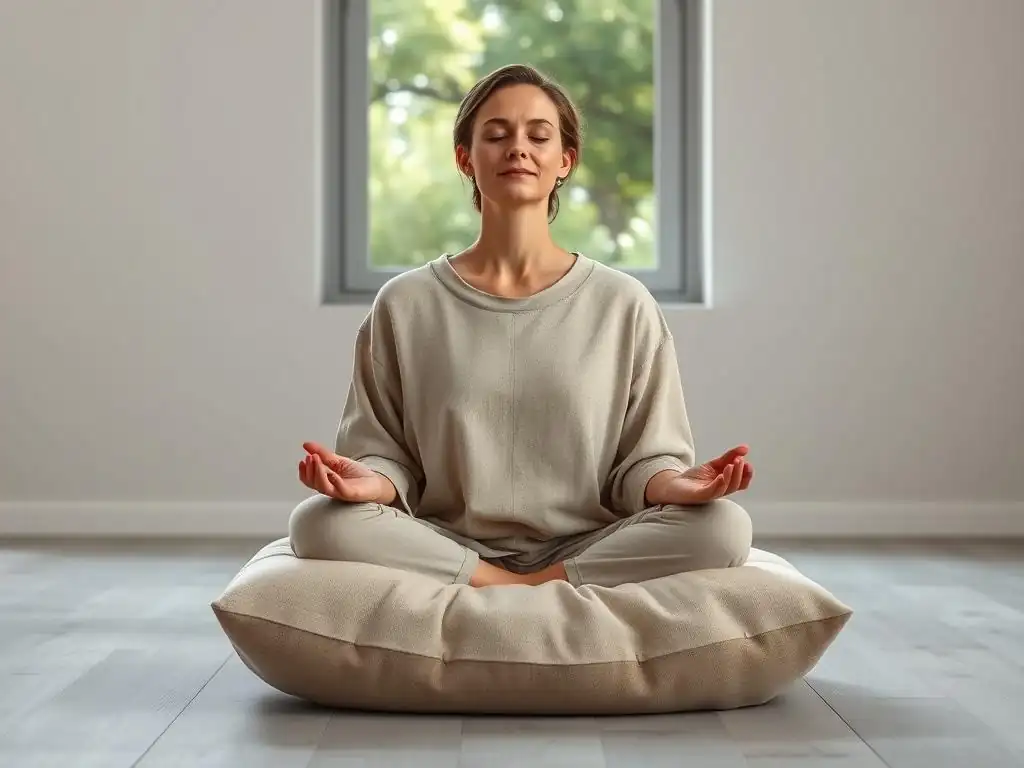
Grounding Techniques: Reconnecting to the Present Moment
Grounding exercises are fundamental bodyoriented exercises PTSD recovery because they help interrupt dissociation, manage overwhelming emotions, and bring awareness back to the here and now. They are simple yet powerful tools that can be used discreetly in almost any situation when feeling overwhelmed, anxious, or disconnected from reality.
-
The 5-4-3-2-1 Grounding Exercise: A Simple and Effective Technique.
The 5-4-3-2-1 technique is a popular and accessible grounding exercise. It involves engaging your five senses to anchor yourself in the present environment. Start by noticing 5 things you can see around you. Then, identify 4 things you can touch or feel (e.g., the texture of your clothes, the chair beneath you, the temperature of the air).
Next, listen for 3 things you can hear (e.g., distant traffic, the hum of a computer, your own breathing). After that, identify 2 things you can smell (e.g., your soap, coffee, or simply the air). Finally, name 1 thing you can taste (e.g., lingering taste from a drink, the inside of your mouth). This systematic process redirects attention away from internal distress and towards external reality.
Practicing the 5-4-3-2-1 exercise regularly, even when not in distress, can build proficiency and make it more effective during moments of overwhelm. Some people find it helpful to also incorporate mindful breathing while doing this exercise, taking a slow, deep breath between each step. This technique is widely recommended in PTSD recovery workbooks and therapeutic settings due to its simplicity and immediate impact on shifting focus and promoting a sense of being present and embodied.
Mindful Movement: Yoga and Tai Chi for Trauma
Mindful movement practices like Yoga and Tai Chi can be profoundly healing for trauma survivors. They offer a gentle way to reconnect with the body, release chronic tension, and regulate the nervous system without the need for verbal processing of traumatic memories. The focus is on present-moment awareness of physical sensations and breath.
-
Benefits of Yoga for PTSD: Reducing Anxiety and Improving Body Awareness.
Trauma-Sensitive Yoga (TSY) is a specific approach that has shown significant benefits for individuals with PTSD. A study published in the Journal of Clinical Psychiatry in 2014 found that women with chronic, treatment-resistant PTSD who participated in TSY for 10 weeks experienced a significant reduction in PTSD symptoms compared to a control group, with 33% no longer meeting PTSD diagnostic criteria. TSY emphasizes choice, predictability, and gentle movement, avoiding triggering poses or adjustments. It helps reduce anxiety by calming the nervous system and improves body awareness by encouraging participants to notice physical sensations in a safe, controlled environment.
Regular practice of trauma-informed yoga helps individuals cultivate interoception – the ability to sense internal bodily states – which is often impaired in PTSD. By moving gently and mindfully, survivors can gradually reclaim ownership of their bodies, release stored tension in muscles, and experience moments of physical ease and relaxation. This type of bodyoriented exercises PTSD recovery is not about achieving perfect poses but about fostering a compassionate relationship with the body and building a sense of empowerment through movement.
-
Tai Chi and PTSD: Gentle Movement for Emotional Regulation.
Tai Chi, an ancient Chinese practice involving slow, flowing movements, deep breathing, and meditation, is another beneficial mindful movement form for PTSD recovery. Its gentle nature makes it accessible to people of all fitness levels and does not require complex postures. Research, including a 2018 review in Frontiers in Psychiatry, suggests that Tai Chi can improve mood, reduce anxiety, and decrease stress levels, which are often elevated in individuals with PTSD.
The slow, deliberate movements of Tai Chi promote relaxation and focus, helping to quiet the racing thoughts often associated with PTSD. The emphasis on coordinated movement and breath helps regulate the nervous system. By practicing Tai Chi, individuals can improve balance, reduce muscle tension, and enhance their ability to stay present with physical sensations without becoming overwhelmed. This gentle form of bodyoriented exercises PTSD recovery offers a path towards greater physical and emotional balance.
Somatic Experiencing Exercises: Releasing Trapped Energy
Somatic Experiencing (SE) exercises, as developed by Peter Levine, are designed to help the body release the "frozen" survival energy that can become trapped during trauma. These exercises focus on tracking physical sensations and allowing the body's natural capacity for self-regulation to emerge.
-
Tremoring Exercises: Gently Releasing Tension in the Body.
One type of SE-informed exercise involves facilitating the body's natural stress-release mechanism: tremoring or shaking. Animals in the wild often tremor after a stressful event to discharge excess energy and return to a state of calm. Humans also have this capacity, but it can be inhibited. Some bodyoriented exercises PTSD recovery derived from SE guide individuals in safely allowing these natural tremors or vibrations to occur, often starting with gentle shaking in the limbs.
These exercises are typically done in a safe space, often lying down or sitting comfortably. The individual is guided to gently invite subtle movements or vibrations, paying close attention to the sensations without forcing or judging them. The aim is to allow the body to complete incomplete survival responses and release chronic tension stored in the muscles and nervous system. This process is often guided by a therapist initially but can be adapted for self-practice using principles learned from workbooks, always prioritizing safety and stopping if feeling overwhelmed.
Choosing the Right PTSD Workbook and Body-Oriented Exercises for You
Selecting the right resources is a personal journey. Many excellent PTSD workbooks incorporate body-oriented exercises, but finding the best fit depends on your individual needs, experiences, and preferences.
Factors to Consider When Selecting a PTSD Workbook
Several factors should guide your choice when looking for a workbook that includes bodyoriented exercises PTSD recovery. Consider the specific type of trauma you experienced (single event vs. complex trauma), as some workbooks are tailored to different forms of trauma. Look at the approach – does it resonate with you? Some focus heavily on SE principles, others on Polyvagal Theory, and some integrate various somatic techniques.
-
Severity of Trauma: Matching exercises to your individual needs.
The severity and nature of your trauma symptoms are crucial considerations. If you experience frequent dissociation or intense emotional flashbacks, you might benefit from a workbook that strongly emphasizes grounding and stabilization exercises before moving to deeper somatic work. Workbooks designed for complex PTSD, for example, often dedicate significant sections to building resources, self-regulation skills, and establishing a sense of safety, which are foundational for engaging with the body in a healing way. Starting with gentle, less activating bodyoriented exercises PTSD recovery is often recommended for those with more severe or complex trauma histories.
-
Personal Preferences: Finding exercises that resonate with you.
Your personal preferences for how you engage with healing are also important. Do you prefer structured exercises with clear steps, or a more flexible, exploratory approach? Are you drawn to movement-based practices like gentle yoga, or do you prefer stillness and internal sensation tracking? Some workbooks offer a wide variety of exercises, allowing you to experiment and find what feels most helpful and accessible to you. Finding exercises that you genuinely feel comfortable trying and can realistically incorporate into your routine will increase the likelihood of consistent practice and positive outcomes.
-
Professional Guidance: The importance of working with a therapist.
While workbooks offer valuable tools for self-help, engaging in bodyoriented exercises PTSD recovery, especially those that involve processing trauma stored in the body, can sometimes bring up intense emotions or sensations. Working through a workbook alongside a trauma-informed therapist is highly recommended. A therapist can help you navigate difficult moments, ensure you are using the techniques safely, tailor exercises to your specific needs, and provide support if you become overwhelmed. They can also help you integrate the workbook exercises with other therapeutic modalities you may be pursuing.
Comparing Popular PTSD Workbooks with Body-Oriented Exercises
Comparing popular workbooks involves looking at their theoretical foundation (e.g., SE, Polyvagal Theory, mindfulness), the types of exercises included (e.g., grounding, movement, sensation tracking, breathwork), the complexity of the material, and the overall tone and accessibility. Some workbooks are more theoretical, while others are highly practical and exercise-driven.
For example, a workbook based on "Healing Trauma" might have a strong emphasis on tracking subtle bodily sensations and allowing for physiological discharge. A workbook drawing from "The Body Keeps the Score" might integrate more varied approaches, including movement, mindfulness, and interoception exercises. A workbook focused on C-PTSD might prioritize nervous system regulation and building internal resources using polyvagal principles. Reading reviews and sample pages can help you get a feel for whether a particular workbook's style and content align with what you're looking for in bodyoriented exercises PTSD recovery.
Maximizing the Benefits of Body-Oriented Exercises

Simply having a workbook isn't enough; consistent and mindful practice is key to reaping the benefits of bodyoriented exercises PTSD recovery. Creating a supportive environment and integrating these practices into a broader healing strategy enhances their effectiveness.
Creating a Safe and Supportive Environment for Practice
Finding a safe and comfortable space is essential when practicing body-oriented exercises, especially those that might bring up difficult sensations. This space should be one where you feel secure, unlikely to be interrupted, and have privacy. It could be a quiet corner in your home, a specific room, or even a calming spot outdoors.
Before starting an exercise, take a moment to ensure you feel adequately resourced. This might involve having a comforting object nearby, a glass of water, or knowing that a supportive person is accessible if needed. After the exercise, allow yourself time to transition back into your day. This might involve stretching gently, taking a few deep breaths, or simply sitting quietly for a moment. Treating your practice space and time with respect helps cultivate a sense of safety and containment around the exercises.
Combining Body-Oriented Exercises with Other PTSD Treatment Modalities
Body-oriented exercises are most powerful when used as part of a comprehensive PTSD treatment plan. They complement other modalities by addressing the physiological aspects of trauma, which can make cognitive or exposure-based therapies more accessible and less overwhelming.
-
Therapy, medication, and support groups.
Integrating bodyoriented exercises PTSD recovery with individual therapy (like Trauma-Focused CBT, EMDR, or Sensorimotor Psychotherapy), prescribed medication (if applicable for managing symptoms like severe anxiety or depression), and peer support groups creates a multi-faceted approach to healing. Therapy provides guidance and a safe space to process; medication can help stabilize mood and anxiety; support groups offer connection and understanding; and body-oriented exercises provide practical tools for self-regulation and embodiment between sessions. This holistic approach addresses the cognitive, emotional, and physiological impacts of trauma simultaneously.
Tracking Your Progress and Celebrating Your Successes
Healing from PTSD is a non-linear process, and tracking your progress with body-oriented exercises can provide valuable insight and motivation. Keep a simple journal to note when you practiced, which exercises you did, how long you practiced, and any sensations, emotions, or thoughts that arose.
Don't just focus on difficulties; make sure to note moments of ease, shifts in sensation, or instances where you felt more grounded or present. Celebrating small successes, such as consistently practicing for a week, noticing a subtle reduction in tension, or successfully using a grounding technique during a moment of distress, is crucial. Acknowledging these steps forward reinforces positive change and encourages continued engagement with bodyoriented exercises PTSD recovery. Recognize that healing takes time and patience, and every bit of practice contributes to strengthening your capacity for regulation and resilience.
Conclusion: Embracing Body-Oriented Exercises for PTSD Recovery
Embracing body-oriented exercises found in PTSD recovery workbooks offers a powerful pathway to healing the deep wounds left by trauma. By recognizing that trauma impacts the entire system – mind and body – these somatic approaches provide practical, accessible tools for regulating the nervous system, releasing stored tension, and cultivating a sense of safety and presence within one's own body. Techniques like grounding, mindful movement, and specific somatic exercises help individuals gently reconnect with their physical selves and build resilience.
While workbooks offer valuable guidance, incorporating these bodyoriented exercises PTSD recovery into a broader treatment plan, ideally with the support of a trauma-informed therapist, maximizes their potential. By patiently and consistently engaging with these practices, survivors can soothe their systems, reclaim their bodies, and move towards a more integrated and peaceful life.
Frequently Asked Questions
What are body-oriented exercises, and how do they relate to PTSD recovery?
Body-oriented exercises focus on the connection between the mind and body to release trauma-related tension. They are found in PTSD workbooks and help regulate the nervous system, promoting emotional and physical healing.
How do body-oriented exercises differ from traditional talk therapy in addressing PTSD?
Unlike talk therapy, body-oriented exercises directly address the physical manifestations of trauma stored in the body. They bypass cognitive processing, offering a more somatic approach to healing.
Can body-oriented exercises be used alongside other mental health treatments for PTSD, or should they be used in isolation?
Body-oriented exercises are often used complementarily with other mental health treatments, such as therapy and medication. They enhance overall treatment effectiveness and provide a more holistic approach.
What are some examples of body-oriented exercises commonly found in PTSD workbooks that promote healing?
Examples include yoga, tai chi, dance/movement therapy, and sensorimotor psychotherapy. These techniques help individuals reconnect with their bodies, regulate emotions, and process trauma safely.
Are body-oriented exercises suitable for all individuals with PTSD, or are there any contraindications or precautions to consider?
While beneficial, body-oriented exercises may not be suitable for everyone, particularly those with certain physical limitations or severe dissociation. It's essential to consult with a qualified mental health professional before starting these exercises.
Final Reflection: Embodied Healing: Reclaiming Control Through Movement
The profound connection between mind and body is undeniable, and nowhere is this more evident than in the journey of PTSD recovery. Understanding and utilizing body-oriented exercises isn't just a supplementary technique; it's a crucial pathway to reclaiming agency and fostering resilience in the face of trauma. These exercises offer a tangible means of regaining control over a body that has often felt overwhelmed and violated.
The impact of trauma extends far beyond the initial event, shaping our physical experiences and influencing our emotional responses for years to come. The integration of body-oriented techniques into PTSD recovery reflects a growing understanding of the holistic nature of healing. These practices offer a powerful counterpoint to the often overwhelming cognitive and emotional work involved in processing trauma. The body keeps the score,
as Bessel van der Kolk so eloquently puts it, highlighting the enduring imprint of trauma on our physical selves. By addressing this physical dimension, we create a more complete and sustainable path to recovery.
Now, consider your own relationship with your body. Are you attuned to its signals? Do you allow yourself the space to move and express yourself physically? This article has explored various body-oriented exercises that can be powerful tools in your journey. I invite you to explore these techniques, to experiment with what resonates with you, and to discover the healing power of embodied movement. Remember, recovery is a journey, not a destination, and incorporating these practices can be a significant step towards a more peaceful and empowered future.
Unleash Your Body's Resilience: Take Charge of Your Well-being
Thanks for taking the time to explore the power of body-oriented exercises in managing PTSD symptoms. We hope you found valuable insights into how movement can support your healing journey. Now it's time to put that knowledge into practice!
- Prioritize one exercise: Choose a single exercise from the workbook that resonated most with you and commit to practicing it daily for the next week. Even 5 minutes can make a difference!
- Share your experience: Connect with others in our community. Share your thoughts and progress on our social media page; your experience may inspire others.
- Explore additional resources: Dive deeper into the world of somatic practices; many free resources are available online that can complement what you’ve learned.
Ready to feel the transformative power of movement? What small step will you take today to prioritize your body’s well-being?