
The Neuroscience Behind Trauma's Link to Addiction

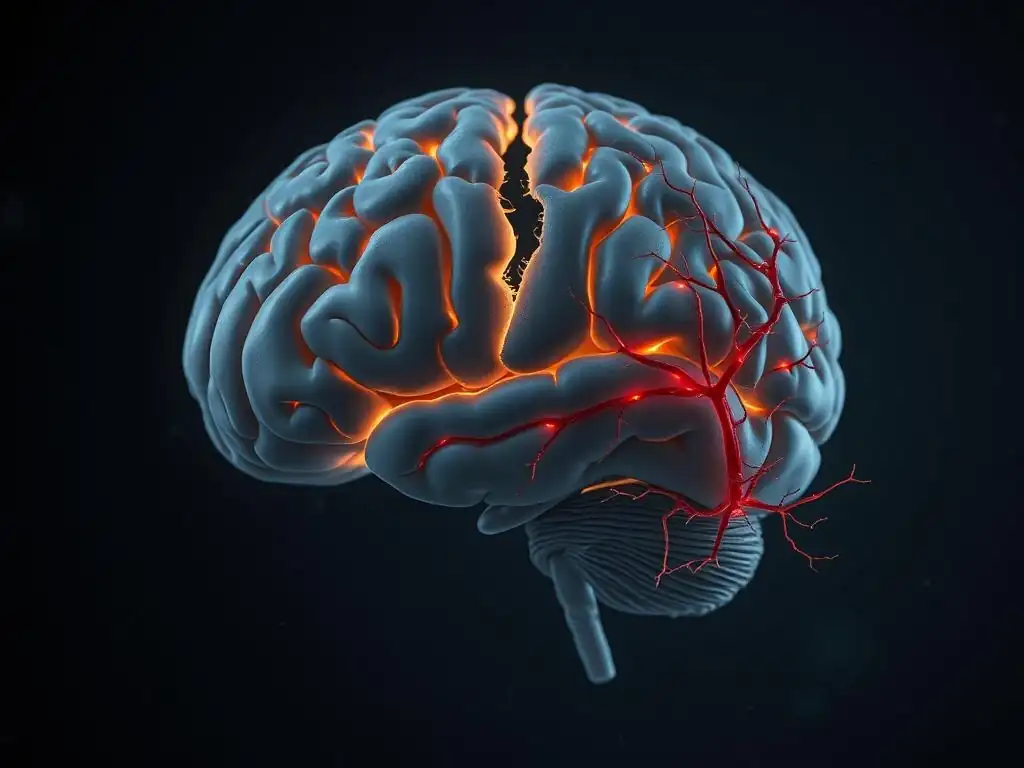
Welcome to Mind Care Guide, a safe space to explore the intricate landscape of your mental well-being.
Have you ever wondered how deeply past experiences can shape present struggles? In this article, we delve into the neuroscience behind trauma's impact on addiction, uncovering the hidden connections between the past and the present. Understanding these links is the first step towards healing and building a more resilient future. Let's begin this journey of discovery together...
The Neuroscience Behind Trauma's Link to Addiction
- Understanding Trauma and Addiction: A Comprehensive Guide
- The Neurobiological Connection: Trauma's Impact on Addiction
- The Stress Response System and Addiction Vulnerability
- Trauma-Induced Alterations in Reward and Motivation
- Genetic Predisposition and Environmental Factors
- The Neuroscience of Craving and Relapse in Trauma Survivors
- Therapeutic Interventions Targeting the Neurobiology of Trauma and Addiction
- Breaking the Cycle: Promoting Resilience and Recovery
- The Future of Research: Unraveling the Complexities of Trauma and Addiction
- Resources for Trauma and Addiction Support
-
Frequently Asked Questions
- How does trauma affect the brain in ways that increase addiction risk?
- What specific brain regions are most impacted by trauma and contribute to addiction?
- How does early childhood trauma increase the risk of developing addiction later in life?
- Is addiction solely a result of trauma, or are other factors involved?
- What types of therapy are most effective in addressing both trauma and addiction simultaneously?
- Final Reflection: Unraveling the Deep Roots of Addiction
- Unlock Your Healing Journey: Understanding Trauma & Addiction
Understanding Trauma and Addiction: A Comprehensive Guide
Trauma, defined as exposure to actual or threatened death, serious injury, or sexual violence, can profoundly alter an individual's psychological and physiological landscape. Its impact extends far beyond the immediate experience, often leading to long-term challenges including mental health disorders and substance use issues. Addiction, characterized by compulsive drug seeking and use despite harmful consequences, is a complex brain disease.
While many factors contribute to its development, research consistently highlights a significant overlap between individuals with a history of trauma and those struggling with addiction. Understanding this connection is crucial for effective prevention and treatment strategies. The neuroscience behind trauma's impact on addiction reveals specific pathways and mechanisms in the brain that explain this powerful link.
This article delves into the intricate ways traumatic experiences reshape the brain, increasing vulnerability to substance use disorders. We will explore the specific brain regions and systems affected, the role of stress hormones, and how these neurobiological changes can manifest as altered reward processing and impaired decision-making. By examining the underlying neuroscience, we gain a clearer picture of why trauma's impact on addiction is so pervasive and how therapeutic interventions can target these brain-based changes to promote recovery.
The Neurobiological Connection: Trauma's Impact on Addiction
Traumatic experiences don't just affect the mind; they leave a tangible imprint on the brain. This neurobiological connection explains much of the heightened risk for substance use disorders observed in trauma survivors. The brain is a dynamic organ, constantly adapting to experiences, and trauma forces significant, often detrimental, adaptations, particularly in areas responsible for processing threat, regulating emotion, and managing stress.
These alterations create a fertile ground for the development of addiction, as individuals may turn to substances to cope with overwhelming internal states or altered perceptions of the world. The science behind trauma's impact on addiction is a rapidly evolving field, shedding light on the specific vulnerabilities created by traumatic exposure.
The lasting effects of trauma on brain function demonstrate a clear pathway increasing the likelihood of developing addiction. For instance, studies show that individuals exposed to significant trauma, particularly early in life, exhibit measurable differences in brain structure and activity compared to their non-traumatized peers. These differences are not merely correlational; they represent fundamental changes in neural circuits that govern behavior, emotion, and reward, all of which are central to the development and maintenance of substance use disorders. Understanding these specific neurobiological changes is key to addressing the complex interplay between trauma and addiction.
Exploring the Brain's Response to Trauma
When faced with a traumatic threat, the brain activates an ancient, rapid response system designed for survival. This involves immediate signals sent to the amygdala, the brain's fear processing center, which then triggers the "fight, flight, or freeze" response. Simultaneously, the body releases stress hormones like adrenaline and cortisol, preparing the individual to react. While adaptive in the moment, chronic or severe trauma can lead to this system becoming hypersensitive, causing individuals to perceive non-threatening situations as dangerous and triggering intense fear and stress responses frequently.
This persistent state of hyperarousal or, conversely, emotional numbing, can be incredibly distressing. The constant activation of stress pathways or the disconnect from emotional experience creates a powerful drive to find relief. Substances of abuse often provide temporary escape or numbing, effectively hijacking the brain's reward system. This immediate, albeit harmful, relief reinforces the substance use behavior, establishing a pattern that can quickly escalate into addiction. The brain's altered response to stress is a critical component of trauma's impact on addiction vulnerability.
How Trauma Changes Brain Structure and Function
Prolonged or severe trauma can lead to measurable changes in the physical structure and function of the brain. Neuroimaging studies using techniques like fMRI have shown that chronic trauma exposure can be associated with a smaller hippocampus, a brain region vital for memory formation and contextualizing fear responses. The amygdala, conversely, may become hyperactive, leading to exaggerated fear and anxiety responses. The prefrontal cortex (PFC), responsible for executive functions like decision-making, impulse control, and emotional regulation, may show reduced activity or volume, impairing an individual's ability to manage distress or resist substance use urges.
These structural and functional changes create a neurobiological vulnerability to addiction. A smaller, less functional hippocampus can impair the ability to distinguish between safe and unsafe situations, leading to constant vigilance. An overactive amygdala means heightened emotional reactivity. A compromised PFC reduces the capacity for reasoned decision-making and impulse control, making it harder to resist the immediate gratification offered by substances, particularly when seeking relief from overwhelming trauma symptoms. These specific brain alterations are central to understanding trauma's impact on addiction risk.
The Role of the Amygdala, Hippocampus, and Prefrontal Cortex
The interplay among the amygdala, hippocampus, and prefrontal cortex is critical in processing trauma and regulating behavior, and disruptions in this network significantly contribute to the impact of trauma on addiction. The amygdala flags emotionally salient stimuli, including threats, and initiates the fear response. In trauma survivors, the amygdala often remains on high alert. The hippocampus helps to contextualize memories, including traumatic ones, by integrating them with time, place, and other details. Trauma can impair hippocampal function, leading to fragmented memories, flashbacks, and difficulty distinguishing past danger from present safety.
The prefrontal cortex acts as the brain's executive control center, modulating the responses of the amygdala and hippocampus and enabling reasoned decisions and impulse control. Trauma can weaken the prefrontal cortex's ability to regulate the overactive amygdala and process information from the hippocampus effectively. This leads to impaired emotional regulation, increased impulsivity, and difficulty assessing risks and consequences.
This neurobiological imbalance — an overactive threat system coupled with weakened executive control — significantly increases the likelihood of turning to substances to cope and developing an addiction. The dysfunction within this crucial brain network is a key mechanism underlying trauma's impact on addiction.
The Stress Response System and Addiction Vulnerability
The body's primary stress response system, the Hypothalamic-Pituitary-Adrenal (HPA) axis, plays a critical role in mediating the link between trauma and addiction. This complex system involves a chain of communication between the hypothalamus in the brain, the pituitary gland, and the adrenal glands, ultimately leading to the release of cortisol, the body's main stress hormone. In a healthy system, the HPA axis activates during stress and then returns to baseline once the threat passes. However, chronic or severe trauma can dysregulate this system, leading to either chronic high levels of cortisol or a blunted response.
Dysregulation of the HPA axis has profound effects on brain function, particularly in areas involved in stress regulation, emotion, and reward. This constant state of physiological stress or an inability to mount an appropriate stress response can contribute to anxiety, depression, and difficulty managing emotions – common symptoms that individuals may attempt to alleviate through substance use. The altered functioning of the HPA axis is a significant biological factor contributing to trauma's impact on addiction vulnerability.
The Hypothalamic-Pituitary-Adrenal (HPA) Axis and Trauma
Traumatic experiences, especially those that are chronic or occur during critical developmental periods, can significantly alter the set point and reactivity of the HPA axis. Some trauma survivors exhibit a hyperactive HPA axis, leading to persistently elevated cortisol levels. This can damage brain regions like the hippocampus and contribute to a state of chronic stress and anxiety.
Others may develop a blunted HPA response, where their cortisol levels are abnormally low or fail to rise appropriately during stress. This blunted response can be associated with emotional numbing, dissociation, and difficulty feeling pleasure, sometimes seen as a protective adaptation to overwhelming stress.
Both hyper- and hypo-arousal of the HPA axis can increase addiction risk. Chronic high cortisol can drive individuals to seek substances that suppress anxiety or provide escape. A blunted response, on the other hand, might lead individuals to seek stimulating substances to feel something or to self-medicate underlying depression or anhedonia (inability to feel pleasure). The persistent dysregulation of this fundamental stress system is a key neurobiological mechanism linking trauma to increased susceptibility to developing substance use disorders.
Chronic Stress and Its Effects on Reward Pathways
Chronic stress, often a consequence of unresolved trauma, significantly impacts the brain's reward pathways, primarily involving the neurotransmitter dopamine. The mesolimbic dopamine system, often called the "reward pathway," is central to motivation, pleasure, and learning. Drugs of abuse powerfully activate this system, leading to intense feelings of pleasure and reinforcing the drug-seeking behavior. Chronic stress can alter the sensitivity and function of this pathway, potentially making natural rewards less rewarding and increasing the appeal of the intense, artificial rewards provided by drugs.
Research indicates that chronic stress can reduce dopamine receptor availability or signaling in key reward areas like the nucleus accumbens. This diminished capacity to experience pleasure from everyday activities can drive individuals to seek out more potent sources of reward, such as drugs. The constant physiological burden of stress combined with a blunted response to natural rewards creates a powerful push factor towards substance use, highlighting another critical aspect of trauma's impact on addiction.
Dysregulation of Neurotransmitters: Dopamine, Serotonin, and Norepinephrine
Trauma can disrupt the delicate balance of several key neurotransmitters beyond just dopamine, further contributing to addiction vulnerability. Serotonin, involved in mood, sleep, and anxiety regulation, is often dysregulated in trauma survivors, contributing to depression and anxiety symptoms that can be self-medicated with substances. Norepinephrine, crucial for the stress response, attention, and arousal, can also be imbalanced, leading to hypervigilance or, conversely, fatigue and difficulty concentrating.
These neurotransmitter imbalances directly contribute to the symptoms commonly experienced by trauma survivors, such as persistent fear, anxiety, depression, irritability, and difficulty sleeping. Substances of abuse can temporarily correct these imbalances, providing a powerful, albeit fleeting, sense of relief or normalcy. This creates a strong learned association between substance use and symptom alleviation, reinforcing the addictive cycle. Addressing these neurotransmitter dysregulations is often a target in treating both trauma and co-occurring addiction, recognizing the profound neurobiological impact of trauma on addiction.
Trauma-Induced Alterations in Reward and Motivation
The profound neurobiological changes caused by trauma fundamentally alter how the brain processes reward and motivation. This is a critical factor in understanding why trauma survivors are at a significantly higher risk for developing substance use disorders. The normal hierarchy of needs and motivations can be disrupted, with the overwhelming need to alleviate distress or feel safe taking precedence over long-term consequences or natural rewards. This shift in motivational priorities makes the immediate, powerful effects of substances incredibly compelling.
The brain's reward system, already altered by chronic stress and neurotransmitter imbalances, becomes particularly susceptible to the hijacking effect of drugs. The intense dopamine surge provided by substances can feel like the only source of pleasure or relief available in a world perceived as constantly threatening or numb. This learned association between substance use and perceived safety or comfort reinforces the behavior, even as it leads to increasing harm. This altered reward processing is a core neurobiological mechanism underlying trauma's impact on addiction.
Addiction as a Coping Mechanism for Trauma Symptoms
For many trauma survivors, substance use begins as an attempt to cope with overwhelming and distressing trauma symptoms. These symptoms can include flashbacks, nightmares, intense anxiety, panic attacks, emotional numbing, dissociation, irritability, and difficulty sleeping. These internal states are often intolerable and difficult to manage through conscious effort. Substances like alcohol, opioids, benzodiazepines, or cannabis can temporarily suppress these feelings, providing a sense of calm, escape, or emotional distance from the traumatic memories and associated distress.
While providing short-term relief, this coping mechanism is ultimately maladaptive and fuels the cycle of addiction. The brain learns that substances effectively alleviate pain, reinforcing the substance use behavior. This reliance prevents the development of healthy coping strategies and therapeutic processing of the trauma, trapping the individual in a cycle where they need substances to manage symptoms, and the substances themselves create new problems and dependencies. Viewing addiction through this lens highlights the critical need to address the underlying trauma in treatment.
Self-Medication Hypothesis: Using Substances to Alleviate Pain
The self-medication hypothesis posits that individuals use substances to alleviate psychological pain and discomfort caused by underlying mental health conditions, including those stemming from trauma. For example, someone experiencing intense social anxiety due to trauma might use alcohol to relax in social situations. Someone suffering from chronic nightmares and insomnia might use sedatives or cannabis to sleep. The temporary relief provided by the substance acts as a powerful negative reinforcer – removing an unpleasant state increases the likelihood of repeating the behavior.
This hypothesis is strongly supported by the high rates of co-occurring trauma, PTSD, and substance use disorders. Research indicates that individuals with PTSD are significantly more likely to develop substance use disorders than the general population; some studies suggest rates are two to four times higher. Furthermore, the type of substance used may sometimes correspond to the specific symptoms being self-medicated. While a simplified view, the self-medication framework underscores how the brain's drive to escape pain contributes significantly to trauma's impact on addiction.
The Impact of Adverse Childhood Experiences (ACEs) on Addiction Risk
Adverse Childhood Experiences (ACEs), such as abuse, neglect, and household dysfunction, are a specific category of trauma with a profound and well-documented impact on long-term health outcomes, including addiction risk. Large-scale studies have shown a strong graded relationship between the number of ACEs experienced and the likelihood of developing substance use disorders later in life. For example, individuals with four or more ACEs are estimated to be several times more likely to develop substance dependence compared to those with no ACEs.
The neurobiological mechanisms linking ACEs to addiction are multifaceted. Early life trauma can disrupt critical periods of brain development, permanently altering stress response systems, emotional regulation circuitry, and reward pathways. The chronic stress and unpredictable environment associated with ACEs can lead to persistent HPA axis dysregulation, changes in brain structure (like hippocampal volume reductions), and altered neurotransmitter systems. These early neurobiological changes create a lasting vulnerability that significantly increases the risk of developing addiction in adolescence or adulthood. The enduring impact of trauma experienced in childhood on addiction is a critical area of focus.
Genetic Predisposition and Environmental Factors
While trauma is a powerful predictor of addiction, it doesn't exist in a vacuum. An individual's genetic makeup and their current social and environmental context also play significant roles in determining vulnerability. The interplay between these factors is complex, with genes influencing how an individual responds to stress and trauma, and the environment shaping gene expression and providing either risk factors or protective buffers. Understanding this interaction provides a more complete picture of trauma's impact on addiction.
For instance, someone might have a genetic predisposition that makes their stress response system more reactive. If they then experience significant trauma in an unsupportive environment, their risk for addiction is likely higher than someone with a less reactive genetic profile who experiences trauma but has strong social support. This highlights that while trauma creates a significant vulnerability, it is the complex interaction of biology, experience, and environment that ultimately determines whether addiction develops.
The Interplay of Genes and Trauma in Addiction Development
Genetic factors can influence various aspects of an individual's response to trauma and propensity for addiction. Genes related to neurotransmitter systems (like dopamine or serotonin pathways), stress hormone regulation (like components of the HPA axis), and even personality traits like impulsivity or risk-taking can modify how someone experiences and recovers from trauma, as well as their response to substances. For example, certain genetic variants might make an individual more susceptible to developing PTSD after trauma, which in turn increases addiction risk.
Furthermore, genetic predispositions can interact with environmental factors, including trauma exposure. This gene-environment interaction means that the effect of a particular gene variant on addiction risk might only become apparent in the presence of trauma. Research is exploring specific genetic markers that, when combined with trauma exposure, significantly elevate the risk for substance use disorders. This interplay underscores that the impact of trauma on addiction is not solely environmental but is modulated by individual biological differences.
Epigenetic Modifications: How Trauma Alters Gene Expression
Beyond the DNA sequence itself, trauma can cause epigenetic modifications – changes in gene expression that don't involve alterations to the genetic code but affect how genes are read and translated into proteins. These modifications can occur through mechanisms like DNA methylation or histone modification, effectively turning genes "on" or "off." Trauma, particularly chronic or early-life trauma, has been shown to induce epigenetic changes in brain regions involved in stress response, emotional regulation, and reward.
These trauma-induced epigenetic marks can have lasting effects on brain function and behavior, potentially contributing to vulnerability to addiction long after the trauma has ended. For example, epigenetic changes in genes related to stress hormone receptors could alter HPA axis function. Some research even suggests that certain trauma-induced epigenetic changes could potentially be passed down across generations, although this area is still under active investigation. This emerging field reveals another layer of complexity in the neurobiological mechanisms underlying trauma's impact on addiction.
The social environment and the availability of supportive relationships significantly influence an individual's resilience to trauma and their risk of developing addiction. A supportive and stable environment, particularly during childhood and adolescence, can buffer the negative neurobiological effects of trauma. Secure attachments to caregivers and access to positive social support networks can promote healthy brain development, enhance stress regulation, and provide alternative coping resources.
Conversely, experiencing trauma within an unsupportive or chaotic environment, or lacking access to positive social connections after trauma, exacerbates vulnerability. Isolation, stigma, and lack of resources can magnify the distress caused by trauma symptoms and limit opportunities for healthy coping and recovery. The absence of a strong social safety net can make the temporary escape offered by substances even more appealing. The social context is a powerful environmental factor that interacts with both genetics and the neurobiological consequences of trauma to shape the ultimate risk profile for addiction.
The Neuroscience of Craving and Relapse in Trauma Survivors
For individuals with co-occurring trauma and addiction, the risk of relapse is particularly high. This is deeply rooted in the neurobiological changes caused by trauma and addiction, which often reinforce each other. Traumatic memories and associated emotional states can act as powerful triggers for craving and substance use, even after periods of sobriety. Understanding the neural circuits involved in craving and how they intersect with trauma-related cues is essential for preventing relapse.
The brain's reward and memory systems become intricately linked in addiction, and trauma adds another layer of complexity. The intense cravings experienced by individuals with addiction are not simply a lack of willpower; they are driven by powerful signals originating in altered brain circuits. In trauma survivors, these craving signals can be triggered not only by substance-related cues but also by reminders of the traumatic experience, making sustained recovery particularly challenging.
Neural Circuits Involved in Craving and Impulsivity
Craving is a strong desire for a substance, mediated by neural circuits involving the mesolimbic dopamine pathway, the amygdala, and the prefrontal cortex. When someone with addiction sees a cue associated with drug use (e.g., seeing drug paraphernalia or being in a place where they used), this triggers activity in the amygdala and other limbic areas, generating an emotional response and activating the reward pathway. This leads to a surge in dopamine release and the subjective experience of craving.
In trauma survivors, this system is already dysregulated. The hyperactive amygdala is easily triggered, not just by drug cues but also by trauma-related stimuli. The compromised prefrontal cortex struggles to inhibit the impulsive response to craving signals. This means that the neural circuits driving craving are potentially more reactive and less controlled in individuals with co-occurring trauma and addiction, increasing the likelihood of acting on impulses and relapsing. This amplified craving response is a significant part of trauma's impact on addiction maintenance.
One of the most challenging aspects of recovery for trauma survivors is the power of trauma-related cues to trigger craving and substance use. These cues can be sensory (a smell, a sound, a sight), emotional (feeling a specific emotion associated with the trauma), or situational (being in a place that resembles the trauma setting). When encountered, these cues can trigger intense emotional distress, flashbacks, or a sense of being back in the traumatic situation.
For someone who has used substances to cope with trauma symptoms, these triggers immediately activate the learned association between the trigger, the distress, and the "relief" provided by the substance. The brain recalls the substance as a solution to the overwhelming feeling, initiating craving and driving the individual towards relapse. This powerful conditioning, where trauma cues become triggers for substance use, is a direct consequence of trauma's impact on addiction behavior.
The Role of Memory Consolidation and Reconsolidation
Both traumatic memories and addiction-related memories are deeply encoded in the brain through processes like memory consolidation. Traumatic memories, often highly emotional and fragmented, can become particularly resistant to extinction. Similarly, memories linking substance use to reward and relief are strongly consolidated within the brain's reward circuitry. These consolidated memories make it difficult to simply forget or ignore past experiences and learned behaviors.
However, research into memory reconsolidation offers potential avenues for treatment. When a consolidated memory is retrieved, it enters a brief period where it can be modified before being re-stored. Therapies like EMDR (Eye Movement Desensitization and Reprocessing) are thought to potentially target the reconsolidation of traumatic memories, making them less emotionally distressing and less likely to trigger intense reactions or substance cravings. Understanding how the brain stores and retrieves traumatic and addiction memories is crucial for developing effective interventions.
Therapeutic Interventions Targeting the Neurobiology of Trauma and Addiction
Given the significant neurobiological overlap between trauma and addiction, effective treatment must address both conditions concurrently and utilize approaches that acknowledge and work with the brain's altered state. A purely abstinence-focused approach that does not address the underlying trauma is often insufficient for trauma survivors, as the root causes of their substance use remain unaddressed. Integrated treatment models that combine trauma-informed care with evidence-based addiction treatment are crucial. These approaches aim to heal the brain's response to trauma and build new, healthy coping mechanisms.
Therapeutic interventions that target the neurobiological consequences of trauma, such as dysregulated stress response, altered reward processing, and impaired emotional regulation, show promise in improving outcomes for individuals with co-occurring disorders. These approaches seek to repair or retrain the brain pathways that have been disrupted by trauma and addiction, fostering resilience and supporting long-term recovery.
Trauma-Informed Care: A Brain-Based Approach
Trauma-informed care is not a specific therapy but a framework that recognizes the widespread impact of trauma and understands potential paths for recovery. It is grounded in the understanding that trauma affects brain development, stress response, and the capacity for trust and self-regulation. In practice, this means creating physically and psychologically safe environments, building trust and transparency, offering peer support, fostering collaboration and mutuality, empowering individuals and offering choices, and addressing cultural, historical, and gender issues.
Applying a trauma-informed approach in addiction treatment means understanding that behaviors like impulsivity, difficulty with rules, or struggles with emotional regulation may be direct consequences of trauma-induced brain changes, rather than simply defiance or lack of motivation. Treatment providers adjust their approach to avoid re-traumatization, prioritize building a sense of safety, and tailor interventions to help individuals regulate their nervous system and process their experiences when they are ready. This approach acknowledges the deep neurobiological impact of trauma on addiction treatment engagement and outcomes.
Neurofeedback and Brain Training for Addiction Recovery
Neurofeedback, a type of biofeedback, is an emerging therapeutic approach that aims to train individuals to self-regulate their brain activity patterns. Electrodes are placed on the scalp to measure brainwaves, and this activity is displayed in real-time (often as a video game or visual display). The individual learns to modify their brain activity by receiving positive feedback when their brainwaves move towards a desired pattern.
For trauma survivors with addiction, neurofeedback can target specific brain regions or networks that are dysregulated, such as the hyperactive amygdala or underactive prefrontal cortex. The goal is to help individuals gain better control over their stress response, emotional reactivity, and executive functions. While research is ongoing, some studies suggest that neurofeedback may help reduce PTSD symptoms, anxiety, and improve self-regulation, potentially supporting addiction recovery by addressing some of the underlying neurobiological vulnerabilities created by trauma's impact on addiction.
Medications That Address Neurotransmitter Imbalances
Pharmacological interventions can play a supportive role in treating co-occurring trauma and addiction by addressing some of the underlying neurotransmitter imbalances and symptoms. Medications like selective serotonin reuptake inhibitors (SSRIs) or serotonin-norepinephrine reuptake inhibitors (SNRIs) can help manage symptoms of depression and anxiety that often co-occur with trauma and contribute to substance use. These medications work by modulating serotonin and norepinephrine levels in the brain.
Other medications might be used to stabilize mood, reduce cravings, or manage withdrawal symptoms, indirectly supporting the individual's ability to engage in trauma-focused therapy and recovery. For instance, medications used in medication-assisted treatment (MAT) for opioid or alcohol use disorders can stabilize brain chemistry, making it possible for individuals to address the psychological roots of their addiction, including trauma. While medications don't "cure" trauma or addiction, they can alleviate symptoms and stabilize brain function, creating a window for therapeutic work.
Eye Movement Desensitization and Reprocessing (EMDR), Cognitive Behavioral Therapy (CBT), Dialectical Behavior Therapy (DBT)
Several evidence-based psychotherapies are highly effective in treating trauma and are often adapted for individuals with co-occurring addiction. These therapies work by helping individuals process traumatic memories, change maladaptive thought patterns, and develop healthier coping skills, thereby addressing the psychological and behavioral consequences of trauma's impact on addiction.
EMDR involves recalling traumatic memories while focusing on bilateral stimulation (like eye movements), which is thought to help the brain process the memory and reduce its emotional intensity. CBT helps individuals identify and challenge distorted thoughts and beliefs related to trauma and substance use, developing more balanced perspectives and coping strategies.
DBT, originally developed for individuals with borderline personality disorder but effective for complex trauma and addiction, teaches skills in mindfulness, distress tolerance, emotion regulation, and interpersonal effectiveness, directly addressing the core difficulties often experienced by trauma survivors struggling with addiction. These therapies, by targeting the psychological and emotional consequences of trauma, indirectly support the healing of the brain and reduce the reliance on substances.
Breaking the Cycle: Promoting Resilience and Recovery
Breaking the cycle of trauma and addiction is a challenging but achievable goal. It requires addressing both the physiological and psychological impacts of trauma and building new pathways for resilience and recovery. This involves not only therapeutic interventions but also lifestyle changes, skill-building, and fostering supportive connections. Recovery is a process of healing the brain and the self, learning to manage emotional pain without substances, and building a life worth living free from the grip of addiction.
Promoting resilience involves actively cultivating resources and skills that buffer against stress and support well-being. This includes developing healthy coping mechanisms, practicing self-regulation techniques, and nurturing positive relationships. These strategies help to counteract the neurobiological vulnerabilities created by trauma and addiction, strengthening the brain's capacity for self-control, emotional balance, and experiencing natural rewards.
Building Healthy Coping Mechanisms
Developing healthy coping mechanisms is fundamental to recovery from trauma and addiction. Since substance use served as a maladaptive coping strategy, individuals need to learn and practice alternative ways to manage stress, difficult emotions, and trauma triggers. Examples include engaging in regular physical exercise, practicing relaxation techniques like deep breathing or progressive muscle relaxation, engaging in creative expression (art, music, writing), spending time in nature, or pursuing hobbies.
These activities not only provide alternative ways to manage distress but also promote positive changes in brain function. Exercise, for example, increases endorphins and can improve mood and reduce anxiety. Mindfulness and relaxation techniques can help regulate the nervous system and reduce HPA axis activity. Building a repertoire of healthy coping skills reduces reliance on substances and empowers individuals to navigate challenges without resorting to harmful behaviors, directly counteracting the negative impact of trauma on addiction.
The Importance of Mindfulness and Self-Regulation
Mindfulness, the practice of paying attention to the present moment without judgment, is a powerful tool for trauma survivors in addiction recovery. Trauma can leave individuals stuck in the past (flashbacks) or constantly anxious about the future (hypervigilance). Mindfulness helps anchor them in the present, increasing awareness of internal states (thoughts, feelings, body sensations) without being overwhelmed by them. This practice strengthens areas of the brain involved in attention and emotional regulation, like the prefrontal cortex.
Self-regulation involves the ability to manage one's emotions, thoughts, and behaviors effectively. Trauma often impairs self-regulation abilities. Practices like mindfulness, meditation, and yoga can help individuals develop greater capacity to tolerate distress, manage impulses, and regulate their nervous system. By improving self-regulation, individuals become better equipped to handle trauma triggers and cravings without resorting to substance use, reinforcing the brain's capacity for control over automatic reactions.
Positive relationships and secure attachments are vital protective factors against both trauma's long-term effects and addiction. Trauma, particularly relational trauma like abuse or neglect, can damage the capacity for healthy attachment and trust. Addiction often leads to isolation and damaged relationships. Rebuilding and fostering secure connections is a crucial part of healing and recovery.
Supportive relationships provide a sense of safety, belonging, and validation, which can help regulate the nervous system and buffer against stress. Positive social interactions release oxytocin, a hormone associated with bonding and stress reduction. Engaging with supportive family, friends, peer support groups, or therapists helps counteract the isolation and shame often experienced by trauma survivors with addiction. Building a strong social support network provides alternative sources of comfort, motivation, and accountability, directly supporting the brain's capacity for connection and healing.
The Future of Research: Unraveling the Complexities of Trauma and Addiction
Research continues to deepen our understanding of the intricate neurobiological links between trauma and addiction. Advancements in technology and methodology are providing unprecedented insights into how trauma reshapes the brain and how these changes contribute to substance use vulnerability and relapse risk. The future of research aims to translate these complex findings into more effective, personalized treatment approaches.
Ongoing studies are exploring everything from the cellular and molecular changes induced by trauma to the large-scale brain network alterations observed in individuals with co-occurring disorders. This research is paving the way for novel therapeutic targets and interventions that can specifically address the neurobiological underpinnings of trauma's impact on addiction, offering hope for more effective prevention and treatment strategies.
Advancements in Neuroimaging Techniques
Neuroimaging techniques such as functional magnetic resonance imaging (fMRI), positron emission tomography (PET), and diffusion tensor imaging (DTI) are continuously evolving, allowing researchers to visualize and measure brain structure, activity, and connectivity with increasing precision. These tools are invaluable in studying the impact of trauma on addiction by identifying specific brain regions and networks that are altered in individuals with co-occurring disorders.
For example, fMRI can show which brain areas are hyperactive or hypoactive during stress or exposure to trauma or substance cues. PET scans can measure neurotransmitter receptor density or metabolic activity. DTI can map the white matter pathways that connect different brain regions, revealing disruptions in communication networks. These advancements allow scientists to pinpoint the specific neurobiological changes associated with trauma's impact on addiction, guiding the development of targeted therapies.
Personalized Treatment Approaches Based on Individual Brain Profiles
A key goal of future research is to develop personalized treatment approaches based on an individual's unique neurobiological profile, shaped by their trauma history and addiction. Since the impact of trauma on addiction can vary depending on the type, timing, and severity of trauma, as well as individual genetic and environmental factors, a one-size-fits-all approach is often insufficient.
Future treatments might use neuroimaging or genetic information to identify specific brain dysregulations in an individual and tailor interventions accordingly. For instance, someone with significant HPA axis dysregulation might benefit more from stress-reducing techniques or specific medications, while someone with prominent prefrontal cortex deficits might require more intensive training in executive functions and impulse control. Understanding the specific neurobiological footprint of trauma's impact on addiction in each individual holds the promise of more effective and efficient recovery paths.
Investigating the Role of Neuroinflammation and Novel Therapeutic Targets
Emerging research is exploring the role of neuroinflammation – inflammation within the brain – as a potential link between trauma, stress, and addiction. Chronic stress and trauma can activate the brain's immune cells (microglia), leading to inflammation, which can disrupt neuronal function and contribute to changes in mood, cognition, and reward pathways. Understanding the mechanisms by which trauma induces neuroinflammation could identify new targets for pharmacological interventions.
Beyond neuroinflammation, researchers are investigating a range of novel therapeutic targets, including specific proteins involved in synaptic plasticity (how brain cells communicate and learn), neuropeptides that modulate stress and social bonding, and even interventions like transcranial magnetic stimulation (TMS) that can directly modulate activity in specific brain regions. These investigations represent the cutting edge of understanding and treating the complex neurobiological consequences of trauma's impact on addiction.
Resources for Trauma and Addiction Support
Seeking help is a critical step in addressing the complex challenges of co-occurring trauma and addiction. Numerous organizations and resources offer information, support, and treatment options for individuals affected by these conditions. Reaching out can connect individuals with professionals trained in treating both trauma and substance use disorders, as well as with supportive communities of peers who understand these struggles.
Accessing informed care is essential because standard addiction treatment may not be equipped to handle the specific needs of trauma survivors, and trauma therapy needs to be delivered in a way that supports sobriety. Utilizing resources from organizations specializing in these areas can ensure that individuals receive comprehensive and integrated care that addresses the neurobiological and psychological aspects of trauma's impact on addiction.
National Center for PTSD, Substance Abuse and Mental Health Services Administration (SAMHSA)
The National Center for PTSD (NCPTSD) is a leading resource for information and research on trauma and PTSD. Their website offers extensive information for both the public and professionals, including details on effective treatments, coping strategies, and the impact of trauma on various aspects of health, including substance use.
The Substance Abuse and Mental Health Services Administration (SAMHSA) is the primary federal agency for improving the quality and availability of substance abuse and mental health services. SAMHSA provides resources for finding treatment centers that offer integrated care for co-occurring disorders, information on various types of treatment, and national helplines. Both organizations are invaluable starting points for individuals seeking to understand and find help for trauma and addiction.
National Institute on Drug Abuse (NIDA), Journal of Traumatic Stress
The National Institute on Drug Abuse (NIDA) is a federal scientific institute dedicated to researching the causes, consequences, and treatment of drug addiction. NIDA's website provides science-based information on the neurobiology of addiction, including research related to co-occurring disorders and the impact of trauma. It is a valuable resource for understanding the biological basis of addiction.
The Journal of Traumatic Stress is a peer-reviewed academic journal publishing research on trauma, including its psychological and biological effects and treatment. While primarily for researchers and clinicians, abstracts and summaries of studies on topics like trauma's impact on addiction are often accessible and provide insights into the latest scientific findings in the field. Consulting reputable sources like NIDA and academic journals helps stay informed about the evolving understanding of these complex conditions.
Frequently Asked Questions
How does trauma affect the brain in ways that increase addiction risk?
Trauma can lead to structural and functional changes in the brain, particularly in areas associated with impulse control and reward processing. These changes can make individuals more vulnerable to substance use as a coping mechanism.
What specific brain regions are most impacted by trauma and contribute to addiction?
The amygdala, which processes emotions like fear and anxiety, and the prefrontal cortex, responsible for decision-making, are heavily impacted. This disruption can lead to heightened stress responses and impaired judgment, increasing the likelihood of addiction.
How does early childhood trauma increase the risk of developing addiction later in life?
Early trauma can disrupt brain development, leading to a permanently altered stress response system. This can result in a higher baseline level of anxiety and a greater propensity to seek relief through addictive substances.
Is addiction solely a result of trauma, or are other factors involved?
While trauma is a significant risk factor, addiction is a complex issue influenced by genetics, environmental factors, and individual vulnerabilities. Trauma can significantly increase the risk, but it's rarely the sole cause.
What types of therapy are most effective in addressing both trauma and addiction simultaneously?
Trauma-informed therapy, such as EMDR or Cognitive Processing Therapy (CPT), can help individuals process traumatic memories. Combining this with addiction-focused therapies like CBT or Motivational Interviewing provides a comprehensive approach to recovery.
Final Reflection: Unraveling the Deep Roots of Addiction
The intricate connection between trauma and addiction is no longer a theoretical concept; it's a critical understanding necessary for effective treatment and prevention. The research presented highlights the profound neurological changes trauma inflicts, making individuals significantly more vulnerable to substance abuse as a coping mechanism. This isn't simply a matter of willpower; it's a deeply ingrained biological response shaped by the brain's survival mechanisms.
Understanding this neurological link has profoundly shifted my perspective on addiction, moving away from simplistic narratives of moral failing to a more compassionate and nuanced understanding of the complex interplay between past experiences and present behaviors. The opposite of addiction is not sobriety. It is connection.
This quote perfectly encapsulates the core message: trauma often isolates, and addiction, tragically, becomes a misguided attempt to reconnect, to soothe the pain of disconnection etched into the brain. The societal stigma surrounding addiction must be challenged by this new understanding, paving the way for more effective support systems and less judgment.
Now, consider your own life. Have you witnessed the impact of trauma on someone you know? Perhaps you've struggled with your own coping mechanisms. This article isn't just about statistics and brain scans; it's a call to empathy and action. Take a moment to reflect on the power of connection and the importance of seeking help, not just for those struggling with addiction, but for anyone grappling with the lasting effects of trauma. Let's work together to build a future where understanding replaces judgment, and healing replaces suffering.
Unlock Your Healing Journey: Understanding Trauma & Addiction
Thanks for taking the time to explore the complex connection between trauma and addiction. We hope this article shed some light on the powerful neurological pathways involved. Now, let's move from understanding to action. Here's how you can take the next step:
- Prioritize self-compassion: Acknowledge the challenges you've faced and celebrate the strength it took to get this far. This is a crucial first step in your healing journey.
- Explore mindful practices: Consider incorporating simple mindfulness techniques like deep breathing or meditation into your daily routine to better manage stress and emotional regulation.
- Share your insights: Discuss your key takeaways with a trusted friend, family member, or support group. Sharing your experiences can be incredibly empowering and validating.
What small step can you take today to prioritize your mental and emotional wellbeing?