
Geographic Solutions: Mobile Clinics and Outreach for Remote Access


Welcome to Mind Care Guide, your trusted companion on the path to mental well-being. Feeling overwhelmed by the barriers to accessing mental health care? You're not alone. This article delves into innovative solutions, specifically focusing on how remote mental health access clinics are bridging the gap and bringing vital support to underserved communities. Discover how these mobile clinics and outreach programs are transforming mental healthcare access, and find resources to advocate for positive change in your own area. Are you ready to explore the future of mental healthcare delivery?
- Geographic Solutions: Mobile Clinics and Outreach for Rural Mental Health Access in Appalachia
- Mobile Mental Health Clinics: Bridging the Gap in Appalachia
- Outreach Programs: Actively Connecting with Appalachian Communities
- Key Components of Successful Mobile Clinic and Outreach Programs in Appalachia
- Funding and Sustainability of Geographic Solutions in Appalachia
- Case Studies: Real-World Examples of Impactful Programs in Appalachia
- Measuring the Impact: Evaluating the Effectiveness of Geographic Solutions in Appalachia
- The Future of Rural Appalachian Mental Health Access: Innovation and Expansion
-
Frequently Asked Questions
- How do mobile mental health clinics address the geographic barriers to care?
- What are the key benefits of using a mobile clinic for mental health support, instead of relying on traditional clinics?
- What types of mental health services are typically offered through remote access clinics?
- How do remote mental health access clinics ensure the privacy and security of patient information?
- What resources are available to help individuals find remote mental health access clinics in their area?
- Final Reflection: Bridging the Gap to Mental Wellness
- Unleash Better Healthcare Access: Take Action Today!
Geographic Solutions: Mobile Clinics and Outreach for Rural Mental Health Access in Appalachia
The Challenge of Distance and Rurality in Appalachian Mental Healthcare
Rural Appalachia presents unique geographic challenges that significantly impede access to mental health services. The mountainous terrain, winding roads, and often limited public transportation infrastructure mean that residents must frequently travel considerable distances to reach the nearest mental health professional or clinic. For someone living in a remote hollow, a trip to a therapist might involve driving for over an hour or even two, navigating difficult roads that can become impassable in adverse weather conditions.
This substantial time and distance commitment can be a major deterrent, especially for individuals who lack reliable transportation, cannot take time off work, or have mobility issues. The sheer effort required simply to get to an appointment becomes a significant barrier, often leading individuals to delay or forgo seeking care altogether, despite experiencing distress.
Compounding the issue of distance is the dispersed nature of populations in rural Appalachian communities. Unlike urban or suburban areas where mental health facilities might be concentrated, residents in Appalachia are spread out across a vast geographic area. This low population density makes it economically challenging for traditional brick-and-mortar clinics to operate sustainably in many locations.
As a result, existing services are often clustered in larger towns or county seats, leaving those in more isolated areas with little to no convenient access. The lack of nearby options means that even if someone is motivated to seek help, the practical hurdles of reaching a provider can feel insurmountable, effectively limiting the reach of traditional mental healthcare models and highlighting the need for alternative approaches like Remote mental health access clinics and mobile services.
Limited Resources and Specialist Availability in Appalachian Communities
Beyond geographic isolation, rural Appalachian communities face a severe shortage of mental health professionals and specialized services. The per capita number of psychiatrists, psychologists, and licensed therapists is significantly lower in rural areas compared to urban centers across the United States, and this disparity is particularly pronounced in regions like Appalachia.
Many counties may have only one or two mental health clinicians, or in some cases, none at all. This scarcity leads to long waiting lists for appointments, sometimes extending for weeks or even months, making timely intervention difficult, especially for individuals experiencing acute crises or complex conditions requiring specialized care.
Furthermore, access to specialized mental health services is often non-existent in many parts of rural Appalachia. Finding a child psychiatrist, a therapist specializing in trauma, or services for substance use disorders intertwined with mental health issues can require traveling prohibitive distances. This lack of specialized expertise means that individuals with specific or complex needs may not receive appropriate or comprehensive treatment locally.
The limited pool of professionals also puts immense pressure on existing providers, potentially leading to burnout and further exacerbating the shortage. Addressing this resource gap requires innovative solutions that can bring a wider range of expertise to these underserved areas, such as leveraging technology within Remote mental health access clinics or deploying mobile units staffed by diverse teams.
Socioeconomic Factors Affecting Mental Health Treatment in Appalachia
Socioeconomic challenges are deeply intertwined with mental health access in rural Appalachia. The region has historically faced economic hardship, characterized by higher rates of poverty, unemployment, and lower median incomes compared to the national average. These economic pressures create significant stress and can contribute to mental health issues while simultaneously making it harder for individuals to afford or prioritize mental healthcare.
Many residents are uninsured or underinsured, and even with insurance, high deductibles and co-pays can be prohibitive. The cost of treatment, combined with the expense of travel to appointments (gas, vehicle wear and tear, lost wages from time off work), presents a formidable financial barrier.
Educational attainment levels are often lower in parts of rural Appalachia, which can correlate with lower health literacy and awareness of mental health conditions and available services. Stigma surrounding mental illness is also prevalent in many close-knit rural communities, making individuals hesitant to seek help for fear of judgment or social repercussions.
These cultural and socioeconomic factors contribute to a cycle where individuals may suffer in silence, unaware of potential help or unable to access it due to financial constraints or fear of stigma. Effective solutions must not only address the geographic and resource limitations but also be sensitive to these socioeconomic realities, offering affordable or free services and actively working to reduce stigma through community engagement and education.
Mobile Mental Health Clinics: Bridging the Gap in Appalachia
What are Mobile Mental Health Clinics? A Definition
Mobile mental health clinics are specially equipped vehicles, such as vans or buses, designed to deliver a range of mental healthcare services directly to individuals in communities where access is limited. These clinics on wheels are essentially miniature, portable versions of traditional mental health facilities.
They are outfitted with private consultation rooms, basic medical equipment, and often technology like computers and internet access to support electronic health records and potentially telehealth capabilities. The primary purpose of a mobile clinic is to overcome geographic barriers by traveling to predetermined locations within underserved areas, bringing services closer to the people who need them rather than requiring patients to travel to a fixed site.
These mobile units operate on scheduled routes or visit specific sites like community centers, schools, churches, or even workplaces on a regular basis. They are staffed by a team of mental health professionals, which can include therapists, social workers, case managers, and sometimes nurses or psychiatrists (either on board or via telehealth).
The services offered can vary but typically include individual counseling, group therapy, psychiatric evaluations, medication management, crisis intervention, and referrals to other services. By bringing these vital services into the heart of rural communities, mobile clinics serve as crucial Remote mental health access clinics, extending the reach of care beyond traditional clinic walls and into previously inaccessible areas.
Advantages of Mobile Clinics for Reaching Underserved Populations in Appalachia
Mobile mental health clinics offer several significant advantages specifically tailored to the challenges faced by underserved populations in rural Appalachia. Foremost among these is their ability to dramatically reduce or eliminate the need for patients to travel long distances.
By bringing services directly into neighborhoods or central community points, mobile units remove the major hurdle of transportation, making it feasible for individuals who lack personal vehicles, cannot afford gas, or live far from traditional clinics to access care. This convenience is particularly beneficial for older adults, individuals with disabilities, and families with young children who face greater logistical challenges in traveling for appointments.
Beyond overcoming distance, mobile clinics can also provide a less intimidating entry point into the mental healthcare system for some individuals. For those who may feel uncomfortable or daunted by the prospect of visiting a formal clinic or hospital setting, a familiar vehicle parked at a local community hub can feel more accessible and less stigmatizing. Additionally, mobile units can operate with flexible scheduling, potentially offering evening or weekend appointments that are more convenient for individuals with demanding work schedules.
They facilitate proactive outreach, allowing providers to engage with communities directly, identify needs, and connect individuals to care on the spot. These units function as essential Remote mental health access clinics, providing a flexible and adaptable model that meets people where they are.
Overcoming Transportation Barriers with Mobile Healthcare Units
One of the most critical functions of mobile mental healthcare units in regions like rural Appalachia is their direct impact on overcoming transportation barriers. For residents living in isolated areas, the lack of reliable personal or public transportation is a primary reason for not seeking or maintaining mental health treatment.
A mobile clinic eliminates this barrier by coming to the patient's vicinity. Instead of a patient needing to arrange a ride, take a bus (if one exists), or drive potentially hundreds of miles round trip over challenging terrain, they can often walk, get a short ride from a neighbor, or use very limited local transport to reach the mobile unit's location, which might be just a few miles away.
This direct solution to transportation issues has a profound effect on appointment attendance and continuity of care. When the burden of travel is removed, individuals are more likely to show up for appointments and consistently engage in therapy or medication management.
Mobile clinics can establish regular routes and schedules, allowing communities to know when and where services will be available, fostering predictability and reliability that encourages utilization. By placing these Remote mental health access clinics strategically throughout a region, programs can ensure that even the most geographically isolated individuals have a practical means of accessing essential mental health support, transforming access from a distant possibility into a local reality.
Outreach Programs: Actively Connecting with Appalachian Communities

Defining Mental Health Outreach: Proactive Engagement Strategies
Mental health outreach involves proactive efforts to identify individuals within a community who may need mental health support and connect them with appropriate services. Unlike traditional clinic-based care, which relies on individuals self-referring or being referred by other healthcare providers, outreach takes services and information directly to the people.
This can include a wide range of activities, such as conducting mental health screenings at community events, providing educational workshops on mental health awareness, distributing information about available resources, or engaging in direct street-based or door-to-door contact in underserved neighborhoods. The goal is to break down barriers by meeting people where they live, work, and gather, fostering trust, and initiating conversations about mental well-being in familiar and non-threatening environments.
Effective outreach strategies are tailored to the specific cultural and social context of the community being served. In rural Appalachia, this often means engaging with trusted local institutions and figures, such as churches, schools, community centers, local businesses, and respected community leaders. Outreach workers might be community health workers, peer specialists, or mental health professionals who are comfortable working outside traditional clinical settings.
They act as bridges, helping individuals understand their mental health needs, navigate the complexities of the healthcare system, and overcome practical obstacles to accessing care. These proactive efforts are essential complements to fixed-site or mobile Remote mental health access clinics, ensuring that individuals are not only aware of services but also supported in reaching them.
Community-Based Mental Health Outreach Initiatives in Appalachia
Community-based mental health outreach in Appalachia leverages existing social networks and gathering places to reach residents effectively. Initiatives often partner with local churches, which serve as central pillars in many Appalachian communities, offering mental health information sessions or support groups within the church setting. Schools are another vital venue, providing mental health education to students and families and connecting those in need with services. Community centers, libraries, local health fairs, and even events like farmers' markets or county fairs can serve as points of contact for outreach workers to engage with residents, provide basic screenings, and distribute information.
Specific examples of community-based outreach might include mental health first aid training offered to community members, peer support groups facilitated by individuals with lived experience, or health navigators who help residents enroll in insurance or apply for assistance programs that cover mental health services. Some programs utilize community health workers who are trusted members of the local community to conduct home visits, assess needs, and provide ongoing support.
For instance, a program might set up a table at a local festival, offering brief, confidential mental health check-ins and information about where to find help, including details about local Remote mental health access clinics, be they mobile or telehealth-based options. This embedded approach helps normalize conversations about mental health and builds relationships essential for trust and engagement.
Building Trust and Reducing Stigma Through Community Engagement
A fundamental objective of mental health outreach, particularly in close-knit rural communities like those in Appalachia, is building trust and reducing the pervasive stigma associated with mental illness. Stigma can be a significant barrier, leading individuals to hide their struggles and avoid seeking help for fear of being judged, labeled, or ostracized.
Outreach workers who are consistently present in the community, participating in local events and engaging residents in a non-clinical, approachable manner, can gradually break down these barriers. By demonstrating genuine care and understanding, and by sharing accurate information about mental health, outreach efforts help to normalize the experience of mental health challenges and the act of seeking support.
Trust is paramount in communities where privacy is highly valued and skepticism towards outsiders or formal institutions may exist. Outreach workers who are from the community or who take the time to understand and respect local customs, values, and communication styles are much more likely to be successful.
Consistent presence over time, rather than one-off events, is key to establishing rapport. By facilitating open conversations about mental well-being in safe, familiar spaces and by highlighting stories of recovery, outreach programs help chip away at stigma, making it easier for individuals to acknowledge their needs and reach out for help, whether it's contacting a therapist, attending a support group, or visiting a mobile Remote mental health access clinic.
Key Components of Successful Mobile Clinic and Outreach Programs in Appalachia
Staffing and Training for Rural Appalachian Mental Health Services
Successful mobile clinic and outreach programs in rural Appalachia depend heavily on having the right staff with appropriate training and cultural competence. Teams typically include a mix of licensed mental health professionals (LCSWs, LPCs, psychologists), case managers, peer support specialists, and community health workers.
Given the often complex and intertwined needs of this population, staff must be equipped to handle a range of issues, including depression, anxiety, trauma, substance use, and the impact of poverty and social determinants of health. Training should include specific modules on working with rural populations, understanding Appalachian culture, and addressing unique regional challenges like isolation and limited resources.
Recruiting and retaining qualified staff for rural areas is notoriously difficult. Strategies to mitigate this include recruiting individuals from the region who understand the local context, offering competitive salaries and benefits, providing opportunities for ongoing professional development (including training in areas like telehealth), and fostering a supportive work environment that acknowledges the unique demands of mobile and outreach work.
Peer support specialists, individuals with lived experience of mental health challenges and recovery, are invaluable members of outreach teams as they can build rapport and trust based on shared understanding, acting as effective navigators to services like Remote mental health access clinics.
Technology and Telehealth Integration in Mobile Units
Integrating technology, particularly telehealth capabilities, is crucial for maximizing the reach and effectiveness of mobile mental health units in rural Appalachia. While the mobile unit physically brings services closer, technology can expand the range of available expertise. A mobile clinic equipped with reliable internet access and videoconferencing technology can connect patients in remote locations with psychiatrists for medication management, specialists for complex cases, or therapists for follow-up appointments via telehealth. This is particularly important given the shortage of specialists willing or able to work full-time in rural settings.
Beyond telehealth, technology is essential for managing patient records securely (Electronic Health Records - EHRs), tracking appointments, collecting data on services provided, and coordinating care with other local providers. Mobile units need robust, secure internet connections, which can be a challenge in some parts of Appalachia with limited broadband access. However, advancements in satellite internet or cellular boosters are making it increasingly feasible to maintain connectivity. By leveraging technology, mobile clinics can function as sophisticated Remote mental health access clinics, offering a wider spectrum of care and improving continuity by linking in-person visits with virtual support.
Culturally Sensitive Mental Health Care for Appalachian Populations
Providing culturally sensitive mental healthcare is non-negotiable for programs aiming to serve rural Appalachian communities effectively. This means understanding and respecting the region's distinct culture, values, and ways of life. Appalachian culture often emphasizes self-reliance, family and community ties, faith, and a certain degree of privacy or reluctance to openly discuss personal struggles, particularly mental health issues. Providers must be aware of these cultural nuances and avoid imposing urban or mainstream perspectives that may not resonate with or could even alienate residents.
Culturally sensitive care involves using language that is accessible and non-clinical, respecting traditional beliefs and coping mechanisms, and understanding the impact of generational trauma, economic hardship, and historical events on community well-being. It means building relationships based on trust and mutual respect. For example, integrating faith-based leaders into outreach efforts or conducting sessions in familiar community settings rather than sterile clinic rooms can make services more approachable.
Staff training should include specific components on Appalachian history and culture. By tailoring approaches to be culturally resonant, mobile clinics and outreach programs can build stronger relationships with the community and improve the likelihood that individuals will engage with and benefit from the Remote mental health access clinics and services offered.
Funding and Sustainability of Geographic Solutions in Appalachia
Securing Funding for Mobile Mental Health Clinics and Outreach
Securing adequate and consistent funding is a major challenge for establishing and maintaining mobile mental health clinics and outreach programs in rural Appalachia. These initiatives often have higher operational costs than traditional clinics due to vehicle maintenance, fuel, and the need for technology in mobile units.
Funding sources are typically a mix of federal grants (such as those from the Substance Abuse and Mental Health Services Administration - SAMHSA, or the Health Resources and Services Administration - HRSA), state block grants, private foundation grants, and sometimes local government support. Competition for these funds is often intense, and grant cycles can be unpredictable, making long-term planning difficult.
Another potential funding stream is billing for services provided. However, this can be complex for mobile and outreach programs. Reimbursement rates for mental health services, particularly through Medicaid (which covers a significant portion of the population in Appalachia), may not fully cover the cost of delivery in a mobile setting.
Billing for outreach activities that don't involve direct clinical encounters is often impossible. Programs must develop sophisticated strategies for identifying eligible patients, navigating complex billing regulations, and maximizing revenue from reimbursable services while often subsidizing outreach and non-billable activities through grant funding. Diversifying funding sources and actively pursuing various grant opportunities is essential for financial stability.
Building Partnerships with Local Organizations and Stakeholders in Appalachia
Building strong partnerships with local organizations and stakeholders is absolutely critical for the success and sustainability of mobile clinic and outreach programs in rural Appalachia. No single entity can effectively address the complex mental health needs of a region alone. Collaboration with local hospitals, federally qualified health centers (FQHCs), schools, churches, community action agencies, food banks, and local government offices can provide essential resources, referral pathways, and community buy-in. For example, partnering with an FQHC can facilitate integrated physical and mental healthcare referrals, while collaborating with schools can help identify and support students in need.
Local partnerships also help ensure that services are truly community-driven and responsive to local needs. Community leaders and organizations can provide valuable insights into the specific challenges and strengths of their area, help identify optimal locations for mobile clinic stops, and assist in promoting services. Sharing resources, such as meeting spaces for outreach events or access to local data, can enhance program efficiency. These collaborations build a network of support for Remote mental health access clinics and outreach efforts, embedding them within the existing community fabric and increasing their legitimacy and reach.
Ensuring Long-Term Sustainability of Rural Appalachian Mental Health Initiatives
Ensuring the long-term sustainability of rural Appalachian mental health initiatives requires a strategic approach that goes beyond securing initial funding. Programs must demonstrate their value and impact through robust data collection and evaluation to make a compelling case for continued investment. This involves tracking metrics like the number of individuals served, the types of services provided, improvements in mental health outcomes, and the cost-effectiveness of preventing more expensive interventions like hospitalizations or crisis events. Presenting this data to funders and policymakers is essential for advocating for ongoing support.
Diversifying funding streams is also key. Relying too heavily on any single grant makes a program vulnerable. Exploring opportunities for state funding, local appropriations, private donations, and potentially developing social enterprises or other earned income strategies can create a more stable financial foundation.
Building strong community support and advocacy is equally important; when local residents and leaders champion a program, it increases its visibility and can help secure local resources or influence policy decisions. Integrating mobile and outreach services into broader regional healthcare plans or networks, such as Accountable Care Organizations (ACOs) or regional health initiatives, can also provide a pathway to more sustainable funding models and coordinated care delivery for these essential Remote mental health access clinics.
Case Studies: Real-World Examples of Impactful Programs in Appalachia
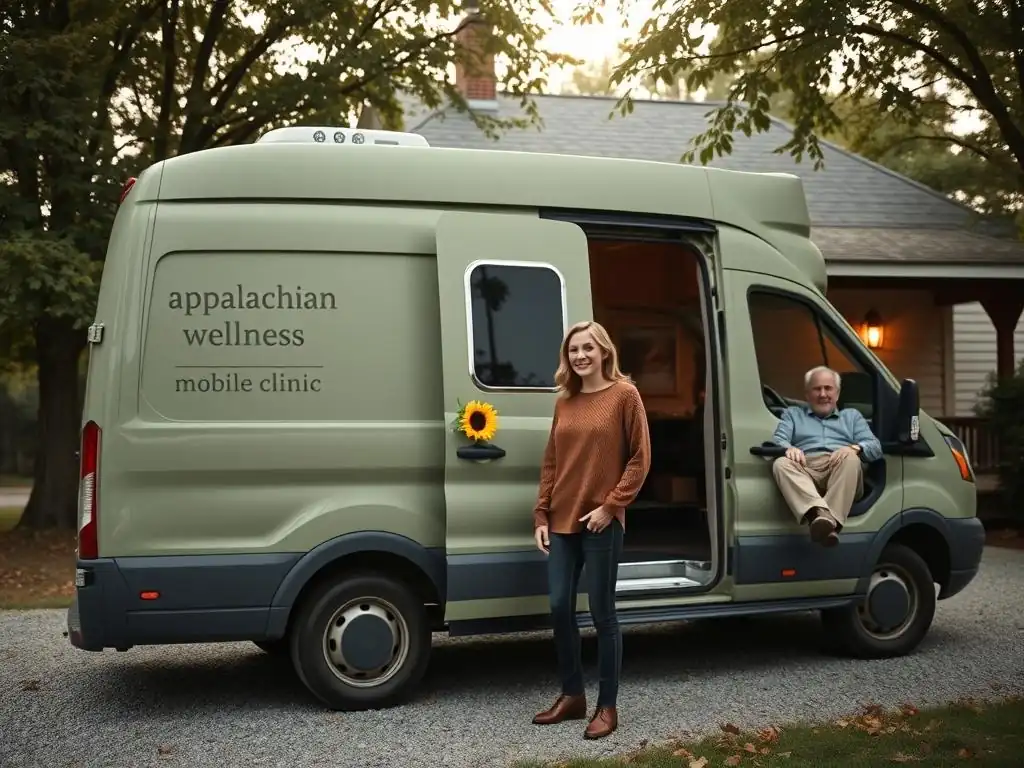
Case Study 1: The Clinch Valley Community Action Mobile Health Unit in Southwest Virginia
Clinch Valley Community Action (CVCA), based in Tazewell, Virginia, operates a mobile health unit that serves residents across several counties in Southwest Virginia, a deeply rural part of Appalachia. While the unit often focuses on primary care services like health screenings, immunizations, and chronic disease management, it frequently integrates mental health components or provides direct referrals to mental health services offered by CVCA or partner organizations.
The mobile unit travels to scheduled sites in underserved communities, including remote mountain hollows and small towns that lack local clinics. For example, the unit might visit a community center in Buchanan County on a specific day each month, providing a local point of access for residents who would otherwise need to drive significant distances to reach the main clinic in Tazewell or Richlands.
The impact of CVCA's mobile unit extends beyond just physical health. By being present in the community, the unit's staff build rapport with residents, making them more comfortable discussing various health concerns, including mental health. Staff are trained to identify signs of mental distress and can provide brief interventions or warm handoffs to mental health counselors or case managers available either on the unit (if staffed that day) or through referral pathways.
While precise mental health visit data for the mobile unit is not always publicly segmented, the unit serves hundreds of residents annually across its service area. Its consistent presence helps reduce the geographic barrier to all health services, including mental health, acting as a vital, albeit sometimes indirect, Remote mental health access clinics point by connecting individuals in isolated areas with the care network.
Case Study 2: The Kentucky River Community Care Outreach Program
Kentucky River Community Care (KRCC) is a large community mental health center serving eight counties in the mountainous eastern Kentucky region of Appalachia. KRCC operates numerous outreach programs designed to connect with residents in their homes, schools, and communities, particularly those who are unable or unlikely to access traditional clinic services.
One example involves crisis outreach teams that respond directly to individuals experiencing mental health crises in the community, often working closely with local law enforcement or emergency services. Another facet of their outreach includes school-based services, where therapists and case managers work directly within schools to provide counseling and support to students and families, addressing mental health needs early and in a familiar setting.
KRCC's outreach efforts are deeply embedded in the community fabric. For instance, they might participate in local disaster relief efforts following floods or other natural disasters common in the region, providing psychological first aid and connecting affected individuals with ongoing support. Community health workers employed by KRCC or partner agencies conduct home visits to check on individuals with serious mental illness, ensuring they are connected to care and resources.
These proactive engagements help build trust, reduce isolation, and ensure that individuals who might fall through the cracks of traditional care are identified and supported. While specific numbers vary by program, KRCC's various outreach initiatives collectively reach thousands of individuals annually across their large service area, serving as essential Remote mental health access clinics by bringing support directly to where people live and experience their lives.
Lessons Learned from Implementing Rural Appalachian Mental Health Solutions
Implementing mobile clinic and outreach programs in rural Appalachia offers several key lessons. First, community buy-in and collaboration are paramount. Programs that succeed are those that work closely with local leaders, organizations, and residents, ensuring services are tailored to local needs and delivered in a culturally sensitive manner. Second, flexibility and adaptability are essential; schedules and services must be responsive to the unique challenges and opportunities of the specific communities being served, accounting for factors like weather, local events, and community preferences.
Another crucial lesson is the need for sustainable, diversified funding and robust data collection to demonstrate impact. The operational costs and funding uncertainties require constant attention and advocacy. Finally, the importance of a dedicated, well-trained staff cannot be overstated.
Staff working in mobile and outreach settings face unique demands and require specific skills, including cultural competence, crisis de-escalation, and the ability to work autonomously while remaining connected to a larger support system. These programs highlight that effective Remote mental health access clinics in challenging geographies require more than just a vehicle; they need strong community partnerships, flexible operations, secure funding, and a compassionate, skilled team.
Measuring the Impact: Evaluating the Effectiveness of Geographic Solutions in Appalachia
Key Performance Indicators (KPIs) for Mobile Clinics and Outreach Programs
Measuring the effectiveness of mobile clinic and outreach programs in rural Appalachia requires tracking specific Key Performance Indicators (KPIs) that reflect their unique goals and operational models. Unlike traditional clinics that might focus solely on appointment volume, mobile and outreach KPIs should emphasize reach and engagement with underserved populations. Relevant metrics include the number of individuals contacted or screened through outreach efforts, the number of new patients accessing services via the mobile unit or outreach referral, the number of visits provided (including follow-up rates), and the geographic areas covered.
Other critical KPIs relate to the impact on access barriers. This could involve estimating the reduction in travel time or distance for patients using the mobile unit compared to accessing the nearest traditional clinic, or tracking the percentage of individuals reached who were previously unconnected to mental health services.
Outcome-focused KPIs, though sometimes harder to measure in mobile settings, are also important, such as reported improvements in mental health symptoms (using brief screening tools), reductions in crisis events or hospitalizations among program participants, and patient satisfaction with the accessibility and quality of services provided by these Remote mental health access clinics.
Data Collection and Analysis in Rural Appalachian Mental Health Settings
Effective data collection and analysis are vital for evaluating program performance, demonstrating impact, and informing continuous improvement in rural Appalachian mental health settings. Mobile and outreach environments present unique challenges for data collection compared to fixed-site clinics. Staff may need to use portable electronic devices, paper forms that are later digitized, or rely on cellular/satellite connectivity for real-time data entry. Ensuring data accuracy, completeness, and security across various locations and potentially disconnected environments requires careful planning and robust systems.
Analyzing the collected data allows programs to understand who they are reaching, what services are most utilized, which communities have the greatest needs, and whether interventions are leading to desired outcomes. For example, analyzing visit data by location can help optimize mobile unit routes and schedules. Tracking referral sources can highlight effective outreach strategies.
Outcome data, even if based on self-report screenings, can provide valuable insights into the program's therapeutic effectiveness. This data is essential not only for internal program management but also for reporting to funders and advocating for the value of investing in Remote mental health access clinics and outreach in rural areas.
Demonstrating the Value of Investing in Rural Appalachian Mental Health Access
Demonstrating the value of investing in mobile clinic and outreach programs is crucial for securing ongoing funding and support. This involves translating the collected data into a compelling narrative about the program's impact on individual lives and the broader community. Highlighting stories of individuals who accessed life-changing care through the program, alongside quantitative data on reach and outcomes, can powerfully illustrate the human impact. Furthermore, demonstrating cost-effectiveness is often persuasive for policymakers and funders.
Programs can show value by highlighting how their services prevent more expensive interventions. For example, providing timely crisis intervention through outreach or mobile units can reduce the need for costly emergency room visits or inpatient hospitalizations. Connecting individuals with early intervention and ongoing care can prevent the escalation of mental health conditions, reducing long-term healthcare costs and improving productivity. By effectively communicating their reach, impact on access barriers, positive outcomes, and potential cost savings, programs operating Remote mental health access clinics in Appalachia can build a strong case for continued and expanded investment in rural mental healthcare.
The Future of Rural Appalachian Mental Health Access: Innovation and Expansion
Emerging Technologies for Improving Rural Appalachian Mental Healthcare
The future of rural Appalachian mental healthcare access will likely involve leveraging emerging technologies to enhance the capabilities of mobile clinics and outreach. Advancements in satellite internet and 5G cellular technology promise more reliable connectivity even in the most remote areas, improving the feasibility of real-time telehealth consultations and secure data exchange on mobile units. Portable diagnostic tools and remote monitoring devices could potentially allow for more comprehensive assessments and care management outside of traditional clinic settings.
Furthermore, innovation in digital mental health tools, such as mobile apps for symptom tracking, mindfulness exercises, or virtual support groups, can complement in-person and telehealth services. While digital literacy and internet access remain challenges for some, outreach efforts can help bridge this gap by providing training and access points. AI-powered tools might assist clinicians with administrative tasks or even provide preliminary symptom assessment (though clinical judgment remains paramount). As technology evolves, it offers promising avenues for expanding the reach and sophistication of Remote mental health access clinics and outreach efforts in Appalachia.
Policy Recommendations for Expanding Access to Mental Health Services in Rural Appalachia
Expanding access to mental health services in rural Appalachia requires supportive policy changes at both state and federal levels. Key recommendations include increasing dedicated funding streams specifically for rural and mobile mental health services, recognizing the higher operational costs associated with these models. Policies should also incentivize mental health professionals to practice in rural areas through loan forgiveness programs, scholarships, and rural practice stipends.
Expanding telehealth parity laws to ensure equitable reimbursement for a wide range of mental health services delivered via telehealth is crucial, especially as mobile units increasingly integrate this capability. Addressing the digital divide by investing in broadband infrastructure expansion in rural areas is a foundational need for leveraging technology.
Policies that support integrated care models, encouraging collaboration between primary care and mental health providers (including mobile units and outreach teams), can also improve access and coordination. These policy shifts are essential to create a more supportive environment for the growth and sustainability of Remote mental health access clinics and outreach initiatives.
Creating a More Equitable and Accessible Mental Healthcare System in Appalachia
Ultimately, the goal is to create a more equitable and accessible mental healthcare system for all residents of Appalachia, regardless of where they live or their socioeconomic status. Mobile clinics and outreach programs are vital components of this vision, directly addressing the geographic and social barriers that have historically left many underserved. By bringing services into communities, building trust through proactive engagement, and leveraging technology, these initiatives are transforming the landscape of mental healthcare access in the region.
Achieving true equity requires sustained investment, innovative approaches, and a deep commitment to understanding and respecting Appalachian communities. It involves not only providing clinical services but also addressing the social determinants of health that impact mental well-being, such as poverty, education, and employment. As Remote mental health access clinics on wheels and dedicated outreach teams continue to evolve and expand, they hold immense potential to ensure that every individual in Appalachia has the opportunity to access the mental health support they need to thrive.
Frequently Asked Questions
How do mobile mental health clinics address the geographic barriers to care?
Mobile clinics bring mental health services directly to underserved communities and remote locations. This eliminates the need for individuals to travel long distances, improving access to care.
What are the key benefits of using a mobile clinic for mental health support, instead of relying on traditional clinics?
Mobile clinics offer convenience and flexibility, reaching individuals who may be unable to access traditional clinics due to transportation issues, financial constraints, or stigma. They can also establish trust within communities.
What types of mental health services are typically offered through remote access clinics?
These clinics generally provide a range of services including mental health assessments, therapy sessions, medication management, and crisis intervention, all delivered with a focus on remote populations.
How do remote mental health access clinics ensure the privacy and security of patient information?
Clinics utilize secure telehealth platforms and adhere to strict HIPAA guidelines to protect patient data. Encryption and data protection are crucial aspects of their operations.
What resources are available to help individuals find remote mental health access clinics in their area?
The Mind Care Guide website, along with online directories and local health departments, can provide information on available clinics. Community outreach programs also often offer assistance.
Final Reflection: Bridging the Gap to Mental Wellness
The urgent need for accessible mental healthcare, especially in remote communities, is no longer a niche concern; it's a critical component of equitable healthcare delivery. The lack of access disproportionately affects vulnerable populations, exacerbating existing health disparities and hindering overall well-being. This reality demands innovative solutions, and mobile clinics represent a powerful step towards bridging this gap.
The transformative potential of mobile mental health clinics extends far beyond simply providing services; they are agents of change, fostering trust and breaking down barriers within isolated communities. These clinics create a safe and familiar space, often overcoming the stigma associated with mental health treatment. They demonstrate a commitment to those often overlooked, a commitment that resonates deeply. The greatest barrier to mental health care is not the lack of services, but the lack of access.
This quote highlights the core issue addressed by the innovative approach of mobile clinics.
Consider the impact you can have. You can advocate for increased funding and support for mobile mental health initiatives in your community. You can volunteer your time or skills to assist these vital programs. More importantly, you can help spread awareness, fostering a culture of understanding and support for mental health, regardless of location. Let's work together to ensure that mental wellness is accessible to everyone, everywhere.
Unleash Better Healthcare Access: Take Action Today!
Thanks for exploring the vital role of mobile clinics and outreach programs in expanding healthcare access to remote communities! You've gained valuable insights into innovative solutions for bridging the healthcare gap. Now, let's put that knowledge to work.
- Champion accessible healthcare: Share this article with your networks to spread awareness and inspire action in your community. This could spark crucial conversations and support for similar initiatives.
- Research local programs: Find out what mobile clinics or outreach programs are already operating near you and how you can contribute, whether through volunteering, donations, or simply spreading the word.
- Start a conversation: What innovative ideas do you have for improving healthcare access in underserved areas? Share your thoughts in the comments below – let's collaborate on solutions!
What small step can you take today to contribute to a more equitable and accessible healthcare system?