
Nurturing Your Wellbeing: Essential SelfCare for Panic Disorder.

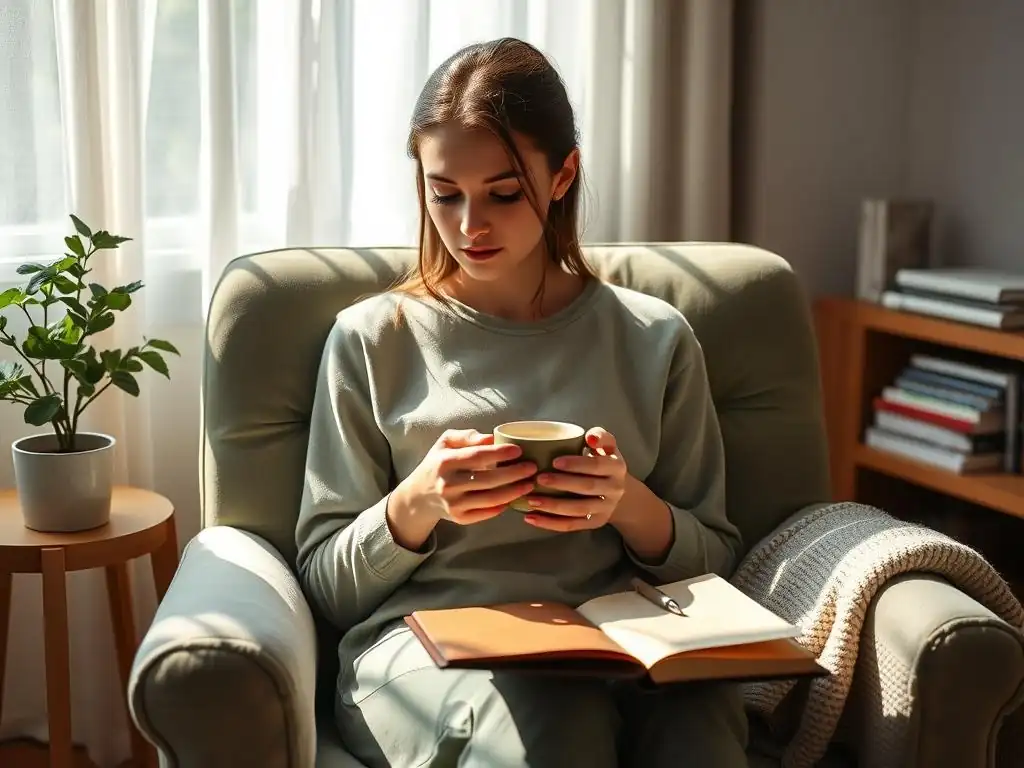
Welcome to Mind Care Guide, a space dedicated to nurturing your mental well-being.
Feeling overwhelmed by panic? You're not alone. Discover essential panic disorder selfcare strategies designed to empower you and bring a sense of calm back into your life. We understand the challenges you face, and we're here to guide you. Curious how to regain control and find moments of peace amidst the storm? Let's explore together.
Managing Panic Disorder: A Self-Care Guide
- Understanding Panic Disorder and Self-Care
- Self-Care Strategies for Panic Disorder
- Identifying and Managing Triggers
- Building a Support System
- Lifestyle Adjustments
- Seeking Professional Help
- Maintaining Long-Term Wellbeing
- Resources for Panic Disorder and Mental Health
-
Frequently Asked Questions
- What are some effective self-care strategies for managing panic disorder?
- How can I identify the triggers that lead to my panic attacks?
- What role does physical activity play in reducing panic disorder symptoms?
- Are there any dietary changes that can help manage panic disorder?
- When should I seek professional help for my panic disorder?
- Final Reflection: Cultivating Resilience Through Self-Care
- Unlock Your Calm: Start Your Self-Care Journey Today
Understanding Panic Disorder and Self-Care
Recognizing Panic Disorder Symptoms
Panic disorder is characterized by recurrent, unexpected panic attacks. These episodes involve intense fear or discomfort that reaches a peak within minutes and includes a range of physical and cognitive symptoms. Common physical signs include a racing heart (palpitations), sweating, trembling or shaking, sensations of shortness of breath or smothering, chest pain, nausea, dizziness, lightheadedness, or faintness, chills or heat sensations, and numbness or tingling sensations. Many individuals also experience derealization (feelings of unreality) or depersonalization (being detached from oneself).
Beyond the physical symptoms during an attack, recognizing panic disorder involves the persistent worry about having more attacks or about the implications of the attack (e.g., losing control, having a heart attack, or "going crazy"). This worry often leads to a significant change in behavior aimed at avoiding situations where panic attacks might occur or where help might not be available.
According to data from the National Institute of Mental Health (NIMH), panic disorder affects an estimated 2-3% of U.S. adults in a given year, highlighting its prevalence and the importance of effective management, including robust panic disorder selfcare strategies.
The Importance of Self-Care in Panic Disorder Management
While professional treatment is often essential for managing panic disorder, incorporating self-care practices is a fundamental component of long-term recovery and symptom reduction. Self-care involves actively taking steps to improve your physical, mental, and emotional health. For individuals with panic disorder, effective panic disorder selfcare strategies can help reduce the frequency and intensity of panic attacks, decrease anticipatory anxiety, and improve overall quality of life.
Engaging in self-care provides individuals with a sense of agency and control over their condition, which can be particularly empowering when dealing with unpredictable panic attacks. Simple yet consistent actions like maintaining a healthy lifestyle, practicing relaxation techniques, and identifying triggers contribute significantly to managing symptoms. Research indicates that individuals who actively participate in their own care report better outcomes and a greater sense of well-being compared to those who rely solely on external treatments. Implementing these personal panic disorder selfcare strategies is not a luxury, but a necessity for finding stability.
The Connection Between Panic Attacks and Overall Wellbeing
Panic attacks are not isolated events; they significantly impact an individual's overall wellbeing. The unpredictable nature of attacks can lead to chronic stress, anxiety, and a constant state of hypervigilance, where the person is always on guard for the next episode. This persistent state of anxiety can negatively affect sleep quality, energy levels, concentration, and physical health, sometimes manifesting as tension headaches or digestive issues.
Furthermore, the fear of having panic attacks often leads to avoidance behaviors, where individuals may withdraw from social activities, work, or daily routines. This social isolation can exacerbate feelings of depression and loneliness, creating a cycle where anxiety fuels isolation, and isolation fuels anxiety. Addressing panic disorder through comprehensive panic disorder selfcare strategies, alongside professional help, is crucial not only for reducing panic attacks but also for restoring physical health, rebuilding social connections, and reclaiming a life not dominated by fear.
Self-Care Strategies for Panic Disorder
Immediate Relief: Grounding Techniques
When a panic attack strikes, the world can feel unreal and overwhelming. Grounding techniques are powerful panic disorder selfcare strategies designed to bring you back to the present moment and connect you with your surroundings, helping to interrupt the cycle of escalating fear and physical symptoms. These techniques focus on engaging your senses and rational mind to counteract the feeling of losing control.
The goal is simple: shift your focus from the internal physical sensations and fearful thoughts to the external world. Practicing these techniques regularly, even when not experiencing panic, can make them more effective when you need them most. They provide an immediate, accessible tool in your panic disorder selfcare toolkit, offering a sense of stability during moments of intense distress.
The 5-4-3-2-1 Grounding Exercise
The 5-4-3-2-1 technique is a widely used grounding exercise that systematically engages your senses to anchor you in the present. It involves identifying:
- 5 things you can see
- 4 things you can touch or feel
- 3 things you can hear
- 2 things you can smell
- 1 thing you can taste
As you identify each item, take a moment to really focus on it. For example, when identifying 5 things you can see, don't just list them – observe their colors, shapes, and textures. This deliberate focus on sensory details helps pull your mind away from anxious thoughts and into the concrete reality of your environment. Practicing this simple exercise can be a surprisingly effective panic disorder selfcare strategy during an attack.
Diaphragmatic Breathing Exercises
Shallow, rapid breathing is a common symptom of panic attacks, often contributing to feelings of dizziness and shortness of breath. Diaphragmatic, or deep belly breathing, is a calming technique that can help regulate your nervous system and reduce these physical symptoms. It involves breathing deeply into your abdomen rather than your chest.
To practice: Sit or lie down comfortably. Place one hand on your chest and the other on your belly. Inhale slowly through your nose, feeling your belly rise as you fill your diaphragm with air. Keep your chest relatively still.
Exhale slowly through your mouth, letting your belly fall. Repeat this process, focusing on the sensation of your breath entering and leaving your body, for several minutes. Aim for a slow, steady rhythm, perhaps inhaling for a count of four and exhaling for a count of six. Regularly incorporating this into your daily routine, even when calm, can strengthen its effectiveness as a panic disorder selfcare strategy during stressful moments.
Sensory Input for Regaining Control
Engaging your senses directly can be a powerful way to interrupt the disconnect experienced during a panic attack. This involves actively seeking out sensory input that is grounding or calming. Examples include holding a cold object (like an ice pack or a cold drink can), focusing intently on the texture of a piece of fabric, smelling a strong, pleasant scent (like lavender essential oil or a favorite perfume), or listening to calming music or the ambient sounds around you.
Another technique is to simply focus on the physical sensations in your body that are not related to panic, such as the feeling of your feet on the floor or the chair beneath you. This deliberate attention to neutral physical sensations can help shift your focus away from the overwhelming symptoms of the panic attack and back towards a sense of physical presence and reality. These simple sensory interventions are accessible panic disorder selfcare strategies you can deploy instantly.
Long-Term Self-Care Practices
While immediate techniques help during an attack, consistent long-term self-care practices are vital for reducing the overall frequency and severity of panic disorder symptoms. These practices build resilience, improve physical health, and create a stable foundation that makes you less susceptible to panic triggers. They require consistent effort but yield significant benefits over time.
Integrating these habits into your daily or weekly routine is key. Think of them as preventative measures that strengthen your ability to manage anxiety and stress. Developing these healthy habits forms the backbone of effective panic disorder selfcare strategies, empowering you to live a fuller life with fewer disruptions from panic.
Establishing a Consistent Sleep Schedule
Sleep deprivation and irregular sleep patterns can significantly exacerbate anxiety and increase the likelihood of panic attacks. Aiming for 7-9 hours of quality sleep per night and maintaining a consistent sleep schedule – going to bed and waking up around the same time each day, even on weekends – helps regulate your body's internal clock and can improve mood and stress resilience.
Creating a relaxing bedtime routine can also signal to your body that it's time to wind down. This might include taking a warm bath, reading a book, listening to calming music, or practicing gentle stretching. Avoiding caffeine and heavy meals close to bedtime, and ensuring your bedroom is dark, quiet, and cool, are also crucial steps towards better sleep hygiene, a critical element of panic disorder selfcare strategies.
Nutrition and its Role in Managing Panic Symptoms
What you eat can influence your mood and anxiety levels. While nutrition isn't a cure for panic disorder, making mindful dietary choices can support your mental well-being. Balancing blood sugar levels is important; avoiding excessive sugar and refined carbohydrates can prevent energy crashes and mood swings that might trigger anxiety.
Focus on a diet rich in whole foods: fruits, vegetables, lean proteins, and healthy fats. Some nutrients are particularly beneficial, such as omega-3 fatty acids (found in fish and flaxseed) which are linked to improved mood, and complex carbohydrates (like whole grains) which can have a calming effect. Limiting stimulants like caffeine and alcohol is also often recommended, as they can mimic or intensify panic symptoms. Mindful eating is a supportive element of panic disorder selfcare strategies.
Exercise and its Impact on Panic Attack Frequency
Regular physical activity is a powerful tool for managing anxiety and reducing the frequency of panic attacks. Exercise releases endorphins, which are natural mood boosters and stress reducers. It can also help regulate breathing, reduce muscle tension, and provide a healthy outlet for nervous energy.
Aim for at least 30 minutes of moderate-intensity exercise most days of the week. This could include brisk walking, jogging, swimming, cycling, or dancing. Even shorter bursts of activity can be beneficial. Finding an activity you enjoy makes it easier to stick with it consistently. Exercise is a cornerstone among effective panic disorder selfcare strategies, offering both physical and psychological benefits.
Mindfulness and Meditation
Mindfulness and meditation are practices that involve focusing your attention on the present moment without judgment. They can be incredibly helpful in managing anxiety and panic disorder by training your mind to observe thoughts and sensations without getting swept away by them. Regular practice can reduce overall stress levels and build resilience against panic attacks.
These techniques teach you to become more aware of your internal state – your thoughts, feelings, and bodily sensations – in a calm, detached manner. This awareness can help you identify early signs of anxiety or panic and apply coping mechanisms before symptoms escalate. Incorporating mindfulness is a core component of many effective panic disorder selfcare strategies.
Mindfulness for Reducing Anxiety Triggers
Mindfulness helps you become more aware of your thoughts, feelings, and physical sensations as they arise, without immediately reacting to them. This heightened awareness can help you identify potential anxiety triggers more quickly and understand the patterns of your panic attacks. For example, you might notice that certain thoughts or physical sensations consistently precede a panic attack.
By observing these triggers mindfully, you can create space between the trigger and your reaction. Instead of automatically spiraling into fear, you can choose to employ a grounding technique or challenge a negative thought. Regular mindfulness practice helps train your brain to respond to anxious feelings with greater calm and clarity, making it an invaluable part of panic disorder selfcare strategies.
Guided Meditation for Panic Disorder
Guided meditation involves being led through a meditation practice by a teacher, recording, or app. This can be particularly helpful for beginners or when feeling overwhelmed, as it provides structure and direction. Many guided meditations are specifically designed for anxiety or panic, focusing on techniques like body scans, breath awareness, or calming visualizations.
During a guided meditation focused on panic, you might be encouraged to notice physical sensations without judgment, practice deep breathing, or visualize a safe space. The guidance helps keep your mind from wandering and provides a supportive voice during moments of distress. Accessing guided meditations is an accessible and effective panic disorder selfcare strategy.
CBT Techniques for Self-Care
Cognitive Behavioral Therapy (CBT) is a highly effective form of psychotherapy for panic disorder, but many of its core techniques can be adapted and used as powerful self-care tools. CBT helps individuals identify and challenge negative thought patterns and behaviors that contribute to anxiety and panic. Learning these techniques empowers you to become your own therapist in many situations.
Applying CBT principles in your daily life involves actively working to change how you think about and react to situations that trigger anxiety or panic. It's about developing new, healthier coping mechanisms. Integrating these principles is a sophisticated layer of panic disorder selfcare strategies.
Identifying and Challenging Negative Thoughts
Panic disorder is often accompanied by catastrophic thinking – believing the worst possible outcome will occur (e.g., "I'm having a heart attack," "I'm going to lose control and embarrass myself," "I'm going crazy"). Identifying these automatic negative thoughts (ANTs) is the first step. Keep a thought record, noting down the situation, the thought, the feeling, and the behavior.
Once identified, challenge the thought. Ask yourself:
- What is the evidence for this thought?
- What is the evidence against this thought?
- What is a more realistic or balanced perspective?
- What would I tell a friend in this situation?
By systematically examining the evidence, you can reduce the believability of the negative thought and replace it with a more rational one. This practice, derived from CBT, is a crucial panic disorder selfcare strategy for managing the cognitive component of panic.
Exposure Therapy: Facing Fears
Exposure therapy, a core component of CBT, involves gradually and safely exposing yourself to the situations or physical sensations you fear and avoid. The principle is that by confronting your fears in a controlled way, you learn that the feared outcome doesn't happen or that you can tolerate the discomfort. For panic disorder, this might involve interoceptive exposure (triggering physical sensations similar to panic, like spinning to induce dizziness) or situational exposure (gradually entering places you avoid, like crowded stores).
This is often best done with a therapist initially, but understanding the principles allows for self-guided practice once comfortable. Start small – if you fear public transport, perhaps just stand near a bus stop for a few minutes. Gradually increase the challenge over time. This process, while challenging, is a powerful panic disorder selfcare strategy for overcoming avoidance and reducing the power of fear.
Creating a Panic Attack Toolkit
Having a physical or digital toolkit with items and reminders that can help you cope during a panic attack can provide a tangible sense of preparedness and control. This toolkit is a collection of immediate panic disorder selfcare strategies and comforting items readily available when you need them most.
Customize your toolkit to include things that personally help you feel grounded, calm, or distracted. Keeping it easily accessible, perhaps in a bag you carry daily or a specific spot at home, ensures you can reach for it quickly when symptoms begin to escalate.
Essential Items for Your Toolkit
What you include is personal, but common items often found in a panic attack toolkit include:
- A small bottle of water (sipping water can be grounding)
- A strong-smelling item, like a small vial of essential oil (e.g., lavender, peppermint) or a strongly scented hand lotion
- A smooth stone or small object to hold and focus on its texture
- A list of grounding exercises or coping statements written on a card
- Headphones to listen to calming music or a guided meditation
- A stress ball or fidget toy
- A photo of a loved one or a peaceful place
- Chewing gum or a sour candy (intense taste can be grounding)
Consider keeping a smaller version in your wallet or pocket if space is limited. These items serve as anchors to the present moment.
Using Your Toolkit During a Panic Attack
When you feel a panic attack starting, reach for your toolkit. Don't wait until the symptoms are at their peak. Choose one or two items or techniques from your toolkit and focus on them. For example, if you feel dizzy, try the 5-4-3-2-1 exercise. If your heart is racing, focus on deep breathing using reminders from your card.
The act of consciously choosing a tool and engaging with it helps shift your focus away from the panic and towards a deliberate action. Remind yourself that this is temporary and you have resources to help you get through it. Utilizing your toolkit effectively is a practical application of panic disorder selfcare strategies in real-time.
Identifying and Managing Triggers
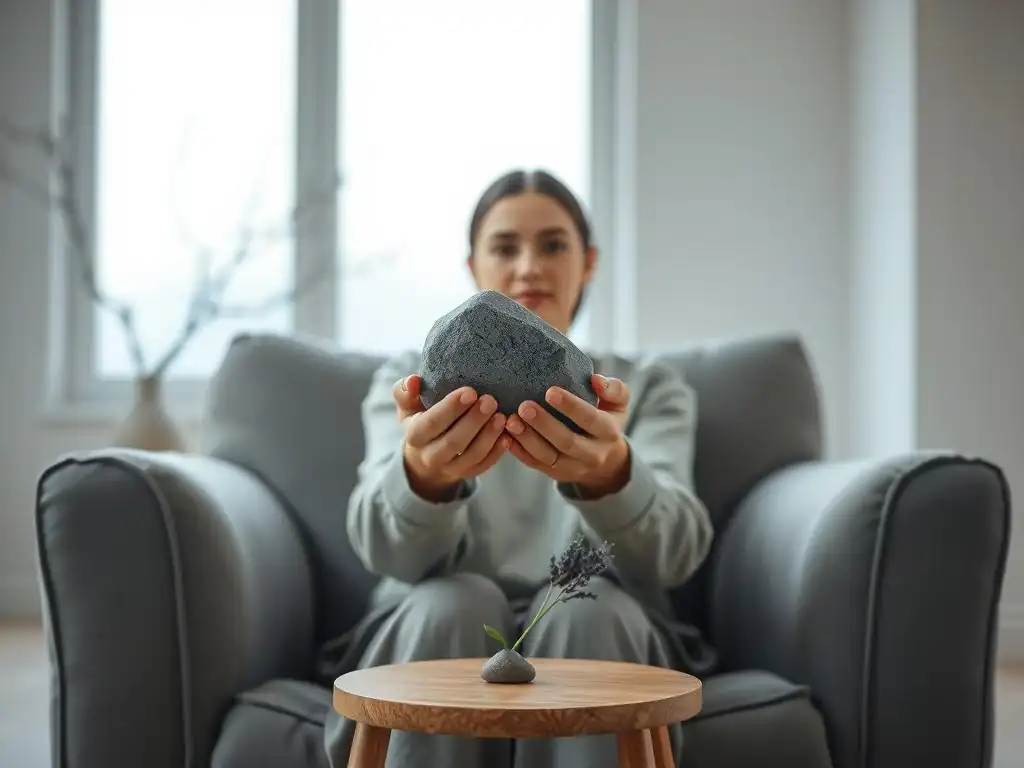
Understanding what sets off your panic attacks is a critical step in managing the condition. While panic attacks can sometimes seem unexpected, they are often linked to specific internal or external triggers. Identifying these triggers allows you to anticipate challenging situations, develop coping strategies, and potentially reduce exposure to preventable triggers.
This process requires self-observation and honesty. It's not about avoiding everything that might trigger anxiety, but about gaining insight and developing proactive panic disorder selfcare strategies to navigate these situations more effectively.
Common Panic Attack Triggers
Triggers vary greatly from person to person, but some are commonly reported. These can include:
- Physiological sensations: Rapid heartbeat (from exercise or caffeine), dizziness, feeling hot, shortness of breath.
- Situational factors: Crowded places, public speaking, driving, being in enclosed spaces (elevators, tunnels), social events, being alone.
- Stressful events: Major life changes (positive or negative), work pressure, conflict, illness.
- Substances: Caffeine, alcohol, nicotine, certain medications, recreational drugs.
- Emotional states: Intense emotions like anger, sadness, or even excitement.
- Specific thoughts: Worrying about health, fearing loss of control, negative self-talk.
Recognizing these patterns in your own experience is the first step in applying targeted panic disorder selfcare strategies.
Tracking Triggers and Symptoms with a Journal
A powerful way to identify your specific triggers is to keep a journal. After each panic attack or significant period of anxiety, write down:
- The date and time
- Where you were and what you were doing
- What you were thinking and feeling emotionally
- What physical sensations you experienced
- What you did to cope
- What you ate or drank beforehand
- How much sleep you got recently
Look for patterns over time. Do your attacks often happen after drinking coffee? Are they linked to specific social situations? Do they occur when you're particularly stressed or tired? This data provides valuable insights that inform your panic disorder selfcare strategies and can also be helpful information to share with a therapist.
Developing Coping Mechanisms for Specific Triggers
Once you've identified your triggers, you can develop specific coping mechanisms for each. This isn't about avoiding triggers entirely (which can lead to further anxiety and avoidance), but about learning to face them with prepared strategies.
If caffeine is a trigger, for example, gradually reduce your intake. If crowded places are a trigger, practice exposure therapy techniques (starting with less crowded places) or plan visits during off-peak hours, armed with your grounding techniques. If stressful thoughts are triggers, practice challenging negative thoughts using CBT techniques. Having a tailored approach for common triggers is a sophisticated element of panic disorder selfcare strategies.
Building a Support System
Dealing with panic disorder can feel isolating, but connecting with others is a vital part of managing anxiety and improving well-being. A strong support system can provide emotional comfort, practical assistance, and a sense of belonging. You don't have to navigate this alone.
Sharing your experiences with trusted individuals or groups can reduce feelings of shame or embarrassment and provide validation. Knowing you have people to turn to during difficult moments is a significant source of strength and resilience, reinforcing your panic disorder selfcare strategies.
Social support acts as a buffer against stress and anxiety. Having people who listen without judgment, offer encouragement, and understand your struggles can make a significant difference. This support can come from family, friends, partners, colleagues, or mental health professionals.
Simply talking about your feelings can help process them and reduce their intensity. Loved ones can also learn to recognize the signs of a panic attack and assist you by staying calm and guiding you through coping techniques if you feel overwhelmed. Nurturing these relationships is a crucial, often overlooked, aspect of panic disorder selfcare strategies.
Support Groups and Online Forums
Connecting with others who have similar experiences can be incredibly validating and empowering. Support groups, whether in-person or online, offer a safe space to share stories, learn from others' coping strategies, and feel understood by people who genuinely "get it."
Organizations dedicated to anxiety and depression often host local support groups. Online forums and communities can provide 24/7 access to support and information, although it's important to choose reputable sources. Hearing how others successfully implement panic disorder selfcare strategies or overcome challenges can provide hope and practical tips.
Communicating with Loved Ones
Open and honest communication with your family and friends is key. Explain what panic disorder is, what a panic attack feels like for you, and how they can best support you. Help them understand that it's a real medical condition, not just "nerves" or something you can easily "snap out of."
Prepare them for what might happen if you have an attack in their presence. Let them know if you prefer them to stay with you, help you practice breathing, or give you space. Educating your support network empowers them to be truly helpful and strengthens your relationships, making communication a vital piece of your panic disorder selfcare strategies.
Lifestyle Adjustments
Making certain lifestyle adjustments can have a profound impact on reducing overall anxiety levels and decreasing the frequency and intensity of panic attacks. While these changes might seem simple, their cumulative effect on your nervous system and mental state can be significant. These adjustments are foundational panic disorder selfcare strategies that support long-term well-being.
These aren't about drastic overhauls but rather mindful choices about daily habits. Implementing these changes gradually can make them more sustainable and less overwhelming.
Reducing Caffeine and Alcohol
Both caffeine and alcohol can significantly impact anxiety and panic symptoms. Caffeine is a stimulant that can mimic the physical symptoms of a panic attack, such as increased heart rate, jitters, and nervousness. Many people with panic disorder find that reducing or eliminating caffeine intake (including coffee, tea, soda, and energy drinks) leads to a noticeable decrease in anxiety.
Alcohol, while initially seeming to reduce anxiety, is a depressant that can disrupt sleep and worsen anxiety in the long run, particularly as its effects wear off. It can also interfere with the effectiveness of medications. Many individuals find that limiting or avoiding alcohol helps stabilize their mood and reduce panic vulnerability, making this a common and effective panic disorder selfcare strategy.
Quitting Smoking and its Impact on Anxiety
Smoking tobacco is often used as a way to cope with stress, but nicotine is a stimulant that can actually increase anxiety and tension. Research indicates that smokers are significantly more likely to experience panic attacks and panic disorder compared to non-smokers. The physical effects of smoking, such as shortness of breath, can also trigger panic symptoms.
Quitting smoking can be challenging, but the long-term benefits for both physical and mental health, including reducing anxiety and panic attack frequency, are substantial. Seeking support through cessation programs or nicotine replacement therapy can help. Eliminating smoking is a powerful, though sometimes difficult, panic disorder selfcare strategy.
Limiting Screen Time
Excessive screen time, particularly on social media or before bed, can contribute to increased anxiety and disrupt sleep patterns. Constantly being connected can lead to information overload, social comparison, and difficulty disconnecting from stressors. The blue light emitted by screens can also interfere with melatonin production, making it harder to fall asleep.
Setting boundaries around screen use, such as designating screen-free times (e.g., an hour before bed) or limiting social media consumption, can help reduce mental clutter and promote relaxation. Engaging in non-screen activities like reading, hobbies, or spending time outdoors are healthier alternatives that support mental well-being, serving as valuable panic disorder selfcare strategies.
Seeking Professional Help

While self-care is incredibly important, it is often most effective when used in conjunction with professional treatment. Panic disorder is a recognized medical condition, and evidence-based therapies and sometimes medication can significantly alleviate symptoms and help individuals regain control of their lives. Recognizing when self-care isn't enough and reaching out for professional guidance is a sign of strength.
Mental health professionals are trained to provide tailored diagnosis, treatment plans, and support. They can teach you advanced coping techniques and help you address the underlying factors contributing to your panic disorder, complementing your personal panic disorder selfcare strategies.
Recognizing the Need for Professional Intervention
There are clear signs that professional help may be necessary:
- Panic attacks are frequent or debilitating, significantly impacting your daily life (work, school, social activities).
- You are avoiding situations or places because of the fear of having a panic attack.
- Your anxiety and panic are causing significant distress or affecting your physical health.
- You are experiencing symptoms of depression or contemplating self-harm.
- Self-care strategies alone are not providing sufficient relief.
If you are experiencing any of these, consulting with a doctor or mental health professional is highly recommended. Early intervention can prevent the condition from becoming more entrenched.
Therapy Options: CBT, Exposure Therapy, and More
Psychotherapy, particularly Cognitive Behavioral Therapy (CBT), is considered a first-line treatment for panic disorder. As mentioned earlier, CBT helps identify and change negative thought patterns and behaviors related to panic. Exposure therapy, often a part of CBT, involves gradually confronting feared situations or sensations to reduce avoidance and anxiety.
Other therapeutic approaches that may be helpful include Panic-Focused Psychodynamic Psychotherapy, which explores underlying emotional conflicts, and Acceptance and Commitment Therapy (ACT), which focuses on accepting difficult thoughts and feelings while committing to valued actions. A therapist can help determine the most appropriate therapy for your specific needs, guiding you in applying effective panic disorder selfcare strategies alongside therapy.
Medication Options: Benefits and Risks
Medication can be a helpful tool for some individuals with panic disorder, often used in conjunction with therapy. The most commonly prescribed medications are selective serotonin reuptake inhibitors (SSRIs) and serotonin-norepinephrine reuptake inhibitors (SNRIs), which are antidepressants that can also be effective in reducing anxiety and panic attacks. These typically take several weeks to become fully effective.
In some cases, benzodiazepines may be prescribed for short-term relief of severe panic attacks, but these carry risks of dependence and withdrawal and are generally not recommended for long-term use. Discussing the potential benefits, risks, and side effects of medication with a psychiatrist or prescribing physician is crucial to determine if it's a suitable option for you as part of a comprehensive treatment plan that includes panic disorder selfcare strategies.
Maintaining Long-Term Wellbeing
Managing panic disorder is often an ongoing process, not a one-time fix. Maintaining long-term wellbeing requires consistent effort and commitment to the strategies you've learned and implemented. It's about building a resilient lifestyle that supports your mental health and reduces the likelihood of relapse.
This involves integrating self-care into your routine as a non-negotiable part of your life, not just something you do when you're struggling. Consistency, evaluation, and acknowledging progress are key components of sustainable panic disorder selfcare strategies.
Consistency with Self-Care
Consistency is perhaps the most important factor in long-term management. Regularly practicing deep breathing, maintaining healthy habits, sticking to a sleep schedule, and applying CBT techniques, even when you're feeling well, helps reinforce these positive behaviors and builds resilience. Think of self-care as preventative maintenance for your mental health.
Skipping self-care practices when things are going well can make you more vulnerable when stressors arise. Aim to integrate these habits into your daily or weekly routine so they become second nature. This consistent application is what makes panic disorder selfcare strategies truly effective over time.
Regularly Evaluating Progress
Periodically assess how you are doing. Are you having fewer panic attacks? Are they less intense? Are you avoiding fewer situations? Are you feeling generally less anxious? Reflecting on your progress helps you see what's working and what might need adjustment.
Your panic disorder selfcare strategies might need tweaking over time. Life circumstances change, and what was effective before might need to be adapted. Keep using your journal to track not just symptoms but also your use of coping strategies and how effective they felt. This ongoing evaluation is key to refining your approach.
Celebrating Victories and Resilience
Managing panic disorder takes courage and effort. It's important to acknowledge and celebrate your progress, no matter how small it seems. Did you use a grounding technique successfully during a moment of anxiety? Did you venture into a situation you previously avoided? Did you stick to your sleep schedule for a week?
Recognize your resilience and the steps you've taken towards recovery. Celebrating victories reinforces positive behaviors and provides motivation to continue your efforts. Acknowledging your strength in implementing panic disorder selfcare strategies is vital for maintaining a positive outlook and sustained recovery.
Resources for Panic Disorder and Mental Health
Frequently Asked Questions
What are some effective self-care strategies for managing panic disorder?
Effective strategies include practicing deep breathing exercises, engaging in mindfulness meditation, and establishing a consistent sleep schedule. These help regulate the nervous system and reduce anxiety.
How can I identify the triggers that lead to my panic attacks?
Keeping a panic attack journal is beneficial. Note down the events, thoughts, and feelings leading up to each attack to identify common patterns and triggers. This awareness enables proactive management.
What role does physical activity play in reducing panic disorder symptoms?
Regular exercise releases endorphins, which have mood-boosting effects. Aim for at least 30 minutes of moderate-intensity exercise most days of the week to reduce anxiety and improve overall wellbeing.
Are there any dietary changes that can help manage panic disorder?
Limiting caffeine and alcohol intake is crucial, as they can exacerbate anxiety. Focus on a balanced diet rich in whole foods to stabilize blood sugar levels and support mental health.
When should I seek professional help for my panic disorder?
If self-care strategies are insufficient to manage your symptoms, or if panic attacks significantly impact your daily life, seeking help from a mental health professional is recommended. They can offer therapy and medication options.
Final Reflection: Cultivating Resilience Through Self-Care
The relentless pressure of modern life, coupled with the often-unseen struggles of mental health, makes prioritizing self-care more crucial than ever before. Understanding and implementing effective self-care strategies is not merely a luxury, but a fundamental necessity for navigating the challenges of panic disorder and building a life filled with resilience and joy. This is especially true given the increasing prevalence of anxiety disorders in our society.
The journey of managing panic disorder is deeply personal, a continuous process of learning, adapting, and rediscovering strength within oneself. The strategies discussed—from mindful breathing techniques to establishing healthy boundaries—are not quick fixes, but rather tools to cultivate a more compassionate and supportive relationship with your own mind and body. As the poet Mary Oliver wisely wrote: What is it you plan to do with your one wild and precious life?
This question becomes even more poignant when facing the debilitating effects of panic disorder, urging us to invest in practices that nurture our well-being and allow us to live fully and authentically.
Now, consider the tools and techniques explored within this article. Which resonate most deeply with you? Which are you ready to integrate into your daily routine? Perhaps it's starting with just five minutes of mindful breathing each day, or setting a firm boundary with a stressful situation. The most important step is to begin. Embrace the power of small, consistent actions, celebrate your progress, and remember that you are not alone on this journey. Your well-being is worth the effort, and the rewards of a calmer, more fulfilling life are immeasurable.
Unlock Your Calm: Start Your Self-Care Journey Today
Thanks for taking the time to explore essential self-care strategies for managing panic disorder. We hope you found valuable insights to help you on your path to wellbeing. Now it's time to put these ideas into action!
- Prioritize one self-care activity from the article this week. Even 15 minutes dedicated to mindful breathing or a relaxing bath can make a difference. This is your starting point!
- Share this article with someone who might benefit. Connecting with others facing similar challenges can create a powerful support network.
- Explore a new relaxation technique. Try searching for guided meditations specifically designed for panic disorder—there are many amazing resources available!
Ready to take that first step towards a calmer, more confident you? What small act of self-care will you prioritize this week?