
HRV and the Autonomic Nervous System: A Stress Connection


Welcome to Mind Care Guide, where we understand the intricate connection between your mind and body. Feeling overwhelmed by stress? Dive into our comprehensive exploration of Heart Rate Variability Stress Management and unlock the power of understanding your autonomic nervous system. Discover how wearable tech can provide valuable insights and practical strategies to reclaim your well-being. Let's embark on this journey to a calmer, more resilient you.
HRV and the Autonomic Nervous System: A Stress Connection
- Understanding Heart Rate Variability (HRV) for Stress Management
- How Stress Impacts Heart Rate Variability: The Science Explained
- Measuring Your HRV: Tools and Techniques for Stress Tracking
- Improving Heart Rate Variability: Practical Strategies for Stress Reduction
- Case Studies: Real-World Examples of HRV and Stress Management
- Interpreting Your HRV Data: What Do the Numbers Mean?
- The Future of HRV and Stress Management: Emerging Technologies and Research
- Conclusion: Harnessing the Power of HRV for a Healthier, Less Stressed Life
-
Frequently Asked Questions
- How does Heart Rate Variability (HRV) relate to stress management?
- What is the Autonomic Nervous System (ANS) and what role does it play in HRV?
- Can I improve my HRV through specific practices?
- How can I measure my Heart Rate Variability (HRV)?
- What should I do if my HRV consistently shows low variability?
- Final Reflection: Unraveling the Heart's Wisdom: HRV and Stress Management
- Unlock Your Inner Calm: Take Control of Your Stress Response
Understanding Heart Rate Variability (HRV) for Stress Management
What is Heart Rate Variability (HRV) and Why Does It Matter for Mental Well-being?
Heart Rate Variability (HRV) refers to the natural fluctuation in the time interval between consecutive heartbeats. While your heart rate might average 60 beats per minute, the precise time between each beat isn't a constant 1.0 seconds. It might be 0.95 seconds between two beats, then 1.08 seconds between the next two. This seemingly chaotic variation is actually a sign of a healthy, adaptable nervous system.
A higher HRV generally indicates that your body is better able to respond to challenges, whether physical or psychological, and bounce back more effectively. Conversely, a lower HRV is often associated with chronic stress, anxiety, and an increased risk of various health issues. Understanding and tracking your HRV can offer powerful insights into your body's stress response and overall resilience.
The significance of HRV for mental well-being lies in its direct reflection of the balance within your autonomic nervous system. When your HRV is high, it suggests your parasympathetic nervous system, responsible for "rest and digest," is active and can readily respond to signals. This state is conducive to calm, focus, and recovery.
Research consistently links higher HRV with better emotional regulation, reduced symptoms of depression and anxiety, and enhanced cognitive function. For example, studies involving young adults have shown that those with higher baseline HRV tend to report lower levels of perceived stress and greater emotional resilience when facing academic pressures compared to peers with lower HRV. This metric provides a tangible, objective measure of your internal state that complements subjective feelings about stress levels.
The Connection Between HRV, Stress, and the Autonomic Nervous System (ANS)
The autonomic nervous system (ANS) is the control center for many of your body's involuntary functions, including heart rate, digestion, respiration, and blood pressure. It's divided into two main branches: the sympathetic nervous system (SNS) and the parasympathetic nervous system (PNS). The SNS is your "fight or flight" system, preparing your body for action in response to perceived threats. The PNS is your "rest and digest" system, promoting relaxation, recovery, and energy conservation.
HRV is a direct window into the dynamic interplay between these two branches. When you are relaxed and safe, the PNS generally has more influence, leading to greater variability in heartbeats. When you are stressed or facing a challenge, the SNS becomes more dominant, suppressing the PNS and reducing HRV as the heart rate becomes more regular to meet the perceived demand.
Stress, whether acute or chronic, significantly impacts this delicate balance and, consequently, your HRV. An acute stressor, like a sudden loud noise, triggers a rapid SNS response, causing heart rate to increase and HRV to drop temporarily. Once the stressor passes, the PNS should ideally regain dominance, and HRV should rise back to its baseline. However, chronic stress – the persistent pressure from work, relationships, or health issues – keeps the SNS activated for extended periods.
This prolonged dominance of the SNS suppresses the PNS, leading to a sustained low HRV. A study published in the Journal of Occupational Health found that employees reporting high levels of job stress consistently exhibited lower average HRV values over a workday compared to their less stressed colleagues, highlighting how daily pressures can manifest physiologically. This makes monitoring heart rate variability for stress management a powerful tool.
How Stress Impacts Heart Rate Variability: The Science Explained
The Sympathetic Nervous System (SNS): Fight or Flight and HRV
The sympathetic nervous system (SNS) is the branch of the ANS primarily activated during stress. Its main role is to prepare the body for a perceived threat by initiating the "fight or flight" response. When the brain detects a stressor, signals are sent via the SNS to various organs. In the heart, this results in the release of norepinephrine, a neurotransmitter that increases heart rate and the force of contraction. Simultaneously, the SNS inhibits the activity of the parasympathetic nervous system's calming signals to the heart.
The increased activity of the SNS during stress leads to a reduction in heart rate variability. When the SNS is dominant, the heart beats more quickly and regularly, with less variation between beats. This is because the body is prioritizing immediate resource allocation for perceived danger over the subtle, beat-to-beat adjustments managed by the PNS.
For instance, during intense physical exercise or a moment of significant psychological fear, your HRV will typically drop sharply. This reduction in variability reflects the SNS taking firm control to ensure blood flow is optimized for rapid action. A state of chronic stress maintains this SNS dominance, keeping HRV consistently low, which signifies a reduced capacity for the body to adapt and recover.
The Parasympathetic Nervous System (PNS): Rest and Digest and HRV
The parasympathetic nervous system (PNS) is the counterbalance to the SNS, responsible for the "rest and digest" functions that promote relaxation, recovery, and energy conservation. The vagus nerve, the main nerve of the PNS, extends from the brainstem to various organs, including the heart. The vagus nerve releases acetylcholine, a neurotransmitter that slows down heart rate and promotes greater variability between beats. This constant "braking" action by the vagus nerve is the primary driver of healthy heart rate variability.
When the PNS is dominant, its influence on the heart is strong, leading to greater fluctuations in the time intervals between heartbeats. This higher HRV reflects the heart's ability to quickly adapt to subtle changes in physiological needs, such as those related to breathing cycles (HR naturally speeds up slightly during inhalation and slows down during exhalation, a variation largely driven by vagal tone).
Engaging in calming activities like deep breathing or meditation activates the vagus nerve, increasing PNS activity and subsequently raising HRV. For example, studies have shown that just a few minutes of slow, controlled breathing can significantly increase vagal tone and HRV in healthy adults, demonstrating the direct link between PNS activity and heart rate variability.
Chronic Stress and Impaired HRV: What You Need to Know
Chronic stress, unlike acute stress, represents a prolonged state of activation of the body's stress response system. When stressors are persistent – be it demanding work, relationship issues, financial worries, or ongoing health problems – the sympathetic nervous system remains in a state of heightened alert for extended periods. This chronic activation suppresses the parasympathetic nervous system's ability to exert its calming influence on the heart.
The result is a sustained low heart rate variability. A low HRV in the context of chronic stress signifies that the autonomic nervous system is stuck in a sympathetic-dominant state, losing its natural flexibility and resilience.
This impaired HRV due to chronic stress has significant implications for both physical and mental health. A low, unchanging HRV is associated with an increased risk of cardiovascular problems, impaired immune function, and metabolic issues. From a mental wellness perspective, it correlates strongly with anxiety disorders, depression, burnout, and difficulty managing emotions.
Research tracking individuals over time has shown that those with persistently low HRV are more susceptible to developing stress-related mental health conditions. For instance, a study on first responders found that lower baseline HRV scores predicted higher levels of reported stress and burnout over a six-month period. Recognizing that low HRV can be a physiological marker of chronic stress is a crucial step in addressing its impact through heart rate variability stress management strategies.
Measuring Your HRV: Tools and Techniques for Stress Tracking
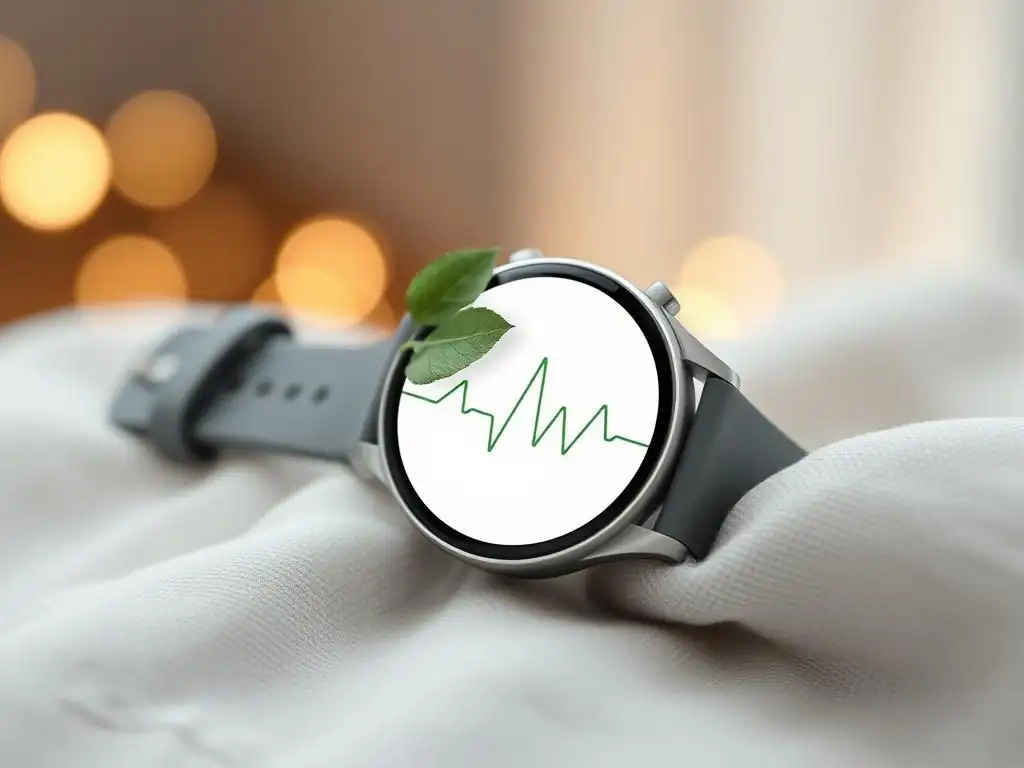
Using Wearable Tech for Heart Rate Variability Monitoring: A Comparison
Wearable technology has made tracking heart rate variability for stress management more accessible than ever before. Devices worn on the wrist or finger can capture the necessary data points (the timing of R-R intervals, the tiny differences between heartbeats) to calculate HRV metrics. However, the accuracy and type of data provided can vary between devices and how they are worn. The most accurate readings are typically obtained during periods of rest or sleep, as movement can interfere with precise R-R interval detection.
When choosing a wearable for HRV monitoring, consider factors like wearing comfort, battery life, integration with other health data, and the specific HRV metrics the device reports. Some focus heavily on nightly recovery, while others provide spot checks or integrate HRV into overall training load or stress scores. Understanding how and when the device measures HRV is key to interpreting the data meaningfully for your personal stress management journey.
Option 1: The Garmin Venu 3: Detailed HRV Tracking During Sleep and Exercise
The Garmin Venu 3 is a popular smartwatch that offers robust health tracking features, including continuous heart rate monitoring and detailed HRV data, primarily measured during sleep. Garmin's devices use the HRV data collected overnight to provide insights into recovery, training readiness, and overall stress levels through features like their "Body Battery" energy monitor and "Training Status." The Venu 3 captures R-R interval data throughout the night, calculating standard HRV metrics like RMSSD (Root Mean Square of Successive Differences), which is a common indicator of parasympathetic activity.
Features and Benefits of Garmin Venu 3 for HRV
The Garmin Venu 3 provides a dedicated "HRV Status" widget or report that shows your average overnight HRV, a 7-day average, and a comparison to your personal baseline. This allows you to see trends over time and understand how different factors, particularly stress, impact your recovery. The device also integrates HRV into its broader physiological load metrics, helping users see how exercise, sleep, and stress interact. It offers guided breathing exercises that are designed to help improve HRV by activating the parasympathetic nervous system. The detailed sleep tracking combined with HRV data gives a comprehensive view of nightly recovery.
Pricing and Where to Buy Garmin Venu 3
The typical retail price for the Garmin Venu 3 is around $450 to $500, depending on the specific model and retailer. It is widely available from major electronics retailers, sports goods stores, and online marketplaces. While this is a significant investment compared to a basic fitness tracker, its comprehensive health and fitness tracking suite, including detailed HRV analysis, justifies the cost for many users focused on optimizing well-being and managing stress with heart rate variability data.
Option 2: The Apple Watch Series 9 with HRV Metrics: Integration with Apple Health for Comprehensive Data
The Apple Watch Series 9 measures HRV using the optical heart sensor when the user is still, most reliably during sleep or during specific mindfulness sessions. It calculates the SDNN (Standard Deviation of NN intervals) metric, another widely used measure of overall HRV that reflects both sympathetic and parasympathetic activity. This data is automatically synced to the Apple Health app on your iPhone, where it is stored alongside other health metrics like resting heart rate, sleep duration, and activity levels.
Features and Benefits of Apple Watch Series 9 for HRV
The primary benefit of the Apple Watch for HRV tracking is its seamless integration within the Apple Health ecosystem. This allows users to view their HRV trends over time in conjunction with a wealth of other health data, potentially revealing correlations between lifestyle factors (like sleep quality, activity, or mindfulness practice) and their HRV.
While the Apple Watch doesn't offer the same depth of real-time HRV biofeedback or specialized recovery metrics as some dedicated devices, its ubiquity and integration make it a convenient option for many people already using the Apple platform. The data is presented in clear graphs within the Health app, making it easy to monitor changes in heart rate variability for stress management insights.
Pricing and Where to Buy Apple Watch Series 9
The typical starting price for the Apple Watch Series 9 is around $399 for the GPS-only model, with prices increasing for cellular versions and larger sizes. It is available globally through Apple Stores, authorized resellers, and numerous electronics retailers and online platforms. Its broad functionality as a smartwatch, fitness tracker, and health monitor makes it a versatile choice for those interested in general health tracking, including basic HRV monitoring.
Option 3: The Oura Ring Gen3: Sleep-Focused HRV Monitoring and Personalized Insights
The Oura Ring Gen3 is a ring-shaped wearable that focuses primarily on sleep and recovery tracking, using advanced sensors on the finger to measure metrics like heart rate, heart rate variability, body temperature, and movement. It captures HRV data continuously overnight, which is considered a highly reliable time for measurement due to minimal movement artifact. The Oura app provides detailed daily readiness and sleep scores, heavily influenced by the user's overnight HRV.
Features and Benefits of Oura Ring Gen3 for HRV
The Oura Ring excels at providing context and actionable insights based on your HRV. It calculates RMSSD and uses it as a key component of its "Readiness Score," which helps users understand how recovered their body is from previous day's stress or activity. The app offers personalized guidance based on your readiness, suggesting whether to push hard or take a rest day. The continuous, accurate overnight HRV measurement is a major benefit, offering a consistent baseline for tracking changes. Its discreet form factor is also appealing to users who prefer not to wear a watch to bed.
Pricing and Where to Buy Oura Ring Gen3
The Oura Ring Gen3 typically costs around $299 to $399, depending on the finish, plus a required monthly membership fee (approximately $6-$10 per month) to access the full suite of data and insights within the app. It is available for purchase directly from the Oura website and select retailers. The ongoing subscription cost is a factor to consider, but it enables the continuous development and personalized insights that are a core part of the Oura experience for heart rate variability stress management.
Mobile Apps for HRV Analysis: Considerations and Limitations
Beyond dedicated wearables, several mobile apps can measure HRV using your smartphone's camera or by connecting to external heart rate sensors (like chest straps or certain optical sensors). These apps often provide more detailed analysis and customizable measurement protocols than basic wearable integrations. However, measuring HRV using a phone camera requires specific conditions – usually placing your finger over the camera lens and flash for a few minutes while remaining perfectly still – which can be less convenient than passive monitoring with a wearable. Accuracy can also be more variable depending on phone model, technique, and ambient light.
Apps that connect to external sensors, particularly ECG-accurate chest straps, can provide very precise HRV data comparable to research-grade equipment. The main consideration is the need to wear the external sensor and perform a dedicated measurement session (often 1-5 minutes) rather than getting continuous or overnight data passively. The benefit of these apps often lies in their advanced analysis features, educational content, and guided breathing or biofeedback exercises specifically designed to help improve heart rate variability for stress management.
Elite HRV App: Analysis and Biofeedback
Elite HRV is a popular mobile app that focuses on in-depth HRV analysis. It recommends taking a daily morning reading using a compatible chest strap or optical sensor for the most consistent results. The app calculates various HRV metrics, including RMSSD, SDNN, and others, and provides a daily "Readiness Score." It tracks trends over time and offers insights into how factors like sleep, illness, or stress might be impacting your HRV.
Elite HRV also includes guided breathing exercises and biofeedback training modules. These tools use your real-time HRV data to guide you in techniques aimed at improving heart rate variability by optimizing your breathing pace to synchronize with your heart rhythm (known as respiratory sinus arrhythmia). This biofeedback approach provides immediate visual or auditory cues based on your body's response, making it a powerful tool for learning how to consciously influence your ANS and improve your heart rate variability stress management skills. The app's detailed analytics make it suitable for users who want a deeper understanding of their HRV data.
Welltory App: Personalized Stress Insights
Welltory is another mobile app that analyzes HRV, often using data from smartphone cameras or compatible wearables. It aims to provide personalized insights into your stress, energy, and performance levels based on your HRV and other data sources (like activity trackers, sleep apps, etc., which it can integrate). The app presents daily scores and recommendations, interpreting your HRV in the context of your overall lifestyle.
Welltory uses machine learning to correlate your HRV with reported activities, feelings, and other tracked data, offering explanations like "Your HRV is low today, possibly due to poor sleep last night" or "Your energy is high, likely thanks to that meditation session." While it simplifies the interpretation of complex data, users should be mindful that the correlations are statistical and not always direct causation. Its strength lies in attempting to provide a holistic picture and actionable tips based on your heart rate variability and other tracked metrics, making the concept of heart rate variability stress management more accessible.
Important Considerations When Choosing an HRV Monitor for Stress Management
Selecting the right HRV monitor for your stress management needs involves more than just picking a device off the shelf. Accuracy is paramount; look for devices that are validated or widely recognized for providing reliable R-R interval data, especially during the times you plan to measure (e.g., sleep, morning rest). Consistency is also key – choose a device and measurement protocol you can stick with daily to build a reliable baseline and track meaningful trends over time. A device worn inconsistently or measured at varying times of day will yield less useful data.
Consider the type of data and insights the device or app provides. Do you want raw HRV metrics, or are you looking for simplified scores and personalized recommendations? Think about how the data will be presented and whether it integrates with other health platforms you use. Finally, factor in comfort, battery life, cost (including any potential subscription fees), and ease of use. The best monitor is one you will use regularly and whose data presentation helps you understand and act upon your heart rate variability insights for better stress management.
Improving Heart Rate Variability: Practical Strategies for Stress Reduction
Lifestyle Changes to Boost HRV and Manage Stress
Improving heart rate variability is not just about tracking; it's about actively implementing lifestyle changes that promote a healthy balance in the autonomic nervous system. Since low HRV is often a symptom of chronic stress and poor recovery, addressing these underlying issues is key. Consistent, healthy habits can significantly enhance vagal tone and improve your body's ability to adapt to stressors, thereby increasing HRV and improving your capacity for heart rate variability stress management.
Making sustainable changes across multiple areas of your life often yields the most significant improvements in HRV. This includes adopting regular exercise routines, focusing on nutrient-dense foods, prioritizing sufficient and quality sleep, and incorporating regular periods of rest and relaxation throughout your day. Small, consistent efforts in these areas can accumulate over time, leading to measurable improvements in your HRV and overall resilience to stress.
Exercise and HRV: Finding the Right Balance
Regular physical activity is a powerful tool for improving HRV, but the type and intensity of exercise matter. Moderate-intensity aerobic exercise, like brisk walking, cycling, or swimming for 150 minutes per week, has been consistently shown to increase HRV over time. This type of exercise challenges the cardiovascular system in a way that promotes adaptation and enhances vagal tone during recovery periods. For example, a meta-analysis of studies found that endurance training significantly increased RMSSD (a key HRV metric) in participants compared to sedentary controls.
However, intense or prolonged exercise can temporarily decrease HRV in the short term as the sympathetic nervous system is highly activated. Overtraining, or consistently pushing your body without adequate recovery, can lead to persistently low HRV, indicating a state of chronic stress on the body.
Finding the right balance – incorporating regular moderate exercise, allowing for sufficient recovery days, and avoiding excessive intensity without proper preparation – is crucial for using exercise to boost HRV and support effective heart rate variability stress management. Listening to your body and potentially using your HRV data to guide your training load can be beneficial.
Nutrition and HRV: The Role of Diet in Stress Response
What you eat significantly impacts your body's inflammatory state and overall physiological balance, which in turn affects HRV. A diet rich in whole foods, particularly fruits, vegetables, lean proteins, and healthy fats (like omega-3 fatty acids found in fish, flaxseeds, and walnuts), supports optimal nervous system function and can help improve HRV. Omega-3 fatty acids, in particular, have been shown in some studies to have a positive effect on vagal tone and HRV. For example, research supplementing participants with fish oil (a source of omega-3s) observed an increase in certain HRV parameters compared to a placebo group.
Conversely, diets high in processed foods, sugar, and unhealthy fats can contribute to chronic inflammation and physiological stress, potentially lowering HRV. Excessive caffeine and alcohol intake can also negatively impact HRV, especially if consumed close to bedtime. Focusing on balanced nutrition helps stabilize blood sugar levels, reduces inflammatory load, and provides the necessary nutrients for the nervous system to function optimally, all contributing to better heart rate variability stress management.
Sleep and HRV: Prioritizing Rest for Optimal Function
Sleep is arguably one of the most critical factors influencing heart rate variability. The deepest stages of sleep are when the parasympathetic nervous system is most active, allowing the body to rest, repair, and consolidate memories. Consistent, sufficient, and high-quality sleep is essential for restoring vagal tone and maximizing HRV recovery overnight. Most wearable devices primarily measure HRV during sleep precisely because it's a state where movement artifact is minimized and the PNS is typically most dominant.
Lack of sleep or poor sleep quality significantly impairs HRV. Even one night of poor sleep can lead to a noticeable drop in HRV the following day. Chronic sleep deprivation keeps the body in a state of low-grade stress, suppressing PNS activity and resulting in persistently low HRV.
Aiming for 7-9 hours of quality sleep per night, maintaining a consistent sleep schedule, and creating a relaxing bedtime routine are foundational practices for improving HRV and enhancing your capacity for heart rate variability stress management. Your morning HRV reading is often a direct reflection of how well you recovered during the night.
Relaxation Techniques for Enhancing HRV and Reducing Stress
Beyond fundamental lifestyle changes, actively engaging in relaxation techniques can directly stimulate the parasympathetic nervous system and improve HRV. These practices provide immediate relief from stress and, with consistent application, can build long-term resilience. By consciously counteracting the sympathetic "fight or flight" response, these techniques enhance vagal tone and promote a state of calm and recovery.
Incorporating just a few minutes of dedicated relaxation practice into your daily routine can have a measurable impact on your HRV over time. Techniques like controlled breathing, mindfulness meditation, and gentle movement practices are particularly effective at activating the vagus nerve and improving the heart rate variability stress management connection.
Diaphragmatic Breathing Exercises to Activate the Parasympathetic Nervous System
Diaphragmatic breathing, also known as deep belly breathing, is one of the most direct ways to influence the autonomic nervous system and increase vagal tone. By breathing slowly and deeply into your abdomen, you engage the diaphragm, which is physically connected to the vagus nerve. This slow, rhythmic movement sends signals to the brain that activate the parasympathetic nervous system, slowing heart rate and increasing the natural variability between beats.
Practicing diaphragmatic breathing for even a few minutes can produce an immediate increase in HRV. For example, simply breathing in for a count of 4 and out for a count of 6 (or similar slow ratios) can significantly enhance respiratory sinus arrhythmia, the natural HRV fluctuations tied to breathing. Consistent practice, perhaps 5-10 minutes daily, can lead to sustained improvements in baseline HRV and provide an on-demand tool for managing acute stress by actively increasing PNS activity. Many HRV apps and biofeedback devices incorporate guided breathing exercises for this very reason.
Meditation and Mindfulness for HRV Improvement
Meditation and mindfulness practices cultivate present-moment awareness and non-judgmental acceptance, which can significantly reduce psychological stress and its physiological impact. Regular meditation has been shown in numerous studies to increase parasympathetic activity and improve HRV. By training the mind to observe thoughts and feelings without getting carried away by them, individuals can reduce rumination and reactivity to stressors, lowering overall sympathetic nervous system activation.
Research has demonstrated that long-term meditators often exhibit higher baseline HRV compared to non-meditators. Even short-term mindfulness interventions, such as an 8-week mindfulness-based stress reduction (MBSR) program, have been shown to increase HRV and reduce perceived stress in participants. Incorporating a daily meditation practice, even for 10-15 minutes, can be a powerful strategy for enhancing vagal tone and improving heart rate variability stress management capabilities.
Yoga and Tai Chi for Stress Reduction and HRV Modulation
Mind-body practices like yoga and Tai Chi combine gentle movement, breath control, and mindfulness, making them excellent activities for reducing stress and improving HRV. The slow, deliberate movements, focus on breath, and meditative aspects of these practices work together to calm the nervous system and enhance parasympathetic activity.
Studies investigating the effects of yoga and Tai Chi on physiological markers of stress consistently show improvements in HRV. For instance, a study on adults practicing yoga regularly reported significant increases in RMSSD and reductions in stress hormones like cortisol. Similarly, research on Tai Chi practitioners has shown higher HRV compared to control groups. These practices provide a holistic approach to stress reduction that directly benefits the autonomic nervous system balance reflected in heart rate variability.
Biofeedback Training for HRV: A Guided Approach to Stress Regulation
HRV biofeedback training is a specific technique that uses real-time feedback from an HRV monitor to help individuals learn to consciously regulate their heart rhythm and improve their autonomic nervous system balance. During a biofeedback session, a user is connected to a sensor (often a finger sensor or ear clip) that measures their pulse and calculates HRV in real time. This data is displayed visually or audibly on a screen, allowing the user to see how their physiological state changes in response to different breathing patterns or mental states.
The goal of HRV biofeedback is to train the user to achieve "coherence," a state where heart rate, breathing, and blood pressure rhythms become synchronized, maximizing HRV and promoting a state of relaxed alertness. By practicing specific breathing techniques while watching their HRV feedback, individuals learn what it feels like to achieve a coherent state and can eventually replicate it without the monitor. This empowers individuals with a direct method for influencing their autonomic nervous system and improving their heart rate variability stress management skills.
Using the HeartMath Inner Balance Trainer for Real-Time HRV Feedback
The HeartMath Inner Balance Trainer is a popular personal biofeedback device specifically designed for HRV coherence training. It typically consists of a small sensor that clips onto the earlobe and connects to a smartphone app. The app guides the user through breathing exercises while displaying real-time feedback on their HRV coherence level. The visual feedback (often in the form of graphs or animations) shows the user's heart rhythm patterns and provides a score indicating how coherent their state is.
By following the breathing pacer in the app and observing the coherence feedback, users learn to find the optimal breathing rhythm (often around 5-6 breaths per minute) that maximizes their HRV and brings their heart rhythms into a coherent pattern. Regular practice with the Inner Balance Trainer, even for just a few minutes daily, is designed to train the user's system to more easily enter and maintain this coherent state, thereby building resilience to stress and improving overall heart rate variability.
How Biofeedback Works to Improve HRV and Stress Resilience
HRV biofeedback works by leveraging the mind-body connection and the principle of operant conditioning. By providing immediate feedback on a physiological state (HRV), it allows individuals to become aware of and learn to control processes that are normally involuntary. When a user intentionally slows their breathing or shifts their mental state towards calmness, the biofeedback shows them the resulting positive change in their HRV pattern (increased coherence). This positive reinforcement helps solidify the connection between the mental/breathing technique and the desired physiological outcome.
Over time, consistent biofeedback practice strengthens the neural pathways associated with parasympathetic activation and improves vagal tone. This training helps the autonomic nervous system become more flexible and responsive, making it easier to recover from stressors and maintain a higher baseline HRV. Essentially, biofeedback provides a guided gym session for your autonomic nervous system, training it to be more resilient and better equipped for heart rate variability stress management.
Case Studies: Real-World Examples of HRV and Stress Management
Case Study 1: Sarah's Journey with HRV Monitoring and Stress Reduction Techniques
Sarah, a 35-year-old marketing manager, felt constantly overwhelmed by work deadlines and family responsibilities. She reported high levels of stress, frequent headaches, and difficulty sleeping. She decided to start tracking her HRV using a wearable device, taking a morning reading each day. Initially, her average morning RMSSD was consistently low, often in the 20-30 ms range, indicating significant sympathetic dominance.
Sarah began incorporating specific heart rate variability stress management techniques based on her low HRV readings. She started practicing 10 minutes of diaphragmatic breathing each morning, just after her HRV measurement, and again before bed. She also committed to leaving work on time three days a week to ensure she got at least 7 hours of sleep.
Over three months, she observed a gradual but steady increase in her average morning RMSSD, rising to the 40-50 ms range. Subjectively, she reported feeling less anxious, experiencing fewer headaches, and finding it easier to fall asleep. Her HRV data provided objective validation that her stress reduction efforts were having a tangible physiological impact.
Case Study 2: Using HRV to Optimize Athletic Performance and Manage Stress in Professional Cyclists
A team of professional cyclists started using HRV monitoring as part of their training and recovery protocol. Elite athletes often face significant physical stress from training, coupled with the psychological stress of competition and travel. The team coaches used morning HRV readings (specifically RMSSD and SDNN) as a key indicator of recovery status and readiness for intense training.
One cyclist, Mark, noticed his HRV consistently dropped significantly after high-intensity interval training sessions, but recovered well within 24-48 hours. However, during a period of heavy travel and disrupted sleep before a major race, his morning HRV remained stubbornly low for several consecutive days, hovering around 30-40 ms compared to his usual baseline of 60-70 ms.
Recognizing this physiological sign of accumulated stress and inadequate recovery via his heart rate variability data, the coaching staff adjusted Mark's training plan, opting for active recovery and lower intensity rides instead of the planned hard session. They also focused on implementing stress management techniques like guided meditation and extra sleep. By prioritizing recovery based on his HRV data, Mark was able to avoid overtraining and potential burnout.
His HRV began to rebound in the days leading up to the race, indicating improved readiness. He went on to perform well, demonstrating how integrating heart rate variability for stress management and recovery monitoring can be crucial even in high-pressure environments like professional sports.
Interpreting Your HRV Data: What Do the Numbers Mean?

Understanding HRV Metrics: SDNN, RMSSD, and More
When you start tracking HRV, you'll likely encounter various metrics. The most common ones include:
- SDNN (Standard Deviation of NN intervals): This is the standard deviation of the time between consecutive normal heartbeats (NN intervals) over a specific period, often 24 hours. SDNN reflects overall HRV, influenced by both sympathetic and parasympathetic activity. It's often used for longer-term monitoring.
- RMSSD (Root Mean Square of Successive Differences): This metric calculates the square root of the mean of the squares of the differences between successive normal NN intervals. RMSSD is highly correlated with parasympathetic nervous system activity (vagal tone) and is considered a good indicator of short-term, beat-to-beat variations. It is often the preferred metric for daily readiness or recovery assessments based on short measurements (like 1-5 minutes at rest or overnight sleep).
Other metrics exist, such as pNN50 (the percentage of successive NN intervals that differ by more than 50 milliseconds) and frequency domain measures like LF (Low Frequency) and HF (High Frequency) power, which attempt to quantify sympathetic and parasympathetic influences over different time scales. While these provide deeper insights, for most individuals using heart rate variability stress management, focusing on the trend of RMSSD or SDNN (depending on the device and measurement protocol) is sufficient. A higher number generally indicates greater variability and better autonomic balance.
Normal HRV Ranges: What to Expect Based on Age and Lifestyle
It's important to understand that there is no single "normal" HRV value that applies to everyone. HRV is highly individual and influenced by factors like age, genetics, fitness level, lifestyle habits, and overall health. Generally, younger individuals tend to have higher HRV than older individuals, and well-trained athletes often have higher HRV than sedentary individuals.
Typical RMSSD values can range widely, from below 20 ms for individuals experiencing significant chronic stress or health issues, to over 100 ms for highly conditioned athletes with robust recovery. Most healthy adults fall somewhere in between, perhaps with average morning RMSSD values in the 30-80 ms range.
Rather than comparing your HRV to population averages, the most valuable approach for heart rate variability stress management is to track your personal baseline and observe trends over time. Your baseline is your typical HRV range when you are feeling healthy, rested, and not under unusual stress.
Deviations from your baseline – particularly sustained drops – are more informative than a single number. A consistent pattern of low HRV relative to your personal baseline, especially when correlated with feelings of stress, fatigue, or illness, is a signal that your autonomic nervous system may be imbalanced and could benefit from stress reduction or recovery strategies.
When to Consult a Healthcare Professional About Your HRV
While tracking HRV for stress management can provide valuable personal insights, it is not a diagnostic tool and should not replace professional medical advice. If you observe consistently low HRV readings that do not improve with lifestyle changes, or if your HRV data correlates with concerning symptoms like persistent fatigue, dizziness, chest pain, or significant changes in mood, it is important to consult a healthcare professional.
A doctor can help determine if there are underlying medical conditions contributing to your HRV patterns. Conditions like sleep apnea, thyroid issues, cardiovascular disease, or chronic infections can all impact HRV. Your doctor can provide appropriate diagnosis, treatment, and guidance. While you can use HRV data to inform conversations with your healthcare provider about your stress levels and well-being, always prioritize professional medical evaluation for any health concerns.
The Future of HRV and Stress Management: Emerging Technologies and Research
The field of heart rate variability research and its application in stress management is constantly evolving. As wearable technology becomes more sophisticated and accessible, the ability to collect accurate, real-time HRV data outside of clinical settings is expanding. Future devices may offer even more precise and continuous monitoring, potentially integrating HRV into proactive health alerts or personalized coaching systems.
Beyond tracking, emerging technologies are exploring novel ways to directly influence the autonomic nervous system and improve HRV. One promising area of research involves non-invasive methods to stimulate the vagus nerve, which is central to regulating HRV.
Non-Invasive Vagus Nerve Stimulation and HRV
Non-invasive vagus nerve stimulation (nVNS) involves using external electrical or magnetic pulses applied to specific points on the skin (like the neck or ear) to stimulate the vagus nerve. This stimulation is intended to increase vagal tone and enhance parasympathetic activity, which can lead to an increase in heart rate variability. Research is exploring nVNS as a potential therapeutic tool for various conditions linked to autonomic imbalance and low HRV, including depression, anxiety, migraines, and inflammatory conditions.
While still largely experimental or requiring prescription for specific medical conditions, the potential exists for future consumer-grade devices that could offer guided nVNS as a technique to directly enhance HRV and improve resilience to stress. Early studies have shown that nVNS can acutely increase HRV in healthy individuals. As research progresses, non-invasive vagus nerve stimulation could become another valuable tool in the arsenal of heart rate variability stress management techniques, complementing lifestyle changes and biofeedback approaches.
Conclusion: Harnessing the Power of HRV for a Healthier, Less Stressed Life
Key Takeaways on Heart Rate Variability, Stress, and Well-being.
Understanding heart rate variability offers a powerful window into your body's stress response and the balance of your autonomic nervous system. HRV isn't just a number; it's a dynamic metric reflecting your physiological adaptability and resilience. Lower HRV is often associated with chronic stress and reduced capacity to recover, while higher HRV indicates a more balanced and resilient system. Tracking your personal HRV trends using reliable wearable tech or apps can provide objective insights that complement your subjective feelings about stress levels and overall well-being, making heart rate variability stress management more informed.
Crucially, HRV is not fixed; it can be positively influenced by adopting healthy lifestyle habits and incorporating specific stress reduction techniques. Regular moderate exercise, balanced nutrition, prioritizing quality sleep, and practicing relaxation methods like diaphragmatic breathing, meditation, or yoga can all enhance vagal tone and improve your HRV over time.
Biofeedback training offers a guided approach to learning how to consciously regulate your autonomic nervous system for immediate and long-term benefits. By paying attention to your HRV data and using it to guide your choices and practices, you can actively work towards improving your physiological resilience, better manage stress, and cultivate a healthier, more balanced life.
Frequently Asked Questions
How does Heart Rate Variability (HRV) relate to stress management?
HRV reflects the balance between the sympathetic (fight-or-flight) and parasympathetic (rest-and-digest) branches of the autonomic nervous system. Higher HRV generally indicates better adaptability to stress, while lower HRV can suggest chronic stress or impaired regulation. Therefore, improving HRV is a key goal of stress management techniques.
What is the Autonomic Nervous System (ANS) and what role does it play in HRV?
The ANS controls involuntary bodily functions like heart rate, breathing, and digestion. Its two main branches, the sympathetic and parasympathetic, directly influence HRV. The sympathetic system increases heart rate and decreases HRV under stress, while the parasympathetic system slows heart rate and increases HRV during relaxation.
Can I improve my HRV through specific practices?
Yes, several techniques can positively impact HRV. These include mindfulness meditation, deep breathing exercises (like diaphragmatic breathing), regular physical activity, and getting sufficient sleep. Consistently practicing these can lead to enhanced ANS balance and improved HRV.
How can I measure my Heart Rate Variability (HRV)?
Various devices and apps are available to track HRV, ranging from chest straps to smartwatches and smartphone apps. It is important to use validated tools to ensure accurate readings. Look for scientifically-backed HRV measurement methods.
What should I do if my HRV consistently shows low variability?
If you consistently observe low HRV, it's advisable to consult with a healthcare professional or a mental health specialist. They can assess potential underlying causes, such as chronic stress, anxiety, or other health conditions, and recommend appropriate interventions.
Final Reflection: Unraveling the Heart's Wisdom: HRV and Stress Management
Understanding heart rate variability (HRV) is no longer a niche scientific pursuit; it's a crucial key to unlocking effective stress management in our increasingly demanding world. The ability to decipher the subtle language of our autonomic nervous system, as revealed through HRV, offers a powerful, personalized approach to well-being that transcends simple relaxation techniques. This knowledge empowers us to proactively address stress before it manifests as debilitating anxiety or illness.
The impact of chronic stress on our society is undeniable, manifesting in everything from widespread burnout to escalating rates of cardiovascular disease. Stress doesn't go away; it just changes form.
This quote perfectly encapsulates the insidious nature of unresolved stress, highlighting the importance of proactive management rather than reactive treatment. Learning to interpret the signals our bodies send through HRV allows us to intervene early, fostering resilience and promoting a healthier relationship with the inevitable pressures of modern life. This understanding is not just about managing symptoms; it's about cultivating a deeper awareness of our internal landscape and building a foundation for lasting well-being.
Now, consider your own relationship with stress. What signals does your body give you? Are you attuned to the subtle shifts in your heart rhythm? This article has provided you with the tools to begin understanding the language of your HRV. Take the time to explore the resources mentioned, experiment with HRV tracking, and begin to cultivate a mindful awareness of your body's wisdom. By actively engaging with your HRV, you are not just managing stress; you are investing in a healthier, more resilient, and ultimately more fulfilling life.
Unlock Your Inner Calm: Take Control of Your Stress Response
Thanks for taking the time to explore the fascinating connection between HRV and your autonomic nervous system! You've now gained valuable insights into understanding and managing your stress levels. Ready to put this knowledge into action?
- Prioritize your HRV: Start tracking your heart rate variability using a simple app or wearable. Even a few minutes a day can make a difference in your awareness and response to stress. This is your primary step towards better self-regulation.
- Share your findings: Connect with others and discuss your HRV journey. Sharing your experiences can inspire others and create a supportive community.
- Explore relaxation techniques: Supplement your HRV tracking by incorporating simple relaxation techniques like deep breathing or mindfulness meditation into your daily routine.
What small step will you take today to improve your stress management based on what you've learned?