
The Roots of Worry: Common Causes of Anxiety in Children


Welcome to Mind Care Guide, a safe space dedicated to nurturing your mental well-being. Ever wondered why your child seems more anxious than others? In this article, we delve deep into childhood anxiety root causes, exploring the hidden factors that can contribute to these anxieties. We understand that witnessing your child struggle can be incredibly difficult, and we're here to provide insight and support. Discover the underlying reasons and begin your journey towards understanding and helping your child thrive. Let's explore together.
Understanding Childhood Anxiety: Roots, Signs, and Support
- Defining and Understanding Childhood Anxiety
- Biological and Genetic Factors in Childhood Anxiety
- Environmental Contributors to Childhood Anxiety
- Parenting Styles and Child Anxiety
- Physical Health and Childhood Anxiety
- Social and Cultural Influences
- Recognizing Anxiety in Children
- Early Intervention and Prevention Strategies
- Seeking Professional Help
-
Frequently Asked Questions
- What are some common childhood anxiety root causes identified in the Mind Care Guide article?
- How does the Mind Care Guide suggest parental anxiety can contribute to a child's anxiety?
- What kind of environmental factors, besides family conflict, does the Mind Care Guide identify as potential childhood anxiety root causes?
- Does the article suggest that childhood anxiety is always linked to identifiable root causes?
- Where can I find more detailed information and resources about childhood anxiety root causes on the Mind Care Guide website?
- Final Reflection: Understanding the Seeds of Childhood Anxiety
- Uncover Your Child's Calm: Practical Steps to Ease Anxiety
Defining and Understanding Childhood Anxiety
Defining Anxiety in Children: Recognizing Key Characteristics
Anxiety in children is more than just occasional worry about a test or a new situation. It is characterized by persistent, excessive fear or worry that interferes with daily activities, such as school, play, or family life. Unlike the transient fears typical of development (like fear of the dark in toddlers), clinical anxiety in children is often out of proportion to the situation and difficult for the child to control.
Recognizing these key characteristics is crucial to understanding the potential childhood anxiety root causes. This persistent state of apprehension can manifest differently depending on the child's age and developmental stage, making identification sometimes challenging.
These characteristics often include a consistent pattern of worrying about future events, even minor ones, and difficulty letting go of these worries. Children might express their anxiety through physical complaints like stomachaches or headaches, or through behavioral changes such as increased irritability, difficulty sleeping, or avoiding situations that trigger their fear. Understanding that these are not just behavioral problems but potential signs of underlying anxiety is the first step in providing appropriate support. Identifying the specific triggers and contexts in which this excessive worry occurs can provide valuable clues about the underlying causes of anxiety in children.
Prevalence of Anxiety Disorders in Childhood: Statistical Overview
Anxiety disorders are among the most common mental health conditions affecting children and adolescents. While precise figures can vary slightly depending on the study and criteria used, research consistently indicates that a significant percentage of young people experience clinically significant anxiety. Approximations suggest that around 7% of children aged 3-17 in the United States are diagnosed with an anxiety disorder each year. This statistic underscores the widespread nature of these challenges and highlights the importance of recognizing and addressing childhood anxiety root causes early on.
Further statistical breakdowns often show that prevalence increases with age, with adolescents experiencing higher rates than younger children. However, even preschool-aged children can exhibit symptoms of anxiety disorders. Understanding this prevalence is vital for parents, educators, and healthcare professionals. It emphasizes that childhood anxiety is not a rare occurrence but a common issue requiring attention and intervention. The sheer number of children affected highlights the need for increased awareness of the various factors contributing to the roots of worry in kids.
Biological and Genetic Factors in Childhood Anxiety
Genetic Predisposition and Anxiety in Children: Research Findings
Research strongly suggests that a genetic predisposition plays a significant role in the development of anxiety disorders in children. Studies, including those involving twins and adopted children, have shown that the likelihood of a child developing anxiety is higher if there is a history of anxiety or other mood disorders in their biological family.
While no single "anxiety gene" has been identified, it is understood that a combination of genes can influence brain chemistry and structure in ways that make an individual more susceptible to experiencing excessive fear and worry. These genetic factors are considered fundamental childhood anxiety root causes.
These research findings don't mean that anxiety is solely determined by genetics; rather, they indicate a vulnerability. A child might inherit a genetic predisposition, but whether or not they develop an anxiety disorder often depends on the interaction between their genes and their environment. Understanding this interplay is key to a comprehensive view of the roots of worry in kids. It highlights that while some children may be born with a higher biological sensitivity to stress and fear, environmental factors can either mitigate or exacerbate this risk.
Family History: Identifying Patterns of Anxiety
A detailed family history is often a crucial tool in identifying potential childhood anxiety root causes. When a child's parents, siblings, or close relatives have a history of anxiety disorders, depression, or even certain personality traits like high neuroticism, the child's risk of developing anxiety increases. This isn't purely genetic; it also involves learned behaviors and coping mechanisms observed within the family environment. Children often learn how to respond to stress and fear by watching their parents.
Identifying these patterns within a family can help predict potential vulnerabilities and inform early intervention strategies. For example, if a parent manages their own anxiety in healthy ways, they can model effective coping skills for their child, potentially counteracting some of the genetic risk. Conversely, if a parent exhibits significant anxiety and avoidance behaviors, the child might learn these responses, contributing to their own developing anxiety. Therefore, understanding the family's mental health history provides valuable context for the roots of worry in kids.
Environmental Contributors to Childhood Anxiety
Stressful Life Events and Their Impact: Examples and Coping
Stressful life events are significant environmental contributors to the development or exacerbation of anxiety in children. These events can range from major disruptions like parental separation or divorce, moving to a new town, or the death of a family member or pet, to less obvious stressors such as changing schools, significant illness in the child or a family member, or even witnessing distressing events. The impact of such events varies greatly depending on the child's age, temperament, and the support systems available to them. These experiences are often direct childhood anxiety root causes.
For example, a child experiencing parental conflict might develop separation anxiety or generalized worry about family stability. A move to a new city can trigger social anxiety or excessive worry about fitting in. Effective coping strategies, such as open communication about the event, maintaining routines, and seeking support from trusted adults, can help mitigate the negative impact of these stressors. Conversely, poor coping or lack of support can solidify these experiences as significant roots of worry in kids.
Trauma's Influence on Childhood Anxiety: Types, Effects, and Recovery
Trauma, defined as exposure to actual or threatened death, serious injury, or sexual violence, is a profound environmental factor that can lead to significant and lasting anxiety in children. Types of trauma include physical, emotional, or sexual abuse, neglect, witnessing domestic violence, experiencing or witnessing community violence, natural disasters, serious accidents, or war. The effects of trauma on a child's developing brain and nervous system can be long-lasting, altering their stress response and making them hypervigilant or easily startled. Trauma is a well-established childhood anxiety root cause.
Trauma can manifest as post-traumatic stress disorder (PTSD), which includes symptoms like flashbacks, nightmares, avoidance of trauma reminders, and heightened reactivity. However, it can also contribute to other anxiety disorders, such as generalized anxiety disorder, separation anxiety, or panic disorder. Recovery from trauma-related anxiety typically involves therapeutic interventions like Trauma-Focused Cognitive Behavioral Therapy (TF-CBT), which helps children process the traumatic memories and develop coping skills in a safe environment. Supportive relationships with caregivers are also critical in helping children heal from the roots of worry stemming from traumatic experiences.
School is a central part of a child's life and a common source of anxiety. School-related anxiety can stem from various factors, including academic pressures, social dynamics, and safety concerns. Understanding these specific triggers within the school environment is key to addressing childhood anxiety root causes that manifest in this setting. For many children, the daily demands and interactions at school present unique challenges that can fuel worry.
Academic Pressure and Performance Anxiety
Academic pressure is a significant source of anxiety for many students. The fear of failing tests, not meeting parental or teacher expectations, difficulty keeping up with coursework, or the pressure to achieve high grades can lead to performance anxiety. This can manifest as avoidance of schoolwork, physical symptoms before or during tests, or excessive worry about mistakes. Children experiencing academic anxiety might spend an inordinate amount of time studying or checking their work, yet still feel unprepared, illustrating the pervasive nature of this root cause of anxiety in children.
Social Anxiety, Peer Relationships, and Bullying
Peer relationships and social dynamics in school are also major contributors to childhood anxiety. Social anxiety involves intense fear of being judged, rejected, or embarrassed in social situations. This can make simple interactions like speaking up in class, eating in the cafeteria, or joining group activities incredibly daunting. Bullying, whether physical, verbal, relational, or cyber, is a particularly damaging form of negative peer interaction that can severely erode a child's sense of safety and self-worth, leading to significant and lasting anxiety. These social challenges are potent childhood anxiety root causes that require careful attention.
Parenting Styles and Child Anxiety
The Impact of Parenting Approaches on Anxiety Development
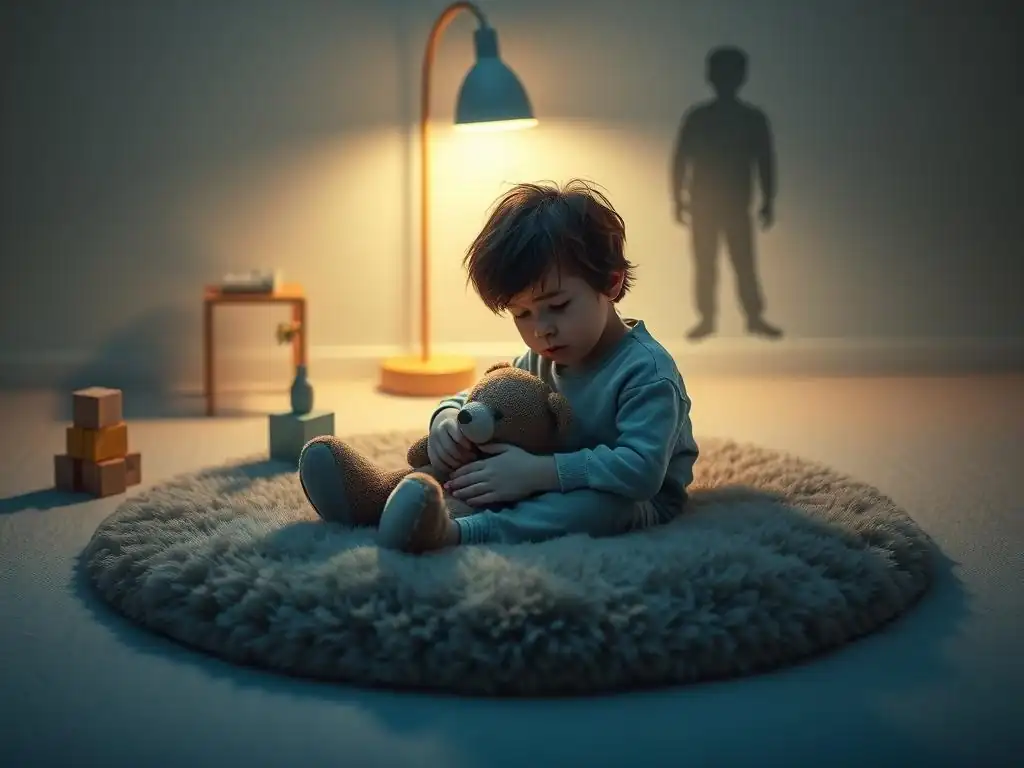
Parenting styles significantly influence a child's emotional development and can contribute to or protect against the development of anxiety. Overly controlling or intrusive parenting, where parents make most decisions for the child and do not allow for age-appropriate independence, can hinder the child's development of coping skills and self-efficacy, making them more prone to anxiety when faced with challenges. Similarly, overly anxious parents who excessively worry or model avoidance behaviors can unintentionally teach their children to perceive the world as dangerous and to respond with fear and avoidance, thus contributing to childhood anxiety root causes.
Conversely, warm, supportive, and autonomy-promoting parenting can foster resilience. Parents who encourage exploration, allow children to face challenges appropriate for their age (and support them through it), and model healthy ways of managing stress provide a secure base from which children can develop confidence and coping abilities. Finding a balance between providing support and allowing independence is crucial in navigating potential roots of worry in kids. Authoritative parenting, characterized by high warmth and responsiveness combined with clear expectations and boundaries, is often associated with better emotional outcomes for children.
Fostering a Secure and Supportive Home Environment
A secure and supportive home environment is a powerful protective factor against childhood anxiety. This involves consistent emotional availability from caregivers, predictable routines, clear and fair boundaries, and open communication. Children who feel safe, loved, and understood at home are better equipped to handle external stressors and are less likely to develop excessive worry. Knowing they have a reliable source of comfort and guidance helps children build resilience.
Creating this environment also means managing parental stress and conflict effectively. High levels of conflict or tension in the home can be a significant source of anxiety for children, even if they are not directly involved. Parents prioritizing their own mental well-being and fostering a calm, predictable household contribute significantly to mitigating potential childhood anxiety root causes. Encouraging the child to express their feelings and validating their emotions are also key components of a supportive home, helping them learn that it's okay to feel anxious and that they can seek help.
Physical Health and Childhood Anxiety
Sleep, Diet, and Physical Activity: Their Role in Anxiety Management
Physical health factors like sleep, diet, and physical activity play a significant, though often overlooked, role in managing and potentially contributing to childhood anxiety. Chronic sleep deprivation can heighten stress reactivity and make children more irritable and less able to cope with challenges, thus exacerbating existing anxiety or acting as a childhood anxiety root cause. Ensuring sufficient, quality sleep is fundamental for emotional regulation.
Similarly, a balanced diet rich in whole foods supports overall brain health and mood regulation. Diets high in sugar and processed foods can lead to energy crashes and mood swings, potentially worsening anxiety symptoms. Regular physical activity is a powerful stress reliever and mood booster. Exercise helps regulate neurotransmitters and reduces stress hormones. Encouraging children to be physically active is a practical strategy for managing the roots of worry in kids.
The Gut-Brain Connection: Nutrition and Anxiety
Emerging research highlights the fascinating connection between gut health and mental well-being, often referred to as the gut-brain axis. The gut microbiome (the trillions of bacteria living in the digestive tract) communicates with the brain and influences mood, stress response, and anxiety levels. An imbalance in gut bacteria has been linked to various mental health conditions, including anxiety. This connection suggests that nutritional factors contributing to gut health can be indirect childhood anxiety root causes or factors that influence symptom severity.
Promoting a diet rich in fiber, fermented foods, and probiotics can support a healthy gut microbiome, which in turn may positively impact a child's emotional state. While this is a complex area of research, it underscores the holistic nature of mental health and suggests that focusing on good nutrition is a valuable component of addressing the roots of worry in kids. Reducing intake of processed foods and artificial additives may also play a role in supporting both gut and brain health.
Media, Technology, and Their Potential Impact
The pervasive influence of media and technology is an increasingly recognized factor in childhood anxiety root causes. Excessive screen time, particularly exposure to social media, can expose children to unrealistic social comparisons, cyberbullying, and a constant stream of potentially distressing news or images. The pressure to present a perfect online persona and the fear of missing out (FOMO) can fuel social anxiety and general feelings of inadequacy.
While technology offers benefits, unregulated use can disrupt sleep patterns, reduce time spent on physical activity and face-to-face social interactions, all of which are important for mental well-being. Parents need to monitor and manage their children's media consumption, promoting healthy digital habits and fostering critical thinking about online content. Understanding the potential negative impacts of screen time is essential when considering the various roots of worry in kids in the modern age.
Cultural Expectations and Societal Pressures
Cultural expectations and societal pressures can also contribute to childhood anxiety. Different cultures place varying emphasis on academic achievement, social conformity, independence, or emotional expression. Pressure to meet high academic standards, conform to gender roles, or achieve specific milestones can create significant stress for children. Societal anxieties, such as concerns about the future, economic instability, or global events, can also filter down and affect children, especially if they are discussed openly or if the child is exposed to constant news coverage.
For example, in cultures with intense focus on academic success from a young age, performance anxiety might be more prevalent. Similarly, societal pressures related to body image or consumerism, amplified by media, can contribute to anxiety about appearance or social status. Recognizing these broader societal influences provides a wider lens through which to view the complex childhood anxiety root causes. Helping children develop coping mechanisms and values that are not solely tied to external validation is key to mitigating these pressures.
Recognizing Anxiety in Children

Physical Symptoms: Identifying Bodily Manifestations
Anxiety in children often manifests through physical symptoms, as they may lack the vocabulary or emotional understanding to articulate their feelings of worry. Parents and caregivers should be aware that frequent, unexplained physical complaints can be a sign of underlying anxiety. These bodily manifestations are important indicators when exploring the roots of worry in kids.
Common physical symptoms include:
- Stomachaches or nausea
- Headaches
- Muscle tension or aches
- Fatigue or low energy
- Difficulty sleeping (falling asleep, staying asleep, nightmares)
- Changes in appetite
- Increased heart rate or rapid breathing
- Sweating or trembling
- Feeling restless or on edge
If a child frequently complains of these symptoms without a clear medical explanation, it warrants considering anxiety as a potential cause and exploring potential childhood anxiety root causes.
Emotional and Behavioral Signs: Observing Changes in Conduct
Beyond physical symptoms, anxiety in children is also evident through observable emotional and behavioral changes. These signs often reflect the child's attempts to cope with or avoid their feelings of fear and worry. Recognizing these changes is crucial for identifying the roots of worry in kids.
Emotional and behavioral signs may include:
- Excessive worry about future events, even minor ones
- Difficulty concentrating
- Irritability or mood swings
- Restlessness or difficulty sitting still
- Clinginess or difficulty separating from parents/caregivers (especially in younger children)
- Avoiding situations or activities they previously enjoyed (e.g., school, social gatherings, sleepovers)
- Frequent crying or tantrums, particularly when faced with perceived challenges
- Difficulty relaxing
- Seeking constant reassurance
- Perfectionism or excessive self-criticism
- Specific fears (e.g., fear of germs, fear of specific animals, fear of the dark)
Observing a pattern of these signs, especially if they represent a change from the child's typical behavior, should prompt further investigation into potential childhood anxiety root causes and the need for support.
Early Intervention and Prevention Strategies
The Importance of Early Identification and Support
Early identification of childhood anxiety root causes and symptoms is paramount for effective intervention and better long-term outcomes. When anxiety is recognized and addressed early, children can learn coping skills before the anxiety becomes deeply ingrained and significantly impacts their development and functioning. Untreated anxiety in childhood can persist into adolescence and adulthood, potentially leading to more severe mental health issues, academic difficulties, social isolation, and impaired quality of life.
Providing support as soon as signs of anxiety are noticed can prevent the escalation of symptoms and help children build resilience. This support can come from parents, school counselors, or mental health professionals. Early intervention focuses on understanding the specific roots of worry in kids and implementing strategies tailored to their needs. Educating parents and teachers about recognizing anxiety signs is a critical first step in facilitating early identification.
Promoting Resilience and Coping Skills
Promoting resilience and teaching coping skills are key prevention strategies and components of early intervention for childhood anxiety. Resilience is the ability to bounce back from adversity and adapt to stressful situations. Children can develop resilience when they have strong support networks, opportunities to develop problem-solving skills, and a belief in their own abilities.
Teaching specific coping skills helps children manage anxious feelings in the moment. These skills can include deep breathing exercises, mindfulness techniques, positive self-talk, problem-solving steps, and strategies for challenging anxious thoughts. Practicing these skills regularly helps children build a toolkit for managing stress and worry throughout their lives, addressing the roots of worry in kids by equipping them with tools to navigate challenges effectively. Encouraging children to face their fears gradually, rather than avoiding them, is also a crucial part of building resilience and reducing anxiety.
Seeking Professional Help
When to Consult a Mental Health Professional: Indicators and Guidelines
Knowing when to seek professional help for childhood anxiety is a critical decision for parents. While some level of worry is normal, persistent and impairing anxiety warrants consulting a mental health professional. Indicators that professional help may be needed include:
- Anxiety that is significantly interfering with daily life (school attendance/performance, social activities, sleep, family interactions).
- Symptoms that are increasing in intensity or frequency.
- The child expresses significant distress or fear about their worries.
- The child is avoiding many situations due to anxiety.
- Physical symptoms of anxiety are frequent and unexplained by a medical condition.
- Parental attempts to manage the anxiety are not effective.
- Concerns about potential childhood anxiety root causes, such as trauma or significant life stressors.
Consulting a pediatrician is often a good first step, as they can rule out physical causes for symptoms and provide referrals to mental health specialists who are experienced in diagnosing and treating anxiety in children.
Therapeutic Interventions for Childhood Anxiety: Evidence-Based Approaches
Several evidence-based therapeutic interventions are highly effective in treating childhood anxiety by addressing its root causes. Cognitive Behavioral Therapy (CBT) is widely considered the gold standard. CBT helps children identify and challenge anxious thoughts, understand the link between thoughts, feelings, and behaviors, and gradually confront feared situations through exposure therapy in a safe and controlled manner. This empowers children to change their relationship with their anxiety.
Other effective approaches include:
- Exposure and Response Prevention (ERP): A specific type of CBT particularly effective for Obsessive-Compulsive Disorder (OCD), which often co-occurs with anxiety.
- Acceptance and Commitment Therapy (ACT): Helps children learn to accept difficult thoughts and feelings without letting them control their behavior, focusing on living according to their values.
- Play Therapy: Often used with younger children, allowing them to express and process anxieties through play.
- Family Therapy: Involves parents and family members in the treatment process, addressing family dynamics that may be contributing to anxiety and teaching supportive strategies.
The choice of therapy depends on the child's age, the specific type of anxiety disorder, and the identified childhood anxiety root causes.
Medication Considerations: When and How It's Used
Medication is sometimes used in conjunction with therapy to treat childhood anxiety, particularly when symptoms are severe or haven't responded adequately to therapy alone. Medication is not typically the first line of treatment for anxiety in children but can be a valuable tool in managing symptoms, allowing the child to better engage in therapy and practice coping skills.
Selective Serotonin Reuptake Inhibitors (SSRIs) are the most commonly prescribed type of medication for childhood anxiety. They work by affecting neurotransmitters in the brain that regulate mood and anxiety. Medication decisions are made on a case-by-case basis by a qualified medical professional, often a child psychiatrist, in consultation with the parents and child. The potential benefits and risks are carefully weighed, and the child is closely monitored while on medication. Medication addresses the biological component of anxiety but is most effective when combined with therapy that addresses the behavioral and environmental roots of worry in kids.
Frequently Asked Questions
What are some common childhood anxiety root causes identified in the Mind Care Guide article?
The article highlights several common causes, including genetic predispositions, environmental stressors like family conflict, and learned behaviors from anxious caregivers.
How does the Mind Care Guide suggest parental anxiety can contribute to a child's anxiety?
The article emphasizes the concept of observational learning, where children learn anxious behaviors by witnessing and imitating their parents' responses to stressful situations.
What kind of environmental factors, besides family conflict, does the Mind Care Guide identify as potential childhood anxiety root causes?
The Mind Care Guide points to school pressures, social difficulties, and traumatic events as significant environmental contributors to anxiety in children.
Does the article suggest that childhood anxiety is always linked to identifiable root causes?
No, the article acknowledges that in some cases, the exact cause of a child's anxiety may be difficult to pinpoint, as it can be a complex interplay of factors.
Where can I find more detailed information and resources about childhood anxiety root causes on the Mind Care Guide website?
The Mind Care Guide offers a variety of articles, support groups, and resource links specifically designed to address childhood anxiety and its underlying causes.
Final Reflection: Understanding the Seeds of Childhood Anxiety
The pervasive nature of childhood anxiety is a stark reality in today's world, demanding our urgent attention and proactive solutions. Children are facing unprecedented pressures, and understanding the root causes of their anxieties is the first crucial step towards fostering resilience and well-being. Ignoring these underlying issues only allows the seeds of worry to take deeper root, potentially impacting their mental health for years to come.
The exploration of common anxiety triggers in children, from academic pressures to social anxieties and family dynamics, has profoundly impacted my understanding of the complexities of childhood development. It's a reminder that we must move beyond simplistic solutions and instead focus on creating supportive environments that nurture emotional intelligence and coping mechanisms. The most important thing is to try and inspire people so that they can be great in whatever they want to do.
- Kobe Bryant. This quote, while seemingly unrelated at first glance, highlights the importance of fostering a supportive environment where children can thrive and develop their potential without the crippling weight of anxiety.
Now, consider your own childhood. What anxieties did you face? How did those experiences shape you? I urge you to reflect on the impact of anxiety on the children in your life – your own, your students, your neighbors.
Take the time to listen, to understand, and to offer support. By fostering open communication, providing a safe space for expression, and seeking professional help when needed, we can collectively cultivate a brighter, less anxious future for the next generation. Let's work together to nurture the growth of resilience and confidence in our children, allowing them to blossom into their full potential.
Uncover Your Child's Calm: Practical Steps to Ease Anxiety
Thanks for taking the time to learn about the roots of worry in children. We hope this article provided valuable insights into understanding and addressing your child's anxiety. Now, let's turn those insights into action!
- Prioritize One Small Change: Choose just one practical tip from the article—whether it's establishing a calming bedtime routine, engaging in mindful activities together, or seeking professional guidance—and implement it this week. Even small steps make a big difference.
- Share Your Journey: Connect with other parents facing similar challenges. Share your experience and any questions in the comments below – your insights could be invaluable to others!
- Explore Further Resources: Visit MindCareGuide.org for more articles and resources designed to help you support your child's mental well-being.
Ready to create a calmer, more confident environment for your child? What's one small step you'll take today to nurture their peace of mind?