
The Science Behind GAD: How Brain Chemistry and Causes Influence Anxiety

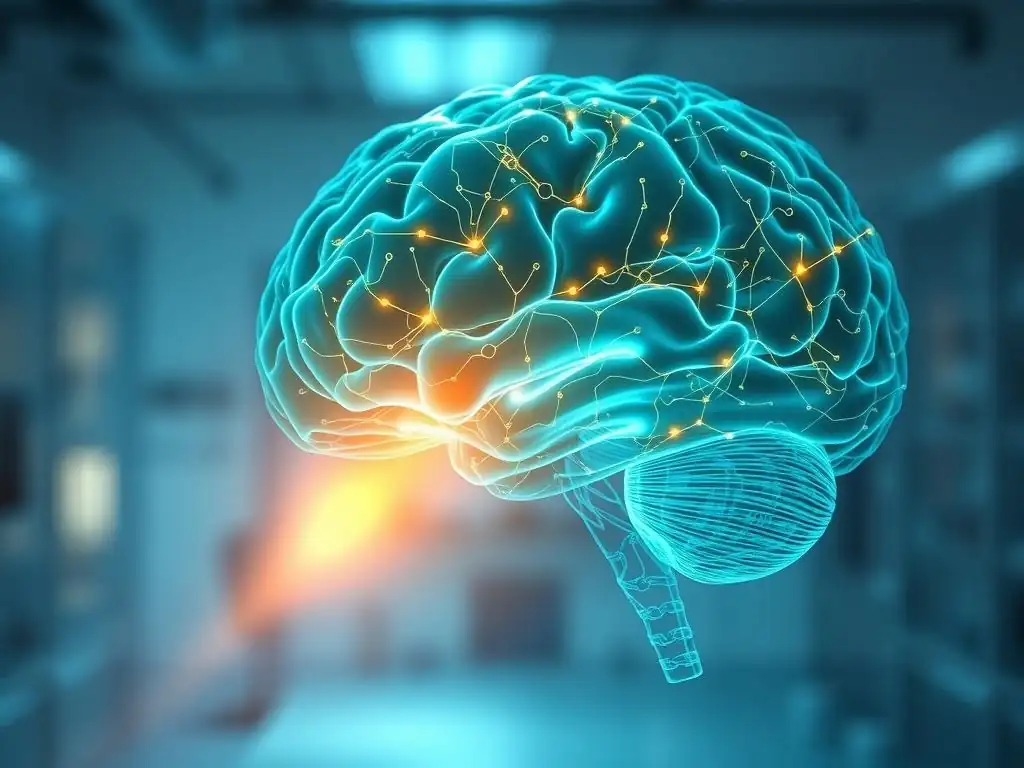
Welcome to Mind Care Guide, a space dedicated to nurturing your mental well-being.
Are you grappling with anxiety and searching for answers beyond the surface? You're not alone. Many experience the relentless worry of Generalized Anxiety Disorder (GAD). Let's delve into the fascinating world of neuroscience and uncover the intricate connection between GAD brain chemistry causes anxiety. Understanding this complex relationship is the first step towards reclaiming control and finding lasting relief. Curious to learn more about the science behind your anxiety? Let's begin.
- Defining Social Anxiety Disorder (SAD)
- The Neurobiology of SAD: Exploring Brain Regions and Neurotransmitters
- Psychological and Environmental Factors Contributing to SAD
- Treatment Approaches for SAD: A Multimodal Approach
- Differentiating SAD from Shyness and Other Anxiety Disorders
- Current Research and Future Directions in SAD Treatment
- Seeking Professional Help: When and How to Find Support
-
Frequently Asked Questions
- What is GAD and how does it relate to brain chemistry?
- How do neurotransmitters influence anxiety levels in GAD?
- What are some potential causes of GAD beyond brain chemistry?
- Can lifestyle changes impact brain chemistry and reduce anxiety in GAD?
- Are there medications available that target brain chemistry to treat GAD?
- Final Reflection: Unraveling the Mystery of GAD: A Path Towards Understanding and Healing
- Unlock Your Anxiety Relief Journey
Diagnostic Criteria for SAD
Social Anxiety Disorder (SAD), also known as social phobia, is characterized by a persistent fear of social or performance situations in which the individual is exposed to unfamiliar people or to possible scrutiny by others. The individual fears that they will act in a way (or show anxiety symptoms) that will be humiliating or embarrassing.
This fear is often disproportionate to the actual threat posed by the social situation. For a diagnosis according to the DSM-5 (Diagnostic and Statistical Manual of Mental Disorders, 5th Edition), the fear, anxiety, or avoidance must be persistent, typically lasting for 6 months or more.
Furthermore, exposure to the feared social situation almost invariably provokes anxiety, which may manifest as a panic attack. The feared social or performance situations are avoided or endured with intense fear or anxiety.
The fear or anxiety is out of proportion to the actual danger posed by the social situation and to the sociocultural context. The distress caused by the symptoms is clinically significant, impairing functioning in social, occupational, or other important areas.
It's crucial that the fear, anxiety, or avoidance is not attributable to the physiological effects of a substance (e.g., a drug of abuse, a medication) or another medical condition, nor is it better explained by another mental disorder like Panic Disorder or Generalized Anxiety Disorder (GAD), although comorbidity is common. Understanding the specific criteria helps differentiate SAD from normal shyness or anxiety related to other causes, including how different patterns of brain chemistry causes anxiety in various disorders.
Prevalence and Impact of SAD
Social Anxiety Disorder is one of the most common mental health conditions. Lifetime prevalence estimates vary across studies and populations, but figures often range from 7% to 13% in the United States. This means that millions of people experience significant distress and impairment due to this condition at some point in their lives. SAD typically begins in early to mid-adolescence, with a median age of onset around 13 years old, though it can emerge earlier or later. It affects both males and females, though some studies suggest a slightly higher prevalence in females.
The impact of SAD extends far beyond feeling nervous in social settings. It can severely limit educational and occupational opportunities, hinder the development of meaningful relationships, and lead to social isolation. Individuals with severe SAD may drop out of school, avoid job interviews, struggle with daily interactions like shopping or ordering food, and withdraw from friends and family. This chronic avoidance and distress significantly reduce quality of life and can contribute to the development of other conditions, such as depression or substance use disorders. Addressing the underlying brain chemistry causes anxiety and avoidance is a key focus in treatment.
The Neurobiology of SAD: Exploring Brain Regions and Neurotransmitters
The amygdala, a small almond-shaped structure deep within the brain's temporal lobe, plays a central role in processing emotions, particularly fear and threat detection. In individuals with Social Anxiety Disorder, research suggests that the amygdala may be hyperactive or overly sensitive to social stimuli. Studies using functional magnetic resonance imaging (fMRI) have shown increased amygdala activation in people with SAD when they are exposed to social threat cues, such as negative facial expressions or public speaking scenarios, compared to individuals without the disorder. This heightened responsiveness contributes to the intense fear experienced in social situations.
This increased reactivity in the amygdala is thought to be a core component of the brain chemistry causes anxiety in SAD. The amygdala acts as an alarm system; in SAD, this alarm is triggered too easily and too strongly in social contexts. This can lead to a cascade of physiological responses, including increased heart rate, sweating, and muscle tension, which are the physical manifestations of social anxiety. Understanding this amygdala dysfunction is crucial for developing targeted therapies aimed at modulating this fear response.
While the amygdala signals potential threat, the prefrontal cortex (PFC), particularly the ventromedial and dorsolateral regions, is involved in higher-level cognitive functions, including regulating emotions and evaluating context. In healthy individuals, the PFC can help dampen the amygdala's response when a situation is deemed safe. However, in individuals with SAD, there appears to be reduced activity or impaired connectivity between the PFC and the amygdala. This suggests that the brain's ability to regulate or "turn down" the fear response initiated by the amygdala is compromised.
This imbalance – an overactive amygdala and an underactive or poorly connected PFC – contributes significantly to the persistent and intense social anxiety. The PFC is also involved in cognitive processes like evaluating social cues, predicting outcomes, and controlling behavior in social settings. Dysfunction in these areas can lead to negative self-evaluation, misinterpretation of social signals, and difficulty inhibiting avoidant behaviors, further perpetuating the cycle of social anxiety. Research into how this interplay of brain regions and brain chemistry causes anxiety provides valuable insights for treatment development.
Neurotransmitter Systems: Serotonin, Dopamine, and GABA
Several neurotransmitter systems are implicated in the neurobiology of Social Anxiety Disorder, contributing to the complex brain chemistry causes anxiety. Serotonin, a neurotransmitter involved in mood, sleep, and anxiety regulation, is particularly relevant. Many effective medications for SAD, such as SSRIs, target the serotonin system, suggesting that imbalances in serotonin levels or receptor function play a role. Low serotonin activity or dysregulation may contribute to increased anxiety and sensitivity to social threat.
Dopamine, involved in reward, motivation, and social behavior, also appears to be affected in SAD. Some studies suggest altered dopamine receptor binding or release in certain brain regions in individuals with social anxiety. This could influence social motivation, pleasure derived from social interaction, and the avoidance of social situations.
Gamma-aminobutyric acid (GABA) is the primary inhibitory neurotransmitter in the brain, helping to calm neural activity. While less studied than serotonin in SAD, dysfunctions in the GABA system could contribute to the overall state of heightened anxiety and excitability observed in the disorder. The intricate balance and interaction of these neurotransmitter systems are central to understanding how brain chemistry causes anxiety in social contexts.
Psychological and Environmental Factors Contributing to SAD

Genetic Predisposition and Family History
Research indicates that there is a genetic component to Social Anxiety Disorder. Studies have shown that individuals with a first-degree relative (parent, sibling) who has SAD are two to six times more likely to develop the disorder themselves compared to the general population. While specific genes have not been definitively identified as solely responsible, it is believed that a combination of genes, each contributing a small effect, may increase vulnerability. This genetic predisposition doesn't guarantee that someone will develop SAD, but it can lower the threshold for environmental triggers to activate the condition.
Twin studies further support the role of genetics, estimating that approximately 30-40% of the variance in social anxiety symptoms can be attributed to genetic factors. This suggests that while genes play a significant role in influencing brain structure and brain chemistry causes anxiety vulnerabilities, environmental influences are also crucial. Understanding this genetic link helps frame SAD not just as a psychological issue but one with a biological foundation that can be inherited.
Environmental factors, particularly early life experiences, are powerful contributors to the development of Social Anxiety Disorder. Negative social experiences during childhood, such as bullying, rejection by peers, or critical/controlling parenting styles, can significantly increase the risk. Children who are excessively shy or inhibited from a young age may also be more vulnerable, especially if their environment does not provide opportunities to gradually overcome these tendencies. Observing anxious behavior in parents or other significant figures can also lead to social learning, where a child learns to fear social situations by watching others.
A lack of opportunities to practice social skills or build positive social experiences in formative years can also contribute. If a child rarely interacts with peers or adults outside the family, they may not develop the necessary confidence and skills to navigate social situations comfortably. These early experiences shape beliefs about oneself and the social world, influencing how brain chemistry causes anxiety responses to future social challenges. For example, a child consistently criticized might develop a deep-seated fear of judgment, which can manifest as intense social anxiety later on.
Cognitive Biases and Negative Self-Perception
Cognitive factors, specifically biased thinking patterns, are central to maintaining Social Anxiety Disorder. Individuals with SAD often engage in negative self-talk and hold core beliefs about themselves being inadequate, unlikeable, or incompetent in social settings. They tend to overestimate the likelihood of negative social outcomes (e.g., "Everyone will think I'm stupid") and catastrophize the consequences ("If I blush, I'll be completely humiliated and can never show my face again"). These cognitive biases are like filters through which social situations are perceived, constantly reinforcing the fear.
Furthermore, people with SAD often engage in excessive self-monitoring during social interactions, paying intense attention to their own behavior and physical symptoms (e.g., checking if they are shaking or sweating). This internal focus distracts them from the actual social interaction and can paradoxically increase their anxiety. They also tend to dwell on perceived social failures, replaying interactions and focusing on what they believe went wrong. These cognitive patterns contribute significantly to the brain chemistry causes anxiety loop, perpetuating the disorder even in the absence of genuine external threats.
Treatment Approaches for SAD: A Multimodal Approach
Cognitive Behavioral Therapy (CBT) is widely considered the most effective psychotherapy for Social Anxiety Disorder. It is a structured, time-limited approach that helps individuals identify and challenge negative thought patterns and behaviors that contribute to their anxiety. CBT for SAD typically involves several key components aimed at modifying the brain chemistry causes anxiety response and improving coping skills.
Social Skills Training
Social skills training is a component of CBT that focuses on teaching and practicing specific communication and interaction skills. This might include learning how to start and maintain conversations, make eye contact, assert oneself, or give and receive compliments. Through role-playing and practice in safe environments, individuals can build confidence in their ability to navigate social situations effectively, reducing the fear that they lack the skills needed for positive interactions. This helps counteract the negative self-perception often present in SAD.
Cognitive Restructuring
Cognitive restructuring is a core technique in CBT that helps individuals identify, challenge, and modify their biased thinking patterns. This involves examining the evidence for and against anxious thoughts (e.g., "Is it really true that everyone is judging me?"). Therapists help individuals develop more balanced and realistic perspectives on social situations and their own performance. By changing how they think about social threats, individuals can reduce the intensity of their fear response, impacting the brain chemistry causes anxiety cycle.
Exposure Therapy
Exposure therapy is a crucial element of CBT for SAD, involving gradually and systematically confronting feared social situations. This is done in a hierarchical manner, starting with less anxiety-provoking situations and progressing to more challenging ones. Examples might include practicing ordering coffee, making a phone call, participating in a small group discussion, or giving a presentation.
Through repeated exposure, individuals learn that their feared outcomes rarely occur, or that they can cope with them when they do. This process helps extinguish the fear response and rewires the brain's association with social cues, directly impacting the brain chemistry causes anxiety related to avoidance.
Medication Options for Managing SAD Symptoms
For many individuals, medication can be a helpful tool, often used in conjunction with therapy, to manage the symptoms of Social Anxiety Disorder. Medications can help regulate the brain chemistry causes anxiety symptoms, making it easier for individuals to engage in therapy and face feared situations.
Selective Serotonin Reuptake Inhibitors (SSRIs)
Selective Serotonin Reuptake Inhibitors (SSRIs) are typically the first-line medication treatment for Social Anxiety Disorder. Medications like paroxetine (Paxil), sertraline (Zoloft), escitalopram (Lexapro), and fluvoxamine (Luvox) are commonly prescribed. They work by increasing the levels of serotonin in the brain, which helps improve mood and reduce anxiety. It often takes several weeks (typically 4-6 weeks or longer) to experience the full therapeutic effects of SSRIs for SAD.
Serotonin-Norepinephrine Reuptake Inhibitors (SNRIs)
Serotonin-Norepinephrine Reuptake Inhibitors (SNRIs) are another class of antidepressants that can be effective for SAD. Venlafaxine (Effexor XR) is an SNRI commonly used for this purpose. SNRIs work by increasing levels of both serotonin and norepinephrine in the brain. Like SSRIs, they take time to become fully effective and are thought to influence the brain chemistry causes anxiety by modulating these key neurotransmitter systems involved in mood and stress response.
Beta-Blockers for Performance Anxiety
Beta-blockers, such as propranolol, are sometimes prescribed for performance-related social anxiety (e.g., fear of public speaking). Unlike SSRIs or SNRIs, beta-blockers primarily target the physical symptoms of anxiety, such as rapid heart rate, trembling, and sweating. They work by blocking the effects of adrenaline. They are typically taken as needed shortly before a feared performance and are not a treatment for generalized social anxiety across multiple situations, but rather a tool to manage specific physical manifestations of fear.
Lifestyle Modifications and Self-Help Strategies
In addition to therapy and medication, certain lifestyle modifications and self-help strategies can play a significant role in managing Social Anxiety Disorder and supporting the process of regulating the brain chemistry causes anxiety.
Mindfulness and Relaxation Techniques
Practicing mindfulness and relaxation techniques can help individuals manage the acute physical and mental symptoms of anxiety. Mindfulness involves paying attention to the present moment without judgment, which can help interrupt anxious rumination. Techniques like deep breathing exercises, progressive muscle relaxation, and meditation can calm the nervous system, reducing the physiological arousal associated with social fear. Regular practice can train the brain to respond differently to anxiety triggers.
Exercise and Physical Activity
Regular physical exercise has numerous benefits for mental health, including reducing anxiety symptoms. Engaging in aerobic activities, strength training, or other forms of exercise can help regulate mood, reduce stress hormones, and potentially influence neurotransmitter levels. Even moderate physical activity, such as brisk walking for 30 minutes most days of the week, can make a noticeable difference in overall well-being and resilience to anxiety.
Social Support and Connection
While challenging for individuals with SAD, gradually seeking and accepting social support is vital. Connecting with trusted friends, family members, or support groups provides a sense of belonging and reduces feelings of isolation. Sharing experiences with others who understand social anxiety can be incredibly validating and provide practical coping strategies. Small, consistent efforts to engage in social interactions, even brief ones, can help build confidence over time and slowly counteract the urge to avoid, helping to normalize the brain chemistry causes anxiety response to social cues.
Differentiating SAD from Shyness and Other Anxiety Disorders
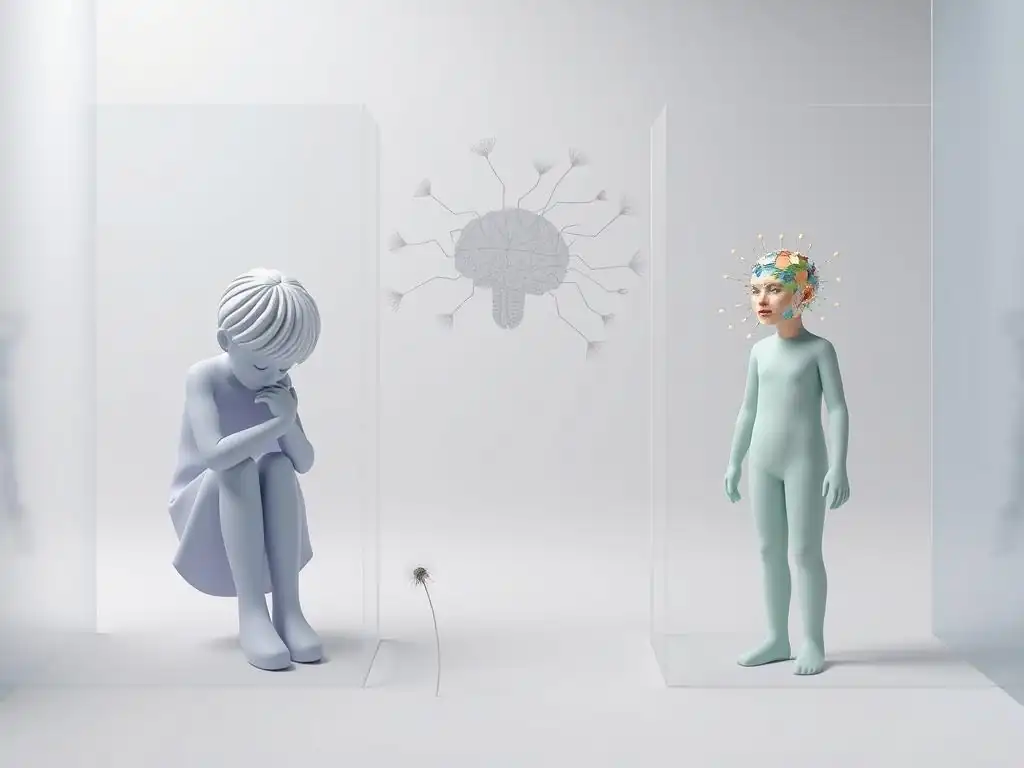
Distinguishing SAD from Normal Shyness
It's important to differentiate Social Anxiety Disorder from normal shyness. Shyness is a common personality trait characterized by discomfort or apprehension in social situations, but it does not typically cause significant distress or impairment in daily life. A shy person might feel nervous before a party but can still attend and function reasonably well once there. They may prefer smaller gatherings but can manage larger ones without intense fear or avoidance that disrupts their life.
In contrast, SAD involves intense fear and significant avoidance that interferes with social, occupational, or academic functioning. An individual with SAD might avoid parties altogether, struggle to speak in class, or find it impossible to interview for a job. The fear is persistent and often leads to significant distress and isolation. While shyness is a variation of personality, SAD is a diagnosable mental health condition requiring treatment because the brain chemistry causes anxiety response is significantly dysregulated, leading to debilitating symptoms and avoidance.
Comorbidity with Other Mental Health Conditions
Social Anxiety Disorder frequently co-occurs with other mental health conditions. It is estimated that a significant percentage of individuals with SAD also meet criteria for other anxiety disorders, such as Generalized Anxiety Disorder (GAD) or Panic Disorder, or mood disorders like Major Depressive Disorder. For instance, studies show that around 50% of people with SAD may also experience depression at some point. This comorbidity can complicate diagnosis and treatment, as symptoms may overlap.
Understanding the interplay between SAD and conditions like GAD is crucial. While both involve anxiety, the focus differs: GAD is characterized by excessive worry about various life events, whereas SAD is specifically tied to fear of social situations and judgment. However, the underlying brain chemistry causes anxiety might share some common pathways or neurotransmitter dysregulations across different anxiety disorders, which is why some treatments, like SSRIs, can be effective for multiple conditions.
Substance use disorders are also more prevalent among individuals with SAD, potentially as a way to self-medicate social distress. Addressing all co-occurring conditions is essential for effective recovery.
Current Research and Future Directions in SAD Treatment
Novel Therapeutic Approaches
Research into Social Anxiety Disorder continues to explore new and more effective treatment approaches. One area of investigation is the use of technology-assisted therapies, such as virtual reality (VR) exposure therapy. VR allows individuals to practice navigating feared social situations in a controlled and customizable environment, potentially making exposure more accessible and less intimidating initially. Early studies show promise for VR as a supplemental or alternative method to traditional in-vivo exposure.
Another area involves combining pharmacological agents with therapy to enhance treatment outcomes. For example, research is exploring the potential of using medications like D-cycloserine (DCS), which affects learning and memory processes, to augment the effectiveness of exposure therapy by strengthening the extinction of fear. Psychedelic-assisted therapy is also a nascent area of research, investigating whether substances like psilocybin, in a therapeutic context, could help shift rigid thought patterns and fear responses in conditions like SAD. These novel approaches aim to target the complex interplay of psychological factors and brain chemistry causes anxiety.
Neuroimaging Studies and Personalized Treatment
Advances in neuroimaging techniques, such as fMRI and PET scans, are deepening our understanding of the brain mechanisms underlying Social Anxiety Disorder. These studies continue to map the specific brain regions and neural circuits involved in social fear and avoidance, including the precise ways the brain chemistry causes anxiety in SAD compared to other conditions like GAD brain chemistry causes anxiety. This research may eventually lead to the identification of biomarkers that can predict which individuals are most likely to respond to specific treatments (e.g., certain types of therapy vs. medication).
The goal of this research is to move towards more personalized and precision medicine approaches for SAD. By better understanding the unique neurobiological and psychological profile of an individual's social anxiety, clinicians may be able to tailor treatment plans more effectively, selecting the interventions (therapy type, medication class, specific techniques) that are most likely to be successful for that person. This represents a significant future direction in improving outcomes for those affected by SAD.
Seeking Professional Help: When and How to Find Support
Finding a Qualified Mental Health Professional
Recognizing the need for help and taking the step to seek professional support is a critical turning point for individuals with Social Anxiety Disorder. It is generally recommended to seek professional help when social anxiety symptoms are causing significant distress, interfering with daily functioning (work, school, relationships), or leading to avoidance behaviors that limit life opportunities. A qualified mental health professional can provide an accurate diagnosis and develop an appropriate treatment plan tailored to the individual's needs, whether it involves therapy, medication, or a combination.
Finding the right professional is key. This could be a psychiatrist (who can prescribe medication and provide therapy), a psychologist, licensed clinical social worker, or licensed professional counselor (who primarily provide therapy). It's helpful to look for professionals with experience in treating anxiety disorders, particularly SAD. Many professional organizations and mental health associations offer online directories to help locate qualified providers in your area. Don't hesitate to ask about their experience and therapeutic approach during an initial consultation.
Support Groups and Online Resources
In addition to individual therapy or medication, support groups can be a valuable resource for people with Social Anxiety Disorder. Connecting with others who share similar experiences can reduce feelings of isolation, provide practical coping strategies, and offer encouragement. Support groups, whether in-person or online, create a safe space to practice social interaction and realize that you are not alone in your struggles with social fear and the complex ways brain chemistry causes anxiety in social settings.
Numerous reputable online resources also offer information, self-help tools, and communities for individuals with SAD. Websites from organizations like the Anxiety & Depression Association of America (ADAA), the National Institute of Mental Health (NIMH), and the Mayo Clinic provide reliable information about symptoms, causes, and treatments. While online resources and support groups are not a substitute for professional treatment, they can be excellent supplements to a comprehensive treatment plan and help individuals feel more empowered and connected.
Frequently Asked Questions
What is GAD and how does it relate to brain chemistry?
GAD, or Generalized Anxiety Disorder, is characterized by persistent and excessive worry. Brain chemistry plays a crucial role because imbalances in neurotransmitters like serotonin and GABA can contribute to anxiety symptoms.
How do neurotransmitters influence anxiety levels in GAD?
Neurotransmitters act as chemical messengers in the brain. Serotonin and GABA, in particular, are involved in regulating mood and anxiety. Deficiencies or imbalances can lead to heightened anxiety levels commonly seen in GAD.
What are some potential causes of GAD beyond brain chemistry?
While brain chemistry is significant, other factors like genetics, environmental stressors, and past trauma can also contribute to GAD. These factors can interact with brain chemistry, exacerbating anxiety symptoms.
Can lifestyle changes impact brain chemistry and reduce anxiety in GAD?
Yes, certain lifestyle changes like regular exercise, a balanced diet, and mindfulness practices can positively influence brain chemistry. These can help regulate neurotransmitter levels and reduce overall anxiety.
Are there medications available that target brain chemistry to treat GAD?
Several medications, such as SSRIs and SNRIs, are designed to target specific neurotransmitter systems in the brain. These medications aim to restore balance and alleviate anxiety symptoms associated with GAD.
Final Reflection: Unraveling the Mystery of GAD: A Path Towards Understanding and Healing
The intricate dance between brain chemistry and anxiety, as explored in this article, is not merely an academic exercise; it's a crucial step towards understanding and ultimately alleviating the pervasive suffering caused by Generalized Anxiety Disorder (GAD). The more we understand the neurological underpinnings of GAD, the better equipped we are to develop effective treatments and offer genuine hope to those struggling with this debilitating condition.
This journey into the science of GAD has underscored the profound impact of neurotransmitters and brain structures on our emotional well-being. The complex interplay of factors, from genetic predispositions to environmental stressors, highlights the need for a holistic approach to treatment. The mind is not a vessel to be filled, but a fire to be kindled.
- Plutarch. This quote resonates deeply, reminding us that understanding the "fire" of anxiety – its biological roots – is just as important as addressing the external factors that fuel it.
Now, consider your own experiences with anxiety, stress, or even moments of overwhelming worry. What resonates most with you from this exploration of GAD's neurological basis? Take a moment to reflect on how this knowledge can empower you to seek help, advocate for better mental health resources, or simply approach your own anxieties with a greater sense of understanding and compassion. The path to managing GAD is not always easy, but armed with knowledge and self-awareness, you can navigate it with strength and resilience.
Unlock Your Anxiety Relief Journey
Thanks for exploring the science behind Generalized Anxiety Disorder with us! We hope you gained valuable insights into the complexities of GAD and its underlying mechanisms. Now, it's time to take action.
- Identify your personal GAD triggers: Take some time this week to reflect on situations or thoughts that typically increase your anxiety. This self-awareness is your first step toward managing your condition.
- Share this article with someone who might benefit: Knowledge is power, and spreading awareness about GAD can support others on their journeys.
- Explore relaxation techniques: Experiment with deep breathing exercises, mindfulness meditation, or progressive muscle relaxation—even just 5 minutes a day can make a difference!
Ready to actively manage your anxiety and reclaim your peace of mind? What small step will you take today to prioritize your mental well-being?