
The Science Behind Therapy: Why It Works for Mood Disorders


Welcome to Mind Care Guide, your trusted companion on the path to mental well-being. Feeling overwhelmed by the complexities of mood disorders? You're not alone. We understand the struggle, and we're here to shed light on effective solutions. Ever wondered why therapy works for mood disorders? Dive into our comprehensive guide, " The Science Behind Therapy: Why It Works for Mood Disorders," and discover the evidence-based strategies that can help you reclaim your emotional balance and build a brighter future. Let's explore the power of healing, together.
The Science Behind Therapy: Why It Works for Mood Disorders
- Understanding Mood Disorders and the Role of Therapy
- The Neurobiological Basis of Mood Disorders: What Science Tells Us
- How Therapy Changes the Brain: The Science of Neuroplasticity
-
Types of Therapy and Their Mechanisms of Action for Mood Disorders
- Cognitive Behavioral Therapy (CBT) for Mood Disorders: A Scientific Perspective
- Interpersonal Therapy (IPT) for Mood Disorders: Building Stronger Connections
- Dialectical Behavior Therapy (DBT) for Mood Disorders: Managing Emotions
- Psychodynamic Therapy for Mood Disorders: Uncovering Unconscious Conflicts
- The Therapeutic Relationship: A Key Ingredient for Successful Therapy
- Beyond the Therapy Room: Lifestyle Factors that Enhance Therapeutic Effects
- Therapy Works: Real-World Examples and Success Stories for Mood Disorders
- Maintaining Mental Wellness After Therapy: Prevention and Relapse Management
-
Frequently Asked Questions
- How does therapy specifically address mood disorders?
- What types of therapy are most effective for treating mood disorders?
- How long does it typically take to see results from therapy when treating mood disorders?
- What role does therapy play in conjunction with medication for mood disorders?
- Is therapy a long-term solution for managing mood disorders, or is it a temporary fix?
- Final Reflection: Unraveling the Power of Therapy for Mood Disorders
- Unlock Your Mood's Potential: Take Charge of Your Mental Wellbeing
Understanding Mood Disorders and the Role of Therapy
Defining Mood Disorders: A Comprehensive Overview
Mood disorders represent a category of mental health conditions primarily characterized by significant disturbances in a person's emotional state. These disturbances can manifest as persistently elevated, expansive, or irritable moods (as seen in bipolar disorders) or as profoundly low, sad, or empty moods (as in depressive disorders). Unlike typical mood fluctuations experienced in daily life, the shifts in mood associated with these disorders are often intense, prolonged, and significantly impair a person's ability to function in various areas, including work, school, and relationships.
Key types include Major Depressive Disorder (MDD), Persistent Depressive Disorder (Dysthymia), Bipolar I Disorder, Bipolar II Disorder, and Cyclothymic Disorder. These conditions can affect individuals across the lifespan and are complex, often involving a combination of genetic, environmental, and psychological factors. Understanding the specific nature of the mood disturbance is crucial for effective diagnosis and treatment planning, highlighting why personalized approaches, where therapy works for mood disorders, are so vital.
The Prevalence of Mood Disorders: Statistical Insights
Mood disorders are among the most common mental health conditions globally. According to estimates from the World Health Organization (WHO), depression alone is a leading cause of disability worldwide, affecting hundreds of millions of people. Major Depressive Disorder impacts approximately 5% of adults in the United States in any given year, with about 17% experiencing it at some point in their lifetime. Bipolar disorders, while less common than depression, still affect a significant portion of the population, with estimates suggesting a lifetime prevalence of around 2-3% globally.
These statistics underscore the widespread impact of mood disorders and the urgent need for effective interventions. The economic burden is also substantial, including healthcare costs, lost productivity, and disability benefits. These figures emphasize why understanding how therapy works for mood disorders and making it accessible is not just a clinical imperative but a public health necessity.
Why Therapy is a Crucial Treatment Approach for Mood Disorders
While medication can be highly effective for managing the symptoms of mood disorders, particularly in moderate to severe cases, therapy offers unique benefits by addressing the underlying psychological and behavioral factors that contribute to these conditions. Therapy provides individuals with tools and strategies to understand their emotions, challenge negative thought patterns, improve coping mechanisms, and develop healthier interpersonal relationships. It empowers individuals to become active participants in their recovery process.
Research consistently shows that therapy, either alone or in combination with medication, is a highly effective treatment for various mood disorders. It can lead to lasting changes in thinking, behavior, and emotional regulation, reducing the frequency and severity of episodes and improving overall quality of life. The scientific evidence supporting how therapy works for mood disorders is robust, demonstrating its capacity to foster long-term well-being beyond symptom management.
The Neurobiological Basis of Mood Disorders: What Science Tells Us
Brain Structures Affected by Mood Disorders
Scientific research, particularly through neuroimaging techniques like fMRI and structural MRI, has identified specific brain regions that show altered activity and structure in individuals with mood disorders. The limbic system, a network involved in emotion, motivation, and memory, is frequently implicated. The amygdala, responsible for processing fear and emotional responses, often shows increased activity in depression and anxiety. The hippocampus, crucial for memory and emotional regulation, can show reduced volume, particularly in chronic or severe depression.
Furthermore, the prefrontal cortex (PFC), responsible for executive functions, decision-making, and regulating the limbic system, often exhibits decreased activity or connectivity in individuals with mood disorders. The anterior cingulate cortex (ACC), involved in conflict monitoring and emotional regulation, also shows abnormal activity. These structural and functional changes provide a neurobiological context for the symptoms experienced, such as persistent sadness, impaired decision-making, and difficulty regulating emotions, and help explain the biological pathways that therapy for mood disorders is thought to influence.
Neurotransmitter Imbalances in Depression and Bipolar Disorder
One of the earliest and most enduring hypotheses regarding the neurobiological basis of mood disorders centers on imbalances in neurotransmitters, chemical messengers that transmit signals between neurons. Key neurotransmitters implicated include serotonin, norepinephrine, and dopamine. Low levels or impaired function of serotonin and norepinephrine have been associated with depressive symptoms like low mood, fatigue, and difficulty concentrating, forming the basis for many antidepressant medications.
In bipolar disorder, the picture is more complex, involving not just deficits but also potentially excessive signaling or dysregulation of these neurotransmitters, particularly during manic episodes. Glutamate and GABA, the brain's primary excitatory and inhibitory neurotransmitters, respectively, are also increasingly recognized as playing a role in mood regulation and the pathophysiology of mood disorders. While the simple "chemical imbalance" theory is an oversimplification, disruptions in these neurotransmitter systems are undoubtedly part of the complex biological landscape of mood disorders, a landscape that evidence suggests therapy works for mood disorders by influencing.
The Impact of Stress and Trauma on Brain Function in Mood Disorders
Chronic stress and traumatic experiences are significant risk factors for developing mood disorders, and their impact on the brain is well-documented. Prolonged exposure to stress hormones, particularly cortisol, can have detrimental effects on brain structures like the hippocampus and prefrontal cortex, potentially leading to reduced volume and impaired function. This aligns with findings in individuals with depression and PTSD, where these regions are often affected.
Stress also disrupts neurotransmitter systems and can lead to neuroinflammation, further contributing to mood dysregulation. Early life trauma can have particularly profound and lasting effects on brain development and stress response systems, increasing vulnerability to mood disorders later in life. Understanding this link between environmental factors like stress and trauma and neurobiological changes highlights the importance of therapeutic approaches that address past experiences and build resilience, demonstrating another pathway through which therapy works for mood disorders effectively.
How Therapy Changes the Brain: The Science of Neuroplasticity
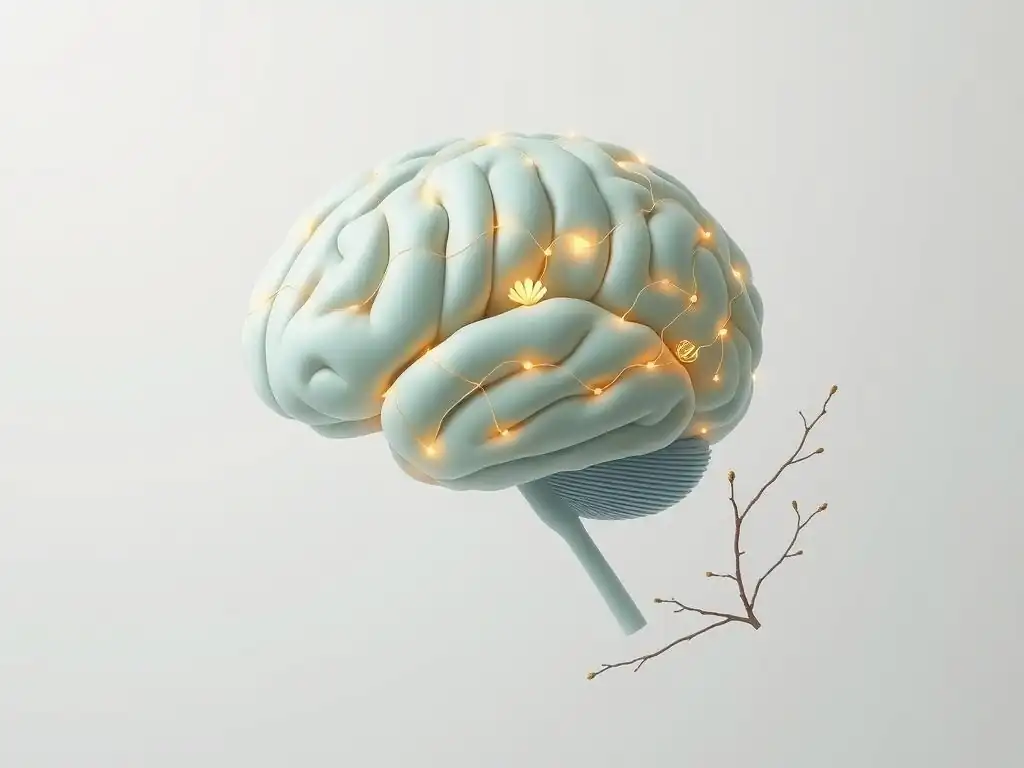
Neuroplasticity Explained: Remodeling Neural Pathways
Neuroplasticity is the remarkable ability of the brain to reorganize itself throughout life by forming new neural connections. This process allows the brain to adapt, learn, and recover from injury. It involves changes at various levels, from molecular and cellular alterations to changes in the structure and function of specific brain regions and networks. Experiences, learning, and even thoughts can literally rewire the brain.
This concept is fundamental to understanding how therapy works for mood disorders. Instead of viewing the brain as a static organ, neuroplasticity reveals it as dynamic and capable of change. Therapeutic interventions leverage this inherent capacity, providing structured experiences and learning opportunities that encourage the brain to form new, healthier pathways, effectively remodeling the neural circuitry associated with mood regulation and emotional processing.
Therapy-Induced Brain Changes: Evidence from Neuroimaging Studies
Neuroimaging studies have provided compelling evidence that therapy can induce measurable changes in brain activity and structure in individuals with mood disorders. For instance, studies using fMRI have shown that successful treatment with Cognitive Behavioral Therapy (CBT) for depression is associated with altered activity in regions like the prefrontal cortex and amygdala, often showing a normalization of the dysregulated patterns observed before therapy. One study found that CBT responders showed increased activity in the dorsal anterior cingulate cortex and decreased activity in the amygdala compared to non-responders.
Similarly, research on Interpersonal Therapy (IPT) for depression has shown changes in brain areas involved in social processing and emotional regulation. These findings suggest that therapy is not merely a psychological intervention but one with tangible neurobiological effects, demonstrating that therapy works for mood disorders by literally changing the brain's physical and functional landscape. This neurobiological evidence strengthens the scientific basis for psychotherapy's efficacy.
The Role of Cognitive Restructuring in Altering Brain Activity
Cognitive restructuring, a core technique in therapies like CBT, involves identifying and challenging negative or distorted thought patterns and replacing them with more balanced and realistic ones. From a neuroscientific perspective, this process is believed to work by strengthening neural pathways associated with more adaptive thinking styles and weakening those linked to negative rumination.
When individuals repeatedly practice identifying and challenging negative automatic thoughts, they are essentially engaging in a form of mental training that reinforces new neural circuits. This practice can lead to decreased activation in brain regions associated with negative self-referential processing (like the medial prefrontal cortex) and increased activation in areas involved in cognitive control and reappraisal. This provides a clear mechanism through which the psychological work done in therapy translates into observable changes in brain function, illustrating how therapy works for mood disorders at a cognitive and neural level.
Types of Therapy and Their Mechanisms of Action for Mood Disorders
Cognitive Behavioral Therapy (CBT) for Mood Disorders: A Scientific Perspective
Cognitive Behavioral Therapy (CBT) is one of the most widely researched and empirically supported psychotherapies for mood disorders, particularly depression and anxiety disorders. Its core principle is that our thoughts, feelings, and behaviors are interconnected, and that negative or distorted thinking patterns (cognitions) contribute significantly to emotional distress and maladaptive behaviors. CBT aims to help individuals identify these unhelpful patterns and develop more balanced and functional ways of thinking and behaving.
A typical course of CBT for depression might involve 12-20 sessions. It is highly structured and goal-oriented, often involving homework assignments where clients practice skills learned in therapy. The scientific backing for how CBT works for mood disorders is extensive, showing it is effective in reducing symptoms and preventing relapse across various demographics and severity levels.
How CBT Targets Negative Thought Patterns
CBT employs specific techniques to target negative thought patterns, such as identifying cognitive distortions (e.g., all-or-nothing thinking, catastrophizing), examining the evidence for and against these thoughts, and developing alternative, more realistic thoughts. This process, known as cognitive restructuring, helps individuals gain perspective on their thinking and reduce the emotional intensity associated with negative thoughts.
Behavioral components are also crucial. Activation strategies encourage individuals with depression to engage in enjoyable or meaningful activities, even when they don't feel like it, to break the cycle of withdrawal and low mood. Exposure techniques are used for anxiety components often co-occurring with mood disorders. By changing thinking and behavior, CBT helps individuals break free from the cycles that perpetuate mood disorder symptoms, demonstrating a clear pathway by which this type of therapy works for mood disorders.
The Scientific Evidence Supporting CBT's Effectiveness
Numerous meta-analyses and large-scale randomized controlled trials have demonstrated the efficacy of CBT for Major Depressive Disorder and other mood disorders. Studies show that CBT can be as effective as antidepressant medication for mild to moderate depression and provides lasting benefits, reducing relapse rates. For example, a prominent meta-analysis pooling data from multiple studies concluded that CBT is a highly effective treatment for depression, with average effect sizes demonstrating significant symptom reduction compared to control groups.
Research also indicates that CBT leads to significant functional improvements, helping individuals return to work, improve social functioning, and enhance their overall quality of life. The consistent findings across diverse research settings and populations underscore the robust scientific evidence base supporting how this form of therapy works for mood disorders.
Interpersonal Therapy (IPT) for Mood Disorders: Building Stronger Connections
Interpersonal Therapy (IPT) is another evidence-based treatment, particularly effective for depression. Developed initially as a time-limited treatment for major depression, IPT focuses on the link between mood and interpersonal relationships. The core idea is that improving the quality of a person's relationships and their ability to handle interpersonal challenges can alleviate mood disorder symptoms.
IPT typically lasts 12-16 sessions and focuses on identifying and addressing current interpersonal problems within one or more of four areas: grief, role disputes (conflicts with significant others), role transitions (adjusting to major life changes), and interpersonal deficits (difficulties forming and maintaining relationships). By resolving these issues, IPT aims to improve mood. Research shows that this specific type of therapy works for mood disorders by enhancing social support and coping skills.
IPT's Focus on Social Relationships and Mood
IPT operates on the principle that social support and healthy relationships are protective factors against mood disorders, while interpersonal difficulties can precipitate or perpetuate depressive episodes. The therapy helps individuals understand how their current relationships and interactions might be contributing to their mood problems. It then equips them with skills to communicate more effectively, resolve conflicts, mourn loss, and navigate life changes.
For example, in a role dispute, the therapist helps the client identify the nature of the conflict, understand their role and the other person's perspective, and develop strategies for communication and negotiation to resolve the dispute or reach a manageable outcome. This focus on real-world social challenges provides a practical way that this therapy works for mood disorders.
Research on the Benefits of IPT for Depression and Anxiety
Studies have consistently shown that IPT is an effective treatment for Major Depressive Disorder, with efficacy comparable to CBT and antidepressant medication. Research has also explored its benefits for other conditions, including anxiety disorders that often co-occur with depression. A significant body of evidence supports its use in various populations, including adolescents and older adults.
Meta-analyses have confirmed IPT's effectiveness in reducing depressive symptoms and improving social functioning. Its focus on interpersonal issues makes it particularly helpful for individuals whose mood disorder is closely tied to relationship difficulties or life transitions. The research confirms that this method of therapy works for mood disorders by addressing the social context of emotional distress.
Dialectical Behavior Therapy (DBT) for Mood Disorders: Managing Emotions
Dialectical Behavior Therapy (DBT), initially developed for individuals with Borderline Personality Disorder (BPD), has proven highly effective for individuals with other mood disorders, particularly those characterized by intense emotional dysregulation, impulsivity, and suicidal ideation or behavior. DBT integrates cognitive-behavioral techniques with mindfulness practices.
DBT is typically delivered in a comprehensive program involving individual therapy, skills training groups, phone coaching, and a consultation team for therapists. The core modules taught in skills training groups include mindfulness, distress tolerance, emotion regulation, and interpersonal effectiveness. DBT provides concrete skills to help individuals manage overwhelming emotions and navigate difficult situations without resorting to destructive behaviors, illustrating a powerful way this therapy works for mood disorders.
DBT's Core Principles: Mindfulness, Distress Tolerance, Emotion Regulation
Mindfulness skills teach individuals to pay attention to the present moment non-judgmentally, helping them observe their thoughts and feelings without being overwhelmed by them. Distress tolerance skills provide strategies for getting through difficult emotional crises without making things worse (e.g., using self-soothing, distracting, improving the moment). Emotion regulation skills help individuals understand their emotions, reduce emotional vulnerability, and change unwanted emotions.
Interpersonal effectiveness skills focus on asserting needs, saying no, and navigating relationships while maintaining self-respect. By teaching these concrete skills, DBT empowers individuals to gain control over their emotional responses and behaviors, which is crucial for managing the intense mood swings and instability often seen in certain mood disorders. This skills-based approach is a key mechanism by which this therapy works for mood disorders, particularly those involving emotional lability.
DBT's Application in Borderline Personality Disorder and Mood Swings
While its primary evidence base is in BPD, DBT's focus on emotional regulation and distress tolerance makes it highly applicable to other conditions involving significant mood instability, such as Bipolar II Disorder or Cyclothymic Disorder, or even severe MDD with significant emotional lability. For individuals experiencing rapid or intense mood swings, the skills taught in DBT can provide essential tools to navigate these fluctuations more effectively.
Research supports the use of DBT adaptations for conditions beyond BPD, including depression with suicidal ideation and bipolar disorder. Studies show that DBT can reduce hospitalizations, suicidal behaviors, and improve overall functioning in these populations. This demonstrates the versatility and effectiveness of DBT as a method where therapy works for mood disorders characterized by significant emotional challenges.
Psychodynamic Therapy for Mood Disorders: Uncovering Unconscious Conflicts
Psychodynamic therapy, rooted in psychoanalytic theory, explores how unconscious processes, past experiences (particularly early childhood), and unresolved conflicts influence current mood and behavior. Unlike more structured therapies like CBT or DBT, psychodynamic therapy is often less directive and focuses on the therapeutic relationship as a primary vehicle for change.
The goal is to help individuals gain insight into the root causes of their emotional distress, understand recurring patterns in their relationships and behaviors, and work through unresolved issues. This process can help alleviate symptoms by addressing the underlying psychological dynamics contributing to the mood disorder. It highlights a different mechanism by which therapy works for mood disorders – by fostering self-awareness and resolving historical conflicts.
Exploring Past Experiences and Their Impact on Present Mood
Psychodynamic therapy posits that current mood difficulties may stem from unresolved issues or patterns established in early life. For example, difficulties forming secure attachments in childhood might manifest as relationship problems or a pervasive sense of worthlessness in adulthood, contributing to depression. The therapy encourages individuals to explore these past experiences, their relationships with early caregivers, and the coping mechanisms developed in response.
By bringing unconscious patterns and conflicts into conscious awareness, individuals can begin to understand why they react to situations in certain ways and how these reactions perpetuate their mood problems. This exploration provides a framework for processing old wounds and developing new, healthier ways of relating to oneself and others, illustrating how this depth-oriented therapy works for mood disorders.
The Role of the Therapeutic Relationship in Psychodynamic Healing
In psychodynamic therapy, the relationship between the client and therapist is considered central to the healing process. This relationship can become a microcosm of the client's other relationships, allowing problematic interpersonal patterns to emerge and be worked through in a safe and supportive environment. The therapist's consistent, non-judgmental presence and ability to understand and reflect the client's emotional experience are crucial.
Within this trusting relationship, clients can feel safe enough to explore painful past experiences and difficult emotions. The therapist helps the client understand the dynamics of the therapeutic relationship itself (transference and countertransference) as a way to gain insight into their patterns outside of therapy. This relational aspect is a powerful mechanism by which psychodynamic therapy works for mood disorders, fostering emotional processing and insight.
The Therapeutic Relationship: A Key Ingredient for Successful Therapy
The Importance of Empathy, Trust, and Collaboration
Regardless of the specific therapeutic modality used, the quality of the relationship between the therapist and client – often referred to as the therapeutic alliance or working alliance – is consistently found to be a critical factor in treatment success for mood disorders. Core components of a strong alliance include therapist empathy, genuineness, and unconditional positive regard, alongside client trust and a shared agreement on treatment goals and tasks.
When a client feels understood, respected, and safe with their therapist, they are more likely to engage fully in the therapeutic process, share openly, and implement strategies discussed in sessions. This foundation of trust and collaboration creates a fertile ground for change, highlighting that while techniques are important, the human connection is vital for how therapy works for mood disorders effectively.
How the Therapeutic Alliance Fosters Positive Change
A strong therapeutic alliance facilitates positive change through several pathways. It provides a secure base from which clients can explore difficult emotions and experiences without fear of judgment. It models a healthy, collaborative relationship, which can be particularly healing for individuals with a history of challenging relationships. It enhances client motivation and adherence to treatment, including completing homework assignments or practicing new skills outside of sessions.
Research shows a significant positive correlation between the strength of the therapeutic alliance and treatment outcomes across various therapies and disorders, including mood disorders. This underscores that the "common factors" of therapy, such as the quality of the relationship, play a substantial role in how therapy works for mood disorders, complementing the effects of specific techniques.
The Impact of Therapist Qualities on Treatment Outcomes
While the client's active participation is essential, the therapist's qualities and skills significantly influence the therapeutic alliance and, subsequently, treatment outcomes. Therapists who are perceived as warm, empathetic, competent, and trustworthy tend to build stronger alliances. Their ability to accurately understand the client's perspective, manage their own emotional responses, and tailor interventions to the individual's needs are all crucial.
Furthermore, a therapist's cultural competence and awareness of diversity issues are increasingly recognized as vital for building trust and providing effective care to clients from diverse backgrounds. Ultimately, the therapist's skill in fostering a safe, collaborative, and empathetic relationship is a powerful predictor of whether therapy works for mood disorders for a given individual.
Beyond the Therapy Room: Lifestyle Factors that Enhance Therapeutic Effects

The Role of Exercise in Mood Regulation and Brain Health
Engaging in regular physical activity is a powerful adjunct to therapy for mood disorders and has its own independent antidepressant and anxiolytic effects. Exercise increases the levels of neurotransmitters like serotonin, norepinephrine, and dopamine, similar to how some antidepressant medications work. It also promotes the release of endorphins, which have mood-boosting effects.
Beyond neurotransmitters, exercise promotes neurogenesis (the growth of new neurons), particularly in the hippocampus, a brain region often affected by depression. It reduces inflammation and improves sleep quality, both of which are often disrupted in mood disorders. Studies consistently show that even moderate exercise, like brisk walking for 30 minutes several times a week, can significantly reduce symptoms of depression and anxiety, demonstrating how lifestyle supports the work of therapy for mood disorders.
Nutrition and Mood: The Gut-Brain Connection
Emerging research highlights the significant link between diet, gut health, and mental well-being, often referred to as the gut-brain connection. The gut microbiome (the trillions of bacteria in our intestines) communicates with the brain and influences neurotransmitter production, inflammation, and stress response. A diet rich in diverse plant fibers, fermented foods, and omega-3 fatty acids supports a healthy gut microbiome and can positively impact mood.
Conversely, a diet high in processed foods, sugar, and unhealthy fats can promote inflammation and negatively affect gut health, potentially exacerbating mood disorder symptoms. While nutrition is not a standalone treatment, incorporating a balanced, nutrient-dense diet can enhance the effectiveness of therapy and medication by supporting overall brain health and reducing inflammatory processes associated with mood disorders. This dietary support can make it easier for therapy works for mood disorders.
The Importance of Sleep Hygiene for Mental Well-being
Sleep disturbances are hallmark symptoms of most mood disorders, with insomnia and hypersomnia (excessive sleepiness) being common in depression, and reduced need for sleep often occurring during manic episodes in bipolar disorder. Poor sleep can exacerbate mood symptoms, impair cognitive function, and reduce the ability to cope with stress, creating a vicious cycle.
Establishing healthy sleep hygiene practices is therefore crucial for managing mood disorders and maximizing the benefits of therapy. This includes maintaining a consistent sleep schedule, creating a relaxing bedtime routine, ensuring a dark and quiet sleep environment, and avoiding stimulants like caffeine and alcohol before bed. Improving sleep quality can significantly improve mood regulation, energy levels, and overall resilience, acting as a fundamental support for how therapy works for mood disorders.
Therapy Works: Real-World Examples and Success Stories for Mood Disorders
Case Study 1: CBT for Major Depressive Disorder
Illustrative Case: Sarah, a 35-year-old marketing manager, presented with symptoms of Major Depressive Disorder, including persistent low mood, loss of interest in activities (anhedonia), fatigue, difficulty concentrating, and feelings of worthlessness. Her symptoms had been ongoing for six months, significantly impacting her work performance and social life. After a thorough assessment, she began a course of 16 sessions of Cognitive Behavioral Therapy.
Initially, Sarah struggled with identifying her negative automatic thoughts, but with her therapist's guidance, she learned to recognize patterns of self-criticism and catastrophizing. Through behavioral activation, she gradually increased her engagement in previously enjoyable activities, starting with short walks and meeting a friend for coffee. Over several weeks, she practiced challenging her thoughts, testing their validity, and replacing them with more balanced perspectives.
By the end of therapy, Sarah reported a significant reduction in depressive symptoms, scoring below the clinical threshold on standardized measures. She felt more energized, had resumed her hobbies, and felt more capable of managing challenging situations. This case illustrates how CBT therapy works for mood disorders by targeting specific thoughts and behaviors.
Illustrative Case: Mark, a 28-year-old graphic designer, experienced significant social anxiety that contributed to feelings of isolation and low mood, bordering on Persistent Depressive Disorder (Dysthymia). His anxiety made it difficult to interact with colleagues and form new friendships, leading to a cycle of loneliness and sadness. He sought therapy and began Interpersonal Therapy (IPT) focusing on the "interpersonal deficits" area.
Over 12 sessions, Mark and his therapist explored his patterns in relationships, identifying fears of rejection and difficulty asserting his needs. The therapy focused on improving his communication skills and strategies for initiating and maintaining social contact. They worked on role-playing difficult conversations and setting realistic expectations for social interactions. As Mark began applying these skills, he felt more confident in social settings.
He started attending work social events and reached out to acquaintances, gradually building a small support network. His feelings of isolation decreased, and his mood significantly improved. This example shows how IPT therapy works for mood disorders influenced by relational challenges.
The Power of Combining Therapy with Medication: A Synergistic Approach
For many individuals with moderate to severe mood disorders, particularly Major Depressive Disorder and Bipolar Disorder, the most effective treatment involves a combination of psychotherapy and psychiatric medication. Research consistently shows that combined treatment often yields better outcomes than either approach alone, leading to faster symptom relief, greater symptom reduction, and lower relapse rates.
Medication, such as antidepressants or mood stabilizers, can help regulate neurobiological imbalances, reducing the severity of symptoms like overwhelming sadness, lack of energy, or mood swings, making it easier for individuals to engage in therapy. Therapy, in turn, provides the skills and strategies to address the psychological and behavioral factors contributing to the disorder, helping individuals build resilience, improve coping, and prevent future episodes. This synergistic approach demonstrates that therapy works for mood disorders not just in isolation, but often best in concert with biological treatments, providing comprehensive care.
Maintaining Mental Wellness After Therapy: Prevention and Relapse Management
Strategies for Preventing Relapse of Mood Disorder Symptoms
Completing a course of therapy is a significant achievement, but maintaining wellness requires ongoing effort, especially with mood disorders which can have a relapsing nature. A key strategy for preventing relapse involves continuing to use the skills learned in therapy, such as identifying early warning signs of symptom return (e.g., changes in sleep, appetite, or energy), challenging negative thoughts, and maintaining healthy behaviors like exercise and good sleep hygiene.
Developing a personalized relapse prevention plan with the therapist before ending treatment is crucial. This plan typically includes recognizing triggers, having a list of coping strategies, identifying supportive contacts, and knowing when and how to seek professional help if symptoms worsen. Regularly reviewing and updating this plan helps individuals stay proactive in managing their mental health and reinforces how the principles learned in therapy works for mood disorders long-term.
The Importance of Ongoing Self-Care and Support Systems
Beyond formal skills, consistent self-care is vital for maintaining mental wellness. This includes prioritizing activities that bring joy and relaxation, managing stress effectively, and maintaining a healthy work-life balance. For many, connecting with a support system – friends, family, support groups – provides emotional support and a sense of belonging, which are protective factors against relapse.
Some individuals find that occasional "booster sessions" with their therapist can be helpful in reinforcing skills and addressing minor challenges before they escalate. Engaging in mindfulness practices, journaling, or pursuing creative outlets can also be valuable components of a self-care routine. These ongoing efforts are essential for solidifying the gains made in therapy and ensuring that therapy works for mood disorders not just during treatment, but for sustained well-being.
When to Seek Further Therapy: Recognizing Warning Signs
Knowing when to seek further professional help is a critical part of relapse management. Warning signs can vary but often include a return of core mood disorder symptoms, such as persistent low mood or elevated mood, significant changes in sleep or appetite, loss of interest, increased irritability, difficulty functioning at work or home, or thoughts of self-harm.
It's important to remember that seeking therapy again if symptoms return is not a sign of failure but a proactive step in managing a chronic condition. Reaching out to a therapist or other mental health professional early, ideally when symptoms are mild, can prevent a full-blown relapse and facilitate a quicker recovery. Having a plan in place, including contact information for previous therapists or local mental health services, ensures that support is readily available when needed, reinforcing that therapy works for mood disorders as both a primary treatment and a tool for ongoing management.
Frequently Asked Questions
How does therapy specifically address mood disorders?
Therapy provides a safe space to explore and understand the underlying causes of mood disorders. It teaches coping mechanisms and strategies to manage symptoms and improve emotional regulation. Ultimately, it aims to change negative thought patterns and behaviors.
What types of therapy are most effective for treating mood disorders?
Cognitive Behavioral Therapy (CBT) and Dialectical Behavior Therapy (DBT) are commonly used. CBT focuses on changing negative thinking patterns, while DBT helps with emotional regulation and distress tolerance. Other therapies, like interpersonal therapy, can also be beneficial.
How long does it typically take to see results from therapy when treating mood disorders?
The timeframe varies depending on the individual, the severity of the disorder, and the type of therapy. Some may experience noticeable improvements within a few weeks, while others may require several months of consistent therapy to see significant changes. Commitment and consistency are crucial.
What role does therapy play in conjunction with medication for mood disorders?
Therapy and medication can be a powerful combination. Medication can help stabilize mood and reduce symptoms, while therapy addresses the underlying causes and provides coping skills. They work synergistically to improve overall well-being.
Is therapy a long-term solution for managing mood disorders, or is it a temporary fix?
While some individuals may benefit from short-term therapy, others may find long-term therapy helpful for ongoing maintenance and relapse prevention. Therapy equips individuals with lasting skills to manage their mood and maintain their mental well-being.
Final Reflection: Unraveling the Power of Therapy for Mood Disorders
The science behind effective therapy for mood disorders is no longer a mystery; it's a powerful tool readily available to those who need it. Understanding the neurological and psychological mechanisms involved empowers individuals to actively participate in their recovery and challenges the stigma often associated with seeking mental health support. This knowledge is more crucial than ever in a world grappling with increasing rates of anxiety and depression.
The impact of effective therapeutic interventions extends far beyond individual healing; it ripples outwards, influencing families, communities, and the overall societal understanding of mental health. The shift towards evidence-based practices has been monumental, yet the journey towards complete destigmatization continues. The greatest barrier to mental health is the silence,
a quote often attributed to various sources, highlights the vital role of open conversation and education in fostering a supportive environment. My own personal journey in researching this topic has underscored the profound impact of therapy, not just on the individual, but on the collective well-being of society.
You now possess a deeper understanding of how therapy works to alleviate the suffering caused by mood disorders. This knowledge is not just for passive consumption; it's a call to action. Take the first step. Research therapists in your area, reach out to a trusted friend or family member, or simply begin exploring the resources available online. Your mental health is an investment in your overall well-being, and seeking professional help is a sign of strength, not weakness. Embrace the power of science and the transformative potential of therapy.
Unlock Your Mood's Potential: Take Charge of Your Mental Wellbeing
Thanks for taking the time to explore the science behind effective therapy for mood disorders. You've now armed yourself with valuable knowledge! Let's put it into action. Ready to make a positive change?
- Schedule a consultation with a therapist: This is your first, vital step towards a happier, healthier you. Don't hesitate—your well-being is worth it.
- Explore additional resources: Dive deeper into the research and discover more support networks and self-help techniques on our site.
- Share your insights:* Discuss this article with a friend, family member, or in a relevant online community. Knowledge shared is power multiplied.
What small step will you take today to nurture your mental wellbeing?