
Can Your Brain Change? Neuroplasticity and Healing from Depression

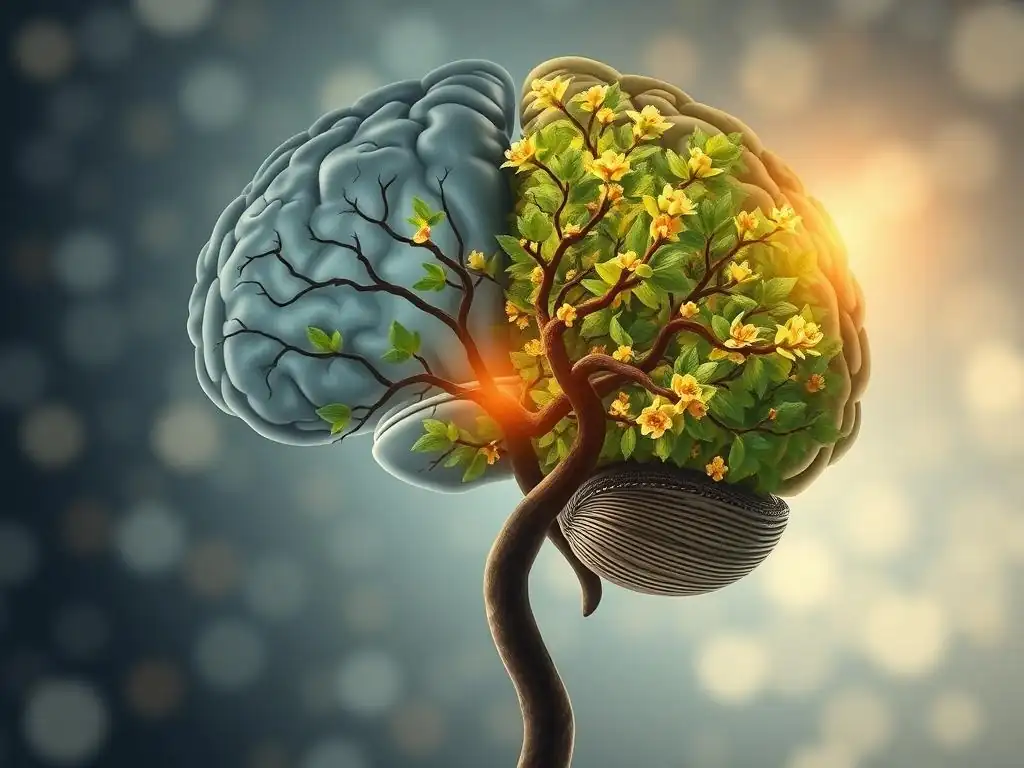
Welcome to Mind Care Guide, a place dedicated to nurturing your mental well-being.
Feeling stuck in a cycle of depression? You're not alone, and there's hope. Discover how the remarkable power of neuroplasticity, the brain's ability to change, can be harnessed for healing. Dive into our exploration of brain change depression recovery and unlock the potential for a brighter, healthier future. Are you ready to learn how your brain can adapt and thrive? Let's begin.
Can Your Brain Change? Neuroplasticity and Healing from Depression
- Understanding Neuroplasticity: The Key to Brain Change and Depression Recovery
- Depression and the Brain: Exploring the Impact of Depression on Brain Structure and Function
-
Neuroplasticity-Based Interventions for Depression: Pathways to Brain Change
- Cognitive Behavioral Therapy (CBT) and Neuroplasticity: Reshaping Thought Patterns and Brain Circuits
- Mindfulness and Meditation: Enhancing Brain Plasticity for Mood Regulation
- Exercise and Physical Activity: Stimulating Neurogenesis and Brain Health in Depression
- Nutritional Strategies to Support Brain Plasticity and Mental Well-being
- The Role of Neurotransmitters in Neuroplasticity and Depression: Serotonin, Dopamine, and Norepinephrine
- Practical Strategies to Harness Neuroplasticity for Depression Recovery
- The Future of Neuroplasticity and Depression Treatment: Emerging Therapies
- Maintaining Long-Term Brain Health and Preventing Depression Relapse Through Neuroplasticity
- Conclusion: Embracing the Power of Brain Change for Depression Recovery
-
Frequently Asked Questions
- Can depression actually lead to physical changes in the brain?
- What is neuroplasticity, and how does it relate to depression recovery?
- Are there specific therapies that leverage neuroplasticity to treat depression?
- Besides therapy, what lifestyle changes can support brain change and recovery from depression?
- How long does it typically take to see noticeable brain change and improvement in depression symptoms?
- Final Reflection: The Rewiring of Hope: Neuroplasticity and Depression Recovery
- Unlock Your Brain's Healing Power
Understanding Neuroplasticity: The Key to Brain Change and Depression Recovery
What is Neuroplasticity? Defining Brain Change and Adaptation
Neuroplasticity refers to the brain's remarkable ability to reorganize itself by forming new neural connections throughout life. It is the fundamental biological process by which the brain adapts, learns, and remembers. This dynamic property allows the brain to change its structure and function in response to experiences, environmental factors, and even internal states. This constant process of brain change is not limited to childhood; it continues throughout adulthood, offering significant potential for adaptation and healing, including in the context of mental health challenges like depression.
This ability manifests in several ways, including synaptic plasticity, which involves the strengthening or weakening of connections between neurons, and structural plasticity, involving changes in the number of neurons (neurogenesis) or the size and complexity of dendrites and axons. Understanding neuroplasticity is crucial because it means the brain is not a static organ. The pathways associated with negative thoughts, fear responses, or low mood in depression are not fixed; they can be modified and rerouted through targeted interventions and lifestyle changes, paving the way for brain change depression recovery.
How Neuroplasticity Impacts Mental Health and Depression
Neuroplasticity plays a dual role in mental health. On one hand, maladaptive plasticity can contribute to the development and maintenance of conditions like depression. For example, chronic stress, a known risk factor for depression, can impair neuroplasticity in crucial brain regions like the hippocampus, affecting mood regulation and cognitive function. Repetitive negative thought patterns, a hallmark of depression, can also strengthen the neural pathways associated with these thoughts through a form of negative plasticity, making them more ingrained.
On the other hand, the brain's capacity for positive neuroplasticity is the very foundation for recovery from depression. Therapeutic interventions, lifestyle adjustments, and even medications work, in part, by promoting beneficial brain change. By engaging in activities that stimulate positive neural adaptation, individuals can weaken maladaptive circuits and strengthen those associated with positive emotions, resilience, and healthy cognitive function. This demonstrates that the brain is capable of significant brain change depression recovery.
The Link Between Brain Plasticity and Recovery from Depression: A Neuroscientific Perspective
The connection between brain plasticity and recovery from depression is a central focus of modern neuroscience. Research indicates that effective treatments for depression are often associated with measurable changes in brain structure and function, reflecting enhanced neuroplasticity. For instance, studies have shown that successful psychotherapy or antidepressant treatment can lead to increased volume in brain areas like the hippocampus, which is often reduced in individuals with chronic depression.
Furthermore, recovery involves not just symptom reduction but the strengthening of neural circuits involved in emotional regulation, executive function, and positive affect. This strengthening is a direct result of neuroplastic processes. The ability of the brain to adapt and form new connections provides a biological basis for hope, confirming that the changes associated with depression are not irreversible and that active steps towards recovery can indeed facilitate profound brain change depression recovery.
Depression and the Brain: Exploring the Impact of Depression on Brain Structure and Function
How Depression Alters Brain Activity and Connectivity
Depression is associated with significant alterations in brain activity and connectivity, observable through neuroimaging techniques like functional magnetic resonance imaging (fMRI). These changes are not indicative of permanent damage but rather reflect altered states of neural function. Key areas affected include the prefrontal cortex (PFC), particularly regions involved in cognitive control and emotional regulation; the amygdala, which processes emotions like fear and anxiety; and the hippocampus, critical for memory formation and mood regulation.
In individuals with depression, studies often show decreased activity in certain parts of the PFC, which may contribute to difficulties with decision-making, concentration, and motivation. Simultaneously, the amygdala can show increased activity, leading to heightened emotional reactivity and rumination on negative thoughts. Furthermore, the connectivity between these regions is often disrupted, with weakened connections between the PFC and amygdala potentially impairing the brain's ability to regulate emotional responses. These altered patterns highlight the neural basis of depressive symptoms and the importance of brain change for recovery.
The exciting news is that the brain changes observed in depression are often reversible through effective treatment, thanks to neuroplasticity. Interventions like psychotherapy (e.g., CBT), antidepressant medications, and lifestyle changes can promote positive neuroplasticity, helping to normalize altered brain activity and connectivity patterns. This process of reversal is a core component of brain change depression recovery.
For example, successful treatment can lead to increased activity in the prefrontal cortex, improving cognitive function and emotional regulation. It can also help to dampen the overactivity often seen in the amygdala. Crucially, the connectivity between brain regions can be rebalanced, strengthening the pathways that support healthy mood and cognitive processing. This demonstrates that the brain is capable of significant adaptation and healing, actively working towards brain change away from the depressive state.
Neuroimaging Evidence: Brain Volume Changes in the Hippocampus and Amygdala
Neuroimaging studies have provided compelling evidence of structural brain changes associated with depression, particularly in the hippocampus and amygdala. Research consistently shows that individuals with major depressive disorder, especially chronic or recurrent cases, often exhibit reduced hippocampal volume compared to healthy individuals. The hippocampus is highly vulnerable to stress, and chronic exposure to stress hormones (like cortisol) can impair neurogenesis and connectivity in this region.
While findings regarding amygdala volume are less consistent, some studies report increased amygdala volume or activity in depressed individuals. Importantly, follow-up studies have shown that effective antidepressant treatment or long-term psychotherapy can lead to an increase in hippocampal volume and changes in amygdala activity, sometimes normalizing these structural and functional differences. This neuroimaging evidence provides concrete proof that the brain undergoes physical brain change during the process of depression recovery.
Neuroplasticity-Based Interventions for Depression: Pathways to Brain Change
Cognitive Behavioral Therapy (CBT) and Neuroplasticity: Reshaping Thought Patterns and Brain Circuits
Cognitive Behavioral Therapy (CBT) is a widely effective psychotherapy for depression. While seemingly focused on thoughts and behaviors, its therapeutic power lies in its ability to induce beneficial brain change through neuroplasticity. CBT helps individuals identify and challenge negative, distorted thought patterns that contribute to depression. By learning to reframe thoughts and change behaviors, individuals are actively engaging in a process that rewires neural pathways.
This process of learning new cognitive and behavioral skills strengthens neural connections in areas of the prefrontal cortex involved in reappraisal, emotional regulation, and executive control. Simultaneously, it can weaken the pathways associated with automatic negative thoughts and rumination, which often involve regions like the amygdala and medial prefrontal cortex. Essentially, CBT provides a structured way to practice positive brain change, building new habits of thinking and responding that support depression recovery.
Mindfulness and Meditation: Enhancing Brain Plasticity for Mood Regulation
Mindfulness and meditation practices, increasingly integrated into therapeutic approaches like Mindfulness-Based Cognitive Therapy (MBCT), also promote neuroplasticity and support brain change depression recovery. Regular meditation has been shown in numerous studies to alter brain structure and function. Practices that cultivate present-moment awareness, non-judgment, and acceptance can reduce activity in the default mode network (DMN), a brain circuit often overactive in depression and associated with rumination.
Furthermore, meditation has been linked to increased gray matter density in areas like the prefrontal cortex and hippocampus, regions crucial for attention, emotional regulation, and memory, which are often affected by depression. It can also improve connectivity between the prefrontal cortex and the amygdala, enhancing the brain's ability to regulate emotional responses. By training attention and fostering a different relationship with thoughts and feelings, mindfulness actively encourages beneficial brain change that can alleviate depressive symptoms.
Exercise and Physical Activity: Stimulating Neurogenesis and Brain Health in Depression
Regular physical activity is a powerful catalyst for neuroplasticity and is increasingly recognized as a vital component of brain change depression recovery. Exercise, particularly aerobic exercise, increases blood flow to the brain and stimulates the production of neurotrophic factors, such as Brain-Derived Neurotrophic Factor (BDNF). BDNF is often referred to as "Miracle-Gro" for the brain because it supports the growth, survival, and differentiation of neurons and synapses.
Increased BDNF levels, spurred by exercise, are particularly beneficial for the hippocampus, promoting neurogenesis (the birth of new neurons) and synaptic plasticity. This can help counteract the stress-induced reduction in hippocampal volume seen in depression. Exercise also impacts neurotransmitter systems (like serotonin and dopamine) and reduces inflammation, all of which support brain health and plasticity. Incorporating regular physical activity is a concrete way to actively promote brain change and improve mood.
Nutritional Strategies to Support Brain Plasticity and Mental Well-being
While not a direct intervention for neuroplasticity in the same way as therapy or exercise, nutritional strategies provide the essential building blocks and energy that the brain needs to support its capacity for brain change. A diet rich in nutrients vital for brain health can optimize the environment for neural growth and function, thereby supporting depression recovery.
Key nutrients include Omega-3 fatty acids, found in fatty fish, which are crucial components of cell membranes and play a role in synaptic function and reducing inflammation. B vitamins are essential for neurotransmitter synthesis and energy metabolism. Antioxidants, found in fruits and vegetables, protect brain cells from damage. While nutrition alone may not reverse severe depression, ensuring adequate intake of brain-supporting nutrients provides a foundation for the brain to effectively utilize its neuroplastic capabilities for brain change depression recovery.
The Role of Neurotransmitters in Neuroplasticity and Depression: Serotonin, Dopamine, and Norepinephrine
Neurotransmitters like serotonin, dopamine, and norepinephrine are chemical messengers that play critical roles in mood regulation, motivation, reward, and stress response. Dysregulation of these neurotransmitter systems is heavily implicated in depression. However, their importance extends beyond simply transmitting signals; they also profoundly influence neuroplasticity.
For example, serotonin and norepinephrine can influence the production of BDNF and other growth factors, thereby promoting neurogenesis and synaptic plasticity. Dopamine is crucial for reward-related learning and motivation, processes that involve strengthening specific neural pathways. Many antidepressant medications work by modulating the levels or activity of these neurotransmitters, which in turn can facilitate beneficial brain change over time. By influencing the chemical environment, these neurotransmitters are key players in enabling the brain's capacity for brain change depression recovery.
Practical Strategies to Harness Neuroplasticity for Depression Recovery
Lifestyle Changes to Promote Brain Change and Mental Health
Implementing consistent, positive lifestyle changes is a fundamental way to leverage neuroplasticity for brain change depression recovery. Prioritizing sleep is critical, as sleep deprivation impairs neurogenesis and synaptic plasticity. Aiming for 7-9 hours of quality sleep per night provides the brain with essential time for repair and consolidation. Stress management techniques, such as deep breathing, meditation, or yoga, reduce the levels of stress hormones that can be detrimental to neuroplasticity, particularly in the hippocampus.
Engaging in activities that are novel and challenging also stimulates the brain and promotes the formation of new connections. This could involve learning a new language, playing a musical instrument, or taking a different route to work. Limiting exposure to toxins, such as excessive alcohol or recreational drugs, is also vital, as these substances can impair brain function and hinder neuroplastic processes. These practical steps create a supportive environment for ongoing brain change.
Setting Realistic Goals and Building Positive Habits for Depression
The process of brain change depression recovery is often facilitated by setting and achieving realistic goals, which helps build positive habits. Depression can make initiating and completing tasks feel overwhelming, contributing to feelings of hopelessness. By breaking down larger goals into small, manageable steps, individuals can experience a sense of accomplishment, which activates reward pathways in the brain involving dopamine.
Successfully completing these small steps reinforces the behaviors associated with them, strengthening the corresponding neural circuits through neuroplasticity. This creates a positive feedback loop: achieving a goal leads to a sense of reward, which motivates further action and reinforces the neural pathways for positive behavior. Over time, consistently engaging in these positive actions helps to build resilience and supports sustained brain change.
Positive social interactions are profoundly beneficial for brain health and play a significant role in supporting neuroplasticity and brain change depression recovery. Human connection stimulates the release of neurochemicals like oxytocin, which can reduce stress and promote feelings of trust and bonding. Engaging with supportive friends, family, or support groups can buffer the effects of stress and provide opportunities for positive emotional experiences, which are crucial for counteracting the negative patterns associated with depression.
Conversely, social isolation and loneliness are linked to increased stress, inflammation, and impaired cognitive function, all of which can negatively impact neuroplasticity. Actively seeking out and nurturing social connections provides the brain with positive stimuli that can strengthen neural pathways associated with social reward, empathy, and emotional regulation, contributing to a healthier brain state and facilitating brain change.
Creating a Brain-Healthy Environment: Optimizing Your Surroundings for Mental Wellness
Optimizing your physical and social environment can significantly support your brain's capacity for neuroplasticity and aid in brain change depression recovery. This involves minimizing exposure to chronic stressors and negative influences while maximizing exposure to positive, stimulating, and supportive elements. Ensuring your living space is tidy and organized can reduce cognitive load and stress. Spending time in nature has been shown to reduce rumination and improve mood, potentially by altering activity in brain regions associated with these states.
Creating opportunities for learning and novelty in your daily life, even in small ways, provides the brain with the stimulation it needs to form new connections. Limiting exposure to excessive negative news or social media can also protect your mental space. Surrounding yourself with supportive people and engaging in activities that bring joy and a sense of purpose all contribute to a brain environment that is conducive to positive brain change and sustained well-being.
The Future of Neuroplasticity and Depression Treatment: Emerging Therapies
Transcranial Magnetic Stimulation (TMS) and Brain Plasticity
Transcranial Magnetic Stimulation (TMS) is a non-invasive brain stimulation technique that represents a significant advancement in leveraging neuroplasticity for depression treatment, particularly for individuals who haven't responded to traditional therapies. TMS uses magnetic pulses delivered to specific areas of the brain, most commonly the dorsolateral prefrontal cortex (DLPFC), a region often underactive in depression.
These magnetic pulses induce electrical currents in the targeted neurons, modulating their activity and connectivity. Repeated TMS sessions are thought to promote long-lasting changes in neural excitability and synaptic strength, essentially rewiring the brain circuits involved in mood regulation. Studies using neuroimaging have shown that TMS can restore functional connectivity between the DLPFC and other brain regions, such as the limbic system, reflecting the beneficial brain change achieved, making it a promising avenue for brain change depression recovery.
Ketamine and its Effects on Neuroplasticity in Depression
Ketamine, traditionally an anesthetic, has emerged as a rapidly acting antidepressant, and its effects are strongly linked to its impact on neuroplasticity. Unlike traditional antidepressants that may take weeks to show effect, intravenous ketamine can alleviate depressive symptoms within hours or days in many individuals. This rapid response is thought to be mediated by its influence on the glutamate system, the brain's primary excitatory neurotransmitter.
Ketamine blocks NMDA receptors and activates AMPA receptors, leading to a surge in glutamate release and subsequent downstream effects that promote synaptic plasticity. Specifically, it is believed to rapidly increase the number and function of synaptic connections, particularly in the prefrontal cortex, which may have atrophied or become dysfunctional in depression. This rapid synaptogenesis represents a powerful, albeit potentially temporary, brain change that can quickly lift the depressive state, offering a new perspective on brain change depression recovery.
Psychedelic-Assisted Therapy: Potential for Enhanced Neuroplasticity
Emerging research is exploring the therapeutic potential of psychedelic compounds, such as psilocybin (from "magic mushrooms") and MDMA, when administered in controlled clinical settings alongside psychotherapy. While still largely experimental for depression, preliminary studies suggest that these substances can induce profound states of consciousness that, combined with therapeutic support, may facilitate significant psychological shifts and promote neuroplasticity.
Research indicates that classic psychedelics can increase synaptic plasticity and connectivity across various brain regions, potentially 'loosening' rigid, maladaptive neural circuits associated with depression and allowing for new patterns of thinking and feeling to emerge. This widespread enhancement of brain change capacity, coupled with the introspective and emotional processing facilitated by the psychedelic experience and subsequent therapy, holds promise for enabling significant and lasting brain change depression recovery.
Maintaining Long-Term Brain Health and Preventing Depression Relapse Through Neuroplasticity
Building Resilience: Strengthening Brain Circuits for Future Mental Well-being
Building resilience is an active process of strengthening the brain circuits that help you cope with stress and adversity. This is fundamentally a process of ongoing neuroplasticity. By repeatedly engaging in healthy coping strategies – such as problem-solving, seeking social support, maintaining perspective, and practicing self-care – you are reinforcing the neural pathways in the prefrontal cortex and other regulatory regions that help manage emotional responses and bounce back from challenges.
Learning from difficult experiences, adapting to change, and cultivating a positive outlook are all activities that promote beneficial brain change. This doesn't mean you won't face difficulties, but a resilient brain is better equipped to navigate them without succumbing to depression. Continuously engaging in practices that support mental well-being is key to maintaining the brain change achieved during recovery and building robustness for the future.
Ongoing Strategies for Supporting Neuroplasticity and Preventing Depression
Preventing depression relapse is an ongoing commitment to supporting brain health through consistent lifestyle choices and practices that promote neuroplasticity. This includes maintaining regular physical activity, prioritizing sufficient and restorative sleep, and eating a balanced, brain-healthy diet. Continuing to engage in mentally stimulating activities, learning new skills, and pursuing hobbies keeps the brain active and encourages the formation of new connections.
Regularly practicing stress-reduction techniques like mindfulness or meditation, even for short periods daily, helps maintain a balanced state in the brain. Nurturing social connections remains crucial, providing emotional support and positive reinforcement. These ongoing strategies are not just about symptom management; they are about actively cultivating a brain environment that is resistant to falling back into depressive patterns, solidifying the brain change depression recovery process.
Seeking Professional Help: When to Consult a Mental Health Professional
While harnessing neuroplasticity through lifestyle and self-care is powerful, it's essential to recognize that depression is a complex medical condition, and professional help is often necessary, particularly for moderate to severe cases. A mental health professional – such as a therapist, counselor, psychiatrist, or psychologist – can provide evidence-based treatments like psychotherapy or medication that are specifically designed to target the underlying neurobiological changes associated with depression.
They can also help you identify specific strategies tailored to your needs, monitor your progress, and adjust interventions as needed. Seeking professional guidance is a sign of strength and a crucial step in actively pursuing brain change depression recovery. Professionals can provide the structured support and clinical interventions that significantly enhance the brain's capacity to heal and change, complementing the self-directed strategies discussed.
Conclusion: Embracing the Power of Brain Change for Depression Recovery
The journey of recovering from depression is deeply intertwined with the brain's incredible capacity for neuroplasticity. Understanding that your brain is not static but is capable of profound brain change offers a powerful message of hope. The alterations in brain structure and function associated with depression are not permanent fixtures; they can be modified and even reversed through targeted interventions and consistent effort.
By embracing strategies that promote neuroplasticity – from evidence-based therapies like CBT and emerging treatments like TMS or ketamine, to lifestyle choices like exercise, mindfulness, and building social connections – you are actively participating in the process of rewiring your brain for better mental health. The path to brain change depression recovery is challenging, but the science of neuroplasticity confirms that healing is possible. By taking informed steps to support your brain's health, you can cultivate resilience, build new pathways, and move towards lasting well-being, confident in the brain's inherent power to change.
Frequently Asked Questions
Can depression actually lead to physical changes in the brain?
Yes, studies have shown that chronic or severe depression can be associated with structural and functional changes in the brain, particularly in areas like the hippocampus and prefrontal cortex. These changes can affect mood regulation and cognitive function.
What is neuroplasticity, and how does it relate to depression recovery?
Neuroplasticity is the brain's ability to reorganize itself by forming new neural connections throughout life. It's crucial for depression recovery because it allows the brain to adapt and heal from the effects of depression.
Are there specific therapies that leverage neuroplasticity to treat depression?
Yes, therapies like Cognitive Behavioral Therapy (CBT) and Mindfulness-Based Cognitive Therapy (MBCT) encourage new thought patterns and behaviors. These, in turn, stimulate neuroplasticity and promote brain change for depression recovery.
Besides therapy, what lifestyle changes can support brain change and recovery from depression?
Lifestyle factors such as regular exercise, a healthy diet, sufficient sleep, and social engagement can all stimulate neuroplasticity. These activities support brain health and contribute to a positive recovery process.
How long does it typically take to see noticeable brain change and improvement in depression symptoms?
There's no fixed timeline, as it varies depending on individual factors. However, consistent effort with therapy and lifestyle changes typically leads to gradual improvements over weeks or months, reflecting the brain's ongoing adaptation and healing.
Final Reflection: The Rewiring of Hope: Neuroplasticity and Depression Recovery
The power of neuroplasticity offers a beacon of hope in the often-dark landscape of depression; our brains are not fixed entities, but dynamic organs capable of remarkable healing and transformation. This understanding challenges the pervasive sense of hopelessness that can accompany this debilitating illness, offering a pathway to recovery that goes beyond medication and therapy alone. It emphasizes the active role individuals can play in their own healing journey.
The exploration of neuroplasticity has profoundly shifted our understanding of mental health, moving away from a purely deterministic view of the brain to one that embraces the potential for change. This paradigm shift has empowered countless individuals to actively participate in their recovery, fostering a sense of agency and control often absent during depressive episodes. The brain is not a machine; it is a garden that can be cultivated.
This quote encapsulates the essence of neuroplasticity's impact, highlighting the potential for growth and renewal even in the face of significant adversity.
Now, consider your own life. What negative thought patterns or behaviors might you be able to rewire through conscious effort and targeted interventions? Perhaps it's cultivating mindfulness, engaging in regular exercise, or fostering stronger social connections. The journey of healing from depression is unique to each individual, but the underlying principle remains: your brain possesses an inherent capacity for change. Embrace this power, nurture your neuroplasticity, and cultivate the garden of your mind. The blossoms of recovery await.
Unlock Your Brain's Healing Power
Thanks for taking the time to explore the fascinating world of neuroplasticity and its role in overcoming depression! We hope this article provided valuable insights into your brain's incredible capacity for change. Now it's time to put that knowledge into action.
- Prioritize one small, achievable step towards positive change today. This could be anything from a short walk in nature to practicing mindful breathing for five minutes. Start small, build momentum!
- Share this article with someone who might benefit from understanding the power of neuroplasticity and healing from depression. Let's spread the word about brain health!
- Consider exploring some guided meditation techniques or journaling prompts focused on self-compassion. These practices can significantly support your healing journey.
What small step will you take today to nurture your brain's incredible ability to heal and grow?