
From Uniform to Civilian: Addressing Veteran Reintegration Stress


Welcome to Mind Care Guide, a compassionate space dedicated to your mental well-being.
We understand the journey from military service to civilian life can be fraught with unique challenges. Are you, or is someone you know, struggling with the transition? This journey is not always easy. In this important article, we delve into Veteran reintegration stress support resources, offering practical guidance and resources to help navigate this often difficult period. It's time to find the support you deserve. Curious about how to start healing and building a fulfilling civilian life? Read on to discover valuable insights and pathways to a brighter future.
- From Uniform to Civilian: Addressing Transition Challenges for Veterans
- Understanding Transition Challenges
- Identifying the Root Causes of Transition Challenges
- Strategies for Managing Transition Challenges
- Resources for Veteran Transition Support
- Fostering Resilience and Promoting Wellness
- Supporting Veterans: A Collective Responsibility
- Long-Term Care and Support
- Conclusion: Empowering Veterans for a Successful Future
-
Frequently Asked Questions
- How common is reintegration stress among veterans?
- What are some of the main symptoms of veteran reintegration stress?
- Where can veterans find support for reintegration stress?
- What types of therapies are effective for treating veteran reintegration stress?
- How can family members support a veteran experiencing reintegration stress?
- Final Reflection: Finding Our Way Home: The Ongoing Journey of Veteran Reintegration
- Rediscover Your Purpose: Next Steps for Veteran Wellbeing
From Uniform to Civilian: Addressing Transition Challenges for Veterans
Understanding the Complexities of Returning to Civilian Life
The transition from military service to civilian life is a profound shift, often underestimated in its complexity. Veterans move from a highly structured environment with clear hierarchies, shared purpose, and constant camaraderie to a diverse, less predictable world. This change impacts nearly every aspect of a veteran's existence, from daily routines and social interactions to personal identity and financial stability. It's not simply about leaving a job; it's about navigating a complete cultural and psychological reorientation that can bring significant stress.
For many, the military provides a strong sense of belonging and mission. Upon separation, veterans may experience a void where that structure and immediate support network once were. This can lead to feelings of isolation and a struggle to find new purpose outside of service. Understanding these intricate layers of adjustment is the first step in addressing the potential stress and challenges veterans face, and highlights the critical need for accessible veteran reintegration stress support resources.
A Guide to Supporting Veteran Well-being
Supporting veteran well-being during and after transition requires a multi-faceted approach that acknowledges the unique experiences and potential difficulties faced by service members returning home. This guide aims to illuminate the common challenges, identify their root causes, and present actionable strategies and valuable resources available to help veterans navigate this crucial period successfully. It is essential for veterans, their families, employers, and communities to be informed about the available Veteran reintegration stress support resources to ensure a smoother and healthier transition.
Providing effective support means not only offering access to clinical help but also fostering environments where veterans feel understood, valued, and connected. This includes promoting mental health awareness, facilitating peer support networks, and ensuring that services like healthcare, employment assistance, and educational benefits are easily accessible and veteran-friendly. Ultimately, a collective effort is needed to build a robust safety net for those who have served.
Understanding Transition Challenges
Defining the Unique Stressors of Transition for Veterans
The stressors veterans face during transition are distinct from typical life changes due to the unique nature of military service. One significant stressor is the sudden loss of the military's inherent structure and routine. Life in the service is often highly regimented, with clear expectations and a defined schedule. Civilian life, in contrast, can feel chaotic and unstructured, leaving veterans feeling adrift and struggling to establish new routines. This can manifest as difficulty with time management or a sense of aimlessness.
Another major stressor is the cultural difference between the military and civilian worlds. Military culture emphasizes teamwork, collective identity, and a specific communication style. Civilian culture is often more individualistic and communication norms can be vastly different. Navigating these cultural nuances can be challenging, leading to misunderstandings, social isolation, and difficulty connecting with civilians who may not understand their experiences. Access to Veteran reintegration stress support resources that address these cultural gaps is vital.
Common Symptoms of Transition Challenges
Symptoms of transition stress vary widely but often include psychological, emotional, and behavioral changes. Many veterans report increased anxiety, feelings of depression, irritability, and difficulty sleeping. Some may experience nightmares or flashbacks related to past military experiences, even if they didn't serve in combat roles. These symptoms are often indicative of underlying stress or trauma that needs to be addressed.
Behaviorally, veterans might withdraw from social situations, struggle with anger management, or engage in risky behaviors. Difficulties in relationships with family and friends are also common as communication styles clash or as veterans struggle to articulate their experiences. Physically, stress can manifest as fatigue, headaches, or muscle tension. Recognizing these signs early is crucial for seeking appropriate support and utilizing available Veteran reintegration stress support resources.
The Specific Obstacles Veterans Encounter Post-Service
Veterans encounter numerous specific obstacles during their transition. Finding suitable employment is a major hurdle; while veterans possess valuable skills like leadership, teamwork, and discipline, translating military experience into civilian resume terms can be difficult. Studies have shown that veteran unemployment rates can fluctuate significantly depending on the economic climate and the veteran's age and service branch. For instance, post-9/11 veterans sometimes faced higher unemployment rates than their civilian counterparts in the years following major deployments, though this has improved in recent years.
Navigating the complex systems of veteran benefits, including healthcare through the VA and educational assistance like the GI Bill, can also be overwhelming. The bureaucracy involved can be frustrating and time-consuming. Additionally, some veterans face challenges related to housing, transportation, or legal issues. These practical difficulties add layers of stress to the already significant psychological adjustment, underscoring the need for comprehensive Veteran reintegration stress support resources.
Identifying the Root Causes of Transition Challenges
The Impact of Military Experiences on Reintegration
Military experiences, both positive and negative, profoundly shape a veteran's perspective and can impact reintegration. Exposure to combat, trauma, or even the high-stress environment of military operations can leave lasting psychological imprints. Conditions like Post-Traumatic Stress Disorder (PTSD), Traumatic Brain Injury (TBI), and military sexual trauma (MST) are significant factors that can complicate the transition.
For example, estimates suggest that between 11% and 20% of veterans who served in Operations Iraqi Freedom and Enduring Freedom may experience PTSD in a given year, according to VA data. These conditions can affect sleep, mood, relationships, and the ability to hold down a job, making civilian adjustment significantly harder.
Even without direct exposure to trauma, the intensity and unique demands of military life can create challenges. The constant state of readiness, the strict adherence to rules, and the close-knit nature of units are not easily replicated in civilian society. Veterans may find it difficult to relax, trust others outside their military circle, or adapt to less structured environments. These ingrained behavioral patterns, while beneficial in service, can become obstacles at home.
The military provides a clear identity and sense of purpose, often becoming central to a service member's self-concept. Upon leaving, veterans lose this defined role and the inherent structure it provided. Daily life goes from being highly scheduled and mission-oriented to requiring self-direction and finding new meaning. This loss of identity can be disorienting and lead to feelings of emptiness or a lack of direction. The camaraderie and tight bonds forged in the military are also difficult to replace.
The transition means leaving behind a community where shared experiences and values were the norm. Finding a new community with a similar level of trust and understanding can be challenging. Veterans may feel isolated or misunderstood by civilians who cannot relate to their experiences. This social disconnection is a significant root cause of transition stress and highlights the importance of peer support programs within Veteran reintegration stress support resources.
Employment and Financial Security Post-Service
Securing stable and meaningful employment is a critical component of successful reintegration, and its absence is a major stressor. Veterans often struggle to translate their military skills and experience into language that civilian employers understand. For instance, a veteran who managed complex logistics in the military might find it difficult to articulate how that translates to a civilian supply chain management role without specific guidance. Wage disparities between military pay and entry-level civilian positions can also create financial strain.
Financial insecurity adds immense pressure, affecting mental health and overall well-being. Veterans may face challenges managing budgets, understanding civilian benefits, or navigating debt. A survey by the Wounded Warrior Project in recent years indicated that financial concerns were among the top stressors reported by the veterans they serve. Access to vocational training, resume workshops, and financial counseling is a key part of effective Veteran reintegration stress support resources.
Rebuilding Family and Personal Relationships
Military service often puts unique stresses on family and personal relationships due to deployments, frequent moves, and the demands of the job. Rebuilding and strengthening these bonds post-service can be challenging. Family members may have adjusted to life with the service member absent or present in a limited capacity, and reintegrating fully requires effort from everyone involved. Communication styles developed in the military might not be effective at home, leading to misunderstandings.
Veterans may also struggle to reconnect emotionally, especially if they are dealing with trauma or stress. Partners and children may have difficulty understanding the veteran's experiences or changes in behavior. Re-establishing roles within the family and finding shared activities can take time and patience. Relationship counseling and family support programs are vital Veteran reintegration stress support resources for navigating these interpersonal dynamics.
Strategies for Managing Transition Challenges

Cultivating a Strong Support System
Building and maintaining a strong support system is fundamental to managing transition stress. This includes connecting with family and friends, but also seeking out fellow veterans who understand the unique experience of military service. Peer support groups, whether formal or informal, provide a space for shared understanding and mutual encouragement. Organizations often facilitate veteran-specific social events or networking opportunities.
Actively nurturing these connections provides a buffer against isolation and offers practical and emotional support. Simply having someone to talk to who "gets it" can make a significant difference. Reaching out to former unit members or joining local veteran organizations are proactive steps veterans can take. Utilizing peer-based Veteran reintegration stress support resources is highly recommended.
Seeking Professional Guidance and Counseling
Professional mental health support is a critical strategy for veterans struggling with transition. Therapists and counselors experienced in veteran issues can provide tools and strategies for coping with stress, anxiety, depression, and trauma. The Department of Veterans Affairs (VA) offers a range of mental health services, and many private practitioners also specialize in veteran care.
Don't wait until a crisis point to seek help. Counseling can be beneficial even for those who feel they are adjusting relatively well, providing proactive coping mechanisms and a space to process the complex emotions involved in leaving service. Many veterans find that talking to a neutral professional helps them gain perspective and develop healthy ways to manage challenges. Exploring available counseling options is a key step in accessing Veteran reintegration stress support resources.
Exploring Therapeutic Approaches for Transition
Various therapeutic approaches can be effective in addressing transition challenges. Cognitive Behavioral Therapy (CBT) helps veterans identify and change negative thought patterns and behaviors. Acceptance and Commitment Therapy (ACT) focuses on accepting difficult thoughts and feelings while committing to actions aligned with personal values. Group therapy can provide a sense of community and shared experience, reducing feelings of isolation.
Mindfulness-based therapies teach techniques for staying present and managing stress. The choice of therapy often depends on the specific challenges a veteran is facing, whether it's general adjustment difficulties, anxiety, or depression. Discussing options with a mental health professional can help determine the most suitable approach. These therapies are often available through various Veteran reintegration stress support resources.
Addressing Trauma Through Specialized Care
For veterans who have experienced trauma during service, specialized care is essential. Treatments like Eye Movement Desensitization and Reprocessing (EMDR) and Trauma-Focused Cognitive Behavioral Therapy (TF-CBT) are specifically designed to help process traumatic memories. Prolonged Exposure (PE) therapy is another evidence-based treatment that helps veterans confront trauma-related fears safely.
Addressing trauma is often a necessary step before other aspects of transition can be fully managed. Untreated trauma can significantly impede successful reintegration, affecting everything from employment stability to relationships. Seeking out providers or programs with expertise in military trauma is crucial. Specialized trauma care is a vital component of comprehensive Veteran reintegration stress support resources.
Resources for Veteran Transition Support
Accessing the right resources is paramount for a successful transition. A wide array of organizations and government programs exist specifically to support veterans. Knowing where to turn for help with healthcare, employment, education, or mental health is key.
Government Programs and Services
The U.S. Department of Veterans Affairs (VA) is the primary government entity providing support to veterans. Eligibility varies based on service history, but millions of veterans are eligible for a range of benefits and services designed to ease the transition and support long-term well-being.
Department of Veterans Affairs (VA) Healthcare Services
The VA healthcare system provides comprehensive medical and mental health services. This includes primary care, specialized medical treatments, and extensive mental healthcare, such as therapy, counseling, and psychiatric services. Veterans can access care for service-connected conditions as well as other health needs. As of recent years, the VA healthcare system served over 9 million veterans.
- Primary care appointments
- Specialized medical treatments
- Mental health counseling and therapy
- Substance use treatment programs
- Pharmacy services
Utilizing VA healthcare is a fundamental way veterans can access medical and mental health support as part of their Veteran reintegration stress support resources.
VA Vocational Rehabilitation and Employment (VR&E) Program
The VA's VR&E program, also known as Chapter 31 benefits, assists veterans with service-connected disabilities in finding and keeping suitable employment. This program offers vocational counseling, job training, resume development, and assistance with job searching. It can also provide support for veterans pursuing education or starting their own businesses.
- Vocational counseling
- Job training and skill development
- Resume and interview preparation
- Employment search assistance
- Support for self-employment
The VR&E program is a critical resource for veterans facing employment obstacles during transition, providing practical Veteran reintegration stress support resources.
Non-Profit Organizations Providing Veteran Support
Beyond government programs, numerous non-profit organizations play a vital role in supporting veterans through transition, offering a variety of services often filling gaps not covered by the VA or providing alternative avenues for support.
Wounded Warrior Project
Wounded Warrior Project (WWP) focuses on serving post-9/11 veterans and their families. They offer programs centered around mental health, physical health and wellness, career and benefits counseling, and connection opportunities. Their mental health programs include combat stress recovery, peer support, and access to clinical care. In recent years, WWP has provided support to hundreds of thousands of warriors and their families.
- Mental health programs (therapy, peer support)
- Physical health and wellness programs
- Career counseling and employment assistance
- Benefits assistance
- Connective events and programs
WWP is a well-known provider of comprehensive Veteran reintegration stress support resources, particularly for those injured or ill due to service.
Team Rubicon
Team Rubicon utilizes the skills and experiences of military veterans and first responders to conduct disaster relief operations. This organization provides veterans with a renewed sense of purpose, community, and continued service. By deploying veterans on disaster relief missions, Team Rubicon helps them find new meaning and connection post-military.
- Disaster response opportunities
- Skill utilization and development
- Community and team building
- Sense of purpose and continued service
While not traditional clinical support, Team Rubicon offers valuable Veteran reintegration stress support resources by fostering purpose and community through service.
Community-Based Resources for Veterans
Local communities often have resources available to veterans, ranging from specific veteran centers to programs within universities or local government offices. These resources provide localized support and connection points.
Local Veteran Centers and Chapters
Many communities have Veteran Centers (often affiliated with the VA but separate from hospitals) or local chapters of veteran service organizations like the VFW or American Legion. These centers often provide counseling, support groups, and a place for veterans to connect with peers in a less formal setting.
- Peer support groups
- Individual counseling
- Community gathering spaces
- Assistance navigating benefits
- Local events and activities
These local hubs are invaluable Veteran reintegration stress support resources for building community and accessing immediate support.
University Veteran Support Programs
Many colleges and universities have dedicated offices or programs to support student veterans. These programs help veterans navigate academic life, access GI Bill benefits, connect with other student veterans, and find relevant campus and community resources. They understand the unique challenges student veterans face balancing school, potential family obligations, and transition issues.
- Academic advising tailored for veterans
- Assistance with GI Bill and other benefits
- Veteran-specific orientation and support groups
- Connection to campus and community resources
- Advocacy within the university system
University veteran programs provide essential Veteran reintegration stress support resources for those pursuing higher education.
Fostering Resilience and Promoting Wellness
Beyond seeking external support and resources, veterans can proactively build resilience and promote their own well-being during transition through various self-care strategies.
Practicing Mindfulness and Relaxation Techniques
Mindfulness and relaxation techniques can help veterans manage stress and anxiety. Practices like deep breathing exercises, meditation, and yoga can improve focus, reduce reactivity to stress, and promote a sense of calm. Even a few minutes of mindfulness daily can have a positive impact.
- Deep breathing exercises
- Meditation
- Yoga
- Guided imagery
- Progressive muscle relaxation
Incorporating these practices is a powerful way veterans can utilize self-directed Veteran reintegration stress support resources.
Prioritizing Physical Health and Well-being
Physical health is closely linked to mental well-being. Regular exercise, maintaining a balanced diet, and ensuring adequate sleep are fundamental for managing stress and improving mood. Engaging in physical activity can also provide structure and a sense of accomplishment.
- Regular exercise (walking, running, sports)
- Balanced nutrition
- Adequate sleep (aim for 7-9 hours)
- Avoiding excessive alcohol or substance use
- Regular medical check-ups
Focusing on physical health is an essential, often overlooked, aspect of utilizing Veteran reintegration stress support resources for overall wellness.
Discovering Purpose and Meaning Beyond Military Service
Finding new purpose and meaning is crucial after leaving a mission-oriented military life. This can involve pursuing new hobbies, volunteering, engaging in creative activities, or finding fulfilling work or education. Identifying new goals and passions helps veterans re-establish a sense of direction and contribution.
- Exploring new hobbies or interests
- Volunteering for causes they care about
- Engaging in creative pursuits (art, music, writing)
- Setting new educational or career goals
- Connecting with community groups aligned with values
Discovering new purpose is a deeply personal but vital step in leveraging Veteran reintegration stress support resources for long-term fulfillment.
Supporting Veterans: A Collective Responsibility
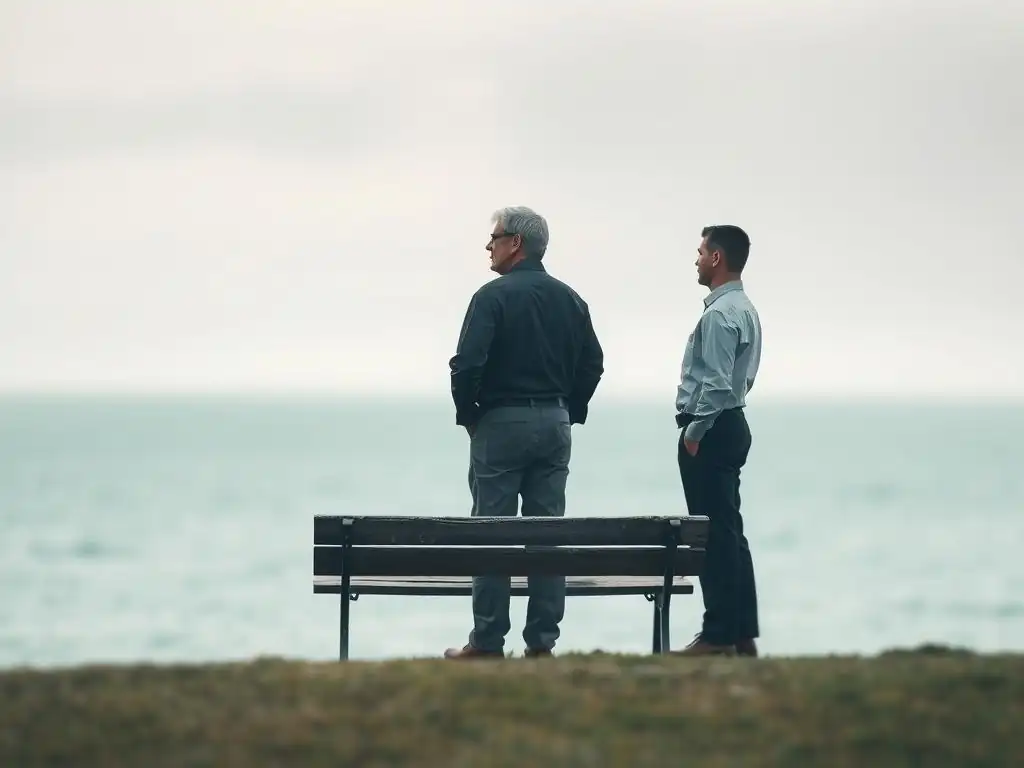
Supporting veterans through transition is not solely the veteran's burden; it's a responsibility shared by families, friends, employers, and the wider community. Understanding how to provide effective support makes a significant difference.
How Family and Friends Can Provide Meaningful Assistance
Family and friends are often the first line of support for veterans. Providing a listening ear without judgment, offering practical help with daily tasks, and being patient as the veteran adjusts are invaluable. Encourage the veteran to connect with other veterans or explore available Veteran reintegration stress support resources.
- Listen actively and without judgment
- Offer practical help (e.g., finding resources, transportation)
- Be patient and understanding
- Encourage connection with other veterans
- Educate yourselves about transition challenges
Family support is a foundational pillar, complementing formal Veteran reintegration stress support resources.
Creating Inclusive and Supportive Workplaces
Employers play a crucial role by creating veteran-friendly workplaces. This includes recognizing the value of military skills, providing training on veteran cultural competence for staff, offering mentorship programs, and being flexible regarding appointments related to VA healthcare or benefits. Companies that actively recruit and retain veterans benefit from their unique skills and perspectives.
- Recognize and value military skills
- Provide cultural competence training for staff
- Offer veteran mentorship programs
- Be flexible with VA appointments
- Create employee veteran resource groups
Inclusive workplaces are significant Veteran reintegration stress support resources that impact a veteran's daily life and financial stability.
Promoting Awareness of Veteran Needs
Increasing public awareness about the challenges veterans face during transition helps foster a more understanding and supportive society. This involves educating communities about the diversity of veteran experiences, dispelling stereotypes, and highlighting the positive contributions veterans make. Awareness campaigns can encourage community members to volunteer with veteran organizations or simply engage with veterans with empathy and respect.
- Educate the public about transition challenges
- Challenge stereotypes about veterans
- Highlight veteran contributions
- Support local veteran events
- Encourage respectful engagement
Promoting awareness helps ensure that Veteran reintegration stress support resources are known and that veterans feel welcomed and understood.
Long-Term Care and Support
Transition is not a one-time event but an ongoing process. Long-term care and support are essential to ensure veterans continue to thrive years after leaving service.
Recognizing Mental Health Conditions
It's important for veterans and their support networks to be aware that mental health conditions can emerge or change over time. Symptoms of PTSD, depression, or anxiety might not appear immediately upon leaving service but could develop months or even years later. Knowing the signs and symptoms is crucial for seeking timely intervention.
- Persistent changes in mood or behavior
- Difficulty maintaining relationships
- Problems with employment stability
- Increased isolation
- Recurrence of trauma symptoms (e.g., flashbacks, nightmares)
Regular check-ins and awareness of potential signs are key aspects of utilizing Veteran reintegration stress support resources over the long term.
Developing a Personalized Wellness Plan
Creating a personalized wellness plan can help veterans maintain their mental and physical health long after transition. This plan might include strategies for stress management, regular exercise, social engagement, hobbies, and scheduled check-ups with healthcare providers. It's a proactive approach to maintaining well-being.
- Identify personal stressors and coping mechanisms
- Schedule regular physical activity
- Plan for social connections
- Incorporate hobbies or activities that provide joy
- Include regular mental health check-ins if needed
A personalized wellness plan acts as a living document, guiding the veteran in utilizing Veteran reintegration stress support resources for ongoing health.
Maintaining Access to Resources
Staying connected to Veteran reintegration stress support resources is vital. This means knowing how to access VA healthcare, understanding eligibility for various benefits, and maintaining relationships with support organizations or community groups. Life circumstances change, and having readily available information about support options ensures help is accessible when needed.
- Keep contact information for VA and other resources handy
- Understand eligibility requirements for different programs
- Stay engaged with veteran community networks
- Be aware of new programs or services as they become available
- Don't hesitate to reach out for help when facing new challenges
Maintaining access ensures veterans can continue to benefit from Veteran reintegration stress support resources throughout their lives.
Conclusion: Empowering Veterans for a Successful Future
The transition from military to civilian life presents unique challenges, but with the right support, strategies, and resources, veterans can navigate this period successfully and build fulfilling lives. Understanding the complexities, recognizing the signs of stress, and proactively seeking help are crucial steps.
The Value of Proactive Support and Continuous Care
Proactive support from families, communities, and dedicated organizations, combined with continuous access to comprehensive Veteran reintegration stress support resources, empowers veterans. It's about creating an environment where veterans feel supported, understood, and equipped to handle the adjustments that come with leaving service. By working together, we can honor their service by ensuring they have the tools and assistance needed for a healthy and successful future.
Frequently Asked Questions
How common is reintegration stress among veterans?
Reintegration stress is unfortunately very common among veterans. It stems from the significant transition from military to civilian life and the challenges adapting to a new environment.
What are some of the main symptoms of veteran reintegration stress?
Symptoms can vary, but often include anxiety, depression, difficulty sleeping, social isolation, and difficulty adjusting to civilian routines. These symptoms can significantly impact daily life.
Where can veterans find support for reintegration stress?
Veterans can access support from various sources, including the VA (Department of Veterans Affairs), non-profit organizations, and community-based programs. These resources offer counseling, peer support, and other assistance.
What types of therapies are effective for treating veteran reintegration stress?
Effective therapies include cognitive behavioral therapy (CBT), trauma-focused therapies, and group therapy. These approaches help veterans process their experiences and develop coping mechanisms.
How can family members support a veteran experiencing reintegration stress?
Family members can provide crucial support by being patient, understanding, and encouraging the veteran to seek professional help. Creating a supportive environment is also vital.
Final Reflection: Finding Our Way Home: The Ongoing Journey of Veteran Reintegration
The challenges of veteran reintegration are not relics of past conflicts; they are a persistent and evolving reality impacting countless individuals and families today. The sheer scale of unseen struggles, from PTSD and depression to the difficulties of re-entering the civilian workforce and navigating a changed social landscape, demands our continued attention and proactive support. This is not simply a matter of statistics; it's a matter of human lives and well-being.
The pervasive impact of military service on mental and emotional health, coupled with the often-overlooked societal adjustments required for successful reintegration, underscores the urgent need for comprehensive support systems. The lack of readily available and easily accessible resources continues to be a significant barrier. The price of freedom is eternal vigilance,
a phrase often applied to national security, equally applies to the well-being of those who defend it. We must remain vigilant in our commitment to providing the necessary support for veterans as they navigate this crucial transition.
You, the reader, are now equipped with a greater understanding of the resources available to support veterans struggling with reintegration stress. But knowledge is only the first step. Take a moment to reflect on the human cost of conflict, not just in terms of physical wounds, but also the invisible scars that require our compassion and understanding.
Consider how you can contribute, whether through volunteering your time, advocating for improved support systems, or simply offering a listening ear to a veteran in need. Let us collectively work towards a future where every veteran feels truly welcomed and supported as they transition back into civilian life, ensuring that their service is met with the gratitude and assistance they deserve.
Rediscover Your Purpose: Next Steps for Veteran Wellbeing
Thanks for taking the time to explore the challenges and opportunities of veteran reintegration. We hope this article provided valuable insights into managing stress and building a fulfilling civilian life. Now, let's turn those insights into action!
- Prioritize self-care: Schedule at least 30 minutes this week for an activity you enjoy – whether it's exercise, meditation, spending time in nature, or connecting with loved ones. This is your foundation for lasting well-being.
- Connect with your community: Reach out to a fellow veteran, a family member, or a support group. Sharing your experiences can be incredibly powerful, and you might find unexpected strength in connection.
- Explore resources: Consider researching local veteran support organizations or online resources dedicated to mental health and transitioning back to civilian life. It's about building a lasting network of support.
What small step will you take today to nurture your mental wellbeing and build a brighter future?