
Healing Depression Through Brain Change: A Neuroplasticity Guide


Welcome to Mind Care Guide, a sanctuary for understanding and nurturing your mental well-being.
Feeling overwhelmed by depression and searching for lasting change? You're not alone. In this article, we delve into the fascinating world of brain change depression treatment options, exploring how neuroplasticity offers hope and tangible pathways to recovery. Discover evidence-based strategies and resources that empower you to reshape your brain and reclaim your life. Curious to learn how your brain can be your ally in healing? Let's begin.
Healing Depression Through Brain Change: A Neuroplasticity Guide
- Understanding Depression and the Brain
- Neuroplasticity: Your Brain's Ability to Heal from Depression
-
Brain Change Depression Treatment Options: Harnessing Neuroplasticity
- Lifestyle Changes for Neuroplasticity and Depression: A Holistic Approach
- Cognitive Behavioral Therapy (CBT) and Neuroplasticity: Retraining Your Thoughts
- Mindfulness and Meditation: Cultivating Neuroplasticity for Depression Relief
- Neurofeedback: Direct Brain Training for Depression
- Emerging Therapies Targeting Brain Change in Depression
- Practical Strategies to Promote Brain Change and Overcome Depression
- Maintaining Brain Health and Preventing Relapse
- Resources and Support for Depression and Neuroplasticity
- Conclusion: Embracing Neuroplasticity for a Brighter Future
-
Frequently Asked Questions
- What is neuroplasticity and how does it relate to depression treatment?
- What are some examples of "Brain change depression treatment options" that leverage neuroplasticity?
- How long does it typically take to see results from brain change depression treatment options?
- Are brain change depression treatment options a replacement for medication?
- What are the potential risks or side effects associated with brain change depression treatment options?
- Final Reflection: Rewiring Your Way to Wellness
- Unlock Your Brain's Healing Power: Take Charge of Your Wellbeing
Understanding Depression and the Brain
The Neuroscience of Depression: A Brief Overview
Depression is far more than just feeling sad; it's a complex mood disorder that involves significant changes in brain function and structure. Neuroscientific research has shed light on several key areas of the brain that are often implicated in depression, including the prefrontal cortex, hippocampus, and amygdala. These regions play crucial roles in mood regulation, decision-making, memory, and processing emotions. Imbalances in neurotransmitters like serotonin, norepinephrine, and dopamine, which are chemical messengers that facilitate communication between brain cells, are also widely associated with depressive symptoms.
Studies using neuroimaging techniques such as fMRI (functional magnetic resonance imaging) have revealed altered activity patterns in the brains of individuals experiencing depression. For instance, the amygdala, which is involved in processing fear and other negative emotions, may show heightened activity, while the prefrontal cortex, responsible for executive functions and emotional regulation, might exhibit reduced activity. This dysregulation contributes to the persistent negative thoughts, difficulty concentrating, and impaired emotional processing characteristic of depression. Understanding these neural underpinnings is vital to appreciating how targeted interventions can foster healing.
How Depression Impacts Brain Structure and Function
Chronic or severe depression can lead to observable structural changes in the brain. One of the most consistently reported findings is a reduction in the volume of the hippocampus, a brain region critical for learning and memory, as well as emotional regulation. While the exact mechanisms are still being researched, this atrophy is thought to be related to factors like chronic stress and elevated levels of cortisol, a stress hormone. The prefrontal cortex, particularly its dorsolateral and ventromedial areas, may also show reduced gray matter volume and altered connectivity, impacting cognitive control and emotional processing.
Functionally, depression disrupts the intricate networks that connect different brain regions. The default mode network (DMN), which is active when the mind is wandering or at rest, can become hyperactive in depression, potentially contributing to rumination and negative self-referential thoughts. Conversely, networks involved in cognitive control and reward processing may show decreased activity or connectivity. These structural and functional alterations underscore why depression is a biological illness and highlight the importance of treatments that can potentially reverse or mitigate these brain changes.
The Role of Neuroplasticity in Depression Recovery
Neuroplasticity is the remarkable ability of the brain to reorganize itself throughout life by forming new neural connections. This means that brain structure and function are not fixed but can change in response to experiences, learning, and even injury. For individuals with depression, neuroplasticity offers a profound sense of hope. It suggests that the maladaptive neural circuits associated with depressive symptoms are not permanent and can be altered or rewired.
Emerging research strongly supports the idea that recovery from depression involves neuroplastic changes. Effective treatments, whether therapy, medication, or lifestyle interventions, are believed to work, at least in part, by promoting neuroplasticity. This involves strengthening beneficial connections, weakening detrimental ones, and potentially even generating new neurons (neurogenesis) in areas like the hippocampus. Recognizing the brain's capacity for change is fundamental to understanding how various brain change depression treatment options can lead to lasting recovery.
Neuroplasticity: Your Brain's Ability to Heal from Depression
What is Neuroplasticity and How Does it Work?
Neuroplasticity, sometimes called brain plasticity, is the brain's lifelong capacity to reorganize neural pathways based on new experiences. It's the biological basis for learning, memory, and adaptation. At a cellular level, neuroplasticity involves changes in the strength of connections between neurons (synaptic plasticity) and the formation of new synapses or even new neurons (neurogenesis). When you learn a new skill, form a new memory, or change a habit, you are engaging neuroplasticity.
This process is driven by various factors, including neural activity patterns, genetic factors, and environmental influences. Repeated activation of a specific neural pathway strengthens the connections within that pathway, making it easier for subsequent signals to travel along it – often summarized by the phrase "neurons that fire together, wire together." Conversely, pathways that are rarely used can weaken. Understanding this dynamic process is key to developing brain change depression treatment options that leverage the brain's natural healing abilities.
Neuroplasticity vs. Neurogenesis: Key Differences and Relevance to Depression
While often used interchangeably in popular discussions, neuroplasticity is a broader term encompassing all forms of brain reorganization, whereas neurogenesis specifically refers to the birth of new neurons. Neurogenesis primarily occurs in specific brain regions in adults, most notably the hippocampus. Both processes are highly relevant to depression and its treatment.
Depression is associated with reduced neurogenesis in the hippocampus, which may contribute to the observed volume loss and difficulties with memory and emotional regulation. Many effective antidepressant treatments, including medications and therapies, have been shown in animal models and some human studies to promote neurogenesis. Simultaneously, these treatments also enhance synaptic plasticity throughout various brain circuits involved in mood and cognition. Therefore, successful brain change depression treatment options often target both the creation of new neurons and the strengthening or weakening of existing neural connections to restore healthy brain function.
The Power of Brain Change: Rewiring Your Mind for Mental Wellness
The concept that you can actively participate in rewiring your brain offers a powerful perspective for those struggling with depression. Instead of viewing depression as a static condition, understanding neuroplasticity frames recovery as a dynamic process of building new, healthier neural habits. Every thought, feeling, and action can subtly influence your brain's wiring. Engaging in positive experiences, practicing new coping skills, and challenging negative thought patterns all contribute to strengthening neural pathways associated with resilience and well-being.
This inherent capacity for change means that even after years of battling depression, the brain retains the potential to adapt and heal. While the path to recovery is unique for everyone and often requires professional support, recognizing your agency in promoting brain change can be incredibly empowering. It shifts the focus from being a passive recipient of treatment to becoming an active participant in the journey towards mental wellness, leveraging the brain's natural ability to reorganize itself.
Brain Change Depression Treatment Options: Harnessing Neuroplasticity
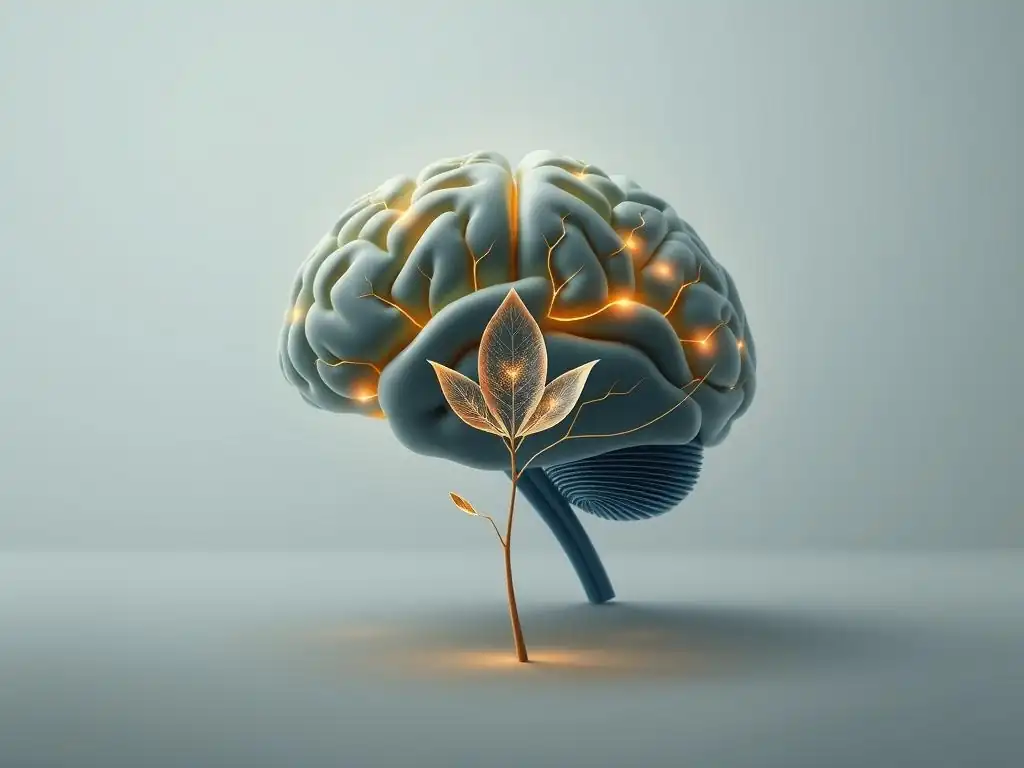
Lifestyle Changes for Neuroplasticity and Depression: A Holistic Approach
Lifestyle modifications are often overlooked as powerful brain change depression treatment options, yet they significantly impact neuroplasticity and overall brain health. Integrating healthy habits can create a supportive environment for the brain to heal and adapt, complementing other forms of treatment. This holistic approach recognizes the interconnectedness of physical and mental well-being.
Prioritizing these lifestyle changes is a fundamental step in promoting the brain changes necessary for recovery. They are accessible strategies that empower individuals to take an active role in their healing process, fostering a positive feedback loop where improved habits lead to better mood, which in turn makes maintaining those habits easier.
The Importance of Diet and Nutrition for Brain Health in Depression
What you eat profoundly affects your brain's structure and function, influencing neuroplasticity and mood. A diet rich in omega-3 fatty acids, found in fatty fish like salmon, flaxseeds, and walnuts, is crucial for maintaining healthy cell membranes in the brain and has been linked to improved mood and cognitive function. Antioxidants from fruits and vegetables protect brain cells from damage, while B vitamins and minerals like zinc and magnesium are essential for neurotransmitter synthesis and function.
Conversely, diets high in processed foods, sugar, and unhealthy fats can contribute to inflammation, which is increasingly linked to depression and can impair neuroplasticity. Ensuring adequate hydration is also vital, as dehydration can negatively impact cognitive function and mood. While dietary changes alone may not cure depression, optimizing nutrition provides the necessary building blocks and protective factors that support brain health and enhance the effectiveness of other brain change depression treatment options.
Exercise and Neuroplasticity: Boosting Mood and Cognitive Function
Regular physical activity is one of the most potent promoters of neuroplasticity and is a vital component of brain change depression treatment options. Exercise increases blood flow to the brain, delivering oxygen and nutrients essential for neuron health. It also stimulates the production of brain-derived neurotrophic factor (BDNF), a protein often referred to as "Miracle-Gro" for the brain because it supports the survival of existing neurons and encourages the growth of new ones and synapses.
Engaging in aerobic exercise, such as brisk walking, running, or swimming, for even moderate durations (e.g., 30 minutes most days of the week) has been shown to improve mood, reduce anxiety, and enhance cognitive functions like memory and executive function, all of which are often impaired in depression. The neurochemical effects of exercise, including the release of endorphins and modulation of neurotransmitter levels, also contribute directly to its antidepressant effects, fostering positive brain changes.
Sleep Hygiene and its Impact on Brain Plasticity and Depression Recovery
Sleep is not merely a period of rest; it's a critical time for brain maintenance, consolidation of memories, and neuroplastic reorganization. Chronic sleep deprivation or poor sleep quality, common symptoms of depression, can impair neuroplasticity and exacerbate depressive symptoms. During sleep, the brain clears metabolic waste products and consolidates neural connections formed during wakefulness.
Prioritizing good sleep hygiene – maintaining a consistent sleep schedule, creating a relaxing bedtime routine, and ensuring a dark, quiet sleep environment – is essential for supporting the brain's natural processes. Aiming for 7-9 hours of quality sleep per night allows the brain to perform these vital functions, which are necessary for mood regulation, cognitive function, and overall brain health, making it an indispensable element among brain change depression treatment options. Improving sleep can directly enhance the brain's capacity for positive change.
Cognitive Behavioral Therapy (CBT) and Neuroplasticity: Retraining Your Thoughts
Cognitive Behavioral Therapy (CBT) is a widely effective psychotherapy that focuses on identifying and changing negative thought patterns and behaviors that contribute to depression. While traditionally viewed through a psychological lens, its effectiveness is increasingly understood in terms of its ability to induce neuroplastic changes in the brain. CBT helps individuals challenge distorted thinking and develop more balanced perspectives, which involves activating and strengthening new neural pathways.
By repeatedly practicing new ways of thinking and responding to situations, individuals undergoing CBT are essentially engaging in mental "rehearsal" that reinforces healthier cognitive habits. This process weakens the neural connections associated with negative rumination and strengthens those linked to more adaptive coping strategies and positive emotional processing. CBT is a prime example of how psychological interventions can act as powerful brain change depression treatment options by leveraging the brain's inherent plasticity.
How CBT Promotes Brain Change in Individuals with Depression
CBT's impact on brain function has been demonstrated in neuroimaging studies. Research has shown that successful CBT treatment for depression is associated with changes in activity and connectivity within brain regions involved in emotional regulation and cognitive control, such as the prefrontal cortex and the amygdala. For instance, studies have observed decreased activity in the amygdala (associated with fear and negative emotions) and increased activity in areas of the prefrontal cortex (involved in regulating emotions and thoughts) following a course of CBT.
This suggests that by teaching individuals to identify and modify negative thought patterns, CBT helps to "retrain" the brain's responses to emotional stimuli. The repeated practice of challenging automatic negative thoughts and employing new coping skills helps to strengthen the neural circuits that support more positive and realistic thinking, while weakening the circuits that perpetuate depressive symptoms. This active process of cognitive restructuring is a direct application of neuroplastic principles, making CBT a potent tool among brain change depression treatment options.
Combining CBT with Other Neuroplasticity-Based Therapies
The effectiveness of CBT can often be enhanced when combined with other therapies or lifestyle interventions that also promote neuroplasticity. For example, integrating mindfulness practices into CBT can help individuals become more aware of their thought patterns without judgment, further facilitating the process of decoupling from negative thoughts and strengthening present-moment awareness circuits. Similarly, combining CBT with regular exercise can leverage the synergistic effects of cognitive and physical activity on brain health and plasticity.
Many brain change depression treatment options work through different mechanisms but can complement each other. For instance, medication might help regulate neurotransmitter levels, making it easier for an individual to engage in and benefit from the cognitive restructuring taught in CBT. Exploring combined approaches that target neuroplasticity through multiple avenues can offer a more comprehensive strategy for recovery.
Mindfulness and Meditation: Cultivating Neuroplasticity for Depression Relief
Mindfulness involves paying attention to the present moment without judgment, and regular meditation practice is a powerful way to cultivate this skill. These practices are increasingly recognized as effective brain change depression treatment options due to their profound impact on brain structure and function. By training attention and emotional regulation, mindfulness meditation can help individuals develop a different relationship with their thoughts and feelings, reducing the tendency to get caught in depressive rumination.
Studies have shown that consistent mindfulness practice can lead to measurable changes in brain regions associated with attention, emotional regulation, and self-awareness. This includes increased gray matter density in areas like the prefrontal cortex and hippocampus, and decreased volume in the amygdala. These structural changes reflect the strengthening of neural pathways that support emotional resilience and cognitive control, while weakening those associated with stress and negative reactivity.
The Science Behind Mindfulness and Brain Changes in Depression
Neuroimaging research has provided compelling evidence for how mindfulness meditation impacts the brain in the context of depression. Studies comparing experienced meditators to non-meditators, or examining brain changes before and after mindfulness-based interventions (like Mindfulness-Based Cognitive Therapy - MBCT), have revealed consistent patterns. For example, the prefrontal cortex, involved in executive control and decision-making, often shows increased activity or thickness, suggesting enhanced capacity for regulating emotions and attention.
The hippocampus, crucial for memory and emotion, has also been observed to increase in size or activity in individuals who practice mindfulness regularly, potentially counteracting the atrophy sometimes seen in chronic depression. Furthermore, connectivity between the prefrontal cortex and the amygdala often changes, with stronger connections developing that allow the prefrontal cortex to exert greater inhibitory control over the amygdala's response to stressors. These documented changes underscore the potential of mindfulness as a potent tool among brain change depression treatment options.
Practical Mindfulness Techniques for Depression Management
Incorporating simple mindfulness techniques into daily life can help cultivate the brain changes that support depression recovery.
- Mindful Breathing: Focus attention solely on the sensation of breath entering and leaving the body. When the mind wanders, gently bring it back to the breath. Practice for a few minutes daily.
- Body Scan Meditation: Systematically bring awareness to different parts of the body, noticing physical sensations without trying to change them. This helps develop present-moment awareness and reduces dissociation often experienced in depression.
- Mindful Walking: Pay attention to the physical sensations of walking – the movement of the legs, the feeling of the feet on the ground, the rhythm of breath.
- Mindful Eating: Engage all senses when eating, paying attention to the appearance, smell, texture, and taste of food.
Regular practice of these techniques, even for short periods, can gradually strengthen the neural pathways associated with focus, calm, and emotional regulation, contributing to the brain changes needed for depression relief.
Neurofeedback: Direct Brain Training for Depression
Neurofeedback is a type of biofeedback that provides real-time information about a person's brainwave activity. It is a non-invasive brain change depression treatment option that aims to train individuals to self-regulate specific brainwave patterns associated with mood and cognitive function. During a session, sensors are placed on the scalp to measure electrical activity (EEG), and this information is displayed back to the individual, often in the form of a video game or visual display. The goal is to learn to modify one's brain activity to achieve desired patterns.
For depression, neurofeedback often targets imbalances in alpha, beta, and theta brainwaves in specific brain regions known to be involved in mood regulation. For instance, some protocols aim to increase alpha wave activity in the left frontal lobe, which has been correlated with positive mood states. By providing immediate feedback, neurofeedback helps individuals learn to voluntarily shift their brainwave patterns towards a healthier state.
How Neurofeedback Works to Regulate Brain Activity in Depression
The underlying principle of neurofeedback is operant conditioning applied to brain activity. When the brain produces a desired pattern (e.g., increased alpha waves in a specific region), the individual receives positive reinforcement, such as a point in a game or a visual reward. Over multiple sessions, the brain learns to produce these desired patterns more consistently. This repeated practice of self-regulating brain activity strengthens the neural pathways associated with those patterns, promoting neuroplastic changes.
In the context of depression, neurofeedback aims to normalize dysregulated brain circuits, such as those involved in emotional processing and attention. By training the brain to increase activity in underactive areas or decrease activity in overactive areas, neurofeedback can help restore a more balanced state. While more research is needed to fully understand its mechanisms and optimize protocols, neurofeedback holds promise as a direct method among brain change depression treatment options for addressing the neural underpinnings of the disorder.
Benefits and Considerations of Neurofeedback as a Depression Treatment
Potential benefits of neurofeedback for depression include its non-invasive nature and the possibility of reducing reliance on medication for some individuals. It offers a direct way to train brain function and can potentially lead to lasting changes by promoting neuroplasticity. Some studies and clinical reports suggest that neurofeedback can help alleviate symptoms like low mood, poor concentration, and anxiety in individuals with depression.
However, there are also considerations. Neurofeedback typically requires multiple sessions (often 20-40 or more) over several weeks or months, which can be a significant time and financial commitment. The effectiveness can vary depending on the individual, the specific protocol used, and the skill of the practitioner. It is generally considered an adjunctive or alternative therapy and should be discussed with a mental health professional as part of a comprehensive treatment plan. While a promising brain change depression treatment option, it is not a guaranteed cure for everyone.
Emerging Therapies Targeting Brain Change in Depression
Beyond traditional treatments, several innovative therapies are gaining attention for their potential to rapidly induce neuroplastic changes and provide relief for treatment-resistant depression. These approaches often involve direct or indirect neuromodulation, aiming to stimulate or regulate specific brain circuits implicated in the disorder. While some are still considered experimental or are primarily used for severe cases, they represent exciting advancements in brain change depression treatment options.
These emerging therapies highlight the growing understanding that directly influencing brain activity and promoting rapid neuroplasticity can be a powerful strategy for overcoming severe or persistent depression. They offer hope for individuals who have not responded to conventional treatments by providing new avenues for fostering brain change.
Transcranial Magnetic Stimulation (TMS) and Neuroplasticity
Transcranial Magnetic Stimulation (TMS) is a non-invasive procedure that uses magnetic pulses to stimulate specific areas of the brain, typically the dorsolateral prefrontal cortex, which is often underactive in depression. A coil is placed on the scalp, and it delivers brief magnetic pulses that pass through the skull and induce electrical currents in the targeted brain region. This stimulation is thought to modulate neuronal activity and promote neuroplastic changes.
Research indicates that TMS can increase excitability in underactive prefrontal cortex regions and alter connectivity within mood-regulating circuits. Studies have shown that a course of TMS treatments (typically 5 sessions per week for 4-6 weeks) can lead to significant improvements in depressive symptoms for many individuals, particularly those who haven't responded to antidepressant medications. TMS is now an FDA-approved brain change depression treatment option for major depressive disorder, believed to work by strengthening beneficial neural pathways.
Ketamine and its Impact on Brain Synapses in Treatment-Resistant Depression
Ketamine, an anesthetic drug, has emerged as a rapidly acting antidepressant, particularly for individuals with severe and treatment-resistant depression. Unlike traditional antidepressants that can take weeks to work, ketamine can alleviate symptoms within hours or days for some patients. Its antidepressant effects are strongly linked to its impact on neuroplasticity, specifically its ability to rapidly promote the formation of new synaptic connections in the prefrontal cortex and hippocampus.
Ketamine works, in part, by blocking NMDA receptors and activating AMPA receptors, leading to a surge in glutamate, the brain's primary excitatory neurotransmitter. This surge triggers a cascade of events that includes the release of BDNF and the rapid synthesis of synaptic proteins, resulting in the growth of new dendritic spines (small protrusions on neurons that receive signals) and synapses. This rapid synaptic remodeling is thought to quickly restore function in brain circuits impaired by chronic stress and depression, offering a powerful, albeit complex, brain change depression treatment option.
Vagus Nerve Stimulation (VNS) and Neuroplasticity
Vagus Nerve Stimulation (VNS) is a treatment primarily used for severe, treatment-resistant depression or epilepsy. It involves surgically implanting a device that sends electrical pulses to the vagus nerve in the neck, which is a major pathway connecting the brain and various organs. The vagus nerve plays a role in regulating mood, stress response, and inflammation, and its stimulation is believed to influence activity in brain regions involved in depression, such as the amygdala, hippocampus, and prefrontal cortex.
While the exact mechanisms are still being elucidated, VNS is thought to promote neuroplasticity by increasing levels of neurotransmitters like norepinephrine and serotonin and by influencing BDNF levels. The electrical pulses may also alter connectivity within brain networks associated with mood regulation. VNS is a more invasive brain change depression treatment option compared to others, typically considered when multiple other treatments have failed, but it demonstrates another avenue for leveraging neuromodulation to induce beneficial brain changes.
Practical Strategies to Promote Brain Change and Overcome Depression
Actively engaging in strategies that encourage neuroplasticity is key to navigating recovery from depression. These practical steps empower individuals to become agents of their own brain change, reinforcing the positive shifts initiated by therapy or other treatments.
Setting Realistic Goals for Neuroplasticity-Based Recovery
Recovery from depression and promoting brain change is a gradual process. Setting realistic, achievable goals is crucial to avoid becoming overwhelmed and discouraged. Break down larger goals, such as "overcome depression," into smaller, manageable steps related to daily habits that foster neuroplasticity. For example, instead of aiming to run a marathon next week, set a goal to walk for 15 minutes three times this week.
- Start with small, consistent changes (e.g., 5 minutes of meditation daily).
- Focus on process rather than outcome (e.g., "I will practice mindfulness today" vs. "I will feel happy today").
- Celebrate small successes to reinforce positive behavior and motivation.
- Adjust goals as needed based on your energy levels and progress.
This approach builds momentum and reinforces the understanding that consistent effort, even in small increments, contributes to significant brain changes over time.
Creating a Supportive Environment for Brain Change
Your environment significantly influences your thoughts, feelings, and behaviors, and thus your brain's wiring. Creating an environment that supports positive change involves both physical and social aspects. Minimize exposure to negative influences and maximize opportunities for positive experiences.
- Physical Environment: Tidy your living space, ensure adequate natural light, bring in plants, and create dedicated spaces for activities that support your well-being (e.g., a quiet corner for reading or meditation).
- Social Environment: Spend time with supportive friends and family who uplift you. Limit contact with individuals who are consistently negative or critical. Consider joining support groups or communities related to your interests.
- Digital Environment: Curate your online experience by following positive accounts, limiting time on platforms that trigger negative feelings, and seeking out inspiring or educational content.
A supportive environment reduces stress, increases opportunities for positive experiences, and reinforces healthy habits, all of which facilitate the neuroplasticity needed for recovery.
Tracking Progress and Celebrating Small Victories
Monitoring your progress, no matter how small, is essential for maintaining motivation and recognizing the impact of your efforts on brain change. This isn't about fixating on symptoms but rather observing positive shifts in habits, mood, or cognitive function over time.
- [ ] Log daily activities (e.g., exercise duration, meditation time).
- [ ] Note improvements in sleep quality or duration.
- [ ] Record moments of positive mood or reduced anxiety.
- [ ] Track completion of small goals.
Celebrating small victories reinforces the behaviors that promote neuroplasticity. Acknowledge when you stick to a new habit, manage a challenging situation effectively, or experience a moment of joy. This positive reinforcement strengthens the neural pathways associated with these beneficial actions and feelings, further driving the process of brain change.
The Importance of Consistency and Patience in Neuroplasticity
Neuroplasticity is a process that requires consistent effort over time. The brain changes that underpin recovery from depression don't happen overnight. Just as negative patterns developed over time, building new, healthier neural circuits requires repeated practice and patience. There will be good days and bad days, setbacks are a normal part of the journey, but consistency in applying brain change depression treatment options and strategies is key.
Think of it like learning a new language or musical instrument; daily practice, even for short periods, yields far better results than infrequent, long sessions. Be patient with yourself. Recognize that the brain is complex, and healing involves rewiring deep-seated patterns. Trust in the process and the brain's inherent capacity for change. Your consistent efforts are actively shaping your neural landscape, laying the foundation for lasting wellness.
Maintaining Brain Health and Preventing Relapse

Achieving recovery is a significant accomplishment, but maintaining well-being requires ongoing attention to brain health and continued application of neuroplasticity-promoting strategies. Preventing relapse involves sustaining positive habits and building resilience.
Long-Term Strategies for Sustaining Neuroplasticity
Sustaining neuroplasticity is a lifelong endeavor that supports overall mental and cognitive health. Continue to engage in activities that challenge your brain and body.
- Continuous Learning: Learn new skills, languages, or hobbies. This creates new neural connections and keeps the brain agile.
- Regular Physical Activity: Maintain a consistent exercise routine. As discussed earlier, exercise is a powerful driver of BDNF and neurogenesis.
- Mindfulness and Stress Management: Continue practicing mindfulness, meditation, or other stress-reducing techniques. Chronic stress is detrimental to brain health and plasticity.
- Social Engagement: Maintain strong social connections. Positive social interactions are associated with better brain health and reduced risk of depression relapse.
- Healthy Diet and Sleep: Continue to prioritize nutritious eating and good sleep hygiene. These provide the essential support systems for ongoing brain function and plasticity.
Making these strategies habitual ensures that your brain continues to adapt and strengthen the pathways associated with resilience and positive mood.
Recognizing and Managing Triggers for Depression
Relapse prevention involves identifying potential triggers – situations, people, or internal states that have previously contributed to depressive episodes – and developing strategies to manage them. Triggers can vary widely from person to person.
Examples of common triggers might include:
- Significant life stress (job loss, relationship issues, grief)
- Lack of sleep or poor nutrition
- Social isolation
- Seasonal changes
- Anniversaries of difficult events
- Excessive alcohol or substance use
Developing a plan for managing triggers might involve:
- Identifying early warning signs of returning symptoms.
- Having a support system to reach out to.
- Implementing specific coping strategies (e.g., increased exercise, mindfulness practice, contacting therapist).
- Adjusting medication if working with a prescribing professional.
Being proactive in recognizing and managing triggers is a crucial aspect of maintaining the positive brain changes achieved during recovery.
Building Resilience and Coping Mechanisms
Resilience is the ability to bounce back from adversity. It's not about avoiding difficulties but about developing the capacity to navigate them effectively. Building resilience is inherently linked to strengthening the neural circuits that support adaptive responses to stress and challenges, which is a function of neuroplasticity.
Strategies for building resilience include:
- Developing problem-solving skills.
- Cultivating a positive self-view and confidence in your abilities.
- Maintaining hope and optimism.
- Practicing emotional regulation techniques.
- Seeking support when needed.
- Learning from past experiences.
Strengthening your coping mechanisms – healthy ways of dealing with stress, negative emotions, and difficult situations – is vital. This might involve techniques learned in therapy, such as cognitive restructuring from CBT, or practices like journaling, engaging in creative activities, or spending time in nature. Each time you successfully navigate a challenge using healthy coping skills, you reinforce the neural pathways associated with resilience, further solidifying your recovery and making future challenges easier to manage.
Resources and Support for Depression and Neuroplasticity
Navigating the path to recovery and understanding brain change depression treatment options can be challenging alone. Fortunately, numerous resources and support systems are available.
Online Communities and Support Groups
Connecting with others who understand the experience of depression can provide invaluable emotional support, shared strategies, and reduce feelings of isolation. Online forums, social media groups, and websites dedicated to mental health offer platforms to share experiences and learn from peers. Many mental health organizations also host local or online support groups led by trained facilitators.
Participation in these communities can reinforce positive behaviors and provide encouragement, acting as a form of social support that itself can have positive effects on brain health and stress reduction, contributing to the overall process of brain change.
Mental Health Professionals Specializing in Neuroplasticity
For personalized guidance on brain change depression treatment options, seeking support from mental health professionals is crucial. Look for therapists (psychologists, counselors, social workers) who specialize in evidence-based therapies like CBT, DBT (Dialectical Behavior Therapy), or ACT (Acceptance and Commitment Therapy), as these modalities are known to promote neuroplasticity. Psychiatrists can provide expertise on medication options that influence neurotransmitters and potentially support neurogenesis.
Some professionals may also have specific training in newer neuroplasticity-focused interventions like neurofeedback or can refer you to clinics offering TMS or Ketamine treatment. A qualified professional can help you develop a tailored treatment plan that integrates various strategies to best support your unique recovery journey and harness your brain's capacity for change.
Recommended Books and Articles on Depression and Brain Change
Educating yourself about depression and neuroplasticity can be empowering. Many excellent books and articles delve deeper into the neuroscience of depression and the practical application of brain change principles.
Consider exploring resources that explain:
- The science behind neuroplasticity in accessible terms.
- Specific brain regions affected by depression and how treatments target them.
- Detailed guides on practicing mindfulness, CBT techniques, or sleep hygiene.
- Research findings on the effectiveness of different brain change depression treatment options.
Reading can reinforce your understanding, provide new strategies, and maintain motivation by reminding you of the scientific basis for hope in recovery.
Conclusion: Embracing Neuroplasticity for a Brighter Future
The Hope of Brain Change in Overcoming Depression
The scientific understanding of neuroplasticity offers a powerful message of hope for individuals living with depression. It fundamentally shifts the perspective from viewing depression as a fixed, insurmountable condition to recognizing it as a disorder involving brain circuits that are capable of change and healing. The brain's inherent ability to reorganize itself through experience, learning, and targeted interventions means that recovery is not only possible but is actively supported by biological processes.
Every effort made towards recovery – whether attending therapy, practicing mindfulness, exercising, or prioritizing sleep – contributes to reshaping the neural landscape. This process weakens the pathways associated with depressive symptoms like rumination and low motivation, while strengthening those linked to positive mood, resilience, and cognitive function. Embracing the concept of brain change is embracing the potential for a brighter future, free from the pervasive grip of depression.
Empowering Yourself with Knowledge and Action
Knowledge of neuroplasticity is empowering because it provides a scientific basis for the effectiveness of various brain change depression treatment options and lifestyle strategies. Understanding how these interventions work at the level of the brain can increase motivation and commitment to the recovery process. It transforms passive treatment reception into active participation in your own brain's healing journey.
By taking consistent action based on this knowledge – incorporating healthy habits, practicing new coping skills, seeking appropriate support – you are actively directing your brain's plasticity. This journey requires patience and persistence, but the capacity for your brain to change is real and scientifically supported. By harnessing neuroplasticity, you equip yourself with the tools to not only overcome depression but also to build lasting mental resilience and well-being.
Frequently Asked Questions
What is neuroplasticity and how does it relate to depression treatment?
Neuroplasticity is the brain's ability to reorganize itself by forming new neural connections. In the context of depression, it suggests we can potentially rewire the brain to overcome depressive symptoms through targeted interventions.
What are some examples of "Brain change depression treatment options" that leverage neuroplasticity?
Examples include Cognitive Behavioral Therapy (CBT), which helps change negative thought patterns, and exercise, which stimulates the release of neurotrophic factors that support brain growth. Mindfulness meditation also plays a crucial role.
How long does it typically take to see results from brain change depression treatment options?
The timeline varies greatly depending on the individual and the chosen treatment. However, noticeable improvements often take several weeks to a few months with consistent effort and dedication to the chosen treatment.
Are brain change depression treatment options a replacement for medication?
Not necessarily. Brain change treatments can be used alongside medication or as an alternative for some individuals. It's crucial to consult with a qualified mental health professional to determine the best approach.
What are the potential risks or side effects associated with brain change depression treatment options?
While generally safe, some interventions like Transcranial Magnetic Stimulation (TMS) can have mild side effects. Consultation with a medical professional is essential to understand the specific risks associated with each treatment option.
Final Reflection: Rewiring Your Way to Wellness
The power of neuroplasticity offers a revolutionary perspective on depression treatment, moving beyond simply managing symptoms to actively reshaping the brain's architecture for lasting well-being. This isn't just a theoretical concept; it's a tangible pathway to recovery, offering hope and agency to those struggling with the debilitating effects of depression. The strategies discussed – from mindfulness practices to targeted therapies – are not merely suggestions, but tools for actively rebuilding a healthier, more resilient mind.
The journey of healing from depression is deeply personal, a testament to the incredible resilience of the human spirit. Witnessing the transformative power of neuroplasticity firsthand, both in my research and in the stories of those who have embraced these techniques, has profoundly impacted my understanding of mental health. The brain is the ultimate learning machine. It's constantly changing, adapting, and growing.
This quote encapsulates the core message of this article: depression is not a life sentence, but a condition that can be actively challenged and overcome through conscious effort and the right tools. The ongoing cultural shift towards embracing mental health and understanding the brain's capacity for change is crucial for breaking down stigma and fostering a supportive environment for recovery.
You hold the power to reshape your own neural pathways. This article has provided you with a framework – a roadmap, if you will – to navigate the complexities of depression and harness the incredible potential of your brain's plasticity. Don't just passively accept your current state; actively engage in the practices discussed. Start small, be patient with yourself, and celebrate every step forward. Your journey to wellness begins with a single, conscious choice to embrace the transformative power within you. Begin today.
Unlock Your Brain's Healing Power: Take Charge of Your Wellbeing
Thanks for taking the time to explore the fascinating world of neuroplasticity and its role in overcoming depression! You've now gained valuable insights into how you can actively reshape your brain for improved mental health. Ready to put this knowledge into action?
- Prioritize one small, achievable step towards a brain-healthy habit this week. This could be anything from a 10-minute walk in nature to starting a gratitude journal. Small changes create big impact!
- Share this article with someone who might benefit from understanding the power of neuroplasticity. Let's spread the word about healing through brain change.
- Consider joining our Mind Care Guide community (not an actual link; imagine it here) to connect with others on a similar journey and share your progress. It’s amazing what support can do!
What small step will you take today to nurture your brain and enhance your wellbeing?