
The Comfort of Rituals: Using Religious Practices for Healing

Welcome to Mind Care Guide, your compassionate companion on the journey to mental well-being.
Feeling overwhelmed by anxiety? Discover how ancient wisdom and modern understanding intertwine in our exploration of Religious practices healing anxiety. This is more than just information; it's a pathway to finding solace and strength. Intrigued? Let's explore how faith can be a powerful ally in your quest for inner peace.
Finding Strength and Resilience: Utilizing Spiritual Practices for Mental Well-being
- Introduction: The Intersection of Spirituality and Mental Health
- Spiritual Practices and Stress Reduction: Exploring the Link
-
Types of Spiritual Practices and Their Benefits
- Meditation and Mindfulness: Cultivating Inner Peace and Awareness
- Journaling and Reflection: Processing Emotions and Gaining Insights
- Nature Connection: Finding Solace and Rejuvenation in the Natural World
- Creative Expression: Engaging with Art, Music, and Writing for Emotional Release
- Acts of Service: Connecting with Others and Fostering a Sense of Purpose
- How Spiritual Practices Can Aid in Coping with Specific Mental Health Challenges
- Integrating Spiritual Practices into Your Mental Health Care Plan
- The Importance of Supportive Communities in Mental Health Support
- Cautions and Considerations When Using Spiritual Practices
- Conclusion: Embracing the Power of Spiritual Practices for Enhanced Well-being
-
Frequently Asked Questions
- How can religious practices help with anxiety?
- What specific religious rituals are known to alleviate anxiety?
- Are there any potential downsides to using religious practices for anxiety relief?
- Can people of any faith (or no faith) benefit from the principles behind religious healing practices?
- Where can I find resources to learn more about using religious practices to manage anxiety?
- Final Reflection: Finding Solace in Sacred Spaces
- Unlock Your Inner Peace: Embrace the Power of Ritual
Introduction: The Intersection of Spirituality and Mental Health
Understanding the Connection Between Spirituality, Mental Health, and Resilience
The relationship between spirituality, mental health, and resilience is a deeply interwoven tapestry, recognized across cultures and throughout history. Many studies indicate a positive correlation between engaging in spiritual or religious practices and improved mental health outcomes.
For instance, large-scale surveys have often shown that individuals who report a higher degree of religious or spiritual involvement tend to exhibit lower rates of depression and anxiety disorders compared to those with less involvement. This connection isn't merely observational; research suggests that spiritual beliefs and practices can foster a sense of meaning and purpose, which are critical components of psychological well-being and resilience when facing life's inevitable challenges.
Furthermore, spirituality often provides a framework for understanding suffering and loss, offering coping mechanisms that transcend purely secular approaches. This framework can help individuals navigate difficult experiences by placing them within a larger narrative or belief system, reducing feelings of isolation and despair.
The belief in a higher power, a universal order, or simply a connection to something greater than oneself can instill hope and provide a sense of stability in turbulent times. This intrinsic link between faith, mental fortitude, and the ability to bounce back from adversity highlights the profound impact of the spiritual dimension on our psychological resilience.
How Spiritual Practices Offer Comfort, Support, and Meaning in Challenging Times
Spiritual practices serve as potent sources of comfort, support, and meaning, particularly during periods of stress, uncertainty, or crisis. Engaging in activities such as prayer, meditation, reading sacred texts, or participating in communal worship can evoke feelings of peace and connection. These practices often provide a structured time for reflection and solace, acting as an anchor when daily life feels chaotic. For someone grappling with anxiety, the repetitive and calming nature of prayer or chanting, for example, can help regulate breathing and quiet racing thoughts, offering immediate comfort.
Beyond immediate relief, spiritual practices contribute to a deeper sense of meaning and purpose. Many traditions encourage introspection about one's place in the world, their values, and their connection to others. This exploration can provide a vital perspective shift, helping individuals see their struggles not as insurmountable obstacles but as part of a larger journey or divine plan. This sense of purpose is a powerful buffer against feelings of hopelessness and can motivate individuals to persevere, seek help, and find strength in their beliefs and community.
Spiritual Practices and Stress Reduction: Exploring the Link
The Impact of Spiritual Practices on Stress Reduction and Emotional Regulation
Engaging in spiritual practices has been linked to tangible physiological and psychological benefits that contribute significantly to stress reduction and improved emotional regulation. Activities like contemplative prayer or meditation, common in many spiritual traditions, have been shown in various studies to potentially lower heart rate, reduce blood pressure, and decrease levels of stress hormones like cortisol. This physiological response creates a state of calm, counteracting the body's typical stress response characterized by heightened arousal and anxiety.
Psychologically, spiritual practices often cultivate acceptance, patience, and a non-judgmental attitude – qualities essential for managing difficult emotions. By encouraging individuals to surrender control over things they cannot change, or to view challenges through a lens of faith and trust, these practices can reduce rumination and worry. Learning to sit with discomfort during meditation or finding solace in divine acceptance through prayer are powerful tools for regulating emotional intensity and preventing stress from escalating into chronic anxiety or distress.
Spiritual Practices for Reducing Stress: A Deeper Look
The mechanisms by which spiritual practices reduce stress are multifaceted, involving cognitive, emotional, and social dimensions. On a cognitive level, many practices encourage a shift in perspective, moving focus away from immediate stressors towards broader themes of gratitude, forgiveness, or connection to something larger. This reframing can diminish the perceived threat of stressful situations. For instance, reflecting on blessings during a difficult time, as encouraged in many faith traditions, can counteract negative thought patterns associated with stress and worry.
Emotionally, spiritual practices provide healthy outlets for processing feelings. Practices like journaling within a spiritual context, expressing gratitude, or engaging in acts of confession or repentance can facilitate emotional release and self-awareness. The ritualistic nature of many practices offers a sense of structure and predictability, which can be inherently calming in an unpredictable world. Furthermore, the emphasis on virtues like patience and acceptance helps individuals develop greater tolerance for emotional discomfort, improving their ability to regulate their responses to stress over time.
Specific Examples of Spiritual Practices That Promote Mental Well-being
Numerous specific spiritual practices offer pathways to enhanced mental well-being and stress reduction. Prayer, in its various forms (petitionary, contemplative, intercessory), is a widely practiced activity that can provide comfort, a sense of connection to the divine, and a means of casting anxieties onto a higher power. Many individuals report feeling a sense of peace and reduced burden after spending time in prayer, a practice often associated with religious practices healing anxiety.
Another powerful practice is the reading and reflection upon sacred texts or inspirational writings. Engaging with scripture or spiritual literature can offer wisdom, guidance, and perspective on life's challenges, fostering hope and resilience.
Communal practices, such as attending worship services, participating in rituals, or engaging in faith-based group activities, provide vital social support, reducing feelings of isolation and strengthening coping abilities through shared experience and mutual encouragement. Simple rituals like lighting a candle, reciting a mantra, or spending time in nature with a contemplative mindset also fall under this umbrella, each offering unique benefits for calming the mind and spirit.
Types of Spiritual Practices and Their Benefits
Meditation and Mindfulness: Cultivating Inner Peace and Awareness
Meditation and mindfulness, while often discussed in secular contexts, have deep roots in numerous spiritual and religious traditions, particularly Eastern philosophies like Buddhism and Hinduism, but also contemplative Christianity and Sufism. These practices involve focusing attention, often on the breath, a mantra, or bodily sensations, to cultivate present-moment awareness without judgment. Regular meditation has been extensively studied and shown to reduce symptoms of anxiety and depression, improve focus, and increase emotional regulation.
The benefit lies in training the mind to observe thoughts and feelings without getting swept away by them. This detachment is crucial for managing anxious thoughts or depressive rumination. By practicing mindfulness, individuals can learn to recognize stress responses early and choose a calm, intentional reaction rather than an automatic, panicked one. This cultivation of inner peace and awareness provides a stable internal anchor amidst external turbulence.
Journaling and Reflection: Processing Emotions and Gaining Insights
Journaling and spiritual reflection offer a powerful means of processing emotions, gaining insights, and tracking one's spiritual journey. Unlike casual journaling, spiritual reflection often involves contemplating one's relationship with the divine, examining personal values in light of spiritual teachings, or expressing gratitude and seeking guidance. This practice provides a safe, private space to explore difficult feelings, doubts, and aspirations without fear of judgment.
Writing down thoughts and feelings can help untangle complex emotions, making them less overwhelming. For example, journaling about anxieties and then reflecting on spiritual teachings about trust or acceptance can provide a new perspective. This process facilitates self-awareness and can reveal patterns in one's thinking and behavior. Over time, consistent journaling and reflection can lead to deeper spiritual understanding, greater emotional clarity, and a stronger sense of purpose, contributing significantly to mental well-being.
Nature Connection: Finding Solace and Rejuvenation in the Natural World
Many spiritual traditions recognize the natural world as a sacred space, a manifestation of the divine, or a source of profound spiritual experience. Spending time in nature – whether walking in a park, hiking in the mountains, or simply sitting by a body of water – can be a powerful spiritual practice that offers solace and rejuvenation. This connection can foster feelings of awe, humility, and interconnectedness, shifting focus away from personal worries and towards the vastness and beauty of creation.
Research supports the psychological benefits of nature exposure, showing reductions in stress, improved mood, and enhanced cognitive function. From a spiritual perspective, being in nature can feel like entering a sanctuary, a place where it is easier to quiet the mind and feel a connection to something larger than oneself. This practice provides a restorative break from the demands of modern life and can deepen one's spiritual connection through direct experience of the living world.
Creative Expression: Engaging with Art, Music, and Writing for Emotional Release

Creative expression through art, music, writing, or other forms can be a deeply spiritual practice, serving as a channel for emotional release, exploration of faith, and connection to the divine. Many spiritual traditions have rich histories of using art and music in worship and contemplation. Engaging in creative acts, whether painting an icon, composing a hymn, writing poetry inspired by scripture, or simply doodling mindfully, can be a form of prayer or meditation.
This practice allows individuals to express emotions and spiritual insights that may be difficult to articulate verbally. It provides a non-judgmental outlet for stress and inner turmoil. The act of creation itself can be contemplative and centering, fostering a sense of flow and presence. For example, someone struggling with anxiety might find solace and release in freely painting or playing music, allowing the creative process to absorb and transform their anxious energy.
Acts of Service: Connecting with Others and Fostering a Sense of Purpose
Acts of service, or altruism, are core tenets in virtually every major spiritual and religious tradition, viewed as expressions of love, compassion, and interconnectedness. Engaging in service – volunteering time, helping neighbors, or contributing to charitable causes – can be a profound spiritual practice that not only benefits others but also significantly enhances the well-being of the giver. This practice shifts focus outward, away from self-preoccupation and towards the needs of the community.
Serving others fosters a strong sense of purpose and meaning, which are vital protective factors against depression and anxiety. It builds social connections and strengthens community bonds. Knowing that one's actions are making a positive difference in the world provides a deep sense of fulfillment and validation. This outward focus can be particularly healing for individuals struggling with feelings of isolation or worthlessness, reminding them of their inherent value and connection to humanity.
How Spiritual Practices Can Aid in Coping with Specific Mental Health Challenges
Spiritual Practices for Managing Anxiety
Spiritual practices offer a diverse toolkit for managing anxiety, providing both immediate coping strategies and long-term resilience. Practices such as repetitive prayer or chanting can act like a form of mantra meditation, calming the nervous system by regulating breathing and providing a focal point for the mind, diverting attention from anxious thoughts.
The act of surrendering worries to a higher power, common in many faith traditions, can alleviate the burden of feeling solely responsible for outcomes, providing a profound sense of relief. This aspect of religious practices healing anxiety is particularly powerful for those whose anxiety is fueled by a need for control.
Furthermore, spiritual beliefs often emphasize themes of trust, acceptance, and the impermanence of suffering. Meditating on scriptures or teachings related to these themes can help reframe anxious thought patterns. For instance, reflecting on passages about divine care or the transient nature of worldly troubles can challenge catastrophic thinking. Participating in faith community gatherings also provides social support, reducing the isolation that often exacerbates anxiety and offering a sense of belonging and shared strength. These combined elements make religious practices healing anxiety a valuable complementary approach.
Finding Strength and Hope Through Spirituality During Depression
During episodes of depression, which often involve feelings of hopelessness, worthlessness, and isolation, spirituality can provide essential sources of strength and hope. Spiritual beliefs often offer a narrative of meaning and purpose, even in suffering, which can counteract the pervasive sense of futility associated with depression. The belief in a loving divine presence or a larger plan can instill hope and provide a reason to persevere when faced with overwhelming sadness.
Engagement with spiritual practices, such as reading inspiring texts or listening to uplifting spiritual music, can provide moments of connection and solace. Communal worship and faith-based support groups offer vital social interaction and understanding, combating the isolation characteristic of depression. Many faith traditions also emphasize forgiveness and acceptance, which can be healing for individuals struggling with self-blame and guilt, common symptoms of depression.
Using Spiritual Beliefs to Cope with Grief and Loss
Spiritual beliefs and practices are profoundly helpful in navigating the complex process of grief and loss. Many faith traditions offer frameworks for understanding death and the afterlife, providing comfort and hope to the bereaved. Beliefs about reunion with loved ones, a peaceful afterlife, or the continuation of the spirit can ease the pain of separation and provide a sense of continuity.
Rituals surrounding death and mourning, such as funerals, memorial services, and prayer cycles, provide structure and community support during a chaotic time. These rituals offer a sanctioned space for expressing grief and receiving comfort from others who share similar beliefs. Reflecting on spiritual teachings about suffering, resilience, and divine compassion can help individuals find meaning in their loss and gradually move towards healing and acceptance.
Spiritual Practices and Trauma Recovery: A Path Towards Healing and Growth
For individuals recovering from trauma, spiritual practices can offer a path towards healing, meaning-making, and post-traumatic growth. Trauma often shatters a person's sense of safety, trust, and control, and can challenge their core beliefs about the world and themselves. Spiritual beliefs can provide a framework for re-establishing a sense of order and meaning in the aftermath of trauma.
Practices such as prayer, meditation, and engaging with sacred texts can help individuals process traumatic memories and emotions in a safe context. Belief in a benevolent higher power or spiritual guidance can foster a sense of hope and resilience. Faith communities can provide a crucial source of support, acceptance, and belonging, helping survivors overcome feelings of isolation and shame. Many find that their spiritual journey deepens after trauma, leading to a profound sense of growth and a stronger connection to their faith.
Integrating Spiritual Practices into Your Mental Health Care Plan
Seeking Guidance from Spiritual Mentors and Mental Health Professionals
Integrating spiritual practices into a mental health care plan is most effective when approached holistically, often involving guidance from both spiritual mentors and licensed mental health professionals. A spiritual advisor, such as a pastor, rabbi, imam, or spiritual director, can offer insights into how specific faith traditions approach suffering, provide guidance on spiritual practices, and offer pastoral care. They understand the nuances of religious beliefs and can help individuals connect their struggles with their faith in a meaningful way.
Simultaneously, a mental health professional, like a therapist or counselor, can provide evidence-based treatments for conditions like anxiety, depression, or trauma. They can help diagnose conditions, teach coping skills, and address underlying psychological factors. Openly discussing your spiritual life with your therapist can be beneficial, as it allows them to understand this important dimension of your identity and integrate it into your treatment plan appropriately. Collaboration between these two sources of support ensures that both your psychological and spiritual needs are addressed comprehensively.
Creating a Personalized Spiritual Practice for Enhanced Well-being
Developing a personalized spiritual practice is key to ensuring it effectively supports your mental well-being. There is no one-size-fits-all approach; what resonates deeply with one person may not with another. Start by exploring different practices within your own faith tradition or those that align with your values – perhaps contemplative prayer, reading scripture, walking in nature, or engaging in service. Consider what brings you a sense of peace, connection, or meaning.
Begin small and aim for consistency rather than perfection. Dedicate even just 5-10 minutes daily to a chosen practice. This could be a short period of quiet reflection, reading an inspirational passage, or a brief mindful walk. Experiment with different times of day or different practices to see what feels most natural and beneficial. The goal is to create rituals that nourish your spirit and provide moments of calm and connection amidst the demands of life, contributing positively to your mental health journey.
Cultivating Mindful Awareness in Daily Life
Cultivating mindful awareness is a spiritual practice that can be integrated seamlessly into daily life, extending its benefits beyond dedicated prayer or meditation times. Mindfulness involves paying attention to the present moment, without judgment, whether you are eating, walking, listening to someone, or performing a routine task. This practice encourages you to be fully present in your experiences, rather than being lost in worries about the future or regrets about the past – common triggers for anxiety.
Incorporating mindful awareness can be as simple as consciously focusing on the sensations of breathing for a few moments during a busy day, truly tasting your food during a meal, or paying attention to the feeling of water during a shower. Over time, this consistent practice trains the mind to stay grounded and reduces the tendency to ruminate. It fosters a greater appreciation for everyday moments and helps you respond to challenges with more clarity and less reactivity, enhancing overall mental and emotional balance.
The Importance of Supportive Communities in Mental Health Support
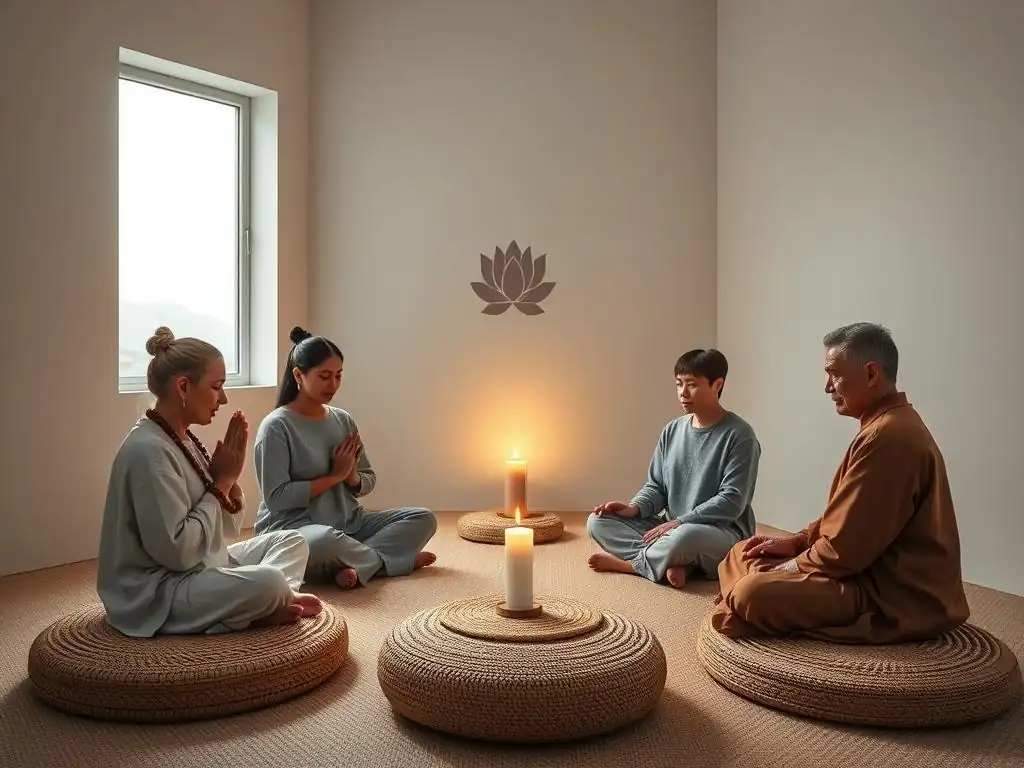
The Role of Supportive Communities in Providing a Sense of Belonging and Connection
Supportive communities play a crucial role in mental health support, offering a vital sense of belonging and connection that buffers against isolation, a significant risk factor for mental health challenges. Religious and spiritual communities often provide inherent social structures – congregations, small groups, shared rituals, and communal meals – that facilitate regular interaction and relationship building. These connections offer a safety net, providing emotional support and practical assistance during difficult times.
Being part of a community where you feel accepted and understood reduces feelings of loneliness and marginalization. Sharing experiences, whether joys or struggles, with others who share similar values and beliefs can be incredibly validating and empowering. This sense of collective identity and mutual support is a powerful protective factor for mental well-being, fostering resilience and providing a sense of stability in an often unpredictable world.
Finding Support and Understanding Within Your Community
Actively seeking and accepting support within your spiritual or religious community can be a significant step in managing mental health challenges. Many communities have formal or informal support systems in place, such as pastoral counseling, prayer networks, benevolent committees, or specific support groups. Don't hesitate to reach out to a trusted leader or fellow member when you are struggling.
Sharing your experiences, to the extent you feel comfortable, allows others to offer empathy, encouragement, and practical help. You might find that others in your community have faced similar challenges and can offer valuable insights or simply a listening ear. The shared faith context can also provide a unique level of understanding, as struggles might be viewed through a lens of shared beliefs about suffering, resilience, and hope.
Fostering Open Dialogue and Reducing Stigma Around Mental Health
Spiritual and religious communities have a vital role to play in fostering open dialogue and reducing the stigma surrounding mental health. Historically, mental health issues have sometimes been misunderstood or stigmatized within faith contexts, leading individuals to suffer in silence. However, increasingly, faith leaders and communities are recognizing the importance of addressing mental well-being as an integral part of holistic health.
Encouraging open conversations about mental health within sermons, study groups, or community events helps normalize these experiences and signals that it is safe to seek help. Sharing personal stories of recovery, when appropriate, can be particularly powerful in breaking down barriers. By creating environments where mental health can be discussed with compassion and understanding, spiritual communities become stronger pillars of support for their members.
Cautions and Considerations When Using Spiritual Practices
Avoiding Spiritual Bypassing and Unrealistic Expectations
While spiritual practices are immensely beneficial, it is crucial to be aware of potential pitfalls, such as spiritual bypassing. Spiritual bypassing involves using spiritual beliefs or practices to avoid dealing with unresolved emotional issues, psychological wounds, or developmental tasks. For example, using positive affirmations or prayer to suppress feelings of anger or sadness instead of acknowledging and processing them is a form of bypassing.
It's also important to avoid unrealistic expectations. Spiritual practices are not a magic cure-all for mental health conditions. They are powerful complementary tools but do not replace the need for professional diagnosis and treatment when a clinical condition exists. Expecting prayer or meditation alone to resolve severe depression or anxiety can lead to disappointment and a delay in seeking necessary care. A balanced approach that integrates spiritual support with evidence-based psychological treatment is generally the most effective.
Recognizing the Limits of Spiritual Practices in Mental Health Treatment
Recognizing the limits of spiritual practices is essential for responsible mental health care. While faith can provide comfort, meaning, and coping strategies, it cannot, for instance, correct a chemical imbalance contributing to depression or effectively treat conditions like bipolar disorder or schizophrenia on its own. Spiritual practices are best viewed as supportive resources that enhance overall well-being and resilience, rather than primary treatments for complex mental illnesses.
Delaying or refusing professional help in favor of spiritual practices alone can have serious consequences. Severe symptoms of anxiety, depression, or other conditions require the expertise of trained mental health professionals who can provide appropriate interventions, which may include therapy, medication, or other specialized treatments. Spiritual practices can work alongside these treatments, providing additional support and strength, but they are not a substitute for clinical care.
Seeking Professional Help When Necessary
Perhaps the most critical consideration is knowing when and how to seek professional help. If you are experiencing persistent symptoms of a mental health condition that significantly impact your daily life, relationships, or ability to function, it is imperative to consult a qualified mental health professional. This includes severe or debilitating anxiety, prolonged periods of intense sadness or hopelessness, significant changes in sleep or appetite, difficulty concentrating, or thoughts of self-harm.
Seeking professional help is a sign of strength, not weakness. A therapist, counselor, psychiatrist, or psychologist can provide an accurate diagnosis and develop a tailored treatment plan based on your specific needs. You can discuss with your mental health provider how your spiritual beliefs and practices can be integrated into your treatment, creating a comprehensive approach to your well-being that honors all aspects of your life.
Conclusion: Embracing the Power of Spiritual Practices for Enhanced Well-being
The Enduring Relevance of Spiritual Practices in Promoting Mental Wellness
Throughout human history and across diverse cultures, spiritual and religious practices have served as vital pillars of support for individuals navigating the complexities of life, including challenges to their mental well-being. The enduring relevance of these practices lies in their capacity to address fundamental human needs: the need for meaning and purpose, the need for connection and belonging, and the need for hope and resilience in the face of suffering. From ancient rituals aimed at soothing the spirit to modern faith-based counseling, the link between spirituality and mental health remains strong and significant.
These practices offer time-tested methods for cultivating inner peace, managing stress, and developing coping mechanisms. They provide frameworks for understanding adversity and finding strength beyond one's individual capacity. As highlighted by the potential of religious practices healing anxiety, specific faith-based approaches can offer tailored comfort and coping strategies. Embracing this dimension of human experience can unlock powerful resources for promoting psychological health and fostering a deeper sense of peace and contentment.
Moving Forward with Intention, Resilience, and Self-Discovery
Integrating spiritual practices into your life is a journey of intention, resilience, and ongoing self-discovery. It involves consciously choosing to dedicate time and energy to activities that nourish your spirit and connect you to something larger than yourself. This might mean starting a daily prayer routine, joining a meditation group, volunteering for a cause aligned with your values, or simply taking mindful walks in nature. Each step taken with intention builds momentum and strengthens your connection to your inner resources.
As you engage with these practices, you will likely develop greater resilience, finding yourself better equipped to handle stress and setbacks. This journey is also one of continuous self-discovery, as you learn more about what truly nourishes your soul and supports your mental health. Remember that this is a personal path, and it's okay to explore different practices and adapt them to fit your unique needs and beliefs. By embracing the power of spiritual practices, you can enhance your overall well-being and navigate life's challenges with greater strength, hope, and peace.
Frequently Asked Questions
How can religious practices help with anxiety?
Religious practices can provide structure and routine, which can be calming. They often involve prayer, meditation, or community involvement, which can reduce stress.
What specific religious rituals are known to alleviate anxiety?
Many rituals, such as prayer, chanting, and attending services, can promote relaxation. Acts of service or charity, often central to religious practice, can also provide a sense of purpose and reduce anxiety.
Are there any potential downsides to using religious practices for anxiety relief?
Relying solely on religion without seeking professional help can be problematic. Additionally, dogmatic beliefs or judgmental communities can sometimes exacerbate anxiety.
Can people of any faith (or no faith) benefit from the principles behind religious healing practices?
Yes, the underlying principles like mindfulness, community support, and finding meaning can be adapted. These elements can be practiced without adhering to a specific religious doctrine.
Where can I find resources to learn more about using religious practices to manage anxiety?
Look for faith-based counseling services or support groups within your religious community. Websites like Mind Care Guide can also offer information on integrating faith and mental well-being.
Final Reflection: Finding Solace in Sacred Spaces
The enduring power of ritual in navigating anxiety is undeniable; in a world increasingly characterized by uncertainty, the comfort found in established practices offers a vital lifeline. This exploration of religious rituals as a healing modality has highlighted not only their historical significance but also their continued relevance in addressing the pervasive anxieties of modern life. The consistent thread throughout is the profound impact of structured routine and spiritual connection on mental well-being.
The influence of religious practices on the cultural and social landscape is vast and multifaceted, shaping not only individual lives but also the very fabric of communities. These rituals provide a sense of belonging, shared meaning, and a framework for coping with life's inevitable challenges. They offer a space for processing grief, celebrating joy, and finding solace in the face of adversity. As the poet Mary Oliver so eloquently stated, Pay attention. Be astonished. Tell about it.
This is precisely what religious rituals do – they encourage us to pay attention to the sacred within ourselves and the world around us, fostering a sense of awe and wonder that can be profoundly therapeutic.
Consider the ways in which ritual has touched your own life, even if not explicitly religious. Do you find comfort in daily routines, in the repetition of familiar actions? Perhaps it's the morning cup of coffee, a specific exercise routine, or a cherished evening ritual.
I invite you to explore the potential of incorporating more mindful and intentional practices into your life, seeking out those that resonate deeply and offer a sense of peace and grounding. Whether it's through formal religious practice or the creation of your own personal rituals, the journey towards healing and inner calm begins with a conscious commitment to self-care and the cultivation of meaningful routines.
Unlock Your Inner Peace: Embrace the Power of Ritual
Thanks for exploring the profound healing power of ritual with us! We hope you gained valuable insights into how incorporating mindful practices can bring comfort and strength into your life. Ready to take the next step on your journey?
- Develop your own personalized ritual: Start small! Choose one simple practice – lighting a candle, meditating for five minutes, or journaling – and dedicate yourself to it daily. Notice how it shifts your perspective.
- Share your experience: Connect with others who are also finding solace in ritual. Share your insights and discoveries in the comments below. Let's build a supportive community together!
- Explore different traditions: Consider researching various traditions and finding inspiration from different cultures and belief systems. See how their practices resonate with you.
What small, meaningful ritual will you incorporate into your daily life today?