
How CPTSD Affects Your Brain and Nervous System

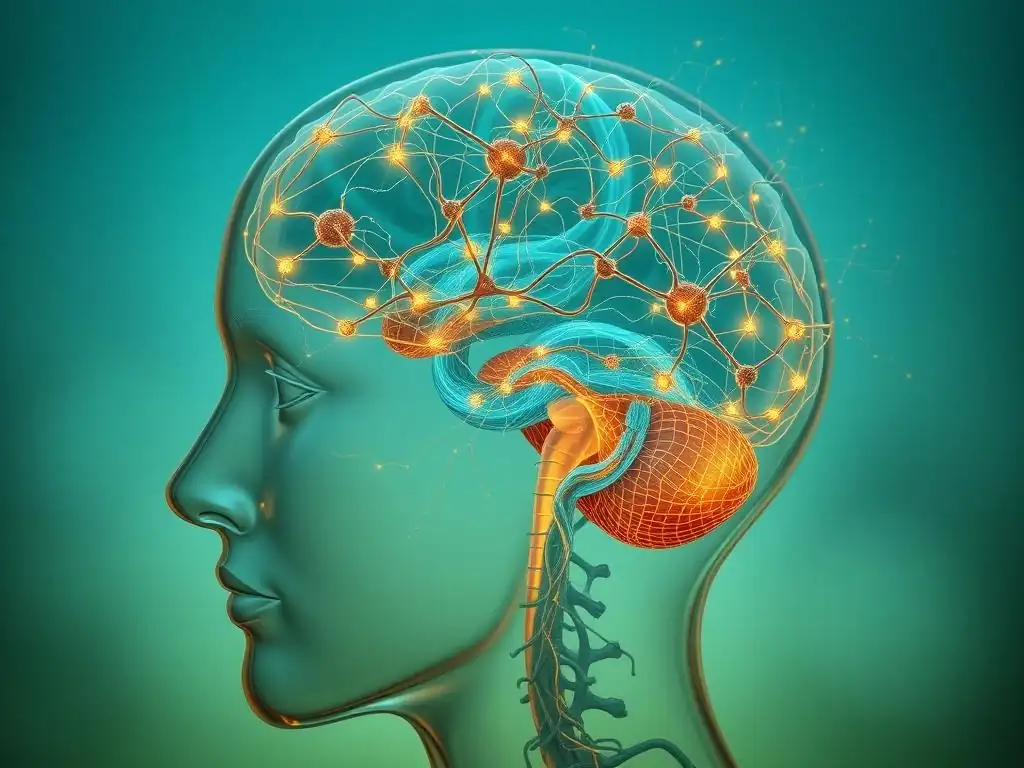
Welcome to Mind Care Guide, your safe space for understanding and navigating the complexities of mental well-being.
Are you grappling with the lingering effects of trauma? Many individuals with CPTSD experience profound changes within their brain and nervous system. Feeling overwhelmed or disconnected is not uncommon. This article dives deep into the CPTSD brain nervous system impact, offering insights and understanding to help you on your journey toward healing. Curious to learn more about how trauma shapes your inner landscape and what you can do about it? Let's explore this together.
How CPTSD Affects the Brain and Nervous System
- Understanding the Neurological Impact of Complex PTSD
- CPTSD's Effects on Brain Structure and Function
- CPTSD and the Dysregulation of the Nervous System
- The Impact of CPTSD on the Brain-Body Connection
- Healing the Brain and Nervous System After Complex Trauma
- Understanding CPTSD's Long-Term Effects on Neurological Health
-
Frequently Asked Questions
- What is CPTSD and how does it differ from PTSD?
- How does CPTSD impact the brain?
- In what ways does CPTSD affect the nervous system?
- What are some common symptoms of CPTSD related to brain and nervous system dysfunction?
- What are some treatment options for addressing the impact of CPTSD on the brain and nervous system?
- Final Reflection: The Enduring Impact of CPTSD on the Brain and Body
- Unleash Your Brain's Healing Power
Understanding the Neurological Impact of Complex PTSD
Complex Post-Traumatic Stress Disorder (CPTSD) is a condition that arises from prolonged, repeated trauma, often in childhood or situations where escape is difficult or impossible. Unlike single-incident PTSD, CPTSD involves a broader range of symptoms, including difficulties with emotional regulation, self-perception, relationships, and dissociation.
Understanding the CPTSD brain nervous system impact is crucial because these persistent traumas fundamentally alter the neural architecture and physiological responses. The developing brain, in particular, is highly susceptible to environmental influences, and chronic stress and fear signal can hardwire pathways associated with survival, often at the expense of those needed for complex social interaction, emotional balance, and cognitive function.
The neurological changes associated with CPTSD are not merely psychological manifestations; they represent tangible alterations in brain structure, function, and connectivity. Research utilizing neuroimaging techniques like fMRI and structural MRI has provided significant insights into these changes. Studies often show differences in key brain regions involved in fear processing, memory, and executive functions when comparing individuals with CPTSD to healthy controls or even those with single-incident PTSD.
These findings underscore the profound and pervasive CPTSD brain nervous system impact, highlighting why traditional trauma-focused therapies sometimes need adaptation for complex trauma survivors. Addressing these neurological underpinnings is often a critical part of the healing process.
Defining Complex PTSD (C-PTSD) and Its Origins
Complex PTSD originates from chronic, relational trauma, such as prolonged child abuse (physical, emotional, sexual), neglect, domestic violence, human trafficking, or experiences as a prisoner of war. These traumas typically occur over months or years and within a context where the victim is dependent on or trapped by the perpetrator, making escape or resistance impossible.
This differs from single-incident trauma (like a car accident or natural disaster), which is the basis for traditional PTSD diagnosis. The core features of CPTSD, beyond typical PTSD symptoms like flashbacks and avoidance, include severe difficulties in emotional regulation, disturbances in self-concept (e.g., feelings of worthlessness or shame), and significant relationship problems.
The extended nature of the trauma and the context of powerlessness or betrayal profoundly shape the individual's development and internal landscape. Because the trauma often occurs during critical developmental periods, it can disrupt the formation of a stable sense of self, secure attachment patterns, and the ability to manage intense emotions. The constant state of threat or unpredictability inherent in these environments forces the brain and nervous system into chronic survival modes, leading to the complex constellation of symptoms that define CPTSD. This deep-seated CPTSD brain nervous system impact requires a comprehensive understanding to effectively support recovery.
The Link Between Trauma and Neurological Changes
The relationship between trauma and changes in the brain and nervous system is well-established in neuroscience. Traumatic experiences, especially chronic ones like those leading to CPTSD, trigger intense stress responses that flood the brain with hormones like cortisol and adrenaline.
While these hormones are vital for immediate survival reactions (fight, flight, freeze), prolonged exposure is toxic to neural tissue and can lead to significant structural and functional alterations. The brain is highly plastic, meaning its structure and function can change based on experience, and chronic trauma essentially trains the brain to remain in a state of hyperarousal and threat detection.
Early life trauma is particularly impactful because the brain is still developing rapidly, forming crucial neural circuits. The constant activation of survival circuits can lead to underdevelopment in areas responsible for higher-level functions like emotional regulation, reasoning, and social cognition. This explains why individuals with CPTSD often struggle with these specific areas. The CPTSD brain nervous system impact is a physical manifestation of the trauma, a biological imprint left by overwhelming experiences that shapes perception, behavior, and physiological responses long after the threat has passed.
CPTSD's Effects on Brain Structure and Function
Complex PTSD leaves a distinct signature on the brain, affecting several key regions responsible for processing emotions, memory, and executive functions. These structural and functional changes are not uniform across all individuals but represent common patterns observed in research. Understanding these specific alterations provides insight into the persistent challenges faced by those with CPTSD and highlights the areas that therapeutic interventions often target.
The alterations observed in the brains of individuals with CPTSD are often more widespread and complex than those seen in single-incident PTSD, likely due to the chronic and developmental nature of the trauma. These changes affect not just individual regions but also the connectivity and communication pathways between different brain areas. This widespread CPTSD brain nervous system impact underscores the need for integrated treatment approaches that address both the psychological and physiological aspects of the disorder.
The Amygdala's Role in CPTSD and Emotional Regulation
The amygdala, a small almond-shaped structure deep within the brain, is a central player in processing emotions, particularly fear and threat detection. In individuals with CPTSD, the amygdala often shows increased activity and sometimes even altered volume (though findings on volume can vary). This heightened state of alert is a direct result of chronic exposure to danger signals during formative periods. The amygdala becomes hypersensitive, interpreting even minor stressors or ambiguous social cues as potential threats, triggering intense fear or anxiety responses disproportionate to the actual situation.
This constant state of amygdala activation contributes significantly to the difficulties in emotional regulation characteristic of CPTSD. Minor triggers can lead to overwhelming emotional floods – intense anger, fear, shame, or sadness – that are difficult to manage. The amygdala's overactivity can also hijack the prefrontal cortex, impairing the ability to think rationally and regulate emotional responses, leading to impulsive reactions or emotional outbursts. This heightened reactivity is a core aspect of the CPTSD brain nervous system impact.
Hypervigilance and Amygdala Overactivity in C-PTSD
Hypervigilance, a state of being constantly on alert for danger, is a hallmark symptom of CPTSD and is strongly linked to amygdala overactivity. The brain, having learned that the environment is unsafe, remains in a perpetual state of scanning for threats. This means sounds, facial expressions, or even internal sensations that would be neutral to others are processed by the hypersensitive amygdala as potential signs of danger, triggering immediate fear responses. This chronic state of alert is exhausting and contributes to anxiety, sleep disturbances, and irritability.
For example, an individual with CPTSD might react with intense fear or suspicion if a door slams unexpectedly or if someone speaks in a slightly raised voice, even if there is no actual threat. Their amygdala is primed to detect threat cues rapidly, often bypassing conscious evaluation. This constant state of readiness is a survival adaptation from the traumatic environment but becomes maladaptive in safe situations, illustrating the pervasive CPTSD brain nervous system impact.
Difficulty Recognizing Safety Cues and Amygdala Dysfunction
Compounding the issue of hypervigilance is the difficulty individuals with CPTSD often have in recognizing cues of safety. While the amygdala is overactive in detecting threat, it may be less responsive to signals that indicate security or relaxation. The brain has been wired for danger, and the pathways for processing safety and connection may be underdeveloped or inhibited. This makes it challenging to truly relax, feel safe in relationships, or trust benign environments.
This dysfunction means that even when objectively in a safe place with trustworthy people, the internal alarm system may remain activated. The individual might intellectually know they are safe, but their nervous system and amygdala continue to signal danger, creating a persistent sense of unease or distrust. Learning to recognize and respond to safety cues is a critical part of healing the CPTSD brain nervous system impact.
The Hippocampus and Memory Impairment in Complex Trauma
The hippocampus, located near the amygdala, is crucial for forming new memories, particularly contextual memories (remembering the "who, what, when, and where" of an event), and for distinguishing between past and present. Chronic stress and trauma, especially during development, can damage or reduce the size of the hippocampus. Studies have shown reduced hippocampal volume in individuals with PTSD and CPTSD, although the extent of reduction can vary. This structural change impacts the ability to process and store memories effectively.
Hippocampal dysfunction in CPTSD contributes to the fragmented and often distressing nature of trauma memories. Instead of being stored as coherent narratives with a clear sense of time and place, trauma memories may remain stuck as vivid sensory fragments (images, sounds, smells, body sensations) that feel like they are happening in the present moment (flashbacks). This inability to properly contextualize memories is a significant aspect of the CPTSD brain nervous system impact.
Difficulty with Contextual Memory
One of the primary ways hippocampal dysfunction manifests in CPTSD is difficulty with contextual memory. This means struggling to place traumatic events in their proper time and place, or differentiating between the past trauma and the present reality. Flashbacks are a prime example of this, where sensory fragments of the trauma are experienced as if occurring in the here and now, without the hippocampus providing the context that "this happened in the past."
This difficulty extends beyond trauma memories, potentially affecting the ability to form and recall everyday memories accurately. It can make it challenging to learn from past experiences, plan for the future, or maintain a stable sense of personal history. The inability to properly contextualize memories contributes to feeling trapped by the past and struggling to fully inhabit the present, a direct consequence of the CPTSD brain nervous system impact.
Reduced Hippocampal Volume and its Impact on Memory Consolidation
Research has consistently linked chronic stress and trauma to reduced hippocampal volume. For instance, some studies using MRI have reported hippocampal volumes that are, on average, perhaps 10-15% smaller in individuals with severe, chronic PTSD compared to healthy controls. While findings can vary, the pattern of reduced volume is a common observation. This structural change is thought to impair the hippocampus's ability to consolidate memories – the process by which short-term memories are converted into long-term ones.
Reduced hippocampal volume and impaired consolidation can lead to difficulties recalling details of events, both traumatic and non-traumatic, and contribute to the fragmented nature of trauma memories. It can also affect spatial navigation and learning, tasks that rely heavily on the hippocampus. The physical shrinking of this vital memory center highlights the severe CPTSD brain nervous system impact.
The Prefrontal Cortex and Executive Function Deficits in CPTSD
The prefrontal cortex (PFC), the brain's executive control center located behind the forehead, is responsible for complex cognitive functions such as planning, decision-making, impulse control, working memory, and regulating social behavior and emotions. In CPTSD, the PFC often shows reduced activity or altered connectivity with other brain regions, particularly the amygdala. This imbalance means the "thinking" part of the brain is less able to regulate the "feeling" or "reacting" parts.
This PFC dysfunction contributes to many of the executive function deficits observed in CPTSD, including difficulties with planning, organization, problem-solving, and inhibiting inappropriate responses. The chronic state of stress and the focus on survival divert resources away from these higher-level cognitive processes, essentially downregulating the PFC's activity. This impaired executive functioning is a significant component of the CPTSD brain nervous system impact.
Problems with Impulse Control and Organization
Deficits in the prefrontal cortex can significantly impair impulse control. The PFC is responsible for inhibiting automatic or emotional responses, allowing for more reasoned and deliberate actions. When the PFC is underactive or poorly connected, individuals may struggle to stop themselves from acting on immediate urges or intense emotions, leading to impulsive behaviors such as substance use, self-harm, risk-taking, or aggressive outbursts.
Organizational difficulties are also common, stemming from the PFC's role in planning, prioritizing, and managing tasks. Individuals with CPTSD might find it hard to structure their time, complete multi-step tasks, or maintain order in their environment. This can impact various areas of life, from managing finances to maintaining employment, reflecting the broad CPTSD brain nervous system impact on daily functioning.
Reduced Cognitive Flexibility and Planning Abilities
Cognitive flexibility, the ability to switch between different tasks or adjust strategies in response to changing circumstances, is another function heavily reliant on the prefrontal cortex. Individuals with CPTSD may exhibit reduced cognitive flexibility, finding it difficult to adapt to unexpected changes or shift their perspective. This can manifest as rigid thinking patterns or difficulty finding alternative solutions to problems.
Planning abilities are also often impaired. The PFC is essential for setting goals, anticipating future outcomes, and developing steps to achieve objectives. With reduced PFC function, long-term planning can feel overwhelming or impossible, leading to a focus on immediate survival rather than future possibilities. This impacts everything from career trajectory to personal goal setting, underscoring the comprehensive CPTSD brain nervous system impact.
The Corpus Callosum and Interhemispheric Communication Issues
The corpus callosum is a large bundle of nerve fibers connecting the left and right hemispheres of the brain, facilitating communication between them. Some research suggests that chronic trauma, particularly early in life, may affect the development or integrity of the corpus callosum. The two hemispheres often process information differently: the left is typically more involved in language, logic, and linear processing, while the right is more associated with spatial awareness, emotions, and holistic processing.
Issues with the corpus callosum can lead to difficulties integrating information processed by different parts of the brain. This might contribute to the sense of fragmentation experienced by many with CPTSD, where traumatic memories or emotional states feel disconnected from their conscious understanding or narrative self. It can also impact the coordinated functioning required for complex tasks and emotional processing, adding another layer to the CPTSD brain nervous system impact.
CPTSD and the Dysregulation of the Nervous System
Beyond the brain structure, CPTSD profoundly dysregulates the entire nervous system, particularly the autonomic nervous system (ANS). The ANS controls involuntary bodily functions like heart rate, breathing, digestion, and stress responses. In individuals with CPTSD, the ANS often gets stuck in a state of chronic alert or unpredictable shifts between hyperarousal and shutdown, reflecting the persistent CPTSD brain nervous system impact.
This dysregulation means that the body's physiological responses are often out of sync with the current environment. Even in safety, the body might react as if in danger, or conversely, shut down entirely. Understanding and working with this nervous system dysregulation is a critical component of CPTSD recovery, often addressed through therapies that focus on the body and the nervous system directly.
The Autonomic Nervous System (ANS) and CPTSD
The ANS has two main branches: the sympathetic nervous system (SNS) and the parasympathetic nervous system (PNS). The SNS is responsible for the "fight, flight, or freeze" response, mobilizing the body for action in the face of threat. The PNS is responsible for the "rest and digest" state, promoting calm, recovery, and social engagement. In a healthy system, these branches work in balance, flexibly responding to environmental demands. In CPTSD, this balance is severely disrupted.
Chronic trauma trains the ANS to prioritize survival responses. The SNS becomes easily activated and slow to return to baseline, while the PNS's ability to induce calm or facilitate social connection is often inhibited or shifts into a state of "dorsal vagal shutdown" (a primitive freeze/collapse response). This constant state of imbalance is a core aspect of the CPTSD brain nervous system impact and manifests as a wide range of physical and emotional symptoms.
Sympathetic Nervous System Activation (Fight, Flight, Freeze)
The sympathetic nervous system (SNS) is designed for acute emergencies. It increases heart rate, speeds up breathing, tenses muscles, and diverts blood flow from digestion to extremities. In CPTSD, the SNS is chronically activated or easily triggered. This leads to persistent physical symptoms like chronic muscle tension, digestive issues (e.g., irritable bowel syndrome), rapid heart rate, shortness of breath, and sleep disturbances. The body is constantly prepared for a threat that is no longer present.
This chronic SNS activation underpins the hyperarousal symptoms of CPTSD, such as irritability, difficulty concentrating, exaggerated startle response, and feeling constantly on edge. The body is physically stuck in a state of readiness for fight or flight, even when the mind knows it is safe. This physical manifestation is a direct result of the CPTSD brain nervous system impact.
Parasympathetic Nervous System Inhibition (Dorsal Vagal Shutdown)
While the SNS is often overactive, the parasympathetic nervous system (PNS) in CPTSD can be inhibited in its "ventral vagal" branch (associated with social engagement and calm) and overactive in its "dorsal vagal" branch (associated with primitive freeze/shutdown). When overwhelmed by threat, the system can shift from fight/flight into a state of collapse, immobility, and dissociation – the dorsal vagal shutdown. This is an ancient survival response seen in animals playing dead.
In this state, heart rate and breathing slow significantly, the individual may feel numb, disconnected from their body and emotions, or even faint. This shutdown response can manifest as chronic fatigue, dissociation, depression, low blood pressure, and digestive slowdown. Individuals with CPTSD may oscillate between states of hyperarousal (SNS) and hypoarousal/shutdown (dorsal vagal PNS), making their internal experience unpredictable and challenging to manage. This dynamic shift is a complex part of the CPTSD brain nervous system impact.
Chronic Stress and Its Impact on the Nervous System in CPTSD
The sustained exposure to stress hormones like cortisol and adrenaline due to chronic trauma has a corrosive effect on the entire nervous system. High levels of cortisol over extended periods can damage neurons, particularly in the hippocampus and prefrontal cortex, as discussed earlier. It also disrupts neurotransmitter systems, affecting mood regulation (e.g., serotonin, dopamine) and increasing vulnerability to anxiety and depression.
Moreover, chronic stress alters the sensitivity of the body's stress response system itself. The hypothalamic-pituitary-adrenal (HPA) axis, which controls the release of stress hormones, can become dysregulated, leading to either excessive or blunted cortisol responses depending on the individual and the phase of trauma recovery. This persistent physiological dysregulation is a key component of the CPTSD brain nervous system impact, contributing to chronic health problems and emotional instability.
The Vagus Nerve and Its Role in CPTSD Symptoms
The vagus nerve is the longest cranial nerve, extending from the brainstem down through the neck, chest, and abdomen, connecting the brain to many major organs, including the heart, lungs, and gut. It is a primary component of the parasympathetic nervous system and plays a crucial role in regulating heart rate, digestion, breathing, immune response, and emotional regulation. The state of the vagus nerve, known as vagal tone, is a key indicator of nervous system health and resilience.
In CPTSD, the vagus nerve's function is often impaired, typically showing low vagal tone. This means the nerve is less effective at sending signals that promote relaxation, social engagement, and recovery. This contributes directly to the difficulties in emotional regulation, the tendency towards fight/flight or freeze responses, and the physical symptoms experienced by individuals with CPTSD. Improving vagal tone is a significant goal in many trauma-informed therapies targeting the CPTSD brain nervous system impact.
Vagal Tone and Emotional Regulation
Vagal tone is essentially a measure of the vagus nerve's activity. Higher vagal tone is associated with better emotional regulation, greater resilience to stress, and enhanced social connection. It allows the nervous system to move flexibly between states of arousal and calm. Conversely, low vagal tone, often seen in CPTSD, is linked to difficulty managing stress, increased reactivity, and problems with emotional regulation.
When vagal tone is low, the body struggles to return to a calm state after experiencing stress or triggering events. This leaves the individual vulnerable to getting stuck in states of anxiety, anger, or shutdown. Practices that help improve vagal tone, such as deep breathing, mindfulness, and certain exercises, can therefore be powerful tools in helping individuals with CPTSD regain control over their emotional and physiological responses, mitigating the CPTSD brain nervous system impact.
Vagal Nerve Stimulation and Potential Therapeutic Benefits
Given the significant role of the vagus nerve in regulating the nervous system, therapeutic approaches that aim to stimulate or modulate vagal activity are showing promise in treating CPTSD symptoms. While direct electrical vagus nerve stimulation (VNS) is primarily used for conditions like epilepsy and depression, techniques that indirectly stimulate the vagus nerve are increasingly being incorporated into trauma therapy.
These indirect methods include practices like deep, slow diaphragmatic breathing (e.g., breathing in for 4 counts, holding for 4, out for 6-8), humming, chanting, cold exposure (like splashing cold water on the face), and certain yoga poses. These activities activate the vagus nerve, helping to increase vagal tone over time and improve the body's ability to regulate its stress response. While not a standalone cure, vagal nerve stimulation techniques offer a physiological pathway to influence the CPTSD brain nervous system impact and support recovery.
The Impact of CPTSD on the Brain-Body Connection
CPTSD is not just a disorder of the mind; it is a disorder of the entire person, deeply affecting the intricate connection between the brain and the body. The chronic state of nervous system dysregulation inherent in CPTSD manifests significantly in physical symptoms and affects overall physical health. This strong brain-body link explains why many individuals with CPTSD experience chronic pain, digestive issues, and other health problems.
The body holds the imprint of trauma, often referred to as "somatic memory." These are not conscious narratives but stored physiological responses, muscle tension patterns, and nervous system states that can be triggered even without conscious recall of the trauma. Addressing the CPTSD brain nervous system impact requires approaches that integrate the body's experience into the healing process, recognizing that the path to recovery involves restoring safety and regulation at a physiological level.
Somatic Symptoms of CPTSD: How Trauma Manifests Physically
Somatic symptoms are physical symptoms that are not fully explained by a medical condition but are linked to psychological factors, in this case, trauma. Individuals with CPTSD frequently experience a wide range of somatic symptoms, including chronic pain (such as back pain, headaches, or fibromyalgia), digestive disorders (like IBS), chronic fatigue, muscle tension, and unexplained physical sensations. These symptoms are not "all in their head" but are genuine physical manifestations of a dysregulated nervous system and chronic stress response.
The body's persistent state of hyperarousal or unpredictable shifts between states keeps muscles tense, disrupts digestive processes, and depletes energy reserves. For instance, the chronic "fight or flight" readiness can lead to persistent muscle bracing and tension, contributing to chronic pain. The dysregulation of the gut-brain axis, mediated by the vagus nerve, can lead to significant digestive distress. These somatic symptoms are a clear indicator of the profound CPTSD brain nervous system impact.
The Gut-Brain Axis and CPTSD
The gut-brain axis is a complex bidirectional communication system between the central nervous system (brain) and the enteric nervous system (gut). This communication occurs via neural pathways (like the vagus nerve), hormones, and the immune system, heavily influenced by the gut microbiota. Research is increasingly highlighting the significant role of this axis in mental health.
Chronic stress and trauma, common in CPTSD, can disrupt the delicate balance of the gut microbiota and impair the communication along the gut-brain axis. This disruption can contribute to both the physical symptoms (e.g., IBS) and psychological symptoms (e.g., anxiety, depression) experienced by individuals with CPTSD. Inflammation originating in the gut can also signal the brain, contributing to mood disturbances. Addressing gut health is becoming recognized as a potentially important complementary strategy in healing the CPTSD brain nervous system impact.
Inflammation and CPTSD: A Potential Link
There is growing evidence suggesting a link between chronic stress, trauma, inflammation, and mental health conditions like CPTSD. Chronic activation of the stress response can lead to a sustained low-grade inflammatory state in the body and brain. While acute inflammation is a necessary part of the immune response, chronic inflammation is implicated in a wide range of physical and mental health issues.
In individuals with CPTSD, markers of inflammation may be elevated. This chronic inflammation can affect brain function, potentially contributing to mood disorders, cognitive difficulties, and fatigue. It may also exacerbate physical health conditions. While research is ongoing, the connection between inflammation and CPTSD highlights another physiological pathway through which trauma exerts its CPTSD brain nervous system impact on overall health.
Healing the Brain and Nervous System After Complex Trauma
The good news is that the brain and nervous system possess remarkable neuroplasticity – the ability to change and adapt throughout life. This means that the CPTSD brain nervous system impact, while profound, is not permanent. Through targeted therapeutic interventions, lifestyle changes, and dedicated practice, individuals can rewire neural pathways, regulate the nervous system, and promote healing. Recovery from CPTSD is a process of restoring a sense of safety, rebuilding internal resources, and fostering new, healthier patterns of brain and body function.
Healing involves not just processing traumatic memories but also retraining the brain and nervous system to feel safe in the present. This often requires a multi-faceted approach that addresses the cognitive, emotional, and physiological aspects of trauma. Patience and persistence are key, as rewiring takes time and consistent effort.
Neuroplasticity and the Potential for Recovery
Neuroplasticity is the brain's incredible ability to reorganize itself by forming new neural connections throughout life. Every new experience, skill learned, or repeated thought pattern can subtly change the brain's structure and function. While trauma can wire the brain for fear and survival, therapeutic interventions and positive experiences can help build new pathways associated with safety, calm, connection, and resilience.
This principle of neuroplasticity is the foundation of trauma recovery. Therapies work by providing corrective emotional and physiological experiences, helping the brain update its understanding of safety, and strengthening neural circuits for regulation and higher-level functioning (like those in the prefrontal cortex). Engaging in practices that promote calm and safety helps to dampen the overactive amygdala and strengthen the hippocampus and PFC, actively counteracting the CPTSD brain nervous system impact.
Therapies Focused on Brain and Nervous System Regulation for CPTSD
Several therapeutic modalities are specifically designed to address the CPTSD brain nervous system impact by working directly with the brain's processing and the nervous system's regulation. These approaches often go beyond traditional talk therapy to incorporate somatic (body-oriented) techniques and methods that target memory reprocessing and neural integration. Finding a therapist trained in trauma-informed care and these specific modalities is crucial.
Examples of such therapies include Eye Movement Desensitization and Reprocessing (EMDR), Somatic Experiencing (SE), Trauma-Sensitive Yoga, Neurofeedback, and Internal Family Systems (IFS). These therapies recognize that trauma is stored not just in the mind but in the body and nervous system, and they offer pathways to release trapped energy, restore physiological balance, and integrate fragmented experiences.
EMDR Therapy and Brain Reprocessing
Eye Movement Desensitization and Reprocessing (EMDR) is a psychotherapy approach that helps individuals process distressing memories. During EMDR sessions, the client focuses on a traumatic memory while simultaneously engaging in bilateral stimulation, such as following the therapist's finger movements with their eyes, tapping, or auditory tones. This bilateral stimulation is thought to mimic the processing that occurs during REM sleep, helping the brain to reprocess the memory in a way that reduces its emotional intensity and allows it to be stored more adaptively.
For individuals with CPTSD, EMDR can help desensitize the nervous system's reactivity to trauma triggers and integrate fragmented trauma memories. While the exact neurological mechanisms are still being researched, it is believed that EMDR facilitates communication between different brain regions, including the amygdala, hippocampus, and prefrontal cortex, helping to resolve the CPTSD brain nervous system impact on memory and emotional regulation.
Somatic Experiencing and Nervous System Healing
Somatic Experiencing (SE), developed by Dr. Peter Levine, is a body-oriented therapeutic approach that focuses on helping individuals release trapped traumatic energy from the body and regulate the nervous system. SE is based on the observation that animals in the wild often physically discharge excess energy after a stressful event (e.g., shaking, trembling), which helps prevent trauma from getting stuck in their bodies. Humans, with their more complex nervous systems and cognitive abilities, can sometimes override these natural discharge mechanisms.
In SE sessions, clients are guided to pay attention to their bodily sensations ("felt sense") in a safe and titrated manner, allowing the nervous system to complete thwarted survival responses and return to a state of regulation. This might involve noticing subtle shifts in temperature, tension, or vibration. By gently processing these bodily sensations associated with trauma, SE helps to restore the nervous system's natural capacity to self-regulate, directly addressing the physiological CPTSD brain nervous system impact.
Neurofeedback and Brainwave Training
Neurofeedback, also known as EEG biofeedback, is a type of biofeedback that measures brainwave activity using sensors placed on the scalp. The individual receives real-time feedback (e.g., visual or auditory cues) about their brainwave patterns and learns to consciously alter them. For example, if the individual's brainwaves show patterns associated with anxiety (like excessive high-beta activity), the feedback system might provide a reward (like a positive sound) when the brain produces more desirable patterns (like alpha or theta waves).
For CPTSD, neurofeedback can help train brain regions and networks that are dysregulated, such as the prefrontal cortex (for executive function and regulation) and potentially the amygdala (for reducing hyperarousal). By practicing shifting brainwave patterns, individuals can improve their ability to regulate states of arousal, focus attention, and manage emotional reactivity. While often used as an adjunct therapy, neurofeedback offers a direct way to influence the CPTSD brain nervous system impact at the level of brain activity.
Mindfulness and Meditation for Calming the Nervous System
Mindfulness and meditation practices, such as focused breathing, body scans, and loving-kindness meditation, are powerful tools for calming the nervous system and promoting present-moment awareness. These practices help individuals cultivate a greater capacity to observe their thoughts, emotions, and bodily sensations without judgment and without being immediately overwhelmed by them.
Regular mindfulness practice has been shown to increase activity in the prefrontal cortex and potentially reduce reactivity in the amygdala. By intentionally bringing attention to the breath or body, individuals can activate the vagus nerve, promoting a sense of calm and safety. Over time, consistent practice can help retrain the nervous system to spend less time in states of fight/flight/freeze and more time in a regulated state, directly counteracting the CPTSD brain nervous system impact of chronic stress.
Lifestyle Changes to Support Brain and Nervous System Health
Beyond formal therapy, certain lifestyle changes can significantly support the healing of the CPTSD brain nervous system impact. These changes focus on providing the brain and body with the foundational support they need to function optimally and recover from chronic stress. While simple, these habits can have a profound cumulative effect on nervous system regulation and overall well-being.
Prioritizing these lifestyle factors creates an environment conducive to neuroplasticity and nervous system healing. They are not replacements for therapy but essential complements that empower individuals in their recovery journey.
Nutrition for Brain Health
The brain is a highly metabolic organ and requires specific nutrients to function correctly and heal. A diet rich in whole foods, including fruits, vegetables, lean proteins, and healthy fats (especially omega-3 fatty acids found in fish, flaxseeds, and walnuts), provides the building blocks for neurotransmitters and supports brain cell health. Omega-3s, for example, are critical components of brain cell membranes and have anti-inflammatory properties, which may be particularly relevant given the potential link between inflammation and CPTSD.
Avoiding processed foods, excessive sugar, and unhealthy fats can reduce inflammation and support a healthy gut microbiome, which, as discussed, is linked to brain health via the gut-brain axis. Ensuring adequate hydration is also vital for optimal brain function. Focusing on nutrient-dense foods nourishes the brain and supports its capacity to heal from the CPTSD brain nervous system impact.
The Importance of Sleep and Exercise
Adequate sleep is crucial for brain health and memory consolidation. During sleep, the brain processes information, consolidates memories, and clears metabolic waste products. Chronic trauma often disrupts sleep patterns, creating a vicious cycle where poor sleep exacerbates CPTSD symptoms and hinders recovery. Prioritizing 7-9 hours of quality sleep per night is essential for allowing the brain and nervous system to rest and repair.
Regular physical exercise is another powerful tool for healing the CPTSD brain nervous system impact. Exercise reduces stress hormones, increases endorphins (natural mood boosters), improves sleep, and promotes neurogenesis (the growth of new brain cells), particularly in the hippocampus. Aerobic exercise, in particular, has been shown to have positive effects on brain structure and function. Even moderate physical activity can help regulate the nervous system and reduce symptoms of anxiety and depression.
Understanding CPTSD's Long-Term Effects on Neurological Health
The long-term effects of CPTSD on neurological health can be significant if left unaddressed. The persistent state of nervous system dysregulation and the structural changes in the brain can increase vulnerability to various physical and mental health issues over time. Chronic stress and inflammation associated with CPTSD have been linked to an increased risk of conditions such as cardiovascular disease, autoimmune disorders, chronic pain syndromes, and neurodegenerative diseases later in life.
Furthermore, the ongoing challenges with emotional regulation, executive function, and relationship difficulties can continue to impact an individual's quality of life, social functioning, and overall well-being for decades. This underscores the critical importance of recognizing the deep CPTSD brain nervous system impact and pursuing effective, long-term healing strategies.
The Importance of Early Intervention and Treatment
Given the potential for long-term neurological and health consequences, early intervention and appropriate treatment for CPTSD are paramount. Addressing trauma and its impact on the brain and nervous system as early as possible, particularly in children and adolescents who have experienced chronic adversity, can potentially mitigate some of the most severe and lasting effects. Early intervention can support healthy brain development and prevent the entrenchment of maladaptive neural and physiological patterns.
For adults living with CPTSD, seeking treatment at any stage is valuable. While the brain's plasticity is highest in youth, it remains capable of change throughout life. Effective trauma-informed therapies, combined with lifestyle changes, can help individuals build resilience, regulate their nervous system, and improve brain function, significantly improving long-term health outcomes and quality of life. Understanding the CPTSD brain nervous system impact empowers individuals to seek the right kind of help.
Future Research Directions in CPTSD and the Brain
Research into the CPTSD brain nervous system impact is an evolving field. Future directions are likely to involve more detailed investigation using advanced neuroimaging techniques to better understand the specific neural circuits and connectivity patterns affected by different types and timings of complex trauma. There is also growing interest in the role of genetics and epigenetics (how environmental factors like trauma can affect gene expression) in vulnerability and resilience to CPTSD.
Furthermore, research is focusing on identifying biomarkers (measurable indicators) of CPTSD and treatment response, which could help personalize therapeutic approaches. Studies exploring the effectiveness of novel interventions, including various forms of neuromodulation, psychedelic-assisted therapy, and gut microbiome interventions, for addressing the neurological underpinnings of CPTSD are also ongoing. These advancements hold promise for developing more targeted and effective treatments to heal the CPTSD brain nervous system impact.
Resources for Individuals Living with CPTSD and Seeking Neurological Support
Living with CPTSD and its impact on the brain and nervous system can feel overwhelming, but help is available. Seeking support from qualified mental health professionals is a crucial first step. Therapists specializing in trauma, particularly those trained in modalities like EMDR, Somatic Experiencing, or Trauma-Focused Cognitive Behavioral Therapy (TF-CBT), can provide effective treatment. Support groups for trauma survivors can offer connection and understanding.
Resources such as books by experts in complex trauma (like "The Body Keeps the Score" by Bessel van der Kolk or "Complex PTSD: From Surviving to Thriving" by Pete Walker) can provide valuable information and validation. Websites and organizations dedicated to trauma recovery often list therapists and provide educational materials. Focusing on nervous system regulation through practices like mindfulness, gentle movement, and conscious breathing can also be integrated into daily life to support healing the CPTSD brain nervous system impact.
Frequently Asked Questions
What is CPTSD and how does it differ from PTSD?
CPTSD, or Complex Post-Traumatic Stress Disorder, arises from prolonged or repeated trauma. Unlike PTSD, it involves difficulties in self-organization, emotional regulation, and relationship building in addition to typical PTSD symptoms.
How does CPTSD impact the brain?
CPTSD can lead to alterations in brain regions involved in emotional processing, such as the amygdala and hippocampus. This can result in heightened reactivity to stress and difficulties with memory consolidation.
In what ways does CPTSD affect the nervous system?
CPTSD can dysregulate the autonomic nervous system, leading to chronic states of hyperarousal or hypoarousal. This can manifest as physical symptoms like fatigue, digestive issues, and chronic pain.
Common symptoms include difficulty concentrating, emotional flashbacks, chronic anxiety, and problems with interoception (awareness of internal bodily sensations). These are all directly linked to changes in the brain and nervous system.
What are some treatment options for addressing the impact of CPTSD on the brain and nervous system?
Treatment options often include trauma-focused therapy, such as EMDR or somatic experiencing, alongside practices like mindfulness and nervous system regulation techniques to help restore balance.
Final Reflection: The Enduring Impact of CPTSD on the Brain and Body
The intricate connection between complex post-traumatic stress disorder (CPTSD) and the brain's neurological pathways is not merely a clinical observation; it's a lived reality for millions. Understanding this intricate relationship is crucial not only for diagnosis and treatment but also for fostering empathy and dismantling the stigma surrounding this often-misunderstood condition. The research presented highlights the profound and lasting effects of trauma on the brain's structure and function, emphasizing the need for compassionate and holistic approaches to healing.
The journey of understanding CPTSD's impact on the nervous system is a deeply personal one, both for those who live with it and for those who seek to support them. Witnessing the resilience and strength of individuals navigating the complexities of CPTSD has profoundly shaped my perspective on trauma and healing. The opposite of trauma is not calm, it's connection.
This quote perfectly encapsulates the importance of fostering supportive relationships and creating safe spaces for those struggling with the effects of CPTSD. The ongoing societal conversation surrounding trauma is vital, as it helps to normalize the experience and encourage those affected to seek help without shame.
You, the reader, now possess a deeper understanding of the neurological underpinnings of CPTSD. This knowledge is power. Take a moment to reflect on the information presented and consider how it might inform your own understanding of trauma, resilience, and the importance of seeking professional help when needed.
Whether you are personally affected by CPTSD or simply seeking to expand your knowledge, remember that empathy, education, and compassionate action are crucial steps towards creating a more supportive and understanding world for those navigating the long-term effects of trauma. Let this knowledge be a catalyst for change, both within yourself and within your community.
Unleash Your Brain's Healing Power
Thanks for taking the time to learn about the impact of CPTSD on your brain and nervous system. We hope this article provided valuable insights and empowered you to understand your experience better. Now, let's move forward with practical steps towards healing:
- Prioritize self-compassion and gentle self-care today. This could be as simple as taking a warm bath, listening to calming music, or spending time in nature. This is your foundation for healing.
- Explore resources tailored to CPTSD recovery. Seek out support groups, therapists specialized in trauma, or reputable online communities. Connecting with others who understand can make a significant difference.
- Share this article with someone who might benefit from this information. Helping others is also a powerful form of self-care and can build a stronger support network.
What small step will you take today to nurture your brain and nervous system's journey towards healing?