
Personalized Mental Care: How Tech is Tailoring Treatment to the Individual

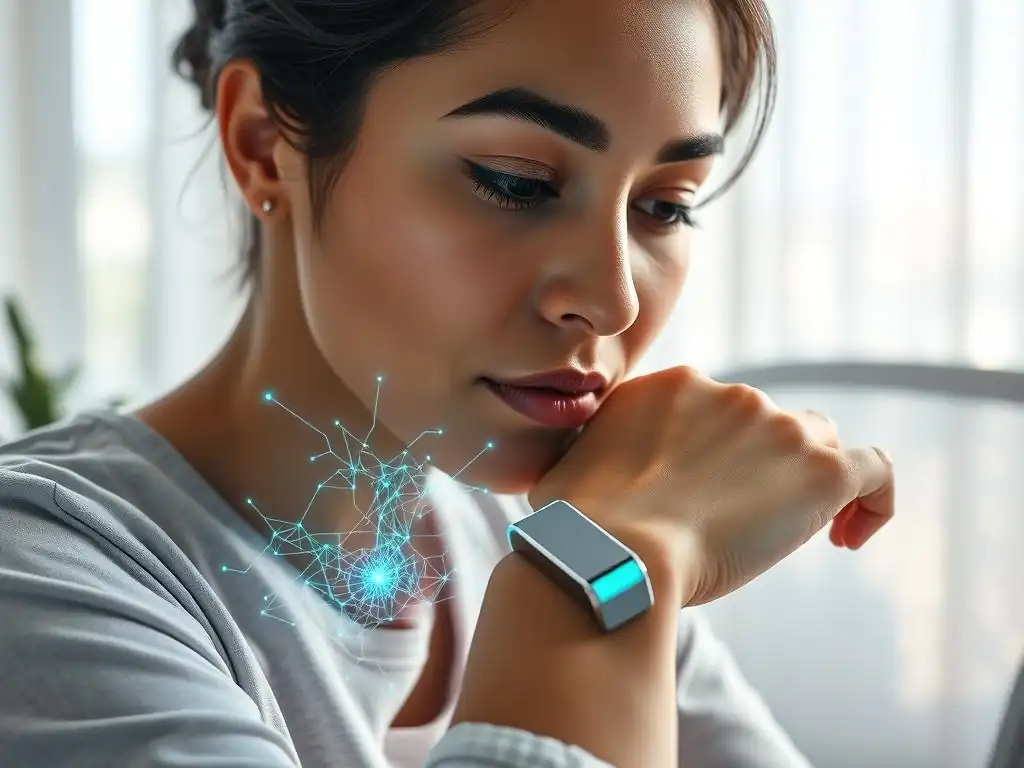
Welcome to Mind Care Guide, your trusted companion on the journey to mental well-being. Feeling overwhelmed by the one-size-fits-all approach to mental healthcare? You're not alone. This article delves into the exciting frontier of tech-based personalized mental treatment, exploring how innovative technologies are revolutionizing the way we address individual needs. But how effective are these new approaches, and what does this mean for the future of mental healthcare? Let's explore together...
Personalized Mental Care: How Tech is Tailoring Treatment to the Individual
- The Rise of Tech-Based Personalized Mental Treatment
- Key Technologies Driving Personalized Mental Healthcare
- Benefits of Tech-Based Personalized Mental Treatment
- Challenges and Considerations for Tech-Based Personalized Mental Treatment
- The Future of Tech-Based Personalized Mental Treatment
- Case Studies: Real-World Examples of Personalized Mental Health Success
- Navigating the Landscape of Tech-Based Personalized Mental Treatment Options
- Conclusion: Embracing the Potential of Personalized Mental Healthcare
-
Frequently Asked Questions
- What is Tech-based Personalized Mental Treatment and how does it differ from traditional therapy?
- What are some examples of technologies used in Tech-based Personalized Mental Treatment?
- How can Tech-based Personalized Mental Treatment improve mental well-being?
- Is Tech-based Personalized Mental Treatment secure and private?
- Is Tech-based Personalized Mental Treatment a replacement for traditional therapy?
- Final Reflection: The Future of Mental Wellness is Personal
- Unlock Your Personalized Mental Wellness Journey
The Rise of Tech-Based Personalized Mental Treatment
Understanding the Need for Individualized Mental Healthcare
Mental health conditions are profoundly personal experiences, yet traditional treatment approaches often rely on standardized protocols. While evidence-based guidelines are crucial, they don't always account for the unique complexities of an individual's life, including their cultural background, socio-economic status, specific symptoms, co-occurring conditions, and personal preferences. For example, two individuals diagnosed with major depressive disorder might present with vastly different symptom profiles, triggers, and responses to medication or therapy.
One might experience severe insomnia and low energy, while the other struggles with irritability and difficulty concentrating. A one-size-fits-all approach risks missing these nuances, potentially leading to suboptimal outcomes, higher dropout rates, and prolonged suffering. The growing recognition of this variability highlights the critical need for care models that can adapt and tailor interventions to the specific needs of each person seeking support.
The demand for more personalized mental healthcare is also driven by the sheer scale of mental health challenges globally. The World Health Organization estimates that hundreds of millions of people worldwide suffer from mental disorders, yet access to effective, tailored care remains a significant barrier. Stigma, cost, geographical distance, and long wait times for appointments with specialists further underscore the need for innovative solutions.
A system that can personalize treatment based on individual data and preferences not only promises more effective interventions but also has the potential to make care more accessible and acceptable. This push towards personalization is fundamentally reshaping how we think about delivering mental health support, moving from broad categories to granular, individual profiles.
The Role of Technology in Customizing Mental Health Solutions
Technology is emerging as a powerful enabler of personalized mental healthcare, offering tools and platforms that can gather, analyze, and utilize individual data in ways previously impossible. From mobile apps tracking mood and sleep patterns to sophisticated AI algorithms identifying personalized therapeutic approaches, tech is facilitating a deeper understanding of each person's unique mental health journey.
This allows clinicians and individuals themselves to move beyond generic treatment plans towards interventions that are specifically designed to address their particular challenges, strengths, and circumstances. The integration of technology allows for continuous monitoring and dynamic adjustment of treatment, ensuring interventions remain relevant and effective over time as an individual's needs change.
The potential for technology to personalize mental health solutions extends beyond simple data collection. It enables the delivery of therapeutic content and support in formats and timings that suit the individual. For instance, someone struggling with social anxiety might benefit from a VR exposure therapy module accessible from home, while another person with depression might prefer a CBT-focused chatbot for support between therapy sessions.
Technology facilitates this level of customization, offering flexible and adaptable tools that complement traditional care or provide standalone support. This evolution is paving the way for a new era of techbased personalized mental treatment, where care is not just accessible, but also uniquely fitted to the individual.
Key Technologies Driving Personalized Mental Healthcare
AI-Powered Mental Health Assessment and Treatment
Artificial Intelligence (AI) is revolutionizing the ability to process complex data sets, making it an invaluable tool for personalizing mental health assessment and treatment. AI algorithms can analyze vast amounts of patient information – including self-reported symptoms, behavioral patterns from app usage, voice analysis, and even physiological data – to identify subtle patterns and correlations that might be missed by human observation alone.
This analysis can help in more accurate and timely diagnosis, predict potential risks like relapse or crisis, and recommend the most suitable interventions based on an individual's profile and the outcomes observed in similar populations. For example, some AI platforms are being developed to analyze therapeutic dialogue to provide feedback to therapists or suggest specific techniques that have proven effective for similar patient profiles.
Furthermore, AI is powering conversational agents and chatbots designed to provide immediate, personalized support and therapeutic interventions. These AI companions can offer guided meditations, cognitive behavioral therapy (CBT) exercises, mood tracking, and coping strategies tailored to the user's reported state and history. While not a replacement for human therapy, these tools offer accessible, always-on support.
Studies on early AI-driven mental health apps have shown promising results in managing symptoms of anxiety and depression, with some platforms reporting engagement rates suggesting users find the personalized, non-judgmental interaction beneficial. The ability of AI to learn and adapt based on user interaction makes these tools increasingly effective over time, offering a highly scalable form of tech-enabled personalized mental treatment.
How AI Algorithms Analyze Patient Data for Personalized Insights
AI algorithms, particularly those using machine learning, analyze patient data by identifying patterns and correlations within datasets that are too large or complex for traditional methods. This data can come from various sources: electronic health records (EHRs), data from mental health apps (like mood logs, activity levels, sleep patterns), voice analysis during therapy sessions, and even passive data from smartphone usage (like communication patterns or location data, with user consent).
For instance, an AI might analyze a patient's historical data to predict their likelihood of responding positively to a specific antidepressant based on genetic markers, past treatment responses, and symptom severity. Another application involves analyzing therapy session transcripts to identify recurring negative thought patterns specific to an individual, allowing therapists to focus interventions more precisely.
The process often involves training AI models on large, anonymized datasets of individuals with similar conditions and treatment outcomes. By learning from this historical data, the AI can then make predictions or inferences about a new individual based on their unique data profile. For example, an algorithm might identify that patients with a specific sleep pattern and reported energy level respond particularly well to a certain type of behavioral activation therapy.
When a new patient with a similar profile interacts with the platform, the AI can highlight this potential recommendation to their clinician or offer relevant self-help modules directly. This data-driven approach allows for a level of personalization that moves beyond broad diagnostic categories to treatment plans informed by granular individual characteristics and predicted responses, central to techbased personalized mental treatment.
Examples of AI-Driven Mental Health Apps and Platforms
Several innovative platforms are leveraging AI to provide personalized mental health support. Woebot is a well-known example of an AI-powered chatbot that uses CBT principles to help users manage anxiety and depression. It engages users in daily conversations, tracking mood, teaching coping skills, and providing personalized insights based on user input.
Early studies published in the Journal of Medical Internet Research have indicated that using Woebot can lead to significant reductions in anxiety and depression symptoms among young adults. Another platform, Quartet Health, uses AI and machine learning to help primary care physicians identify patients with potential behavioral health needs and connect them with appropriate mental health specialists and resources, effectively personalizing the referral pathway.
Mindstrong Health utilizes passive data collected from smartphone interactions (like typing speed or scrolling patterns) as digital biomarkers to assess cognitive function and emotional state. Their AI analyzes these patterns to provide insights into an individual's mental health fluctuations, offering alerts and personalized interventions when needed. This approach allows for continuous, unobtrusive monitoring and proactive support, tailoring interventions based on real-time data rather than periodic self-reports. These examples demonstrate the diverse ways AI is being applied to create more responsive, data-informed, and personalized mental health support systems, driving forward the field of techbased personalized mental treatment.
Teletherapy and Remote Monitoring for Individualized Care
Teletherapy, or therapy conducted remotely via video, phone, or text, has rapidly expanded, significantly increasing access to mental healthcare. This format inherently allows for a degree of personalization by removing geographical barriers and offering flexibility in scheduling. Individuals can connect with therapists who specialize in their specific needs, regardless of location.
This is particularly impactful for those in rural areas, individuals with mobility issues, or those who feel more comfortable receiving care in their own environment. The convenience factor also improves adherence; studies during the COVID-19 pandemic showed that teletherapy maintained or even improved attendance rates compared to in-person sessions for many patients. This accessibility is a fundamental step towards providing more individualized care by ensuring people can connect with the right provider for them.
Beyond live sessions, technology enables remote monitoring, allowing individuals and clinicians to track mental health indicators between appointments. Mobile apps can track mood, sleep, activity levels, and medication adherence. Some platforms allow users to log triggers, coping strategies used, and the outcomes.
This data provides a rich, real-time picture of an individual's daily experiences and challenges, offering valuable insights for personalizing therapy. A therapist can review a patient's mood logs before a session and tailor the conversation to address specific fluctuations or challenges identified through the data. This continuous feedback loop allows for dynamic adjustment of treatment plans, making interventions more responsive and targeted to the individual's current state, a core aspect of techbased personalized mental treatment.
The Benefits of Accessible and Convenient Teletherapy Sessions
The primary benefit of teletherapy is its accessibility and convenience, which directly contributes to personalized care by enabling individuals to receive support when and where they need it. For someone with severe anxiety that makes leaving the house difficult, teletherapy removes a significant barrier to accessing care. Parents with young children, individuals with demanding work schedules, or those living far from mental health facilities can more easily fit therapy into their lives.
This flexibility means individuals can maintain consistency in their treatment, which is crucial for positive outcomes. A 2021 report by the American Psychological Association found that a significant majority of psychologists were using teletherapy, indicating its widespread adoption and acceptance as a viable, often preferred, mode of delivery for many patients.
Furthermore, teletherapy can make the therapeutic environment feel more personal and comfortable for some individuals, as they are in their familiar surroundings. This can facilitate deeper engagement and openness during sessions. It also allows therapists to gain some insight into a client's home environment, offering a more holistic understanding of their life context, which can inform personalized treatment strategies. While challenges like technology access and privacy exist, the fundamental convenience and reach of teletherapy are undeniably powerful in making personalized mental healthcare more attainable for a broader population.
Remote Monitoring Tools for Real-Time Mental Health Tracking
Remote monitoring tools provide a window into an individual's mental health status outside of clinical settings, offering real-time data that can inform personalized care. Mobile mental health apps are common examples, allowing users to track mood using scales or journals, monitor sleep patterns via manual input or integration with wearable devices, log physical activity, and record instances of specific behaviors or thoughts.
For example, an app user might log feelings of panic, noting the time, location, and preceding events. Over time, the app or a connected clinician can identify patterns – perhaps panic attacks frequently occur on specific days or after certain interactions – allowing for targeted interventions.
Beyond self-report, passive remote monitoring tools can collect data automatically. Smartphone sensors can detect changes in voice tone, activity levels, and social interaction patterns, which can serve as digital biomarkers for conditions like depression or bipolar disorder. Platforms like Ginger (now Headspace Health) combine human coaching and therapy with app-based tools for tracking and support, using data to personalize the coaching interactions.
This continuous data stream allows clinicians to detect early warning signs of distress or relapse and intervene proactively, adjusting treatment plans based on current, objective data rather than relying solely on retrospective patient recall. This level of dynamic, data-informed adjustment is key to effective techbased personalized mental treatment.
Wearable Technology and Biometric Data in Mental Health
Wearable technology, such as smartwatches and fitness trackers, is increasingly being used to collect biometric data that can provide insights into an individual's physiological state, offering a new dimension for personalized mental healthcare. Devices can track heart rate, heart rate variability (HRV), sleep duration and quality, activity levels, and even skin conductance (a measure related to stress).
These physiological signals can serve as objective indicators of stress, anxiety, or mood fluctuations, often capturing data points that individuals might not consciously notice or report. For example, a sustained increase in resting heart rate or a significant drop in HRV might indicate heightened stress or anxiety levels.
Integrating this biometric data into mental health assessment and treatment allows for a more comprehensive and objective understanding of an individual's state. A clinician reviewing a patient's wearable data might notice patterns correlating with their reported symptoms – perhaps sleep quality significantly deteriorates during periods of increased anxiety, or activity levels drop during depressive episodes. This data can validate patient reports, help identify triggers, and assess the effectiveness of interventions.
For instance, if a patient starts a new stress-management technique, wearable data might show an improvement in HRV over time, providing objective evidence of the technique's impact. This integration of physiological data into personalized treatment plans is a rapidly evolving area of techbased personalized mental treatment.
Using Wearable Sensors to Track Stress Levels and Mood
Wearable sensors track physiological indicators that are known to be correlated with stress and mood. Heart rate and heart rate variability are key metrics; high stress is often associated with elevated heart rate and reduced HRV. Sleep patterns, including total sleep time, time spent in different sleep stages, and disturbances, are also strong indicators, as sleep disruption is a common symptom across many mental health conditions.
Activity levels tracked by accelerometers can provide insights into energy levels and motivation, which are often affected by mood disorders. Some advanced wearables are exploring the use of skin conductance sensors to measure physiological arousal related to stress responses.
Apps connected to these wearables often provide users with dashboards summarizing their physiological data and correlating it with their self-reported mood or stress levels. This allows individuals to become more aware of their own patterns and triggers.
For example, a user might notice that their stress levels (indicated by HRV) consistently spike on days they have specific social interactions, prompting them to explore strategies for managing social anxiety in those situations. While correlation does not equal causation, this objective data can provide valuable clues for both individuals and clinicians, enabling more targeted and personalized interventions based on real-time physiological responses to daily life.
Integrating Biometric Data into Personalized Treatment Plans
Integrating biometric data from wearables into personalized mental health treatment plans involves using this objective information to refine assessments, track progress, and tailor interventions. Clinicians can review aggregated or real-time data alongside patient self-reports and clinical observations.
This allows for a more nuanced understanding of how a patient's mental health fluctuates in their natural environment. For instance, if a patient with bipolar disorder is tracking their sleep, activity, and mood, clinicians might use this data to identify early signs of a manic or depressive episode (e.g., drastically reduced sleep or increased activity) and adjust medication or therapy proactively, potentially preventing a full-blown episode.
For conditions like anxiety or PTSD, tracking physiological stress responses (like elevated heart rate during specific situations) can be used as a biofeedback mechanism during therapy sessions or as part of exposure therapy. The data provides objective evidence of physiological reactions, helping patients recognize and manage their responses. While ethical considerations around data privacy and interpretation are crucial, the potential of biometric data to provide a continuous, objective, and highly individualized stream of information offers a powerful tool for enhancing the precision and effectiveness of techbased personalized mental treatment.
Virtual Reality (VR) for Targeted Mental Health Interventions
Virtual Reality (VR) technology creates immersive, interactive digital environments that can be used to simulate real-world situations or create entirely new therapeutic experiences. In mental healthcare, VR is particularly powerful for exposure therapy, allowing individuals to confront phobias, anxieties, or traumatic memories in a controlled and safe virtual setting. For example, someone with a fear of heights can experience standing on a virtual rooftop, gradually increasing the height as they become more comfortable. This allows for repeated exposure and practice of coping mechanisms without the logistical challenges or potential risks of real-world exposure.
The personalization aspect of VR lies in its ability to tailor the virtual environment and scenarios precisely to the individual's specific triggers and challenges. A VR program for social anxiety can simulate different social situations, from a one-on-one conversation to speaking in front of a crowd, adjusting the complexity and intensity based on the individual's progress and comfort level.
For PTSD, VR can recreate specific elements of a traumatic event in a controlled way, allowing for processing and desensitization. This highly targeted approach makes VR a powerful tool for delivering tech-enabled personalized mental treatment, addressing specific issues with precision and flexibility.
VR Therapy for Anxiety, Phobias, and PTSD
VR therapy has shown significant promise, particularly for conditions where exposure to feared situations or memories is a key part of treatment. For phobias like arachnophobia (fear of spiders) or aviophobia (fear of flying), VR can present realistic simulations of the feared object or situation, allowing individuals to practice managing their anxiety responses. Research published in journals like The Lancet Psychiatry has demonstrated VR's effectiveness, sometimes comparable to in-vivo (real-world) exposure therapy, but often more accessible and less intimidating for the patient.
For PTSD, VR exposure therapy, sometimes called virtual reality exposure therapy (VRET), can recreate aspects of the traumatic event in a safe, therapeutic environment. This allows individuals to process the memories and associated emotions under the guidance of a therapist. Programs designed for veterans, for example, can simulate combat environments. The therapist controls the elements of the simulation, gradually introducing stimuli as the patient is ready, personalizing the pace and content of the exposure. This controlled, customizable exposure is a key advantage of using VR for treating complex trauma.
Creating Immersive and Personalized VR Environments
The power of VR in mental health lies in its ability to create highly immersive and personalized environments. Therapists can often customize scenarios within VR platforms to match the specific details of a patient's fear or trauma. For instance, for someone with a fear of public speaking, the VR environment can be tailored to resemble the specific type of audience or venue they fear most. For PTSD, elements like sounds, visual cues, and even vibrations can be adjusted to match the patient's narrative of the traumatic event, facilitating targeted processing.
Beyond exposure, VR is also being explored for other applications, such as creating calming or therapeutic environments for stress reduction or mindfulness exercises. Imagine stepping into a personalized virtual forest or beach designed to evoke feelings of peace. The ability to create these bespoke experiences, tailored to an individual's therapeutic goals and sensitivities, highlights the potential of VR as a frontier in techbased personalized mental treatment, offering unique and powerful ways to engage with mental health challenges.
Benefits of Tech-Based Personalized Mental Treatment

Improved Treatment Outcomes and Patient Engagement
Tech-based personalized mental treatment has the potential to significantly improve treatment outcomes. By tailoring interventions to an individual's specific needs, preferences, and responses, care becomes more effective. When patients receive therapy or support that feels relevant and addresses their unique challenges, they are more likely to engage with the process. For example, a study on a personalized digital intervention for depression found higher completion rates and greater symptom reduction compared to a generic program. Personalized content, delivered through preferred modalities (e.g., text, video, interactive exercises), can make therapy feel less overwhelming and more manageable, boosting motivation and adherence.
Increased patient engagement is a direct result of personalization. When technology provides flexible access (like teletherapy) or tools that integrate seamlessly into daily life (like tracking apps or AI companions), individuals are more likely to participate consistently. Receiving personalized insights based on their own data can also be empowering, helping individuals feel more in control of their mental health journey. This enhanced engagement is crucial because consistent participation in treatment is strongly linked to better long-term outcomes. The combination of tailored content and increased engagement makes techbased personalized mental treatment a promising approach for achieving more positive results.
Increased Accessibility to Mental Healthcare Services
One of the most significant benefits of tech-based personalized mental treatment is the dramatic increase in accessibility. Geographic location is less of a barrier when teletherapy is available. Individuals in rural areas or those who cannot easily travel can connect with specialists anywhere.
The flexibility of scheduling offered by digital platforms and teletherapy sessions can also make care accessible to those with rigid work schedules or caregiving responsibilities. Furthermore, digital tools like AI chatbots or self-guided apps can provide immediate support at any time, day or night, offering a first line of assistance or supplementary care when professional help is not immediately available.
Beyond convenience, technology can also address financial barriers. While not always cheaper, digital platforms can sometimes offer lower-cost alternatives to traditional therapy, or provide tiered service options. Some apps offer free basic features for mood tracking or mindfulness, making foundational support universally accessible. This expanded reach means that tech-enabled personalized mental treatment can potentially serve underserved populations and reduce disparities in access to care, bringing support to individuals who might otherwise go without.
Enhanced Data Collection and Analysis for Better Insights
Technology facilitates the collection of vast amounts of data related to an individual's mental health, often in real-time and in their natural environment. This includes self-reported data through apps, passive data from smartphone usage or wearables, and even data from interactions with digital therapy platforms. This rich dataset provides clinicians and researchers with unprecedented insights into the nuances of mental health conditions and how they manifest uniquely in individuals. Instead of relying solely on periodic check-ins, care providers can see patterns in mood, sleep, activity, and stress responses as they occur.
The ability to analyze this aggregated data, often using AI and machine learning, allows for a deeper understanding of what works for whom. By studying the data from thousands of users, researchers can identify which personalized interventions are most effective for specific symptom profiles or demographic groups. This continuous feedback loop of data collection and analysis allows for ongoing refinement of personalized treatment approaches, making future techbased personalized mental treatment even more precise and effective. It moves mental healthcare towards a more data-informed, evidence-driven practice at the individual level.
Cost-Effectiveness of Personalized Mental Health Solutions
While implementing new technologies requires initial investment, tech-based personalized mental treatment solutions often offer long-term cost-effectiveness. Teletherapy can reduce costs associated with travel for both patients and providers, and potentially overhead costs for clinics. Digital platforms and apps can provide scalable support that is less resource-intensive per user compared to one-on-one human intervention. For example, an AI chatbot can provide basic support and coping strategies to thousands of users simultaneously at a fraction of the cost of individual therapy sessions.
By providing more accessible and engaging care, tech-enabled personalized mental treatment can potentially lead to earlier intervention and improved outcomes, reducing the need for more intensive, and expensive, levels of care down the line, such as hospitalization or crisis services. Furthermore, personalized approaches that are more effective reduce the likelihood of prolonged treatment or repeated attempts with different interventions, saving time and resources.
While the cost landscape is still evolving, the scalability and efficiency offered by technology point towards a future where personalized mental healthcare is not only more effective but also more economically viable for individuals and healthcare systems.
Challenges and Considerations for Tech-Based Personalized Mental Treatment
Data Privacy and Security Concerns in Mental Healthcare
One of the most significant challenges for tech-based personalized mental treatment is ensuring the privacy and security of sensitive patient data. Mental health information is highly personal and vulnerable. Platforms collecting data from apps, wearables, or teletherapy sessions must implement robust security measures to protect against breaches and unauthorized access.
Compliance with regulations like HIPAA in the United States or GDPR in Europe is essential, but the evolving nature of technology and cyber threats requires constant vigilance. Users need to trust that their deeply personal information, such as mood logs, therapy session transcripts, or physiological data related to stress, is protected.
The potential for data misuse, whether through hacking, improper sharing with third parties (like advertisers or employers), or de-anonymization, is a serious concern. Developers and providers of tech-enabled personalized mental treatment must be transparent about how data is collected, stored, used, and protected. Clear consent processes are crucial, ensuring individuals understand what data is being gathered and for what purpose. Building and maintaining user trust through stringent privacy practices is paramount for the successful and ethical adoption of these technologies in mental healthcare.
Ethical Considerations of AI in Mental Health Treatment
The use of AI in tech-based personalized mental treatment raises complex ethical questions. One concern is algorithmic bias; if the data used to train AI models is not diverse or representative, the AI might produce biased assessments or recommendations that disadvantage certain populations. For example, an AI trained primarily on data from one demographic group might not accurately assess or recommend treatment for individuals from different cultural backgrounds. The "black box" problem, where it's difficult to understand exactly how an AI arrived at a particular conclusion, also poses a challenge, particularly in clinical decision-making where transparency is crucial.
Another ethical consideration relates to the role of AI in therapeutic relationships and decision-making. While AI can provide support and insights, it lacks empathy, human understanding, and the ability to build a therapeutic alliance. Relying too heavily on AI for assessment or treatment recommendations without sufficient human oversight could depersonalize care or lead to inappropriate interventions. Developers must design AI systems that augment, rather than replace, human clinical judgment and ensure that the technology is used responsibly and ethically to support, not dictate, personalized mental healthcare.
Ensuring Equity and Access for All Populations
While technology has the potential to increase access, there is a risk that the digital divide could exacerbate existing inequities in mental healthcare. Not everyone has reliable access to smartphones, computers, high-speed internet, or the digital literacy required to effectively use tech-based personalized mental treatment platforms. This could leave behind low-income populations, older adults, individuals in underserved rural areas with poor connectivity, or those with disabilities that affect technology use. Ensuring equitable access requires proactive strategies, such as providing devices and internet access, designing user-friendly interfaces, and offering digital literacy training.
Furthermore, personalized solutions need to be culturally sensitive and linguistically appropriate. An app or AI designed without considering cultural nuances around mental health or without offering support in multiple languages will not be effective or accessible for diverse populations. Addressing these disparities is crucial to ensure that the benefits of tech-enabled personalized mental treatment are shared broadly and do not create a new form of healthcare inequality. Efforts must focus on building inclusive platforms and implementing public health strategies to bridge the digital divide in mental healthcare.
The Importance of Human Interaction in Mental Healthcare
Despite the advancements in tech-based personalized mental treatment, the importance of human interaction cannot be overstated. Mental health is deeply relational, and for many, the therapeutic alliance with a clinician is a critical component of healing. Empathy, understanding, and the nuanced communication that occurs between a patient and a human therapist are difficult, if not impossible, for technology to replicate fully. While tech can provide tools, data, and support, it often serves best when integrated into a care model that includes human oversight and interaction.
Tech should be viewed as a powerful enhancer of personalized care, not a complete replacement for human connection. For complex conditions, crisis situations, or individuals who require deep emotional processing, the presence of a trained human professional is essential. The most effective models of tech-enabled personalized mental treatment are likely those that combine the efficiency and data-driven insights of technology with the empathy, clinical expertise, and relational capacity of human clinicians, ensuring a holistic and truly personalized approach.
The Future of Tech-Based Personalized Mental Treatment
Emerging Trends in Personalized Mental Healthcare Technology
The field of tech-based personalized mental treatment is rapidly evolving, with several exciting trends on the horizon. One trend is the increasing sophistication of passive sensing technologies that can monitor subtle changes in behavior, voice, or even physiological markers indicative of mental health shifts, offering continuous, unobtrusive data for personalization. Another is the development of more advanced AI that can not only analyze data but also generate personalized therapeutic content, potentially creating dynamic, adaptive digital interventions that learn and adjust in real-time based on user engagement and progress.
We are also seeing greater integration between different technologies and data sources. Future platforms may seamlessly combine data from wearables, mental health apps, electronic health records, and even social determinants of health data (with consent) to create a truly comprehensive picture of an individual's well-being. This holistic data approach will enable even more precise personalization of interventions, from recommending specific types of therapy or digital tools to timing check-ins or support based on predictive analytics. The focus is shifting towards creating interconnected ecosystems of care enabled by technology.
The Integration of Genomics and Personalized Medicine in Mental Health
A significant future direction for personalized mental healthcare involves integrating genomic data and principles from personalized medicine. Research is increasingly identifying genetic markers that may influence an individual's risk for certain mental health conditions or their likely response to specific medications or therapies. For example, pharmacogenomic testing can provide insights into how an individual's genetic makeup might affect their metabolism of psychiatric medications, helping clinicians select the most effective drug and dosage with fewer side effects.
As our understanding of the genetic and biological underpinnings of mental health improves, this data can be combined with behavioral, environmental, and lifestyle data collected through technology to create a truly multi-dimensional personalized profile. This could lead to predictive models that identify individuals at higher risk before symptoms become severe, allowing for early, personalized preventative interventions. Integrating genomics into tech-based personalized mental treatment holds the promise of moving beyond symptom management towards proactive, biologically informed care tailored to an individual's unique biological blueprint.
The Potential for Predictive Mental Healthcare using Advanced Analytics
Leveraging advanced analytics, including machine learning and AI, holds immense potential for developing predictive mental healthcare. By analyzing longitudinal data from large populations, researchers can identify patterns and early warning signs associated with the onset or worsening of mental health conditions. Applying these models to individual data collected through tech platforms could allow for the prediction of future mental health states or events, such as the likelihood of a depressive episode, a panic attack, or even a crisis.
Imagine a system that analyzes an individual's sleep patterns, activity levels, mood logs, and communication frequency, identifying subtle deviations that, based on predictive models, indicate an increased risk of relapse within the next week. This could trigger a personalized alert to the individual or their care team, prompting a timely intervention – perhaps a scheduled check-in, a recommendation for specific coping strategies, or an adjustment to their treatment plan. This shift towards predictive, proactive, and personalized interventions, enabled by advanced analytics and technology, represents a transformative potential for techbased personalized mental treatment.
Case Studies: Real-World Examples of Personalized Mental Health Success

Data-Driven CBT for Depression: A Personalized Approach
Several platforms are demonstrating the effectiveness of data-driven, personalized Cognitive Behavioral Therapy (CBT) for depression. One example involves digital CBT programs that collect data on a user's symptoms, thought patterns, and behaviors through interactive modules and tracking tools. The platform then uses this data to personalize the content and exercises presented to the user.
For instance, if a user frequently reports difficulty with social interactions, the program might automatically provide more modules focused on social skills or managing social anxiety within the broader CBT framework for depression. Some platforms integrate AI to analyze user responses and tailor the pace and difficulty of the content, ensuring the user is challenged but not overwhelmed.
Studies evaluating these data-driven approaches have shown promising results. For example, a randomized controlled trial involving a personalized internet-delivered CBT program for depression demonstrated significant reductions in depressive symptoms, with outcomes comparable to traditional face-to-face therapy for many participants. The personalization, driven by user data, was cited as a key factor in maintaining engagement and tailoring the therapeutic content effectively to individual needs, highlighting the power of techbased personalized mental treatment in addressing common conditions like depression.
Telehealth Expansion: Reaching Underserved Communities
Telehealth has proven to be a critical tool for expanding personalized mental healthcare to underserved communities that traditionally face significant barriers to access. In rural areas, where mental health professionals are scarce, teletherapy allows individuals to connect with specialists located in urban centers. For example, a program implemented in several states across the US connected individuals in remote areas with psychiatrists and therapists via video conferencing, dramatically reducing wait times and travel burdens. Data showed that this expansion led to a significant increase in the number of individuals receiving care, including those with severe mental illnesses.
Similarly, teletherapy has improved access for individuals with mobility issues or those who cannot easily leave their homes due to disability or illness. By bringing personalized therapy sessions directly into people's homes, technology removes physical obstacles. A report from the U.S. Department of Veterans Affairs highlighted the role of telehealth in providing mental health services to veterans, particularly those living far from VA facilities, demonstrating increased engagement and satisfaction rates among users of these remote services. These examples underscore how technology, specifically telehealth, is making personalized mental healthcare more accessible and equitable.
Finding the Right Technology for Your Individual Needs
Navigating the growing landscape of tech-based personalized mental treatment options can feel overwhelming, but finding the right tools starts with understanding your specific needs and goals. Consider what kind of support you are looking for: Are you interested in tracking your mood and symptoms? Do you need immediate support between therapy sessions? Are you looking for guided self-help programs for a specific condition like anxiety or insomnia?
Or are you seeking a platform to connect with a therapist remotely? Different technologies serve different purposes. Reading reviews, checking for evidence of effectiveness (are there studies supporting the claims? ), and understanding the level of human support offered are crucial steps.
It's also important to consider practical factors like cost, privacy policies, and user-friendliness. Many platforms offer free trials or basic versions, allowing you to test them out before committing. Look for platforms that clearly explain how your data is used and protected. Ultimately, the "right" technology is one that you feel comfortable using, that fits into your lifestyle, and that genuinely addresses your personal mental health goals, contributing to your journey with tech-enabled personalized mental treatment.
Working with Mental Health Professionals to Integrate Technology Effectively
For many individuals, the most effective approach to tech-based personalized mental treatment involves integrating technology with support from a mental health professional. Discussing your interest in using mental health apps, wearables, or teletherapy platforms with your therapist or doctor is highly recommended. They can provide guidance on reputable tools, help you understand how the technology fits into your overall treatment plan, and interpret the data collected by apps or wearables. For example, a therapist might recommend a specific mood-tracking app that integrates well with their practice or suggest VR therapy if it's available and appropriate for your condition.
Clinicians can also help you set realistic expectations for what technology can and cannot do. They can guide you on how to share data from your apps or wearables in a way that is useful for your therapy sessions. This collaborative approach ensures that technology enhances, rather than complicates, your mental healthcare journey. Working together allows for a more cohesive and truly personalized treatment experience that leverages the strengths of both human expertise and technological innovation.
Reputable Tech-Based Mental Health Platforms
Identifying reputable tech-based mental health platforms requires careful consideration. Look for platforms that are transparent about their underlying therapeutic approach (e.g., based on CBT, mindfulness, etc.) and ideally have evidence from studies or clinical trials supporting their effectiveness. Check for credentials of any human professionals involved (e.g., licensed therapists, psychiatrists). Privacy policies should be easily accessible and clearly explain how your data is handled, stored, and protected, adhering to relevant health data regulations.
Examples of platforms with some level of clinical backing or widespread recognition include Headspace Health (offering mindfulness, meditation, and now coaching/therapy via Ginger), Talkspace and BetterHelp (teletherapy platforms connecting users with licensed therapists), and specialized apps for conditions like PTSD (e.g., VA's PTSD Coach app, though not commercial). Always exercise caution and consult with a healthcare professional before relying solely on any digital tool for managing a serious mental health condition. The goal is to find tools that are safe, effective, and contribute positively to your personalized mental healthcare plan.
Conclusion: Embracing the Potential of Personalized Mental Healthcare
The Transformative Power of Tech in Mental Well-being
Technology is undeniably transforming the landscape of mental healthcare, moving it towards more personalized, accessible, and potentially more effective models. From AI-powered insights and therapeutic tools to the expansive reach of teletherapy and the objective data provided by wearables, tech is enabling a level of individualization previously unimaginable. This personalized approach acknowledges the unique nature of each person's mental health journey, offering support that can be tailored to specific symptoms, preferences, and life circumstances. The ability to access support anytime, anywhere, and receive interventions informed by personal data holds immense promise for improving mental well-being on a large scale.
By breaking down barriers to access, providing continuous support, and offering data-driven insights, technology is not just changing how mental healthcare is delivered; it's changing who can receive it and how effectively their specific needs can be met. While challenges related to privacy, ethics, and equity must be actively addressed, the trajectory points towards a future where tech-enabled personalized mental treatment is a cornerstone of comprehensive mental health support, empowering individuals to take a more active role in their own care with tools and strategies designed specifically for them.
Moving Towards a More Individualized and Effective Mental Healthcare System
The journey towards a truly individualized and effective mental healthcare system is ongoing, and technology is a key driver of this evolution. By embracing the potential of tech-based personalized mental treatment, we can move away from standardized approaches towards care that is dynamic, responsive, and uniquely suited to the individual. This involves not only the development of sophisticated tools but also the integration of these tools into existing healthcare pathways, ensuring collaboration between technology, clinicians, and individuals seeking support.
Ultimately, the goal is to create a mental healthcare system where every individual feels seen, understood, and supported with interventions that are not just evidence-based in general, but specifically tailored to their personal context. As technology continues to advance and become more integrated into our lives, the promise of personalized mental healthcare becomes increasingly attainable, offering hope for better outcomes and enhanced well-being for millions around the world. The future of mental health is personal, and technology is helping to build that future.
Frequently Asked Questions
What is Tech-based Personalized Mental Treatment and how does it differ from traditional therapy?
Tech-based personalized mental treatment uses technology to tailor mental healthcare to an individual's specific needs. This differs from traditional therapy by offering data-driven insights and potentially more accessible and convenient options.
What are some examples of technologies used in Tech-based Personalized Mental Treatment?
Examples include mental health apps, wearable sensors that track mood and sleep, virtual reality (VR) therapy, and artificial intelligence (AI) for personalized recommendations and support.
How can Tech-based Personalized Mental Treatment improve mental well-being?
It can improve mental well-being by providing 24/7 access to resources, offering personalized interventions based on individual data, and enhancing engagement through gamification and interactive tools.
Is Tech-based Personalized Mental Treatment secure and private?
Reputable platforms utilize encryption and adhere to privacy regulations (e.g., HIPAA) to protect user data. However, it's crucial to research and choose platforms with strong security measures.
Is Tech-based Personalized Mental Treatment a replacement for traditional therapy?
No, it's often best used as a supplement to traditional therapy or as a resource for early intervention. It can also provide ongoing support between therapy sessions.
Final Reflection: The Future of Mental Wellness is Personal
The integration of technology into mental healthcare is no longer a futuristic fantasy; it's a rapidly evolving reality reshaping how we approach mental wellbeing. This shift towards personalized treatment, driven by advancements in AI, data analysis, and wearable technology, offers unprecedented opportunities to address the unique needs of each individual struggling with mental health challenges. The potential for improved access, tailored interventions, and more effective outcomes is truly transformative.
The impact of tech-based personalized mental treatment extends far beyond the individual; it's reshaping the very fabric of our understanding of mental health. By moving away from a "one-size-fits-all" approach, we are fostering a culture of greater empathy and understanding. This personalized approach allows for a more nuanced understanding of individual triggers, coping mechanisms, and progress, leading to more effective and sustainable treatment plans. The greatest discovery of all time is that a person can change his future by merely changing his attitude.
– Oprah Winfrey. This quote perfectly encapsulates the power of personalized treatment, empowering individuals to actively participate in their own healing journey.
Now, consider your own mental wellbeing. What aspects of your life could benefit from a more personalized approach? Take a moment to reflect on your unique needs and how technology might play a role in supporting your mental health journey. Explore the available resources, consider seeking professional guidance, and remember that prioritizing your mental health is not a sign of weakness, but a testament to your strength and self-awareness. The future of mental wellness is personal, and it's a future you can actively shape.
Unlock Your Personalized Mental Wellness Journey
Thanks for exploring the evolving world of personalized mental healthcare with us! We hope you gained valuable insights into how technology is transforming treatment. Ready to take the next step toward better mental wellbeing?
- Prioritize your mental health: Identify your specific needs and explore resources tailored to your individual situation. Consider journaling your thoughts and feelings to pinpoint areas needing attention.
- Reach out to a mental health professional: Schedule a consultation to discuss personalized treatment options based on your unique needs.
- Share this article with someone who might benefit from learning about personalized mental care options – it could make a real difference in their life.
What personalized mental health strategies will you prioritize this week to enhance your well-being?