
Finding Your Tribe: The Importance of Community for Veteran Recovery

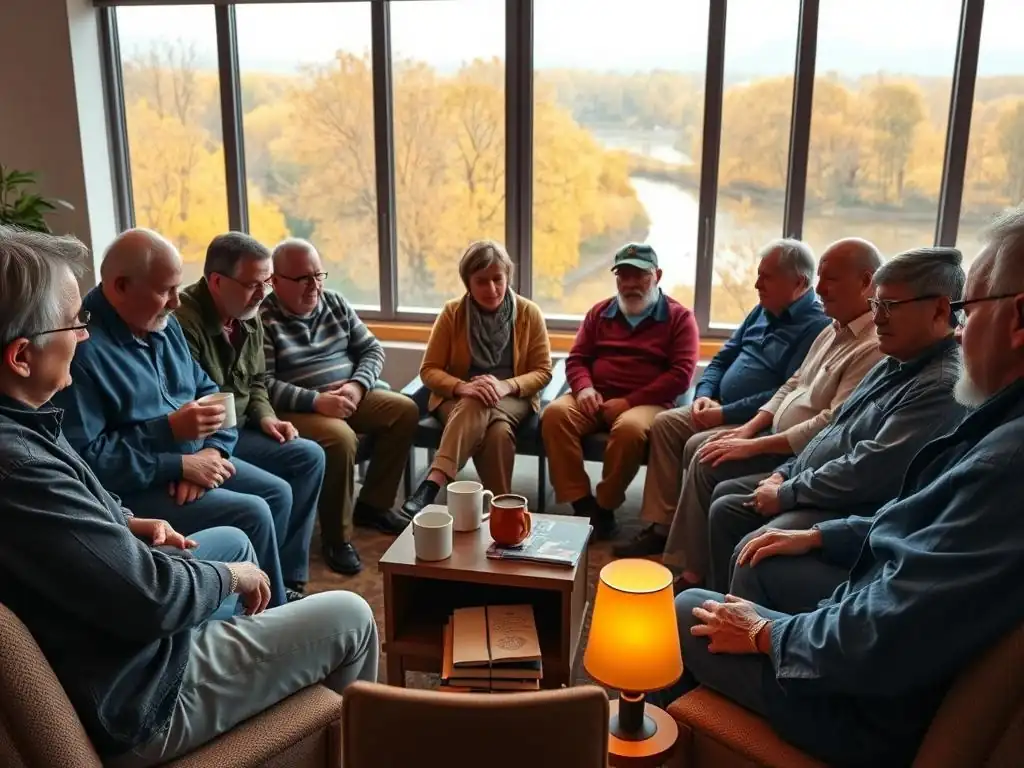
Welcome to Mind Care Guide, a safe space dedicated to your mental well-being.
Feeling lost or isolated? Know that you are not alone. This guide understands the unique challenges faced by veterans and offers a roadmap to recovery. Dive into our comprehensive exploration of Veteran community mental health support and discover how connecting with others can be a powerful step towards healing and resilience. Ready to find your tribe? Let's begin.
Finding Your Tribe: The Importance of Community for Veteran Recovery
- Understanding the Unique Mental Health Challenges Faced by Veterans
- The Power of Veteran Community Mental Health Support
- Benefits of Joining a Veteran Community for Mental Health
- Types of Veteran Communities and Support Groups
- Finding the Right Veteran Community for Your Needs
- Overcoming Barriers to Community Engagement for Veterans
- The Role of Family and Friends in Supporting Veteran Community Involvement
- Professional Mental Health Resources and Veteran Communities
- Success Stories: How Community Has Transformed Veteran Lives
- The Long-Term Impact of Community on Veteran Mental Wellness
- Building Stronger Veteran Communities for the Future
-
Frequently Asked Questions
- How does community support specifically benefit veterans recovering from mental health challenges?
- What types of community programs are most effective for veterans' mental well-being?
- Where can veterans find reliable community mental health support?
- What are some common barriers that prevent veterans from seeking community support?
- How can family members and friends support veterans in accessing community mental health services?
- Final Reflection: The Enduring Power of Connection in Veteran Healing
- Unleash Your Strength: Connect with Fellow Veterans Today
Understanding the Unique Mental Health Challenges Faced by Veterans
Veterans often navigate a complex transition from military service back to civilian life. This period can be fraught with unique mental health challenges stemming from their experiences in service, the demanding nature of military culture, and the adjustments required upon returning home. Unlike the general population, veterans may have faced combat exposure, prolonged separation from family, and a highly structured environment, all of which can impact psychological well-being. Understanding these distinct factors is crucial for providing effective support.
The military instills a strong sense of duty, resilience, and self-reliance, traits that are invaluable in service but can sometimes become barriers when seeking help for mental health issues. The cultural emphasis on toughness can make it difficult for veterans to admit vulnerability or ask for assistance, contributing to delayed treatment or avoidance of care altogether.
The Impact of Trauma on Veteran Mental Well-being
Trauma is a significant factor influencing the mental health of many veterans. Exposure to traumatic events, such as combat, witnessing injuries or deaths, or experiencing military sexual trauma (MST), can have profound and lasting effects on the brain and nervous system. These experiences can lead to conditions like Post-Traumatic Stress Disorder (PTSD), characterized by intrusive thoughts, nightmares, avoidance behaviors, and heightened reactivity.
Research indicates that a substantial percentage of veterans have experienced trauma. For example, estimates suggest that between 11% and 20% of veterans of Operations Iraqi Freedom (OIF) and Enduring Freedom (OEF) have PTSD in a given year. For Vietnam veterans, the estimate is even higher, around 30% lifetime prevalence.
The effects of trauma are not limited to PTSD; they can also contribute to depression, anxiety disorders, substance use issues, and difficulty with social relationships and integration into civilian life. The persistent hypervigilance and difficulty trusting others that can result from trauma make finding comfort and connection in civilian settings particularly challenging.
Common Mental Health Conditions Among Veterans: PTSD, Anxiety, and Depression
While PTSD is often highlighted, veterans experience a range of mental health conditions. Anxiety disorders, including generalized anxiety disorder and panic disorder, are prevalent. The constant state of alert required in certain military roles can translate into persistent worry and physical symptoms of anxiety in civilian life. Depression is another common challenge, often linked to trauma, chronic stress, grief, or the difficulties of transitioning back home, including unemployment or relationship strain.
Statistics from the Department of Veterans Affairs (VA) consistently show that depression and anxiety are among the most frequently diagnosed mental health conditions among veterans seeking care. For instance, data suggests that depressive disorders affect approximately 14% of veterans receiving VA healthcare. Co-occurring conditions are also common; a veteran with PTSD is significantly more likely to also experience depression or a substance use disorder, complicating treatment and recovery and underscoring the need for comprehensive care and robust veteran community mental health support.
Barriers to Mental Health Care for Veterans: Stigma and Access
Despite the clear need, many veterans face significant barriers to accessing mental health care. Stigma remains a major hurdle. The military culture, while evolving, has historically discouraged admitting to psychological struggles, often viewing them as weaknesses. Veterans may fear judgment from peers, superiors, or even family members, leading them to suffer in silence. This internal and external stigma prevents many from seeking necessary help, even when services are available.
Access issues also play a critical role. Geographic location can be a barrier, particularly for veterans living in rural areas far from VA facilities or private mental health providers specializing in veteran care. Long wait times for appointments, navigating complex healthcare systems, and challenges with transportation can further impede access. Financial constraints, though often addressed by VA benefits, can still be a factor for some, especially those not eligible for or unaware of available programs. These barriers highlight the importance of accessible, non-clinical forms of support, like veteran community mental health support initiatives.
The Power of Veteran Community Mental Health Support
Given the unique challenges and barriers veterans face, non-clinical support systems, particularly those provided by fellow veterans, are incredibly powerful. Veteran community mental health support offers a complementary pathway to healing, addressing needs that clinical settings alone may not fully meet. It provides a sense of camaraderie, understanding, and shared experience that is often missing in civilian interactions.
This type of support doesn't replace professional therapy or medication when needed, but it creates a vital foundation for recovery. It helps veterans feel less alone in their struggles and provides practical, peer-based coping strategies. Engaging with a veteran community can be a crucial step in rebuilding a sense of self and purpose after leaving the military.
Defining "Tribe": What a Supportive Community Means for Veterans
For veterans, finding their "tribe" means connecting with a group of individuals who truly understand their experiences because they have lived through similar ones. It's about finding a space where military jargon is understood, where the unique pressures of service are acknowledged without needing lengthy explanations, and where the transition challenges resonate deeply with others. A supportive veteran community acts as a bridge between the military world and civilian life.
This "tribe" offers psychological safety – a feeling that one can be open and vulnerable without fear of misunderstanding or judgment. It provides a sense of belonging that many veterans lose upon separating from the close-knit military unit. In this community, shared values, humor, and a mutual respect forged in shared experiences create a powerful bond that supports healing and resilience. It's a place where the identity of "veteran" is not just accepted but celebrated and understood in its full complexity.
Why Veteran-Specific Communities are Essential for Healing
Veteran-specific communities are essential because they provide an environment where veterans don't have to translate their experiences or justify their feelings. Civilian friends and family, while supportive, may struggle to grasp the nuances of military life, combat trauma, or the cultural shift of transitioning out. This can lead to feelings of isolation and the belief that "no one understands." Veteran communities eliminate this barrier.
In these settings, conversations flow more easily, and veterans can share their stories with people who have walked a similar path. This shared understanding reduces the sense of alienation and validates their experiences. Veterans can discuss challenges related to PTSD symptoms, adjusting to civilian jobs, navigating VA benefits, or dealing with relationship issues with peers who offer empathy born of personal experience. This peer-to-peer connection is a cornerstone of effective veteran community mental health support.
Addressing Isolation: A Key Factor in Veteran Mental Health
Isolation is a significant predictor of poor mental health outcomes, including depression, anxiety, and increased risk of suicide. For veterans, the transition out of the military often involves a drastic reduction in daily social interaction and the loss of the inherent camaraderie of unit life. This sudden lack of close connection can lead to profound feelings of loneliness and disconnection from society.
Veteran community mental health support directly combats this isolation. By providing opportunities for regular interaction, shared activities, and mutual support, these communities help veterans rebuild their social networks. Participating in group outings, volunteer work with fellow veterans, or simply gathering for coffee can counteract feelings of loneliness and foster a renewed sense of connection and purpose. Addressing isolation through community is a critical component of preventing mental health crises among veterans.
Benefits of Joining a Veteran Community for Mental Health
Engaging with a veteran community offers a multitude of benefits for mental well-being and overall adjustment to civilian life. These benefits extend beyond simply having social contact; they contribute to a deeper sense of understanding, purpose, and resilience. The shared experiences and mutual support create a unique healing environment.
The structure and camaraderie often found in veteran groups can also help veterans regain a sense of structure that was present in military life but may be missing in their civilian routines. This can be particularly helpful for those struggling with motivation or feeling adrift after service.
Reduced Feelings of Isolation and Loneliness Through Community
One of the most immediate and impactful benefits of joining a veteran community is the significant reduction in feelings of isolation and loneliness. The military provides a built-in social structure and constant interaction with peers who share a common mission. Leaving this environment can feel like losing a family, leading to a void.
Connecting with other veterans fills this void by providing a ready-made network of individuals who understand the unique challenges of this transition. Simply being in a room with others who have served can alleviate the feeling of being fundamentally different or misunderstood. This renewed social connection acts as a powerful buffer against the negative mental health consequences of isolation. Studies and anecdotal evidence from veteran support organizations consistently highlight how community involvement helps veterans feel connected and less alone.
Enhanced Sense of Belonging and Purpose After Military Service
Military service often provides individuals with a strong sense of identity, belonging, and purpose. Upon separation, veterans may struggle to find where they fit in civilian society and what their new mission is. This loss of identity and purpose can contribute significantly to depression and a feeling of being lost.
Veteran communities offer a space where veterans can recapture a sense of belonging. Being part of a group with shared experiences validates their past service and helps them feel understood in the present. Furthermore, many veteran organizations engage in community service, advocacy, or peer support programs, providing veterans with new opportunities to contribute and find a renewed sense of purpose. This active engagement in meaningful activities with fellow veterans is a vital aspect of psychological recovery and finding meaning after service.
Peer Support: Sharing Experiences and Building Resilience Among Veterans
Peer support is arguably the cornerstone of veteran community mental health support. This involves veterans helping other veterans, drawing on their own lived experiences to offer empathy, insight, and practical advice. Sharing stories about trauma, transition challenges, or mental health struggles with someone who has faced similar battles can be incredibly validating and empowering.
Listening to how others have navigated similar difficulties can provide hope and practical strategies for coping. Peer support groups often focus on building resilience by sharing coping mechanisms, discussing challenges openly, and celebrating successes. Veterans can learn from each other's experiences with therapy, navigating the VA system, finding employment, or managing symptoms. This mutual support fosters a sense of collective strength and encourages veterans to persevere in their recovery journey.
Types of Veteran Communities and Support Groups
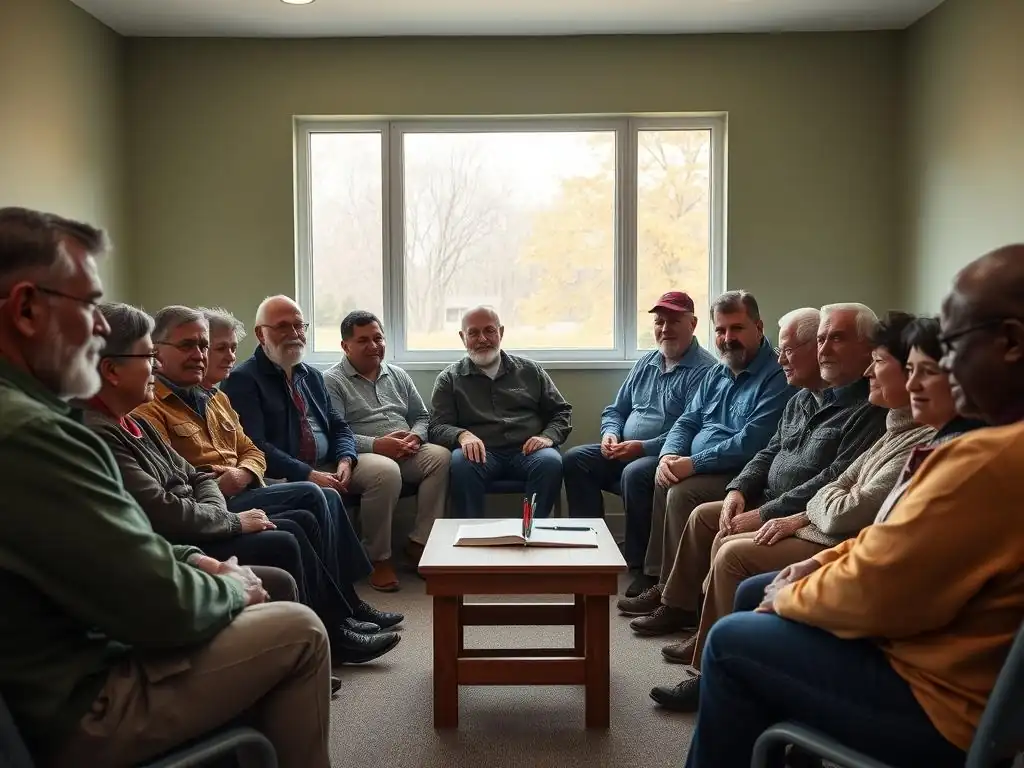
Veteran community mental health support is not monolithic; it comes in various forms, each offering different structures and focuses. Understanding the different types available can help veterans find the best fit for their individual needs and preferences. Options range from informal online forums to structured local organizations and specialized groups.
Exploring these different avenues allows veterans to find the environment where they feel most comfortable sharing and connecting. Some may prefer the anonymity of online platforms initially, while others may thrive in face-to-face interactions and organized activities.
Online Veteran Mental Health Forums and Support Groups
Online communities provide accessible veteran community mental health support regardless of geographic location. Websites, social media groups, and dedicated forums allow veterans to connect with peers 24/7. These platforms can be particularly helpful for veterans in rural areas, those with mobility issues, or those who feel more comfortable sharing from the anonymity of their own home.
Online forums offer a space to ask questions, share experiences, and receive support from fellow veterans who are online at any given time. While they lack face-to-face interaction, they provide a low-barrier entry point for veterans who may be hesitant to attend in-person gatherings. Many reputable mental health organizations and veteran service organizations host moderated online communities specifically for veteran mental health support.
Local Veteran Organizations and Chapters: Finding Support Near You
Local veteran organizations, such as American Legion posts, VFW (Veterans of Foreign Wars) chapters, and various smaller, grassroots groups, offer tangible, in-person veteran community mental health support. These organizations often have physical meeting places and host regular events, from casual social gatherings to community service projects and structured support group meetings.
Connecting with a local chapter allows veterans to build relationships with peers in their geographic area, facilitating real-world interactions and mutual aid. These groups often have a strong sense of local identity and can provide information about local resources, job opportunities, and volunteer activities. Finding a local "post" or "chapter" can recreate a sense of belonging similar to a military unit, providing a familiar structure and social network.
Specialized Support Groups for Specific Veteran Needs (e.g., Combat Trauma, Military Sexual Trauma)
Beyond general veteran communities, specialized support groups exist to address specific experiences or challenges. These groups bring together veterans who have shared a particular type of trauma or experience, such as combat veterans, survivors of Military Sexual Trauma (MST), or veterans dealing with specific injuries or conditions.
These specialized groups offer a highly focused environment where veterans can discuss sensitive topics with others who have undergone similar experiences. For instance, an MST support group provides a safe space to process trauma with others who understand the unique complexities involved. While attendance numbers vary, these groups are vital for providing targeted veteran community mental health support for specific populations within the veteran community, ensuring that even highly sensitive experiences can be shared and processed among peers.
Finding the Right Veteran Community for Your Needs
Choosing the right veteran community is a personal process. What works well for one veteran might not be the best fit for another. It's important to consider your individual needs, personality, and the type of support you are seeking. Taking the time to research and explore different options can significantly impact the effectiveness of the community in supporting your mental health journey.
Finding the "right tribe" might involve trying out a few different groups or activities before settling on the one that feels most comfortable and beneficial. Patience and a willingness to engage are key parts of this process.
Assessing Your Individual Support Requirements and Preferences
Before diving into various groups, take a moment to reflect on what you hope to gain from veteran community mental health support. Are you primarily seeking social connection to combat loneliness? Do you need a space to process trauma with others who understand? Are you looking for practical advice on navigating civilian life or VA benefits? Do you prefer structured meetings or casual hangouts?
Consider your comfort level with sharing personal information and whether you prefer large groups, small intimate settings, or online interaction. Thinking about these preferences beforehand can help narrow down the options and make the search more efficient. For example, a veteran struggling with social anxiety might start with online forums before trying an in-person group.
Researching and Evaluating Different Veteran Communities
Once you have an idea of your needs, begin researching available veteran communities. Start by looking into national organizations like the VFW, American Legion, or Team RWB (Red, White & Blue) for local chapters. Explore non-profits focused specifically on veteran mental health, such as the Wounded Warrior Project, which offers various programs and support groups.
Look for online reviews or testimonials if available. Visit websites or social media pages to get a feel for the group's activities and culture. Don't be afraid to reach out to the group's organizers or facilitators with questions. Some groups may allow you to attend a meeting or event as a guest before committing to joining. This research phase is crucial for finding a veteran community mental health support system that aligns with your values and needs.
Tips for Connecting and Engaging Within a Veteran Community
Joining a new group can feel intimidating, but there are ways to make the process smoother. Start by simply showing up to an event or meeting. Listen more than you talk initially to get a feel for the group dynamics. Introduce yourself and share what you feel comfortable sharing.
- Attend regularly to build familiarity and trust.
- Participate in activities that genuinely interest you.
- Offer your own support to others when you feel ready.
- Don't be discouraged if the first group isn't a perfect fit; keep looking.
- Be patient; building trust and connection takes time.
Remember that most people in these communities are there for similar reasons – to connect and support one another. Approaching the experience with an open mind and a willingness to engage will help you build meaningful connections within the veteran community mental health support network.
Overcoming Barriers to Community Engagement for Veterans
Even when veterans recognize the potential benefits of community, several internal and external barriers can prevent them from fully engaging. Addressing these challenges is essential for successful integration into a veteran community. These barriers often stem from past experiences, mental health symptoms, or the lingering effects of military conditioning.
Overcoming these hurdles requires patience, self-compassion, and sometimes, external support. Recognizing these potential difficulties upfront can help veterans prepare and develop strategies to navigate them.
Addressing Trust Issues and Building Meaningful Connections
Many veterans, particularly those who have experienced trauma, may struggle with trust. Combat or other traumatic experiences can lead to hypervigilance and a difficulty forming close bonds with others. This can make it challenging to open up and build meaningful connections within a new community, even one composed of fellow veterans.
Building trust takes time and consistent positive interactions. Starting with low-pressure social activities rather than immediate deep sharing can help. Focusing on shared interests, like hiking or volunteering, can provide a foundation for connection before delving into more personal topics. For veterans with significant trust issues stemming from trauma, working with a mental health professional alongside community engagement can provide tools and strategies to help navigate these difficulties in a safe and supported manner.
Social anxiety can be a significant barrier for veterans attempting to join groups. After prolonged periods of isolation or hypervigilance, being in social settings, even with other veterans, can trigger anxiety symptoms like palpitations, sweating, or a strong desire to escape. The fear of judgment or saying the wrong thing can be paralyzing.
Strategies for managing social anxiety in group settings include starting with smaller groups or one-on-one interactions facilitated by the community. Practicing relaxation techniques before events can help. Setting small, achievable goals, such as talking to just one new person at an event, can make the experience less overwhelming. Again, professional therapy, such as Cognitive Behavioral Therapy (CBT), can provide valuable tools for managing social anxiety and increasing comfort in group environments, complementing the veteran community mental health support received.
Recognizing and Handling Triggers in a Community Environment
Veteran communities, while supportive, can sometimes inadvertently expose individuals to triggers related to their trauma or difficult experiences. Hearing stories similar to one's own, encountering specific sights or sounds, or even certain social dynamics within the group could potentially trigger flashbacks, anxiety, or other trauma responses.
It is crucial for veterans to be aware of their potential triggers and have a plan for managing them within a community setting. This might involve taking a break from the group if feeling overwhelmed, having a trusted peer or facilitator to talk to, or utilizing coping skills learned in therapy. Many veteran support groups are facilitated by peers or professionals trained in trauma-informed care, who can help create a safer environment and assist veterans in navigating potential triggers, making the veteran community mental health support more effective.
The Role of Family and Friends in Supporting Veteran Community Involvement
Family members and friends play a vital role in a veteran's transition and recovery journey. Their support can significantly influence a veteran's willingness and ability to engage with veteran communities. While they cannot replace the unique connection found among veterans, they can be powerful allies in encouraging and facilitating this engagement.
Understanding the importance of veteran community mental health support and actively supporting the veteran's participation can make a real difference in their mental well-being and overall adjustment.
Encouraging Veterans to Seek Community Support
Family and friends can gently encourage veterans to explore veteran community options without being pushy. Sharing information about local groups, suggesting attending an event together (if appropriate), or simply expressing belief in the value of peer connection can be helpful. It's important to frame community involvement not as a sign of weakness, but as a positive and proactive step towards well-being.
Avoid demanding or pressuring the veteran, which can create resistance. Instead, offer support, listen to their concerns about joining a group, and validate their feelings. Highlight the potential benefits you've observed in other veterans or discuss how community has helped others with similar challenges. Positive encouragement from trusted loved ones can reduce the veteran's hesitation and overcome internal barriers to seeking veteran community mental health support.
Understanding the Benefits of Community for Veteran Mental Health
For family and friends to effectively encourage community involvement, they need to understand why it's important. Educating themselves about the specific mental health challenges veterans face and how peer support addresses issues like isolation, loss of identity, and difficulty trusting can help them communicate the value of community authentically.
Learning about the power of shared experience and the unique bond among veterans can help family members appreciate that veteran communities offer something different, yet complementary, to the support they themselves provide. Understanding that veteran community mental health support is a recognized and effective component of recovery allows families to support the veteran's choice to engage in this way.
How Family Can Participate in Veteran-Focused Events and Activities
Some veteran communities host events that are open to family members, such as picnics, holiday gatherings, or volunteer activities. Participating in these events with the veteran can provide a bridge between their veteran life and family life. It allows family members to meet the veteran's "tribe," fostering understanding and integration.
Engaging in veteran-focused volunteer work or supporting veteran non-profits as a family can also demonstrate solidarity and deepen the family's connection to the veteran community. While the core of veteran community mental health support is often peer-to-peer, family involvement in appropriate activities can strengthen the veteran's overall support system and make them feel more comfortable integrating their different worlds.
Professional Mental Health Resources and Veteran Communities
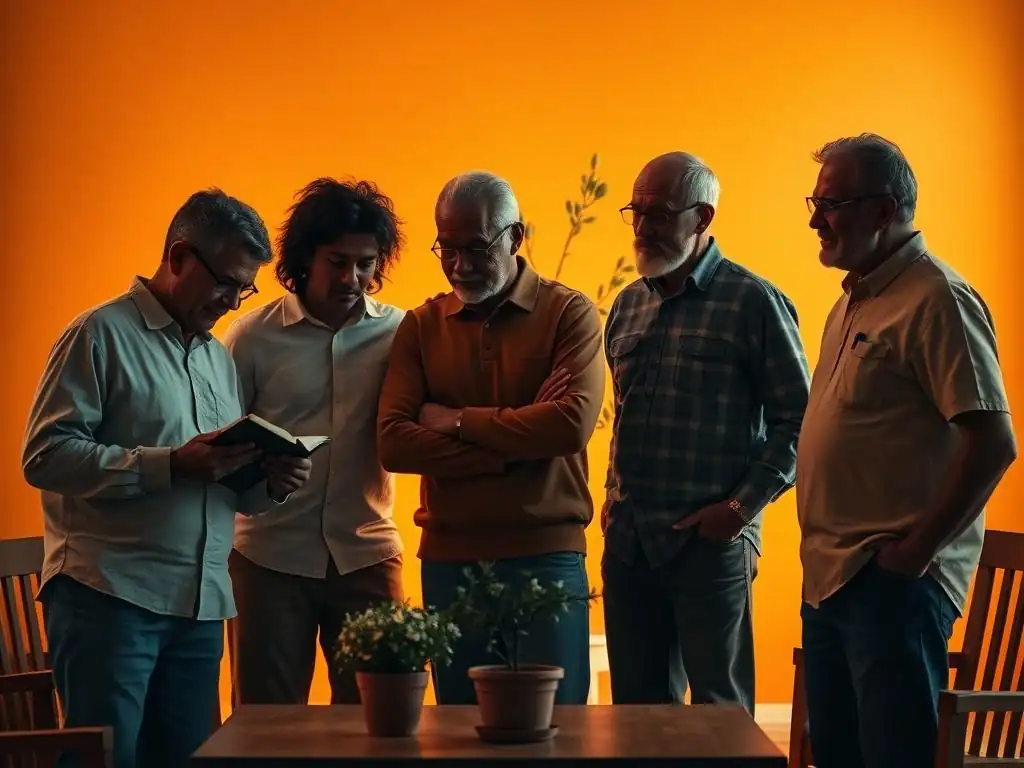
It is crucial to understand that veteran community mental health support is often most effective when integrated with professional mental health care. Community support provides peer connection and understanding, while professional care offers clinical diagnosis, evidence-based therapies, and medication management when necessary. These two pillars of support work best in tandem.
Veterans should not view community involvement as a replacement for therapy or medical treatment if they are struggling with significant mental health conditions. Instead, they should see how community can enhance and support their clinical treatment plan.
Integrating Therapy and Community Support for Comprehensive Care
Integrating therapy and community support creates a comprehensive and robust approach to veteran mental health. Therapy provides a structured environment to process trauma, learn coping skills, and address underlying psychological issues with a trained professional. Community provides a real-world setting to practice these skills, build social connections, and receive ongoing peer support.
For example, a veteran learning mindfulness techniques in therapy can discuss their experience practicing them with peers in a veteran support group. A veteran working on social anxiety in therapy can use the veteran community as a safe space to gradually increase social interaction. Communication between a veteran's therapist and their community facilitator (with the veteran's consent) can also help ensure that both aspects of support are aligned and mutually reinforcing, maximizing the benefits of veteran community mental health support.
When to Seek Professional Help in Addition to Community Support
While veteran communities offer invaluable support, there are times when professional mental health intervention is clearly needed. Veterans should seek professional help if they are experiencing severe symptoms such as suicidal thoughts, persistent hopelessness, inability to function in daily life, severe panic attacks, or symptoms of PTSD or depression that are significantly impairing their quality of life.
Community support can provide immediate connection and understanding, but it is not equipped to provide clinical diagnosis or treat complex mental health conditions. If a veteran's struggles persist or worsen despite community engagement, or if they are advised by peers or community leaders to seek professional help, they should contact a mental health professional or the VA immediately.
Finding Veteran-Specific Mental Health Professionals
Finding a mental health professional who understands military culture and veteran experiences can enhance the effectiveness of clinical treatment. Many therapists specialize in working with veterans and are trained in evidence-based therapies for PTSD and other common veteran issues, such as Trauma-Focused CBT or EMDR (Eye Movement Desensitization and Reprocessing).
Resources for finding veteran-specific mental health professionals include the VA healthcare system, which employs many clinicians with experience working with veterans. Non-profit organizations dedicated to veteran mental health often have directories or referral services. Additionally, some civilian therapists may highlight their experience working with military personnel and veterans. Seeking out a clinician with this specific background can lead to a more informed and empathetic therapeutic relationship.
Success Stories: How Community Has Transformed Veteran Lives
Numerous anecdotal accounts and studies highlight the transformative power of veteran community mental health support. These stories often involve veterans who were isolated, struggling with mental health issues, and feeling disconnected, but found a new lease on life through connecting with their peers.
One common narrative involves a veteran who, after years of isolating due to PTSD symptoms, hesitantly joined a local veteran hiking group. Initially quiet and withdrawn, the shared physical activity and casual conversation among fellow veterans gradually helped them open up. Over time, the consistent positive interaction and sense of belonging significantly reduced their anxiety and depression symptoms, illustrating the profound impact of veteran community mental health support on individual well-being.
Another example comes from a veteran who utilized an online forum for MST survivors. Feeling alone and ashamed, they found validation and understanding from others who had similar experiences. This initial online connection provided the courage to seek professional therapy and later join an in-person support group, demonstrating how different forms of veteran community mental health support can serve as stepping stones in the recovery process. These stories underscore that while the journey is personal, the path is often made easier when walked alongside others who understand.
The Long-Term Impact of Community on Veteran Mental Wellness
The benefits of veteran community mental health support extend far beyond immediate symptom relief. Consistent engagement with a supportive community can have a lasting, positive impact on a veteran's long-term mental wellness and overall quality of life. It builds a sustainable support system that can help veterans navigate future challenges and maintain their recovery.
Over time, participation in a veteran community can lead to increased self-esteem, improved social skills, and a stronger sense of identity. It provides a continuous source of validation and encouragement, helping veterans maintain resilience in the face of stress. The relationships formed within these communities often become a permanent part of a veteran's life, offering a reliable network of support throughout their civilian journey. This long-term connection is a powerful protective factor for mental health.
Building Stronger Veteran Communities for the Future
Ensuring that veteran community mental health support remains accessible and effective requires ongoing effort. This involves raising awareness about the importance of community, encouraging participation, and actively working to create welcoming and inclusive environments within these groups.
Investing in the infrastructure and leadership of veteran organizations is crucial. Providing training for peer mentors and group facilitators helps ensure that communities are equipped to handle the complex needs of their members. By focusing on these areas, we can help build stronger, more resilient veteran communities that can continue to provide vital support for generations of veterans to come.
Promoting Awareness and Encouraging Participation in Veteran Support Programs
A key step in strengthening veteran communities is increasing awareness among veterans and their families about the existence and benefits of veteran community mental health support programs. Many veterans may not know where to find these resources or may underestimate their potential impact.
Outreach efforts by veteran service organizations, healthcare providers (like the VA), and community groups are essential. Sharing success stories, highlighting the types of activities offered, and clearly explaining how to join can help demystify the process and encourage hesitant veterans to take the first step. Reducing the perceived barriers to entry through clear communication and accessible information is vital for boosting participation.
Supporting Initiatives that Foster Connection and Belonging Among Veterans
Supporting and funding initiatives specifically designed to foster connection and belonging among veterans is paramount. This includes financial support for veteran non-profits that run peer support groups, organize recreational activities, or facilitate mentorship programs. It also involves advocating for policies that recognize the value of non-clinical, community-based support.
Examples of such initiatives include adaptive sports programs for injured veterans, group therapy sessions led by veterans, wilderness retreats for veterans transitioning out of service, or local coffee meetups specifically for veterans. Investing in these diverse programs ensures that there are multiple avenues for veterans to find their "tribe" and access the veteran community mental health support they need in a format that resonates with them.
Creating a More Welcoming and Inclusive Environment for All Veterans
Finally, it is essential to ensure that veteran communities are welcoming and inclusive to the diverse population of veterans. This means recognizing that the veteran experience varies significantly based on factors such as era of service, branch, gender, race, sexual orientation, and whether they served in combat or not.
Efforts should be made to create spaces where all veterans feel safe, respected, and understood, regardless of their background or specific service experiences. This might involve training on diversity and inclusion for group leaders, actively seeking out and including veterans from underrepresented groups, and being mindful of language and assumptions. A truly inclusive veteran community mental health support system is one that embraces the full spectrum of veteran identities and experiences.
Frequently Asked Questions
How does community support specifically benefit veterans recovering from mental health challenges?
Community support offers veterans a sense of belonging and understanding, reducing feelings of isolation. This shared experience fosters mutual support and encouragement, which is crucial for navigating recovery. It also provides access to vital resources and information.
What types of community programs are most effective for veterans' mental well-being?
Effective programs often include peer support groups, therapy groups tailored to veterans, and recreational activities. These provide opportunities for connection and shared experiences. Additionally, programs that focus on skill-building and reintegration into civilian life are highly beneficial.
Where can veterans find reliable community mental health support?
Veterans can find support through organizations like the VA (Department of Veterans Affairs), local veterans' groups, and national mental health organizations with veteran-specific programs. Online communities and telehealth services are also valuable resources.
What are some common barriers that prevent veterans from seeking community support?
Common barriers include stigma surrounding mental health, difficulty trusting others, and lack of awareness of available resources. Feelings of shame or fear of judgment can also prevent veterans from reaching out.
How can family members and friends support veterans in accessing community mental health services?
Family and friends can play a vital role by encouraging veterans to seek help, researching available resources, and offering practical support such as transportation or childcare. Showing empathy and understanding is also crucial.
Final Reflection: The Enduring Power of Connection in Veteran Healing
The struggle for mental well-being among veterans is a persistent and pervasive challenge, yet the power of community in fostering recovery remains profoundly underestimated. Finding solace and strength within a supportive network is not merely beneficial; it is essential for navigating the complex landscape of post-service life. The shared experiences, understanding, and camaraderie offered by veteran communities provide a lifeline, transforming isolation into connection and despair into hope.
The impact of community on veteran mental health is undeniable, shaping not only individual journeys but also the broader cultural understanding of PTSD, TBI, and other invisible wounds. These communities offer a safe space for vulnerability, a place where silence is broken and shared stories become sources of strength. As one veteran eloquently stated, It's not about fixing each other; it's about knowing you're not alone in the fight.
This simple truth underscores the profound impact of shared experience and mutual support in the healing process. The ongoing evolution of these communities, from in-person support groups to online forums, reflects a growing recognition of their vital role in veteran care.
You, the reader, are now equipped with a deeper understanding of the crucial role community plays in veteran recovery. Consider how you can contribute to this vital network – whether through volunteering your time, donating to organizations supporting veteran mental health, or simply extending a hand of friendship to a veteran in need.
Remember, the strength of a community lies in the connections we forge, and the healing power of connection is immeasurable. Let us work together to build a future where every veteran has access to the support they deserve, a future where no one fights their battles alone.
Unleash Your Strength: Connect with Fellow Veterans Today
Thanks for taking the time to explore the vital role community plays in veteran recovery. You've learned about the power of shared experience and mutual support—now it's time to put that knowledge into action!
Here's how you can start building your own supportive network:
- Join a local veteran's support group: This is your primary step toward finding understanding and camaraderie. Many resources exist – search online or ask your VA representative.
- Reach out to a veteran you admire: Connecting with someone who inspires you can offer incredible strength and encouragement. A simple message of gratitude can make a world of difference.
- Share this article with a fellow veteran who might find it helpful: Spreading the word can help others discover the healing power of community.
What unique strength or skill can you bring to your veteran community?