
HighlyRated Books Experts Swear By for Reducing Anxiety

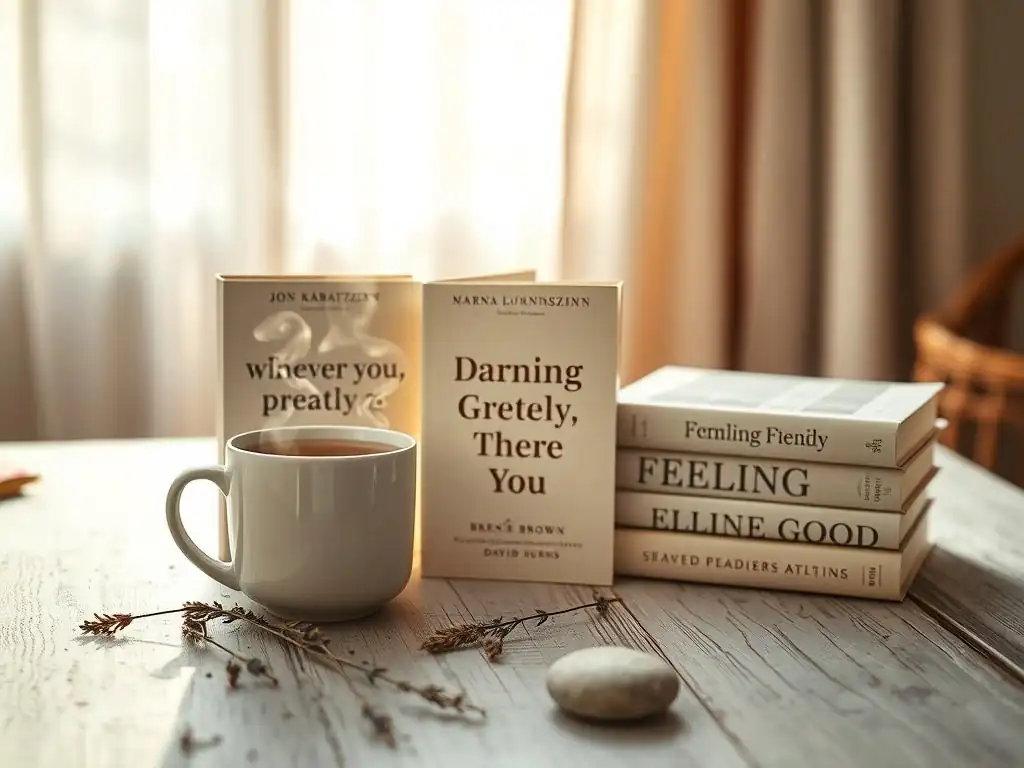
Welcome to Mind Care Guide, a sanctuary for your mental well-being. Feeling overwhelmed by anxiety? You're not alone. We understand the weight it carries. Dive into our latest article, " HighlyRated Books Experts Swear By for Reducing Anxiety", where we uncover powerful resources that can help you navigate your journey. Discover the stories, insights, and practical techniques that await you within those pages and begin to reclaim your peace of mind. Curious to explore? Your path to calm starts here...
Highly-Rated Books Experts Swear By for Reducing Anxiety
- Introduction: Finding Calm with Expert-Recommended Anxiety Reduction Books
- Understanding Anxiety & The Power of Bibliotherapy
-
Top Anxiety Reduction Book Recommendations from Experts
- 1. "Dare: The New Way to End Anxiety and Stop Panic Attacks" by Barry McDonagh - A Practical Guide to Overcoming Fear
- 2. "Declutter Your Mind: How to Stop Worrying, Relieve Anxiety, and Eliminate Negative Thinking" by S.J. Scott and Barrie Davenport - Mastering Mental Clarity
- 3. "The Anxiety and Phobia Workbook" by Edmund J. Bourne - A Comprehensive Resource for Understanding and Managing Anxiety
- 4. "Wherever You Go, There You Are" by Jon Kabat-Zinn - Cultivating Mindfulness for Anxiety Relief
- 5. "Feeling Good: The New Mood Therapy" by David D. Burns, M.D. - Cognitive Behavioral Therapy (CBT) for Anxiety
- How to Choose the Right Anxiety Management Book for You
- Beyond Books: Complementary Strategies for Anxiety Reduction
- Conclusion: Empowering Yourself with Knowledge and Action for Anxiety Relief.
-
Frequently Asked Questions
- What kind of books are recommended for anxiety reduction?
- Are these anxiety reduction books suitable for all ages and demographics?
- Where can I find these highly-rated anxiety reduction books?
- Do these anxiety reduction books offer practical exercises and techniques?
- How effective are anxiety reduction book recommendations compared to professional therapy?
- Final Reflection: Finding Solace in the Pages
- Unwind Your Mind: Start Your Anxiety-Reducing Journey Today!
Introduction: Finding Calm with Expert-Recommended Anxiety Reduction Books
Experiencing anxiety is a common challenge in today's fast-paced world. While professional help is invaluable, many individuals seek additional resources to support their journey towards calmness and well-being. Among the most accessible and often recommended tools are books specifically designed to help people understand and manage their anxiety. These anxiety reduction book recommendations from experts provide structured guidance, coping mechanisms, and new perspectives that can be incredibly empowering.
This article delves into some of the most highly-rated books recommended by mental health professionals. We'll explore why these particular books stand out, the techniques they offer, and how they can serve as valuable companions alongside other strategies for managing anxiety. Whether you're dealing with daily worries, specific phobias, or panic attacks, finding the right book can be a crucial step in building resilience and finding peace.
Understanding Anxiety & The Power of Bibliotherapy
The Prevalence of Anxiety: A Growing Need for Effective Coping Mechanisms
Anxiety disorders are among the most common mental health conditions globally. In the United States alone, over 40 million adults, roughly 19.1% of the population aged 18 and older, are affected by an anxiety disorder in any given year, according to the National Institute of Mental Health. This widespread prevalence underscores the significant need for accessible and effective coping strategies. Anxiety can manifest in various forms, including generalized anxiety disorder (GAD), social anxiety disorder, panic disorder, and specific phobias, each presenting unique challenges and interfering with daily life, relationships, and work.
The impact of anxiety extends beyond emotional distress; it can lead to physical symptoms like rapid heart rate, difficulty breathing, fatigue, and sleep disturbances. Given the sheer number of individuals affected and the multifaceted nature of the condition, self-help resources like anxiety reduction book recommendations play a vital role. They offer a starting point for many, providing initial insights and tools before or alongside professional intervention, helping individuals feel less alone and more equipped to face their challenges.
How Reading Can Help: Exploring the Benefits of Bibliotherapy for Anxiety Relief
Bibliotherapy, the use of reading materials for therapeutic purposes, has long been recognized as a valuable complementary tool in mental healthcare. For individuals dealing with anxiety, reading provides a structured way to learn about their condition, normalize their experiences, and acquire practical coping skills. An effective anxiety reduction book can offer relatable stories, clear explanations of psychological principles, and actionable exercises that empower readers to implement changes in their lives.
Beyond simply gaining knowledge, the act of reading itself can be calming. It can serve as a mindful activity, diverting attention from anxious thoughts and promoting relaxation. High-quality anxiety reduction book recommendations often incorporate techniques derived from evidence-based therapies like Cognitive Behavioral Therapy (CBT) or Mindfulness-Based Stress Reduction (MBSR), allowing readers to apply these proven methods at their own pace. This self-directed learning fosters a sense of control and agency over one's anxiety, which can be incredibly therapeutic.
What Makes a Good Anxiety Reduction Book? Key Qualities to Look For
Not all books about anxiety are created equal. Experts often recommend books that possess specific qualities that make them effective tools for anxiety reduction. Firstly, a good book should be based on evidence-based psychological principles and therapeutic approaches, such as CBT, Acceptance and Commitment Therapy (ACT), or mindfulness. This ensures that the strategies presented have a foundation in research and clinical practice, increasing their likelihood of being effective.
Secondly, clarity and accessibility are paramount. The language should be easy to understand, avoiding excessive jargon, and the structure should be logical and easy to follow. Practical exercises and actionable steps are also crucial; the book shouldn't just explain concepts but guide the reader on how to apply them in their daily life. Finally, an empathetic and non-judgmental tone is vital, making the reader feel understood and supported on their journey. The best anxiety reduction book recommendations often combine these elements to create a comprehensive and empowering resource.
Top Anxiety Reduction Book Recommendations from Experts

1. "Dare: The New Way to End Anxiety and Stop Panic Attacks" by Barry McDonagh - A Practical Guide to Overcoming Fear
"Dare" by Barry McDonagh has gained significant traction among both readers and mental health professionals for its direct and actionable approach to tackling anxiety and panic attacks. Unlike some traditional methods that might focus heavily on understanding the roots of anxiety, "Dare" pivots quickly to practical steps for managing symptoms in the moment. The book's core philosophy centers on facing anxiety head-on, not fighting it, which can be a counterintuitive but powerful concept for many.
The book's success lies in its simplicity and focus on immediate relief strategies. McDonagh breaks down the panic cycle and provides a clear, step-by-step method for responding to anxious sensations and thoughts. This approach is often praised by experts for empowering individuals to take control during moments of intense anxiety or panic, shifting the focus from fear to acceptance and eventual diffusion of the symptoms. It's a popular anxiety reduction book recommendation for those seeking practical, in-the-moment tools.
Key Features of "Dare": Techniques for Facing Anxiety Head-On
"Dare" introduces a four-step process encapsulated by the acronym DARE: Defuse, Allow, Run Towards, and Engage. Defusing involves recognizing anxious thoughts without getting tangled in them. Allowing is about accepting the physical sensations of anxiety without resistance. Run Towards encourages actively leaning into the discomfort rather than avoiding it. Engage focuses on shifting attention back to daily activities and living life despite the presence of anxiety. The book provides specific scripts and mental exercises for each step.
A key feature is the emphasis on not trying to feel better immediately, but rather learning to tolerate and eventually become indifferent to anxious feelings. This counterintuitive idea is supported by detailed explanations and examples. The book also includes specific advice for common scenarios like social anxiety, health anxiety, and sleeplessness due to worry, making its techniques applicable to various manifestations of anxiety. These practical, technique-heavy sections are why it's often included in lists of effective anxiety reduction book recommendations.
Why Experts Recommend "Dare": Its Action-Oriented Approach and Real-World Results
Mental health experts frequently recommend "Dare" because of its pragmatic, action-oriented framework. While understanding anxiety's origins can be helpful, many individuals need immediate, tangible ways to cope with distressing symptoms. "Dare" provides exactly that. Its focus on acceptance and exposure (running towards the feeling) aligns with principles found in evidence-based therapies like ACT and exposure therapy, but it presents them in a highly accessible, self-help format.
Furthermore, the book's reported real-world results from countless readers attest to its effectiveness. Many individuals report significant reductions in panic attacks and overall anxiety levels after consistently applying the DARE techniques. Experts appreciate that it teaches individuals to build resilience by changing their relationship with anxiety, rather than promising a complete absence of the feeling. This realistic and empowering perspective makes it a valuable addition to any list of anxiety reduction book recommendations.
2. "Declutter Your Mind: How to Stop Worrying, Relieve Anxiety, and Eliminate Negative Thinking" by S.J. Scott and Barrie Davenport - Mastering Mental Clarity
"Declutter Your Mind" offers practical strategies focused on managing the internal dialogue that often fuels anxiety. Written by productivity expert S.J. Scott and personal development coach Barrie Davenport, the book tackles the pervasive issue of overthinking and negative thought patterns. It provides readers with a toolkit of techniques aimed at achieving mental clarity, reducing worry, and cultivating a more positive mindset.
The book acknowledges that a busy, cluttered mind is a primary source of stress and anxiety for many people. It doesn't promise a quick fix but offers sustainable practices that, when applied consistently, can significantly quiet the mental noise. Its strength lies in combining various simple yet effective techniques into one accessible guide, making it a popular choice among individuals seeking to gain control over their thoughts and gain peace of mind. It's a solid addition to many lists of anxiety reduction book recommendations.
Key Features of "Declutter Your Mind": Mindfulness and Cognitive Restructuring Techniques
"Declutter Your Mind" draws heavily on principles from mindfulness and cognitive restructuring. It introduces techniques such as:
- Mindful Awareness: Learning to observe thoughts without judgment.
- Thought Challenging: Identifying negative thought patterns and questioning their validity.
- Focusing on the Present: Anchoring attention to the current moment rather than dwelling on the past or worrying about the future.
- Decluttering Strategies: Practical tips for organizing thoughts, setting boundaries, and reducing mental overwhelm.
The book provides exercises and prompts throughout, encouraging readers to actively apply the concepts. It emphasizes the importance of building daily habits to maintain a clearer mind. Techniques like journaling, meditation, and setting clear intentions are presented as actionable steps readers can take immediately to reduce mental clutter and associated anxiety.
Why Experts Recommend "Declutter Your Mind": Its Focus on Thought Management and Inner Peace
Experts often recommend "Declutter Your Mind" because it directly addresses the cognitive component of anxiety – the relentless stream of worries and negative thoughts. While physiological symptoms are challenging, the mental rumination can be equally, if not more, debilitating for many. This book provides accessible techniques rooted in cognitive and mindfulness practices that empower individuals to gain perspective on their thoughts and reduce their power.
The book's focus on creating inner peace through deliberate thought management resonates with therapeutic goals. It teaches readers that they don't have to believe every thought they have and provides methods for gently redirecting their mental energy. Its practical, step-by-step approach makes it an easy book to implement for those new to mindfulness or cognitive techniques, solidifying its place among valuable anxiety reduction book recommendations.
3. "The Anxiety and Phobia Workbook" by Edmund J. Bourne - A Comprehensive Resource for Understanding and Managing Anxiety
"The Anxiety and Phobia Workbook" by Dr. Edmund J. Bourne is a widely acclaimed and frequently updated resource that has been a staple in anxiety management for decades. It's often described as a comprehensive guide because it covers a vast range of anxiety-related issues, including generalized anxiety, panic attacks, phobias (social phobia, agoraphobia, specific phobias), and obsessive-compulsive disorder (OCD).
This workbook format is a key feature, providing extensive information alongside numerous exercises, questionnaires, and tracking tools. Dr. Bourne draws on evidence-based therapeutic approaches, primarily CBT and exposure therapy, to offer readers a structured program for understanding their anxiety and developing effective coping strategies. Its depth and breadth make it an invaluable, long-term resource. It is consistently cited as a top-tier anxiety reduction book recommendation by clinicians.
Key Features of "The Anxiety and Phobia Workbook": Evidence-Based Strategies and Practical Exercises
The workbook is packed with information and exercises covering various facets of anxiety. Key features include:
- Detailed explanations of the physiology of anxiety and the fight-or-flight response.
- Techniques for relaxation, such as progressive muscle relaxation and deep breathing.
- Cognitive restructuring exercises to identify and challenge anxious thoughts.
- Step-by-step guidance on exposure therapy for overcoming phobias and avoidance behaviors.
- Strategies for managing specific types of anxiety, like panic attacks or social anxiety.
- Tools for tracking progress and identifying triggers.
Each chapter builds upon the previous one, guiding the reader through a structured process of learning and application. The exercises are designed to be completed actively, making it a hands-on approach to anxiety management. This comprehensive, practical nature is a major reason for its enduring popularity and inclusion in lists of anxiety reduction book recommendations.
Why Experts Recommend "The Anxiety and Phobia Workbook": Its Thorough Approach and Long-Standing Reputation
Mental health professionals consistently recommend "The Anxiety and Phobia Workbook" due to its comprehensive nature and its foundation in proven therapeutic techniques. Unlike shorter self-help books, this workbook provides detailed explanations of why certain techniques work, giving readers a deeper understanding of their anxiety and the rationale behind the strategies. Its integration of CBT and exposure therapy, two of the most empirically supported treatments for anxiety disorders, makes it a reliable resource.
The book's long-standing reputation and numerous editions highlight its sustained relevance and effectiveness over time. Therapists often assign chapters or exercises from the workbook as homework, integrating it seamlessly into professional treatment. Its ability to serve as both a standalone resource and a complement to therapy solidifies its position as one of the most highly recommended anxiety reduction book recommendations available.
4. "Wherever You Go, There You Are" by Jon Kabat-Zinn - Cultivating Mindfulness for Anxiety Relief
"Wherever You Go, There You Are" by Jon Kabat-Zinn is a classic introduction to mindfulness meditation, a practice highly effective in reducing stress and anxiety. While not exclusively focused on anxiety disorders, this book provides the foundational principles and practices of mindfulness that are directly applicable to managing anxious thoughts and feelings. Kabat-Zinn, the founder of the Mindfulness-Based Stress Reduction (MBSR) program, writes with wisdom, accessibility, and gentle encouragement.
The book's title itself suggests a core tenet of mindfulness: learning to be fully present wherever you are, rather than being lost in worries about the past or future. It guides readers through various simple yet profound meditation techniques and offers reflections on integrating mindfulness into daily life. For those seeking a gentle, non-clinical approach to calming the mind, this book is a frequently cited anxiety reduction book recommendation.
Key Features of "Wherever You Go, There You Are": Introduction to Mindfulness Meditation
The book is structured into short, digestible chapters or sections, each exploring a different aspect of mindfulness practice. Key features include:
- Guidance on basic sitting meditation techniques.
- Exploration of body scan meditation and mindful movement.
- Reflections on bringing mindfulness to everyday activities like eating or walking.
- Insights into the nature of thoughts and emotions from a mindful perspective.
- Encouragement to cultivate patience, non-judgment, and acceptance.
Kabat-Zinn emphasizes that mindfulness is not about emptying the mind or achieving a state of bliss, but rather about paying attention, on purpose, to the present moment without judgment. The exercises are simple to follow, making the practice accessible to beginners. This gentle introduction to core mindfulness practices is a significant strength of the book.
Why Experts Recommend "Wherever You Go, There You Are": Its Timeless Wisdom and Emphasis on Present Moment Awareness
Mental health experts often recommend "Wherever You Go, There You Are" because mindfulness is a powerful antidote to the worry and rumination that characterize anxiety. Anxiety is often rooted in concerns about the future or regrets about the past; mindfulness brings attention back to the present moment, where anxiety cannot exist in the same way. Kabat-Zinn's book is considered a foundational text for learning this crucial skill.
Its timeless wisdom lies in its ability to teach readers how to observe their anxious thoughts and feelings without being overwhelmed by them. By cultivating present moment awareness, individuals can learn to detach from their anxiety, reducing its intensity and duration. While it doesn't offer specific clinical techniques like CBT, its focus on developing a fundamental skill for emotional regulation makes it a highly valued anxiety reduction book recommendation for a broad audience.
5. "Feeling Good: The New Mood Therapy" by David D. Burns, M.D. - Cognitive Behavioral Therapy (CBT) for Anxiety
Although titled "The New Mood Therapy," Dr. David D. Burns's "Feeling Good" is a seminal work on Cognitive Behavioral Therapy (CBT) that is highly effective for treating not only depression but also anxiety disorders. First published in the late 1980s, it has become one of the most widely read and recommended self-help books based on clinical therapy principles. Dr. Burns's approach makes complex CBT concepts accessible and actionable for the average reader.
The book's core premise is that our feelings are largely determined by our thoughts. By identifying and changing distorted or negative thinking patterns, individuals can significantly improve their mood and reduce anxiety. It provides a systematic framework for understanding and applying CBT techniques, empowering readers to become their own therapists in challenging unhelpful thoughts. "Feeling Good" is a cornerstone anxiety reduction book recommendation for those interested in a structured, evidence-based approach.
Key Features of "Feeling Good": CBT Techniques for Identifying and Challenging Negative Thoughts
"Feeling Good" introduces readers to the fundamental principles of CBT, including:
- Identifying Cognitive Distortions: Learning to recognize common thinking errors (e.g., all-or-nothing thinking, overgeneralization, mental filter) that fuel negative emotions.
- The Triple-Column Technique: A structured method for writing down negative thoughts, identifying the distortion, and writing a rational response.
- Daily Mood Log: A tool for tracking moods and identifying the thoughts associated with them.
- Techniques for Overcoming Procrastination and Perfectionism: Issues often intertwined with anxiety.
- Understanding the Relationship Between Thoughts, Feelings, and Behaviors: The core model of CBT.
The book is filled with examples, exercises, and specific strategies for challenging a wide range of negative thoughts, including those specifically related to worry, fear, and social anxiety. This detailed, practical guide to applying CBT principles is a major strength.
Why Experts Recommend "Feeling Good": Its Proven Effectiveness and Step-by-Step Approach
Mental health professionals frequently recommend "Feeling Good" because it is a highly effective, evidence-based self-help guide to CBT, arguably the most researched and validated therapy for anxiety disorders. The book breaks down complex therapeutic techniques into simple, manageable steps that readers can practice on their own. Its systematic approach helps individuals develop a deep understanding of how their thoughts influence their anxiety and provides concrete tools for making positive changes.
The book's proven effectiveness is supported by numerous anecdotal reports and its long-standing popularity. While reading a book is not a substitute for therapy, "Feeling Good" provides a solid foundation in the cognitive skills taught in therapy sessions. Its clear explanations, practical exercises, and focus on empowering the reader to challenge their own negative thinking make it an indispensable anxiety reduction book recommendation.
How to Choose the Right Anxiety Management Book for You

Selecting the perfect anxiety reduction book recommendation can feel overwhelming given the many options available. The "right" book is highly personal and depends on your specific needs, the nature of your anxiety, and your preferred learning style. Considering a few key factors can help narrow down the choices and find a resource that resonates with you and offers the most relevant support.
Think about what you hope to gain from reading a book – are you looking for immediate coping strategies for panic, long-term techniques for managing daily worry, or a deeper understanding of the psychological processes underlying anxiety? Reflecting on these questions is the first step in finding an anxiety reduction book that will be genuinely helpful and supportive on your journey.
Consider Your Specific Anxiety Triggers and Symptoms
Anxiety manifests differently for everyone. Someone struggling with panic attacks might benefit most from a book focused on immediate, in-the-moment techniques like "Dare." Conversely, someone dealing with chronic worry and negative thinking might find "Declutter Your Mind" or "Feeling Good" more applicable to their challenges. Understanding your specific anxiety triggers – whether they relate to social situations, health concerns, specific objects/situations (phobias), or general uncertainty – can guide your selection.
Also, consider your primary symptoms. Do you experience intense physical sensations, or is your anxiety primarily characterized by relentless mental rumination? Some books are stronger in addressing the physiological aspects, while others focus more on cognitive strategies. Identifying these specifics will help you choose an anxiety reduction book recommendation that targets the issues most relevant to you.
Evaluate Different Approaches: CBT, Mindfulness, Acceptance and Commitment Therapy (ACT)
Anxiety management books are often based on different therapeutic modalities. Cognitive Behavioral Therapy (CBT) books, like "Feeling Good" or sections of "The Anxiety and Phobia Workbook," focus on identifying and changing unhelpful thought patterns and behaviors. Mindfulness books, like "Wherever You Go, There You Are," teach techniques for staying present and observing thoughts/feelings without judgment. Acceptance and Commitment Therapy (ACT) principles, found in books like "Dare" to some extent, emphasize accepting difficult feelings while committing to values-driven action.
Consider which approach resonates most with you or which you are curious to explore. Some people find the structured, logical approach of CBT very helpful, while others prefer the gentler, acceptance-focused perspective of mindfulness or ACT. Reading summaries or excerpts can give you a feel for the book's style and underlying philosophy before committing to an anxiety reduction book recommendation.
Read Reviews and Seek Recommendations from Mental Health Professionals
Before purchasing an anxiety reduction book, take time to read reviews from other readers. Look for feedback that describes the book's effectiveness, clarity, and practicality. Pay attention to reviews from people who describe similar anxiety experiences to your own. While reviews are subjective, they can provide valuable insights into how helpful the book has been for others.
Additionally, consider seeking recommendations from a mental health professional, such as a therapist, counselor, or psychiatrist. They are familiar with a wide range of resources and can suggest specific anxiety reduction book recommendations based on their clinical experience and your individual needs and circumstances. They can also help you integrate the knowledge gained from the book into a broader treatment plan, maximizing its benefits.
Beyond Books: Complementary Strategies for Anxiety Reduction
While anxiety reduction book recommendations are valuable tools, it's important to remember that they are often most effective when used as part of a broader strategy for managing anxiety. Books provide knowledge and techniques, but integrating other practices can significantly enhance your overall well-being and resilience. A holistic approach that addresses various aspects of your life is key to sustainable anxiety relief.
Combining self-help reading with other evidence-based strategies creates a more robust support system. These complementary approaches can reinforce the lessons learned from books and provide additional avenues for coping and healing.
The Importance of Therapy and Counseling
For many individuals, professional therapy or counseling is an essential component of effectively managing anxiety disorders. Therapists can provide personalized assessment, diagnosis, and treatment plans tailored to your specific needs. They can teach you evidence-based coping skills, explore underlying causes of anxiety, and provide a supportive space to process difficult emotions. Techniques like CBT, Exposure Therapy, Dialectical Behavior Therapy (DBT), and psychodynamic therapy are highly effective and best delivered by trained professionals.
Anxiety reduction book recommendations can serve as excellent complements to therapy. You can discuss what you are reading with your therapist, who can help clarify concepts, guide you through exercises, and ensure you are applying the techniques correctly. Therapy offers accountability, personalized guidance, and the expertise of a professional, which can be crucial for overcoming more severe or complex forms of anxiety.
Lifestyle Changes: Diet, Exercise, and Sleep Hygiene
Significant improvements in anxiety levels can often be achieved through lifestyle adjustments. What you eat, how much you move, and how well you sleep all have a profound impact on your mental state. A balanced diet rich in whole foods, limiting caffeine and alcohol, and staying hydrated can help regulate mood and energy levels. Regular physical activity is a powerful stress reducer; even moderate exercise like walking can release endorphins and reduce tension.
Prioritizing sleep hygiene is also critical. Aim for 7-9 hours of quality sleep per night. Establishing a consistent sleep schedule, creating a relaxing bedtime routine, and ensuring your sleep environment is dark and quiet can dramatically improve sleep quality, which in turn reduces anxiety. Integrating these lifestyle changes alongside insights from anxiety reduction book recommendations creates a strong foundation for mental wellness.
Mindfulness Practices: Meditation and Deep Breathing Exercises
As highlighted by books like "Wherever You Go, There You Are," mindfulness practices are incredibly beneficial for anxiety reduction. Regular meditation, even just for a few minutes daily, can train your mind to be less reactive to anxious thoughts and feelings. It helps cultivate a sense of calm and presence, counteracting the tendency of anxiety to pull you into future worries.
Deep breathing exercises are another simple yet effective mindfulness technique that can be used in the moment to manage acute anxiety symptoms. Focusing on slow, deep breaths activates the body's relaxation response, counteracting the fight-or-flight response triggered by anxiety. Many anxiety reduction book recommendations include guidance on these practices, and consistent application outside of reading is key to reaping their full benefits. Incorporating these practices regularly builds resilience against anxiety over time.
Conclusion: Empowering Yourself with Knowledge and Action for Anxiety Relief.
Navigating the complexities of anxiety can be challenging, but finding the right resources can make a significant difference. Highly-rated anxiety reduction book recommendations from experts offer invaluable knowledge, practical techniques, and empathetic guidance. Books like "Dare," "Declutter Your Mind," "The Anxiety and Phobia Workbook," "Wherever You Go, There You Are," and "Feeling Good" represent different yet complementary approaches to understanding and managing anxiety, rooted in evidence-based principles.
Choosing the right book involves considering your personal experiences with anxiety, exploring different therapeutic approaches, and seeking trusted recommendations. Remember that reading is a powerful first step, but consistent action is required to implement the strategies learned. By combining the wisdom found in these pages with complementary practices like therapy, lifestyle adjustments, and mindfulness, you can build a comprehensive and empowering plan for reducing anxiety and cultivating lasting peace and well-being.
Frequently Asked Questions
What kind of books are recommended for anxiety reduction?
The recommended books typically include those focusing on cognitive behavioral therapy (CBT), mindfulness, and self-compassion techniques. These approaches aim to reframe negative thoughts and promote relaxation.
Are these anxiety reduction books suitable for all ages and demographics?
While many books are generally helpful, it's crucial to consider individual needs and preferences. Some may be more geared toward specific age groups or types of anxiety.
Where can I find these highly-rated anxiety reduction books?
These books are widely available at online retailers like Amazon, Barnes & Noble, and through your local library. Some may also be accessible as eBooks or audiobooks.
Do these anxiety reduction books offer practical exercises and techniques?
Yes, many books include practical exercises, guided meditations, and worksheets to help readers actively apply the concepts and manage their anxiety.
How effective are anxiety reduction book recommendations compared to professional therapy?
While helpful, books are not a substitute for professional therapy. They can be a useful supplement, but severe anxiety may require expert intervention.
Final Reflection: Finding Solace in the Pages
The power of literature to soothe the anxieties of modern life is undeniable, a potent antidote to the relentless pressures of our time. This exploration of highly-rated books recommended by experts for anxiety reduction reveals a surprising commonality: the ability of storytelling to offer comfort, perspective, and a sense of shared human experience. These aren't just books; they are lifelines, offering readers a path towards self-understanding and emotional resilience.
The impact of these carefully chosen narratives extends far beyond the individual reader. They represent a growing cultural acknowledgment of the importance of mental health and the role that accessible resources, like books, can play in fostering well-being. The shared experience of navigating anxiety, as depicted in these pages, creates a sense of community and validation, reminding us that we are not alone in our struggles. Literature is empathy in action.
This quote perfectly encapsulates the transformative power of these books, fostering empathy not only for characters within the story, but also for ourselves and others facing similar challenges.
Consider the books discussed within this article as more than just a list; they are invitations. Invitations to slow down, to breathe, to connect with the power of narrative to heal and transform. Choose one that resonates with you, allow yourself to be transported to another world, and discover the quiet strength that lies within the pages. Let the words offer solace, perspective, and the gentle reminder that even in the midst of anxiety, there is hope, resilience, and the potential for profound growth.
Unwind Your Mind: Start Your Anxiety-Reducing Journey Today!
Thanks for taking the time to explore powerful ways to manage anxiety! We hope you found the expert-recommended books insightful and inspiring. Ready to take the next step?
- Dive into one of the recommended books: Start reading today and experience the calming effects firsthand. Even just a chapter can make a difference!
- Share this article with a friend: Let's build a supportive community focused on well-being. Who could benefit from these amazing reads?
- Consider journaling your thoughts and feelings after reading: Reflect on how the book's insights resonate with your own experiences. This could be a surprisingly powerful tool!
What practical step will you take today to prioritize your mental well-being?