
SelfHelp for Phobias: Practical Steps You Can Take Today


Welcome to Mind Care Guide, your compassionate companion on the journey to mental well-being.
Are you ready to reclaim your life from the grip of phobias? We understand the overwhelming anxiety they can trigger, and you're not alone. This article dives deep into overcoming phobia anxiety techniques, offering practical and empowering steps you can take today to start breaking free. Explore the strategies within and discover how to begin crafting a brighter, fear-free future.
- Understanding Phobias and Anxiety: A Mind Care Guide Introduction
- Identifying Your Specific Phobia: A Key Step to Self-Help
- Overcoming Phobia Anxiety Techniques: Immediate Strategies for Relief
- Cognitive Restructuring: Changing Your Thoughts, Changing Your Fears
- Gradual Exposure Therapy: A Self-Guided Approach to Facing Your Fears
- Lifestyle Changes to Support Phobia Management
- Seeking Professional Help: When Self-Help Isn't Enough
- Building a Support System: Connecting with Others
- Maintaining Long-Term Phobia Relief: Strategies for Sustained Well-being
-
Frequently Asked Questions
- How can I start overcoming my phobia using self-help techniques?
- What are some effective anxiety management techniques for phobias?
- Is self-help alone enough to overcome a severe phobia?
- What role does exposure therapy play in overcoming phobias?
- Where can I find additional resources and support for overcoming phobias?
- Final Reflection: Embracing Courage, One Step at a Time
- Unleash Your Fearless Self: Take the Next Step
Understanding Phobias and Anxiety: A Mind Care Guide Introduction
Defining Phobias: Beyond Simple Fears
Phobias are more than just disliking something or feeling a little nervous. They are characterized by an intense, irrational fear of a specific object or situation that is disproportionate to the actual danger posed. This fear can trigger immediate and severe anxiety, leading to avoidance behavior that significantly impacts a person's life. For instance, someone with arachnophobia doesn't just dislike spiders; they might experience overwhelming terror at the mere sight of one, or even a picture, leading them to avoid basements, attics, or even outdoor activities.
According to estimates, specific phobias are quite common, affecting perhaps up to 12% of adults in the United States at some point in their lives. Unlike general worries, phobias are tied to a very specific trigger. The intensity of the fear response is key – it's a panic-level reaction, far exceeding what would be considered a normal cautious response to a potential threat. This distinction is crucial for understanding why specific strategies for overcoming phobia anxiety techniques are necessary.
The Role of Anxiety in Phobic Reactions
Anxiety is the engine that drives a phobic response. When confronted with the phobic stimulus, or even anticipating it, the body's fight-or-flight response is activated. This is a primal survival mechanism, designed to prepare you to either confront or flee from danger. However, in the case of a phobia, this response is triggered by something that poses little to no real threat.
The physical symptoms of this anxiety can be debilitating: a racing heart, rapid breathing or hyperventilation, sweating, trembling, dizziness, nausea, and a feeling of impending doom or losing control. These symptoms reinforce the belief that the phobic stimulus is dangerous, creating a vicious cycle. Overcoming phobia anxiety techniques are fundamentally aimed at disrupting this cycle by managing the physical and mental aspects of the anxiety response.
Identifying Your Specific Phobia: A Key Step to Self-Help
Common Types of Specific Phobias and Their Triggers
Specific phobias fall into several main categories, and recognizing which one applies to you is the first step toward effective self-help. The most common types include animal phobias (like cynophobia, fear of dogs, or ophidiophobia, fear of snakes), natural environment phobias (such as acrophobia, fear of heights, or astraphobia, fear of thunder and lightning), blood-injection-injury phobias (trypanophobia, fear of needles, or hemophobia, fear of blood), and situational phobias (claustrophobia, fear of confined spaces, or aerophobia, fear of flying).
Beyond these, there's a category for "other" phobias, which can include unique or less common fears like coulrophobia (fear of clowns) or globophobia (fear of balloons). Triggers can vary widely within a category; for someone with aerophobia, the trigger might be booking a flight, being on the plane, or even just seeing pictures of airplanes. Identifying your specific category and the exact triggers is vital for tailoring overcoming phobia anxiety techniques.
Using a Phobia Checklist to Pinpoint Your Fears
A phobia checklist can be a helpful self-assessment tool to clarify the nature of your fear. While not a formal diagnosis, it guides you through common phobia types and symptoms. You can review lists of known phobias or categories and note which situations or objects provoke intense fear, disproportionate anxiety, and avoidance behaviors in you.
Consider questions like: Does seeing or thinking about [object/situation] cause immediate, intense fear? Do you go out of your way to avoid [object/situation]? Does this avoidance significantly interfere with your daily life or routines? By systematically considering these points across different potential triggers, you can start to build a clearer picture of your specific phobia, which is foundational for applying effective overcoming phobia anxiety techniques.
The Importance of Accurate Self-Diagnosis
Pinpointing your specific phobia, even through self-assessment, is critical because it allows you to focus your self-help efforts effectively. Managing a fear of spiders requires different specific exposure strategies than managing a fear of public speaking, for example. General anxiety reduction techniques are helpful, but targeted approaches are far more potent when dealing with a specific phobia.
Understanding what you fear intensely helps you research and apply the most relevant self-help strategies. It prevents wasted effort on techniques less suited to your particular challenge. While self-identification is powerful, it's important to remember it's a starting point. If your phobia is severe or complex, a professional assessment remains the gold standard for confirming the diagnosis and developing a comprehensive treatment plan.
Overcoming Phobia Anxiety Techniques: Immediate Strategies for Relief
One of the most accessible and effective overcoming phobia anxiety techniques for immediate relief is deep breathing, specifically diaphragmatic or belly breathing. When you're anxious or panicking, your breathing becomes shallow and rapid, which can worsen physical symptoms like dizziness and a racing heart. Learning to control your breath can counteract this.
A simple technique involves inhaling slowly through your nose for a count of four, holding the breath for a count of seven, and exhaling slowly through your mouth for a count of eight. Practicing this pattern, often called the 4-7-8 method, activates the parasympathetic nervous system, which helps calm the body. Regular practice, even when not anxious, makes it easier to use effectively during moments of phobic panic, providing a sense of control.
Progressive Muscle Relaxation for Anxiety Reduction
Progressive Muscle Relaxation (PMR) is another powerful technique for managing the physical tension associated with phobia anxiety. The principle involves tensing specific muscle groups in the body and then intentionally releasing that tension. This process helps you become more aware of physical tension and teaches you how to consciously relax your muscles.
To practice PMR, find a quiet place and start with one muscle group, perhaps your feet. Tense the muscles tightly for about 5-10 seconds, then release the tension completely, noticing the difference. Move systematically through your body – calves, thighs, abdomen, chest, back, arms, hands, neck, face – tensing and releasing each group. Practicing PMR regularly can reduce overall muscle tension and provide a tool to alleviate physical symptoms during phobic encounters, complementing other overcoming phobia anxiety techniques.
The Power of Grounding Techniques in Phobic Situations
Grounding techniques are immediate strategies designed to pull your focus away from overwhelming phobic thoughts or feelings and bring you back to the present moment. When anxiety escalates, it's easy to get lost in catastrophic thinking or physical sensations. Grounding helps anchor you to reality.
A popular grounding method is the 5-4-3-2-1 technique. When feeling overwhelmed by phobia anxiety, identify: 5 things you can see, 4 things you can touch, 3 things you can hear, 2 things you can smell, and 1 thing you can taste. Engaging your senses in this way interrupts the cycle of anxious thoughts and sensations, providing a mental pause button. This can be incredibly effective in reducing the intensity of a phobic reaction while you apply other overcoming phobia anxiety techniques.
Cognitive Restructuring: Changing Your Thoughts, Changing Your Fears

Identifying Negative Thought Patterns Associated with Your Phobia
Phobias are maintained not just by the fearful stimulus, but also by the negative and often irrational thoughts associated with it. These are often automatic thoughts that pop into your head instantly when you encounter or anticipate your phobic trigger. Examples might include "I'm going to lose control," "I'm going to have a heart attack," "I'm trapped," or "Something terrible is going to happen."
Learning to identify these specific thought patterns is a crucial step in applying cognitive restructuring. Keeping a thought diary can be helpful. Note down the situation that triggered anxiety, the feeling you experienced (e.g., panic, dread), and the exact thoughts that went through your mind at that moment. Recognizing these patterns is the prerequisite for challenging them effectively as part of your overcoming phobia anxiety techniques.
Challenging and Reframing Anxious Thoughts
Once you've identified your negative thought patterns, the next step in cognitive restructuring is to challenge their validity. Ask yourself: What is the evidence for this thought? What is the evidence against it? Am I jumping to conclusions? Is there a more realistic way to look at this situation? For example, if your thought is "I'm going to die on this airplane," challenge it with the statistical reality that air travel is one of the safest modes of transportation, with millions of flights occurring annually with very few incidents.
Reframing involves replacing the negative or irrational thought with a more balanced, realistic, or helpful one. Instead of "I can't handle this," you might reframe it as "This is uncomfortable, but I have coping strategies, and I can get through it." This process takes practice, but consistently challenging and reframing thoughts weakens their power and helps reduce the intensity of your phobic anxiety.
Developing Realistic and Positive Self-Talk
Positive self-talk isn't about denying your fear, but about creating encouraging and realistic internal messages to counteract the negative ones. Develop simple, powerful coping statements you can use when facing your phobia. These statements should be believable and focus on your ability to manage the situation or the temporary nature of the anxiety.
Examples of positive self-talk include: "This feeling will pass," "I am safe in this moment," "I can use my breathing exercises," "I've handled difficult things before, and I can handle this," or "Anxiety is just a feeling, not a danger." Practice saying these statements to yourself regularly, not just during moments of high anxiety. Integrating positive self-talk is a key component of overcoming phobia anxiety techniques by building mental resilience and self-efficacy.
Gradual Exposure Therapy: A Self-Guided Approach to Facing Your Fears
Creating a Fear Hierarchy: Ranking Your Phobic Triggers
Gradual exposure therapy, often called systematic desensitization, is one of the most evidence-based overcoming phobia anxiety techniques. The core idea is to safely and gradually expose yourself to your phobic trigger, starting with the least anxiety-provoking scenarios and working your way up. The first step in a self-guided approach is creating a fear hierarchy.
List all the situations or objects related to your phobia that cause you anxiety, from mild discomfort to extreme panic. Assign a subjective anxiety rating (e.g., 0-100 or 0-10) to each item. For someone with claustrophobia, this might range from 'imagining being in a small elevator' (low rating) to 'standing in a crowded, small room with the door closed' (high rating). This hierarchy serves as your roadmap for exposure.
Starting with Mild Exposures: Building Confidence Gradually
Begin your self-guided exposure at the very bottom of your fear hierarchy – the item that causes the least amount of anxiety. The goal is to stay in the situation (or imagine it vividly, if starting with imaginal exposure) until your anxiety naturally decreases. This process is called habituation; your body and mind learn that the feared outcome doesn't happen, and the anxiety response lessens over time.
For example, if 'looking at a photo of a snake' is low on your ophidiophobia hierarchy, spend 15-30 minutes doing just that, focusing on your anxiety level. Don't move to the next step until you can do the current step with minimal anxiety. This gradual approach builds confidence and reinforces that you can tolerate the discomfort, making the higher steps feel less daunting. It's a fundamental part of effective overcoming phobia anxiety techniques.
Maintaining Consistency and Patience Throughout the Exposure Process
Consistency is key to the success of gradual exposure therapy. Aim to practice exposure regularly, perhaps several times a week, rather than intermittently. Short, frequent exposures are generally more effective than infrequent, long ones. Even just 20-30 minutes per session can be beneficial.
It's also vital to be patient with yourself. Progress is rarely linear. There might be days when your anxiety is higher, or you feel stuck on a particular step. This is normal. Avoidance is the enemy of recovery in exposure therapy, so try not to skip sessions or steps. Trust the process of habituation; with consistent effort, your anxiety response will lessen over time.
Tracking Your Progress and Adjusting Your Approach
Keeping a record of your exposure sessions can be highly motivating and informative. For each session, note: the specific exposure item from your hierarchy, the date and time, your anxiety level before, during (peak and end), and the duration of the exposure. You might use your 0-10 or 0-100 scale for anxiety ratings.
Reviewing your log allows you to see how your anxiety levels decrease over time for specific items, demonstrating tangible progress. If you consistently struggle with a step or find your anxiety isn't decreasing, it might indicate that the step is too large. You can then adjust your hierarchy by breaking that step down into smaller, more manageable sub-steps, ensuring your self-guided overcoming phobia anxiety techniques remain effective.
Lifestyle Changes to Support Phobia Management
The Impact of Diet and Exercise on Anxiety Levels
Your physical health significantly impacts your mental well-being, including anxiety levels. A balanced diet rich in whole foods, lean proteins, fruits, and vegetables provides the nutrients your brain needs to function optimally. Limiting processed foods and sugary snacks can help stabilize blood sugar, preventing energy crashes that can exacerbate anxiety.
Regular physical exercise is a powerful tool for managing anxiety. Aerobic activities, such as brisk walking, jogging, swimming, or cycling for about 30 minutes most days of the week, release endorphins, which are natural mood boosters. Exercise also helps reduce stress hormones like cortisol. Studies have shown that regular exercise can reduce overall anxiety symptoms by a significant margin, sometimes comparable to the effects of medication or therapy for mild to moderate cases.
Prioritizing Sleep for Mental Well-being
Adequate and quality sleep is fundamental for regulating mood and stress responses. When you are sleep-deprived, your body's ability to manage stress and anxiety is compromised. This can make you more reactive to your phobic triggers and worsen the intensity of your anxiety. Aim for 7-9 hours of restful sleep per night.
Establishing a consistent sleep schedule, creating a relaxing bedtime routine, ensuring your bedroom is dark, quiet, and cool, and avoiding screens before bed are all good sleep hygiene practices. Prioritizing sleep supports your overall mental resilience and makes it easier to implement and benefit from overcoming phobia anxiety techniques.
Mindfulness and Meditation for Phobia Reduction
Mindfulness involves paying attention to the present moment without judgment. Meditation is a practice that trains this attention and awareness. Both can be incredibly helpful in reducing the impact of phobia anxiety. By practicing mindfulness, you learn to observe your anxious thoughts and physical sensations without getting swept away by them.
Even short daily practices (e.g., 5-10 minutes) of mindfulness meditation can help reduce overall stress and improve your ability to stay calm when confronted with a phobic trigger. These practices teach you to tolerate uncomfortable feelings and thoughts, which is a valuable skill when using exposure therapy. Mindfulness complements other overcoming phobia anxiety techniques by increasing your awareness and non-reactivity.
Limiting Caffeine and Alcohol Consumption
Caffeine is a stimulant that can mimic or worsen the physical symptoms of anxiety, such as a rapid heartbeat, jitteriness, and restlessness. While a small amount might be fine for some, high consumption, especially before facing a potentially triggering situation, can significantly heighten anxiety and make it harder to use coping mechanisms.
Alcohol might seem like it reduces anxiety in the short term, but it disrupts sleep and can lead to increased anxiety and irritability as its effects wear off. Relying on alcohol to cope with phobia anxiety can also lead to dependency. Limiting or avoiding caffeine and alcohol, particularly during periods when you are actively working on overcoming phobia anxiety techniques, can help keep your nervous system calmer and more stable.
Seeking Professional Help: When Self-Help Isn't Enough
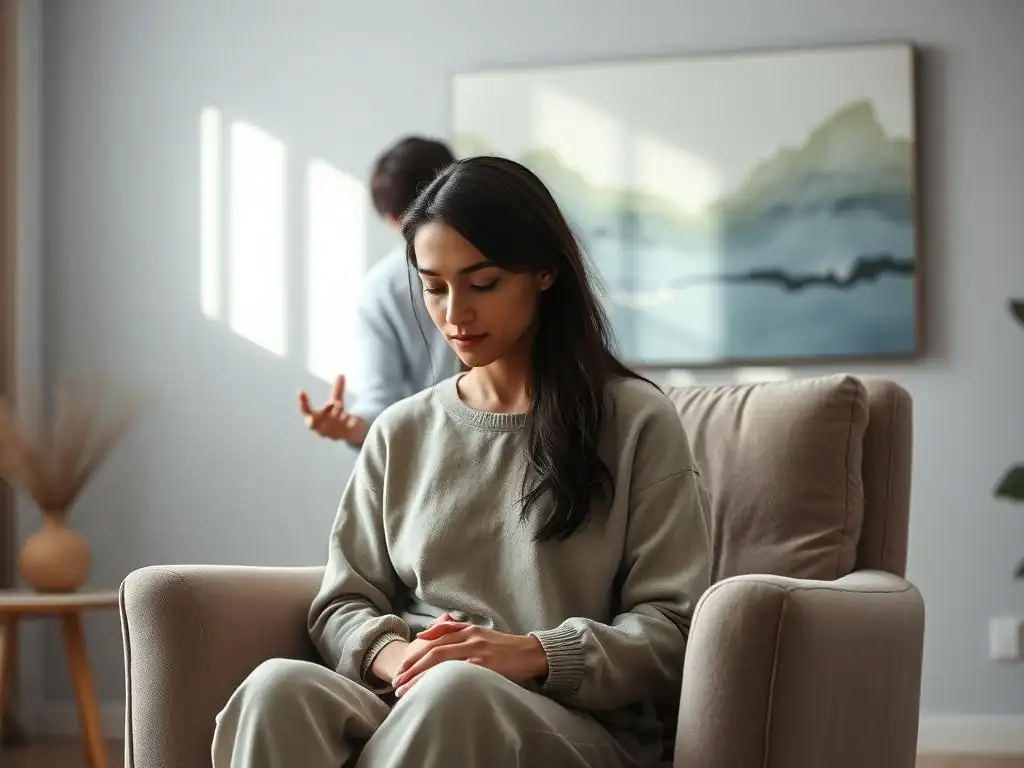
Recognizing the Signs That You Need Professional Support
While self-help strategies can be very effective for many people with phobias, they are not a substitute for professional treatment for everyone. It's time to consider seeking professional help if your phobia significantly interferes with your daily life – impacting your job, relationships, social activities, or overall quality of life – despite consistent efforts with self-help overcoming phobia anxiety techniques.
Other signs include experiencing frequent or severe panic attacks related to your phobia, feeling overwhelmed, hopeless, or depressed because of your phobia, or if you have other co-occurring mental health conditions like depression or generalized anxiety disorder. A mental health professional can provide a proper diagnosis, assess the severity of your phobia, and recommend the most effective treatment plan tailored to your needs.
Types of Therapy Effective for Phobias (e.g., CBT, Exposure Therapy)
Several types of therapy have proven highly effective in treating phobias. Cognitive Behavioral Therapy (CBT) is a common approach that helps individuals identify and change the negative thought patterns and behaviors that maintain their phobia. It often incorporates elements of exposure.
Exposure Therapy, including Systematic Desensitization (gradual exposure combined with relaxation) and sometimes flooding (rapid exposure), is considered the gold standard for treating specific phobias. These therapies, when guided by a professional, have remarkably high success rates, with many studies showing that 80-90% of individuals with specific phobias experience significant improvement after a course of treatment, often within 8-12 sessions. A therapist can guide you safely through your fear hierarchy and provide expert support.
Finding a Qualified Mental Health Professional
If you decide to seek professional help, finding a qualified mental health professional is crucial. Look for licensed therapists, psychologists (PhD, PsyD), psychiatrists (MD), or licensed clinical social workers (LCSW) who have experience treating anxiety disorders and phobias. You can often find professionals through referrals from your primary care doctor, mental health organizations, or reputable online directories.
Don't hesitate to ask potential therapists about their experience with phobias and their approach to treatment. Finding a therapist you feel comfortable with and who uses evidence-based overcoming phobia anxiety techniques like exposure therapy is essential for a successful outcome.
Building a Support System: Connecting with Others
Joining a Phobia Support Group or Online Community
Connecting with others who understand what you're going through can be incredibly validating and empowering. Joining a phobia support group, either in person or online, can provide a sense of community and reduce feelings of isolation. Hearing about others' struggles and successes can offer new perspectives and coping strategies.
Many mental health organizations host support groups specifically for anxiety disorders or phobias. Online communities can offer 24/7 access to support and shared experiences, which can be particularly helpful for rare phobias or for those who find it difficult to attend in-person meetings. These groups can reinforce your commitment to using overcoming phobia anxiety techniques.
Talking to Trusted Friends and Family Members
Sharing your fears with trusted friends or family members can also provide invaluable emotional support. While they may not fully understand the irrational nature of phobias, their empathy, patience, and encouragement can make a significant difference. Talking about your phobia openly can alleviate some of the burden and shame often associated with it.
Your support network can also offer practical help. A friend might accompany you to a mildly challenging situation as a form of supported exposure, or a family member might simply listen without judgment. Having people in your corner who believe in your ability to manage your phobia strengthens your resolve.
Sharing your experiences with others who have faced similar challenges can normalize your feelings and provide hope. Hearing success stories from people who have made progress using overcoming phobia anxiety techniques can be highly motivating. Conversely, sharing your own struggles and receiving understanding and encouragement can reinforce your efforts.
Mutual support fosters resilience. Knowing you're not alone in your journey and having a network of people who support your efforts to confront your phobia can make the process feel less overwhelming and increase your likelihood of maintaining progress over the long term.
Maintaining Long-Term Phobia Relief: Strategies for Sustained Well-being
Continuing to Practice Coping Mechanisms
Overcoming a phobia is often an ongoing process, not a one-time fix. Even after you've made significant progress and your anxiety levels have decreased, it's crucial to continue practicing the coping mechanisms you've learned. Regular use of deep breathing, mindfulness, and challenging negative thoughts helps maintain your reduced anxiety levels and strengthens your resilience.
Think of these overcoming phobia anxiety techniques as skills that require maintenance. Just as an athlete continues to train to stay in shape, you need to continue practicing your mental and emotional skills to keep your phobia anxiety in check. Incorporate these practices into your daily routine, even on days when you feel calm.
Recognizing and Addressing Potential Relapses
It's important to understand that setbacks or periods of increased anxiety are a normal part of the recovery process for many people. A "relapse" doesn't mean you've failed; it simply means you've encountered a situation that triggered a stronger-than-usual fear response. Recognizing the early warning signs is key to addressing them quickly.
Warning signs might include increased avoidance of the feared situation, heightened physical symptoms of anxiety, or a return of intense negative thought patterns. If you notice these signs, revisit your self-help strategies, particularly exposure exercises and cognitive restructuring. If the setback is significant or prolonged, it might be helpful to reconnect with a therapist for a few booster sessions.
Celebrating Your Progress and Achievements
Finally, remember to acknowledge and celebrate your progress along the way. Overcoming phobia anxiety techniques require courage and effort. Every step up your fear hierarchy, every time you face a feared situation instead of avoiding it, every moment you use a coping mechanism effectively – these are achievements worth recognizing.
Celebrating milestones, no matter how small they seem (e.g., walking past a dog park if you have cynophobia, or being in a slightly crowded room if you have claustrophobia), provides positive reinforcement and motivates you to continue your efforts. Focusing on how far you've come, rather than solely on how far you still have to go, fosters a sense of accomplishment and reinforces your capacity for sustained well-being.
Self-help is a powerful path for managing phobias, but it's important to be patient, persistent, and compassionate with yourself throughout the process.
Frequently Asked Questions
How can I start overcoming my phobia using self-help techniques?
The first step involves identifying your specific phobia and understanding its triggers. Then, you can begin practicing relaxation techniques such as deep breathing and mindfulness to manage anxiety. Finally, gradually expose yourself to your fear in a controlled environment.
What are some effective anxiety management techniques for phobias?
Commonly used techniques include cognitive restructuring, which helps challenge negative thoughts, and exposure therapy, which gradually desensitizes you to your phobia. Mindfulness meditation can also significantly reduce anxiety levels.
Is self-help alone enough to overcome a severe phobia?
While self-help can be beneficial, severe phobias often require professional help. A therapist can provide structured exposure therapy and other specialized treatments for phobia anxiety.
What role does exposure therapy play in overcoming phobias?
Exposure therapy involves gradually confronting your fear in a safe and controlled environment. This repeated exposure helps to desensitize you to the phobia and reduce your anxiety response over time.
Where can I find additional resources and support for overcoming phobias?
Mind Care Guide offers a comprehensive collection of articles and resources on mental well-being, including phobias. You can also find support groups and online communities focused on phobia anxiety to connect with others facing similar challenges.
Final Reflection: Embracing Courage, One Step at a Time
The crippling grip of phobias affects millions, yet the path to freedom is paved with accessible, practical steps. Understanding and conquering fear isn't about erasing it entirely, but about learning to manage it, to live alongside it without letting it dictate your life. This article explored various techniques, from cognitive behavioral therapy principles to exposure therapy, all designed to empower you to reclaim your autonomy.
The journey of overcoming a phobia is deeply personal, a testament to the resilience of the human spirit. It's a process that demands courage, self-compassion, and a willingness to confront discomfort. The impact of phobias extends far beyond the individual, shaping social interactions, limiting opportunities, and impacting overall well-being. The only way to overcome fear is to face it.
This simple yet profound statement underscores the core message of this article: proactive engagement with your fear, however daunting it may seem, is the key to unlocking a more fulfilling life.
You now hold the tools to begin your own journey. Don't be discouraged by setbacks; progress is rarely linear. Choose one technique from this article, start small, and celebrate each milestone. Remember that self-compassion is crucial; be kind to yourself throughout this process. The power to overcome your phobia lies within you. Take that first step, and watch as your courage blossoms, leading you to a brighter, more liberated future.
Unleash Your Fearless Self: Take the Next Step
Thanks for taking the time to explore practical strategies for overcoming your phobias! We hope you found valuable insights and feel empowered to make a positive change. Now, let's turn those insights into action. Here’s how you can continue your journey:
- Begin your personalized phobia-conquering plan: Identify one specific fear you want to tackle this week. Even small steps count—focus on making progress, not perfection.
- Share your experience: Tell us (or someone you trust) about your progress and challenges. Talking openly about your fears can be surprisingly powerful.
- Explore additional resources: Dive deeper into the topic and explore alternative methods for managing anxiety that resonate with you.
What small, manageable step can you take today to build confidence and overcome your phobia?