
LGBTQ+ Women's Mental Health: Specific Challenges and Resources

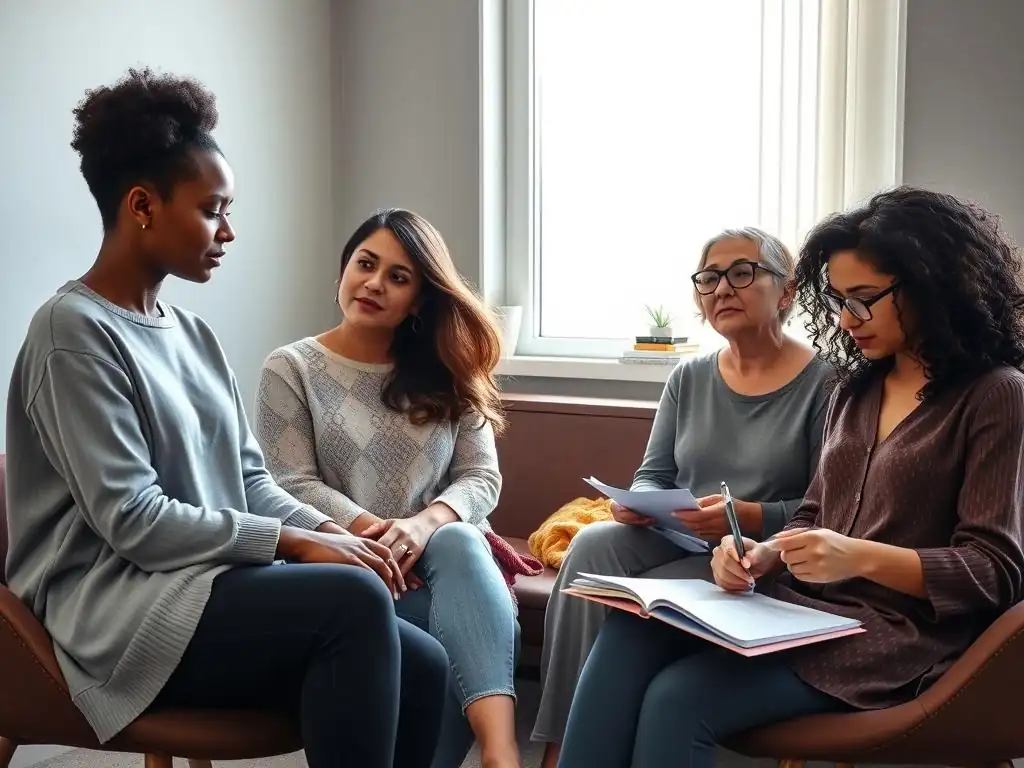
Welcome to Mind Care Guide, a safe space dedicated to nurturing your mental well-being. Are you an LGBTQ+ woman seeking understanding and support? We know navigating life can present unique challenges, and your mental health matters. This guide dives deep into LGBTQ+ women mental health resources, offering a comprehensive look at the specific obstacles you might face and, more importantly, providing practical tools and pathways to empowerment. Ready to prioritize your well-being? Let's begin your journey to a healthier, happier you.
LGBTQ+ Women's Mental Health: Specific Challenges and Resources | Mind Care Guide
- Introduction to Mental Wellness for LGBTQ+ Women
- Unique Mental Health Challenges Faced by LGBTQ+ Women
- Common Mental Health Conditions Affecting LGBTQ+ Women
- The Importance of Affirmative Mental Healthcare for LGBTQ+ Women
- LGBTQ+ Women Mental Health Resources: A Comprehensive Guide
- Self-Care Strategies for LGBTQ+ Women's Mental Well-being
- Addressing Intersectionality: Mental Health Considerations for Diverse LGBTQ+ Women
- Breaking Down Barriers: Improving Access to Mental Healthcare for LGBTQ+ Women
- Conclusion: Empowering LGBTQ+ Women Through Mental Health Support
-
Frequently Asked Questions
- What unique mental health challenges do LGBTQ+ women often face?
- Why is it important to have mental health resources specifically tailored for LGBTQ+ women?
- Where can I find LGBTQ+ women-specific mental health resources?
- How can family and friends support the mental well-being of LGBTQ+ women in their lives?
- What are some self-care strategies that can benefit LGBTQ+ women's mental health?
- Final Reflection: Weaving Strength from Shared Experiences
- Unlock Your Wellbeing: Practical Steps for LGBTQ+ Women
Introduction to Mental Wellness for LGBTQ+ Women
Understanding the Intersection of Gender and Sexuality in Mental Health
Mental wellness is a complex interplay of biological, psychological, and social factors. For LGBTQ+ women, this complexity is amplified by the intersection of their gender identity (whether cisgender, transgender, or gender non-conforming) and their sexual orientation (lesbian, bisexual, pansexual, queer, etc.). These intersecting identities can profoundly shape life experiences, influencing everything from social support networks to encounters with healthcare systems and exposure to discrimination. Understanding this intersection is crucial because the challenges faced are often not solely due to one identity but the combined effect of multiple marginalized statuses.
Research consistently shows that individuals with intersecting marginalized identities may face unique stressors not experienced by those with only one or neither. For example, a Black lesbian woman may experience racism and homophobia, and the combination can create distinct mental health challenges different from those faced by a white lesbian woman or a Black heterosexual woman. Recognizing this layered experience is fundamental to providing truly effective and empathetic mental health support tailored to the diverse needs within the LGBTQ+ women's community.
Why LGBTQ+ Women's Mental Health Needs Specific Attention
Focusing specifically on mental health for LGBTQ+ women is essential because this group faces distinct challenges that contribute to higher rates of certain mental health conditions compared to their heterosexual, cisgender counterparts. These challenges stem from societal factors like discrimination, stigma, and lack of acceptance, as well as unique experiences within relationships and community. Without specific attention, these issues can be overlooked, leading to delayed or inadequate care.
Providing resources and support specifically tailored to LGBTQ+ women acknowledges their unique lived realities. It ensures that mental health services are not only accessible but also culturally competent and affirmative, recognizing the specific forms of stress and trauma they may encounter. By addressing their mental health needs directly, we can work towards reducing disparities, promoting resilience, and improving overall well-being within this community, highlighting the importance of targeted LGBTQ+ women mental health resources.
Unique Mental Health Challenges Faced by LGBTQ+ Women
Societal Stigma and Discrimination: Impact on Mental Well-being
Societal stigma and discrimination are pervasive issues that significantly impact the mental health of LGBTQ+ women. This discrimination can manifest in overt forms, such as verbal harassment, physical violence, or denial of services, as well as more subtle ways, like microaggressions, exclusion, or the assumption of heterosexuality. These experiences can lead to chronic stress, feelings of shame, isolation, and fear for personal safety, all of which are detrimental to mental well-being.
Studies and reports from organizations like the Williams Institute at UCLA have indicated that LGBTQ+ individuals, including women, are significantly more likely to experience discrimination in various aspects of life, including employment, housing, and public accommodations. This constant exposure to negativity and rejection can erode self-worth and contribute to the development or exacerbation of mental health conditions, making access to supportive LGBTQ+ women mental health resources critical.
Internalized Homophobia and its Effects on Self-Esteem
Internalized homophobia refers to the process by which LGBTQ+ individuals absorb negative societal attitudes about homosexuality and turn them inward, leading to self-contempt, shame, or discomfort with their own sexual orientation. For LGBTQ+ women, this can manifest as difficulty accepting their identity, reluctance to come out, or attempts to conform to heterosexual norms. This internal conflict is a significant source of psychological distress.
The effects of internalized homophobia on self-esteem can be profound. It can lead to feelings of inadequacy, self-doubt, and a negative self-image, hindering the ability to form healthy relationships and fully engage in life. Overcoming internalized homophobia often requires therapeutic support and connection with affirming communities, emphasizing the value of specific LGBTQ+ women mental health resources focused on identity affirmation.
Minority Stress: A Contributing Factor to Mental Health Issues
Minority stress is a framework that explains how chronic stress arising from prejudice and discrimination contributes to mental health problems among minority groups. For LGBTQ+ women, this includes stressors like anticipating discrimination, concealing one's identity, and experiencing discrimination directly. These unique stressors are layered upon general life stressors, creating a heavier burden that impacts mental health.
Research consistently links minority stress to higher rates of depression, anxiety, substance abuse, and suicidal ideation among LGBTQ+ individuals. The constant vigilance required to navigate potentially hostile environments and the emotional toll of experiencing or witnessing discrimination contribute to this chronic stress. Addressing minority stress is a key component of improving mental health outcomes and is often a focus within specialized LGBTQ+ women mental health resources.
Relationship Challenges and Support Systems for LGBTQ+ Women
While relationships can be a source of great support, LGBTQ+ women may face unique challenges in this area. These can include navigating societal lack of recognition for same-sex relationships, lack of family acceptance, or difficulty finding partners in less visible communities. Intimate partner violence also occurs within LGBTQ+ relationships, often with unique dynamics and fewer specific support services available compared to heterosexual relationships.
Furthermore, chosen families and strong support networks are often vital for LGBTQ+ women, especially if biological families are unsupportive. The strength and availability of these alternative support systems play a significant role in buffering the effects of minority stress and promoting resilience. Access to community-based LGBTQ+ women mental health resources, including support groups, can be crucial for building and maintaining these vital connections.
Experiences of Discrimination within Healthcare Settings
Discrimination within healthcare settings is a significant barrier to mental and physical health for LGBTQ+ women. This can range from subtle discomfort and lack of understanding from providers to outright denial of services or disrespectful treatment. Fear of judgment, having to educate providers about their identities or relationships, and past negative experiences can lead LGBTQ+ women to delay or avoid seeking necessary care.
A survey by the Center for American Progress in 2018 found that a significant percentage of LGBTQ+ individuals reported negative experiences in healthcare settings, with some avoiding care altogether due to fear of discrimination. This highlights the critical need for culturally competent and affirmative healthcare providers, including mental health professionals, and underscores the importance of finding LGBTQ+ friendly mental health resources.
Common Mental Health Conditions Affecting LGBTQ+ Women
Increased Risk of Anxiety Disorders in LGBTQ+ Women
Anxiety disorders are prevalent among LGBTQ+ women, often at higher rates than in the general female population. The chronic stress associated with navigating a non-affirming world, the fear of disclosure, and the potential for discrimination contribute significantly to heightened anxiety levels. Generalized anxiety disorder, social anxiety, and panic disorder are among the conditions more commonly reported.
For example, research suggests that LGBTQ+ individuals are roughly two to three times more likely to experience an anxiety disorder than heterosexual individuals. This increased vulnerability is directly linked to the unique stressors they face. Effective treatment often involves therapy, such as cognitive behavioral therapy (CBT), and finding an affirming therapist who understands the specific anxieties related to identity can be particularly beneficial, often found through specialized LGBTQ+ women mental health resources.
Higher Rates of Depression Among LGBTQ+ Women
Depression is another mental health condition that disproportionately affects LGBTQ+ women. The cumulative impact of societal stigma, discrimination, internalized negativity, and minority stress creates a fertile ground for depressive symptoms. Feelings of hopelessness, sadness, loss of interest, and fatigue can become chronic, significantly impairing daily functioning and quality of life.
Studies have indicated that rates of depression can be significantly higher among LGBTQ+ women, with some reporting rates potentially double or more compared to their heterosexual peers. This underscores the severity of the mental health burden carried by this community. Access to effective treatment, including psychotherapy and potentially medication, alongside supportive community connections, is vital for recovery and can be facilitated by utilizing accessible LGBTQ+ women mental health resources.
Trauma and PTSD in the LGBTQ+ Female Community
Experiences of trauma, including hate crimes, intimate partner violence, sexual assault, and discrimination, are unfortunately common within the LGBTQ+ female community. These traumatic events can lead to the development of Post-Traumatic Stress Disorder (PTSD), characterized by symptoms like flashbacks, nightmares, avoidance behaviors, and heightened reactivity.
The intersection of identities can make LGBTQ+ women particularly vulnerable to certain forms of trauma, such as hate-motivated violence or discrimination within family settings. Healing from trauma requires specialized, trauma-informed care, preferably from therapists who are also affirming of LGBTQ+ identities. Seeking out specific LGBTQ+ women mental health resources focused on trauma recovery is crucial for survivors.
Substance Abuse and Addiction

Substance abuse and addiction are sometimes used as coping mechanisms by LGBTQ+ women to deal with the distress caused by minority stress, trauma, and mental health conditions like depression and anxiety. While substance use disorders affect people from all backgrounds, research suggests higher rates within the LGBTQ+ population compared to the general population.
Addressing substance abuse in the context of LGBTQ+ women's mental health requires understanding the underlying causes, which are often linked to identity-related stress and trauma. Treatment should ideally be integrated with mental health care and provided in an environment that is understanding and affirming of their identity. Finding treatment programs that are explicitly LGBTQ+ friendly can be a vital step towards recovery.
Eating Disorders and Body Image Issues
Eating disorders and negative body image issues can also affect LGBTQ+ women, sometimes linked to societal pressures around appearance, gender expression, and the unique stressors they face. While research is still evolving, some studies suggest that body dissatisfaction and disordered eating patterns may be more prevalent in certain segments of the LGBTQ+ population compared to heterosexual individuals.
Factors contributing to this may include navigating gender norms, dealing with body dysphoria (particularly for transgender women), or using control over food/body as a coping mechanism for stress or trauma. Affirmative therapy that addresses body image, self-esteem, and underlying mental health issues is essential. Utilizing LGBTQ+ women mental health resources that offer specialized support for eating disorders is important.
The Importance of Affirmative Mental Healthcare for LGBTQ+ Women
What is Affirmative Therapy and Why It Matters
Affirmative therapy is a therapeutic approach that explicitly validates and celebrates the identities and experiences of LGBTQ+ individuals. Rather than viewing non-heterosexual orientations or non-cisgender identities as disorders or issues to be "fixed," affirmative therapy recognizes the unique challenges and strengths associated with these identities. It focuses on creating a safe, non-judgmental space where clients can explore their identities, relationships, and mental health concerns within a framework of acceptance and understanding.
This approach is crucial for LGBTQ+ women because it counteracts the negative societal messages they often internalize. An affirmative therapist understands concepts like minority stress, internalized homophobia, and the importance of chosen family. They are knowledgeable about the specific challenges faced by the community and can provide support that is truly relevant and healing, making it a vital component of effective LGBTQ+ women mental health resources.
Finding an LGBTQ+ Friendly Therapist: Key Considerations
Finding a therapist who is not just tolerant but genuinely affirmative and knowledgeable about LGBTQ+ issues is paramount. Key considerations include seeking therapists who explicitly state their specialization or experience in working with the LGBTQ+ community, often listed on their websites or profiles. It is also helpful to look for therapists who are members of professional organizations focused on LGBTQ+ mental health.
Other factors to consider include whether the therapist uses inclusive language, is aware of intersectionality (e.g., race, disability, religion), and is open to feedback about cultural competency. Asking direct questions during an initial consultation about their experience and approach to working with LGBTQ+ clients is entirely appropriate and recommended. Utilizing directories of LGBTQ+ affirming therapists is often the best way to begin this search for specific LGBTQ+ women mental health resources.
Creating a Safe and Supportive Therapeutic Environment
A safe and supportive therapeutic environment is fundamental for any client, but it holds particular significance for LGBTQ+ women who may have experienced past discrimination or invalidation. This environment is built on trust, respect, and the therapist's genuine understanding and acceptance. It means the therapist uses correct pronouns and names, respects confidentiality regarding identity, and creates a space where the client feels seen and heard without judgment.
In this setting, LGBTQ+ women can openly discuss sensitive topics like coming out, navigating relationships, dealing with discrimination, and exploring their identities without fear of stigma. A truly safe space allows for vulnerability and promotes healing, making the therapeutic relationship itself a powerful resource. The goal is for the client to feel empowered and validated throughout their mental health journey.
LGBTQ+ Women Mental Health Resources: A Comprehensive Guide
Navigating the mental healthcare landscape can be challenging, but thankfully, there are numerous resources available specifically designed to support the mental well-being of LGBTQ+ women. These resources range from national organizations offering advocacy and information to local support groups and specialized therapy directories. Accessing these resources is a proactive step towards finding the help and community needed for healing and resilience.
Finding the right support can make a significant difference in managing mental health challenges. Whether seeking immediate crisis support, long-term therapy, or peer connection, understanding the types of LGBTQ+ women mental health resources available is key. This guide aims to provide a starting point for exploring these vital avenues of support.
National Organizations Providing Support and Advocacy
Several national organizations are dedicated to supporting the mental health and well-being of the LGBTQ+ community, including women. These organizations often provide valuable information, conduct research, advocate for policy changes, and offer directories of affirming providers. Examples might include organizations like The Trevor Project (focusing on youth), GLAAD (media advocacy), or the National Center for Lesbian Rights (legal advocacy), which often compile resource lists or offer programs relevant to mental health.
These bodies play a crucial role in raising awareness about the unique challenges faced by LGBTQ+ women and pushing for systemic changes to improve access to care. Their websites are often excellent starting points for finding information, statistics, and connections to local resources, serving as foundational LGBTQ+ women mental health resources.
Online Mental Health Resources for LGBTQ+ Women
The internet offers a wealth of online mental health resources specifically for LGBTQ+ women. These can include websites with educational articles, blogs, forums, and directories of affirming therapists (like the therapy directories provided by associations like the Association of LGBTQ+ Psychiatrists or the Gay and Lesbian Medical Association, GLMA). Online communities and support groups also offer valuable peer connection and a sense of belonging.
While not a substitute for professional therapy for everyone, online resources can provide accessible information, coping strategies, and a way to connect with others who share similar experiences. They can be particularly helpful for those in rural areas or facing barriers to in-person services. Searching for "online LGBTQ+ women mental health resources" can yield many helpful platforms.
Local LGBTQ+ Community Centers and Support Groups
Local LGBTQ+ community centers are invaluable hubs for support and connection. They often host support groups specifically for women, provide referrals to local affirming therapists, and offer a range of programs focused on well-being, health, and social connection. These centers provide a physical space where LGBTQ+ women can feel safe, accepted, and understood.
Support groups, whether peer-led or professionally facilitated, offer a powerful way to share experiences, gain insights, and build a supportive network. Hearing from others who have navigated similar challenges can reduce feelings of isolation and instill hope. Checking with local community centers is an excellent way to find geographically specific LGBTQ+ women mental health resources and connect with the community.
Crisis Hotlines and Immediate Support Options
For times of crisis or urgent need, several hotlines and immediate support options are available. While not all are exclusively for LGBTQ+ individuals, many crisis lines have trained staff who are knowledgeable and affirming. The Trevor Project and the Crisis Text Line are examples of services that offer support specifically for LGBTQ+ youth and young adults, including women, providing immediate access to help.
Having these numbers readily available is crucial. Reaching out to a crisis line can provide immediate emotional support, help in de-escalating a crisis, and connect individuals with further resources. These are vital LGBTQ+ women mental health resources for moments of acute distress.
Mental Health Apps Designed for the LGBTQ+ Community
In recent years, several mental health apps have emerged that are designed with the LGBTQ+ community in mind. These apps may offer features like mood tracking, guided meditations, coping skill exercises, and access to affirming resources or communities. While the effectiveness of apps varies, some can be helpful tools for managing stress, anxiety, and depression as part of a broader mental wellness plan.
When choosing an app, it's important to look for those developed with input from mental health professionals and the LGBTQ+ community. Checking reviews and privacy policies is also advisable. Exploring "LGBTQ+ friendly mental health apps" can reveal digital tools that complement other LGBTQ+ women mental health resources.
Self-Care Strategies for LGBTQ+ Women's Mental Well-being

Beyond seeking professional help and external resources, engaging in proactive self-care is fundamental for maintaining mental well-being. For LGBTQ+ women, self-care can be a powerful act of resilience and self-affirmation in the face of external stressors. Developing a personalized self-care plan involves identifying activities and practices that nourish the mind, body, and spirit.
Self-care is not selfish; it is necessary for building resilience, managing stress, and preventing burnout. Integrating these strategies into daily life can significantly improve mood, increase energy levels, and enhance overall quality of life. These practices complement the support gained from utilizing LGBTQ+ women mental health resources.
Building a Strong Support Network
Having a strong support network of friends, family (chosen or biological), partners, and community members is invaluable. These connections provide emotional support, a sense of belonging, and practical help when needed. For LGBTQ+ women, chosen family often plays a particularly vital role, offering unconditional acceptance that may not be available from biological relatives.
Nurturing these relationships requires effort – staying in touch, being present for others, and allowing yourself to be vulnerable. Engaging with LGBTQ+ community groups or online forums can also help expand this network and connect with others who understand shared experiences.
Practicing Mindfulness and Meditation
Mindfulness and meditation are powerful tools for reducing stress, managing anxiety, and increasing self-awareness. Mindfulness involves paying attention to the present moment without judgment, while meditation often involves focused breathing or guided imagery to calm the mind. These practices can help regulate emotions and provide a sense of grounding amidst external pressures.
Even a few minutes of mindful breathing or a short guided meditation each day can make a difference. There are many apps and online resources (including some LGBTQ+ women mental health resources) that offer guided meditations specifically for stress reduction or emotional regulation.
Engaging in Physical Activity and Healthy Habits
Regular physical activity has well-documented benefits for mental health, including reducing symptoms of depression and anxiety, improving mood, and boosting energy levels. Finding enjoyable ways to move your body, whether it's dancing, hiking, joining a sports team, or going to the gym, can be a vital part of self-care.
Alongside exercise, maintaining healthy habits like getting enough sleep, eating nutritious foods, and staying hydrated supports overall physical and mental well-being. These foundational habits provide the body and mind with the necessary resources to cope with stress and maintain balance.
Setting Boundaries and Prioritizing Self-Care
Setting healthy boundaries in relationships and at work is crucial for protecting your energy and emotional health. This involves learning to say no, limiting contact with toxic individuals or situations, and clearly communicating your needs and limits. For LGBTQ+ women, this might include setting boundaries around discussions of their identity or relationships with unsupportive individuals.
Prioritizing self-care means scheduling time for activities that recharge you and treating these appointments with yourself as non-negotiable. It's about recognizing that you deserve care and making your well-being a priority, even when faced with external demands.
Creative Outlets and Self-Expression
Engaging in creative activities can be a wonderful way to process emotions, reduce stress, and express your authentic self. This could include writing, painting, drawing, playing music, crafting, or any other activity that allows for creative expression. For LGBTQ+ women, creative outlets can also be a powerful way to explore and celebrate their identities.
Self-expression through art, writing, or performance can be incredibly therapeutic and empowering. It provides a non-verbal way to communicate feelings and experiences that may be difficult to articulate otherwise.
Addressing Intersectionality: Mental Health Considerations for Diverse LGBTQ+ Women
The experiences of LGBTQ+ women are not monolithic. Mental health is significantly shaped by the intersection of sexual orientation and gender identity with other aspects of identity, such as race, ethnicity, socioeconomic status, age, disability, and religion. Understanding these intersections is crucial for providing truly inclusive and effective mental healthcare and LGBTQ+ women mental health resources.
Ignoring intersectionality risks overlooking the specific challenges faced by subgroups within the community and can lead to less effective or even harmful interventions. Acknowledging the layered identities allows for a more nuanced understanding of mental health disparities and tailored support strategies.
Mental Health of LGBTQ+ Women of Color
LGBTQ+ women of color face the compounded effects of racism, sexism, and homophobia/transphobia. They may experience discrimination within both their racial/ethnic communities and the broader LGBTQ+ community. This intersectional discrimination contributes to unique stressors and potentially higher rates of certain mental health conditions compared to white LGBTQ+ women.
Finding affirming mental health providers who are also culturally competent regarding race and ethnicity is particularly important. Resources and support networks that are specifically tailored to LGBTQ+ women of color can provide invaluable understanding and solidarity.
Mental Health of Transgender and Gender Non-Conforming Women
Transgender women and gender non-conforming individuals who identify as women face distinct mental health challenges related to gender dysphoria, discrimination based on gender identity, lack of access to gender-affirming care, and potential rejection from both cisgender society and sometimes parts of the cisgender LGBTQ+ community. They may experience higher rates of anxiety, depression, and trauma.
Access to gender-affirming mental healthcare, including therapists who understand the transition process and related challenges, is vital. Support groups specifically for transgender women can also provide essential peer support. Utilizing LGBTQ+ women mental health resources that explicitly include transgender and gender non-conforming individuals is crucial.
Mental Health of LGBTQ+ Women with Disabilities
LGBTQ+ women with disabilities face barriers related to both their disability and their LGBTQ+ identity. This can include lack of accessible mental health services, stigma related to both identities, and difficulty finding support networks that understand the intersection of disability and LGBTQ+ experiences.
Finding providers who are knowledgeable about both disability issues and LGBTQ+ identities is key. Advocacy groups and resources that address the specific needs of multiply marginalized individuals can provide essential support and information.
Mental Health of Older LGBTQ+ Women
Older LGBTQ+ women may have lived through eras of intense societal stigma and discrimination, potentially leading to long-term trauma and mental health challenges. They may also face unique issues related to aging, such as isolation, lack of family support, and difficulty accessing culturally competent care in senior services.
Resources and support networks tailored to older LGBTQ+ adults can provide valuable social connection, address specific concerns related to aging within the community, and connect them with affirming healthcare providers.
Breaking Down Barriers: Improving Access to Mental Healthcare for LGBTQ+ Women
Despite the existence of LGBTQ+ women mental health resources, significant barriers still prevent many from accessing the care they need. These barriers include cost, lack of insurance, lack of transportation, geographic location, and fear of discrimination. Addressing these systemic issues is crucial for improving mental health outcomes for the community.
Efforts to break down these barriers require action on multiple fronts, including policy changes, education, and increased cultural competency within the healthcare system. Working towards equitable access ensures that all LGBTQ+ women have the opportunity to prioritize their mental well-being.
Advocacy and Policy Changes
Advocacy is essential for creating a more equitable and supportive environment for LGBTQ+ women's mental health. This includes advocating for non-discrimination laws, policies that protect access to affirming healthcare (including mental healthcare), and funding for LGBTQ+ specific mental health programs and research.
Policy changes can help dismantle systemic barriers and create a legal framework that protects and supports the rights and well-being of LGBTQ+ individuals. Supporting organizations that engage in this advocacy work is a way to contribute to broader change that enhances access to LGBTQ+ women mental health resources.
Reducing Stigma and Promoting Awareness
Reducing the stigma associated with both mental health and LGBTQ+ identities is vital. Public awareness campaigns, education initiatives, and visible representation can help challenge negative stereotypes and foster a more accepting society. When stigma is reduced, individuals are more likely to feel comfortable seeking help and discussing their experiences openly.
Promoting awareness within healthcare settings about the specific needs and challenges of LGBTQ+ women is also crucial for improving the quality of care they receive.
Increasing Cultural Competency Among Healthcare Providers
Ensuring that mental healthcare providers are culturally competent regarding LGBTQ+ issues is paramount. This involves training providers on topics such as LGBTQ+ identities, minority stress, trauma-informed care, and using inclusive language. Culturally competent providers are better equipped to create safe spaces and provide effective, affirming treatment.
Professional organizations and training programs are increasingly offering resources and certifications in LGBTQ+ affirmative therapy. Encouraging providers to seek out this training is a key step in improving the landscape of LGBTQ+ women mental health resources.
Conclusion: Empowering LGBTQ+ Women Through Mental Health Support
Taking Control of Your Mental Well-being
Empowerment begins with acknowledging the importance of mental health and taking active steps to prioritize it. For LGBTQ+ women, this means recognizing the unique challenges they face while also embracing their strength and resilience. Seeking support, whether through therapy, support groups, or utilizing available LGBTQ+ women mental health resources, is a sign of strength, not weakness.
Taking control involves developing self-awareness, practicing self-compassion, setting boundaries, and building a support system. It's a continuous journey of self-discovery and self-care, affirming your worth and right to well-being.
Finding Hope and Resilience in the LGBTQ+ Community
Despite facing significant challenges, the LGBTQ+ community, including women, demonstrates incredible resilience, strength, and solidarity. Connecting with this community can provide a powerful source of hope, validation, and belonging. Sharing experiences, celebrating identities, and working together to advocate for change are all acts of resilience.
Finding your place within the community, whether through local centers, online groups, or activism, can provide a sense of shared identity and mutual support that is incredibly healing. The collective strength of the community is a vital resource in itself.
The Future of LGBTQ+ Women's Mental Health
The future of LGBTQ+ women's mental health lies in continued advocacy, increased access to affirming care, reduced stigma, and greater societal acceptance. As awareness grows and resources expand, the goal is to create a world where LGBTQ+ women can thrive, free from discrimination and with full access to the mental healthcare they need and deserve.
Continued research into the specific needs of diverse LGBTQ+ women, investment in culturally competent training for providers, and the development of more accessible LGBTQ+ women mental health resources are all steps towards a brighter future where mental wellness is attainable for everyone. The journey is ongoing, but progress is being made, fueled by the strength and voices of LGBTQ+ women themselves and their allies.
Frequently Asked Questions
What unique mental health challenges do LGBTQ+ women often face?
LGBTQ+ women may experience higher rates of stress and anxiety due to discrimination and stigma. They also face unique challenges related to internalized homophobia and societal pressures.
Why is it important to have mental health resources specifically tailored for LGBTQ+ women?
Generic mental health resources may not adequately address the specific experiences and cultural nuances of LGBTQ+ women. Tailored resources offer affirming and safe spaces for healing.
Where can I find LGBTQ+ women-specific mental health resources?
Organizations like The Trevor Project, GLAAD, and PFLAG often provide directories or links to LGBTQ+ affirming mental health professionals. Search online for local LGBTQ+ centers as well.
How can family and friends support the mental well-being of LGBTQ+ women in their lives?
Educate yourself on LGBTQ+ issues and terminology. Offer unconditional acceptance and support. Be an ally and advocate against discrimination.
What are some self-care strategies that can benefit LGBTQ+ women's mental health?
Practicing mindfulness and self-compassion is crucial. Building a strong support network with other LGBTQ+ individuals can reduce isolation. Engaging in affirming activities that celebrate identity boosts well-being.
The unique mental health challenges faced by LGBTQ+ women are not merely statistics; they are lived realities demanding urgent attention and comprehensive support. The disparities highlighted in this article – from the intersection of gender identity and sexual orientation to the pervasive impact of discrimination – underscore the critical need for specialized resources and a more inclusive approach to mental healthcare. These are not isolated issues; they are systemic problems demanding immediate and sustained action.
The journey towards better mental health for LGBTQ+ women is a collective one, built on understanding, empathy, and the unwavering strength found in shared experiences. The resilience demonstrated by these women, in the face of adversity, is truly inspiring. The most common way people give up their power is by thinking they don't have any.
– Alice Walker. This quote speaks volumes about the importance of empowering LGBTQ+ women to recognize their inherent strength and seek the support they deserve. The ongoing fight for equality and acceptance directly impacts their mental well-being, shaping their narratives and influencing their access to care.
Now, consider your own role in fostering a more inclusive and supportive environment. What steps can you take, however small, to contribute to a world where LGBTQ+ women feel seen, heard, and valued? Whether it's educating yourself on the specific challenges they face, advocating for better mental health resources, or simply offering a listening ear, your actions can make a profound difference. Let us all commit to building a future where mental wellness is accessible and attainable for every LGBTQ+ woman.
Unlock Your Wellbeing: Practical Steps for LGBTQ+ Women
Thank you for taking the time to explore the unique mental health challenges faced by LGBTQ+ women. We hope this article provided valuable insights and empowered you with knowledge. Now, let's turn that knowledge into action!
- Prioritize self-care: Schedule a relaxing activity this week, even if it's just 15 minutes. This could be anything from reading a book to taking a long bath—choose something that truly nourishes you.
- Connect with a supportive community: Reach out to a friend, family member, or support group. Sharing your experiences can be incredibly validating and helpful. Consider joining an online LGBTQ+ community forum as well.
- Explore available resources: Research local LGBTQ+-affirming therapists or support organizations. Knowing where to turn for help when needed is a crucial step in maintaining your mental wellbeing.
Ready to prioritize your mental health journey? What's one small step you can take today to nurture your wellbeing?