
Understanding PostTraumatic Growth After Addiction Recovery


Welcome to Mind Care Guide, a safe space to explore the journey to mental well-being.
Have you ever wondered if something truly beautiful can blossom from the most challenging experiences, even after battling addiction? This is the essence of Posttraumatic Growth, a powerful concept we delve into in our featured article. Discover how trauma can be a catalyst for profound personal transformation and explore actionable steps to harness this potential during your addiction recovery. Keep reading to unlock the keys to resilience and a brighter future.
Understanding Posttraumatic Growth After Addiction Recovery
When navigating the complex path of overcoming addiction, many individuals find themselves confronting past traumas. While trauma can significantly contribute to the development of substance use disorders, the journey through recovery can, paradoxically, become a catalyst for profound personal transformation and growth. This phenomenon is known as posttraumatic growth (PTG), a concept that describes the positive psychological changes experienced as a result of struggling with highly challenging life circumstances. Understanding posttraumatic growth after addiction recovery offers a powerful perspective on the potential for healing and thriving beyond sobriety.
Addiction recovery is inherently a process of change, often requiring individuals to confront difficult truths about themselves, their past, and their relationships. For those with co-occurring trauma, this process is interwoven with the healing of deep psychological wounds. Recognizing the possibility of posttraumatic growth provides hope and a framework for understanding the often-unforeseen positive outcomes that can emerge from the struggle, highlighting that recovery is not just about returning to a baseline, but potentially reaching a new level of functioning and fulfillment.
- What is Posttraumatic Growth (PTG) in Addiction Recovery?
- The Link Between Trauma, Addiction, and Posttraumatic Growth
- Key Domains of Posttraumatic Growth in Addiction Recovery
- Factors Influencing Posttraumatic Growth After Addiction
- Strategies to Cultivate Posttraumatic Growth During Addiction Recovery
- Overcoming Challenges and Obstacles to Posttraumatic Growth
- The Long-Term Benefits of Posttraumatic Growth in Addiction Recovery
- Measuring and Assessing Posttraumatic Growth
- Posttraumatic Growth vs. Resilience: Understanding the Difference
- Conclusion: Embracing Growth After Addiction Recovery
-
Frequently Asked Questions
- What is Posttraumatic Growth (PTG) in the context of addiction recovery?
- How does PTG relate specifically to addiction recovery?
- What are some common signs that someone is experiencing PTG after addiction recovery?
- Is PTG a guaranteed outcome of addiction recovery, and what factors influence it?
- Where can someone find support and resources to facilitate PTG during addiction recovery?
- Final Reflection: The Unexpected Blossoms of Recovery
- Unlock Your Post-Recovery Potential
What is Posttraumatic Growth (PTG) in Addiction Recovery?
Posttraumatic growth refers to the positive psychological change that can occur following a life crisis or traumatic event. It is not about minimizing the pain or severity of the trauma itself, but rather acknowledging that the struggle to cope with the trauma can lead to significant personal development and transformation. In the context of addiction recovery, where trauma is often a significant underlying factor, PTG highlights the potential for individuals to emerge from their struggles stronger, wiser, and with a deeper appreciation for life.
This process of growth is not automatic; it requires active engagement with the recovery process and a willingness to confront difficult emotions and memories. However, for many who have faced the dual challenges of trauma and addiction, achieving sobriety and working through their past can unlock unforeseen capacities for resilience, connection, and purpose.
Defining Posttraumatic Growth: Thriving After Adversity
Posttraumatic growth is formally defined as positive psychological change experienced as a result of the struggle with highly challenging life circumstances. Researchers Tedeschi and Calhoun pioneered the study of PTG, identifying five common areas where individuals report experiencing growth: increased appreciation for life, improved relationships with others, identification of new possibilities, increased personal strength, and spiritual development.
For individuals in posttraumatic growth addiction recovery, this means that the very experiences that contributed to their addiction – the trauma itself and the subsequent struggle with substance use – can, through the recovery process, lead to significant positive shifts. It's not about becoming immune to future challenges, but about developing a new perspective and a stronger internal foundation built through navigating immense difficulty. Many individuals report feeling more authentic and resilient after confronting their past and building a sober life.
The Role of Resilience in Addiction Recovery and PTG
Resilience is the ability to bounce back or recover from adversity. It is a crucial trait in navigating addiction recovery, as the path is often filled with setbacks, challenges, and triggers. While resilience helps individuals survive and return to a baseline state, posttraumatic growth goes a step further, describing how individuals can actually be transformed by adversity, emerging at a higher level of functioning or with new positive perspectives.
In the context of posttraumatic growth addiction recovery, resilience acts as a foundation. The coping skills, determination, and support systems built during recovery enhance an individual's ability to withstand difficulties. This strengthened resilience then facilitates the processing of past trauma and the challenges of sobriety in a way that allows for growth to occur. For example, learning to manage cravings or navigate difficult social situations in early recovery builds resilience, which can then be applied to confronting traumatic memories in therapy, ultimately contributing to posttraumatic growth.
The Link Between Trauma, Addiction, and Posttraumatic Growth
The connection between trauma and addiction is well-documented. Many individuals turn to substances as a way to cope with the overwhelming emotions, memories, and psychological distress resulting from traumatic experiences. Addiction, in turn, can create its own set of traumas, including legal issues, damaged relationships, financial ruin, and health problems. This creates a complex cycle that is incredibly difficult to break.
However, the very intensity of this struggle, and the subsequent commitment required for recovery, can set the stage for profound personal change. The journey through treatment, therapy, and ongoing support groups demands vulnerability, self-reflection, and the development of new coping mechanisms. These elements are also key components in the process of posttraumatic growth.
Trauma's Impact on Addiction: A Complex Relationship
Trauma significantly increases the risk of developing substance use disorders. Research consistently shows a high prevalence of trauma history among individuals seeking addiction treatment. For instance, studies often indicate that anywhere from 50% to 70% of individuals in addiction treatment report a history of trauma, including childhood abuse, neglect, combat exposure, or other adverse experiences. The impact is deep, affecting brain chemistry, stress response systems, and emotional regulation, making individuals more susceptible to using substances to numb pain or feel in control.
This complex interplay means that effective addiction recovery often requires addressing the underlying trauma. Without processing the traumatic experiences, the individual remains vulnerable to triggers and relapse, as the root cause of their distress hasn't been resolved. Integrated treatment approaches that address both trauma and addiction concurrently are often the most effective pathways toward lasting sobriety and the potential for posttraumatic growth addiction recovery.
How Addiction Recovery Can Be a Catalyst for Growth
While addiction itself is destructive, the process of recovery provides a unique environment for growth. Recovery programs, whether inpatient or outpatient, provide structure, support, and therapeutic interventions designed to help individuals build a new life. Sobriety removes the chemical veil that numbed emotions and distorted reality, allowing individuals to confront their feelings and past experiences head-on.
Therapies like Cognitive Behavioral Therapy (CBT), Dialectical Behavior Therapy (DBT), and trauma-specific therapies such as Eye Movement Desensitization and Reprocessing (EMDR) are commonly used in recovery and are also known to facilitate posttraumatic growth. These modalities equip individuals with skills to manage difficult emotions, challenge negative thought patterns, and process traumatic memories in a safe environment. The support found in group therapy and peer support meetings also fosters connection and shared understanding, essential elements for healing and growth. This structured confrontation with adversity under supportive conditions is what makes posttraumatic growth addiction recovery a tangible outcome for many.
Key Domains of Posttraumatic Growth in Addiction Recovery
Posttraumatic growth manifests in several key areas of an individual's life. These domains represent significant positive shifts that occur as a result of navigating the challenges of trauma and addiction recovery. Recognizing these areas can help individuals appreciate the full scope of their transformation.
These domains are not mutually exclusive and often influence one another. For someone achieving posttraumatic growth after addiction recovery, improvements in one area, like relationships, can positively impact their sense of self and purpose, illustrating the interconnected nature of this transformative process.
Increased Appreciation for Life After Addiction
One of the most commonly reported aspects of posttraumatic growth is a heightened appreciation for life. Having faced significant challenges, including the life-threatening nature of addiction, individuals in recovery often gain a renewed sense of gratitude for simple things, their health, and the opportunity to live sober. The contrast between the chaos and despair of active addiction and the stability and peace of recovery can make everyday moments feel more precious.
This increased appreciation is often reflected in a greater mindfulness and presence in daily life. Rather than being consumed by the cycle of substance use, individuals become more aware of their surroundings, their feelings, and their interactions. They may find joy in activities they once neglected or never experienced sober, such as spending quality time with loved ones, enjoying nature, or pursuing hobbies. This shift in perspective is a powerful indicator of posttraumatic growth addiction recovery.
Improved Relationships and Connection with Others
Addiction is often characterized by isolation and damaged relationships. As individuals progress in recovery, they have the opportunity to repair broken bonds and build healthier connections. The vulnerability required to admit an addiction and seek help, coupled with the shared experience of recovery in support groups, fosters deep connections with peers who understand the struggle.
Furthermore, as individuals develop better communication skills, emotional regulation, and boundaries in therapy, they are better equipped to engage in healthy relationships with family and friends. Many report deeper empathy and compassion for others, stemming from their own experiences of suffering and healing. Rebuilding trust and fostering genuine connection is a significant marker of healing and contributes substantially to posttraumatic growth after addiction recovery.
A Sense of Personal Strength and Resilience
Surviving and overcoming addiction, especially when intertwined with trauma, requires immense strength. Individuals who achieve sobriety often realize they possess a level of inner fortitude they never knew they had. Navigating cravings, managing triggers, confronting difficult emotions, and rebuilding a life from scratch are monumental tasks that build profound resilience.
This newfound sense of strength extends beyond simply resisting substance use. It translates into a greater confidence in their ability to handle future challenges, face fears, and advocate for themselves. They may feel more capable of setting boundaries, pursuing goals, and navigating the complexities of life without relying on substances. This recognition of their own resilience is a core component of posttraumatic growth addiction recovery.
Identifying New Possibilities and Purpose After Addiction
Active addiction often narrows an individual's focus to obtaining and using substances, overshadowing goals, interests, and aspirations. Recovery opens up a world of new possibilities. As individuals regain clarity, health, and stability, they often discover new interests, talents, or career paths they hadn't considered before. This might involve returning to school, starting a new hobby, pursuing a different career, or engaging in creative expression.
Finding a renewed sense of purpose is also common. This purpose might involve helping others struggling with addiction, advocating for mental health awareness, or dedicating themselves to a cause they care about. This exploration and pursuit of new directions and meaning is a vital part of the transformative journey towards posttraumatic growth after addiction recovery.
Spiritual Growth and Transformation During Recovery
For many, addiction involves a profound spiritual crisis, regardless of formal religious beliefs. Recovery often involves a spiritual awakening or a deepening of one's existing spirituality. This doesn't necessarily mean adopting a specific religion, but rather developing a sense of connection to something larger than oneself, finding meaning, and cultivating hope.
This spiritual growth can manifest as increased faith, a greater sense of peace, a connection to a higher power (as understood by the individual), or a deeper appreciation for the interconnectedness of all things. Engaging in practices like meditation, prayer, or mindfulness can facilitate this growth. This spiritual transformation provides a sense of grounding and perspective that is crucial for maintaining sobriety and fostering posttraumatic growth addiction recovery.
Factors Influencing Posttraumatic Growth After Addiction

While posttraumatic growth is a potential outcome of navigating trauma and addiction recovery, it is not guaranteed. Several factors can significantly influence whether an individual experiences PTG and to what extent. These factors often involve a combination of external support systems and internal resources.
Understanding these influencing factors can help individuals and treatment providers create an environment conducive to growth. It highlights the importance of holistic care that addresses not just the addiction but also the individual's psychological, social, and spiritual needs in fostering posttraumatic growth after addiction recovery.
Social support is a critical predictor of positive outcomes in both trauma recovery and addiction recovery, and it plays a significant role in facilitating posttraumatic growth. Having supportive family, friends, peers in recovery, or mentors provides a sense of belonging, validation, and encouragement during difficult times. Isolation is a risk factor for both addiction and relapse, while connection fosters resilience and hope.
Support groups, like Alcoholics Anonymous (AA) or Narcotics Anonymous (NA), offer invaluable peer support, providing a space for individuals to share their experiences, receive understanding, and learn from others who have navigated similar challenges. Professional support from therapists and counselors is also essential. This network of support helps individuals feel less alone in their struggle and provides the emotional resources needed to process trauma and pursue growth. Research suggests that strong social support networks are consistently linked to higher levels of reported posttraumatic growth.
Coping Mechanisms and Their Impact on PTG
The ways in which individuals cope with stress and difficult emotions significantly impact their potential for posttraumatic growth. Maladaptive coping mechanisms, such as substance use, avoidance, or denial, hinder the processing of trauma and impede recovery. Conversely, developing and utilizing healthy coping strategies are essential for both sobriety and growth.
Effective coping mechanisms learned in recovery include mindfulness, emotional regulation skills (taught in therapies like DBT), healthy stress management techniques (exercise, hobbies), and seeking help when needed. Actively engaging with emotions rather than avoiding them, and developing a belief in one's ability to manage distress, are crucial steps. Individuals who develop a repertoire of healthy coping tools are better equipped to process their experiences constructively, paving the way for posttraumatic growth addiction recovery.
The Role of Therapy and Counseling in Facilitating Growth
Professional therapy and counseling are often indispensable in both addiction recovery and the cultivation of posttraumatic growth. Therapists trained in trauma-informed care can help individuals safely process traumatic memories, develop healthy coping strategies, and challenge negative beliefs that may be holding them back. Modalities like Trauma-Focused CBT, EMDR, and Somatic Experiencing are specifically designed to help individuals heal from trauma.
Therapy provides a safe and structured environment to explore the relationship between trauma and addiction, understand triggers, and develop a relapse prevention plan. Crucially, therapists can also help individuals identify and build upon their strengths, recognize the positive changes occurring in their lives, and actively work towards growth goals. The guidance and support provided by mental health professionals are vital catalysts for achieving posttraumatic growth after addiction recovery.
Personality Traits and Pre-existing Beliefs
Individual personality traits and pre-existing beliefs can also influence the potential for posttraumatic growth. Traits like optimism, openness to experience, and extraversion have been associated with higher levels of PTG. Similarly, individuals with existing beliefs that provide a sense of meaning or purpose, such as religious or spiritual beliefs, may find it easier to integrate their traumatic experiences and find growth.
However, it is important to note that PTG is not solely dependent on inherent personality. While certain traits may predispose someone to growth, the majority of the process involves active effort, learning new skills, and engaging with supportive resources. Even individuals who may not naturally possess these traits can cultivate a mindset conducive to growth through therapy and recovery work, demonstrating that posttraumatic growth addiction recovery is accessible through effort and support.
Strategies to Cultivate Posttraumatic Growth During Addiction Recovery
Cultivating posttraumatic growth is an active process that requires intentional effort and engagement. While recovery itself provides a foundation, specific strategies can help individuals maximize their potential for positive transformation beyond simply achieving sobriety. These strategies often involve self-reflection, skill-building, and connection with others.
Implementing these strategies requires commitment and perseverance, particularly during the challenging phases of recovery. However, by actively pursuing growth, individuals can not only maintain sobriety but also build a rich, meaningful, and fulfilling life, embodying the full potential of posttraumatic growth after addiction recovery.
Practicing Mindfulness and Self-Compassion
Mindfulness involves paying attention to the present moment without judgment. For individuals in recovery, this means becoming aware of thoughts, feelings, and bodily sensations without being overwhelmed by them. This practice helps in managing cravings, reducing anxiety, and processing difficult emotions related to trauma and addiction. Self-compassion, treating oneself with kindness and understanding, is equally vital.
Addiction and trauma often leave individuals with deep feelings of shame and self-blame. Practicing self-compassion helps counteract these negative feelings, allowing for healing and self-acceptance. Together, mindfulness and self-compassion create a foundation of inner peace and acceptance, essential for processing past experiences constructively and fostering posttraumatic growth addiction recovery.
Setting Meaningful Goals and Pursuing Purpose
Identifying and pursuing meaningful goals provides direction and motivation during recovery. These goals can be related to career, education, relationships, health, or personal development. Having something positive to work towards shifts focus away from the past and toward building a future.
Finding a sense of purpose, whether through work, volunteering, hobbies, or relationships, adds depth and meaning to life beyond sobriety. Purpose can act as a powerful protective factor against relapse and provides a framework for integrating past experiences into a new identity. Actively seeking and engaging in activities that align with personal values and contribute to a sense of purpose is a key strategy for cultivating posttraumatic growth after addiction recovery.
Engaging in Acts of Service and Helping Others
Helping others is a cornerstone of many recovery programs and is also strongly linked to posttraumatic growth. Engaging in acts of service, whether formal volunteering or informal support for peers, shifts focus outward and provides a sense of contribution and connection. Supporting others who are struggling can reinforce one's own recovery and provide perspective on personal challenges.
This outward focus can counteract the self-absorption that often accompanies addiction and trauma. Witnessing the impact of one's support on others can be incredibly validating and contribute to a greater sense of purpose and meaning. Many individuals in posttraumatic growth addiction recovery find that helping others is not only beneficial to the recipient but is also profoundly healing and growth-inducing for themselves.
Building a Strong Support Network
As mentioned earlier, social support is crucial. Actively building and nurturing a strong support network is an ongoing strategy in recovery. This involves connecting with supportive family and friends, attending support group meetings regularly, finding a sponsor or mentor, and building healthy relationships with peers in recovery.
A robust support network provides emotional support, practical assistance, accountability, and a sense of belonging. Sharing experiences with others who understand the challenges of trauma and addiction can reduce feelings of isolation and shame. This network serves as a safety net during difficult times and celebrates successes, providing the essential human connection needed for healing and facilitating posttraumatic growth addiction recovery.
Seeking Professional Guidance and Therapy
Ongoing professional guidance is often necessary throughout the recovery journey, especially for those with co-occurring trauma. Continuing therapy, even after initial treatment, can help individuals process new challenges, deepen their understanding of themselves, and continue working through the layers of trauma.
Therapists can introduce new coping strategies, help navigate complex relationship dynamics, and provide support during periods of vulnerability. For individuals specifically seeking posttraumatic growth, therapists can help identify areas of potential growth, process experiences through a growth lens, and develop strategies to actively cultivate positive change. Consistent engagement with professional support is a vital strategy for fostering and sustaining posttraumatic growth after addiction recovery.
Overcoming Challenges and Obstacles to Posttraumatic Growth
While posttraumatic growth is possible, the path is not without its challenges. Individuals in addiction recovery, particularly those with trauma histories, face unique obstacles that can impede their progress towards growth. Recognizing and addressing these challenges is crucial for navigating the journey successfully.
These obstacles require intentional effort and often professional support to overcome. Ignoring them can derail recovery and prevent the possibility of experiencing the full benefits of posttraumatic growth after addiction recovery.
Recognizing and Addressing Co-occurring Disorders
Addiction and trauma often co-occur with other mental health conditions such as depression, anxiety disorders, PTSD, or personality disorders. These co-occurring disorders can complicate recovery and make it harder to engage in the process necessary for posttraumatic growth. For example, severe depression can sap motivation, while untreated anxiety can make it difficult to participate in social support or therapy.
Effective recovery requires integrated treatment that addresses all co-occurring conditions simultaneously. Treating only the addiction without addressing underlying trauma or other mental health issues significantly increases the risk of relapse and limits the potential for growth. A comprehensive assessment and treatment plan is essential for clearing the path towards posttraumatic growth addiction recovery.
Managing Triggers and Preventing Relapse
Triggers, which can be people, places, things, or emotions associated with past substance use or trauma, pose an ongoing challenge in recovery. Exposure to triggers can evoke intense cravings or traumatic stress responses, increasing the risk of relapse. Learning to identify triggers and develop effective coping strategies to manage them is a critical skill.
Relapse is a potential setback in recovery, but it doesn't have to negate the possibility of growth. However, repeated relapse without effective intervention significantly hinders progress towards posttraumatic growth. A robust relapse prevention plan, built with the help of therapists and support networks, is essential for maintaining sobriety and continuing the journey of growth. Effectively managing triggers and preventing relapse creates the stability needed for posttraumatic growth after addiction recovery.
Dealing with Stigma and Shame
Stigma surrounding both addiction and trauma can be a significant barrier to recovery and growth. Individuals may internalize societal judgments, leading to intense feelings of shame, guilt, and worthlessness. Shame can prevent individuals from seeking help, opening up in therapy, or connecting with others, all of which are vital for healing and growth.
Overcoming stigma and shame involves challenging negative self-beliefs, practicing self-compassion, and finding supportive communities where one feels accepted and understood. Sharing one's story in a safe environment, such as a support group, can be incredibly liberating and help reduce the power of shame. Addressing and releasing internalized stigma is a crucial step in allowing oneself to experience posttraumatic growth after addiction recovery.
The Long-Term Benefits of Posttraumatic Growth in Addiction Recovery
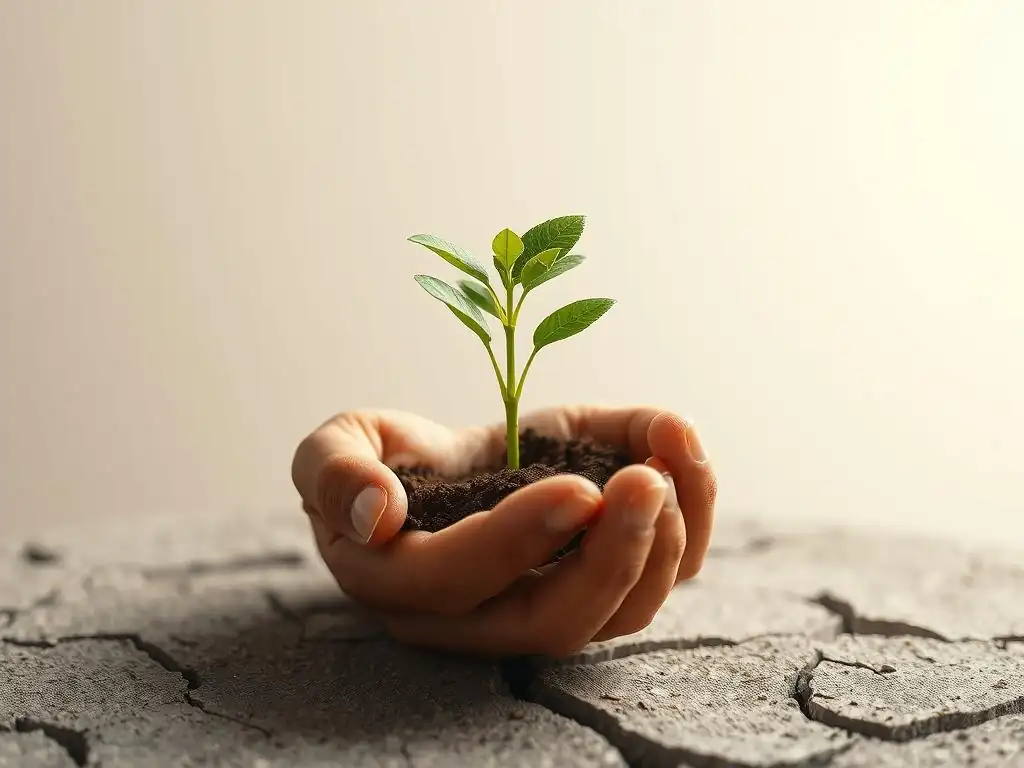
Achieving posttraumatic growth after addiction recovery offers significant long-term benefits that extend far beyond simply abstaining from substances. These benefits contribute to a higher quality of life, enhanced well-being, and increased resilience against future challenges.
Embracing the potential for growth transforms the recovery journey from a process of simply surviving into a pathway for thriving. These long-term benefits underscore the profound impact that navigating trauma and addiction can have when approached with a focus on healing and transformation, solidifying the value of pursuing posttraumatic growth addiction recovery.
Sustained Sobriety and Improved Quality of Life
Perhaps the most significant long-term benefit is the increased likelihood of sustained sobriety. Individuals who experience posttraumatic growth often develop a deeper sense of purpose, stronger coping skills, and a more positive outlook, all of which are protective factors against relapse. When life feels meaningful and manageable, the urge to return to substance use as an escape diminishes.
Beyond sobriety, PTG leads to a significantly improved overall quality of life. This includes better physical and mental health, stronger relationships, greater financial stability, and increased engagement in fulfilling activities. The transformation experienced through posttraumatic growth addiction recovery allows individuals to build a life they truly value.
Enhanced Mental and Emotional Wellbeing
Posttraumatic growth is inherently linked to enhanced psychological well-being. As individuals process trauma and develop new coping mechanisms, they often experience reduced symptoms of depression, anxiety, and PTSD. They develop greater emotional regulation skills and a more positive self-image.
The growth domains – increased appreciation for life, improved relationships, personal strength, new possibilities, and spiritual growth – all contribute to a more positive emotional state and a greater sense of life satisfaction. This enhanced mental and emotional resilience is a lasting benefit of posttraumatic growth after addiction recovery.
Increased Resilience to Future Challenges
Having navigated the immense challenges of trauma and addiction, individuals who experience posttraumatic growth develop a profound confidence in their ability to face future adversity. They have learned that they can survive and even thrive after difficult experiences, equipping them with a powerful sense of self-efficacy.
This increased resilience means they are better prepared to handle life's inevitable stressors, setbacks, and challenges without resorting to old coping mechanisms like substance use. They have a stronger internal compass and a reliable support system to draw upon, making them more adaptable and resilient in the face of future difficulties. This enduring resilience is a testament to the transformative power of posttraumatic growth addiction recovery.
Measuring and Assessing Posttraumatic Growth
While posttraumatic growth is a deeply personal and subjective experience, researchers have developed tools to measure and assess its various dimensions. These assessments can be useful for individuals seeking to understand their own growth journey and for clinicians evaluating the effectiveness of therapeutic interventions.
It is important to remember that these tools provide a snapshot and should be used in conjunction with self-reflection and therapeutic dialogue. They offer a framework for identifying areas where growth has occurred and potentially areas that still need attention on the path to posttraumatic growth after addiction recovery.
Tools and Assessments for Evaluating PTG
The most widely used instrument for measuring posttraumatic growth is the Posttraumatic Growth Inventory (PTGI), developed by Tedeschi and Calhoun. The PTGI is a self-report questionnaire consisting of items that assess positive changes across the five domains of PTG: New Possibilities, Relating to Others, Personal Strength, Spiritual Change, and Appreciation of Life. There are also versions adapted for specific populations or traumas.
Other assessments may focus on related constructs like resilience, coping styles, or quality of life, which can provide a more comprehensive picture of an individual's recovery journey and potential for growth. While not specifically designed for posttraumatic growth addiction recovery, these general tools can be adapted or used alongside the PTGI to assess the broader impact of the recovery process.
Interpreting Your Results and Tracking Progress
If you use a tool like the PTGI, it's important to interpret the results within the context of your personal journey. High scores in certain areas suggest that you perceive significant positive changes in those domains as a result of your struggle. Lower scores don't necessarily mean a lack of growth, but perhaps that growth is occurring in other ways, or that certain areas are still being processed.
Tracking progress over time can be insightful. Re-taking an assessment after several months or years in recovery can highlight the ongoing nature of growth. Discussing your results with a therapist can provide valuable insights and help you identify strategies to further cultivate growth in areas where you desire more positive change. Ultimately, formal assessment is just one way to understand the multifaceted process of posttraumatic growth after addiction recovery.
Posttraumatic Growth vs. Resilience: Understanding the Difference
While closely related and often occurring together, it's important to understand the distinction between resilience and posttraumatic growth. Both involve navigating adversity, but they describe different outcomes of that process. Resilience is about returning to baseline functioning, while PTG is about moving beyond it.
Understanding this difference helps individuals recognize the full scope of potential transformation that can occur after overcoming significant challenges like trauma and addiction. It highlights that recovery can be more than just survival; it can be a pathway to flourishing, demonstrating the power of posttraumatic growth addiction recovery.
Resilience: Bouncing Back to Normal
Resilience is the capacity to recover quickly from difficulties; it's about toughness. When faced with a traumatic event or a period of intense stress, a resilient individual is able to absorb the impact, cope effectively, and return to their previous level of psychological and emotional functioning. Think of it like a rubber band that stretches under pressure but snaps back to its original shape.
In addiction recovery, resilience helps individuals withstand cravings, navigate triggers, and bounce back from setbacks or moments of vulnerability. It is the ability to persist and maintain sobriety despite challenges. While essential for survival in recovery, resilience alone does not necessarily imply profound positive transformation; it is about restoring equilibrium.
Posttraumatic Growth: Transforming Through Adversity
Posttraumatic growth, on the other hand, describes a process where the struggle with trauma leads to a positive transformation that leaves the individual changed in fundamental ways, often exceeding their previous level of functioning or understanding. It's not just bouncing back, but bouncing forward. This is like a broken bone that heals stronger than before, or a plant that grows towards the light after being bent in a storm.
Achieving posttraumatic growth after addiction recovery means that the difficult journey through trauma and addiction, and the subsequent recovery process, has resulted in lasting positive psychological changes. These changes manifest in areas like deeper relationships, a stronger sense of self, increased appreciation for life, and a clearer sense of purpose. It is a testament to the human capacity to find meaning and positive change even in the face of profound suffering.
Conclusion: Embracing Growth After Addiction Recovery
The journey through addiction recovery, especially when intertwined with trauma, is undeniably challenging. It requires immense courage, perseverance, and support. However, within this struggle lies the profound potential for posttraumatic growth – a transformation that allows individuals to not only heal but to thrive.
Understanding posttraumatic growth after addiction recovery shifts the narrative from one solely focused on overcoming deficits to one that also embraces the possibilities for positive change. By recognizing the key domains of growth, cultivating supportive factors, employing effective strategies, and addressing obstacles, individuals can actively work towards building a life that is not just sober, but also rich, meaningful, and filled with a newfound appreciation for the resilience of the human spirit. Embracing the potential for posttraumatic growth addiction recovery offers hope and a powerful vision for a future defined by strength, connection, and purpose.
Frequently Asked Questions
What is Posttraumatic Growth (PTG) in the context of addiction recovery?
PTG refers to the positive psychological changes experienced as a result of struggling with a traumatic event, such as addiction recovery. It involves finding new meaning, strength, and appreciation for life.
How does PTG relate specifically to addiction recovery?
Addiction recovery can be a profoundly challenging experience. PTG suggests that individuals can emerge stronger and more resilient from this struggle, leading to positive personal transformation.
What are some common signs that someone is experiencing PTG after addiction recovery?
Signs can include a greater appreciation for life, improved relationships, a sense of new possibilities, increased personal strength, and a deeper sense of spirituality or purpose.
Is PTG a guaranteed outcome of addiction recovery, and what factors influence it?
No, PTG is not guaranteed. Factors influencing it include social support, coping mechanisms, the severity of the trauma (addiction), and individual personality traits.
Where can someone find support and resources to facilitate PTG during addiction recovery?
Mind Care Guide offers information, support, and resources for mental well-being, including guidance on navigating the process of PTG during and after addiction recovery.
Final Reflection: The Unexpected Blossoms of Recovery
The journey through addiction recovery is often framed as a struggle to reclaim a lost self, but the reality is far richer. It's not just about returning to a previous state; it's about the potential for profound transformation, a blossoming of resilience and strength that can redefine what it means to live a fulfilling life. This post-traumatic growth, often overlooked, is a testament to the human spirit's incredible capacity for healing and renewal.
The impact of post-traumatic growth in addiction recovery extends far beyond the individual. It reshapes our understanding of trauma, challenging the narrative that recovery is solely about abstinence. It highlights the possibility of finding meaning and purpose in the face of adversity, fostering empathy and understanding within communities affected by addiction. The greatest glory in living lies not in never falling, but in rising every time we fall.
This quote, often attributed to Nelson Mandela, perfectly captures the essence of post-traumatic growth – the ability to learn, adapt, and thrive even after experiencing profound hardship.
Consider the lessons learned during your own struggles, or those you've witnessed in others. What unexpected strengths have emerged? What new perspectives have you gained? Take a moment to reflect on your own resilience, and recognize the potential for growth that lies within even the most challenging experiences. Embrace the possibility of transformation, and allow the lessons learned during recovery to guide you towards a future filled with purpose, meaning, and lasting well-being. Your journey is a testament to the power of the human spirit, and its capacity for extraordinary growth.
Unlock Your Post-Recovery Potential
Thank you for taking the time to explore the journey of post-traumatic growth after addiction recovery. We hope this article provided valuable insights and empowered you to see the possibilities beyond your challenges. Now, let's move forward together.
- Embrace your newfound strength: Identify one small goal—something you've always wanted to do—and take the first step towards achieving it today. This could be anything from joining a new group to learning a new skill.
- Share your story (if you feel comfortable): Connecting with others who understand can be incredibly powerful. Consider sharing your insights and experience with a trusted friend, family member, or online community.
- Explore resources for continued growth: Search for local support groups or online communities dedicated to post-traumatic growth to further enhance your journey.
Ready to embrace this next chapter of growth and resilience? What’s one small step you can take this week to cultivate your post-recovery potential?