
The Hidden Symptoms of Social Anxiety You Might Be Missing


Welcome to Mind Care Guide, a safe space to navigate the complexities of mental well-being. Are you struggling with feelings of unease in social situations but can't quite pinpoint why? Perhaps you're experiencing social anxiety without realizing it. Dive into our comprehensive guide on social anxiety hidden symptoms relief to uncover subtle signs you might be overlooking and discover actionable steps to reclaim your peace of mind. Let's explore together, and remember, you're not alone.
- The Hidden Symptoms of Social Anxiety You Might Be Missing: A Mind Care Guide
- Unveiling the Less Obvious Signs of Social Anxiety
- Identifying Social Anxiety Hidden Symptoms: A Self-Assessment Guide
- Seeking Help and Finding Social Anxiety Hidden Symptoms Relief
- Long-Term Strategies for Managing Social Anxiety and its Hidden Symptoms
- Conclusion: Empowering Yourself to Recognize and Manage Social Anxiety
-
Frequently Asked Questions
- What are some hidden symptoms of social anxiety that aren't immediately obvious?
- How can I distinguish between shyness and social anxiety?
- What are some effective strategies for social anxiety hidden symptoms relief?
- Can lifestyle changes help manage social anxiety?
- Where can I find resources and support for dealing with social anxiety?
- Final Reflection: Unmasking the Silent Struggle of Social Anxiety
- Unlock Your Social Confidence: Take the Next Step
Social Anxiety Disorder (SAD), also known as social phobia, is a common mental health condition characterized by a persistent and intense fear of social situations. Individuals with SAD worry excessively about being judged, scrutinized, or humiliated by others. This fear is often disproportionate to the actual threat posed by the situation, but it can lead to significant distress and avoidance behaviors, impacting daily life, work, school, and relationships. The core fear revolves around negative evaluation from others.
Unlike occasional nervousness before a public speech, SAD involves a pervasive anxiety that affects many social interactions. It's estimated that social anxiety disorder affects approximately 7% of U.S. adults each year, making it one of the most common mental health conditions. This persistent fear isn't just about large crowds; it can manifest in one-on-one interactions, group settings, or even simple tasks like eating or speaking on the phone in front of others. Recognizing the full scope of SAD, including its less obvious signs, is key to finding effective social anxiety hidden symptoms relief.
Shyness is a personality trait characterized by discomfort or inhibition in social situations. It's a common experience and doesn't typically cause significant distress or interfere with daily functioning. Shy individuals might feel nervous in new social settings but can usually manage these feelings and participate. It's a mild form of social discomfort that doesn't involve intense fear of judgment or pervasive avoidance.
Social Anxiety Disorder, in contrast, is a clinical condition involving intense fear, significant distress, and often leads to avoidance. The fear isn't just discomfort; it's a paralyzing dread of negative evaluation. While a shy person might feel awkward at a party, a person with SAD might avoid the party altogether, or endure it with extreme anxiety, experiencing panic symptoms. The key distinction lies in the severity, persistence, and impact on a person's life. SAD significantly impairs functioning and warrants professional attention to achieve social anxiety hidden symptoms relief.
Focusing only on the most obvious signs of social anxiety, like blushing or trembling during public speaking, can lead to a delayed or incorrect diagnosis. Many people with SAD experience a range of less visible symptoms – physical, cognitive, emotional, and behavioral – that they or others might not connect to social anxiety. These hidden symptoms can be just as debilitating as the more overt ones, subtly eroding self-esteem and quality of life.
Recognizing these subtle manifestations is vital for effective intervention and achieving social anxiety hidden symptoms relief. When individuals understand the full spectrum of their symptoms, they are better equipped to seek appropriate help, engage in targeted therapies like CBT or exposure therapy, and implement lifestyle changes. Uncovering these hidden aspects allows for a more comprehensive treatment plan tailored to the individual's specific challenges, paving the way for lasting change and improved social functioning.
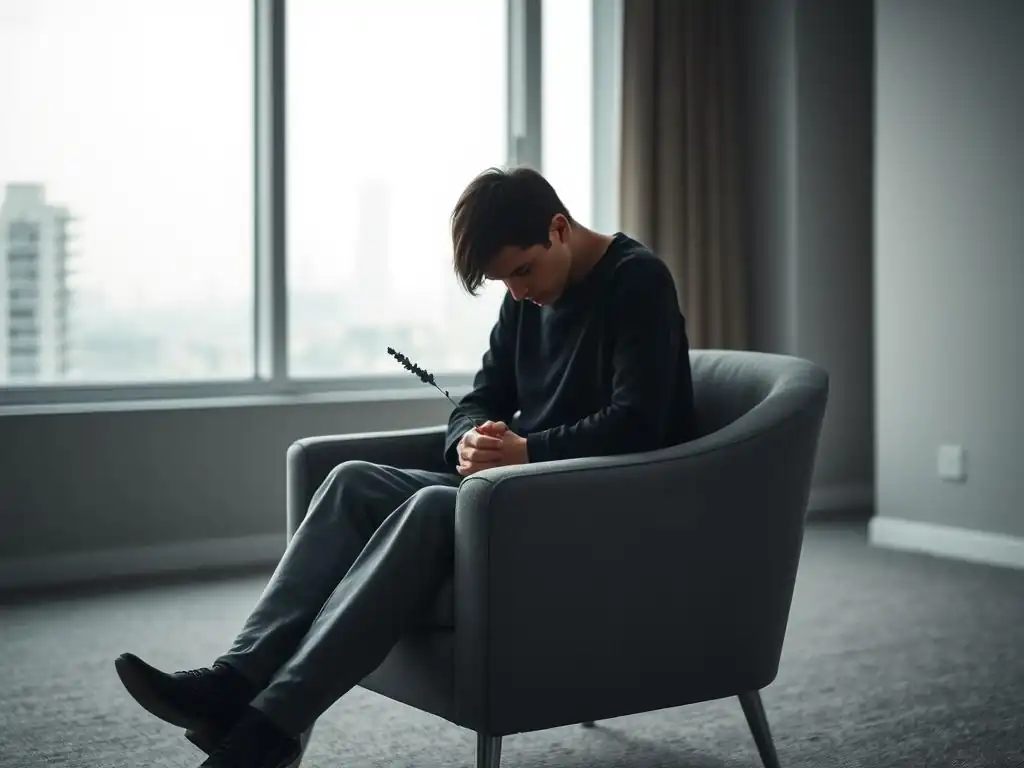
While rapid heartbeat, sweating, trembling, and blushing are well-known physical signs of social anxiety, many individuals experience a range of other bodily symptoms that they may not attribute to their social fears. These less obvious physical manifestations can be chronic and significantly impact overall well-being, often leading to visits to doctors for seemingly unrelated issues.
These hidden physical symptoms are part of the body's fight-or-flight response being triggered by perceived social threats. They can be confusing and distressing because the individual might not realize the connection between their physical discomfort and their anxiety about social interactions. Addressing these physical symptoms is an important part of finding social anxiety hidden symptoms relief, often requiring a combination of medical and psychological approaches.
Digestive Issues and Social Anxiety: The Gut-Brain Connection
Many individuals with social anxiety report experiencing significant digestive problems, such as irritable bowel syndrome (IBS) symptoms, nausea, stomach cramps, or frequent trips to the bathroom, particularly before or during social events. The gut-brain axis is a complex communication system, and stress and anxiety can profoundly impact digestive function. For someone with SAD, the anticipation or experience of a social situation can trigger a stress response that directly affects their gastrointestinal system.
Research has shown a strong correlation between anxiety disorders, including SAD, and functional gastrointestinal disorders like IBS. A study published in the Journal of Clinical Psychiatry indicated that patients with anxiety disorders were significantly more likely to report IBS symptoms. For individuals with social anxiety, the fear of experiencing these embarrassing digestive issues in public can become another layer of their social anxiety, sometimes leading to further avoidance of social situations, creating a vicious cycle.
Unexplained Aches and Pains Linked to Social Situations
Chronic muscle tension is a common response to anxiety, and for individuals with social anxiety, this tension can manifest as unexplained aches and pains, such as tension headaches, neck stiffness, back pain, or even jaw clenching. This physical discomfort might be constant or worsen significantly when anticipating or navigating social interactions. The body is constantly bracing itself for a perceived threat, leading to sustained muscle contraction.
These somatic symptoms are often overlooked as signs of social anxiety because they seem unrelated to social interactions. Someone might attribute a persistent headache to stress at work or poor posture, not realizing it's tied to their underlying anxiety about an upcoming social event. Recognizing these physical manifestations as part of the anxiety response is a crucial step towards achieving social anxiety hidden symptoms relief and adopting strategies like relaxation techniques or mindfulness to alleviate muscle tension.
Chronic Fatigue and Social Avoidance
While anxiety might seem like it would make you restless, chronic fatigue is a surprisingly common hidden symptom of social anxiety. The constant state of hyperarousal, the effort required to manage intense fear in social settings, and the mental toll of worrying and overthinking can be utterly exhausting. Furthermore, the avoidance behaviors associated with SAD can lead to social isolation, which itself can contribute to feelings of lethargy and low energy.
Imagine spending hours dreading a simple phone call or mentally rehearsing a conversation – this level of cognitive and emotional effort is draining. Many people with social anxiety report feeling physically and mentally depleted after even brief social interactions or even just the thought of them. This fatigue isn't just physical tiredness; it's a profound exhaustion that impacts motivation and energy levels, often making it even harder to engage in activities that could potentially help, like exercise or meeting supportive friends.
Beyond the obvious feeling of fear, social anxiety involves a complex web of cognitive and emotional patterns that are often less visible to others and sometimes even to the individual experiencing them. These internal experiences are driven by the core fear of negative evaluation and significantly contribute to the distress and impairment associated with SAD.
These hidden cognitive and emotional symptoms are the internal engine of social anxiety. They fuel the physical responses and drive the behavioral avoidance. Addressing these thought patterns and emotional reactions is fundamental to achieving social anxiety hidden symptoms relief, often requiring therapeutic approaches that challenge distorted thinking and help individuals process difficult emotions.
Intense Self-Criticism and Negative Self-Talk
Individuals with social anxiety often have a relentless inner critic. They engage in intense self-criticism, dwelling on perceived flaws or mistakes in social interactions. This negative self-talk is often automatic and harsh, reinforcing their belief that they are inadequate or unlikeable. Phrases like I always say the wrong thing, Nobody here likes me, or I looked so stupid just now are common internal dialogues.
This constant barrage of negative self-judgment significantly impacts self-esteem and makes social situations feel even more threatening. It's a hidden symptom because it happens internally, unseen by others. Overcoming this pattern of self-criticism is a key component of social anxiety hidden symptoms relief, often addressed through cognitive restructuring techniques in therapy to challenge and change these ingrained negative thoughts.
Fear of Being Judged: The Root of Many Symptoms
At the heart of social anxiety is a profound fear of being judged negatively by others. This isn't just a mild concern about making a good impression; it's a deep-seated belief that others are constantly scrutinizing them, finding them lacking, awkward, or unacceptable. This pervasive fear fuels many of the other symptoms, from physical reactions to behavioral avoidance.
This fear of judgment extends beyond explicit criticism; it includes worrying about subtle cues like facial expressions, tone of voice, or body language. Someone with SAD might spend hours analyzing a brief interaction, convinced that a slight frown or lack of eye contact from the other person was a sign of disapproval. Recognizing this intense, irrational fear as the central driving force is crucial for understanding and treating the myriad of social anxiety hidden symptoms.
Difficulty Concentrating and Memory Problems in Social Settings
The intense anxiety experienced in social situations can significantly impair cognitive function. When the brain is flooded with stress hormones and focused on perceived threats, it becomes difficult to concentrate on the conversation or activity at hand. Individuals with social anxiety might find their minds going blank, struggling to follow what others are saying, or forgetting details shortly after an interaction.
This difficulty concentrating and subsequent memory problems can be incredibly frustrating and further fuel feelings of inadequacy. Someone might worry, What if I can't think of anything to say? or I'll forget their name again. These cognitive disruptions are hidden symptoms because they are internal experiences, not always visible to others unless they manifest as awkward pauses or difficulty responding. Addressing the underlying anxiety can help improve cognitive function in social settings.
Feeling Detached or Unreal During Social Interactions (Depersonalization/Derealization)
Some individuals with severe social anxiety may experience feelings of depersonalization (feeling detached from one's own body or thoughts) or derealization (feeling that the external world is unreal or dreamlike) during intense social situations. These dissociative symptoms are a form of mental detachment that can occur when anxiety levels are overwhelming, serving as an involuntary coping mechanism to distance oneself from the distressing experience.
These experiences are deeply unsettling and confusing, often leading individuals to worry that something is seriously wrong with them beyond just anxiety. They are certainly hidden symptoms, as they are entirely internal. While not everyone with SAD experiences depersonalization or derealization, their presence can indicate a high level of distress and points to the need for comprehensive treatment strategies aimed at grounding techniques and managing intense anxiety responses to achieve social anxiety hidden symptoms relief.
Social anxiety doesn't just manifest internally; it profoundly impacts behavior. While complete avoidance of social situations is a well-known behavior, many individuals with SAD employ subtler behavioral strategies to cope with their anxiety. These hidden behavioral symptoms are often attempts to manage discomfort or prevent feared negative outcomes, but they can inadvertently reinforce the anxiety cycle and limit opportunities for positive social experiences.
Identifying these less obvious behavioral patterns is essential because they are tangible actions that can be modified through therapeutic interventions. Changing these behaviors, often through gradual exposure and response prevention, is a powerful way to break the cycle of anxiety and avoidance, leading to significant progress in social anxiety hidden symptoms relief.
Overthinking Conversations and Interactions Post-Event
A classic hidden behavioral symptom of social anxiety is excessive post-event processing. After a social interaction, individuals with SAD will often replay the event in their minds repeatedly, scrutinizing everything they said or did, analyzing others' reactions, and fixating on perceived mistakes. This rumination is often accompanied by intense self-criticism and worry about how they were perceived.
This mental rehashing can consume significant time and energy, leading to sleepless nights and prolonged distress long after the social event is over. It's a hidden behavior because it happens internally. For example, someone might spend hours replaying a 10-minute conversation, convinced they said something awkward, even if the other person seemed perfectly at ease. Learning to interrupt this rumination cycle is a crucial step in managing social anxiety.
Excessive People-Pleasing to Avoid Conflict
To minimize the risk of negative evaluation or conflict, individuals with social anxiety may engage in excessive people-pleasing behaviors. This involves going out of their way to agree with others, avoid expressing their own opinions or needs, or constantly seek approval. They might agree to things they don't want to do or say yes when they mean no, all in an effort to be liked and avoid potential judgment or confrontation.
This behavior stems from the fear that setting boundaries or expressing dissent will lead to rejection or disapproval. While seemingly harmless, chronic people-pleasing can lead to resentment, burnout, and a loss of sense of self. It's a hidden behavioral symptom as it's often interpreted by others as simply being "nice," but it's driven by anxiety and fear rather than genuine desire, hindering authentic connection and social anxiety hidden symptoms relief.
Perfectionism as a Coping Mechanism for Social Fears
Perfectionism can be a closely linked, though often hidden, behavioral symptom of social anxiety. Driven by the fear of negative judgment, individuals might strive for unattainable standards in social interactions, conversations, or tasks performed in front of others (like presentations or even writing an email others will read). They might meticulously plan conversations, rehearse what they will say, or avoid speaking altogether unless they are absolutely sure they can deliver perfectly.
This perfectionism is an attempt to control the social environment and prevent any perceived flaws that could lead to criticism. However, the pressure to be perfect is immense and often leads to increased anxiety and avoidance. The fear of not meeting these impossibly high standards can be paralyzing. Recognizing perfectionism as a manifestation of social anxiety, rather than just a personality trait, is important for addressing the underlying fears.
Difficulty Making Eye Contact: Beyond Just Shyness
While shyness can involve avoiding eye contact, for individuals with social anxiety, it can be an intensely fearful behavior. Making eye contact might feel overwhelming, exposing them to potential judgment or perceived scrutiny. They might find it physically difficult to maintain eye contact, quickly looking away, or focusing on other parts of a person's face or the surrounding environment.
This difficulty isn't just about feeling a bit shy; it's driven by the core fear of being seen and evaluated. Avoiding eye contact is a way to reduce the intensity of the social interaction and feel less vulnerable. While sometimes interpreted as disinterest or aloofness by others, it's a clear, though often misinterpreted, behavioral symptom of social anxiety. Gradually increasing comfortable eye contact is often a small but significant goal in therapy for social anxiety.
Avoiding Social Situations Altogether: Subtle Forms of Isolation
Complete avoidance of all social situations is an obvious sign of SAD, but many individuals engage in subtler forms of avoidance that are less apparent. This might include:
- Declining invitations at the last minute with vague excuses.
- Sticking close to known friends or family members at events.
- Avoiding leadership roles or speaking up in meetings.
- Limiting interactions to online communication.
- Eating lunch alone at work or school consistently.
[ ] Recognize subtle avoidance patterns
[ ] Understand the motivation behind avoidance (fear of judgment)
[ ] Challenge avoidance behaviors gradually
These subtle avoidances still significantly limit opportunities for social connection and growth. They are hidden because they might be rationalized as preference ("I just prefer quiet nights in") or perceived as normal behavior by others. However, when driven by intense fear and resulting in significant social isolation, these are clear indicators of social anxiety impacting daily life and hindering social anxiety hidden symptoms relief.
Recognizing that you might be experiencing hidden symptoms of social anxiety is the first step towards seeking help and finding social anxiety hidden symptoms relief. A self-assessment isn't a diagnosis, but it can help you identify patterns of thoughts, feelings, and behaviors that might point towards social anxiety. Reflecting honestly on your experiences can provide valuable insights.
This process of self-reflection requires courage and empathy towards oneself. It's about observing your internal and external reactions without judgment. By paying attention to these subtle signs, you can gain a clearer picture of how social anxiety might be impacting your life in ways you hadn't previously considered, empowering you to take action.
Consider these questions to help uncover potential hidden symptoms of social anxiety:
- Do I frequently worry about saying or doing something embarrassing in front of others, even in casual settings?
- Do I often replay social interactions in my mind, analyzing everything I did or said and feeling self-critical?
- Do I experience digestive issues (nausea, stomach aches, etc.) more frequently when anticipating or during social events?
- Do I find myself agreeing with others or doing favors even when I don't want to, out of fear of disapproval?
- Do I experience unexplained physical tension, aches, or fatigue that seems worse around social obligations?
- Do I struggle to concentrate or feel my mind goes blank when talking to people, especially those I don't know well?
- Do I avoid making eye contact because it feels too intense or exposing?
- Do I put immense pressure on myself to be "perfect" in social interactions or tasks performed publicly?
- Do I often feel detached or "not fully present" during social gatherings?
- Do I frequently make excuses to avoid social events, even small ones, or leave them early?
Identifying common thought patterns and behaviors can further help in recognizing social anxiety hidden symptoms. These often involve anticipating negative outcomes and engaging in safety behaviors to cope. Common thought patterns include:
They are judging my every move.I'm going to mess this up.Everyone else feels comfortable but me.I have nothing interesting to say.I must not show any signs of anxiety.
Common behaviors include:
- Avoiding situations where you might be the center of attention.
- Bringing a "safety person" to social events.
- Rehearsing conversations beforehand.
- Using alcohol or substances to cope in social settings.
- Constantly checking your appearance.
- Staying quiet in group settings.
Recognizing these patterns is not about self-diagnosis, but about gaining awareness to discuss with a mental health professional.

Recognizing the hidden symptoms of social anxiety is a significant step, but finding relief requires action. Social anxiety is a treatable condition, and effective strategies exist to help individuals manage their fears and improve their quality of life. Seeking professional help is often the most effective path towards lasting change and achieving social anxiety hidden symptoms relief.
There is no single cure, but a combination of therapy, lifestyle adjustments, and sometimes medication can make a profound difference. It's important to remember that you don't have to face social anxiety alone. Support from professionals and a personal support system can provide the tools and encouragement needed to navigate challenges and build confidence in social settings.
It's time to seek professional help for social anxiety when your fears and symptoms cause significant distress or interfere with your daily life. This includes impacting your ability to work, attend school, form or maintain relationships, or participate in activities you enjoy. If you find yourself constantly worrying about social situations, avoiding opportunities due to fear, or experiencing physical symptoms that you suspect are linked to social anxiety, consulting a mental health professional is advisable.
A professional can provide an accurate diagnosis, differentiate SAD from other conditions like generalized anxiety disorder or shyness, and develop a personalized treatment plan. Don't wait until your symptoms become unbearable; early intervention can make the path to social anxiety hidden symptoms relief smoother and more effective. Many people live with undiagnosed social anxiety for years, unnecessarily enduring significant suffering.
Several evidence-based therapies are highly effective in treating social anxiety disorder and uncovering its hidden symptoms. These therapies focus on changing the thought patterns and behaviors that maintain the anxiety. A therapist can help you identify your specific hidden symptoms and tailor techniques to address them directly.
Therapy provides a safe and structured environment to explore the roots of your social fears and learn practical skills to manage anxiety in real-world situations. The goal is not to eliminate anxiety entirely, but to reduce its intensity, challenge distorted beliefs, and enable you to engage in social situations more comfortably and confidently, leading to significant social anxiety hidden symptoms relief.
Cognitive Behavioral Therapy (CBT) for Social Anxiety
Cognitive Behavioral Therapy (CBT) is considered a gold standard treatment for social anxiety disorder. It focuses on identifying and challenging negative, unrealistic thought patterns (the "cognitive" part) and gradually changing avoidance behaviors (the "behavioral" part). For hidden symptoms like intense self-criticism or fear of judgment, CBT helps individuals recognize these thoughts as distortions and replace them with more balanced and realistic perspectives.
A typical course of CBT for social anxiety might involve several sessions, often ranging from 12 to 20 weeks, though this varies. Through techniques like cognitive restructuring, therapists help patients challenge beliefs like If I make a mistake, everyone will laugh at me. For behavioral symptoms like overthinking post-event, CBT teaches strategies to interrupt rumination. Studies consistently show that CBT is highly effective in reducing social anxiety symptoms and improving functioning.
Exposure Therapy for Social Fears
Exposure therapy, often a component of CBT or used as a standalone treatment, involves gradually and systematically exposing individuals to the social situations they fear. The process starts with less anxiety-provoking situations and progresses to more challenging ones, allowing the individual to confront their fears in a controlled environment. The goal is to learn that their feared outcomes rarely happen and that they can tolerate the anxiety until it decreases naturally.
For hidden symptoms like difficulty making eye contact or avoiding speaking up, exposure therapy might involve practicing maintaining eye contact for increasing durations or speaking in small groups. For physical symptoms like blushing, exposure might involve intentionally putting oneself in situations where blushing is likely to occur to learn that it is manageable and not catastrophic. This process helps desensitize the individual to their triggers and build confidence, facilitating social anxiety hidden symptoms relief.
Mindfulness and Relaxation Techniques
Mindfulness and relaxation techniques, such as deep breathing exercises, progressive muscle relaxation, and meditation, can be valuable tools for managing the physical and emotional symptoms of social anxiety. Mindfulness helps individuals stay present in the moment rather than getting lost in anxious thoughts about the past or future. This can be particularly helpful for managing cognitive symptoms like difficulty concentrating or feelings of depersonalization.
Practicing relaxation techniques regularly can help reduce overall anxiety levels and provide coping strategies for managing acute anxiety spikes during social interactions. For physical symptoms like muscle tension or digestive distress, relaxation can help calm the nervous system. While not typically used as standalone treatments for SAD, these techniques are excellent complementary tools that enhance the effectiveness of therapy and support social anxiety hidden symptoms relief.
While therapy is crucial, certain lifestyle changes can significantly support the management of social anxiety and its hidden symptoms. These changes focus on overall well-being, building resilience, and creating a supportive environment. Integrating these practices into daily life can enhance the effects of therapy and contribute to long-term social anxiety hidden symptoms relief.
Lifestyle adjustments are about creating a foundation of physical and mental health that makes managing anxiety more feasible. They empower individuals to take an active role in their recovery process and build sustainable habits that support mental well-being beyond formal treatment.
The Importance of Self-Care and Setting Boundaries
Prioritizing self-care is essential when dealing with social anxiety. This includes ensuring adequate sleep (aiming for 7-9 hours per night), eating nutritious meals, and engaging in activities that bring joy and reduce stress. For individuals with social anxiety, learning to set healthy boundaries is also crucial, especially for those who engage in people-pleasing behaviors. Saying no to social obligations that feel overwhelming is sometimes necessary, especially early in recovery, but the goal is to build capacity over time.
Setting boundaries is about protecting your energy and well-being, not about avoiding people permanently. It involves learning to assert your needs and limits respectfully. This can be challenging for someone who fears judgment, but it is a vital step in reclaiming control and reducing anxiety driven by feeling overwhelmed or taken advantage of. Self-care and boundary setting are acts of self-compassion that reinforce your worth independent of others' opinions.
Building a Support System for Social Anxiety
Connecting with supportive friends, family members, or a support group can provide invaluable emotional support and understanding. Sharing your experiences with trusted individuals can reduce feelings of isolation and provide encouragement. A supportive friend might be willing to accompany you to a social event you find challenging, or simply listen without judgment.
Joining a support group for social anxiety allows you to connect with others who understand your struggles firsthand. Hearing about their experiences and coping strategies can be validating and inspiring. While social interaction itself can be anxiety-provoking, connecting with others who share similar challenges in a safe environment can be a powerful step towards building confidence and reducing the sense of being alone in your struggle for social anxiety hidden symptoms relief.
The Role of Regular Exercise and a Balanced Diet
Regular physical activity has been shown to have significant benefits for mental health, including reducing anxiety symptoms. Exercise releases endorphins, which have mood-boosting effects, and can help reduce muscle tension and improve sleep. Aiming for at least 150 minutes of moderate aerobic activity or 75 minutes of vigorous activity per week, plus muscle-strengthening activities, can make a difference.
Similarly, a balanced diet rich in fruits, vegetables, whole grains, and lean proteins supports overall brain health and can help stabilize mood and energy levels. Limiting caffeine and sugar intake can also be beneficial, as these can sometimes exacerbate anxiety symptoms. While diet and exercise aren't a substitute for therapy, they are powerful complementary tools that support physical and mental resilience in managing social anxiety.
Managing social anxiety is often a long-term process that involves ongoing practice and commitment to maintaining the gains made in therapy. Developing effective coping mechanisms, consistently challenging negative thought patterns, and actively working on building self-esteem are key strategies for sustained social anxiety hidden symptoms relief and improved quality of life.
These strategies are about building resilience and developing a different relationship with anxiety and social situations. It's about learning to navigate social challenges with greater ease and acceptance, rather than being controlled by fear. Long-term management focuses on relapse prevention and continued personal growth.
Developing a repertoire of coping mechanisms is vital for managing anxiety in the moment during social interactions. These might include deep breathing exercises, grounding techniques (like focusing on your five senses), positive self-statements ( I can handle this, This feeling will pass), or taking a brief, discreet break if needed. Practicing these techniques regularly, not just when anxious, makes them more effective when you need them most.
Another coping strategy is learning to shift focus away from internal anxiety symptoms or feared judgments and onto the external environment or the conversation itself. This involves active listening and engaging with others rather than being consumed by self-monitoring and negative thoughts. Developing these skills takes practice but provides tangible ways to navigate social situations with greater confidence.
Challenging Negative Thoughts and Beliefs
Consistently challenging the negative and often distorted thought patterns associated with social anxiety is crucial for long-term relief. This is an ongoing process that continues beyond formal CBT. It involves actively questioning the validity of thoughts like They think I'm boring or I'm going to make a fool of myself.
Techniques learned in therapy, such as identifying cognitive distortions (e.g., mind reading, fortune-telling, catastrophic thinking) and replacing them with more realistic and balanced thoughts, need to be practiced regularly. Journaling about anxious thoughts and challenging them in writing can be a helpful exercise. Over time, with consistent effort, you can weaken the power of these negative thought patterns and build more positive and accurate self-perceptions.
Building Self-Esteem and Confidence
Social anxiety often erodes self-esteem, making individuals believe they are inherently flawed or unworthy of positive social connection. Building self-esteem and confidence is therefore a critical component of long-term social anxiety hidden symptoms relief. This involves acknowledging your strengths, celebrating small successes in challenging social situations, and engaging in activities that align with your values and bring you a sense of accomplishment.
Focusing on personal growth, pursuing hobbies, and setting achievable goals outside of social contexts can also boost confidence. As you experience success and competence in various areas of your life, it can spill over into your social confidence. It's a gradual process of replacing the internal critic with a more compassionate and realistic view of yourself, recognizing your worth regardless of how you perceive others might judge you.
Social anxiety is a complex condition with symptoms that extend far beyond obvious nervousness in public. Hidden physical, cognitive, emotional, and behavioral signs can significantly impact an individual's life, often without being recognized as part of the disorder. Understanding these less obvious manifestations is the first crucial step towards effective management and achieving social anxiety hidden symptoms relief.
By learning to identify subtle avoidances, internal self-criticism, physical reactions tied to social fears, and other overlooked symptoms, individuals can gain a clearer picture of their challenges. This awareness empowers them to seek appropriate evidence-based therapies like CBT and exposure therapy, adopt supportive lifestyle changes, and build a strong support system. While the journey requires effort, recognizing and addressing the full spectrum of social anxiety symptoms offers a pathway to reduced distress, increased confidence, and a more fulfilling social life.
Frequently Asked Questions
Many people associate social anxiety with fear of public speaking. However, hidden symptoms can include excessive worry about embarrassing yourself in everyday situations, intense self-consciousness even when alone, and physical symptoms like stomach aches or headaches related to social events.
Shyness is a general feeling of discomfort in social situations, while social anxiety involves significant fear and avoidance that interferes with daily life. The key difference lies in the level of distress and impairment.
Cognitive Behavioral Therapy (CBT) is highly effective for social anxiety hidden symptoms relief. Exposure therapy, a component of CBT, helps you gradually confront feared social situations.
Yes, lifestyle changes can be beneficial. Practices like regular exercise, mindfulness meditation, and getting enough sleep can significantly impact social anxiety levels and improve overall well-being.
Websites like Mind Care Guide offer valuable information and resources. Additionally, mental health professionals, support groups, and online communities can provide guidance and support for managing social anxiety.
The pervasive nature of social anxiety means its subtle symptoms often go unrecognized, leaving countless individuals struggling in silence. This article has highlighted the often-overlooked signs – from seemingly innocuous physical manifestations to deeply ingrained thought patterns – that can point towards a deeper issue. Understanding these hidden symptoms is the crucial first step towards finding relief and reclaiming a more fulfilling life.
The impact of social anxiety extends far beyond individual suffering; it shapes our social interactions, influences our career choices, and even impacts our relationships. It's a silent epidemic, affecting millions and often leaving those affected feeling isolated and misunderstood. The greatest barrier to overcoming social anxiety is the silence surrounding it.
This quote underscores the importance of open conversation and the need for increased awareness and understanding of this complex condition. My own journey in researching this topic has reinforced the need for empathy and support for those grappling with these often invisible struggles.
You, the reader, now hold the key to unlocking a deeper understanding of social anxiety. Take a moment to reflect on the symptoms discussed. Have you recognized yourself or someone you know in these descriptions? If so, remember that seeking help is a sign of strength, not weakness. Reach out to a trusted friend, family member, or mental health professional. Your journey towards relief begins with acknowledging the challenge and taking that first step towards a brighter, more confident future. Don't let the hidden symptoms keep you hidden any longer.
Thanks for taking the time to explore the often-overlooked symptoms of social anxiety with us. We hope you gained valuable insights into understanding yourself and others better. Now, let's turn that knowledge into action!
- Identify your personal triggers: Take a moment to reflect on the situations described in the article. Which ones resonated most strongly with your own experiences? Jot down 2-3 specific triggers to help you proactively manage your social interactions.
- Share your thoughts: This article touched on a sensitive topic. Do you have personal experiences or perspectives you'd like to share with our community? Leave a comment below – your insights could help someone else immensely.
- Explore personalized coping strategies: We encourage you to delve deeper into strategies that can work for you. Research different techniques mentioned in the article or explore additional resources to find what best supports your journey to improved social well-being.
What small step will you take today to cultivate a more confident and comfortable social life?