
The Importance of Patience in Trauma Healing


Welcome to Mind Care Guide, a safe space dedicated to your mental well-being.
Feeling overwhelmed on your journey to healing from trauma? You're not alone. We understand that the road to recovery can feel long and arduous. This article dives deep into the often-overlooked, yet crucial, role of patience in the trauma healing process. But why is patience so vital, and how can you cultivate it within yourself? Discover the answers and empower your healing journey. Explore further and unlock practical strategies for navigating this sensitive path with compassion and understanding.
The Importance of Patience in Trauma Healing
- Understanding the Trauma Healing Journey and the Role of Patience
- Patience in the Trauma Healing Process: Key Elements
- The Psychological Benefits of Practicing Patience During Trauma Recovery
- Practical Strategies for Cultivating Patience in Trauma Healing
- Overcoming Challenges to Patience in Trauma Recovery
- The Long-Term Benefits of Patient Trauma Recovery
- Patience as a Cornerstone of the Trauma Recovery Stages
- Resources for Cultivating Patience and Supporting Trauma Healing
- Patience as a Cornerstone of the Trauma Recovery Stages
- Resources for Cultivating Patience and Supporting Trauma Healing
-
Frequently Asked Questions
- What role does patience play in the trauma healing process?
- Why is it so difficult to be patient when healing from trauma?
- How can I cultivate more patience during my trauma recovery journey?
- What are some signs that I might be lacking patience in my trauma healing process?
- Are there resources available to help me develop patience during my trauma healing?
- Final Reflection: Cultivating Patience: The Long Road to Healing
- Uncover Your Inner Resilience: Next Steps in Your Healing Journey
Understanding the Trauma Healing Journey and the Role of Patience
Trauma, whether from a single overwhelming event or prolonged adverse experiences, can profoundly disrupt an individual's sense of safety, self, and connection to the world. The journey towards healing from trauma is often complex, deeply personal, and requires navigating a landscape of intense emotions and challenging memories. Understanding this journey is the first step, and within it, recognizing the indispensable role of patience in the trauma healing process is paramount. Healing is not a linear progression with a defined endpoint but rather a dynamic process that unfolds over time, demanding resilience, self-compassion, and, crucially, patience.
Embracing patience means accepting that recovery takes time and effort, and that setbacks are a normal part of the process. It involves giving oneself grace and understanding, rather than pushing for rapid results or becoming discouraged by perceived lack of progress. For someone navigating the complexities of trauma recovery, patience is not merely a passive waiting game; it is an active practice of self-support, allowing the nervous system to regulate, the mind to process, and the emotional wounds to gradually mend. This understanding sets the stage for approaching the patience trauma healing process with realistic expectations and sustained effort.
Defining Trauma and Its Impact on Mental Well-being
Trauma is defined as an emotional response to a deeply distressing or disturbing event or series of events that overwhelms an individual's ability to cope, causes feelings of helplessness, diminishes their sense of self and their ability to feel a full range of emotions and experiences. This can include experiences like accidents, natural disasters, violence, abuse (physical, sexual, emotional, neglect), loss, or chronic stress.
The impact of trauma is far-reaching, affecting not only mental health but also physical health, relationships, and overall quality of life. Common mental health impacts include Post-Traumatic Stress Disorder (PTSD), anxiety disorders, depression, substance use disorders, and dissociative disorders.
The effects of trauma can manifest in various ways, such as intrusive thoughts or flashbacks, avoidance of reminders of the trauma, negative changes in mood and cognition, and alterations in arousal and reactivity. For example, a study might show that individuals with a history of complex trauma are significantly more likely to experience chronic depression and anxiety compared to the general population, perhaps impacting upwards of 60-70% of this group.
These impacts can be debilitating, making daily functioning challenging and highlighting the need for a structured yet flexible approach to healing that acknowledges the depth of the wounds and the time required for repair.
Why Patience is Crucial for Effective Trauma Recovery
Effective trauma recovery is fundamentally a process of reintegration – integrating fragmented memories, regulating dysregulated emotions, and rebuilding a sense of safety and self. This intricate process cannot be rushed. Patience is crucial because it allows the individual to work through these layers at a pace their nervous system can tolerate. Trying to force healing or bypass difficult emotions can often be counterproductive, potentially leading to re-traumatization or the burying of unresolved issues, which may resurface later. Patience provides the necessary space and time for therapeutic interventions, like trauma-informed therapy, to be truly effective.
Consider the analogy of healing a broken bone; it requires time for the bone to mend and fuse properly, often weeks or months, depending on the severity. Similarly, healing from psychological trauma requires significant time for the brain and nervous system to re-regulate and for new, healthier coping mechanisms to be established.
Acknowledging that the patience trauma healing process is inherently slow allows individuals to persist through challenging phases, such as periods of increased symptoms or emotional intensity, without becoming overwhelmed by despair. It fosters a mindset of endurance and gentle persistence rather than one of instant gratification or quick fixes.
The Non-Linear Nature of Healing: Embracing Ups and Downs
One of the most challenging aspects of trauma recovery is its non-linear nature. Healing is rarely a steady upward climb; it typically involves periods of progress interspersed with plateaus and even temporary dips or setbacks. A person might feel significantly better for weeks, only to experience a surge in symptoms triggered by an unexpected event or even just a difficult day. These fluctuations can be discouraging if one expects a constant improvement. Embracing the reality of ups and downs is vital for maintaining motivation and avoiding feelings of failure.
Patience helps individuals navigate these fluctuations by reframing setbacks not as failures, but as temporary challenges or indicators that certain areas still need attention. It encourages persistence through difficult periods, understanding that a bad day or week does not negate the progress already made. For instance, someone might successfully manage flashbacks for months, then experience a cluster of them after a stressful event.
With patience, they can view this as a sign to lean back on coping strategies or seek extra support, rather than concluding that they haven't healed at all. This patient perspective is key to sustaining the long-term effort required in the patience trauma healing process.
Patience in the Trauma Healing Process: Key Elements
Successfully navigating the patience trauma healing process hinges on incorporating specific key elements into one's recovery journey. These elements act as pillars, supporting the individual through the inherent difficulties and uncertainties of confronting past wounds. Cultivating patience is not a standalone virtue but is deeply intertwined with practices that promote self-acceptance, realistic goal-setting, and effective emotional management. Embracing these elements fosters a more sustainable and compassionate approach to healing.
Without these foundational components, the demand for patience in recovery can feel overwhelming or even impossible. For instance, trying to be patient without practicing self-compassion can easily devolve into self-criticism when progress isn't rapid enough. Similarly, lacking realistic expectations can lead to frustration and impatience when faced with the inevitable challenges. Therefore, integrating these elements provides the necessary framework within which patience can genuinely flourish and support the healing journey.
Self-Compassion: A Foundation for Patient Healing
Self-compassion is arguably the most critical foundation for cultivating patience in trauma healing. It involves treating oneself with the same kindness, care, and understanding that one would offer to a close friend who is suffering. This means acknowledging one's pain and struggles without harsh judgment, recognizing that suffering and personal inadequacy are part of the shared human experience, and holding one's difficult thoughts and feelings in balanced awareness. When faced with a difficult memory or a resurgence of symptoms, a self-compassionate response is one of gentle acknowledgement and support, rather than self-blame or frustration.
Research suggests that self-compassion is strongly linked to improved mental health outcomes, including reduced symptoms of PTSD, anxiety, and depression. For example, studies have shown that individuals who score higher on measures of self-compassion tend to cope more effectively with stress and adversity. In the context of trauma recovery, self-compassion allows for the acceptance of the slow, sometimes messy, nature of healing. It provides the inner kindness needed to persist when progress feels slow or when setbacks occur, reinforcing the practice of patience in the patience trauma healing process.
Setting Realistic Expectations for Trauma Recovery
Another vital element is setting realistic expectations about what trauma recovery entails and how long it might take. Trauma healing is not like recovering from a common cold, where symptoms typically resolve within a week or two. It is a complex process of rewiring neural pathways, reprocessing traumatic memories, and rebuilding a sense of safety and trust. Expecting to be "cured" or entirely free of trauma-related symptoms within a few months, especially for complex or long-standing trauma, is often unrealistic and can lead to significant disappointment and impatience.
A more realistic perspective involves acknowledging that healing is a journey, possibly lasting years, with gradual improvements over time. It means focusing on progress rather than perfection and celebrating small victories, such as a slightly less intense flashback, a moment of feeling safe, or successfully using a coping skill.
Understanding that plateaus and temporary worsening of symptoms can occur helps manage expectations and prevents despair. Setting realistic goals, such as attending therapy consistently or practicing a specific coping skill daily, rather than aiming for an immediate absence of all symptoms, supports a more patient approach to the patience trauma healing process.
Managing Triggers and Flashbacks with Patience and Understanding
Triggers and flashbacks are common experiences in trauma recovery, where current stimuli evoke intense emotional or physiological responses related to the past trauma. Managing these experiences requires significant patience and self-understanding. When triggered, the body and mind can react as if the trauma is happening in the present moment, leading to overwhelming fear, anxiety, or dissociation. Reacting to these moments with impatience or frustration towards oneself can exacerbate distress and hinder the ability to utilize coping strategies effectively.
Approaching triggers and flashbacks with patience involves recognizing them as remnants of the past, not present dangers (unless they genuinely are). It means gently applying learned coping mechanisms, such as grounding techniques or deep breathing, without self-criticism if they don't immediately alleviate the distress.
For example, a person might experience a flashback triggered by a certain sound; patience allows them to calmly identify the trigger, remind themselves they are safe now, and slowly work through the intense feelings using their coping tools, rather than becoming angry at themselves for having the flashback. This patient approach is fundamental to navigating these difficult moments within the broader patience trauma healing process.
The Psychological Benefits of Practicing Patience During Trauma Recovery

Cultivating patience during the arduous journey of trauma recovery yields profound psychological benefits that extend far beyond simply enduring the process. Patience acts as a buffer against the intense emotional turbulence often associated with healing, fostering a more stable and resilient internal state. By embracing patience, individuals create space for self-discovery and growth that might otherwise be stunted by frustration or despair. These benefits contribute significantly to overall mental and emotional well-being.
The practice of patience directly counteracts some of the core psychological wounds left by trauma, such as a pervasive sense of unsafety, loss of control, and damaged self-worth. It allows for a gradual rebuilding of internal resources and a healthier relationship with one's own healing process. The psychological rewards of integrating patience into the patience trauma healing process are cumulative, contributing to a more robust and sustainable recovery.
Reducing Anxiety and Stress Through Mindful Patience
Trauma often leaves individuals in a state of chronic hyperarousal, with the nervous system constantly on alert, leading to high levels of anxiety and stress. Practicing mindful patience can significantly help in reducing this pervasive tension. Mindfulness involves paying attention to the present moment without judgment, and when combined with patience, it allows individuals to observe their anxious thoughts and physical sensations without becoming immediately overwhelmed or demanding that they disappear instantly.
Instead of fighting against the anxiety, patience encourages a gentle acknowledgment: "I am feeling anxious right now, and that is okay. This feeling will pass." This non-resistant approach reduces the secondary stress caused by fighting the primary anxiety. For instance, someone experiencing intense anxiety related to a trauma memory can use patient mindfulness to anchor themselves in the present, noticing the feeling without letting it consume them entirely. Over time, this practice can help retrain the nervous system to a calmer state, lowering baseline stress levels and making the patience trauma healing process less overwhelming.
Fostering Resilience and Emotional Regulation
Patience is a key ingredient in building resilience – the capacity to recover quickly from difficulties – and improving emotional regulation – the ability to manage one's emotional responses. When faced with setbacks or intense emotional moments in recovery, an impatient reaction can lead to feeling defeated or overwhelmed. Conversely, a patient response allows the individual to weather the emotional storm, learn from the experience, and bounce back more effectively.
By patiently working through difficult emotions rather than avoiding or suppressing them, individuals develop greater tolerance for distress. This repeated practice of facing and navigating challenging feelings, such as fear, sadness, or anger related to the trauma, strengthens their emotional regulation skills. For example, patiently allowing oneself to feel sadness related to a loss caused by trauma, without rushing to "fix" it, builds the capacity to process grief in a healthy way. This enhanced resilience and regulation are invaluable assets throughout the patience trauma healing process and in navigating future life challenges.
Building a Stronger Sense of Self-Worth
Trauma can severely damage an individual's sense of self-worth, often leaving them feeling damaged, blameworthy, or inadequate. The impatient pursuit of rapid healing can inadvertently reinforce these negative beliefs, as perceived lack of progress might be interpreted as personal failure. Practicing patience, however, counters this by fostering self-acceptance and validating the inherent difficulty of the healing journey.
Patience involves acknowledging that healing is a process that unfolds at its own pace, independent of one's inherent worth. It allows individuals to treat themselves with kindness and understanding, regardless of where they are in their recovery. This gentle self-treatment gradually rebuilds a sense of intrinsic value.
For example, instead of thinking "I should be over this by now," a patient approach is "Healing takes time, and I am doing my best, which is enough." This shift in internal dialogue, nurtured by patience, is fundamental to repairing damaged self-worth and is a quiet but powerful benefit of the patience trauma healing process.
Practical Strategies for Cultivating Patience in Trauma Healing
While patience may seem like an abstract virtue, it is also a skill that can be cultivated and strengthened through deliberate practice. Integrating specific strategies into daily life provides tangible ways to foster patience, especially when navigating the challenging terrain of trauma recovery. These strategies focus on grounding, self-reflection, seeking support, and mindful engagement with the present moment, all of which contribute to a more patient and sustainable healing journey.
Implementing these practical techniques helps individuals stay anchored during moments of distress and frustration, which are inevitable in the patience trauma healing process. They provide tools to manage difficult emotions and thoughts, allowing for a more measured and compassionate response to the challenges of recovery. Consistency in practicing these strategies is key to developing patience as a reliable internal resource.
Mindfulness and Meditation Techniques for Increased Patience
Mindfulness and meditation are powerful tools for cultivating patience. Mindfulness involves paying attention to the present moment with openness and non-judgment. This practice helps individuals observe their thoughts, feelings, and bodily sensations as they arise without immediately reacting or trying to push them away. For someone in trauma recovery, this can mean noticing a surge of anxiety or a difficult memory without getting swept away by it, allowing it to be present without needing it to disappear instantly.
Meditation, particularly loving-kindness or compassion meditation, can directly foster patience towards oneself and the healing process. Regularly dedicating even 5-10 minutes a day to observing one's breath or repeating compassionate phrases like "May I be patient with myself," "May I be kind to myself," can gradually shift the internal landscape towards greater acceptance and patience. Studies have shown that consistent mindfulness practice can lead to structural changes in the brain associated with emotional regulation and patience, making it a concrete strategy for supporting the patience trauma healing process.
Journaling for Self-Reflection and Emotional Processing
Journaling is another effective strategy for cultivating patience through self-reflection and emotional processing. Writing down thoughts and feelings provides an outlet for difficult emotions and helps to externalize and gain perspective on internal struggles. When feeling impatient with the pace of healing, journaling about these feelings can reveal underlying fears or unrealistic expectations.
For example, writing about a setback or a moment of frustration can help identify the specific triggers for impatience and explore alternative, more patient responses. Reviewing past journal entries can also provide a tangible record of progress, illustrating how far one has come even if the current moment feels challenging. This perspective can be incredibly validating and reinforce the importance of patience.
Using prompts like "What difficult emotion am I feeling right now, and can I allow it to be here?" or "What small step did I take towards healing today?" can guide the journaling towards fostering acceptance and patience within the patience trauma healing process.
Seeking Support from Therapists and Support Groups
Trauma healing is rarely a journey meant to be undertaken alone. Seeking support from qualified trauma-informed therapists and peer support groups is a crucial strategy for fostering patience. Therapists provide professional guidance, teach coping skills, and offer a safe space to process traumatic experiences at a manageable pace. Their expertise helps individuals understand the non-linear nature of healing and normalize the challenges, which directly supports patience.
Support groups connect individuals with others who have similar experiences, reducing feelings of isolation and providing mutual encouragement. Hearing others share their struggles and progress, including periods of stagnation or setbacks, can normalize one's own experience and reinforce the understanding that patience is necessary and achievable. A therapist might help a client reframe a setback as a learning opportunity, while a support group member might share how they navigated a similar challenge patiently. Both forms of support provide external validation and practical strategies that bolster the capacity for patience in the patience trauma healing process.
Diaphragmatic Breathing for Calming During Triggering Events
Diaphragmatic breathing, or deep belly breathing, is a simple yet powerful physiological technique that can be used in moments of heightened anxiety or during triggering events to promote calm and patience. When triggered, the body often enters a fight-or-flight response, characterized by rapid, shallow breathing. This physiological state makes it difficult to access rational thought or practice patience.
By consciously slowing and deepening the breath using the diaphragm, individuals can activate the parasympathetic nervous system, counteracting the stress response. Practicing diaphragmatic breathing regularly builds a tool that can be deployed in stressful moments. For example, if a flashback occurs, focusing on slow, deep breaths can help ground the individual in the present moment, creating a small window of space between the trigger and the reaction, allowing for a more patient and measured response rather than panic. Mastering this technique provides a direct, physiological pathway to supporting patience during acute distress within the patience trauma healing process.
Overcoming Challenges to Patience in Trauma Recovery
Despite the clear importance of patience, cultivating it during trauma recovery is often fraught with challenges. The very nature of trauma can create obstacles that make being patient feel incredibly difficult. These challenges stem from the impact trauma has on the brain, emotional regulation, and core beliefs about oneself and the world. Recognizing these common hurdles is the first step in developing strategies to overcome them and sustain patience throughout the healing journey.
Addressing these challenges directly, rather than being defeated by them, is essential for maintaining momentum in recovery. It requires self-awareness, consistent effort, and the willingness to apply coping strategies specifically aimed at counteracting these obstacles. Navigating these difficulties with intentionality strengthens the capacity for patience and reinforces commitment to the patience trauma healing process.
Recognizing and Addressing Avoidance Behaviors
One significant challenge to patience in trauma healing is the tendency towards avoidance. Avoidance behaviors, such as avoiding thoughts, feelings, people, or situations associated with the trauma, are common coping mechanisms. While they might provide temporary relief from distress, they ultimately prevent the necessary processing of traumatic memories and emotions. This avoidance creates a stagnant state, where true healing cannot occur, yet the individual may become impatient with their lack of progress.
Recognizing avoidance involves noticing when you are deliberately distracting yourself, procrastinating on therapeutic work, or pulling away from supportive relationships when difficult topics arise. Addressing it requires courage and a willingness to gently approach what is being avoided, often with the support of a therapist.
For instance, if journaling about a specific trauma memory feels too overwhelming, a patient approach isn't to abandon journaling entirely, but perhaps to write about the feeling of avoiding that memory, or to write about something less intense first. Gradually confronting avoidance behaviors, piece by piece, is a slow process that absolutely requires patience, but it is vital for moving forward in the patience trauma healing process.
Coping with Frustration and Setbacks
Frustration and setbacks are inevitable companions on the path of trauma recovery, and they pose a direct challenge to patience. There will be days or even weeks when symptoms seem to worsen, when coping strategies feel ineffective, or when the sheer weight of the healing process feels overwhelming. These moments can trigger intense frustration, leading to thoughts like "I'm not getting better," or "This is hopeless."
Coping with frustration requires acknowledging the feeling without letting it derail the entire process. Strategies include:
- Validating the feeling: "It's okay to feel frustrated; this is hard work."
- Practicing self-compassion: Reminding oneself that setbacks are normal.
- Reframing the setback: Viewing it as a temporary dip or a sign that something needs attention, rather than a failure.
- Engaging in self-soothing activities: Using learned coping skills like deep breathing or grounding.
Learning to navigate these periods patiently, seeing them as part of the journey rather than insurmountable obstacles, is a crucial skill that reinforces the long-term commitment required for the patience trauma healing process.
Strategies for Managing Feelings of Shame
Trauma, particularly interpersonal trauma like abuse, often leaves survivors grappling with deep feelings of shame. Shame is a powerful emotion that can convince individuals that they are inherently flawed, damaged, or responsible for what happened to them. These feelings can significantly impede patience, as the individual may believe they don't deserve to heal or that their slowness in recovery is further proof of their inadequacy.
Managing shame involves challenging the negative beliefs associated with it, often through cognitive restructuring techniques learned in therapy. It also requires vulnerability and connection, sharing one's story with trusted individuals who offer acceptance and validation. A patient approach to shame means acknowledging its presence without letting it dictate self-worth or the pace of healing.
It involves gently reminding oneself that trauma is something that happened to you, not something that defines who you are. Healing from shame is a slow, delicate process that demands immense patience and self-kindness, making it a critical element in successfully navigating the patience trauma healing process.
The Long-Term Benefits of Patient Trauma Recovery
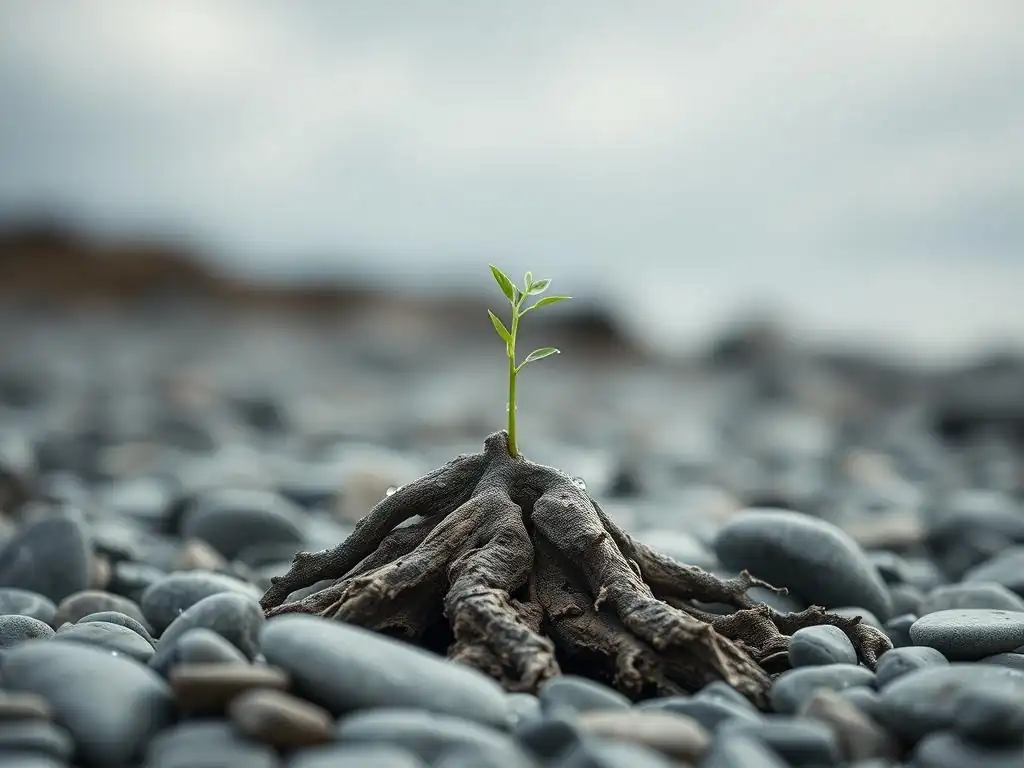
While the immediate goal of patience in trauma healing is to navigate the difficult process more effectively, the benefits extend far into the future. A recovery path characterized by patience lays the groundwork for sustained well-being, fostering deeper and more resilient changes than a rushed or impatient approach. These long-term benefits underscore why cultivating patience is not just a means to an end, but an integral part of achieving lasting health and growth after trauma.
Investing in patience during the healing journey yields dividends in numerous aspects of life, improving not only internal states but also external relationships and overall life satisfaction. These outcomes highlight the transformative power of embracing the patience trauma healing process with compassion and perseverance.
Improved Mental and Emotional Health
Perhaps the most significant long-term benefit of patient trauma recovery is sustained improvement in mental and emotional health. By allowing sufficient time and space for processing, regulation, and integration, patience facilitates deeper healing of trauma-related wounds. This leads to a significant reduction in the severity and frequency of symptoms such as flashbacks, hypervigilance, anxiety, and depression.
A patient approach enables the nervous system to truly re-regulate over time, moving from a state of chronic alert to one of greater calm and stability. It allows for the gradual development of robust coping mechanisms and emotional regulation skills that are effective in managing future stressors, not just trauma reminders. Unlike quick fixes that might mask symptoms, the slow, patient work addresses the root causes, leading to more profound and lasting peace of mind. This sustained internal stability is a hallmark outcome of the patience trauma healing process.
Trauma often damages relationships due to difficulties with trust, intimacy, communication, and emotional regulation. Patient trauma recovery contributes significantly to rebuilding and fostering stronger relationships and social connections. As individuals heal patiently, they develop better emotional regulation skills, reducing reactivity and improving communication. They also gradually rebuild the capacity for trust and vulnerability, which are essential for deep connection.
Furthermore, a patient approach to healing often involves leaning on support systems, which naturally strengthens those bonds. As individuals become more stable and secure within themselves through patient work, they are better able to show up authentically in relationships, fostering healthier dynamics free from the overwhelming influence of unresolved trauma. For example, learning to patiently communicate needs and boundaries, rather than reacting impulsively, can transform strained relationships. These improved relational skills are a direct result of the sustained effort and patience invested in the patience trauma healing process.
Increased Self-Awareness and Personal Growth
The journey of trauma healing, undertaken with patience, is a profound path of self-discovery and personal growth. By confronting difficult memories and emotions slowly and deliberately, individuals gain deep insights into their patterns, beliefs, and resilience. Patience allows for the space needed to reflect on these insights and integrate them into a more coherent sense of self.
This increased self-awareness is not just about understanding the impact of trauma, but also about recognizing personal strengths, values, and the capacity for healing. The challenges overcome through patient perseverance build immense inner strength and confidence. Many survivors report significant post-traumatic growth, finding new meaning, appreciating life more deeply, and experiencing personal transformations that would not have been possible without navigating the healing process with persistence and patience. This journey of growth is a powerful long-term outcome of the patience trauma healing process.
Patience as a Cornerstone of the Trauma Recovery Stages
Understanding that patience is not just a general virtue but a specific requirement at different stages of trauma recovery is crucial. The healing journey can be broadly conceptualized in stages, and while these stages are not always distinct or linear, each presents unique challenges and requires patience in specific ways. Recognizing the role of patience within these phases helps individuals prepare for and navigate the particular demands of each part of the patience trauma healing process.
Whether in the initial phase of establishing safety, the middle phase of processing trauma, or the later phase of reintegration and growth, patience remains a constant, essential companion. Adapting the practice of patience to the specific tasks of each stage optimizes the healing process and helps prevent feeling overwhelmed or stuck.
The early stages of trauma processing often focus on establishing safety and stability. This includes learning grounding techniques, developing coping skills to manage intense emotions and flashbacks, and building a sense of internal and external safety. This phase can feel slow and frustrating, as it may involve revisiting painful memories or simply learning to tolerate uncomfortable feelings without trying to "fix" them immediately.
Patience in this phase is crucial for allowing the nervous system to begin regulating without rushing into deeper processing before the individual is ready. It means patiently practicing grounding techniques even when they don't feel instantly effective, patiently building a support system, and patiently tolerating the discomfort of being with difficult emotions.
For example, someone learning to use a safe place visualization might find their mind wandering constantly; patience involves gently bringing their focus back, recognizing that mastery takes time and practice. This foundational patience is essential for creating the stable base needed for subsequent stages of the patience trauma healing process.
Sustaining Patience Through the Middle Stages of Healing
The middle stages of trauma healing typically involve processing the traumatic memories themselves, often through therapies like Trauma-Focused Cognitive Behavioral Therapy (TF-CBT) or Eye Movement Desensitization and Reprocessing (EMDR). This phase can be emotionally intense and challenging, as it requires confronting the trauma narrative and the associated feelings. Progress may feel uneven, with periods of intense processing followed by periods of feeling drained or experiencing increased symptoms.
Sustaining patience during this stage is vital for persevering through the difficult work. It means trusting the therapeutic process, even when it feels overwhelming or when progress seems to stall. It requires patience with oneself when faced with intense emotions or difficult memories, allowing them to surface and be processed rather than shutting down.
For instance, processing a specific memory might take multiple therapy sessions, and patience is needed to stick with the work even when it's painful, trusting that it is leading towards resolution. This sustained patience is key to moving through the core processing work of the patience trauma healing process.
Maintaining Patience and Self-Care in the Long-Term Recovery Phase
The long-term recovery phase focuses on integrating the healing experience, consolidating gains, and building a fulfilling life post-trauma. While the intensity of symptoms may decrease, this phase still requires ongoing self-care and patience. Challenges might include navigating everyday stressors without old coping mechanisms, maintaining healthy relationships, and continuing to manage occasional triggers or difficult days.
Maintaining patience in this phase involves recognizing that healing is an ongoing practice, not a destination. It means being patient with oneself when old patterns briefly resurface, patiently continuing self-care practices like mindfulness or therapy check-ins, and patiently integrating the lessons learned into daily life. It's about accepting that there might still be moments of difficulty, but trusting in one's capacity to handle them. This enduring patience ensures that the gains made are solidified and supports continued growth and well-being long after the most acute stages of the patience trauma healing process have passed.
Resources for Cultivating Patience and Supporting Trauma Healing
Embarking on the patience trauma healing process is significantly aided by accessing relevant and reliable resources. These resources can provide valuable information, practical tools, and essential support, helping individuals understand their experiences, learn effective coping strategies, and connect with professionals and communities who can guide them. Utilizing available resources empowers individuals to cultivate the patience necessary for their healing journey and reinforces that they do not have to navigate it alone.
From informative books that offer insights into trauma and recovery to organizations dedicated to providing support and connecting individuals with qualified therapists, these resources serve as vital companions on the path towards healing. Accessing them is a proactive step in building the capacity for patience and resilience.
Recommended Books on Trauma Recovery and Self-Compassion
Reading offers a powerful way to gain knowledge, feel understood, and learn practical strategies for trauma recovery and cultivating self-compassion, which is intrinsically linked to patience. Numerous highly regarded books delve into the complexities of trauma and provide frameworks for healing that emphasize a gentle, patient approach.
Examples of impactful books include those that explain the physiological impact of trauma on the brain and body, helping readers understand why healing takes time and patience. Others focus specifically on developing self-compassion practices, offering exercises and perspectives that directly support patience. While specific titles cannot be listed here, seeking out books by leading experts in trauma therapy or mindfulness-based self-compassion can provide invaluable guidance and validation for someone committed to the patience trauma healing process.
Information on Finding a Trauma-Informed Therapist
Finding a therapist who is specifically trained in trauma-informed care is one of the most important steps in the healing process. Trauma-informed therapists understand the unique needs of trauma survivors and employ therapeutic approaches that prioritize safety, trust, choice, collaboration, and empowerment. They are equipped to guide individuals through processing traumatic memories at a pace that is safe and manageable, inherently supporting the need for patience.
Information on finding such a therapist can often be found through professional organizations specializing in trauma therapy or through directories of licensed therapists. It is beneficial to look for therapists with specific certifications or training in trauma-focused modalities like EMDR, TF-CBT, Somatic Experiencing, or Internal Family Systems. Taking the time to find the right therapeutic fit requires patience itself, but it is an investment that significantly enhances the likelihood of successful and sustainable healing within the patience trauma healing process.
Diaphragmatic Breathing for Calming During Triggering Events
Diaphragmatic breathing, or deep belly breathing, is a simple yet powerful physiological technique that can be used in moments of heightened anxiety or during triggering events to promote calm and patience. When triggered, the body often enters a fight-or-flight response, characterized by rapid, shallow breathing. This physiological state makes it difficult to access rational thought or practice patience.
By consciously slowing and deepening the breath using the diaphragm, individuals can activate the parasympathetic nervous system, counteracting the stress response. Practicing diaphragmatic breathing regularly builds a tool that can be deployed in stressful moments. For example, if a flashback occurs, focusing on slow, deep breaths can help ground the individual in the present moment, creating a small window of space between the trigger and the reaction, allowing for a more patient and measured response rather than panic. Mastering this technique provides a direct, physiological pathway to supporting patience during acute distress within the patience trauma healing process.
Patience as a Cornerstone of the Trauma Recovery Stages
Understanding that patience is not just a general virtue but a specific requirement at different stages of trauma recovery is crucial. The healing journey can be broadly conceptualized in stages, and while these stages are not always distinct or linear, each presents unique challenges and requires patience in specific ways. Recognizing the role of patience within these phases helps individuals prepare for and navigate the particular demands of each part of the patience trauma healing process.
Whether in the initial phase of establishing safety, the middle phase of processing trauma, or the later phase of reintegration and growth, patience remains a constant, essential companion. Adapting the practice of patience to the specific tasks of each stage optimizes the healing process and helps prevent feeling overwhelmed or stuck.
The early stages of trauma processing often focus on establishing safety and stability. This includes learning grounding techniques, developing coping skills to manage intense emotions and flashbacks, and building a sense of internal and external safety. This phase can feel slow and frustrating, as it may involve revisiting painful memories or simply learning to tolerate uncomfortable feelings without trying to "fix" them immediately.
Patience in this phase is crucial for allowing the nervous system to begin regulating without rushing into deeper processing before the individual is ready. It means patiently practicing grounding techniques even when they don't feel instantly effective, patiently building a support system, and patiently tolerating the discomfort of being with difficult emotions.
For example, someone learning to use a safe place visualization might find their mind wandering constantly; patience involves gently bringing their focus back, recognizing that mastery takes time and practice. This foundational patience is essential for creating the stable base needed for subsequent stages of the patience trauma healing process.
Sustaining Patience Through the Middle Stages of Healing
The middle stages of trauma healing typically involve processing the traumatic memories themselves, often through therapies like Trauma-Focused Cognitive Behavioral Therapy (TF-CBT) or Eye Movement Desensitization and Reprocessing (EMDR). This phase can be emotionally intense and challenging, as it requires confronting the trauma narrative and the associated feelings. Progress may feel uneven, with periods of intense processing followed by periods of feeling drained or experiencing increased symptoms.
Sustaining patience during this stage is vital for persevering through the difficult work. It means trusting the therapeutic process, even when it feels overwhelming or when progress seems to stall. It requires patience with oneself when faced with intense emotions or difficult memories, allowing them to surface and be processed rather than shutting down.
For instance, processing a specific memory might take multiple therapy sessions, and patience is needed to stick with the work even when it's painful, trusting that it is leading towards resolution. This sustained patience is key to moving through the core processing work of the patience trauma healing process.
Maintaining Patience and Self-Care in the Long-Term Recovery Phase
The long-term recovery phase focuses on integrating the healing experience, consolidating gains, and building a fulfilling life post-trauma. While the intensity of symptoms may decrease, this phase still requires ongoing self-care and patience. Challenges might include navigating everyday stressors without old coping mechanisms, maintaining healthy relationships, and continuing to manage occasional triggers or difficult days.
Maintaining patience in this phase involves recognizing that healing is an ongoing practice, not a destination. It means being patient with oneself when old patterns briefly resurface, patiently continuing self-care practices like mindfulness or therapy check-ins, and patiently integrating the lessons learned into daily life. It's about accepting that there might still be moments of difficulty, but trusting in one's capacity to handle them. This enduring patience ensures that the gains made are solidified and supports continued growth and well-being long after the most acute stages of the patience trauma healing process have passed.
Resources for Cultivating Patience and Supporting Trauma Healing
Embarking on the patience trauma healing process is significantly aided by accessing relevant and reliable resources. These resources can provide valuable information, practical tools, and essential support, helping individuals understand their experiences, learn effective coping strategies, and connect with professionals and communities who can guide them. Utilizing available resources empowers individuals to cultivate the patience necessary for their healing journey and reinforces that they do not have to navigate it alone.
From informative books that offer insights into trauma and recovery to organizations dedicated to providing support and connecting individuals with qualified therapists, these resources serve as vital companions on the path towards healing. Accessing them is a proactive step in building the capacity for patience and resilience.
Recommended Books on Trauma Recovery and Self-Compassion
Reading offers a powerful way to gain knowledge, feel understood, and learn practical strategies for trauma recovery and cultivating self-compassion, which is intrinsically linked to patience. Numerous highly regarded books delve into the complexities of trauma and provide frameworks for healing that emphasize a gentle, patient approach.
Examples of impactful books include those that explain the physiological impact of trauma on the brain and body, helping readers understand why healing takes time and patience. Others focus specifically on developing self-compassion practices, offering exercises and perspectives that directly support patience. While specific titles cannot be listed here, seeking out books by leading experts in trauma therapy or mindfulness-based self-compassion can provide invaluable guidance and validation for someone committed to the patience trauma healing process.
Information on Finding a Trauma-Informed Therapist
Finding a therapist who is specifically trained in trauma-informed care is one of the most important steps in the healing process. Trauma-informed therapists understand the unique needs of trauma survivors and employ therapeutic approaches that prioritize safety, trust, choice, collaboration, and empowerment. They are equipped to guide individuals through processing traumatic memories at a pace that is safe and manageable, inherently supporting the need for patience.
Information on finding such a therapist can often be found through professional organizations specializing in trauma therapy or through directories of licensed therapists. It is beneficial to look for therapists with specific certifications or training in trauma-focused modalities like EMDR, TF-CBT, Somatic Experiencing, or Internal Family Systems. Taking the time to find the right therapeutic fit requires patience itself, but it is an investment that significantly enhances the likelihood of successful and sustainable healing within the patience trauma healing process.
Frequently Asked Questions
What role does patience play in the trauma healing process?
Patience is crucial because healing from trauma is rarely linear. It involves ups and downs, setbacks, and requires allowing yourself the time and space needed to process difficult emotions and memories.
Why is it so difficult to be patient when healing from trauma?
Trauma often leaves individuals feeling anxious, overwhelmed, and desperate for relief. This can lead to impatience and a desire for a quick fix which isn't realistic for deep emotional healing.
How can I cultivate more patience during my trauma recovery journey?
Practice self-compassion and acceptance. Recognize that progress is not always visible and celebrate small victories along the way. Focus on the present moment rather than dwelling on the past or future.
What are some signs that I might be lacking patience in my trauma healing process?
Common signs include becoming easily frustrated, engaging in self-destructive behaviors, pushing yourself too hard, or feeling constantly disappointed in your progress. Remember self-care is vital.
Are there resources available to help me develop patience during my trauma healing?
Yes, therapy, mindfulness practices, support groups, and self-help books can provide guidance and tools for cultivating patience. A mental health professional can tailor strategies to your specific needs.
Final Reflection: Cultivating Patience: The Long Road to Healing
The journey of trauma healing is not a sprint, but a marathon requiring unwavering patience. This article has explored the multifaceted nature of trauma and highlighted the crucial role patience plays in navigating its complexities. Understanding the intricacies of the healing process, from the initial stages of shock and denial to the eventual acceptance and integration of trauma, demands a profound understanding of the time and effort involved. This isn't merely a matter of waiting; it's about actively cultivating patience as a vital tool for recovery.
The impact of trauma extends far beyond the initial event, rippling through relationships, self-perception, and overall well-being. Its influence on the cultural landscape is undeniable, with increasing awareness of the prevalence of trauma and the need for compassionate support. Healing is not a linear process; it's a journey with twists and turns, setbacks and breakthroughs.
This quote perfectly encapsulates the reality of trauma recovery, emphasizing the importance of self-compassion and the acceptance of a non-linear path. My own personal journey in researching this topic has underscored the need for patience not only for the individual healing but also for the collective understanding and support systems that are crucial for effective healing.
You, the reader, are now equipped with a deeper understanding of the importance of patience in your own healing journey, or in supporting someone else on theirs. Remember that setbacks are inevitable, and self-criticism is counterproductive. Embrace the process, celebrate small victories, and allow yourself the time and space needed to heal. Cultivate patience, not as a passive waiting game, but as an active practice of self-compassion and resilience. Your journey is unique, and your healing deserves the time it needs.
Uncover Your Inner Resilience: Next Steps in Your Healing Journey
Thanks for taking the time to explore the powerful role of patience in trauma healing. We hope this article equipped you with valuable insights and a renewed sense of hope. Now, let's put that knowledge into action!
- Prioritize self-compassion: Schedule 15 minutes each day for a mindful activity that nurtures your emotional well-being—this could be meditation, journaling, or simply enjoying a warm cup of tea.
- Engage with our supportive community: Share your thoughts and experiences in the comments below—you might be surprised by the connections you make and the support you receive.
- Explore additional resources:Discover more articles on Mind Care Guide focused on self-care techniques for trauma recovery.
What small step will you take today to cultivate patience and nurture your healing journey?