
The Most Effective Books for Anxiety Control: Expert Guide


Welcome to Mind Care Guide, your sanctuary for navigating the complexities of mental well-being. Feeling overwhelmed by anxiety? You're not alone. We understand the weight it carries, and we're here to help you find your footing. Dive into our expert guide on anxiety books for self-help, where we'll explore resources that can empower you to take control and cultivate a calmer, more centered you. What are the most effective strategies hidden within these pages? Let's uncover them together...
The Most Effective Books for Anxiety Control: Expert Guide
- Introduction: Finding Calm with Anxiety Books for Self-Help
-
Top Anxiety Books for Self-Help: Expert Recommendations
- 1. "Dare: The New Way to End Anxiety and Stop Panic Attacks" - A Practical Approach to Anxiety Relief
- 2. "Feeling Good: The New Mood Therapy" - Cognitive Behavioral Therapy (CBT) Techniques in a Book
- 3. "The Anxiety and Phobia Workbook" - A Comprehensive Guide to Overcoming Anxiety
- 4. "Declutter Your Mind: How to Stop Worrying, Relieve Anxiety, and Eliminate Negative Thinking" - Mental Clarity for Anxiety Reduction
- 5. "Attached: The New Science of Adult Attachment and How It Can Help You Find - and Keep - Love" - Understanding Attachment Styles and Anxiety in Relationships
- Choosing the Right Anxiety Self-Help Book for Your Needs
- Beyond Books: Complementary Strategies for Anxiety Management
- Maximizing the Benefits of Your Anxiety Self-Help Journey
- Conclusion: Empowering Yourself with Anxiety Books and Resources
-
Frequently Asked Questions
- What are the key benefits of using anxiety books for self-help?
- How do I choose the right anxiety book for my specific needs?
- Can anxiety books completely replace therapy or medication?
- What are some common techniques taught in anxiety self-help books?
- How long does it typically take to see results from using anxiety self-help books?
- Final Reflection: Finding Calm in the Pages: A Journey Through Anxiety Relief
- Unlock Your Calm: Start Your Anxiety Journey Today!
Introduction: Finding Calm with Anxiety Books for Self-Help
Understanding Anxiety and the Power of Self-Help Literature
Anxiety is a pervasive challenge affecting millions worldwide. According to the World Health Organization (WHO), anxiety disorders are among the most common mental disorders globally, impacting approximately 4% of the population. This includes generalized anxiety disorder, panic disorder, social anxiety disorder, and specific phobias. While professional help is crucial for many, anxiety books for selfhelp offer an accessible and empowering pathway for individuals to understand their experiences and learn coping strategies from the comfort of their homes. These resources can demystify anxiety, explaining its physiological and psychological components, and provide practical techniques to manage symptoms effectively.
Self-help literature focused on anxiety control serves as a valuable first step or a complementary tool alongside therapy. These books are often written by psychologists, therapists, or individuals with lived experience, distilling complex therapeutic approaches into actionable steps. They cover a range of topics, from understanding the root causes of anxiety to implementing daily practices like mindfulness, cognitive restructuring, and exposure techniques. Engaging with anxiety books for selfhelp can provide a structured way to learn about evidence-based methods and build resilience against anxious thoughts and feelings.
Why Choose Anxiety Books for Self-Management?
Choosing anxiety books for selfhelp offers several distinct advantages. Firstly, they provide flexibility and privacy. You can engage with the material at your own pace, in your own space, without the constraints of appointment schedules. This can be particularly helpful for individuals who are not yet ready for formal therapy or face barriers to accessing it. The cost is also significantly lower than ongoing therapy sessions, making evidence-based strategies more widely available.
Secondly, these books empower individuals by giving them tools and knowledge. They explain why certain techniques work, often illustrating concepts with relatable examples or case studies. This understanding can foster a sense of control and agency over one's anxiety, shifting from feeling overwhelmed by symptoms to actively working towards managing them. Many find that the structured approach of working through exercises and chapters in anxiety books for selfhelp helps them build new habits and thought patterns that reduce the intensity and frequency of their anxiety symptoms over time.
Top Anxiety Books for Self-Help: Expert Recommendations
1. "Dare: The New Way to End Anxiety and Stop Panic Attacks" - A Practical Approach to Anxiety Relief
Barry McDonagh's "Dare" presents a direct and counter-intuitive approach to managing anxiety and panic attacks, diverging from traditional relaxation-focused methods. The book's core philosophy centers on accepting and even "daring" uncomfortable feelings rather than fighting or avoiding them. This involves a four-step process: Defuse, Accept, Run Towards, and Engage. By encouraging readers to lean into their anxiety and panic sensations, McDonagh argues that they can break the cycle of fear that perpetuates these states. The book is filled with practical scripts and responses for common anxious thoughts and physical sensations, making it highly actionable.
"Dare" provides a refreshingly simple framework that is easy to remember and apply in real-time during moments of heightened anxiety or panic. It emphasizes that anxiety is not dangerous and that resistance is what often amplifies suffering. For example, instead of trying to distract from a racing heart, the book suggests acknowledging it and continuing with your activity. This approach aligns with aspects of Acceptance and Commitment Therapy (ACT), focusing on living a meaningful life alongside difficult internal experiences. Readers often report feeling a sense of liberation and empowerment by adopting the "dare" attitude towards their anxiety.
Key Features and Benefits of "Dare"
"Dare" is lauded for its straightforward language and actionable techniques. One key feature is its focus on breaking the fear-avoidance cycle, which is a common driver of persistent anxiety. The book provides specific phrases and internal dialogues to use when anxiety strikes, such as "I notice I'm feeling anxious, and that's okay." It also includes practical exercises for dealing with specific symptoms like intrusive thoughts or difficulty breathing. The benefits include rapid applicability of techniques, a shift in perspective from fear to acceptance, and empowerment through confronting rather than avoiding anxiety.
Another significant benefit is the book's emphasis on living fully despite anxiety. The "Engage" step encourages readers to turn their attention outward and participate in life, which naturally reduces self-focus on anxious feelings. This practical approach contrasts with methods that might inadvertently reinforce the idea that anxiety is something to be eliminated before life can resume. The book also addresses common questions and scenarios, making it a comprehensive guide for navigating various anxiety-provoking situations using the "Dare" method.
Who Should Read "Dare"?
"Dare" is particularly well-suited for individuals who experience panic attacks or intense, sudden bouts of anxiety. Its practical, step-by-step guidance is designed for immediate application in stressful situations. People who have tried traditional relaxation techniques without success might find the counter-intuitive "dare" approach a powerful alternative. It's also beneficial for those who tend to catastrophize or engage in significant avoidance behaviors due to fear of anxiety symptoms.
The book's accessible style makes it suitable for anyone seeking an easy-to-understand and actionable guide to managing anxiety. It doesn't require prior knowledge of psychological concepts and gets straight to practical application. However, individuals with complex trauma or severe, chronic anxiety might benefit from using "Dare" in conjunction with professional therapy, as the book's primary focus is on managing acute anxiety and panic rather than exploring deeper underlying causes.
2. "Feeling Good: The New Mood Therapy" - Cognitive Behavioral Therapy (CBT) Techniques in a Book
Dr. David Burns' "Feeling Good" is a landmark book that introduced Cognitive Behavioral Therapy (CBT) principles to a mass audience, becoming a foundational text among anxiety books for selfhelp. The book is based on the premise that our thoughts significantly influence our feelings and behaviors. By identifying and challenging distorted thinking patterns – such as all-or-nothing thinking, overgeneralization, and mental filters – individuals can change their emotional responses, including anxiety and depression. Burns provides detailed explanations of common cognitive distortions and practical exercises, like the Daily Mood Log, to help readers track and restructure their thoughts.
Published in 1980, "Feeling Good" has sold millions of copies and remains highly relevant due to the enduring effectiveness of CBT. It systematically walks the reader through the process of recognizing automatic negative thoughts (ANTs) and developing more balanced, realistic perspectives. The book uses numerous case examples to illustrate how cognitive techniques can be applied to a wide range of emotional problems, including various forms of anxiety. Its emphasis on measurable progress through tracking exercises empowers readers to take an active role in their own mental well-being.
Understanding CBT Principles within "Feeling Good"
"Feeling Good" is deeply rooted in the principles of Cognitive Behavioral Therapy, which posits a strong connection between thoughts, feelings, and behaviors. The book explains how irrational or distorted thinking patterns, often referred to as cognitive distortions, contribute significantly to negative emotions like anxiety. For instance, someone with social anxiety might engage in "mind reading," assuming others are judging them negatively without evidence, leading to increased anxiety and avoidance. The book outlines specific techniques to identify these distortions as they occur.
A core principle elaborated in the book is cognitive restructuring. This involves challenging the validity of negative thoughts by examining the evidence for and against them and developing more balanced or realistic alternatives. Burns provides various techniques, such as the "double-column technique" or "triple-column technique" (Daily Mood Log), where individuals write down the distressing thought, the associated feeling, and then analyze the thought for distortions before writing a more rational response. This systematic process helps weaken the belief in negative thoughts and reduces their emotional impact, including anxiety.
How "Feeling Good" Helps Challenge Negative Thoughts and Reduce Anxiety
"Feeling Good" provides readers with a toolkit to actively challenge the negative thoughts that fuel their anxiety. By learning to identify specific cognitive distortions like "catastrophizing" (expecting the worst-case scenario) or "fortune telling" (predicting negative outcomes), individuals can recognize when their thinking is becoming biased or irrational. The book then guides them through the process of questioning these thoughts: Is this thought truly accurate? What is the evidence for it? What is the evidence against it? What would I tell a friend in this situation?
The practical exercises, particularly the Daily Mood Log, are central to applying these techniques. By regularly recording distressing situations, automatic thoughts, emotions, and then analyzing and restructuring the thoughts, readers develop skill in identifying and modifying their thinking patterns. Over time, this practice helps to reduce the automaticity and intensity of negative thoughts associated with anxiety, leading to a decrease in anxious feelings and behaviors. The book empowers individuals to become their own cognitive therapists, equipped to challenge the internal dialogue that perpetuates anxiety.
3. "The Anxiety and Phobia Workbook" - A Comprehensive Guide to Overcoming Anxiety
Edmund J. Bourne's "The Anxiety and Phobia Workbook" is a widely recommended and comprehensive resource, often suggested by therapists as one of the essential anxiety books for selfhelp. Now in its seventh edition, this workbook provides a wealth of information on understanding and managing various anxiety disorders, including generalized anxiety disorder, panic disorder, social anxiety, and specific phobias. It integrates techniques from multiple therapeutic modalities, such as CBT, mindfulness, acceptance and commitment therapy (ACT), and exposure therapy.
The workbook format is designed for active participation, featuring numerous questionnaires, exercises, and journaling prompts. It covers a broad spectrum of topics, including relaxation techniques, physical exercise, nutrition, understanding the link between thoughts and feelings, challenging fearful beliefs, and strategies for confronting feared situations gradually. Its depth and breadth make it suitable for individuals dealing with a wide range of anxiety symptoms and seeking a structured, step-by-step program for recovery.
In-Depth Exploration of Anxiety Disorders
"The Anxiety and Phobia Workbook" dedicates significant sections to explaining the different types of anxiety disorders in detail. It provides diagnostic criteria (based on systems like the DSM, though simplified for accessibility) and common symptoms for conditions like panic disorder (including agoraphobia), social anxiety disorder, specific phobias (e.g., fear of flying, spiders), and generalized anxiety disorder (GAD). This detailed exploration helps readers identify with specific patterns of anxiety they might be experiencing, validating their struggles and providing clarity.
Beyond symptom identification, the workbook delves into the potential causes and maintaining factors of anxiety, including genetic predisposition, brain chemistry, learned behaviors, and environmental stressors. It explains the physiological components of anxiety, like the fight-or-flight response, helping readers understand the physical sensations they experience. This comprehensive understanding is crucial for reducing the fear of the symptoms themselves and for choosing the most relevant strategies within the workbook.
Practical Exercises and Strategies for Managing Anxiety and Phobias
One of the key strengths of "The Anxiety and Phobia Workbook" lies in its extensive collection of practical exercises and strategies. It offers step-by-step instructions for techniques such as progressive muscle relaxation, diaphragmatic breathing, and visualization to manage the physical symptoms of anxiety. It also includes detailed guidance on cognitive restructuring, similar to "Feeling Good," but often with additional worksheets and examples tailored to specific anxiety types.
Furthermore, the workbook provides in-depth modules on exposure therapy, a highly effective technique for phobias and panic disorder. It explains how to create a fear hierarchy and gradually confront feared situations or sensations in a controlled manner. For example, someone with a fear of public speaking might start by speaking to one person, then a small group, building up to a larger audience. The workbook also incorporates mindfulness exercises, assertiveness training, and guidance on lifestyle factors like sleep and diet, offering a truly holistic approach to anxiety management.
4. "Declutter Your Mind: How to Stop Worrying, Relieve Anxiety, and Eliminate Negative Thinking" - Mental Clarity for Anxiety Reduction
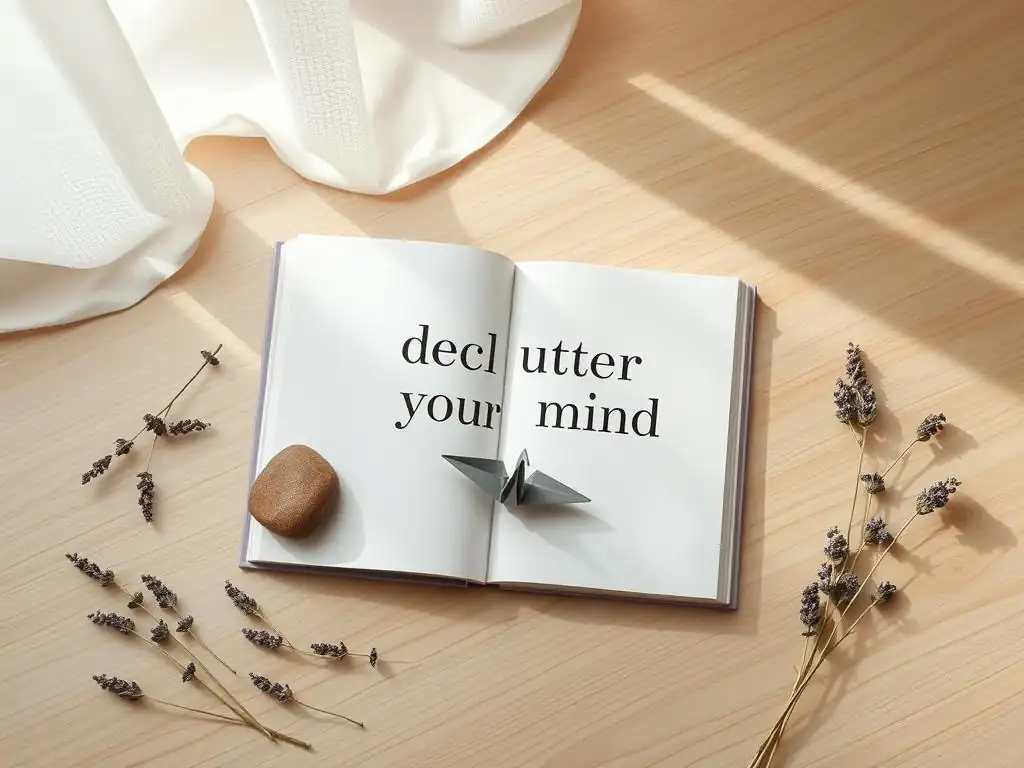
S.J. Scott and Barrie Davenport's "Declutter Your Mind" focuses on practical, actionable strategies to quiet an overactive mind, a common issue for those dealing with anxiety and worry. The book posits that much of our anxiety stems from dwelling on past events or worrying excessively about the future. It provides techniques rooted in mindfulness and cognitive strategies to help readers gain control over their thoughts and reduce mental clutter. This makes it a popular choice among anxiety books for selfhelp aimed at reducing rumination and overthinking.
The book is structured around simple, easy-to-implement habits and exercises that can be integrated into daily life. It covers topics such as identifying the sources of mental clutter, using mindfulness to stay present, challenging negative thought patterns, organizing thoughts, and creating mental space. Unlike more clinical workbooks, "Declutter Your Mind" takes a more accessible, habit-building approach, making it appealing to those new to self-help or seeking quick, practical wins in managing their mental state.
Simple Strategies for Decluttering the Mind
"Declutter Your Mind" offers a variety of straightforward strategies designed to help individuals manage the constant stream of thoughts that contribute to anxiety. One core technique involves identifying and categorizing thoughts – distinguishing between productive problem-solving thoughts and unproductive worries. The book suggests scheduling "worry time" to contain anxious thoughts within a specific period, preventing them from consuming the entire day. Another strategy is using journaling to externalize thoughts, which can help create distance and gain perspective on overwhelming mental chatter.
The book also emphasizes the importance of setting boundaries, both in terms of commitments and mental space. It suggests techniques for saying no to things that add unnecessary stress and creating routines that support mental clarity. Simple actions like tidying your physical space are also linked to reducing mental clutter. These strategies are presented as habits to be built over time, encouraging a gradual shift towards a calmer, more organized mind.
The Benefits of Mindfulness and Meditation
Mindfulness and meditation are central components of the "Declutter Your Mind" approach to anxiety relief. The book explains how practicing mindfulness – paying attention to the present moment without judgment – can help reduce the tendency to dwell on past regrets or future worries. By focusing on sensory experiences or the breath, individuals can interrupt the cycle of anxious thinking and cultivate a sense of calm. The book provides simple mindfulness exercises that can be done anywhere, anytime, such as mindful breathing or a body scan.
Meditation is presented as a tool to train the mind to focus and resist getting carried away by thoughts. Even short, guided meditations (though the book itself doesn't include audio, it explains the principles) can help increase awareness of thought patterns without getting entangled in them. The benefits discussed include improved focus, reduced reactivity to stressful thoughts, increased self-awareness, and a greater capacity to tolerate uncomfortable feelings without becoming overwhelmed. By incorporating these practices, readers can build resilience against the mental clutter that fuels anxiety.
5. "Attached: The New Science of Adult Attachment and How It Can Help You Find - and Keep - Love" - Understanding Attachment Styles and Anxiety in Relationships
Amir Levine and Rachel S.F. Heller's "Attached" explores how understanding adult attachment styles – Secure, Anxious, and Avoidant – can profoundly impact relationships and personal well-being, including anxiety. This book is a crucial read among anxiety books for selfhelp for anyone whose anxiety is significantly triggered or exacerbated within romantic relationships. It explains the science behind these styles, drawing on decades of research, and provides practical guidance for recognizing your own style and that of your partner, and navigating relationship challenges.
The book details how individuals with an Anxious attachment style often experience heightened worry about their relationships, fearing abandonment or insufficient closeness. This can manifest as excessive need for reassurance, jealousy, or difficulty feeling secure unless constantly connected. "Attached" provides insights into why these patterns occur and offers strategies for those with Anxious styles to communicate their needs effectively and choose partners who are more likely to foster a secure connection, thereby reducing relationship-related anxiety.
The Link Between Attachment and Anxiety
"Attached" clearly articulates the strong connection between an individual's attachment style and their experience of anxiety, particularly in interpersonal contexts. The book explains that attachment styles develop early in life based on interactions with primary caregivers and influence how we seek closeness and respond to perceived threats in adult relationships. Individuals with an Anxious attachment style often had caregivers who were inconsistent in their responsiveness, leading to a hyperactivation of the attachment system – a constant state of vigilance for signs of rejection or abandonment.
This hyperactivation manifests as anxiety in adult relationships. People with Anxious attachment may feel chronically insecure, worry excessively about their partner's feelings or commitment, misinterpret ambiguous signals negatively, and engage in "protest behaviors" (like excessive calling, withdrawal, or manipulation) to regain closeness or attention. The book provides examples and explanations rooted in psychological research to illustrate how these patterns play out, helping readers recognize their own anxious attachment behaviors and understand their origins.
How to Improve Relationships Using Attachment Theory
"Attached" provides practical strategies for improving relationships, especially for those with Anxious attachment styles seeking to reduce relationship-related anxiety. A key recommendation is identifying your needs for closeness and security and learning to communicate them directly and effectively to your partner, rather than relying on hints or protest behaviors. The book also guides individuals with Anxious styles on how to choose partners who are securely attached, as secure partners can provide the consistency and reassurance needed to help dampen the anxious attachment system over time.
Furthermore, the book helps readers understand the dynamics that occur when different attachment styles interact, particularly between Anxious and Avoidant partners, which can create a painful "anxiety-avoidance trap." By understanding these dynamics, individuals can stop blaming themselves or their partner and instead work towards healthier communication patterns or recognize when a relationship dynamic is fundamentally incompatible with their needs. The goal is to move towards earned security by building relationships based on reliable connection and clear communication, thereby reducing relationship-driven anxiety.
Choosing the Right Anxiety Self-Help Book for Your Needs
Selecting the most suitable book from the many available anxiety books for selfhelp can feel overwhelming. The "best" book is highly personal and depends on your specific situation, the nature of your anxiety, and your preferred learning style. Considering these factors will help you find a resource that resonates with you and provides the most effective tools for your journey towards managing anxiety. It's worth exploring different options and perhaps even combining techniques from multiple books.
Think about what aspects of anxiety you want to address most urgently. Are you struggling with panic attacks, constant worry, social fears, or anxiety in relationships? Different books specialize in different areas. For example, "Dare" is excellent for panic, while "Attached" focuses on relationship anxiety. A general workbook like "The Anxiety and Phobia Workbook" offers a broad spectrum of tools if you're unsure where to start or experience multiple types of anxiety.
Identifying Your Specific Anxiety Triggers and Symptoms
Before selecting an anxiety book for selfhelp, take some time to reflect on your personal experience with anxiety. What situations or thoughts typically trigger your anxiety? Does it manifest primarily as physical symptoms (like a racing heart or shortness of breath), cognitive symptoms (like excessive worry or catastrophic thinking), or behavioral symptoms (like avoidance)? Understanding your unique pattern of anxiety will help you choose a book that directly addresses your main challenges.
For instance, if your anxiety is dominated by physical panic sensations, a book like "Dare" that specifically targets panic might be most helpful. If your anxiety involves constant worrying and overthinking, a book focusing on cognitive restructuring like "Feeling Good" or thought management like "Declutter Your Mind" could be more relevant. If your anxiety is tied to specific fears or phobias, a comprehensive workbook with exposure therapy guidance like "The Anxiety and Phobia Workbook" would be beneficial. Listing your main triggers and symptoms can provide clarity.
Considering Different Therapeutic Approaches: CBT, ACT, Mindfulness
Many anxiety books for selfhelp are based on specific therapeutic modalities. Understanding the basic principles of these approaches can help you choose a book that aligns with your preferred way of working through challenges. Cognitive Behavioral Therapy (CBT) focuses on identifying and changing negative thought patterns and behaviors. Books like "Feeling Good" are classic CBT resources.
Acceptance and Commitment Therapy (ACT) encourages accepting difficult thoughts and feelings while committing to values-driven actions. While not explicitly an ACT book, "Dare" shares principles with ACT by encouraging acceptance of anxiety. Mindfulness-based approaches, like those in "Declutter Your Mind," focus on present-moment awareness without judgment. Exposure therapy, a component often found in workbooks like "The Anxiety and Phobia Workbook," involves gradually confronting feared situations. Consider which approach resonates most with you or seems most relevant to your symptoms.
Reading Reviews and Seeking Recommendations for Anxiety Relief Books
Once you have an idea of the type of book or therapeutic approach you're interested in, reading reviews can provide valuable insights. Look for reviews from other readers who share similar experiences with anxiety. Pay attention to comments about the book's practicality, clarity, and effectiveness. Websites like Goodreads or Amazon often have extensive reviews for popular anxiety books for selfhelp.
Additionally, seeking recommendations from trusted sources can be helpful. If you are seeing a therapist or counselor, ask them for suggestions; they often have familiarity with different self-help resources. Friends or family members who have successfully used self-help books for anxiety might also offer valuable insights. Combining your self-assessment with external recommendations can increase your chances of finding a book that genuinely helps you manage your anxiety.
Beyond Books: Complementary Strategies for Anxiety Management

While anxiety books for selfhelp are powerful tools, they are often most effective when used as part of a broader strategy for managing anxiety. Relying solely on books might not be sufficient for everyone, especially those with severe or complex anxiety. Integrating other evidence-based approaches can significantly enhance your progress and overall well-being. Think of self-help books as one piece of a larger puzzle in building a resilient mental health strategy.
A holistic approach often includes professional support, lifestyle adjustments, and consistent practice of calming techniques. Combining the knowledge gained from anxiety books for selfhelp with these other elements creates a more robust framework for long-term anxiety control. It's about building a comprehensive toolkit tailored to your individual needs and circumstances.
The Role of Therapy and Counseling
For many individuals, therapy or counseling is an essential component of effectively managing anxiety. Therapists can provide personalized support, help explore the root causes of anxiety, teach coping skills tailored to specific situations, and work through complex issues like trauma that self-help books might not adequately address. Evidence-based therapies like Cognitive Behavioral Therapy (CBT), Exposure Therapy, Acceptance and Commitment Therapy (ACT), and Psychodynamic Therapy have strong track records in treating anxiety disorders.
Working with a therapist can also help you get the most out of anxiety books for selfhelp. A therapist can recommend specific books, help you understand and apply the concepts correctly, troubleshoot difficulties you encounter while working through exercises, and provide accountability. Think of it as having a guide to support you on your self-help journey, ensuring you're using the tools effectively and addressing any underlying issues that books alone cannot resolve.
Lifestyle Changes: Diet, Exercise, and Sleep for Anxiety Reduction
Significant research supports the impact of lifestyle factors on anxiety levels. Making positive changes to diet, exercise, and sleep can be powerful complementary strategies to using anxiety books for selfhelp. For example, regular physical activity has been shown to reduce anxiety symptoms, potentially by releasing endorphins and reducing stress hormones like cortisol. Aiming for 30 minutes of moderate exercise most days of the week can make a noticeable difference.
Diet also plays a role; reducing caffeine and sugar intake, staying hydrated, and eating balanced meals can help stabilize mood and energy levels, reducing anxiety spikes. Sleep is particularly crucial; chronic sleep deprivation can significantly worsen anxiety. Establishing a consistent sleep schedule and practicing good sleep hygiene (like creating a dark, quiet sleep environment and avoiding screens before bed) can improve sleep quality and, consequently, reduce anxiety. These lifestyle changes support the brain's ability to regulate mood and stress responses, making it easier to implement strategies learned from anxiety books for selfhelp.
Mindfulness and Meditation Practices for Anxiety Control
As highlighted in books like "Declutter Your Mind," mindfulness and meditation are valuable practices for managing anxiety. Consistent practice helps train your mind to be less reactive to anxious thoughts and sensations. Mindfulness involves paying attention to the present moment without judgment, which can interrupt cycles of worry about the past or future. Even just a few minutes of mindful breathing each day can help cultivate a sense of calm.
Meditation, whether guided or unguided, can build your capacity to observe thoughts and feelings without getting swept away by them. There are numerous apps and online resources available to support a meditation practice. Integrating these practices, perhaps learned initially from anxiety books for selfhelp, into your daily routine provides ongoing support for managing anxiety symptoms and building emotional resilience.
Maximizing the Benefits of Your Anxiety Self-Help Journey
Simply purchasing anxiety books for selfhelp is the first step; actively engaging with the material is key to seeing results. These books are not meant to be read like novels; they are tools designed for interaction and application. To truly benefit from them, you need to approach them with intention and commitment, implementing the strategies and monitoring your progress.
Making the most of your self-help journey involves active participation, consistent effort, and self-compassion. It's about experimenting with different techniques, seeing what works best for you, and adapting the strategies to fit your life. It's also important to remember that progress isn't always linear, and setbacks are a normal part of the process.
Active Reading and Implementation of Strategies
To maximize the benefits of anxiety books for selfhelp, engage in active reading. This means more than just reading the words on the page. Take notes, highlight key passages, and use sticky flags to mark important exercises or concepts. Treat the book like a personal workbook. When a book suggests an exercise, actually do it. If it recommends tracking thoughts, use the provided templates or create your own.
Implementing the strategies consistently is crucial. Learning a new technique, whether it's cognitive restructuring or a relaxation exercise, requires practice. Try incorporating the recommended exercises into your daily or weekly routine. For example, schedule 10-15 minutes each day to practice mindful breathing or work on a cognitive restructuring worksheet. The more you practice, the more automatic and effective the techniques will become in reducing your anxiety.
Tracking Your Progress and Identifying What Works Best
Monitoring your progress is essential for understanding the impact of the strategies you are implementing from anxiety books for selfhelp. Consider keeping a journal or using a simple rating scale (e.g., 1-10) to track your anxiety levels before and after practicing specific techniques or over time. Note down which strategies seemed most helpful in particular situations.
This tracking helps you identify what works best for you. Not every technique in a book will be equally effective for everyone. By monitoring your responses, you can focus your efforts on the strategies that provide the most significant relief and tailor your approach. It also provides tangible evidence of your progress, which can be incredibly motivating during challenging moments. Seeing that your average anxiety rating has decreased over several weeks, or that you handled a previously feared situation better after practicing a technique, reinforces your efforts.
Seeking Support from Friends, Family, or Support Groups
Embarking on a self-help journey doesn't mean you have to do it alone. Sharing what you're learning and experiencing with trusted friends or family members can provide valuable emotional support and encouragement. They can offer a listening ear, help you stay accountable to your goals, and celebrate your successes. Sometimes, simply talking about what you're working on can help solidify your understanding and commitment.
Joining an anxiety support group, either in person or online, can also be incredibly beneficial. Connecting with others who are also working on managing their anxiety can reduce feelings of isolation, provide a space to share experiences and tips, and offer mutual encouragement. While anxiety books for selfhelp provide the knowledge and tools, social support provides the human connection and understanding that is vital for mental well-being.
Conclusion: Empowering Yourself with Anxiety Books and Resources
Anxiety is a challenging experience, but it is manageable. Anxiety books for selfhelp represent a powerful and accessible resource for gaining understanding, learning practical strategies, and taking an active role in your mental health journey. From foundational texts on CBT like "Feeling Good" to practical guides for panic like "Dare," comprehensive workbooks like "The Anxiety and Phobia Workbook," mind-decluttering approaches like "Declutter Your Mind," and insightful explorations of relationship anxiety like "Attached," there is a wealth of knowledge available to support you.
Choosing the right book involves reflecting on your specific needs, understanding different therapeutic approaches, and seeking recommendations. Remember that these books are most effective when used actively, with consistent practice and tracking of progress. Furthermore, integrating the knowledge gained from anxiety books for selfhelp with complementary strategies like therapy, lifestyle changes, and social support creates the most robust foundation for long-term anxiety management. By leveraging these resources, you can build resilience, reduce the impact of anxiety on your life, and cultivate a greater sense of calm and control.
Recap of Top Recommended Anxiety Books
- "Dare: The New Way to End Anxiety and Stop Panic Attacks" by Barry McDonagh: Excellent for directly confronting and reducing panic attacks and acute anxiety through counter-intuitive acceptance.
- "Feeling Good: The New Mood Therapy" by David D. Burns: A classic guide to using Cognitive Behavioral Therapy (CBT) to challenge negative thoughts contributing to anxiety and depression.
- "The Anxiety and Phobia Workbook" by Edmund J. Bourne: A comprehensive, multi-modal resource with extensive exercises covering various anxiety disorders and phobias.
- "Declutter Your Mind: How to Stop Worrying, Relieve Anxiety, and Eliminate Negative Thinking" by S.J. Scott and Barrie Davenport: Offers simple, actionable strategies rooted in mindfulness to reduce worry and mental clutter.
- "Attached: The New Science of Adult Attachment and How It Can Help You Find - and Keep - Love" by Amir Levine and Rachel S.F. Heller: Provides insights and tools for managing anxiety specifically related to romantic relationships through the lens of attachment theory.
Building a Personalized Anxiety Management Plan
Armed with the knowledge and techniques from anxiety books for selfhelp and potentially other resources, the final step is to build a personalized anxiety management plan. This plan should be flexible and adaptable, incorporating the strategies that you found most effective through practice and tracking.
Your plan might include:
- Specific daily or weekly times dedicated to practicing techniques (e.g., 10 minutes of mindfulness, working through a workbook exercise).
- Strategies for challenging anxious thoughts using techniques learned from books like "Feeling Good" or "Declutter Your Mind."
- Action steps for gradually confronting feared situations based on principles from "Dare" or "The Anxiety and Phobia Workbook."
- Commitments to lifestyle changes, such as a regular exercise routine or consistent sleep schedule.
- Identifying your support network and knowing when and how to reach out for help from friends, family, or a therapist.
By actively creating and implementing a personalized plan drawing from these valuable anxiety books for selfhelp and other resources, you empower yourself to navigate anxiety more effectively and build a calmer, more fulfilling life.
Frequently Asked Questions
What are the key benefits of using anxiety books for self-help?
Anxiety books provide accessible and affordable self-help resources. They offer evidence-based techniques and strategies to manage anxiety symptoms in a personalized manner, promoting greater self-awareness.
How do I choose the right anxiety book for my specific needs?
Consider the book's focus: is it generalized anxiety, social anxiety, or panic disorder? Look for books written by qualified therapists or researchers in the field. Read reviews and summaries to ensure it aligns with your personal preferences and challenges.
Can anxiety books completely replace therapy or medication?
Anxiety books can be a valuable supplement to therapy or medication, but may not be a complete replacement for everyone. Individuals with severe or persistent anxiety should consult a mental health professional for proper diagnosis and treatment.
What are some common techniques taught in anxiety self-help books?
Common techniques include cognitive behavioral therapy (CBT), mindfulness exercises, and relaxation techniques. Books often teach coping mechanisms for managing triggers and challenging negative thought patterns.
How long does it typically take to see results from using anxiety self-help books?
Results vary depending on the individual and the severity of their anxiety. Consistent practice of the recommended techniques is crucial, and it may take several weeks or months to experience noticeable improvement.
Final Reflection: Finding Calm in the Pages: A Journey Through Anxiety Relief
The overwhelming prevalence of anxiety in our modern world demands effective coping mechanisms, and the power of self-help books in this fight cannot be overstated. These aren't just words on a page; they're tools, offering practical strategies and empathetic guidance to navigate the turbulent waters of anxiety. The books highlighted in this guide represent a starting point, a pathway toward reclaiming control and finding inner peace.
The journey toward managing anxiety is deeply personal, and the impact of these books extends far beyond the individual. They offer a sense of community, a shared experience that validates feelings and fosters hope. The consistent message woven throughout these texts—that you are not alone, that recovery is possible—is profoundly impactful. The most beautiful people I've known are those who have known trials, have known struggles, have known loss, and have found their way out of the depths.
This quote speaks to the resilience fostered by confronting anxiety head-on, a resilience nurtured by the insights and techniques found within these carefully selected books.
Now, consider your own journey. Which of these approaches resonates most with you? Which techniques feel accessible and empowering? This isn't a passive exercise; it's an invitation to actively engage with your mental health. Take the first step. Choose a book, dedicate time to reading and practicing its methods, and remember that the path to calm is paved with self-compassion and consistent effort. Your well-being is worth the investment.
Unlock Your Calm: Start Your Anxiety Journey Today!
Thank you for taking the time to explore practical strategies for managing anxiety. We hope this guide equipped you with valuable insights and actionable techniques. Now, it's time to put your newfound knowledge into practice!
- Prioritize one technique: Choose one anxiety-reducing strategy from the article that resonates most with you and commit to practicing it daily this week. Even small consistent steps make a big difference.
- Share your experience: Discuss your chosen technique with a friend or family member. Sharing your journey can be surprisingly empowering and supportive.
- Explore further resources: Dive deeper into the specific methods mentioned – perhaps researching additional exercises or books related to the strategy you chose.
Ready to take control of your anxiety and build a calmer, more resilient you? What small step will you take today to begin your journey?