
Finding Joy Again: Using Hobbies & Passion to Cope with Adult Anxiety

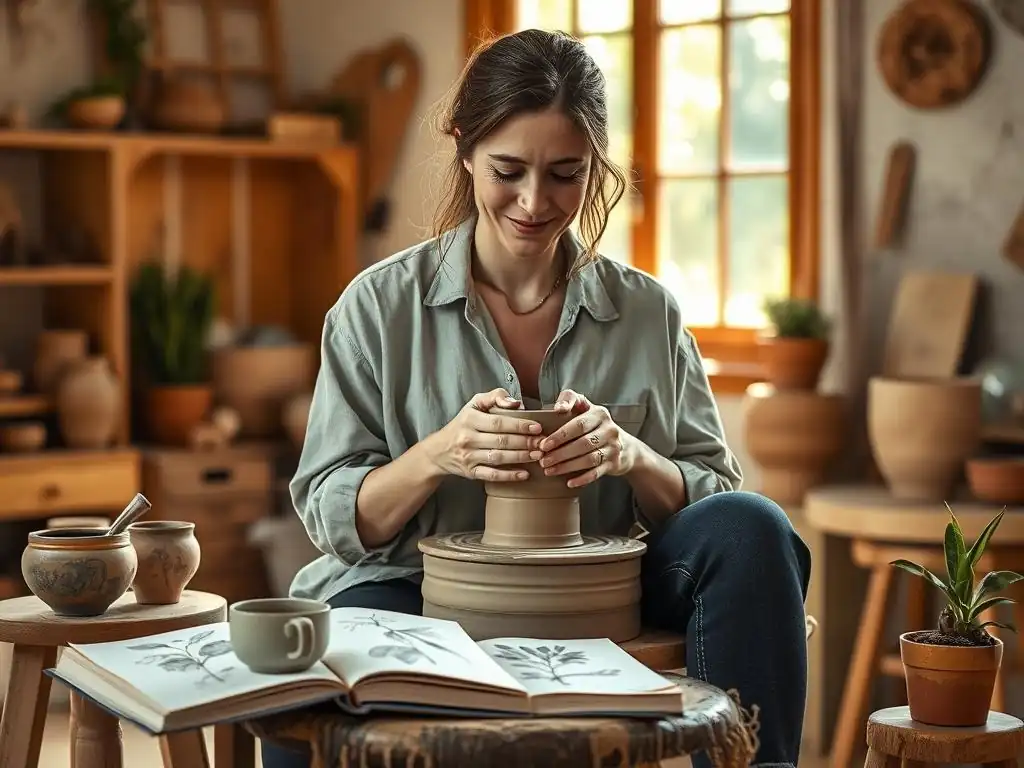
Welcome to Mind Care Guide.
Feeling overwhelmed and lost in the daily grind? You're not alone. We understand the anxieties that can creep into adulthood, making it difficult to find joy and peace. But what if rediscovering simple pleasures could be the key to unlocking a calmer, more balanced you? Explore our guide on how hobbies reduce adult anxiety, and learn practical, engaging ways to reclaim your well-being. Ready to rediscover the power of passion and find your path to a more peaceful mind? Let's begin.
- Finding Joy Again: Hobbies & Passion as Anxiety Relief for Adults
- Understanding Adult Anxiety and Its Impact
- Why Hobbies are Effective for Reducing Adult Anxiety
- Exploring Different Types of Hobbies for Anxiety Relief
- Choosing the Right Hobby for Your Anxiety Needs
- Overcoming Barriers to Starting a Hobby
- Incorporating Hobbies into Your Daily Routine for Sustained Anxiety Relief
- The Long-Term Benefits of Using Hobbies for Anxiety Management
- Seeking Professional Help for Anxiety: When Hobbies Aren't Enough
- Maintaining a Healthy Balance: Hobbies and Anxiety Management
-
Frequently Asked Questions
- How can hobbies specifically help reduce anxiety in adults?
- What types of hobbies are most effective for anxiety reduction?
- How much time should I dedicate to hobbies to see a noticeable impact on my anxiety levels?
- What if I'm feeling unmotivated or overwhelmed to start a new hobby?
- Where can I find resources and support to explore new hobbies and connect with others who share similar interests?
- Final Reflection: Rediscovering Joy in a World of Worry
- Rediscover Your Joy: Take Action Today!
Finding Joy Again: Hobbies & Passion as Anxiety Relief for Adults
Mind Care Guide: Reclaiming Your Well-being Through Engaging Activities
In the hustle and bustle of modern life, many adults find themselves grappling with anxiety, a condition that can feel overwhelming and isolating. The relentless pace, coupled with daily pressures, often leaves little room for activities that nourish the soul and quiet the mind. However, rediscovering joy through hobbies and passions can be a powerful tool in managing the symptoms of adult anxiety. This guide explores how engaging in meaningful activities offers a pathway towards reduced stress, improved mood, and a greater sense of control and happiness.
Engaging in activities purely for pleasure or interest shifts focus away from anxious thoughts and worries, providing a much-needed mental break. These pursuits, whether creative, physical, intellectual, or social, offer tangible benefits in combating the pervasive effects of anxiety. By dedicating time to what you love, you actively participate in your own mental wellness journey, building resilience and finding effective strategies that complement other coping mechanisms.
Understanding Adult Anxiety and Its Impact
Recognizing the Signs and Symptoms of Anxiety in Adulthood
Adult anxiety manifests in various ways, affecting millions globally. Common signs include excessive worry that is difficult to control, restlessness, fatigue, difficulty concentrating, irritability, muscle tension, and sleep disturbances. For instance, someone with generalized anxiety disorder might spend hours worrying about minor issues, experiencing physical symptoms like a racing heart or stomach discomfort regularly throughout the week.
Beyond these core symptoms, adult anxiety can also lead to avoidance behaviors, where individuals steer clear of situations or places that trigger their fears. This can significantly impact social life, work performance, and overall quality of life. While approximately 18% of adults in the United States experience an anxiety disorder each year, many more deal with significant levels of stress and worry that don't meet clinical diagnostic criteria but still negatively affect their well-being. Recognizing these signs is the first step towards seeking effective strategies for relief.
The Link Between Stress, Anxiety, and Reduced Well-being
Chronic stress is a major contributor to the development and exacerbation of adult anxiety. When the body is under prolonged stress, it remains in a state of heightened alert, releasing hormones like cortisol. While useful in short bursts, chronically elevated cortisol levels can disrupt various bodily functions and brain chemistry, increasing susceptibility to anxiety disorders. This constant state of alert depletes mental and physical resources, leading to burnout and reduced overall well-being.
Furthermore, the negative impact of stress and anxiety extends beyond mental health, affecting physical health through issues like digestive problems, weakened immune response, and increased risk of cardiovascular issues. The cycle of stress leading to anxiety, which in turn increases stress, can feel inescapable. Finding effective coping mechanisms that break this cycle is crucial for improving daily functioning and long-term health outcomes.
Why Hobbies are Effective for Reducing Adult Anxiety
Hobbies as a Coping Mechanism: A Healthy Distraction
Hobbies serve as a powerful and healthy distraction from anxious thoughts and worries. When you are deeply engaged in an activity you enjoy, your mind is occupied with the task at hand, leaving less mental space for rumination. This isn't about ignoring problems, but rather giving your mind a necessary break and redirecting its focus towards something positive and productive. For example, spending an hour engrossed in painting shifts attention from worrying about future uncertainties to the colors and textures on the canvas.
Unlike unhealthy coping mechanisms such as excessive alcohol consumption or avoidance, hobbies provide a constructive outlet for stress and emotional energy. They offer a safe space to explore interests, develop skills, and simply be present in the moment. This deliberate shift in focus helps to interrupt the negative thought loops characteristic of anxiety, providing immediate, albeit temporary, relief. Consistent engagement can train the mind to more easily transition away from anxious thinking patterns.
The Science Behind Hobbies: Dopamine, Mindfulness, and Stress Reduction
Engaging in hobbies triggers the release of dopamine, a neurotransmitter associated with pleasure and reward. This chemical boost can help counteract the low moods and lack of motivation often associated with anxiety. Furthermore, many hobbies naturally cultivate a state of mindfulness. When you're focused on knitting, gardening, or playing a musical instrument, you are often fully present, paying attention to sensations, actions, and the immediate environment. This mindful engagement reduces the tendency to dwell on past regrets or future fears.
Studies have shown that engaging in enjoyable leisure activities can significantly lower cortisol levels, the primary stress hormone. For instance, research indicates that creative activities like pottery or drawing can lead to measurable reductions in stress within a single session. This reduction in physiological stress response, combined with the psychological benefits of mindfulness and reward, underscores the potent way hobbies reduce adult anxiety at a neurochemical level.
Boosting Self-Esteem and Confidence Through Skill Development
Successfully learning a new skill or completing a project through a hobby provides a tangible sense of accomplishment. This builds self-esteem and confidence, which can be particularly beneficial for individuals whose anxiety has eroded their sense of capability. Starting small, perhaps by mastering a basic knitting stitch or successfully baking a simple recipe, creates positive feedback loops. Each small victory reinforces the belief in one's ability to learn, grow, and achieve.
As skills develop, the sense of mastery grows, further bolstering confidence. For someone who feels overwhelmed and out of control due to anxiety, the control and competence gained through a hobby can be incredibly empowering. Completing a complex woodworking project or running a mile for the first time proves that challenges can be overcome through effort and practice, a powerful lesson that extends beyond the hobby itself and helps combat feelings of helplessness associated with anxiety.
Exploring Different Types of Hobbies for Anxiety Relief
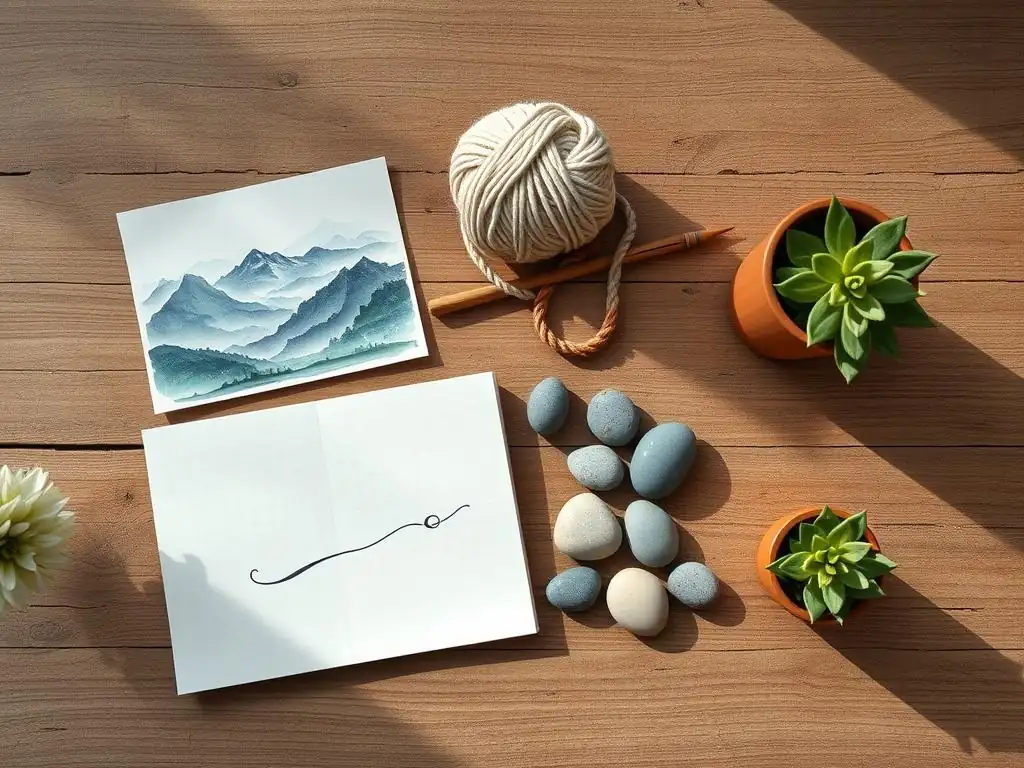
Creative Hobbies: Unleashing Your Inner Artist to Manage Anxiety
Creative pursuits offer a unique avenue for emotional expression and stress release. They allow individuals to tap into their imagination and channel feelings into a tangible form. The process of creation can be deeply cathartic, providing a non-verbal way to explore and process difficult emotions.
Painting, Drawing, and Digital Art for Emotional Expression
Visual arts provide a versatile medium for expressing feelings that are hard to put into words. Whether it's splashing vibrant colors onto a canvas to represent intense emotions or meticulously sketching intricate patterns to find calm, the act of creation is therapeutic. Many people find that focusing on lines, shapes, and colors redirects their attention away from anxious thoughts. A 2016 study published in the Journal of the American Art Therapy Association found that 45 minutes of creative activity significantly reduced cortisol levels, regardless of artistic experience or talent.
Writing and Journaling for Processing Anxious Thoughts
Putting thoughts and feelings down on paper, or typing them out, can help externalize and process anxiety. Journaling provides a private space to explore worries, identify triggers, and gain perspective. Structured writing, like creating short stories or poetry, allows for metaphorical expression of internal states. This process of articulation can make overwhelming feelings feel more manageable and less abstract. Regular journaling, even for just 10-15 minutes daily, has been shown to reduce symptoms of generalized anxiety disorder by helping individuals identify cognitive distortions and challenge negative thought patterns.
Playing Musical Instruments and Singing for Relaxation and Emotional Release
Music has a profound impact on mood and stress levels. Learning an instrument requires focus and discipline, providing a mental challenge that can be absorbing. The act of playing or singing allows for emotional expression and can be incredibly cathartic. The vibrations and rhythms of music can also have a calming effect on the nervous system. Studies have indicated that actively making music can lower heart rate and blood pressure, physiological responses often elevated by anxiety. Joining a community choir or band also adds a valuable social component, further enhancing the benefits.
Physical Hobbies: Getting Active to Combat Anxiety
Physical activity is a well-established method for reducing stress and improving mental health. Engaging in physical hobbies combines the benefits of exercise with the enjoyment and structure of a dedicated activity.
Yoga and Tai Chi for Mind-Body Connection
Practices like yoga and Tai Chi emphasize slow, controlled movements and deep breathing, fostering a strong connection between the mind and body. These activities promote relaxation, reduce muscle tension, and improve body awareness. The focus on breath control, in particular, is a powerful tool for managing acute anxiety symptoms like panic attacks. Regular practice, even 2-3 times a week for 30-60 minutes, has been shown in numerous studies to reduce symptoms of anxiety and depression, improve sleep quality, and enhance overall mood, demonstrating how these hobbies reduce adult anxiety effectively.
Hiking and Nature Walks for Stress Reduction
Spending time in nature has been proven to have significant mental health benefits. Hiking or simply walking in green spaces can lower stress hormones, improve mood, and reduce rumination. The sensory experience of being outdoors – the sights, sounds, and smells – can be incredibly grounding and provide a sense of perspective. A 2015 study published in Proceedings of the National Academy of Sciences found that a 90-minute walk in nature decreased activity in the subgenual prefrontal cortex, a brain region associated with rumination, compared to walking in an urban environment.
Rock Climbing and Cycling for Social Connection and Endorphin Release
More vigorous physical activities like rock climbing or cycling offer the benefits of intense exercise, including the release of endorphins, natural mood boosters. These activities often require focus and problem-solving, providing a mental break from worries. Furthermore, they can be excellent social hobbies, offering opportunities to connect with others who share similar interests. Participating in a climbing group or cycling club can provide a sense of community and belonging, combating the isolation that can accompany anxiety. The shared challenge and support within these groups can be particularly empowering.
Learning and Intellectual Hobbies: Engaging Your Mind to Reduce Worry
Engaging the mind in learning or problem-solving can redirect focus away from anxious thoughts and provide a sense of accomplishment and intellectual stimulation.
Reading Non-Fiction and Historical Fiction for Escapism and Knowledge
Reading provides an escape from daily worries, transporting you to different worlds or immersing you in fascinating facts. Non-fiction can satisfy curiosity and provide a sense of understanding about complex topics, while historical fiction offers a blend of escapism and learning about different eras. The act of focusing on a narrative or absorbing new information requires concentration, effectively pushing anxious thoughts to the background. Studies suggest that reading for just six minutes can reduce stress levels by up to 68%, indicating its potential in helping hobbies reduce adult anxiety.
Learning a New Language or Coding for Cognitive Stimulation
Taking on the challenge of learning a new language or acquiring technical skills like coding provides significant cognitive stimulation. This type of intellectual engagement can improve memory, problem-solving abilities, and overall cognitive function. The structured nature of learning, with clear goals and measurable progress, can be grounding for an anxious mind. The sense of achievement that comes with mastering a new concept or skill is highly rewarding and builds confidence. For example, reaching a conversational level in a new language or successfully building a simple program provides concrete evidence of progress and capability.
Sudoku and Crossword Puzzles for Focus and Mental Clarity
Puzzles like Sudoku and crosswords require intense focus and logical thinking. They provide a contained challenge that occupies the mind and offers a clear sense of completion upon solving. Engaging in these activities can improve concentration and provide a temporary respite from worrying. While seemingly simple, the act of methodically working through a puzzle can be incredibly calming and provide a small, manageable task in a world that often feels overwhelming. A completed puzzle offers a small, satisfying win that can boost mood.
Anxiety, especially social anxiety, can lead to isolation. Engaging in social hobbies provides opportunities for positive interaction and connection, combating loneliness and building a support network.
Volunteering at an Animal Shelter or Food Bank for Purpose and Connection
Volunteering offers a powerful sense of purpose and connection to the community. Focusing on helping others shifts attention away from personal worries and provides a sense of meaning. Interacting with animals or fellow volunteers can be incredibly rewarding. For example, spending a few hours each week at an animal shelter provides gentle, non-judgmental interaction with animals and a shared sense of purpose with other volunteers. This outward focus and contribution can significantly alleviate feelings of helplessness and isolation often linked to anxiety.
Joining a Hiking Club or Book Club with Shared Interests
Joining a group centered around a shared interest provides a structured environment for social interaction. The focus is on the activity itself, which can reduce pressure on social performance. Hiking clubs offer shared physical activity and conversation in nature, while book clubs provide intellectual discussion and connection over literature. These settings allow for natural conversation and bonding without the pressure of forced small talk, making it easier for individuals with social anxiety to connect with others. Many find that discussing a shared passion helps ease initial awkwardness.
Cooking and Baking for Community Events: Sharing and Connection
Preparing food for others is an act of care and generosity that can foster strong social bonds. Participating in potlucks, contributing to community meals, or baking for friends and family provides opportunities for connection and positive feedback. The process of cooking itself can be a calming, sensory experience, and sharing the results creates moments of joy and connection. Organizing a simple neighborhood cookie swap or volunteering to bake for a local event provides a low-pressure way to interact and contribute, proving that hobbies reduce adult anxiety by building community ties.
Choosing the Right Hobby for Your Anxiety Needs
Identifying Your Interests and Passions: What Brings You Joy?
The most effective hobby for reducing anxiety is one that genuinely interests you and brings you joy. Reflect on activities you enjoyed in the past, things you've always wanted to try, or subjects that pique your curiosity. Don't choose a hobby based on what you think you should do or what is popular; choose something that resonates with you personally. Ask yourself: what activities make you lose track of time? What topics do you enjoy learning about? What creative outlets have you been curious about?
Consider your current energy levels and mood when exploring options. On days when anxiety is high, a calming activity like knitting or gentle walking might be more beneficial. On days with more energy, a vigorous activity like dancing or team sports could be better. The key is to find something that feels appealing and accessible, making it more likely that you'll stick with it consistently.
Considering Your Time Commitment and Resources
Be realistic about the time and resources required for a hobby. Some hobbies, like learning a musical instrument or mastering a complex craft, require significant time investment and potentially financial resources for equipment or lessons. Others, like journaling or walking, require minimal time and almost no financial cost. Choose a hobby that fits comfortably within your current lifestyle and budget to avoid adding stress.
Starting small is always an option. Instead of committing to a full pottery class, try a single workshop. Instead of buying expensive painting supplies, start with a basic sketch pad and pencils. Ensure the hobby is sustainable for you; if it feels like another chore or financial burden, it won't effectively help hobbies reduce adult anxiety.
Experimenting with Different Hobbies to Find What Works Best
It's perfectly fine, and even encouraged, to try several different hobbies before finding one that truly clicks. What looks appealing in theory might not be the right fit in practice. Don't be afraid to experiment. Try a free online coding tutorial, borrow a friend's guitar for a week, attend a single session of a yoga class, or check out books on various craft techniques from the library.
The process of exploration itself can be enjoyable and informative. Each new experience provides insight into what activities resonate with you and how different activities impact your anxiety levels. Keep an open mind and be patient with yourself as you discover what genuinely helps you relax, focus, and find joy.
Overcoming Barriers to Starting a Hobby
Addressing Procrastination and Lack of Motivation
Anxiety can often lead to procrastination and a lack of motivation, making it hard to even start something new, even if you know it could help. Break down the process of starting a hobby into small, manageable steps. If you want to start painting, the first step might just be researching types of paint, then visiting an art supply store (or website), then buying one small set of paints and a pad of paper. Don't pressure yourself to create a masterpiece immediately.
Schedule your hobby time like any other important appointment. Even starting with just 15-20 minutes can build momentum. Remind yourself why you want to start this hobby – to find joy, reduce stress, and help manage your anxiety. Focus on the potential positive impact rather than the perceived effort required to begin. Sometimes, simply starting is the hardest part; once you're engaged in the activity, motivation may naturally follow.
Managing Perfectionism and Self-Criticism
Perfectionism is a common trait among those with anxiety and can be a major barrier to starting or enjoying a hobby. The fear of not being good enough or making mistakes can be paralyzing. Remind yourself that the purpose of a hobby for anxiety relief is not to become a professional or produce flawless work, but to enjoy the process and benefit from the activity itself.
Focus on the experience, not the outcome. If you're learning guitar, celebrate mastering a new chord, not whether you sound like a concert musician. If you're writing, focus on the flow of words, not on publishing a novel. Challenge negative self-talk by acknowledging that mistakes are a natural part of learning and that the value is in the engagement, not the perfection. Let go of the need for external validation and focus on the internal rewards.
Finding Time in a Busy Schedule
Modern life is often packed with responsibilities, making it seem impossible to carve out time for a hobby. However, viewing hobby time as essential for your mental well-being, rather than a luxury, can help prioritize it. Look for small pockets of time throughout your week. Can you dedicate 30 minutes during your lunch break? Can you replace an hour of passive screen time in the evening with an active hobby?
Schedule your hobby time in your calendar and treat it as non-negotiable. Even short, consistent sessions are more beneficial than sporadic long ones. For instance, 20 minutes of sketching daily might be more impactful than a single three-hour session once a month. Consider hobbies that can be easily integrated into your routine, such as listening to language lessons during your commute or doing yoga stretches while watching TV. Hobbies reduce adult anxiety most effectively when they are a regular part of life.
Incorporating Hobbies into Your Daily Routine for Sustained Anxiety Relief
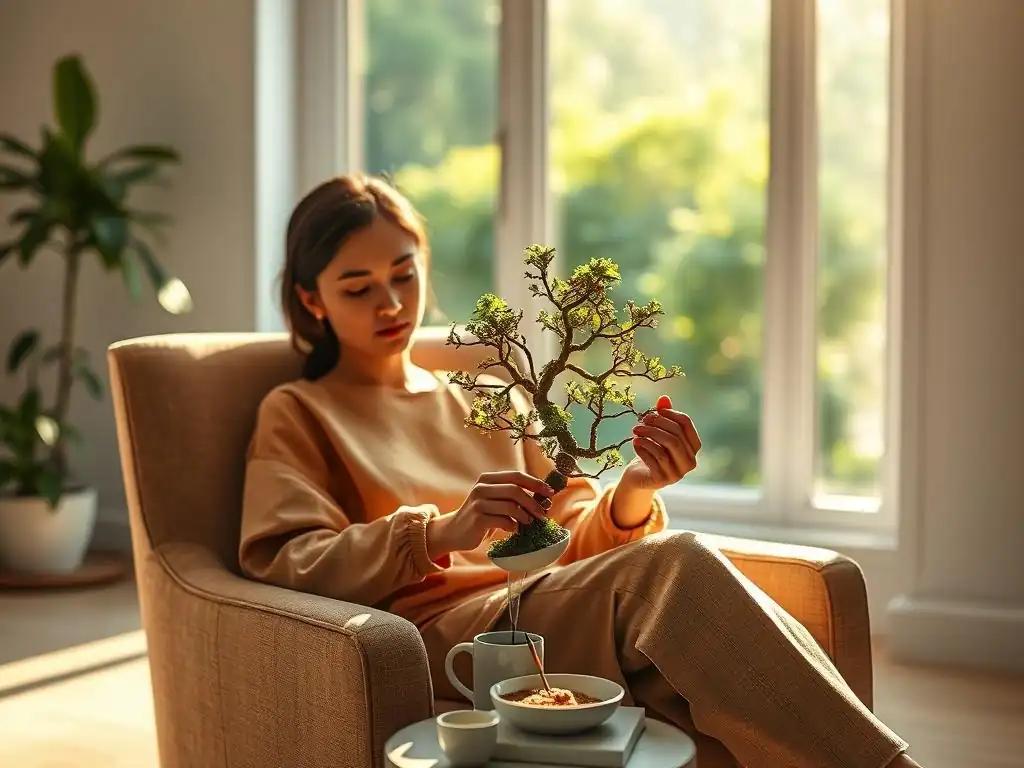
Scheduling Dedicated Time for Your Hobby
To ensure your hobby becomes a consistent tool for managing anxiety, it's crucial to schedule dedicated time for it. Just as you would schedule work meetings or appointments, block out time in your calendar specifically for your chosen activity. This could be daily, several times a week, or weekly, depending on the hobby and your schedule. For example, you might schedule "Gardening - 6:00 PM to 6:45 PM" every Tuesday and Thursday.
Having a set time helps create a routine and makes it less likely that your hobby time will be squeezed out by other demands. Treat this time as sacred – a non-negotiable investment in your mental health. Consistency is key for reaping the long-term benefits of how hobbies reduce adult anxiety.
Creating a Supportive Environment for Your Hobby
Make it easy and appealing to engage in your hobby by creating a supportive physical environment. If you enjoy reading, create a comfortable reading nook. If you knit, keep your supplies easily accessible in a favorite chair. If you paint, set up a dedicated space where you can leave your work in progress.
Having everything you need readily available reduces friction and makes it easier to start when your scheduled time arrives. Ensure the space is free from distractions if possible. Inform family members or housemates about your dedicated hobby time so they understand your need for uninterrupted focus.
Tracking Your Progress and Celebrating Small Wins
Tracking your progress, no matter how small, can be incredibly motivating and provide a tangible sense of accomplishment. This could involve keeping a journal of what you worked on, taking photos of your creations, noting how long you practiced an instrument, or tracking miles walked or run.
Celebrate your achievements along the way. Finished a chapter in a book? Learned a new guitar chord? Successfully baked a complex bread? Acknowledge these small victories. This positive reinforcement helps build consistency and strengthens the association between your hobby and positive feelings, reinforcing how hobbies reduce adult anxiety through positive feedback loops.
The Long-Term Benefits of Using Hobbies for Anxiety Management
Building Resilience and Coping Skills
Consistently engaging in a hobby helps build resilience by providing a reliable coping mechanism for stress and anxiety. As you turn to your hobby during challenging times, you strengthen your ability to manage difficult emotions in a healthy way. You learn to redirect your focus, tolerate frustration (when learning new skills), and find solace in enjoyable activities.
Hobbies teach valuable lessons in patience, perseverance, and problem-solving, skills that are transferable to managing anxiety in other areas of life. Over time, your hobby becomes a trusted tool in your mental wellness toolkit, increasing your confidence in your ability to handle stress.
Improving Overall Mental and Emotional Well-being
Beyond directly reducing anxiety symptoms, hobbies contribute significantly to overall mental and emotional well-being. They provide opportunities for joy, creativity, learning, and connection. These positive experiences counteract the negative impacts of anxiety and contribute to a more balanced emotional state.
Regular engagement in a hobby can lead to improved mood, increased life satisfaction, and a greater sense of purpose. Studies have shown that adults who regularly engage in hobbies report lower levels of stress, depression, and anxiety, and higher levels of happiness and life satisfaction. This underscores the profound impact hobbies reduce adult anxiety and improve overall quality of life.
Fostering a Sense of Purpose and Meaning in Life
Hobbies can add a layer of purpose and meaning to life, particularly when they involve creating something, learning something new, or contributing to others. Having something you are passionate about pursuing outside of work and daily responsibilities provides a sense of identity and fulfillment.
This sense of purpose can be a powerful antidote to the feelings of emptiness or aimlessness that can sometimes accompany chronic anxiety. Whether it's mastering a craft, contributing to a community garden, or simply creating art for the sheer joy of it, your hobby provides a reason to look forward to your free time and invest in your own happiness and growth.
Seeking Professional Help for Anxiety: When Hobbies Aren't Enough
Recognizing the Signs That You Need Professional Support
While hobbies are a valuable coping mechanism, they are not a substitute for professional help, especially when anxiety is severe or persistent. Signs that you may need professional support include:
- Anxiety that is significantly impacting your daily life, work, relationships, or physical health.
- Symptoms that are worsening or not improving despite using coping strategies like hobbies.
- Difficulty controlling worry or experiencing frequent panic attacks.
- Thoughts of self-harm or hopelessness.
- Reliance on unhealthy coping mechanisms (e.g., alcohol, drugs) to manage anxiety.
If you are experiencing any of these signs, reaching out to a mental health professional is a crucial step towards effective management and recovery.
Types of Therapy and Treatment Options for Anxiety
Several evidence-based treatments are highly effective for adult anxiety. Cognitive Behavioral Therapy (CBT) is a common approach that helps individuals identify and challenge negative thought patterns and behaviors contributing to anxiety. Exposure Therapy is often used for specific phobias or social anxiety, gradually exposing individuals to feared situations in a safe environment.
Other options include Acceptance and Commitment Therapy (ACT), Dialectical Behavior Therapy (DBT), and various forms of psychotherapy. Medication, such as antidepressants or anti-anxiety medications, may also be prescribed, often in conjunction with therapy. A mental health professional can help determine the most appropriate treatment plan based on your specific needs and diagnosis.
Combining Hobbies with Professional Treatment for Optimal Results
Hobbies and professional treatment work best when used together as part of a comprehensive mental wellness plan. Therapy can provide the tools to understand and manage the root causes of your anxiety, while hobbies offer practical, enjoyable ways to cope with daily stress, practice mindfulness, and build a fulfilling life alongside treatment.
Think of hobbies as a powerful supplement to therapy. They can help you implement techniques learned in therapy, such as mindfulness or behavioral activation. For example, using mindfulness learned in CBT while gardening or utilizing exposure principles by joining a social hobby group. Combining these approaches leverages the strengths of both, providing a holistic path towards reducing anxiety and improving overall well-being.
Maintaining a Healthy Balance: Hobbies and Anxiety Management
Avoiding Over-Reliance on Hobbies as a Sole Coping Mechanism
While hobbies reduce adult anxiety effectively, it's important not to rely on them as the only way to cope. If you find yourself using your hobby to constantly escape problems or avoid necessary tasks or difficult emotions, it might be becoming a form of avoidance rather than healthy coping. Hobbies should enhance your life and provide relief, not become another form of obligation or a way to ignore underlying issues.
Ensure you are also addressing the root causes of your anxiety, whether through therapy, stress management techniques, or lifestyle changes. A hobby is a tool for well-being, not a complete solution to a complex mental health condition. Maintaining balance means integrating your hobby into a life that also includes addressing challenges and seeking necessary support.
Recognizing and Addressing Underlying Anxiety Issues
Hobbies can provide significant relief from anxiety symptoms, but they may not resolve the underlying causes, especially if the anxiety is severe or stems from specific trauma or clinical disorders. Use the clarity and improved well-being gained from your hobby to better understand your anxiety triggers and patterns.
Consider what situations or thoughts consistently increase your anxiety, even when you're not engaged in your hobby. This awareness, perhaps gained through journaling alongside your hobby, can be invaluable. If you identify persistent or severe issues, this is a sign to seek professional help to address them directly, rather than solely relying on your hobby to mask the symptoms.
Cultivating a Holistic Approach to Mental Wellness
Effective anxiety management involves a holistic approach that includes multiple strategies. Alongside your chosen hobby, consider incorporating other pillars of mental wellness:
- Regular physical activity (beyond just your hobby, if it's not physical).
- A balanced diet.
- Adequate and consistent sleep.
- Stress management techniques like meditation or deep breathing exercises.
- Maintaining social connections.
- Seeking professional support when needed.
By integrating hobbies into a broader framework of self-care and professional support, you create a robust strategy for managing adult anxiety, fostering resilience, and living a more joyful and fulfilling life. Your hobby is a powerful piece of this puzzle, but it's most effective when combined with other healthy habits and resources.
Frequently Asked Questions
How can hobbies specifically help reduce anxiety in adults?
Hobbies provide a positive distraction from anxious thoughts. They engage the mind and body in a focused, enjoyable activity, which can lower stress hormones and promote relaxation. This leads to a sense of accomplishment and purpose.
What types of hobbies are most effective for anxiety reduction?
There's no "best" hobby, but activities that promote mindfulness and flow are often beneficial. Examples include creative pursuits, like painting or writing, and physical activities, such as hiking or yoga, that encourage present moment awareness.
How much time should I dedicate to hobbies to see a noticeable impact on my anxiety levels?
Even short bursts of hobby time can make a difference. Aim for at least 30 minutes, several times a week. Consistency is key, as regular engagement builds resilience and helps manage anxiety long-term.
What if I'm feeling unmotivated or overwhelmed to start a new hobby?
Start small and focus on low-pressure activities. Choose something you've always been curious about, rather than aiming for perfection. Remember that the goal is enjoyment and stress relief, not mastering a skill.
Mind Care Guide offers resources and information on various mental health challenges, including anxiety. Consider joining local clubs or online communities related to your chosen hobby for support and encouragement.
Final Reflection: Rediscovering Joy in a World of Worry
The relentless pace of modern life often leaves us feeling overwhelmed, and anxiety has become a pervasive shadow for many adults. Finding solace and coping mechanisms is crucial, and as this article explored, nurturing our passions and rediscovering the joy in hobbies offers a powerful antidote to this pervasive stress. It's not just about distraction; it's about reclaiming a sense of self and agency in the face of overwhelming pressures.
The impact of hobbies on mental well-being is undeniable, extending far beyond simple stress reduction. They provide a space for self-expression, creativity, and a sense of accomplishment, fostering a positive feedback loop that strengthens resilience. This isn't just a personal observation; countless individuals have found similar solace. The greatest weapon against stress is our ability to choose one thought over another.
– William James. This choice, often found within the quiet focus of a hobby, allows us to shift our perspective and regain control over our emotional landscape.
Now, consider your own life. What sparks your curiosity? What activity allows you to lose yourself in the present moment, forgetting the anxieties that weigh you down? I encourage you to actively seek out those passions, to dedicate time to them, not as a luxury, but as a vital act of self-care. Embrace the joy they bring, and watch as they transform not only your leisure time, but your overall well-being. The journey to a calmer, more fulfilling life begins with a single, joyful step.
Rediscover Your Joy: Take Action Today!
Thanks for taking the time to explore ways to combat adult anxiety through hobbies and passions. We hope you found valuable insights and inspiration within this article! Now it's time to turn those insights into action. Here's how:
- Prioritize ONE hobby or passion this week: Schedule even just 15 minutes a day to dedicate to it. This is your most important step towards reconnecting with yourself.
- Share your favorite hobby or passion with us in the comments below! Let's build a supportive community dedicated to finding joy in the everyday.
- Explore one new activity related to your existing interests, even something as small as trying a new recipe or listening to a podcast on a topic you love.
What small step will you take today to reignite your passion and reduce anxiety?