
The Attention Drain: How Social Media Shrinks Your Focus


Welcome to Mind Care Guide, a haven for understanding and nurturing your mental well-being.
Ever feel like your attention is constantly being pulled in a million different directions, leaving you drained and unable to focus? You're not alone. In this article, we delve into the pervasive issue of social media focus depletion, exploring how these platforms can subtly, yet significantly, impact your ability to concentrate and truly be present. Discover the underlying mechanisms and, more importantly, practical strategies to reclaim your focus and cultivate a healthier relationship with technology. Let's begin your journey to a more mindful and focused you.
The Attention Drain: How Social Media Shrinks Your Focus
- Introduction: Understanding Social Media Focus Depletion
- The Science Behind Social Media and Attention
- Social Media's Role in Diminishing Focus
- Real-World Consequences of Social Media Focus Depletion
- Identifying the Signs of Social Media-Induced Focus Problems
-
Strategies to Reclaim Your Attention and Focus
- Digital Detox: Taking Breaks from Social Media
- Time Management Techniques: Pomodoro Technique, Time Blocking, Eisenhower Matrix
- Mindful Social Media Use: Being Intentional About Your Online Activity
- Setting Boundaries: Limiting Screen Time and Notification Frequency
- Utilizing Focus-Enhancing Apps and Tools: Freedom, Forest, Cold Turkey Blocker
- Building a Healthier Relationship with Social Media
- Long-Term Solutions for Maintaining Focus in a Digital World
- Conclusion: Regaining Control Over Your Attention in the Age of Social Media
-
Frequently Asked Questions
- How does social media contribute to attention drain?
- What is "Social media focus depletion," and how does it relate to mental well-being?
- Are there specific types of social media content that are more likely to cause attention drain?
- What are some practical strategies to combat the negative effects of social media on focus?
- How can Mind Care Guide help me manage my social media use and improve my mental well-being?
- Final Reflection: Reclaiming Your Focus in a Distracted World
- Reclaim Your Focus: Take Control of Your Digital Life
Social media platforms are designed to be engaging, offering a constant stream of updates, notifications, and novel content. This perpetual novelty and the ease of access create a powerful allure, drawing users in for increasing amounts of time throughout the day. The very design of these platforms, with infinite scrolls and algorithmically curated feeds, encourages rapid consumption of information, often in small, digestible chunks. This environment trains the brain to expect constant stimulation and quick shifts in attention, making it harder to settle on single tasks that require sustained focus.
The cumulative effect of this constant digital engagement is a noticeable shift in how many individuals process information and maintain concentration. What might start as a quick check-in can easily turn into minutes, or even hours, spent scrolling. This fragmented attention pattern, practiced repeatedly, begins to erode the ability to focus deeply on non-digital tasks, impacting everything from reading a book to concentrating during a meeting. The immediate gratification offered by likes, comments, and shares reinforces this behavior, creating a cycle that prioritizes rapid, superficial engagement over deep, sustained attention.
Social media focus depletion refers to the diminished capacity to concentrate on a single task or activity for an extended period, primarily as a result of frequent and prolonged engagement with social media platforms. It's not just about being occasionally distracted; it's a persistent reduction in the ability to initiate, maintain, and redirect attention effectively towards goals that require sustained mental effort. This state often manifests as difficulty ignoring irrelevant stimuli, increased susceptibility to interruptions, and a feeling of restlessness or impatience during activities that lack the rapid pace and novelty of online feeds.
Essentially, social media focus depletion describes a state where the brain becomes habituated to the fast-paced, multi-stimulus environment of social media, making it challenging to adapt to slower, more demanding cognitive tasks. It's a form of cognitive fatigue and altered attention regulation. Individuals experiencing this may find their minds wandering constantly, struggle to stay engaged with long-form content, and feel a compelling urge to check their devices even when trying to focus on something else. It represents a real shift in cognitive function influenced by digital habits.
Dopamine, Notifications, and the Reward System
Social media platforms expertly tap into the brain's reward system, primarily involving the neurotransmitter dopamine. Dopamine is associated with pleasure, motivation, and learning, and its release is triggered by unpredictable rewards. A notification, a like, a comment, or a new message on social media acts as an unpredictable reward. When you see a notification, your brain anticipates a potential positive outcome, leading to a small release of dopamine. Checking the notification and finding something positive (a like, a friendly message) reinforces this behavior loop.
This creates a powerful cycle: the anticipation of reward prompts you to check your phone or social media, and the occasional positive feedback reinforces the checking behavior. Over time, the brain becomes wired to seek these frequent, small dopamine hits. This constant craving for novelty and validation makes it difficult to resist checking notifications, even when you are trying to focus on a task. The mere possibility of a reward is often enough to interrupt concentration, contributing significantly to social media focus depletion.
Social media algorithms are sophisticated systems designed to keep you engaged on the platform for as long as possible. They analyze your past behavior – what posts you linger on, what you like, share, or comment on – to predict what content is most likely to capture and hold your attention in the future. These algorithms continuously feed you a personalized stream of content tailored to your interests and likely to evoke emotional responses, whether positive or negative.
By constantly presenting novel, highly relevant, or emotionally charged content, algorithms make it incredibly difficult to disengage. They understand what keeps you scrolling and serve up just enough compelling material to prevent you from leaving. This constant algorithmic push for engagement trains the brain to expect and crave this tailored stream, making sustained, self-directed attention on less immediately gratifying tasks feel comparatively dull and difficult. This algorithmic hijacking is a primary driver of social media focus depletion.
The Neurological Effects of Constant Digital Stimulation
The brain is highly plastic, meaning its structure and function can change in response to experiences. Constant engagement with social media, characterized by rapid task switching (checking feeds, responding to messages, watching short videos) and exposure to novel stimuli, can induce specific neurological changes. Research suggests that this kind of digital environment may alter the balance of attention networks in the brain, potentially strengthening pathways associated with rapid, superficial processing and weakening those involved in deep, sustained focus.
Chronic exposure to the high-stimulus environment of social media can also impact areas of the brain related to cognitive control and decision-making. The prefrontal cortex, crucial for planning, impulse control, and sustained attention, may struggle to override the immediate reward signals originating from social media notifications and engagement loops. This constant battle between the desire for instant gratification and the need for focused effort contributes to the feeling of being unable to concentrate, a hallmark of social media focus depletion.
One of the most common experiences contributing to social media focus depletion is falling into the "scroll hole." This happens when you open a social media app for a specific purpose, like checking a notification or sending a quick message, but find yourself unconsciously scrolling through the feed for extended periods. The infinite scroll design, coupled with the unpredictable nature of the content, makes it easy to lose track of time and forget your original intention.
Research indicates that the average person spends a significant amount of time on social media daily, with estimates often ranging from one to several hours. This time spent in the scroll hole is time taken away from tasks requiring focused attention, whether it's work, study, or personal activities. The ease with which hours can evaporate on these platforms highlights their power in capturing and holding attention, often to the detriment of other priorities and contributing directly to social media focus depletion.
Many people believe they can effectively multitask, checking social media while working, studying, or even conversing. However, cognitive science has largely debunked the myth of true multitasking. What we perceive as multitasking is actually rapid task switching. The brain quickly shifts attention from one task to another, and each switch incurs a "cost" in terms of time and mental effort required to reorient to the new task.
When social media is involved, this task switching becomes incredibly frequent due as notifications pop up or the urge to check takes over. Constantly toggling between a demanding task and a social media feed overloads cognitive resources, reduces efficiency, and makes it much harder to achieve a state of deep focus on the primary task. This cognitive overload and fragmentation of attention are key mechanisms behind social media focus depletion.
The Fear of Missing Out (FOMO) and Its Effect on Concentration
The Fear of Missing Out, or FOMO, is a psychological phenomenon amplified by social media. Platforms constantly display updates from friends and acquaintances, showcasing events, achievements, and experiences. This can create a pervasive feeling that others are having more fun or living more interesting lives, leading to anxiety about not being constantly connected and updated.
This anxiety fuels a compulsive need to check social media frequently, interrupting concentration and pulling attention away from the task at hand. The worry that you might miss something important or exciting happening online makes it difficult to fully immerse yourself in offline activities or work that requires sustained focus. FOMO thus acts as a powerful internal driver for the behaviors that lead to social media focus depletion.

Impact on Work and Productivity: Reduced Efficiency and Focus
Social media focus depletion has tangible negative impacts on professional life. In the workplace, constant interruptions from social media notifications and the urge to check feeds significantly reduce productivity and efficiency. Studies have shown that it can take a considerable amount of time, sometimes 15-20 minutes, to regain deep focus after being interrupted. When these interruptions happen frequently throughout the day, the cumulative loss of productive time is substantial.
Furthermore, the inability to maintain sustained attention makes it harder to tackle complex problems, engage in strategic thinking, or complete tasks requiring deep concentration. Employees experiencing social media focus depletion may find themselves making more errors, missing deadlines, and feeling overwhelmed by their workload, not necessarily because of the volume of work, but because of the fragmented attention they bring to it.
For students, social media presents a significant challenge to academic performance. Whether in the classroom, during lectures, or while studying independently, the presence of social media on phones or laptops provides a constant source of distraction. Research indicates that students who frequently use social media during study time or lectures tend to have lower grades compared to those who limit their usage.
The rapid task switching required by checking social media while studying prevents the deep processing and encoding of information necessary for learning and memory. Students may spend hours with their study materials open but achieve little effective learning because their attention is divided. This diminished capacity for sustained concentration directly contributes to poorer comprehension, retention, and overall academic outcomes, embodying the effects of social media focus depletion in an educational context.
Beyond work and study, social media focus depletion can also harm personal relationships and face-to-face interactions. The habit of constantly checking phones or being mentally preoccupied with online updates reduces presence and engagement during conversations and social gatherings. When one person in an interaction is distracted by their device, it can make the other person feel ignored or undervalued.
This can lead to strained relationships, decreased intimacy, and a sense of disconnection even when physically together. The quality of face-to-face interaction suffers when attention is fragmented between the present moment and the digital world. Prioritizing digital connections over real-world presence is a clear consequence of the attention patterns fostered by heavy social media use and contributes to a sense of social media focus depletion in personal life.
Recognizing Symptoms: Procrastination, Difficulty Concentrating, Restlessness
Identifying social media focus depletion in yourself requires recognizing key symptoms. Common signs include chronic procrastination, especially on tasks that require sustained mental effort, preferring instead to engage in easier, more immediately rewarding activities like scrolling through social media. Another prominent symptom is difficulty initiating and maintaining concentration on a single task; you might find your mind wandering frequently or feel an urge to switch tasks even when you know you should focus.
Restlessness and impatience during activities that don't offer constant novelty or stimulation are also indicators. For example, finding it hard to sit through a long movie without checking your phone, struggling to read a book for more than a few minutes, or feeling agitated during quiet periods can all point towards attention patterns shaped by high social media use. These symptoms collectively suggest that your capacity for deep focus may be depleted.
A crucial step in addressing social media focus depletion is honest self-assessment. Ask yourself questions about your daily habits: How much time do you really spend on social media? Do you check your phone automatically, without conscious thought? Do you feel anxious if you can't access social media? Compare your current ability to focus on tasks like reading, working, or studying with how you remember it being in the past.
Consider using built-in phone tracking features or third-party apps to monitor your actual screen time and usage patterns on different social media platforms. This objective data can be eye-opening. Reflect on how often social media interrupts your work or leisure time and how long it takes you to get back on track. This systematic evaluation can help you determine the extent of your social media focus depletion.
Differentiating Normal Distraction from Problematic Focus Depletion
It's important to differentiate between normal, occasional distraction – which is a part of the human experience – and problematic social media focus depletion. Everyone gets distracted sometimes, and a brief break or check-in isn't inherently harmful. However, focus depletion becomes problematic when the difficulty concentrating is persistent, significantly impacts your ability to meet responsibilities (work, study, relationships), and is clearly linked to your social media habits.
If you find that despite genuine effort, you consistently struggle to maintain focus, spend excessive amounts of time on social media at the expense of other activities, feel a compulsive need to check notifications, and experience negative consequences in your daily life because of fragmented attention, it's likely more than just normal distraction. These patterns indicate a more significant issue with social media focus depletion that warrants attention and strategies for change.
Strategies to Reclaim Your Attention and Focus
One effective strategy to combat social media focus depletion is implementing a digital detox. This involves taking intentional breaks from social media for a set period, whether it's a few hours, a day, a weekend, or even longer. The goal is to give your brain a break from the constant stimulation, notifications, and reward cycles that contribute to fragmented attention.
Starting small, like avoiding social media for the first hour after waking up or the last hour before bed, can be a manageable way to begin. More extended breaks allow for a significant reset, helping to recalibrate your attention span and reduce the compulsive urge to check platforms. During a digital detox, engage in activities that require sustained attention, such as reading, engaging in hobbies, or spending time in nature, to actively practice focusing.
Time Management Techniques: Pomodoro Technique, Time Blocking, Eisenhower Matrix
Utilizing structured time management techniques can help you regain control over your attention and minimize the impact of social media focus depletion during productive periods. The Pomodoro Technique, for example, involves working in focused bursts (e.g., 25 minutes) followed by short breaks (e.g., 5 minutes). This structure encourages intense focus during work intervals and provides scheduled breaks, reducing the temptation to check social media impulsively.
Time Blocking is another method where you allocate specific blocks of time for different activities, including focused work periods where social media is explicitly off-limits. The Eisenhower Matrix helps prioritize tasks based on urgency and importance, guiding you to focus on high-priority items that require deep work rather than getting sidetracked by less important, attention-consuming activities like mindless scrolling. Implementing these techniques provides external structure to support internal focus.
Shifting from automatic, reactive social media use to mindful engagement is crucial for reducing social media focus depletion. Instead of opening an app whenever you feel bored or have a spare moment, try to be intentional about why you are going online and what you plan to do. Set a specific purpose before you open the app – for example, "I will check my friend's recent posts for 10 minutes," or "I need to send a quick message to one person."
Once you have completed your specific task, close the app. This intentional approach helps you avoid falling into the scroll hole and reduces the amount of time spent on passive consumption. By bringing awareness to your social media habits and actively choosing when and how you engage, you begin to reclaim agency over your attention.
Setting Boundaries: Limiting Screen Time and Notification Frequency
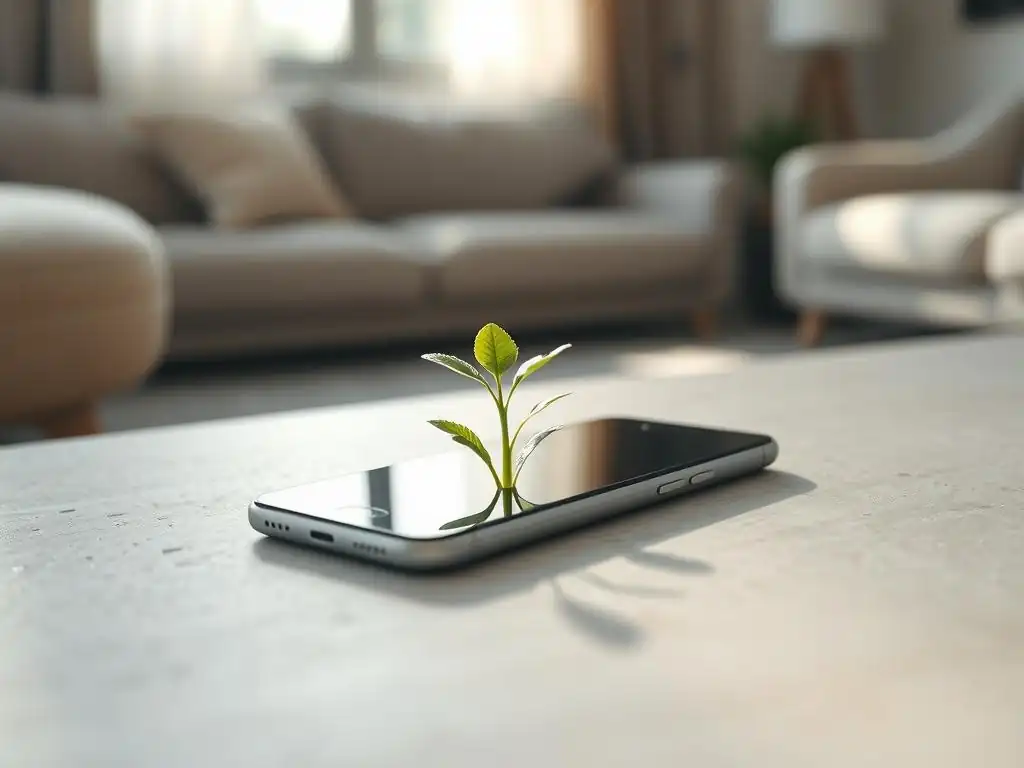
Establishing clear boundaries around social media use is essential for mitigating social media focus depletion. Use the screen time features available on most smartphones to set daily limits for specific apps. When you reach your limit, the phone can block access, providing a helpful external constraint. Be realistic but firm with these limits, gradually reducing them if necessary.
Furthermore, manage your notifications. Turn off non-essential notifications for social media apps. Constant pings and pop-ups are designed to pull your attention away from whatever you're doing. By disabling notifications, you remove a primary trigger for task switching and impulse checking, allowing you to choose when you engage with social media rather than being constantly interrupted by it.
Utilizing Focus-Enhancing Apps and Tools: Freedom, Forest, Cold Turkey Blocker
Several apps and browser extensions are specifically designed to help you block distractions and improve focus, acting as valuable tools in combating social media focus depletion. Apps like Freedom or Cold Turkey Blocker allow you to block access to specific websites and apps (including social media) for predetermined periods across all your devices. This creates a digital barrier that prevents you from accessing distracting platforms when you need to focus.
Forest is another popular app that uses gamification; you "plant" a virtual tree when you start a focus session, and the tree grows as long as you stay off your phone. If you leave the app, the tree dies, providing a visual incentive to stay focused. These tools provide practical, technical support for setting and enforcing the boundaries necessary to protect your attention from social media's pull.
Cultivating Offline Activities and Hobbies
To counteract the time and attention consumed by social media and reduce social media focus depletion, actively cultivate engaging offline activities and hobbies. Reinvest the time you might have spent scrolling into pursuits that require sustained attention and provide a sense of accomplishment or flow. This could include reading physical books, playing a musical instrument, painting, gardening, exercising, or learning a new skill.
Engaging in these activities helps retrain your brain to enjoy and focus on tasks that don't offer instant gratification or constant novelty. They provide deeper, more meaningful rewards than the superficial engagement of social media. By building a rich life outside of the digital realm, you naturally reduce your reliance on social media for entertainment and validation, thereby improving your overall ability to focus.
Practicing Mindfulness and Meditation for Focus Improvement
Mindfulness and meditation practices are powerful tools for strengthening your ability to control and direct your attention, directly addressing social media focus depletion. Mindfulness involves paying attention to the present moment without judgment, which is the opposite of the fragmented, reactive attention often fostered by social media. Regular meditation training, even for a few minutes daily, can improve executive functions, including attention regulation and impulse control.
Techniques like focused breathing meditation train you to gently bring your attention back to a single point (your breath) whenever your mind wanders. This practice directly strengthens the mental muscle required to resist distractions and sustain focus on a chosen object or task. Integrating mindfulness into your daily routine can significantly enhance your capacity for concentration in all areas of life.
Seeking Support: Connecting with Others and Sharing Experiences
Addressing social media focus depletion can feel challenging, and connecting with others who share similar struggles can provide valuable support and perspective. Talk to friends, family, or colleagues about your efforts to reduce social media use and improve focus. Sharing your experiences can reduce feelings of isolation and provide accountability.
Consider joining online communities or support groups focused on digital well-being, productivity, or attention management. Learning from others' strategies and challenges can offer new insights and motivation. If social media use feels compulsive or is significantly impacting your mental health and daily functioning, seeking support from a therapist or counselor who specializes in technology addiction or attention issues can provide tailored guidance and coping strategies.
Long-Term Solutions for Maintaining Focus in a Digital World
Developing Sustainable Digital Habits
Combating social media focus depletion in the long term requires developing sustainable digital habits rather than relying solely on temporary fixes. This means creating a conscious, ongoing approach to how you interact with technology. Establish routines that include digital-free zones or times, such as keeping phones out of the bedroom or designating specific hours for focused work without digital interruptions.
Regularly review and adjust your social media usage as needed. It's not about complete abstinence for most people, but about finding a balance that supports your overall well-being and productivity. This involves being mindful of how different platforms make you feel and prioritizing those that add value while minimizing engagement with those that primarily serve as distractions or sources of anxiety.
Prioritizing Mental Well-being and Self-Care
Maintaining focus is deeply intertwined with overall mental well-being. Stress, anxiety, and poor sleep significantly impair cognitive function, including attention. Therefore, prioritizing self-care activities that support mental health is crucial in the fight against social media focus depletion. Ensure you get adequate sleep, eat nutritious meals, exercise regularly, and make time for relaxation and activities you enjoy that are separate from digital devices.
Addressing underlying issues like stress or anxiety can improve your capacity for sustained attention. When your mental health is strong, you are better equipped to resist the impulsive pull of social media and maintain focus on your goals. Viewing the ability to focus as a component of overall mental fitness encourages a holistic approach to digital well-being.
Staying Informed About the Impact of Technology on the Brain
Educating yourself about the psychological and neurological impacts of technology, including social media, is a powerful long-term strategy. Understanding why social media is so addictive and how it affects attention helps demystify the struggle with focus depletion. Knowledge empowers you to make more informed choices about your technology use and recognize the signs of problematic engagement in yourself and others.
Follow reputable sources, read articles (like this one! ), and stay updated on research regarding digital well-being and cognitive health. This ongoing learning process reinforces the importance of mindful technology consumption and provides motivation to maintain healthy digital habits over time, serving as a continuous reminder of the potential for social media focus depletion and the importance of protecting your attention.
The Importance of Mindful Technology Consumption
In an age saturated with digital stimuli, the ability to focus is becoming an increasingly valuable skill. Social media, while offering connection and information, poses a significant challenge to our attention spans, leading to what is widely recognized as social media focus depletion. Recognizing the mechanisms at play – the dopamine loops, algorithmic hijacking, and the constant temptation of the "scroll hole" – is the first step towards regaining control. It's clear that passive, unchecked social media use comes at a cognitive cost.
Cultivating mindful technology consumption is not about demonizing social media but about using it intentionally and in moderation. It requires awareness of its potential impact on our brains and our lives. By approaching social media with a clear purpose, setting boundaries, and being conscious of how it makes us feel and affects our focus, we can mitigate its negative effects and prevent severe social media focus depletion.
Ultimately, navigating the digital landscape without falling prey to social media focus depletion requires a balanced approach. This involves integrating social media into our lives in a way that complements, rather than detracts from, our mental well-being, productivity, and real-world connections. It means recognizing that deep work, meaningful relationships, and personal growth often require sustained attention away from screens.
Finding this balance is an ongoing process, requiring regular self-assessment and adjustment of habits. It involves making conscious choices about how we spend our time and energy, prioritizing activities that nourish our minds and relationships over those that merely offer fleeting digital gratification. A balanced approach helps maintain cognitive health and resilience against the pervasive issue of social media focus depletion.
For those seeking to delve deeper into understanding and overcoming social media focus depletion, numerous resources are available. Educational websites, books by psychologists and neuroscientists specializing in technology's impact, and articles from reputable health and wellness organizations offer valuable insights. Many productivity experts and digital wellness coaches also provide practical strategies and guidance.
If you find that managing social media use and improving focus feels overwhelmingly difficult, or if it is significantly impacting your mental health, reaching out to a mental health professional is highly recommended. Therapists can help identify underlying issues, develop personalized coping strategies, and provide support on your journey to reclaim your attention and build a healthier relationship with technology. Addressing social media focus depletion is a journey towards a more focused, present, and fulfilling life.
Frequently Asked Questions
Social media platforms are designed with highly stimulating content and endless scrolling features. This constant bombardment can overwhelm your brain, making it harder to concentrate on other tasks.
"Social media focus depletion" refers to the reduced ability to concentrate due to excessive social media use. This impacts mental well-being by increasing stress and feelings of being overwhelmed.
Yes, content that is highly sensationalized, visually stimulating (like short-form videos), or promotes comparison to others can be particularly draining. These types of content often trigger emotional responses and demand immediate attention.
Strategies include setting time limits for social media use, practicing mindful scrolling, and creating "tech-free" zones in your daily routine. These help to regain control over your attention.
Mind Care Guide offers resources such as articles on digital wellness, guided meditations for focus, and information on seeking professional support for compulsive social media use.
Final Reflection: Reclaiming Your Focus in a Distracted World
The relentless scroll of social media isn't just a pastime; it's a battle for our attention, a war waged on our cognitive resources, leaving us depleted and struggling to focus on what truly matters. The pervasiveness of these platforms, coupled with their expertly designed algorithms, creates a perfect storm of distraction, impacting our productivity, relationships, and even our mental well-being. This isn't just a problem for individuals; it's a societal challenge demanding our attention.
The insidious nature of this "attention drain" is its gradual erosion of our concentration. We become accustomed to the constant stream of notifications and fleeting content, losing the ability to engage deeply with tasks requiring sustained focus. The ability to concentrate intensely is a skill that must be learned and practiced, like any other skill.
This quote highlights the importance of actively combating the effects of social media's constant stimulation. We must recognize that our capacity for focus isn't innate; it's a muscle that needs to be exercised and strengthened. The constant bombardment of information from social media weakens this muscle, making it harder to concentrate on anything else.
Now, consider your own relationship with social media. How much time do you spend scrolling? Do you find yourself constantly checking notifications, even when you know you shouldn't? I invite you to take a conscious step back, to experiment with mindful disengagement, and to rediscover the power of focused attention.
Try setting boundaries, scheduling specific times for social media use, and engaging in activities that promote deep concentration, such as reading, writing, or spending time in nature. Reclaiming your focus is not just about productivity; it's about reclaiming your mind, your time, and your life. The journey to a more focused existence begins with a single, conscious choice.
Reclaim Your Focus: Take Control of Your Digital Life
Thanks for diving into the world of mindful digital consumption with us! We hope you gained valuable insights into how social media can impact your attention span. Now it's time to put that knowledge into action.
Here are a few steps to help you regain control:
- Implement a Social Media Detox: Choose one day a week to completely disconnect from social media platforms. This will allow you to experience a world free from constant notifications and reconnect with yourself.
- Track Your Usage: Become aware of how much time you spend on social media. There are apps that can help you do this; consider experimenting to find the right fit for you.
- Share Your Experience: Tell us – or your friends! – about your social media detox or your attempts to better manage your digital time. What surprised you? What challenges did you face?
Ready to reclaim your focus and rediscover the joy of uninterrupted thought?