
Building Better Habits: Leveraging Brain Plasticity for Positive Change


Welcome to Mind Care Guide, a sanctuary for your mental well-being.
Ever wondered how your brain can be your greatest ally in building lasting, positive habits? Dive into our exploration of brain plasticity habit formation strategies and discover the neuroscience-backed secrets to reshaping your mind and life. It's time to unlock your brain's potential for growth – are you ready to begin?
- Building Better Habits: Leveraging Brain Plasticity for Positive Change - Mind Care Guide
-
Brain Plasticity Habit Formation Strategies for Positive Change
- Strategy 1: Harnessing Neuroplasticity Through Repetition and Consistency
- Strategy 2: Optimizing Your Environment for Successful Habit Change
- Strategy 3: Utilizing Mindfulness and Focused Attention to Strengthen Neural Pathways
- Strategy 4: The Role of Sleep, Nutrition, and Exercise in Brain Plasticity and Habit Building
- Overcoming Challenges in Habit Formation Through Brain Plasticity
- Real-Life Examples: Success Stories of Habit Change Using Brain Plasticity
- Tools and Resources for Enhancing Brain Plasticity and Habit Formation
- Maximizing Brain Plasticity for Lasting Positive Change: Key Takeaways
-
Frequently Asked Questions
- What is brain plasticity and how does it relate to habit formation?
- How can I use brain plasticity to break bad habits?
- What are some specific strategies for leveraging brain plasticity to build good habits?
- How long does it typically take to form a new habit using brain plasticity?
- Where can I find more resources and support for understanding brain plasticity and habit formation?
- Final Reflection: Harnessing Neuroplasticity for a Lifetime of Growth
- Unlock Your Brain's Potential: Start Building Better Habits Today!
Building Better Habits: Leveraging Brain Plasticity for Positive Change - Mind Care Guide
What is Brain Plasticity? The Science Behind Rewiring Your Brain
Brain plasticity, also known as neuroplasticity, refers to the brain's remarkable ability to reorganize itself throughout life. This involves forming new neural connections and pathways, and altering existing ones in response to experiences, learning, and even injury. For decades, it was believed that the adult brain was largely fixed, but groundbreaking research has revealed that the brain remains highly adaptable, capable of changing its structure and function. This inherent flexibility is the biological foundation for learning, memory, and, crucially, the ability to change our behaviors and habits.
This dynamic process occurs at various levels, from microscopic changes in individual neurons to larger-scale alterations in brain regions. When we learn a new skill, practice a behavior, or even think a particular thought repeatedly, specific neural circuits in the brain are activated. The more these circuits are used, the stronger the connections between the neurons become. Conversely, pathways that are used less frequently can weaken. This continuous process of strengthening and weakening connections is the essence of neuroplasticity, allowing the brain to adapt and optimize its functioning based on our experiences and actions.
How Brain Plasticity Impacts Habit Formation and Change
Habits are essentially ingrained behaviors that the brain performs automatically, often without conscious thought. They are formed through the strengthening of specific neural pathways that link cues in our environment to particular routines and subsequent rewards. Brain plasticity is the very mechanism that allows these pathways to be built and reinforced over time. When you repeat a behavior, the neural circuit associated with that action becomes more efficient, requiring less energy and conscious effort, effectively becoming a habit.
Understanding this link is empowering because it means that just as neural pathways for undesirable habits have been strengthened through repetition, new pathways for positive habits can also be formed and reinforced. This ability to literally "rewire" the brain is the core principle behind successful behavior change. By intentionally engaging in new, positive behaviors and repeating them consistently, we leverage neuroplasticity to build robust neural networks that support these desired actions, making them eventually feel automatic.
The Neuroscience of Habit Loops: Cue, Routine, Reward
The formation and maintenance of habits are deeply rooted in a neurological loop involving three key components: the Cue, the Routine, and the Reward. This loop, often described by researchers like Charles Duhigg, is a fundamental model explaining how habits work. The Cue is a trigger that tells your brain to go into automatic mode and which habit to use – it could be a time of day, a location, a feeling, or the presence of other people. For example, seeing your running shoes by the door (Cue) might trigger the urge to go for a run.
Following the Cue is the Routine, which is the behavior itself – the physical, mental, or emotional action you take. In the running shoe example, the Routine is the act of putting on the shoes and going for a run. Finally, the Reward is the positive outcome that reinforces the habit loop, making it more likely to occur in the future.
This could be a feeling of accomplishment, reduced stress, a burst of endorphins, or even a tangible treat. The Reward is what the brain learns to crave, driving the entire loop and solidifying the neural pathway through the principles of brain plasticity. Breaking or building habits often involves identifying and manipulating components of this loop.
Brain Plasticity Habit Formation Strategies for Positive Change
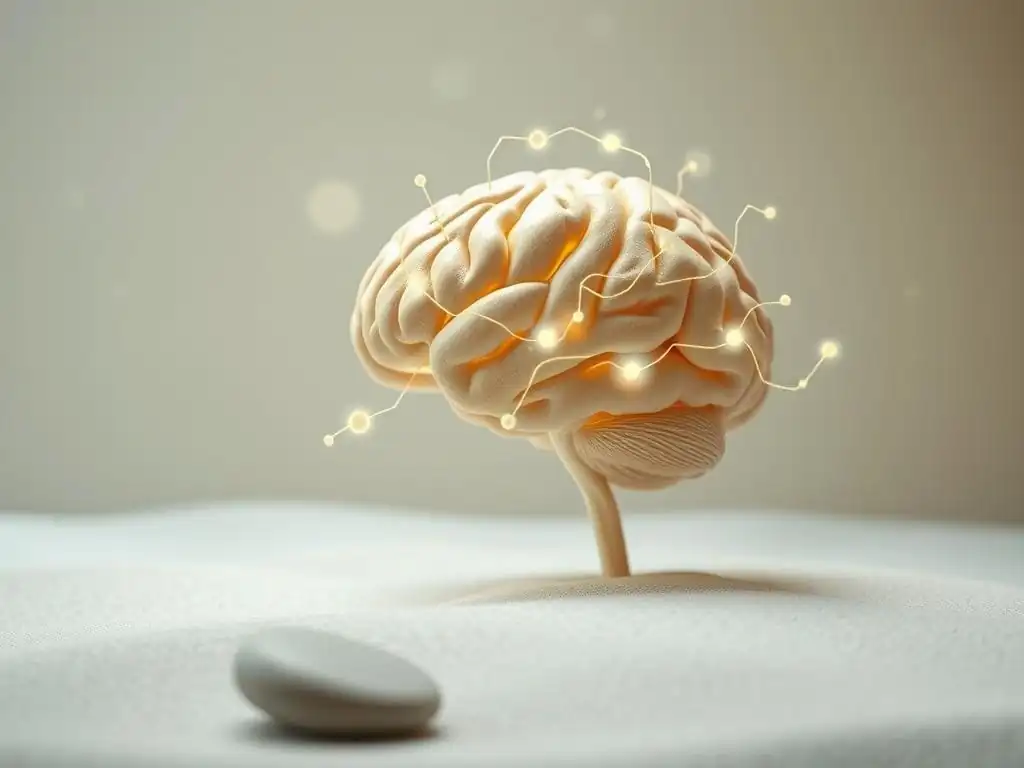
Strategy 1: Harnessing Neuroplasticity Through Repetition and Consistency
The most fundamental principle for leveraging brain plasticity for habit formation is consistent repetition. Every time you perform a desired behavior, you strengthen the neural connections associated with that action. Think of it like carving a path through a forest; the first time is difficult, but walking the same path repeatedly makes it wider, clearer, and easier to traverse. Similarly, neural pathways become more robust and efficient with consistent use. This is why simply deciding to change isn't enough; the doing is what matters for neuroplastic change.
Research into skill acquisition and habit formation consistently highlights the critical role of consistent practice. Studies involving motor skills, language learning, or cognitive tasks show measurable changes in brain structure and function after periods of dedicated, regular practice.
For instance, learning to play a musical instrument for just 30 minutes daily over several months can lead to observable increases in gray matter in areas of the brain related to motor control and auditory processing. Applying this to habits, regularly performing an action, even for a short duration, signals to the brain that this behavior is important and should be automated.
The Power of Consistent Practice in Habit Development
Consistent practice is the engine of habit formation powered by brain plasticity. It's not about occasional heroic efforts, but about small, regular actions that compound over time. When you practice a new habit daily or on a reliable schedule, you are repeatedly activating the same neural circuits, reinforcing the connections within the habit loop. This consistent stimulation helps to myelinate the axons of the neurons involved – essentially, wrapping them in a fatty substance that allows signals to travel faster and more efficiently. This neurological change is what makes a behavior feel less effortful and more automatic over time.
Consider someone trying to develop a reading habit. Reading for 15 minutes every single day is far more effective for building a lasting habit than reading for two hours sporadically once a week. The daily practice ensures consistent activation of the relevant neural pathways in areas like the prefrontal cortex (for initiation) and basal ganglia (for automation). This regular, predictable stimulation leverages neuroplasticity optimally, making the behavior stick as the brain adapts to prioritize and automate this routine.
How Many Repetitions Does It Take to Form a New Habit?
The popular notion that it takes exactly 21 days to form a new habit is largely a myth stemming from anecdotal observation. More rigorous research suggests that the timeframe is highly variable and depends on the individual, the habit's complexity, and the circumstances. A study published in the European Journal of Social Psychology in 2009 tracked the habit formation of 96 participants over 12 weeks. It found that the average time for a new habit to become automatic was 66 days, but the range was vast, from 18 days to a significant 254 days.
This variability underscores that focusing solely on a number can be misleading. What matters more than the specific number of repetitions or days is the consistency of practice and the strength of the habit loop being built. Simple habits, like drinking a glass of water in the morning, might become automatic relatively quickly. More complex habits, like going to the gym consistently or learning a new skill, may take much longer. Patience and persistence through this variable timeframe are crucial for leveraging the brain's plastic capacity for lasting change.
Strategy 2: Optimizing Your Environment for Successful Habit Change
Your environment plays a powerful, often underestimated, role in triggering and maintaining habits. Cues for both good and bad habits are often embedded in our surroundings. Leveraging brain plasticity for positive change involves consciously designing your environment to make desired behaviors easier to initiate and undesirable behaviors harder. This strategy is about manipulating the 'Cue' part of the habit loop to work in your favor, guiding your brain towards positive routines.
Environmental design for habit formation is a practical application of understanding how the brain responds to stimuli. If you want to eat healthier, having fruits and vegetables readily visible on the counter (positive cue) while storing unhealthy snacks out of sight (removing negative cue) directly influences the cues your brain receives, making it easier to choose the healthier routine. This isn't just about willpower; it's about reducing the cognitive load required to make a positive choice by making the desired action the path of least resistance, thereby reinforcing positive neural pathways.
Eliminating Triggers and Cues for Bad Habits
To break an unwanted habit, a powerful brain plasticity strategy involves identifying and systematically removing the cues that trigger it. Since habits are often automatic responses to specific triggers, disrupting this link weakens the neural pathway connecting the cue to the undesirable routine. For example, if you habitually check social media every time you open your laptop, the act of opening the laptop is the cue. To break this, you might change your environment by closing all social media tabs automatically upon closing the laptop or using website blockers.
This deliberate act of altering your environment to remove triggers prevents the activation of the entrenched neural circuit for the bad habit. While initially requiring conscious effort, repeatedly avoiding the cue or pairing it with a different routine helps to weaken the old neural connection. Over time, the brain's plasticity allows the once-strong link between the original cue and the unwanted routine to fade, making the bad habit less automatic and easier to resist.
Creating a Supportive Environment for New Habits
Just as removing cues for bad habits is effective, creating prominent cues for good habits strengthens the positive habit loops you want to build. This involves strategically placing reminders or making the first step of a new routine obvious and easy. If you want to start exercising in the morning, laying out your workout clothes the night before serves as a strong visual cue the moment you wake up. This simple environmental tweak reduces the friction to starting the routine, making it more likely that the desired neural pathway is activated and reinforced.
This strategy leverages the brain's tendency to respond to salient cues. By making the cue for a new habit highly visible or unavoidable, you increase the likelihood of initiating the desired behavior. For instance, if you aim to drink more water, keeping a full water bottle on your desk throughout the day provides a constant cue. This environmental engineering supports brain plasticity by ensuring the new habit loop is triggered and practiced consistently, facilitating the strengthening of the associated neural connections.
Strategy 3: Utilizing Mindfulness and Focused Attention to Strengthen Neural Pathways
Mindfulness and focused attention are powerful cognitive tools that can directly influence brain plasticity and support habit formation. Mindfulness, the practice of paying attention to the present moment without judgment, helps you become more aware of your thoughts, feelings, and bodily sensations – including the cues and urges associated with habits. This increased awareness allows you to interrupt automatic habit loops and make conscious choices, rather than mindlessly following old patterns.
Practicing mindfulness can actually alter the structure and function of the brain. Studies have shown that regular mindfulness meditation can lead to increased gray matter density in areas like the hippocampus (involved in learning and memory) and the prefrontal cortex (involved in planning and decision-making), while potentially decreasing it in the amygdala (associated with fear and stress). These changes reflect enhanced neuroplasticity that supports greater self-awareness and impulse control, essential components for breaking old habits and building new ones.
Mindfulness Techniques to Enhance Brain Plasticity
Several mindfulness techniques can be employed to enhance brain plasticity and support habit change. Simple practices like focused breathing exercises, body scans, or mindful walking cultivate present-moment awareness. When trying to change a habit, practicing mindfulness allows you to notice the cue and the subsequent urge before automatically engaging in the routine. For example, if you're trying to reduce stress eating, a mindful pause when feeling stressed allows you to recognize the feeling (the cue) and the urge to eat (the craving) without immediately acting on it.
Another technique is mindful observation of thoughts and feelings. Instead of being swept away by a craving or an urge to engage in an old habit, you can observe it with curiosity, acknowledging its presence without judgment or action. This creates a space between the cue and the routine, allowing the prefrontal cortex to engage and make a deliberate choice. This conscious interruption, practiced repeatedly, helps to weaken the automatic neural pathway of the old habit and strengthens the neural circuits associated with conscious decision-making, demonstrating brain plasticity in action.
Focused Attention and Its Role in Habit Reinforcement
Focused attention is closely related to mindfulness and is critical for reinforcing the neural pathways of new habits. When you deliberately focus your attention on performing a new behavior, you are directing neural activity to the specific circuits involved. This conscious, concentrated effort strengthens the connections more effectively than simply going through the motions mindlessly. For instance, if you are trying to improve your posture as a new habit, actively focusing on aligning your spine and shoulders throughout the day, even for short periods, is more impactful than just occasionally remembering to sit up straight.
Neuroscience research supports the idea that focused attention enhances learning and memory consolidation, processes intimately linked to brain plasticity. When attention is directed towards a task, the brain prioritizes the encoding and strengthening of the associated neural information. Therefore, when practicing a new habit, paying focused attention to the action itself and the positive feelings or rewards associated with it helps to solidify the new neural circuit more quickly and effectively. This deliberate concentration accelerates the process of leveraging brain plasticity for habit formation.
Strategy 4: The Role of Sleep, Nutrition, and Exercise in Brain Plasticity and Habit Building
While often viewed as separate from habit formation strategies, sleep, nutrition, and exercise are foundational pillars that profoundly impact brain health and its capacity for plasticity. A healthy brain is a more plastic brain, better equipped to form new connections, consolidate learning, and support the effort required for behavior change. Neglecting these areas can significantly hinder your ability to build positive habits and break negative ones, regardless of how well you apply other strategies.
These lifestyle factors directly influence neurochemical balances, structural integrity, and the efficiency of neural communication. Chronic sleep deprivation, poor diet, or lack of physical activity can impair cognitive functions like attention, memory, and executive control – all crucial for conscious habit change. Prioritizing these aspects of well-being creates an optimal environment within the brain, enhancing its natural capacity for plasticity and making the process of habit formation more successful and sustainable.
How Sleep Enhances Neuroplasticity and Memory Consolidation
Sleep is a critical period for brain maintenance and consolidation, processes essential for neuroplasticity and habit formation. During sleep, particularly REM sleep, the brain actively processes and consolidates information and experiences from the day, strengthening the neural connections associated with learning and memory. This includes reinforcing the neural pathways related to new skills and habits you've been practicing. Sufficient, quality sleep (generally 7-9 hours for adults) optimizes this process.
Sleep deprivation, conversely, impairs neuroplasticity. It can disrupt synaptic function, reduce the formation of new neurons (neurogenesis) in areas like the hippocampus, and negatively impact cognitive functions necessary for habit change, such as decision-making and impulse control. Ensuring adequate sleep supports the brain's ability to solidify new habit pathways, making the learned behaviors more automatic and resilient.
The Impact of Diet and Nutrition on Brain Health and Habit Formation
What you eat directly fuels your brain and impacts its structural integrity and function, thereby influencing brain plasticity and your ability to form habits. A diet rich in omega-3 fatty acids (found in fish), antioxidants (berries, leafy greens), vitamins (B vitamins, Vitamin E), and minerals is crucial for maintaining healthy brain cells and supporting neuroplastic processes. These nutrients help reduce inflammation, protect neurons from damage, and support the production of neurotransmitters that facilitate learning and memory.
Conversely, diets high in saturated fats, sugars, and processed foods can negatively impact brain health, potentially leading to inflammation and impaired cognitive function. Maintaining stable blood sugar levels through balanced meals also supports consistent energy for brain activity, which is important for sustaining the effort required for deliberate habit change. Proper nutrition provides the necessary building blocks and energy for the brain to effectively utilize its plasticity for forming and maintaining new habits.
Exercise and Its Benefits for Cognitive Function and Plasticity
Regular physical exercise is one of the most powerful activities for enhancing brain plasticity. It increases blood flow to the brain, delivering oxygen and nutrients essential for neuron health. Exercise also stimulates the production of Brain-Derived Neurotrophic Factor (BDNF), a protein that acts like fertilizer for the brain, promoting the growth of new neurons, strengthening synapses, and protecting existing brain cells. This increase in BDNF is particularly notable in the hippocampus, a key area for learning and memory.
Beyond increasing plasticity, exercise improves mood, reduces stress, and enhances executive functions such as planning, working memory, and inhibitory control. These cognitive benefits are directly applicable to habit formation, as they improve your ability to plan your habit strategy, remember to perform the new behavior, and resist the urge to fall back into old patterns. Incorporating regular physical activity is a potent strategy for supporting your brain's capacity for positive change.
Overcoming Challenges in Habit Formation Through Brain Plasticity
Dealing with Setbacks and Maintaining Motivation
Forming new habits is rarely a linear process; setbacks are a normal and expected part of the journey. Understanding this is crucial for maintaining motivation. When you miss a day or slip back into an old behavior, it doesn't erase all the progress your brain has made in building new neural pathways.
Brain plasticity allows for recovery and continued strengthening even after interruptions. The key is how you respond to the setback. Viewing it as a failure that negates everything can be demotivating, while seeing it as a temporary lapse allows you to learn and get back on track quickly.
Maintaining motivation, especially when progress feels slow or setbacks occur, can be challenging. Focusing on the small wins and acknowledging the neural changes that are happening can be incredibly powerful. Celebrate the days you successfully performed the new habit. Remind yourself that each successful repetition reinforces the desired neural circuit. Utilizing strategies like tracking progress, setting realistic expectations, and practicing self-compassion are vital for navigating the inevitable challenges and keeping your brain focused on the goal of positive change.
Breaking Bad Habits by Rewiring Neural Connections
Breaking a bad habit isn't about eliminating the old neural pathway entirely, but rather about weakening its automatic influence and building stronger, competing pathways for desired behaviors. The old habit loop linking a specific cue to an unwanted routine remains present, but with consistent effort, you can learn to recognize the cue and deliberately choose a different, more positive routine, or even suppress the automatic response. This requires conscious engagement of areas like the prefrontal cortex to override the automatic signals from the basal ganglia, where habits are stored.
One effective brain plasticity habit formation strategy for breaking bad habits involves identifying the cue and the reward of the old habit loop, and then substituting the undesirable routine with a new, positive one that delivers a similar reward. For example, if the cue is stress and the bad routine is smoking (reward: perceived stress relief), you could substitute the routine with deep breathing exercises or a short walk (reward: actual stress relief, improved mood).
By consistently practicing this new routine in response to the old cue, you build a stronger, competing neural pathway, gradually weakening the old one through disuse and conscious override.
The Importance of Patience and Self-Compassion in the Habit Formation Process
Leveraging brain plasticity for habit change is a process that takes time and effort. Patience is essential because the brain needs consistent stimulation over extended periods to build and solidify new neural pathways. Expecting instant results can lead to frustration and discouragement. Understanding that the brain is physically changing, albeit gradually, helps to foster a sense of progress even when the habit doesn't yet feel fully automatic. This long-term perspective is vital for sustained effort.
Self-compassion is equally important. Change is difficult, and you will inevitably face challenges, slip-ups, and moments of doubt. Treating yourself with kindness and understanding during these times, rather than harsh self-criticism, is crucial for maintaining motivation and resilience. Recognize that setbacks are learning opportunities, not failures. Approaching the process with patience and self-compassion creates a more supportive internal environment, reducing stress that can hinder cognitive function and making it easier to stay committed to your brain plasticity habit formation strategies.
Real-Life Examples: Success Stories of Habit Change Using Brain Plasticity

Consider the case of someone struggling with social anxiety, where the cue (social situations) triggers an automatic routine (avoidance or withdrawal) leading to a temporary reward (relief from anxiety). Cognitive Behavioral Therapy (CBT) leverages brain plasticity to break this pattern. Through therapy, the individual learns to identify the negative thought patterns and beliefs associated with social cues. They practice challenging these thoughts and gradually engaging in controlled exposure to social situations (the new routine).
Initially, exposure therapy is uncomfortable, activating the ingrained anxiety pathways. However, with consistent practice and the development of new coping thoughts (guided by the therapist), the brain begins to form new neural connections. The prefrontal cortex becomes more active in processing social cues rationally, and the amygdala's automatic fear response is modulated. Over time, the consistent practice of facing fears and using new cognitive tools strengthens these new, healthier pathways, reducing the automatic anxiety response and making social interactions less daunting – a clear example of brain plasticity habit formation strategies in action.
Developing a Consistent Meditation Practice Using Habit Tracking and Reward Systems
Take the example of someone aiming to establish a daily 10-minute meditation habit. Initially, the cue might be simply waking up, but the routine feels difficult and unnatural, and the reward (feeling calmer) isn't always immediate or obvious. To leverage brain plasticity, they implement strategies like habit stacking (pairing meditation with an existing habit, like drinking coffee), using an app for guided sessions (making the routine easier), and tracking their progress visually (providing a tangible reward).
By consistently meditating daily, even for short periods, they are repeatedly activating neural circuits associated with focus, self-regulation, and calm (areas like the prefrontal cortex and cingulate cortex). The habit tracking provides a visual reinforcement, and the gradual experience of reduced stress serves as an internal reward, further strengthening the neural pathway. Over several weeks, the brain adapts; the act of waking up becomes a stronger cue for meditation, and the routine feels less like a chore and more automatic, demonstrating successful brain plasticity habit formation.
Consider someone who habitually checks social media whenever they experience a moment of boredom or stress (the cue), leading to endless scrolling (the routine) and a fleeting reward (novelty, distraction). To reduce this dependence using brain plasticity habit formation strategies, they first use mindfulness to become aware of the cues (boredom, stress) and the urge to check. They then implement environmental changes, such as turning off notifications, deleting apps from their home screen, or using website blockers during specific hours.
When the cue appears, instead of automatically opening an app, the individual pauses mindfully, recognizing the urge without acting on it. They might substitute the scrolling routine with a planned alternative, like reading a book for 5 minutes or doing a quick stretching exercise. By consistently interrupting the old cue-routine link and practicing new, mindful responses or substitute routines, they weaken the neural pathway associated with compulsive checking and strengthen pathways related to conscious choice and alternative activities. This deliberate practice rewires the brain's response to the original cues.
Tools and Resources for Enhancing Brain Plasticity and Habit Formation
Apps and Technologies for Tracking Progress and Reinforcing Habits
Numerous digital tools can support brain plasticity habit formation strategies by providing structure, tracking, and positive reinforcement. Habit tracking apps allow you to log your daily progress, creating a visual chain of successful repetitions. This visual record serves as a powerful motivator and a tangible representation of the neural pathway you are building. Many apps use streaks or gamification elements to provide a rewarding experience, reinforcing the habit loop.
Other technologies include apps designed for mindfulness meditation, which help train focused attention and self-awareness, crucial for recognizing cues and interrupting old habits. Apps that offer structured exercise programs or healthy eating plans can also support the foundational lifestyle factors that enhance brain plasticity. While these tools are external aids, their consistent use helps to structure the consistent practice needed to drive the internal, neurological changes associated with habit formation.
Books and Articles on Brain Plasticity and Habit Change
Educating yourself about the science behind brain plasticity and habit formation can be a powerful motivator and provide practical strategies. Many excellent books and articles delve into the neuroscience of habits, explaining concepts like the habit loop and how repetition literally rewires the brain. Reading about others' experiences and the scientific basis for change can demystify the process and reinforce the belief that change is possible.
These resources often provide detailed guides on implementing brain plasticity habit formation strategies, such as identifying cues, designing rewards, and setting realistic goals. Understanding the "why" behind these techniques – how they influence your brain's physical structure and function – can strengthen your commitment and approach to habit change.
Professional Guidance: When to Seek Help from a Therapist or Coach
While understanding brain plasticity provides a powerful framework for self-directed habit change, sometimes professional guidance is necessary, especially when habits are deeply entrenched, linked to mental health challenges, or feel overwhelming to tackle alone. Therapists, particularly those trained in CBT, Dialectical Behavior Therapy (DBT), or Acceptance and Commitment Therapy (ACT), are skilled at helping individuals identify problematic habit loops, understand underlying triggers and rewards, and develop effective strategies for building new behaviors.
A therapist or coach can provide personalized strategies tailored to your specific challenges, help you navigate setbacks with self-compassion, and offer accountability. For habits related to conditions like anxiety, depression, addiction, or ADHD, professional support can address the root causes and provide specialized techniques that leverage brain plasticity in a targeted way. Seeking help is a sign of strength and can significantly increase your chances of successful, sustainable habit change.
Maximizing Brain Plasticity for Lasting Positive Change: Key Takeaways
The Long-Term Benefits of Cultivating Positive Habits
Cultivating positive habits through the application of brain plasticity habit formation strategies yields significant long-term benefits for overall well-being. As positive behaviors become automatic, they require less conscious effort, freeing up mental energy for other tasks. Habits related to health, like regular exercise or mindful eating, lead to improved physical health and reduced risk of chronic diseases. Habits related to mental well-being, such as daily meditation or journaling, can reduce stress, improve emotional regulation, and enhance resilience.
Furthermore, successful habit formation builds self-efficacy and confidence. Each new positive habit reinforces the belief in your ability to change and grow, creating a virtuous cycle. Over time, a collection of small, positive habits can lead to transformative improvements in various aspects of life, from productivity and learning to relationships and emotional health. These lasting changes are a direct result of the brain's remarkable capacity to adapt and rewire itself through consistent practice.
Empowering Yourself Through Understanding and Applying Brain Plasticity Principles
Understanding brain plasticity is inherently empowering. It shifts the perspective on personal change from one of fixed limitations to one of dynamic potential. Knowing that your brain is capable of physically changing in response to your actions provides a scientific basis for hope and motivates sustained effort. It underscores that you are not simply stuck with old patterns; you have the biological capacity to create new ones.
By applying the principles of brain plasticity habit formation strategies – focusing on consistent repetition, optimizing your environment, cultivating mindfulness, prioritizing foundational health, and responding constructively to setbacks – you are actively participating in shaping your brain. This knowledge transforms the challenge of habit change into an exciting journey of neurological growth and self-discovery. Embracing your brain's plasticity is key to unlocking your potential for lasting positive change and building a life aligned with your values and goals.
Frequently Asked Questions
What is brain plasticity and how does it relate to habit formation?
Brain plasticity refers to the brain's ability to reorganize itself by forming new neural connections throughout life. This neuroplasticity is the foundation for habit formation, as repeated actions strengthen specific neural pathways.
How can I use brain plasticity to break bad habits?
By consciously engaging in alternative behaviors, you can weaken the neural pathways associated with the unwanted habit and strengthen those linked to the new, desired behavior. This process of rewiring the brain takes time and consistency.
What are some specific strategies for leveraging brain plasticity to build good habits?
Strategies include repetition and consistency, creating a supportive environment, associating the new habit with positive rewards, and using techniques like mindfulness to increase awareness of triggers and urges.
How long does it typically take to form a new habit using brain plasticity?
While there's no fixed timeline, research suggests it can take anywhere from 18 to 254 days, with an average of around 66 days. Consistency and persistence are key to success.
Where can I find more resources and support for understanding brain plasticity and habit formation?
Mind Care Guide offers comprehensive information, support, and resources related to mental well-being, including articles, guides, and links to professional help for various mental health challenges.
Final Reflection: Harnessing Neuroplasticity for a Lifetime of Growth
The power to reshape our lives lies within the remarkable adaptability of our brains. Understanding and leveraging brain plasticity isn't just a scientific curiosity; it's the key to unlocking our potential for positive change, offering a practical roadmap for building better habits and achieving lasting well-being in a world demanding constant adaptation. This knowledge empowers us to actively sculpt our own neural pathways, moving beyond passive acceptance of ingrained behaviors.
The ongoing influence of this understanding of neuroplasticity is profound. It shifts the narrative from a deterministic view of our habits to one of empowerment and agency. We are not simply victims of our past experiences; we are active participants in shaping our future selves. The brain is like a muscle. When we use it, it gets stronger. When we don't, it weakens.
This simple analogy highlights the crucial role of consistent effort and mindful practice in forging new, positive habits. The implications extend far beyond personal improvement, impacting fields from education and therapy to organizational development and societal progress.
Consider the implications of this knowledge. You now possess the tools to consciously cultivate positive habits, to rewire your brain for success, and to build a life aligned with your values and aspirations. What new habit will you cultivate today? What small, consistent action will you take to strengthen the neural pathways supporting your goals? Embrace the incredible plasticity of your brain, and embark on a journey of continuous growth and self-improvement. The power to change is within your reach.
Unlock Your Brain's Potential: Start Building Better Habits Today!
Thanks for taking the time to explore the power of brain plasticity and how it can help you build better habits! You've learned how adaptable your brain truly is, and now it's time to put that knowledge into action. Ready to transform your life?
- Prioritize ONE new habit this week: Choose just one area—whether it's exercise, mindfulness, or healthy eating—and focus your energy on consistently implementing a small, manageable step. This focused approach maximizes your chances of success.
- Share your "one habit" goal with a friend or family member: Accountability is key! Let someone you trust know what you're working on and check in with them regularly for support and encouragement.
- Explore the Mind Care Guide's resources on habit formation: Dive deeper into techniques and strategies to overcome obstacles and accelerate your progress. (This bullet point can be removed if external links are strictly prohibited).
What small step will you take today to unlock your brain's incredible potential for positive change?