
Injury Comeback: Overcoming Anxiety After Time Off the Field

Welcome to Mind Care Guide, a sanctuary for your mental well-being.
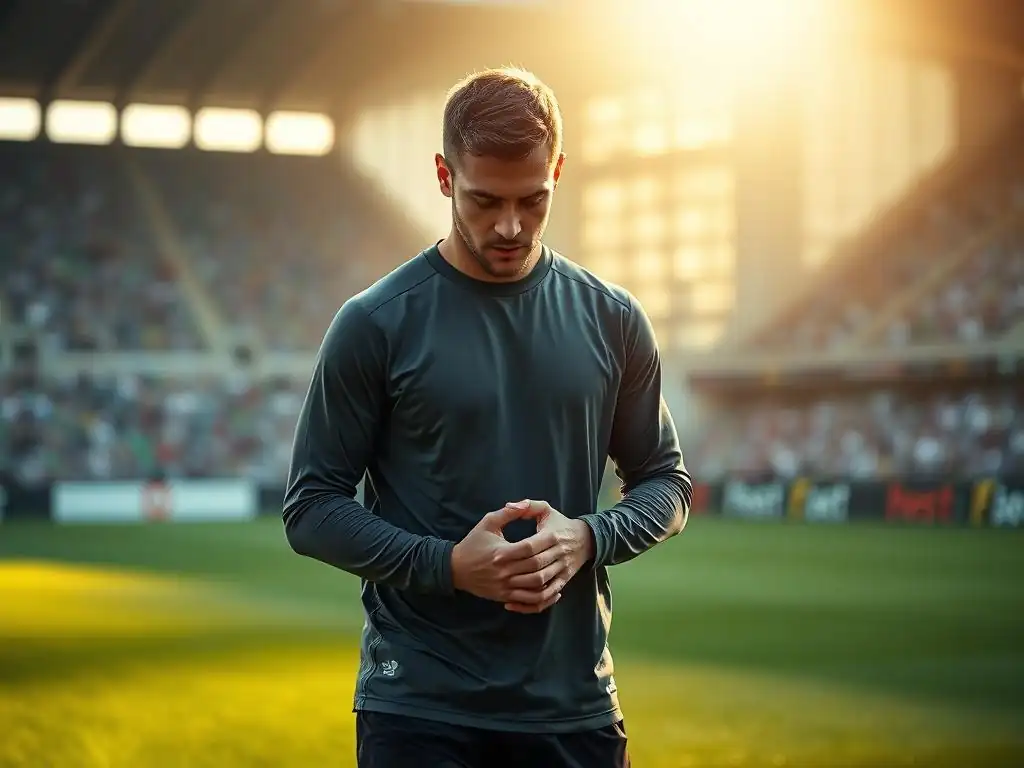
Feeling the weight of anxiety after returning to sport? You're not alone. Many athletes experience this challenging transition. This week, we delve into the specific anxieties surrounding an injury comeback, offering practical strategies to reclaim your confidence and joy on the field. Let's explore how to navigate these feelings and rediscover your passion, one step at a time...
Injury Comeback: Overcoming Anxiety After Time Off the Field
- Understanding Anxiety After Returning to Sport Following Injury
- Strategies for Managing Anxiety After Returning to Sport
- Addressing Fear of Re-Injury and Building Confidence
- Managing Performance Anxiety and Pressure
- The Importance of Support Systems
- Returning to Sport with Confidence: A Long-Term Perspective
-
Frequently Asked Questions
- What are the common sources of anxiety after returning to sport following an injury?
- How can I manage my fear of re-injuring myself during my comeback?
- What strategies can help me regain my confidence after being away from the sport?
- Where can I find professional support if my anxiety is overwhelming?
- How important is communication with my coach and teammates during my return?
- Final Reflection: The Unseen Opponent: Anxiety's Grip on the Return to Sport
- Rediscover Your Peak Performance: Take Charge of Your Comeback!
Understanding Anxiety After Returning to Sport Following Injury
Returning to the playing field after a significant injury is a monumental step for any athlete. It marks the culmination of weeks or months of rehabilitation, hard work, and patience. However, this transition isn't purely physical; it carries a significant psychological weight. While the body might be cleared, the mind often lags behind, grappling with a complex mix of emotions, including a common and often underestimated challenge: anxiety after returning to sport. This anxiety can manifest in various ways, impacting performance, enjoyment, and overall well-being.
Navigating this period requires understanding that the psychological recovery is just as vital as the physical healing. Athletes who have successfully managed their injury comeback often highlight the importance of addressing the mental hurdles head-on. Ignoring the signs of anxiety upon returning to play can hinder progress, potentially leading to decreased confidence, tentative movements, and even increasing the perceived risk of re-injury. Recognizing the legitimacy of these feelings is the first step in developing effective strategies to overcome them and return to sport with confidence and peace of mind.
The Psychological Impact of Sports Injuries on Athletes
Sports injuries extend far beyond the physical damage. They disrupt routines, isolate athletes from their teams, and challenge their identity, which is often deeply intertwined with their sport. This disruption can lead to a spectrum of psychological responses, including grief over the loss of participation, frustration with the recovery process, and significant worry about the future. For many, the injury layoff becomes a period of intense introspection, where self-doubt can easily take root, especially when facing setbacks in rehabilitation.
Research consistently shows a high prevalence of psychological distress among injured athletes. For instance, studies have indicated that between 5% and 15% of injured athletes may experience clinical depression, while anxiety rates can be even higher, particularly as the return-to-play phase approaches. The psychological journey through injury involves navigating stages similar to grief: denial, anger, bargaining, depression, and eventual acceptance and reorganization. Failing to process these stages adequately can leave residual emotional baggage, which directly contributes to the anxiety experienced after returning to sport.
Recognizing Anxiety Symptoms After Injury Layoff
Anxiety after returning to sport can show up differently in each athlete, but there are common signs to watch for. Physically, an athlete might experience increased heart rate, shallow breathing, muscle tension (especially in the previously injured area), sweating, or even digestive issues before or during practice and competition. These physical symptoms are the body's stress response kicking in, signaling that the mind perceives a threat, even if the body is physically ready.
Psychologically and behaviorally, the signs can include excessive worry about performance, dwelling on the injury, difficulty concentrating, irritability, changes in sleep patterns, or avoidance of certain movements or situations that mimic the injury mechanism. An athlete might appear hesitant or tentative on the field, second-guessing themselves or playing "smaller" than usual. They might talk excessively about the injury or, conversely, completely avoid discussing it. Recognizing these symptoms early is crucial, as they indicate a need for targeted mental strategies to effectively manage post-injury return anxiety.
Why Anxiety is Common After Injury: Fear of Re-injury and Performance Pressure
The primary drivers behind anxiety after returning to sport are often the fear of re-injury and the pressure to perform at pre-injury levels. The experience of getting injured is traumatic; the body and mind remember the pain and vulnerability. Even after complete physical healing, the memory of the incident can trigger a protective, albeit sometimes excessive, fear response. This fear is a natural survival mechanism, but when it becomes overwhelming, it turns into debilitating anxiety upon returning to play, causing the athlete to hold back or feel constantly on edge.
Compounding the fear of re-injury is the pressure to perform. Athletes often face internal and external expectations to immediately return to their previous level of skill and performance. Coaches, teammates, fans, and even the athletes themselves may underestimate the time and mental energy required to regain form. This pressure, coupled with the underlying fear, creates a perfect storm for anxiety after returning to sport. The athlete worries not only about getting hurt again but also about whether they are still capable, whether they can contribute to the team, and whether the injury has permanently diminished their abilities.
Strategies for Managing Anxiety After Returning to Sport
Effectively managing anxiety after returning to sport involves a multi-faceted approach that addresses both the psychological and physical aspects of the comeback. It's not about eliminating anxiety entirely, as a certain level of alertness can be beneficial, but rather about developing strategies to keep it at a manageable level where it doesn't interfere with performance or enjoyment. This involves patience, self-compassion, and actively engaging in techniques designed to rebuild confidence and mental resilience.
Successful strategies often combine structured physical progression with dedicated mental skills training. Athletes who prioritize their mental recovery alongside their physical rehabilitation are typically better equipped to handle the challenges of returning to play. This section explores proven methods that can help athletes navigate the complexities of post-injury return anxiety and step back onto the field with greater confidence and composure.
Gradual Return to Play: A Phased Approach to Reduce Anxiety
A carefully planned, gradual return to play is one of the most effective physical strategies to mitigate anxiety after returning to sport. This phased approach ensures that the athlete's body is progressively challenged, rebuilding strength, endurance, and sport-specific skills in a controlled environment. It typically moves through stages, starting with basic movement patterns, progressing to sport-specific drills, then to practicing with teammates, and finally, returning to full competition. This structured progression allows the athlete to test their body's capabilities and build confidence incrementally.
For example, an athlete recovering from a hamstring tear might start with light jogging, then progress to striding, followed by controlled sprints, change-of-direction drills, and eventually participating in full-speed practices. Each stage is cleared based on physical readiness and the athlete's comfort level. This systematic approach minimizes the likelihood of re-injury due to premature return and, crucially, provides psychological reassurance. By successfully completing each stage, the athlete gains tangible evidence of their recovery and resilience, directly reducing the anxiety associated with returning to sport by demonstrating that their body can handle the demands.
The Role of Mental Skills Training in Injury Recovery and Anxiety Management
Integrating mental skills training into the rehabilitation and return-to-play process is paramount for managing anxiety after returning to sport. Just as physical therapy strengthens muscles and joints, mental training strengthens the mind, equipping athletes with tools to cope with stress, fear, and performance pressure. This training helps athletes regain a sense of control, shift their focus from potential negative outcomes (like re-injury) to positive processes (like executing skills), and build robust self-belief.
Mental skills like visualization, mindfulness, and goal setting are not just beneficial; they are often essential components of a successful comeback. They provide athletes with actionable techniques they can use before, during, and after training sessions and competitions to manage their thoughts and emotions. Athletes who consistently practice these skills report feeling more prepared, less overwhelmed by pressure, and more confident in their ability to perform, thereby significantly reducing their anxiety after returning to sport.
Visualization Techniques for Building Confidence
Visualization, or guided imagery, is a powerful mental tool where athletes create vivid mental pictures of successful performance and executing skills flawlessly. For an athlete dealing with anxiety after returning to sport, visualization can be particularly effective in rehearsing movements related to the injured area, seeing themselves performing them without pain or hesitation. This technique helps desensitize the fear response and builds mental blueprints for success.
- Step 1: Find a quiet place to relax.
- Step 2: Close your eyes and take a few deep breaths.
- Step 3: Imagine yourself successfully performing a specific skill or movement related to your sport, focusing on the feeling of ease and control.
- Step 4: Picture yourself in a game or competition, executing plays confidently and reacting instinctively.
- Step 5: Feel the positive emotions associated with successful performance – confidence, joy, accomplishment.
Regular practice, even for just 5-10 minutes daily, can significantly improve an athlete's confidence and reduce the mental blockages associated with anxiety after returning to sport. By mentally rehearsing success, athletes train their brains to anticipate positive outcomes rather than dwelling on potential failures or re-injury.
Mindfulness and Meditation for Stress Reduction
Mindfulness involves paying attention to the present moment without judgment, while meditation is a practice that cultivates this awareness. These techniques are invaluable for athletes experiencing anxiety after returning to sport because they help ground the individual in the present, reducing rumination on past injuries or future worries. By focusing on breath, bodily sensations, or the immediate environment, athletes can interrupt cycles of anxious thought.
Practicing mindfulness helps athletes become more aware of their physical and emotional state without reacting impulsively to feelings of discomfort or fear. For example, an athlete feeling a twinge of pain or a surge of anxiety can observe it without panicking, recognizing it as a temporary sensation rather than a sign of impending disaster. This non-reactive awareness is crucial for managing the physical symptoms and mental distress linked to anxiety after returning to sport, allowing athletes to stay calm and focused under pressure.
Goal Setting to Regain Control
Setting clear, achievable goals is a fundamental strategy for managing anxiety after returning to sport. Injury can leave athletes feeling a loss of control over their bodies and careers. Goal setting helps re-establish this sense of agency by providing a roadmap for progress. It's essential to set both short-term and long-term goals, focusing initially on process goals related to rehabilitation adherence, specific movement patterns, or consistency in practice, rather than immediate outcome goals like winning or scoring a certain number of points.
For instance, a short-term goal might be "successfully complete all prescribed physical therapy exercises this week" or "participate fully in the first 30 minutes of practice without hesitation." A medium-term goal could be "regain full speed in sprinting within one month," and a long-term goal might be "return to pre-injury competitive form by the end of the season." Breaking down the comeback into manageable steps makes the overall task less daunting and provides regular opportunities for success, which reinforces confidence and helps alleviate anxiety after returning to sport by demonstrating tangible progress.
Addressing Fear of Re-Injury and Building Confidence

Fear of re-injury is perhaps the most significant psychological hurdle for athletes returning from injury. It's a deeply ingrained concern that can lead to cautious, hesitant play, paradoxically sometimes increasing the risk of certain types of injuries or hindering performance significantly. Addressing this fear directly is critical for a successful and confident return. It requires understanding where the fear comes from and employing specific strategies to challenge and overcome it, thereby reducing the anxiety after returning to sport.
Building confidence after injury is not about ignoring the possibility of future injury, but about developing trust in one's body and preparation. It's an active process that involves mental and physical components, often benefiting from professional guidance. Athletes need to feel secure in their physical readiness and mental preparedness to perform at their best without being paralyzed by fear.
Understanding the Root of Fear: How Past Experiences Influence Current Anxiety
The fear of re-injury is deeply rooted in the athlete's past experience of the injury itself. The pain, the helplessness, the disruption to their life – these memories are powerful and can be easily triggered upon returning to the environment where the injury occurred. The brain's primary function is survival, and it remembers threats. For an athlete, the injury event is a significant threat, and the brain may try to protect them by generating fear and anxiety after returning to sport, essentially saying, "Be careful, this place/activity was dangerous before."
Furthermore, witnessing teammates' injuries or hearing about others' struggles with re-injury can amplify this fear. The athlete might project these experiences onto themselves, increasing their own perceived vulnerability. Understanding that this fear is a natural, albeit sometimes maladaptive, response to a traumatic event is the first step in processing it. It's not a sign of weakness, but a signal that the psychological aspect of recovery needs attention alongside the physical. Recognizing these roots helps athletes validate their feelings and begin to address the underlying causes of their anxiety after returning to sport.
Working with a Sports Psychologist to Overcome Fear of Re-Injury
For many athletes, the fear of re-injury is too complex or intense to manage alone. This is where working with a qualified sports psychologist becomes invaluable. A sports psychologist can provide a safe space to process the trauma of the injury and develop targeted strategies to address the fear and the resulting anxiety after returning to sport. They are trained to help athletes identify negative thought patterns, challenge irrational fears, and reframe their relationship with risk and performance.
Sports psychologists use techniques such as Cognitive Behavioral Therapy (CBT) to help athletes challenge and change unhelpful thoughts about re-injury. They might employ exposure therapy techniques, gradually exposing the athlete to situations or movements that trigger fear in a controlled manner, helping them build tolerance and confidence. They can also teach advanced mental skills tailored to the athlete's specific sport and injury.
Athletes who engage with sports psychology services report significant reductions in post-injury return anxiety and a greater sense of preparedness for competition. For example, a study on college athletes found that those who received psychological intervention post-injury showed improved coping skills and reduced fear compared to those who did not.
Practical Exercises to Rebuild Confidence and Trust in Your Body
Rebuilding confidence in your body after injury requires actively testing its capabilities in a safe environment. This doesn't mean pushing too hard too soon, but rather engaging in exercises that gradually increase the demands on the injured area while reinforcing feelings of stability and strength. These exercises should be part of the phased return-to-play protocol, often guided by physiotherapists or athletic trainers, but the athlete's mental engagement is key.
- Proprioception and Balance Drills: Exercises like single-leg stands, wobble board balance, or hopping drills help re-establish the body's awareness of its position in space, particularly crucial after lower limb injuries. Successfully completing these builds trust in the joint's stability.
- Gradual Load Progression: Systematically increasing weight or resistance in strength training, or gradually increasing speed and intensity in sport-specific movements, allows the athlete to feel the injured area handling stress successfully.
- Simulated Sport Situations: Practicing game-like scenarios at reduced intensity, then gradually increasing speed and contact, helps the athlete test their body's reactions in dynamic situations, directly addressing the anxiety after returning to sport in competitive contexts.
These practical exercises, combined with positive self-talk and visualization, provide concrete evidence to the athlete's brain that the body is strong, stable, and capable, effectively countering the fear-driven thoughts contributing to anxiety after returning to sport.
Managing Performance Anxiety and Pressure
Beyond the fear of re-injury, athletes returning from a layoff often face significant performance anxiety. They worry about whether they can meet expectations, match their previous performance levels, or justify their spot on the team. This pressure can be internal, stemming from the athlete's own high standards, or external, coming from coaches, teammates, or even fans. Managing this aspect of anxiety after returning to sport is crucial for regaining peak performance and enjoying the sport again.
Performance anxiety can manifest as choking under pressure, difficulty concentrating, or feeling overwhelmed by the magnitude of the task. Effective strategies focus on shifting the athlete's mindset, redefining success in the initial stages of return, and developing mental techniques to stay focused and composed when the pressure is on.
Reframing Performance Expectations After Injury
One of the most important steps in managing performance anxiety after returning to sport is to realistically reframe expectations. It's often unrealistic to expect to immediately perform at a pre-injury peak, especially after a significant layoff. Athletes need to be patient with themselves and understand that regaining full form is a process, not an event. Setting initial performance goals around effort, execution of specific skills, or adherence to strategy rather than immediate outcomes can alleviate immense pressure.
For example, instead of aiming to score the winning goal in the first game back, an athlete might focus on successfully completing a certain number of passes, executing defensive assignments correctly, or maintaining focus for the entire duration they are on the field. Celebrating these smaller, process-oriented successes helps build momentum and confidence. This shift in focus acknowledges the reality of the recovery process and reduces the burden of unrealistic expectations that fuels anxiety after returning to sport.
Focusing on Process Goals Rather Than Outcome Goals
As mentioned in the goal-setting section, prioritizing process goals is a powerful tool for managing performance anxiety after returning to sport. Outcome goals (like winning, scoring, or achieving a specific statistic) are often outside the athlete's complete control and can lead to frustration and anxiety if not immediately met, especially when still regaining form post-injury. Process goals, however, focus on the actions and behaviors the athlete can control.
Examples of process goals include: "Maintain proper defensive positioning," "Execute my pre-shot routine consistently," "Focus on my breathing between points," or "Complete my post-practice recovery protocol diligently." By concentrating on these controllable actions, athletes stay present and focused on the task at hand, which is the key to effective performance.
Successfully executing process goals leads to improved performance over time and provides a sense of accomplishment that builds confidence naturally, thereby reducing the focus on potentially anxiety-inducing outcomes. This approach helps athletes navigate the challenges of anxiety after returning to sport by directing their energy towards what they can influence.
Developing a Positive Self-Talk Strategy
Self-talk – the internal dialogue athletes have with themselves – significantly impacts confidence and anxiety levels. Negative self-talk ("I'm not ready," "What if I get hurt again? ", "I'm playing terribly") fuels anxiety after returning to sport. Developing a conscious strategy for positive and constructive self-talk can dramatically change an athlete's mindset and performance.
This involves becoming aware of negative thoughts and actively replacing them with positive, affirming, and instructional statements. For example, replacing "Don't mess up!" with "Focus on the fundamentals." Or changing "I'm scared" to "I am prepared; trust my training." Athletes can create cue words or phrases that trigger positive thoughts or desired actions. Practicing positive self-talk during training sessions makes it more likely to be used automatically during competition when anxiety might be higher. This conscious effort to shape one's internal narrative is a vital skill for managing performance pressure and reducing anxiety after returning to sport.
The Importance of Support Systems

No athlete navigates the challenging journey of injury recovery and return to play in isolation. A strong support system is a critical buffer against the psychological distress, including the significant anxiety after returning to sport. Coaches, trainers, teammates, family, and friends all play vital roles in providing encouragement, understanding, and practical assistance. Feeling connected and supported helps reduce feelings of isolation that often accompany injury and strengthens an athlete's resilience.
Leaning on these relationships provides emotional validation and can offer different perspectives on the challenges faced. Sharing concerns about anxiety after returning to sport with trusted individuals can normalize the experience and make it feel less overwhelming. A robust support network helps athletes stay motivated, maintain perspective, and feel less alone in their comeback efforts.
Communicating with Coaches, Trainers, and Teammates
Open and honest communication with coaches, athletic trainers, and teammates is paramount during the return-to-play process. These individuals are directly involved in the athlete's physical reintegration into the sport and need to be aware of any lingering physical or psychological barriers, such as anxiety after returning to sport. Sharing feelings of hesitation or fear allows the support staff to adjust training plans, provide specific reassurance, or offer targeted assistance.
For example, an athlete might tell their coach, "I feel physically ready, but I'm still hesitant during quick changes of direction due to some anxiety." This information allows the coach to incorporate more controlled drills focusing on that specific movement or offer encouraging feedback during those moments. Trainers can explain the biomechanics of the healed injury to build confidence in its stability. Teammates can offer encouragement, understanding, and patience during practices. This transparency fosters trust and ensures that the athlete's return is managed holistically, addressing both physical readiness and mental state, thereby easing the anxiety after returning to sport.
Seeking Support from Family and Friends
Beyond the sport environment, the support of family and friends provides an essential emotional foundation. These relationships offer unconditional support, separate from performance outcomes. Talking to family and friends about the emotional rollercoaster of injury and return can help athletes process their feelings and gain perspective. They can provide a listening ear, offer distractions from sport-related worries, and remind the athlete of their identity beyond being an athlete.
Sharing concerns about anxiety after returning to sport with loved ones can reduce the feeling of having to "put on a brave face" constantly. Simple acts of support, like attending a practice, offering words of encouragement, or just spending quality time together, can significantly boost an athlete's morale and confidence during this challenging period. This external support network complements the internal work the athlete is doing and the support received within the sport context.
The Benefits of Peer Support Groups for Athletes
Connecting with other athletes who have experienced similar injuries and comeback journeys can be incredibly beneficial for managing anxiety after returning to sport. Peer support groups, whether formal or informal, provide a unique space where athletes can share their experiences, challenges, and coping strategies with people who truly understand. Hearing from others who have successfully navigated similar fears and setbacks can be highly motivating and normalizing.
In a peer support setting, athletes can discuss the specific anxieties they face upon returning to play, share tips on mental techniques, and find solidarity in their shared experience. Knowing that others have felt the same fear of re-injury or performance pressure and have overcome it provides hope and practical insights. This sense of community reduces feelings of isolation and reinforces the idea that anxiety after returning to sport is a common, manageable part of the comeback process.
Returning to Sport with Confidence: A Long-Term Perspective
Successfully overcoming anxiety after returning to sport is not just about getting through the first few practices or games; it's about developing long-term strategies for maintaining mental well-being and resilience throughout an athletic career. The skills learned during the injury comeback process – self-awareness, mental toughness, effective coping mechanisms – are valuable assets that extend far beyond the immediate return to play. Building confidence is an ongoing process that involves consistent effort and attention to both physical and mental health.
Viewing the comeback as an opportunity for growth, rather than just a setback, can fundamentally change an athlete's perspective. It allows them to emerge from the experience not just physically healed, but also mentally stronger and better equipped to handle future challenges, whether they involve injuries or other stressors inherent in high-level sport.
Building Resilience and Coping Mechanisms
The injury comeback is a crash course in resilience. Athletes learn to tolerate discomfort, manage frustration, persevere through setbacks, and adapt to changing circumstances. These are core components of mental resilience, the ability to bounce back from adversity. Actively reflecting on the challenges overcome during rehabilitation and return helps athletes recognize their own strength and capacity to handle difficult situations, which directly combats anxiety after returning to sport.
Developing a repertoire of coping mechanisms – such as those discussed earlier like mindfulness, visualization, positive self-talk, and effective goal setting – provides athletes with tools they can deploy whenever they face stress or anxiety, not just related to injury. Building resilience means understanding that setbacks are part of the journey and developing healthy ways to process and learn from them. This proactive approach to mental health is essential for sustained performance and well-being.
Preventing Future Anxiety Episodes
While completely preventing future anxiety episodes is impossible, athletes can significantly reduce their likelihood and severity by maintaining the mental habits and support systems established during their comeback. Continuing to practice mental skills, staying connected with support networks, and prioritizing mental health check-ins are key preventative measures. Athletes should view mental conditioning as an ongoing part of their training, just like strength or skill work.
Regularly assessing their psychological state, being mindful of potential stressors (like increased pressure or minor aches), and proactively using coping strategies can help athletes catch rising anxiety before it becomes debilitating. Establishing a routine that includes stress-reduction techniques, adequate sleep, and healthy nutrition also contributes to overall mental stability. By embedding these practices into their daily lives, athletes build a stronger psychological foundation, making them less susceptible to significant anxiety after returning to sport or facing other challenges.
Celebrating Progress and Small Victories Along the Way
Finally, a crucial, yet often overlooked, aspect of a successful comeback and long-term confidence building is celebrating progress. The journey back from injury can be long and arduous, with many small steps forward and occasional plateaus. Taking time to acknowledge and celebrate these small victories – mastering a difficult exercise, completing a full practice without hesitation, making a key play in a game – is vital for maintaining motivation and reinforcing confidence.
Each small success provides positive reinforcement and tangible evidence of recovery and capability, directly counteracting the doubts and fears associated with anxiety after returning to sport. Coaches, teammates, family, and friends can play a role in helping the athlete recognize these milestones. Focusing on progress, rather than solely on the distant goal of pre-injury form, makes the journey feel more manageable and rewarding, contributing significantly to an athlete's long-term mental well-being and confident return to the sport they love.
Frequently Asked Questions
What are the common sources of anxiety after returning to sport following an injury?
The most common sources stem from fear of re-injury, self-doubt about performance levels, and the pressure to meet expectations after being sidelined.
How can I manage my fear of re-injuring myself during my comeback?
Focus on gradual progression in training, listen to your body's signals, and work closely with your physical therapist or coach to ensure proper form and technique.
What strategies can help me regain my confidence after being away from the sport?
Start with smaller, achievable goals, celebrate small victories, and visualize successful plays and movements to boost your self-belief.
Where can I find professional support if my anxiety is overwhelming?
Mind Care Guide offers resources and information on mental well-being. Additionally, consider seeking guidance from a sports psychologist or therapist specializing in athletic performance.
How important is communication with my coach and teammates during my return?
Open communication is crucial for managing expectations and ensuring a supportive environment. Discuss your concerns and limitations with your coach and teammates to foster trust and understanding.
Final Reflection: The Unseen Opponent: Anxiety's Grip on the Return to Sport
The mental hurdles faced by athletes returning from injury are often as significant, if not more so, than the physical ones. The path back to competition is rarely a straight line, and understanding the pervasive anxiety that can accompany this journey is crucial for athletes at all levels. Ignoring this mental component can lead to setbacks and ultimately, prevent a full and successful return to the game.
The impact of injury-related anxiety extends far beyond the individual athlete. It affects team dynamics, coaching strategies, and the overall culture of athletic competition. The pressure to perform, coupled with the fear of re-injury, creates a potent cocktail of anxiety that can be debilitating. The most important thing is to try and inspire people so that they can be great in whatever they do.
– Kobe Bryant. This quote speaks to the broader pressure athletes face, a pressure amplified tenfold when returning from a significant injury. The fear of failing to live up to expectations, both self-imposed and external, can be paralyzing.
Now, consider your own experiences. Have you ever faced a setback that left you feeling uncertain, anxious about your ability to regain your previous level of performance? Perhaps you've witnessed this struggle in a teammate or friend.
This article serves as a reminder that acknowledging and addressing the mental aspects of recovery is just as vital as the physical rehabilitation. Take the time to understand your own anxiety, seek support when needed, and remember that the journey back is as important as the destination. Embrace the challenge, learn from the setbacks, and ultimately, find your strength to overcome the unseen opponent that is anxiety.
Rediscover Your Peak Performance: Take Charge of Your Comeback!
Thanks for taking the time to learn about overcoming anxiety after an injury. We hope this article provided valuable insights and practical strategies for your journey back to the field. Now, it’s time to put that knowledge into action!
Here's how you can continue building your confidence and strength:
- Prioritize one small, achievable goal this week. Focus on a specific skill or physical task that builds your confidence, even if it's just a short training session.
- Share your comeback story with a teammate, coach, or friend. Talking about your progress can be incredibly motivating and provide valuable support.
- Explore mindfulness techniques to manage anxiety – even five minutes of deep breathing can make a difference!
Ready to feel empowered and take control of your recovery? What small step will you take today to move closer to your athletic goals?