
Beyond Texting: Exploring the Depth of Online Therapy Conversations


Welcome to Mind Care Guide, your trusted space for nurturing mental well-being.
Feeling disconnected or unsure where to turn for support? Many are discovering the surprising power of connecting with a therapist online. But what are the real benefits of online therapy conversations, beyond just convenience? Dive into our exploration of Online Therapy Conversation Benefits to uncover how this innovative approach can profoundly impact your mental health journey and help you find the support you deserve. Let's explore the possibilities together.
- Beyond Texting: Exploring the Depth of Online Therapy Conversations | Mind Care Guide
- What Constitutes a Meaningful Online Therapy Conversation?
- Different Modalities of Online Therapy Conversations
-
The Benefits of Online Therapy Conversations: A Deep Dive
- Accessibility and Convenience: Reaching a Wider Audience
- Affordability: Making Mental Healthcare More Accessible
- Anonymity and Reduced Stigma: Creating a Safe Space
- Enhanced Communication Skills: Fostering Reflective Writing and Articulating Emotions
- Online therapy conversation benefits for specific conditions: Anxiety, Depression, PTSD
- Addressing Concerns and Misconceptions About Online Therapy Conversations
- Maximizing the Effectiveness of Your Online Therapy Conversations
- The Future of Online Therapy Conversations
- Conclusion: Embracing the Potential of Online Therapy Conversations for Improved Mental Wellbeing
-
Frequently Asked Questions
- What are the primary advantages of engaging in online therapy conversations beyond simple text-based communication?
- How does the convenience of online therapy conversations contribute to improved mental well-being?
- What types of mental health challenges can be effectively addressed through online therapy conversations?
- How do online therapy conversations compare to in-person therapy in terms of building a strong therapeutic relationship?
- What are some practical tips for maximizing the benefits of online therapy conversations?
- Final Reflection: The Evolving Landscape of Online Therapeutic Connection
- Unlock Deeper Connections: Take the Next Step in Your Mental Wellness Journey
Beyond Texting: Exploring the Depth of Online Therapy Conversations | Mind Care Guide
Understanding the Shift Towards Digital Mental Healthcare
The landscape of mental healthcare is undergoing a significant transformation, moving increasingly into the digital realm. This shift is driven by technological advancements, evolving societal norms, and a growing recognition of the need for more accessible and flexible support options. What began as a niche alternative has rapidly expanded, particularly in recent years, becoming a mainstream method for individuals seeking therapeutic intervention. This evolution encompasses a variety of communication methods, allowing people to connect with licensed mental health professionals from virtually anywhere, breaking down geographical barriers and challenging traditional models of care delivery.
This transition isn't just about convenience; it's about broadening the reach of essential services. For many, the traditional model of visiting an office during standard business hours presents insurmountable obstacles, whether due to location, mobility issues, scheduling conflicts, or the simple discomfort associated with seeking help in person. Digital mental healthcare, facilitated through varied online therapy conversation benefits, offers a vital alternative, providing a lifeline to individuals who might otherwise go without support. The increasing acceptance and effectiveness of these digital platforms signify a crucial step forward in making mental wellness a more attainable goal for a wider population.
The Rise of Text-Based Therapy and Beyond
Initially, online therapy often involved asynchronous communication like email or simple text messaging. This modality offered a degree of anonymity and flexibility, allowing users to compose their thoughts carefully before sending them. While seemingly limited compared to face-to-face interaction, early forms of text-based therapy proved beneficial for many, particularly those struggling with social anxiety or discomfort discussing sensitive topics verbally. The written format allowed for reflection and precise articulation of feelings, offering a unique therapeutic avenue.
However, the field quickly evolved beyond simple texting. The advent of high-speed internet and sophisticated video conferencing technology paved the way for real-time, synchronous online therapy conversations. This includes live chat, audio calls, and, most significantly, video sessions that mimic the visual cues and dynamic interaction of in-person therapy.
This expansion into richer communication modalities has broadened the scope and potential depth of online therapeutic work, allowing therapists and clients to build stronger rapport and engage more effectively with complex emotional material. The exploration of these varied formats highlights the continuous innovation aimed at maximizing the online therapy conversation benefits available to clients.
What Constitutes a Meaningful Online Therapy Conversation?
Defining "Meaningful" in the Context of Digital Counseling
A meaningful online therapy conversation, regardless of the modality used, is one that fosters a sense of connection, promotes insight, and contributes positively to the client's therapeutic goals. It goes beyond a superficial exchange of information, delving into emotions, thought patterns, and behaviors in a way that feels authentic and impactful to both the client and the therapist. Meaningfulness in this context is subjective but often involves feeling heard, understood, and supported, leading to moments of clarity, emotional release, or a shift in perspective.
For example, a meaningful conversation might occur when a client, through carefully crafted text messages or a heartfelt statement during a video call, articulates a long-held fear they've never shared before. It's meaningful because it represents vulnerability, trust, and a step towards processing a difficult emotion.
Similarly, a therapist's insightful question or empathetic response, delivered clearly through audio or video, can profoundly resonate with a client, helping them connect the dots between past experiences and present struggles. The depth and quality of the interaction, rather than the specific technology, are what define its therapeutic value and contribute to the overarching online therapy conversation benefits.
Key Elements of Effective Online Therapy Communication
Effective online therapy communication relies on several core elements, mirroring those found in traditional therapy but adapted for the digital environment. Firstly, active listening is crucial. Therapists must demonstrate they are fully present and processing the client's message, whether through responsive typing in chat, nodding during a video call, or verbal affirmations during an audio session. Secondly, clear and empathetic communication is paramount. Therapists need to use language that is easy to understand, non-judgmental, and reflects an understanding of the client's emotional state. This is especially important in text-based therapy where tone can be ambiguous.
Thirdly, building trust and rapport is foundational. This requires consistent presence, reliability, and creating a safe, confidential digital space where clients feel comfortable sharing. While non-verbal cues are more limited in some modalities, therapists can compensate through verbal warmth, validation, and responsiveness. Fourthly, mutual respect and collaboration are essential. The therapeutic relationship is a partnership, and effective online communication involves both parties actively participating, setting goals, and working together towards desired outcomes. These elements collectively enhance the online therapy conversation benefits by creating an environment conducive to healing and growth.
Different Modalities of Online Therapy Conversations
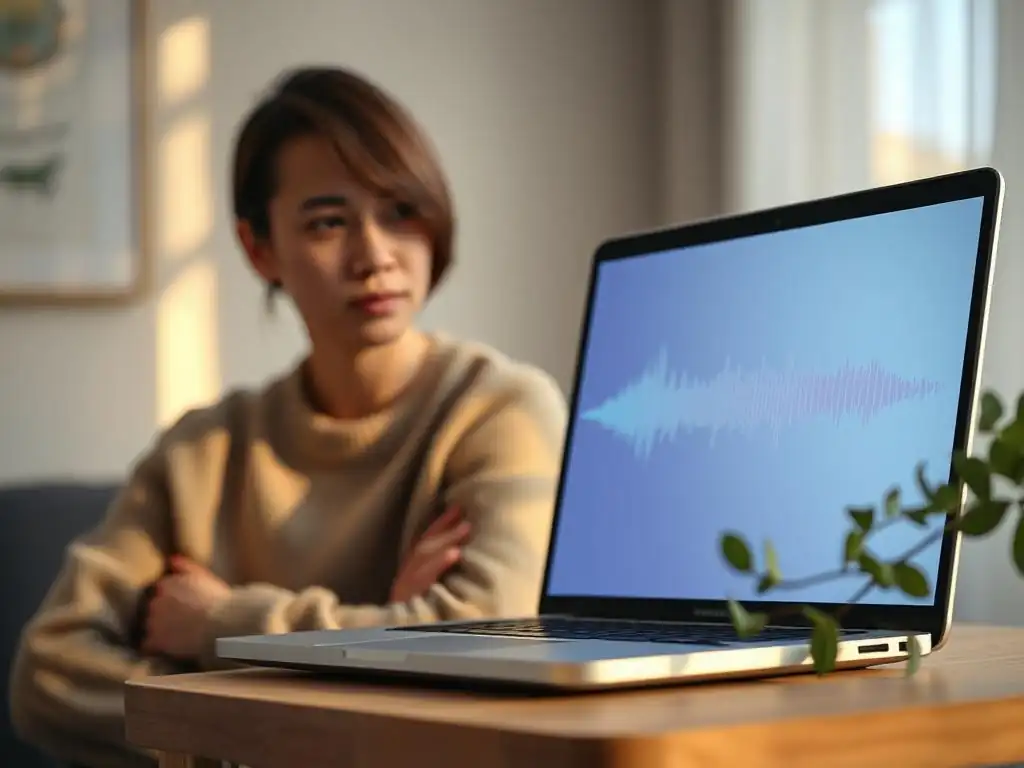
Texting and Instant Messaging in Online Therapy
Texting and instant messaging platforms offer a unique approach to online therapy conversations. This modality allows for asynchronous communication, where clients can send messages to their therapist at any time, day or night, often receiving responses within a specified timeframe (e.g., once per day or during scheduled check-ins). This provides a continuous thread of support, allowing clients to process feelings and events as they happen rather than waiting for a scheduled session.
The written format also offers distinct advantages. Clients have the opportunity to carefully consider and articulate their thoughts and emotions, which can be particularly helpful for individuals who find it difficult to express themselves verbally. It allows for a level of reflection and precision that live conversation doesn't always afford.
However, it lacks non-verbal cues like tone of voice, facial expressions, and body language, which can sometimes lead to misunderstandings. Therapists using this modality must be highly skilled in interpreting written communication and using clear, empathetic language to mitigate this risk. Despite limitations, for some, the accessibility and reflective nature of text-based interaction provide significant online therapy conversation benefits.
Video Conferencing and its Impact on Therapeutic Relationships
Video conferencing is perhaps the closest digital equivalent to in-person therapy, allowing for real-time, face-to-face interaction. Platforms like Zoom, Skype, or specialized telehealth services enable clients and therapists to see each other, incorporating crucial non-verbal cues such as facial expressions, body language, and eye contact into the therapeutic exchange. This richness of communication can significantly impact the development of the therapeutic relationship, fostering a stronger sense of connection and rapport.
The ability to see and be seen can help build trust and make the interaction feel more personal and immediate. Therapists can observe a client's reactions in real-time, gaining deeper insight into their emotional state. Clients, in turn, can gauge their therapist's empathy and attentiveness through visual cues. This modality is often preferred for its dynamic nature and the comprehensive communication it facilitates, making it highly effective for various therapeutic approaches that rely heavily on interpersonal interaction. The visual element is a key factor contributing to the online therapy conversation benefits experienced in video sessions.
Audio-Only Sessions: A Viable Alternative?
Audio-only sessions, conducted via phone call or voice-over-internet protocol (VoIP), represent another viable modality for online therapy conversations. While lacking the visual component of video conferencing, audio sessions retain the benefit of real-time, synchronous interaction. This format can be particularly useful for clients who prioritize privacy and anonymity, as they don't need to worry about their surroundings being visible or their appearance during the session.
Audio sessions also require less bandwidth than video, making them a more reliable option in areas with poor internet connectivity. Therapists and clients must rely solely on verbal cues, tone of voice, pace, and pauses to convey and interpret meaning.
This can sharpen listening skills for both parties and sometimes allows clients to focus more deeply on their internal experience without the potential distraction of visual interaction. For individuals who find video sessions anxiety-inducing or simply prefer to communicate verbally without being seen, audio-only therapy offers valuable online therapy conversation benefits and can be a highly effective mode of treatment.
The Benefits of Online Therapy Conversations: A Deep Dive
Accessibility and Convenience: Reaching a Wider Audience
One of the most significant online therapy conversation benefits is the unparalleled accessibility and convenience it offers. For individuals living in rural or underserved areas with limited access to local mental health professionals, online therapy removes geographical barriers entirely. Anyone with an internet connection can potentially connect with a licensed therapist, regardless of their location. This dramatically expands the pool of available therapists, allowing clients to find a better match for their specific needs and preferences.
Moreover, online therapy integrates seamlessly into busy schedules. Sessions can often be scheduled during lunch breaks, before or after work, or at times that would be impossible with the commute required for in-person appointments. This flexibility is particularly beneficial for students, working parents, individuals with demanding jobs, or those with mobility issues or chronic illnesses that make leaving home difficult.
A survey from 2020, for example, indicated a substantial increase in the use of telehealth services, including mental health, demonstrating its crucial role during times when physical access was restricted. This convenience reduces the friction associated with seeking help, making it more likely that individuals will initiate and consistently attend therapy sessions.
Affordability: Making Mental Healthcare More Accessible
Another key advantage among the online therapy conversation benefits is often its lower cost compared to traditional in-person therapy. Online platforms typically have lower overheads than brick-and-mortar clinics, which can translate into reduced session fees for clients. While costs vary widely depending on the platform, therapist's qualifications, and location, many online services offer competitive pricing, subscription models, or packages that can be more budget-friendly.
Some online therapy platforms also work with insurance providers, further reducing out-of-pocket expenses. For individuals who are uninsured or underinsured, the relative affordability of online options can make the difference between receiving necessary mental health support and going without it. While specific figures vary, it's not uncommon to find online therapy sessions priced significantly lower than the average cost of traditional therapy in many regions. This cost-effectiveness is a powerful factor in making mental healthcare more accessible to a broader economic spectrum of the population.
Anonymity and Reduced Stigma: Creating a Safe Space
The digital nature of online therapy conversations can provide a greater sense of anonymity and privacy for clients, thereby reducing the stigma often associated with seeking mental health support. For many, the fear of being seen entering a therapist's office or having colleagues, friends, or family know they are in therapy is a significant deterrent. Online therapy allows individuals to engage in sessions from the privacy of their own homes or another chosen safe space, eliminating this concern.
This reduced visibility can make it easier for individuals to take the first step in seeking help. The feeling of being in a secure, private environment can also empower clients to be more open and vulnerable during sessions, facilitating deeper therapeutic work.
While online therapy is not truly anonymous (therapists are licensed professionals who know their clients' identities for ethical and legal reasons), the perception of greater privacy and the ability to avoid public exposure significantly lowers the barrier to entry for many, fostering a more comfortable and safe space for sensitive discussions. This psychological benefit is a crucial component of the online therapy conversation benefits.
Enhanced Communication Skills: Fostering Reflective Writing and Articulating Emotions
Certain modalities of online therapy, particularly text-based or asynchronous communication, can inadvertently enhance a client's communication skills. When composing written messages to a therapist, clients often take more time to reflect on their thoughts and feelings before articulating them. This process of writing can help individuals clarify their internal experiences, identify patterns, and express complex emotions with greater precision than they might in spontaneous verbal communication.
This practice of reflective writing and careful articulation within the therapeutic context can translate to improved communication in other areas of life. Clients may become better at identifying their emotional states, understanding their needs, and expressing themselves clearly in relationships or professional settings. Even in synchronous sessions (video or audio), the structured nature of therapy encourages focused communication. The need to articulate one's experiences and actively listen to the therapist's responses hones verbal skills. These improvements in self-expression and understanding are valuable, long-term online therapy conversation benefits.
Online therapy conversation benefits for specific conditions: Anxiety, Depression, PTSD
Online therapy conversations have demonstrated significant benefits for individuals managing a range of mental health conditions, including anxiety disorders, depression, and Post-Traumatic Stress Disorder (PTSD). For those with anxiety, the convenience and ability to attend sessions from a safe, familiar environment can reduce the anxiety associated with leaving home or navigating social situations to attend in-person appointments. Modalities like text-based therapy can also provide immediate support during moments of high anxiety, offering coping strategies in real-time (within the platform's response structure). Studies have shown comparable outcomes for online Cognitive Behavioral Therapy (CBT) in treating anxiety compared to traditional CBT.
For individuals with depression, the accessibility of online therapy can combat the inertia and lack of motivation often associated with the condition. The ability to connect with a therapist without the energy expenditure of traveling can make engaging in therapy more manageable. Online platforms can also facilitate consistent support, which is crucial for managing depressive episodes.
For PTSD, while complex trauma often benefits from specialized approaches, online therapy can provide a safe and controlled environment for processing traumatic experiences, especially with modalities that allow for visual cues (video) or the ability to compose thoughts carefully (text). Preliminary research and clinical experience suggest that for many, online therapy offers effective support and valuable online therapy conversation benefits across these and other conditions.
Addressing Concerns and Misconceptions About Online Therapy Conversations

Is Online Therapy as Effective as In-Person Therapy?
A common concern is whether online therapy can be as effective as traditional in-person therapy. The body of research on this topic is growing, and numerous studies suggest that for many common mental health conditions, online therapy can be just as effective as face-to-face sessions. For example, research on the effectiveness of online CBT for depression and anxiety has frequently found outcomes comparable to in-person delivery. The key factors influencing effectiveness appear to be the quality of the therapeutic relationship, the therapist's skill, and the client's engagement, rather than the physical location of the interaction.
While online therapy may not be suitable for everyone or every condition (e.g., severe crises requiring immediate intervention, conditions requiring intensive in-person support), for a significant portion of the population seeking help for issues like mild to moderate depression, anxiety, stress, or relationship problems, it offers equivalent therapeutic value. The online therapy conversation benefits are not diminished simply because the interaction occurs digitally. The core principles of therapy – empathy, active listening, insight development, and skill-building – can be effectively delivered through various online modalities when handled by a competent professional.
Data Security and Privacy Concerns in Digital Mental Healthcare
Data security and privacy are critical concerns in any form of healthcare, and online therapy is no exception. Clients rightly worry about the confidentiality of their sensitive information when shared over digital platforms. Reputable online therapy platforms utilize robust security measures to protect client data. These measures typically include end-to-end encryption for communications, secure servers compliant with health privacy regulations (such as HIPAA in the United States), and strict protocols for data storage and access.
However, it is essential for clients to do their due diligence when choosing a platform. Looking for platforms that are explicitly HIPAA-compliant or adhere to similar privacy standards in other regions is crucial. Clients should also ensure they are using a secure, private internet connection for their sessions and be mindful of their physical surroundings to maintain confidentiality. While no digital system is entirely risk-free, the leading online therapy providers invest heavily in security infrastructure to ensure that the online therapy conversation benefits are delivered within a safe and confidential environment, protecting client privacy to the greatest extent possible.
Building Trust and Rapport in a Virtual Environment
Building a strong therapeutic alliance, characterized by trust, rapport, and mutual respect, is fundamental to effective therapy. A common misconception is that this is significantly harder to achieve in a virtual environment compared to in-person sessions. While the dynamics are different, building trust and rapport is absolutely possible and frequently achieved in online therapy conversations. Therapists skilled in digital modalities use specific techniques to foster connection.
This includes being highly present and attentive, using verbal cues to show empathy and understanding (especially in audio/text), actively listening and validating the client's experiences, and maintaining consistent reliability. In video sessions, mirroring body language, making virtual eye contact, and conveying warmth through facial expressions are also important. Clients also play a role by actively engaging and being open. While it might take a few sessions to adjust to the format, the core of the therapeutic relationship is built on consistent, empathetic interaction, which can thrive in the digital space, contributing significantly to the overall online therapy conversation benefits.
Maximizing the Effectiveness of Your Online Therapy Conversations
Choosing the Right Platform and Therapist for Your Needs
Maximizing the online therapy conversation benefits you receive begins with selecting a platform and therapist that are a good fit for your specific needs and preferences. Consider the different modalities offered – do you prefer text, audio, or video? Some platforms specialize in one area, while others offer a mix. Research platforms' pricing models, insurance acceptance, and therapist credentials. Look for licensed professionals whose specialties align with your reasons for seeking therapy (e.g., anxiety, relationship issues, trauma).
- [ ] Research platforms offering modalities you prefer (text, audio, video).
- [ ] Compare pricing models and insurance coverage.
- [ ] Check therapist credentials and areas of specialization.
- [ ] Read reviews or testimonials if available.
Equally important is finding a therapist with whom you feel comfortable and connected. Many platforms allow you to read therapist profiles or even offer a brief introductory call. Don't hesitate to switch therapists if the first one doesn't feel like the right fit. A strong therapeutic alliance is crucial, and finding a therapist whose style, personality, and approach resonate with you will significantly enhance the effectiveness of your online therapy conversations and the overall online therapy conversation benefits you gain.
Setting Clear Expectations and Boundaries
Before starting online therapy, it's helpful to set clear expectations and boundaries with your therapist and the platform. Understand the therapist's availability, response times for messages (if using asynchronous communication), and policies regarding emergencies. Discuss your therapeutic goals openly with your therapist – what do you hope to achieve through your online therapy conversations? This helps ensure you are both working towards the same outcomes.
Setting boundaries for the sessions themselves is also important. For example, deciding on a quiet, private space for your sessions, minimizing distractions, and communicating any technical issues promptly. If using text-based therapy, understanding the therapist's response schedule helps manage expectations regarding support availability. Clear communication about these practical aspects and therapeutic goals ensures that your online therapy conversations are focused, productive, and contribute effectively to your mental well-being.
Actively Participating and Engaging in the Process
Online therapy, like traditional therapy, requires active participation from the client to be effective. Simply attending sessions or sending messages is not enough; you need to actively engage with the process. This means being honest and open with your therapist, sharing your thoughts, feelings, and experiences authentically. Don't hold back out of embarrassment or fear of judgment; the therapeutic space is designed for vulnerability.
Engagement also involves actively working on the strategies and insights gained during sessions. If your therapist suggests coping mechanisms, exercises, or reflections, make an effort to incorporate them into your daily life. Ask questions, provide feedback on what feels helpful or unhelpful, and be willing to explore challenging topics. Your active involvement is a primary driver of therapeutic progress and maximizes the online therapy conversation benefits you can achieve.
Preparing for Online Therapy Sessions: Journaling and Identifying Key Issues
To make the most of your online therapy conversations, consider preparing beforehand. One effective method is journaling in the days leading up to a session. Writing down your thoughts, feelings, challenges, and successes can help you identify recurring themes, significant events, or specific issues you want to discuss. This provides a clear agenda for the session and ensures you don't forget important points.
Before logging in for your session, take a few minutes to review your journal entries or simply reflect on the past week. Identify the one or two most pressing issues you want to address. Having a clear focus can make the conversation more efficient and productive. This preparation allows you to dive deeper into core issues more quickly during your limited session time, enhancing the value and online therapy conversation benefits of each meeting.
The Future of Online Therapy Conversations
Emerging Technologies and Their Potential Impact
The future of online therapy conversations is poised for further evolution, driven by emerging technologies. Developments in areas like Virtual Reality (VR) and Augmented Reality (AR) hold potential for creating more immersive therapeutic environments, particularly for exposure therapy related to phobias or PTSD. Imagine confronting a fear of heights in a controlled VR environment with a therapist guiding you remotely. This could offer powerful new avenues for treatment.
Furthermore, advancements in connectivity, such as 5G networks, will improve the reliability and quality of video and audio sessions, reducing technical glitches that can sometimes disrupt the flow of online therapy conversations. Integration with other digital health tools, like mood tracking apps or symptom checkers, is also likely to become more seamless, providing therapists with richer data to inform their approach and further enhancing the online therapy conversation benefits by personalizing care.
The Role of AI and Chatbots in Mental Healthcare
Artificial Intelligence (AI) and chatbots are also beginning to play a role in mental healthcare, although their integration into core online therapy conversations with licensed professionals is still developing. AI-powered chatbots can provide initial support, offering psychoeducation, coping strategies, or guided meditations. They can serve as a helpful resource for individuals who are not ready for traditional therapy or need support between sessions.
However, it's crucial to understand that current AI and chatbots cannot replace the empathy, nuanced understanding, and complex relational dynamics provided by a human therapist. Their role is currently best viewed as supplementary tools for support, information, and skill-building. The future may see AI assisting therapists with tasks like analyzing communication patterns or suggesting relevant resources, but the core of effective online therapy conversations, particularly those offering significant online therapy conversation benefits, will likely remain centered on human connection and professional expertise.
Integration with Wearable Technology for Personalized Mental Health Support
Wearable technology, such as smartwatches and fitness trackers, is increasingly capable of monitoring physiological data like heart rate, sleep patterns, and activity levels. Integrating this data with online therapy platforms has the potential to offer more personalized and data-driven mental health support. For example, a therapist could gain insight into a client's sleep disturbances related to anxiety or identify activity patterns associated with depressive episodes, providing a more objective view of their daily functioning.
This integration could allow therapists to tailor interventions more precisely and help clients track the impact of therapeutic strategies on their well-being. While privacy considerations are paramount with such data, the potential for using technology to provide a more holistic understanding of a client's mental and physical health landscape is significant. This confluence of data and therapeutic conversation could unlock new levels of personalized care and enhance the measurable online therapy conversation benefits.
Conclusion: Embracing the Potential of Online Therapy Conversations for Improved Mental Wellbeing
Recap of the Key Benefits and Considerations
Online therapy conversations have fundamentally reshaped access to mental healthcare, offering a multitude of online therapy conversation benefits that address many barriers inherent in traditional models. We've explored how the convenience of accessing therapy from anywhere breaks down geographical and logistical obstacles, making support available to a wider population. The relative affordability of online options makes therapy a more realistic possibility for those constrained by cost. Furthermore, the privacy and perceived anonymity of digital platforms help reduce the stigma associated with seeking help, encouraging more individuals to take that crucial first step towards healing.
We also discussed the varied modalities available, from the reflective depth of text-based communication to the rich interaction of video conferencing, each offering unique advantages. While concerns regarding effectiveness and security are valid, research increasingly supports the efficacy of online therapy for many conditions when delivered by qualified professionals on secure platforms. Building rapport is possible in the virtual space, requiring adaptation and skill from both client and therapist. Maximizing benefits involves choosing the right fit, setting clear expectations, actively participating, and preparing for sessions.
Encouraging Readers to Explore Online Therapy Options
Given the substantial and growing online therapy conversation benefits, we encourage anyone considering mental health support to explore online therapy options. Whether you are managing anxiety, navigating depression, coping with stress, or simply seeking personal growth, the digital realm offers flexible, accessible, and effective pathways to connect with licensed professionals. The variety of modalities means you can likely find a format that suits your communication style and comfort level.
Taking the step to seek therapy is a sign of strength, and online platforms have made this step more manageable for countless individuals. Do your research, consider your needs, and don't hesitate to reach out to a reputable online therapy provider. Embracing the potential of online therapy conversations could be a transformative step on your journey towards improved mental wellbeing.
Frequently Asked Questions
What are the primary advantages of engaging in online therapy conversations beyond simple text-based communication?
Online therapy conversations, especially those involving video or audio, offer a richer experience, allowing for non-verbal cues to be interpreted. This helps therapists gain a deeper understanding of your emotions and allows for a more nuanced therapeutic process.
How does the convenience of online therapy conversations contribute to improved mental well-being?
Online therapy offers increased accessibility and convenience, eliminating travel time and location constraints. This can lead to higher engagement and consistency in therapy, ultimately improving mental well-being.
What types of mental health challenges can be effectively addressed through online therapy conversations?
Many conditions, such as anxiety, depression, and stress management, can be effectively treated online. However, it's important to assess if online therapy is suitable for severe mental health crises.
How do online therapy conversations compare to in-person therapy in terms of building a strong therapeutic relationship?
While in-person therapy has its benefits, online therapy conversations can still foster a strong therapeutic alliance. Active listening, empathy, and clear communication are crucial regardless of the medium.
What are some practical tips for maximizing the benefits of online therapy conversations?
Ensure a private and quiet space, minimize distractions, and actively participate in the session. Open and honest communication with your therapist is essential for a successful outcome.
Final Reflection: The Evolving Landscape of Online Therapeutic Connection
The ease and accessibility of online therapy have revolutionized mental healthcare, but the true depth and impact of these online conversations extend far beyond simple text exchanges. This accessibility is reshaping how we approach mental wellbeing, offering vital support to individuals who may otherwise lack access to traditional therapy. The potential for positive change is immense, but understanding the nuances of this evolving field is crucial.
The shift towards online therapy isn't just a technological advancement; it's a cultural one, reflecting a growing openness to discuss mental health and a desire for more flexible and personalized care. The ability to connect with a therapist from the comfort of one's own home has broken down many barriers, fostering a sense of safety and control for many patients. The greatest barrier to mental health care is not the lack of resources, but the lack of access.
This quote highlights the crucial role online therapy plays in bridging this gap and making mental health support truly inclusive.
Consider the implications of this evolving landscape. How can we, as individuals and as a society, ensure that online therapy continues to evolve ethically and effectively? You have the power to advocate for better access to mental healthcare, to engage in open conversations about mental wellbeing, and to seek out the support you need, regardless of your circumstances. Embrace the opportunities presented by online therapy, but also approach it with mindful awareness, seeking out qualified professionals and understanding the limitations and benefits of this increasingly important form of care.
Unlock Deeper Connections: Take the Next Step in Your Mental Wellness Journey
Thanks for exploring the world of online therapy with us! We hope you gained valuable insights into the power of conversation in your mental health journey. Now, let's take action. Ready to dive deeper?
- Schedule a free consultation with a therapist: This is your chance to discuss your specific needs and find the perfect fit for your journey. This is the most important step to take.
- Share this article with someone who might benefit: Let's spread awareness and help others discover the support they need.
- Explore online resources and support groups: Discover additional tools and communities to enhance your mental well-being.
What specific aspect of online therapy resonates most with you, and how will you incorporate these insights into your self-care routine?