
The Science of Hope: How Neuroplasticity Makes Mood Recovery Possible

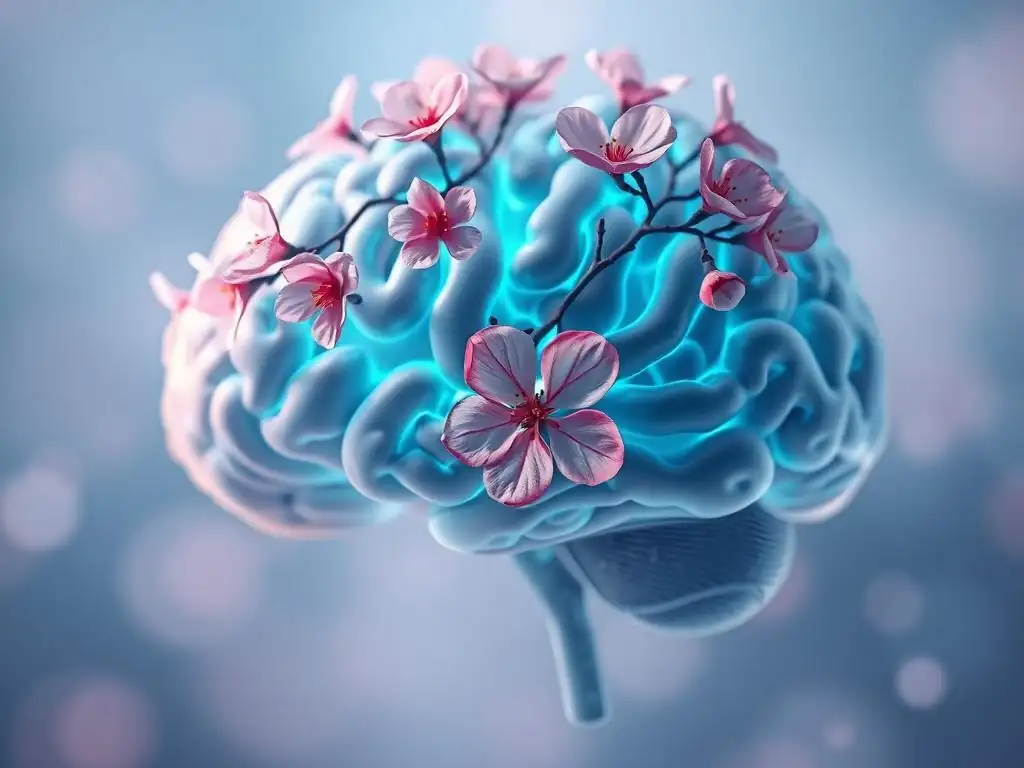
Welcome to Mind Care Guide, a space dedicated to nurturing your mental well-being. Feeling stuck in a rut? Discover the science of hope with our latest article: The Science of Hope: How Neuroplasticity Makes Mood Recovery Possible. Uncover the transformative power of neuroplasticity, and learn how your brain's remarkable ability to adapt can pave the way for a brighter, more resilient you. Ready to unlock your brain's potential for mood recovery? Explore the Neuroplasticity mood recovery guide and begin your journey towards lasting well-being.
The Science of Hope: How Neuroplasticity Makes Mood Recovery Possible
- Mind Care Guide: Neuroplasticity and Mood Recovery
- Understanding Neuroplasticity: The Brain's Remarkable Ability to Change
- The Neuroscience of Mood Disorders: How Neuroplasticity Plays a Role
- Neuroplasticity Mood Recovery Guide: Practical Strategies for Change
- Neuroplasticity and Resilience: Building a Stronger Mental Foundation
- Neuroplasticity and the Future of Mood Disorder Treatment
-
Frequently Asked Questions
- How does neuroplasticity relate to mood recovery?
- What specific techniques can leverage neuroplasticity for better mood?
- How long does it typically take to see results from using neuroplasticity for mood recovery?
- Is neuroplasticity mood recovery possible at any age?
- What role does professional support play in neuroplasticity-based mood recovery?
- Final Reflection: Embracing the Rewiring of Hope
- Unlock Your Brain's Healing Power: Start Your Mood Journey Today!
Mind Care Guide: Neuroplasticity and Mood Recovery
Welcome to the Mind Care Guide's exploration of one of the most encouraging concepts in mental health: neuroplasticity. For too long, the brain was seen as a fixed entity, largely unchangeable after childhood. However, modern neuroscience has revealed a far more dynamic picture. The brain is incredibly adaptable, capable of reorganizing itself throughout life.
This remarkable ability, known as neuroplasticity, holds profound implications for understanding and treating mood disorders. It offers a scientific basis for hope, demonstrating that recovery and significant positive change are not only possible but are built into the very structure and function of our brains. This guide delves into the science of how the brain can change and how this process is a cornerstone of mood recovery.
Understanding neuroplasticity is essential for anyone navigating the challenges of mood disorders like depression or anxiety. It shifts the perspective from viewing these conditions as static flaws to seeing them as states of brain activity that can be influenced and altered. The brain's ability to form new neural connections, strengthen existing ones, and even prune away unused pathways means that experiences, learning, and targeted interventions can quite literally reshape the brain. This inherent capacity for change is the foundation upon which effective therapies and lifestyle adjustments work, providing a powerful framework for a neuroplasticity mood recovery guide.
Understanding Neuroplasticity: The Brain's Remarkable Ability to Change
Defining Neuroplasticity: Rewiring the Brain for Mental Well-being
Neuroplasticity is the brain's lifelong ability to reorganize neural pathways based on new experiences, learning, and even injury. It's the biological mechanism underlying how we learn new skills, form memories, and adapt to our environment. Essentially, it means the brain isn't hardwired in a fixed way; it's more like malleable clay that can be sculpted throughout life.
When we learn something new, practice a skill, or have a significant experience, our brain physically changes by strengthening or weakening connections between neurons, forming new synapses, or altering the structure of existing ones. This constant process of rewiring is fundamental to our cognitive function, behavior, and emotional states.
This dynamic nature of the brain is particularly relevant to mental well-being. Negative experiences, chronic stress, or the presence of mood disorders can lead to maladaptive neural pathways becoming strengthened, contributing to persistent negative thought patterns or emotional responses. However, the flip side of neuroplasticity is that positive experiences, therapeutic interventions, and healthy lifestyle choices can create and reinforce beneficial pathways.
This offers a powerful avenue for change; by consciously engaging in activities that promote positive brain changes, individuals can actively participate in their own neuroplasticity mood recovery guide. It's a scientific validation of the idea that change is always possible.
Types of Neuroplasticity: Structural and Functional Changes Explained
Neuroplasticity manifests in several ways, broadly categorized into structural and functional changes. Structural plasticity refers to changes in the brain's physical structure, such as the size of brain regions, the density of synapses, or the growth of new neurons (neurogenesis, though this is a specific type). For example, studies have shown that learning a new skill like juggling can increase gray matter in certain brain areas involved in visual and motor processing.
Chronic stress or depression, conversely, can lead to decreases in hippocampal volume, a region critical for memory and mood regulation. Structural changes are about modifying the physical "hardware" of the brain.
Functional plasticity, on the other hand, involves changes in the strength of connections between neurons or the way different brain areas communicate. It's about altering the "software" or the network activity. When you practice a skill, the neural pathways involved become more efficient; the signals travel faster and more reliably.
If one part of the brain is damaged, other areas can sometimes take over its functions through functional reorganization. In the context of mood disorders, functional plasticity is crucial as it relates to how effectively different brain circuits, such as those involved in emotional regulation (like the prefrontal cortex and amygdala), interact. Strengthening positive emotional pathways and weakening maladaptive ones is a key goal in a neuroplasticity mood recovery guide.
Neuroplasticity vs. Neurogenesis: What’s the Difference?
While often discussed together, neuroplasticity and neurogenesis are related but distinct concepts. Neuroplasticity is the overarching term for the brain's ability to change and reorganize its structure and function throughout life. It encompasses various mechanisms, including changes in synaptic strength, dendritic branching, axonal sprouting, and glial cell activity. It's about the modification of existing neural networks and structures, as well as the formation of new connections.
Neurogenesis is a specific type of neuroplasticity that refers to the process of generating new neurons. For a long time, it was believed that neurogenesis primarily occurred during development and ceased in adulthood. However, research has confirmed that neurogenesis does occur in certain brain regions in adults, most notably in the hippocampus.
While neurogenesis contributes to overall brain plasticity and is thought to play a role in learning, memory, and mood regulation, it is only one piece of the larger neuroplasticity puzzle. Most of the significant changes associated with learning, therapy, and adaptation in the adult brain involve modifying existing connections and pathways rather than exclusively creating entirely new neurons. Both processes are vital for brain health and are relevant to a comprehensive neuroplasticity mood recovery guide.
The Neuroscience of Mood Disorders: How Neuroplasticity Plays a Role
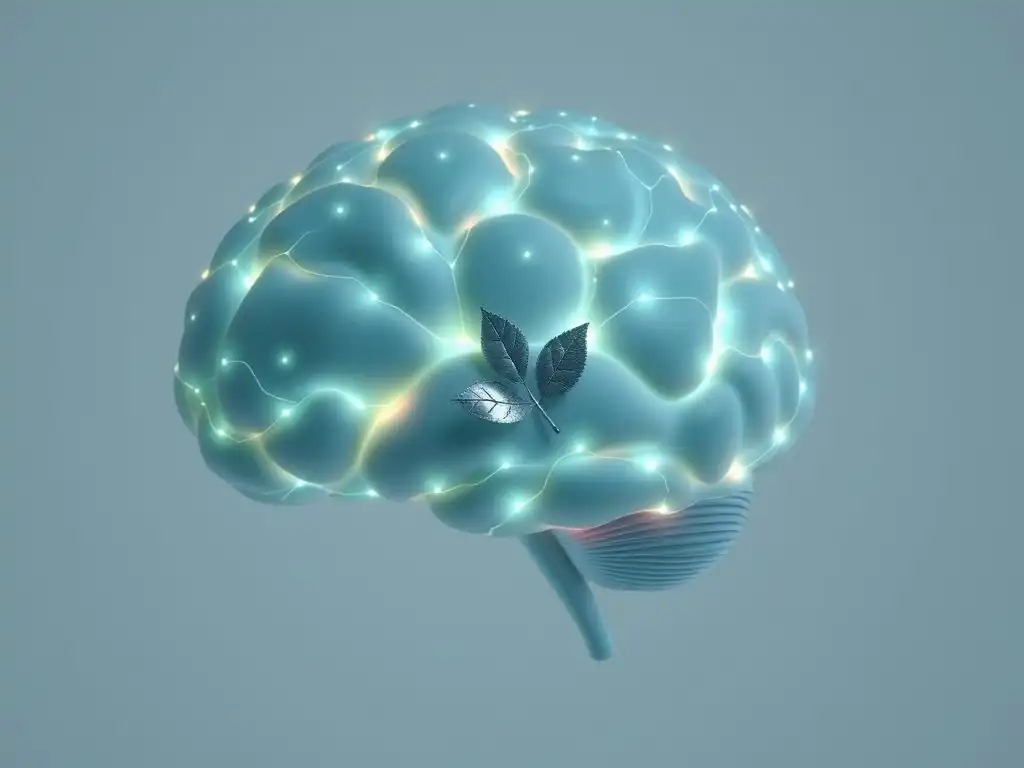
Brain Regions Affected by Mood Disorders: A Neuroplastic Perspective
Mood disorders, such as major depressive disorder and generalized anxiety disorder, are associated with altered activity and structure in several key brain regions. From a neuroplastic perspective, these changes aren't necessarily permanent damage but represent maladaptive patterns of connectivity and function that have been reinforced over time. The prefrontal cortex (PFC), responsible for executive functions, decision-making, and regulating emotions, often shows reduced activity or altered connectivity in depression. This can contribute to symptoms like impaired concentration and difficulty regulating negative feelings. The amygdala, the brain's "fear center," can become hyperactive in anxiety disorders, leading to exaggerated threat responses.
The hippocampus, crucial for memory formation and context processing, is also frequently impacted. Chronic stress, a known risk factor for mood disorders, can inhibit neurogenesis in the hippocampus and even lead to a reduction in its volume. The anterior cingulate cortex (ACC), involved in processing emotions and detecting errors, may show altered activity, contributing to rumination and worry.
Understanding how these regions are affected and, crucially, how their activity and connectivity can be changed through neuroplasticity is fundamental to developing an effective neuroplasticity mood recovery guide. It highlights that the brain states associated with mood disorders are not fixed destinies but dynamic conditions influenced by the brain's inherent ability to adapt and reorganize.
Neuroplasticity and the Amygdala: Regulating Emotional Responses
The amygdala plays a central role in processing emotions, particularly fear and threat. In individuals with anxiety disorders or depression, the amygdala often shows heightened reactivity to negative stimuli. This can lead to an overestimation of threats and persistent feelings of fear or unease. Neuroplasticity offers a pathway to modulate this heightened activity. Through repeated experiences and targeted interventions, the connections between the amygdala and regions like the prefrontal cortex can be altered. The PFC can learn to exert more top-down control over the amygdala, essentially dampening its alarm signals.
Therapies like Cognitive Behavioral Therapy (CBT) leverage this principle. By challenging negative thought patterns and gradually exposing individuals to feared situations (exposure therapy), new, less fearful associations are formed. These new associations strengthen pathways that bypass or regulate the amygdala's automatic fear response.
For example, someone with social anxiety might practice engaging in social situations. Each successful, non-threatening interaction helps build and reinforce neural pathways that interpret social cues as safe, gradually reducing the amygdala's automatic fear response. This process of retraining the brain's emotional response system through neuroplasticity is a core component of any practical neuroplasticity mood recovery guide.
The Role of Neuroplasticity in Serotonin and Dopamine Pathways
Neurotransmitters like serotonin and dopamine are well-known for their involvement in mood regulation. Serotonin is associated with feelings of well-being and stability, while dopamine is linked to pleasure, motivation, and reward. Imbalances in these neurotransmitter systems are often implicated in mood disorders. Antidepressant medications, for instance, often target serotonin or norepinephrine pathways. However, it's important to understand that neuroplasticity plays a crucial role in how these neurotransmitter systems function and how treatments impact them.
Neuroplasticity influences the sensitivity of receptors for these neurotransmitters, the efficiency of their synthesis and release, and the connectivity of the neural circuits they operate within. For example, chronic stress can reduce the number of serotonin receptors in certain brain areas. Conversely, activities that promote positive mood, like exercise or engaging in rewarding experiences, can enhance dopamine signaling and strengthen the pathways associated with pleasure and motivation.
Therapies and lifestyle changes included in a neuroplasticity mood recovery guide work, in part, by promoting beneficial neuroplastic changes in these critical neurotransmitter pathways, helping to restore balance and improve mood over time. It's not just about chemical levels, but how the brain's wiring utilizes those chemicals.
Neuroplasticity Mood Recovery Guide: Practical Strategies for Change
Neuroplasticity-Based Therapies for Mood Disorders: Cognitive Behavioral Therapy (CBT) and Mindfulness-Based Cognitive Therapy (MBCT)
Cognitive Behavioral Therapy (CBT) is a prime example of a therapy that leverages neuroplasticity, even if its developers didn't initially frame it in those terms. CBT helps individuals identify and challenge negative thought patterns and core beliefs that contribute to their distress. By practicing new ways of thinking and behaving, individuals are actively creating and strengthening new neural pathways.
For instance, someone who catastrophizes might learn to identify this thought, challenge its validity with evidence, and replace it with a more balanced perspective. Repeated practice of this new thought process strengthens the neural circuits associated with realistic appraisal and weakens the old, catastrophic pathways. Studies using fMRI have shown that successful CBT treatment for depression and anxiety is associated with observable changes in brain activity patterns, particularly in the prefrontal cortex and amygdala, demonstrating its neuroplastic effects.
Mindfulness-Based Cognitive Therapy (MBCT) similarly harnesses neuroplasticity by training individuals to observe their thoughts and feelings without judgment. Regular mindfulness practice has been shown to increase gray matter density in areas like the hippocampus, prefrontal cortex, and anterior cingulate cortex – regions involved in attention, self-awareness, and emotional regulation. By learning to step back from automatic negative reactions and cultivate present-moment awareness, individuals weaken the habitual, reactive pathways associated with rumination and worry.
They simultaneously strengthen pathways related to non-reactivity and acceptance. Both CBT and MBCT provide structured frameworks within a neuroplasticity mood recovery guide for intentionally rewiring the brain towards healthier patterns of thinking and feeling.
Lifestyle Changes that Promote Neuroplasticity for Mood Improvement
Beyond formal therapy, everyday lifestyle choices have a profound impact on neuroplasticity and can significantly contribute to mood recovery. These are actionable strategies accessible to everyone.
Exercise and Neuroplasticity: Boosting Mood Through Physical Activity
Physical exercise is one of the most potent promoters of neuroplasticity. It increases blood flow to the brain, delivering essential oxygen and nutrients. More importantly, exercise, particularly aerobic activity, stimulates the production of brain-derived neurotrophic factor (BDNF), often called "Miracle-Gro" for the brain. BDNF supports the survival of existing neurons and encourages the growth of new ones (neurogenesis), especially in the hippocampus. Higher levels of BDNF are associated with improved mood and cognitive function.
Regular exercise has been shown in numerous studies to be as effective as antidepressants for mild to moderate depression and significantly reduces anxiety symptoms. For example, engaging in moderate-intensity aerobic exercise for just 30 minutes several times a week can lead to measurable increases in BDNF and improvements in mood. This physical activity literally helps rebuild and strengthen the brain circuits involved in mood regulation, making it a cornerstone strategy in any neuroplasticity mood recovery guide.
Diet and Neuroplasticity: Nourishing the Brain for Mood Regulation
What we eat directly impacts brain structure and function. A diet rich in omega-3 fatty acids, antioxidants, vitamins (especially B vitamins and Vitamin D), and minerals is crucial for supporting neuroplasticity. Omega-3 fatty acids, found in fatty fish, flaxseeds, and walnuts, are essential building blocks for brain cells and are critical for maintaining cell membrane fluidity, which is vital for synaptic function. Antioxidants, abundant in fruits and vegetables, protect brain cells from damage caused by oxidative stress, which can impair plasticity.
Conversely, diets high in processed foods, sugar, and unhealthy fats can promote inflammation and oxidative stress, negatively impacting brain health and plasticity. For instance, research suggests a link between diets high in saturated fat and impaired function in the hippocampus. Prioritizing whole, unprocessed foods, similar to a Mediterranean diet pattern, provides the necessary nutrients to support the growth and maintenance of neural pathways, contributing to a healthier brain and improved mood states. Including nutritional guidance is a vital element of a comprehensive neuroplasticity mood recovery guide.
Sleep and Neuroplasticity: Repairing and Rebuilding for Mental Health
Sleep is a critical period for brain repair, consolidation of memories, and strengthening of neural connections formed during the day. During sleep, particularly REM sleep, the brain processes emotional experiences and integrates new information. Chronic sleep deprivation impairs neuroplasticity, reduces the production of BDNF, and negatively affects the prefrontal cortex's ability to regulate the amygdala, leading to increased emotional reactivity and difficulty coping with stress.
Ensuring adequate, quality sleep (typically 7-9 hours for adults) is fundamental for supporting the brain's ability to change and adapt. During sleep, the brain clears metabolic waste products and consolidates learning and emotional processing, processes essential for maintaining healthy neural pathways. Prioritizing sleep hygiene – maintaining a consistent sleep schedule, creating a relaxing bedtime routine, and ensuring a dark, quiet sleep environment – directly supports the neurobiological processes necessary for mental health and is a non-negotiable part of a neuroplasticity mood recovery guide.
Cognitive Training and Neuroplasticity: Retraining Your Brain for Positive Mood
Engaging in mentally stimulating activities can directly promote neuroplasticity by creating new connections and strengthening existing ones. This isn't just about preventing cognitive decline; it's also relevant for mood. Activities that challenge your brain, such as learning a new language, playing a musical instrument, solving complex puzzles, or engaging in novel tasks, stimulate the growth of dendrites and synapses. This increased connectivity can enhance overall brain health and resilience.
Specifically for mood, practicing cognitive restructuring, as in CBT, is a form of cognitive training. But even simpler activities like focusing attention during meditation or trying new routes during your commute can subtly alter brain pathways. Engaging in activities that bring joy or a sense of accomplishment can strengthen reward pathways involving dopamine. Regularly challenging your brain with new experiences and learning opportunities helps maintain a flexible and adaptable neural network, fostering a positive environment for a neuroplasticity mood recovery guide.
Neuroplasticity and Resilience: Building a Stronger Mental Foundation

How Neuroplasticity Helps Overcome Trauma and Adversity
Neuroplasticity is the biological basis for resilience – the ability to adapt and bounce back from stress, trauma, or adversity. While traumatic experiences can create deeply ingrained, maladaptive fear pathways (often involving the amygdala and hippocampus), the brain's capacity for change means these pathways are not immutable. Therapeutic interventions like Trauma-Focused CBT or Eye Movement Desensitization and Reprocessing (EMDR) work by helping the brain reprocess traumatic memories, integrating them in a less threatening way. This involves weakening the emotional intensity associated with the memory and strengthening connections to areas like the prefrontal cortex that can provide context and regulation.
Building resilience through neuroplasticity involves strengthening neural circuits associated with positive emotions, coping skills, and executive function. Engaging in activities that promote positive emotions, practicing mindfulness, developing strong social connections, and cultivating a sense of purpose all contribute to building a brain architecture that is better equipped to handle stress. This highlights the hopeful message within a neuroplasticity mood recovery guide: even after significant challenges, the brain retains its ability to adapt and build a stronger foundation for mental well-being.
Developing a Growth Mindset: Embracing Neuroplasticity for Personal Growth
The concept of neuroplasticity aligns perfectly with a "growth mindset," a term coined by psychologist Carol Dweck. A growth mindset is the belief that abilities and intelligence are not fixed but can be developed through dedication and hard work. When applied to mental health, it's the understanding that your brain and your capacity for emotional well-being can change. Embracing neuroplasticity means adopting the perspective that you are not defined by past struggles or current symptoms; you have the power to influence your brain's future structure and function.
Adopting a growth mindset encourages individuals to view challenges as opportunities for learning and growth. It fosters persistence in practicing new coping strategies, engaging in therapy, or maintaining healthy habits, even when progress feels slow. Understanding that each effort, no matter how small, contributes to rewiring the brain empowers individuals to take an active role in their recovery journey. This belief in the brain's capacity for change is a powerful psychological tool that complements the practical strategies outlined in a neuroplasticity mood recovery guide.
Humans are social beings, and social connection is vital for brain health and neuroplasticity. Positive social interactions stimulate the release of oxytocin and other neurochemicals that promote bonding and reduce stress. Engaging in supportive relationships strengthens neural circuits associated with empathy, trust, and social reward. Conversely, social isolation and loneliness have been linked to increased stress hormones, inflammation, and reduced neurogenesis, negatively impacting mood and cognitive function.
Participating in social activities, spending time with loved ones, joining support groups, or volunteering all contribute to a healthier, more plastic brain. These interactions provide opportunities for learning, emotional support, and positive experiences that reinforce beneficial neural pathways. Nurturing social connections is not merely a pleasant aspect of life; it is a fundamental biological need that supports the brain's capacity for adaptation and resilience, making it an indispensable component of any holistic neuroplasticity mood recovery guide.
Neuroplasticity and the Future of Mood Disorder Treatment
Emerging Research on Neuroplasticity and Mood: Transcranial Magnetic Stimulation (TMS) and Neurofeedback
Research into neuroplasticity is driving innovation in the treatment of mood disorders. Non-invasive brain stimulation techniques like Transcranial Magnetic Stimulation (TMS) are gaining traction. TMS uses magnetic pulses to stimulate specific areas of the brain, most commonly the prefrontal cortex, which is often underactive in depression. By repeatedly stimulating these areas, TMS aims to normalize activity and connectivity, promoting beneficial neuroplastic changes. Clinical trials have shown that TMS can be effective for individuals with depression who haven't responded to medication.
Neurofeedback is another promising approach that directly leverages neuroplasticity. It involves training individuals to consciously alter their brainwave activity or fMRI signals in real-time. By providing immediate feedback on their brain state, individuals learn to regulate specific brain regions or networks associated with mood.
For example, someone might be trained to increase activity in the left prefrontal cortex, an area linked to positive emotions. Through repeated practice and feedback, the brain learns to maintain this desired activity pattern, promoting lasting neuroplastic changes. These emerging therapies highlight the potential for directly targeting neuroplastic mechanisms in future neuroplasticity mood recovery guide interventions.
Personalized Neuroplasticity-Based Interventions: Tailoring Treatment to the Individual
Recognizing that every brain is unique and the patterns of neuroplastic change associated with mood disorders can vary between individuals, the future of treatment is moving towards personalized interventions. Advances in neuroimaging techniques, such as fMRI and EEG, allow researchers and clinicians to gain a better understanding of an individual's specific brain activity patterns and connectivity issues. This information can then be used to tailor neuroplasticity-promoting interventions.
For example, someone with anxiety might show hyperconnectivity between the amygdala and fear-related areas, while someone with depression might show reduced connectivity in reward circuits. Personalized interventions could involve selecting specific therapeutic techniques, exercise regimens, or even targeted brain stimulation protocols designed to address those unique patterns. Tailoring a neuroplasticity mood recovery guide to an individual's specific brain profile and challenges holds the promise of more effective and efficient treatment outcomes.
The Promise of Neuroplasticity: A Path to Lasting Mood Recovery
The science of neuroplasticity offers a powerful message of hope for individuals living with mood disorders. It provides empirical evidence that the brain is not static; it is capable of profound and lasting change throughout life. This understanding shifts the focus from simply managing symptoms to actively promoting brain health and rewiring maladaptive patterns. By combining therapeutic strategies, lifestyle changes, and potentially future targeted interventions, individuals can harness their brain's innate capacity for change to build resilience, improve emotional regulation, and achieve sustainable mood recovery.
Embracing the principles of neuroplasticity empowers individuals to become active participants in their own healing journey. It underscores that every effort towards positive change – whether it's practicing mindfulness, going for a walk, challenging a negative thought, or connecting with a loved one – is contributing to the physical reshaping of the brain.
This neuroplasticity mood recovery guide serves as a testament to the brain's remarkable adaptability and the potential for a brighter, more stable emotional future. The journey may require patience and persistence, but the science of hope confirms that the path to recovery is paved with the brain's incredible ability to learn, adapt, and heal.
Frequently Asked Questions
How does neuroplasticity relate to mood recovery?
Neuroplasticity is the brain's ability to reorganize itself by forming new neural connections throughout life. This allows individuals to learn new skills and adapt, making it possible to rewire negative thought patterns and improve mood over time. It's the foundation of mood recovery.
What specific techniques can leverage neuroplasticity for better mood?
Several techniques, like cognitive behavioral therapy (CBT), mindfulness meditation, and regular exercise, can stimulate neuroplasticity. These approaches help create new neural pathways associated with positive emotions and coping mechanisms, contributing to mood improvement.
How long does it typically take to see results from using neuroplasticity for mood recovery?
The timeframe varies significantly depending on individual factors, such as the severity of the mood challenge and the consistency of practice. While some may experience noticeable improvements in weeks, others may require several months of dedicated effort to observe significant changes.
Is neuroplasticity mood recovery possible at any age?
Yes, neuroplasticity is a lifelong process, meaning that mood recovery is possible at any age. While the brain's plasticity may decrease slightly with age, it remains adaptable and responsive to targeted interventions and lifestyle changes.
What role does professional support play in neuroplasticity-based mood recovery?
Professional support from therapists or counselors can be crucial. They provide guidance, personalized strategies, and evidence-based therapies, such as CBT, which are designed to leverage neuroplasticity for effective and sustainable mood recovery.
Final Reflection: Embracing the Rewiring of Hope
The power of neuroplasticity isn't just a scientific concept; it's a revolutionary tool for reclaiming mental well-being. Understanding how our brains can literally reshape themselves in response to experience offers a profound message of hope and agency in the face of mood disorders. This isn't just about managing symptoms; it's about actively participating in the creation of a healthier, happier you.
The journey of mood recovery, fueled by neuroplasticity, is a testament to the resilience of the human spirit. It's a journey I've witnessed firsthand, both in my research and in the stories of countless individuals who have harnessed the power of their own minds to overcome adversity. The brain is like a muscle. When we exercise it, it gets stronger.
This simple analogy encapsulates the essence of neuroplasticity and its potential for positive change. It reminds us that recovery isn't passive; it's an active process requiring commitment and consistent effort, but one with incredibly rewarding results.
Now, consider your own life. What negative thought patterns or behaviors might you be able to rewire? What new habits could you cultivate to foster a more positive and resilient mindset? This article has provided you with the scientific foundation; now it's time to put it into practice. Embrace the potential within you, the capacity for change that resides in the very structure of your brain. Begin today, with a single mindful breath, a single positive affirmation, a single step towards a brighter, more hopeful future. Your brain is waiting to be reshaped.
Unlock Your Brain's Healing Power: Start Your Mood Journey Today!
Thanks for taking the time to explore the amazing potential of neuroplasticity and its role in mood recovery. You’ve learned how your brain can adapt and heal, paving the way for a brighter future. Now, it's time to put that knowledge into action!
- Begin your personalized neuroplasticity program: Start small! Identify one simple activity – like mindful breathing or a short walk – and dedicate just 5 minutes daily to it. Track your progress and watch your mood shift.
- Share your insights: Discuss what you’ve learned with a friend or family member. Sharing your journey can inspire others and reinforce your commitment.
- Explore additional resources: Dive deeper into the research and discover further techniques to support your mood recovery by researching helpful apps or techniques online.
Ready to embrace the power of your own brain’s resilience? What small step will you take today to nurture your mental well-being?