
Health Anxiety in Children and Teens: What Parents Should Know


Welcome to Mind Care Guide.
Feeling overwhelmed by your teen's health anxieties? You're not alone. Many parents grapple with understanding and supporting their children through these challenges. This article, a Parental Guide to Health Anxiety in Teens, offers compassionate insights and practical strategies to help you navigate this difficult journey. Discover how to identify the signs, communicate effectively, and foster a sense of security and well-being for your child. Let's begin to unravel the complexities of health anxiety together...
Health Anxiety in Children and Teens: A Parent's Guide
- Understanding Health Anxiety in Young People
- Recognizing the Signs and Symptoms of Health Anxiety
- Identifying Causes and Risk Factors
- Practical Strategies for Parents
- When to Seek Professional Help
- Preventing Health Anxiety
- Supporting Mental Health: Resources
- The Long-Term Outlook: Managing Anxiety into Adulthood
-
Frequently Asked Questions
- What is health anxiety in teens, and how does it differ from normal worries about health?
- What are some common signs of health anxiety in teenagers that parents should watch out for?
- How can parents help their child who is struggling with health anxiety?
- What types of therapy are most effective for treating health anxiety in adolescents?
- Where can parents find additional resources and support for dealing with their teen's health anxiety?
- Final Reflection: Nurturing Calm Amidst the Storm of Adolescent Health Anxiety
- Unleash Your Child's Inner Strength: Taking Action Now
Understanding Health Anxiety in Young People
Defining Health Anxiety in Children and Adolescents
Health anxiety, sometimes referred to as hypochondriasis in adults but often presenting differently in younger populations, involves excessive worry about having or developing a serious illness. For children and adolescents, this concern goes far beyond typical worries about getting sick or visiting the doctor. It manifests as persistent, intrusive thoughts about health issues, often disproportionate to any actual physical symptoms present. A parental guide health anxiety teens needs to recognize that these worries are real and distressing for the child, even if they seem unfounded from an adult perspective.
This type of anxiety can significantly impact a child's daily life, affecting their school attendance, social interactions, and overall well-being. The core feature is a preoccupation with physical symptoms or bodily sensations, interpreting them as signs of severe disease, despite medical reassurance. For parents navigating this challenge, understanding the specific ways health anxiety presents in young people is the first step toward providing effective support and seeking appropriate intervention. It's a complex issue that requires patience and informed strategies, which this parental guide health anxiety teens will explore.
Distinguishing Normal Worries from Health Anxiety
It is entirely normal for children and teens to experience occasional worries about their health, especially during times of illness in themselves or others, or in response to health-related information in the media. A typical worry might be about a cold turning into something worse or feeling nervous before a vaccination. These worries are usually temporary, subside quickly, and don't significantly interfere with daily activities. They are a natural part of development and learning about the world.
In contrast, health anxiety is characterized by the intensity, persistence, and impact of the worries. With health anxiety, the worries are intrusive and difficult to control, often leading to significant distress. The child might constantly check their body for signs of illness, repeatedly seek reassurance from parents or doctors, or avoid situations they associate with illness (like school during flu season). Unlike normal worries, health anxiety persists despite medical evaluations and reassurance, causing substantial impairment in social, academic, or other important areas of functioning. This distinction is critical for any parental guide health anxiety teens to highlight.
Prevalence of Health Anxiety Among Children and Teens
Pinpointing the exact prevalence of health anxiety specifically in children and teens can be challenging, as it often overlaps with other anxiety disorders. However, research indicates that anxiety disorders overall affect a significant portion of young people. Estimates suggest that perhaps 1 in 5 or 1 in 10 children and adolescents may experience an anxiety disorder at some point. While dedicated studies on health anxiety alone are less common than for conditions like generalized anxiety disorder or separation anxiety, it is recognized as a distinct and impactful form of anxiety in this age group.
Clinical data from mental health services suggests that health-related worries are a notable component of anxiety presentations in young people seeking help. For instance, studies in pediatric settings have observed high rates of anxiety, including health concerns, among children experiencing medically unexplained symptoms. While precise figures vary, it's understood that health anxiety is not a rare phenomenon and can affect children and teens across different age groups and backgrounds, making a parental guide health anxiety teens particularly valuable for many families.
Recognizing the Signs and Symptoms of Health Anxiety
Physical Symptoms and Sensations
Children and teens with health anxiety often become hyper-focused on normal bodily sensations, interpreting them as symptoms of severe illness. A slightly fast heartbeat might be seen as a sign of heart disease, a minor headache as a brain tumor, or stomach gurgling as a serious digestive issue. They might frequently report various physical complaints, such as stomachaches, headaches, dizziness, fatigue, or chest tightness, even after medical examination rules out a physical cause.
These physical symptoms can sometimes be genuine manifestations of anxiety itself, as the body's stress response can cause real physical sensations. However, the key characteristic in health anxiety is the catastrophic interpretation of these sensations. The young person is convinced these feelings indicate a dire medical condition, leading to increased anxiety, which in turn can exacerbate the physical symptoms, creating a vicious cycle. Parents using this parental guide health anxiety teens should be aware that while the cause is psychological, the experience of the symptoms can feel very real to the child.
Cognitive Symptoms: Anxious Thoughts About Health
The core of health anxiety lies in intrusive and persistent anxious thoughts related to health. These thoughts often take the form of "what if" questions: "What if this headache is a brain tumor? ", "What if I have a rare disease the doctor missed? ", or "What if I suddenly collapse?". These thoughts are often difficult for the child to dismiss, even with reassurance. They might spend a significant amount of time ruminating on these fears, researching potential illnesses online, or constantly scanning their body for signs of trouble.
These cognitive distortions involve misinterpreting benign or ambiguous information as threatening. For example, seeing a news report about a specific illness might trigger intense fear that they have it, or hearing about someone else's health problem might lead them to believe they are also at risk. Providing a parental guide health anxiety teens means addressing these cognitive patterns, helping parents understand how their child's thinking is driving their distress.
Behavioral Symptoms: Reassurance Seeking and Avoidance
Health anxiety often manifests in specific behaviors aimed at reducing anxiety or preventing perceived illness. A common behavior is excessive reassurance seeking. The child might repeatedly ask parents, teachers, or doctors if they are okay, if a symptom is normal, or if they are sure they don't have a particular disease. While reassurance might temporarily reduce anxiety, it often reinforces the behavior and becomes a compulsion.
Another key behavioral symptom is avoidance. Children and teens with health anxiety might avoid situations they believe could expose them to illness, such as school during cold season, public places, or even specific foods they fear might cause a reaction. They might also avoid physical activity if they worry about how their body will feel or if it might reveal an underlying condition. Conversely, some might engage in excessive checking behaviors, like taking their temperature multiple times a day or constantly inspecting their skin. These behaviors are central challenges identified in a parental guide health anxiety teens.
Case Example: Excessive Worry About Stomach Aches
Consider Sarah, a 14-year-old girl who began experiencing mild, intermittent stomach aches. Initially, her parents thought she might have a bug. A doctor's visit and tests revealed no physical cause. However, Sarah's worry escalated. She became convinced she had a severe, undiagnosed gastrointestinal disease. She would spend hours online researching rare conditions, bringing printouts to her parents and demanding more tests.
Sarah started refusing school lunches, fearing they would worsen her symptoms. She frequently missed school entirely when her stomach ached, convinced she was too sick to attend. At home, she would constantly ask her parents, "Do you think it's serious?
Are you sure I'm not really sick?" Her parents, following initial advice from this parental guide health anxiety teens, learned that constantly providing reassurance only offered temporary relief and often led to her asking again minutes later. This cycle of worry, physical sensation, catastrophic thought, and reassurance-seeking significantly impacted her life, demonstrating the profound effect health anxiety can have even from seemingly minor symptoms.
Identifying Causes and Risk Factors
Genetic Predisposition and Family History
Research suggests there is a genetic component to anxiety disorders, including health anxiety. Children and teens with a family history of anxiety disorders, depression, or somatic symptom disorders may have a higher predisposition to developing health anxiety. While genetics don't predetermine the condition, they can make an individual more vulnerable to environmental triggers.
Studies on twins and families indicate that the heritability of anxiety traits is notable. For instance, if a parent or close relative has struggled with significant anxiety or health-related fears, a child is at an increased risk. This genetic link, combined with environmental factors, helps explain why some young people develop health anxiety while others exposed to similar situations do not. Understanding this potential biological vulnerability is an important aspect for a comprehensive parental guide health anxiety teens.
Environmental Factors: Stressful Life Events
Significant stressful life events can act as triggers for the onset or exacerbation of health anxiety in vulnerable young people. These events might include the serious illness or death of a family member or friend, experiencing a personal illness (even if minor), or witnessing a traumatic health-related event. The stress and fear associated with these experiences can become misdirected towards personal health concerns.
Other environmental stressors, such as academic pressure, family conflict, or social difficulties, can also heighten overall anxiety levels, making a child more susceptible to focusing their worries on health. The experience of chronic stress can deplete a child's coping resources, making it harder for them to manage intrusive thoughts and fears about illness. A parental guide health anxiety teens should consider how recent life events might have contributed to the child's escalating health worries.
The Role of Media and Information
In the digital age, children and teens have unprecedented access to health information online. While this can be beneficial, it also presents risks for those prone to health anxiety. "Cyberchondria," or health anxiety fueled by online searches, is increasingly common. A child might search for symptoms, only to be presented with information about rare, severe diseases, leading to heightened fear and worry.
Sensationalized news coverage of disease outbreaks, health crises, or specific medical conditions can also contribute to fear and anxiety about health. Constant exposure to alarming headlines or graphic details can amplify a child's perception of threat, making them more vigilant for signs of illness in themselves. This highlights the need for media literacy and guidance, a point often emphasized in a parental guide health anxiety teens.
Parental Influence: Modeling Anxiety
Parents play a significant role in shaping a child's understanding and response to health and illness. If a parent is excessively worried about their own health, frequently discusses health problems, or demonstrates anxious behaviors related to medical issues, a child may learn to adopt similar patterns of thought and behavior. This is known as observational learning or modeling.
Furthermore, if parents are overly solicitous or reactive to minor physical complaints, it might inadvertently reinforce the child's focus on bodily sensations and fears of illness. While it's natural to be concerned about a child's health, an anxious or overly cautious parental response can sometimes validate the child's catastrophic thinking. A key goal of a parental guide health anxiety teens is to help parents identify their own potential contributions to the anxiety cycle and learn healthier ways to respond.
Practical Strategies for Parents
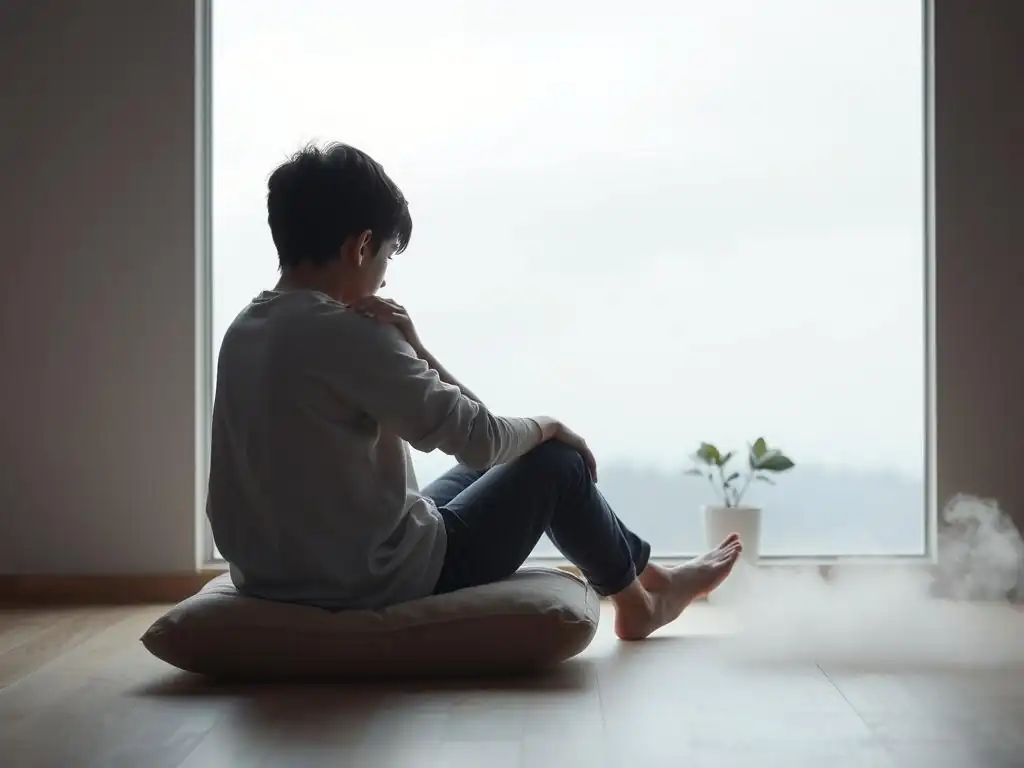
Creating a Supportive Home Environment
A supportive home environment is foundational for helping a child or teen manage health anxiety. This involves fostering open communication where the child feels safe to express their fears without judgment. It also means validating their feelings – acknowledging that their anxiety is real and distressing, even if their fears about illness are not medically warranted. Avoid dismissing their worries outright, which can make them feel misunderstood or unheard.
Establishing predictable routines can also provide a sense of security, reducing overall anxiety. Ensure the home is a place where health is discussed in a balanced way, emphasizing wellness and healthy habits rather than solely focusing on illness and potential threats. Limiting discussions about adult health concerns or sensationalized medical news within the child's hearing can also be beneficial, a crucial piece of advice for any parental guide health anxiety teens.
Talking to Your Child About Their Fears
Engaging in calm, open conversations about their fears is vital. Choose a quiet time when both you and your child are relaxed. Ask open-ended questions about what specifically worries them and listen attentively. Avoid immediately jumping in to provide reassurance, as discussed earlier. Instead, try to understand the nature of their worry.
It can be helpful to externalize the anxiety – talk about the "worry monster" or "anxious thoughts" as something separate from your child. For example, "It sounds like the worry monster is telling you that little cough means something serious, even though the doctor said it's just a cold." This approach, often recommended in a parental guide health anxiety teens, helps the child see their anxiety as a challenge to be managed, rather than an inherent truth about their health.
Challenging Anxious Thoughts
Helping your child identify and challenge their anxious thoughts is a core strategy derived from cognitive behavioral therapy (CBT). This involves gently questioning the evidence for their fears. For example, if they worry a headache is a tumor, you might ask:
- "What proof do you have that it's a tumor?"
- "What other things could cause a headache?"
- "What did the doctor say about your headache?"
- "Has this worry been right in the past?"
The goal isn't to convince them they are wrong, but to help them evaluate their thoughts more realistically. Encourage them to think about the likelihood of their feared outcome versus more probable explanations. This cognitive restructuring is a key technique parents can learn from a parental guide health anxiety teens to implement at home.
Exposure Therapy: Gradually Facing Fears
Exposure therapy, under the guidance of a professional, is a highly effective treatment for anxiety. For health anxiety, this involves gradually and systematically exposing the child to situations, sensations, or information they fear, without engaging in avoidance or reassurance-seeking behaviors. The principle is that by facing their fears in a safe environment, they learn that the feared outcome doesn't occur, or that they can tolerate the anxiety.
Examples might include:
- Sensory Exposure: Helping them notice and tolerate normal bodily sensations (e.g., noticing their heart rate after exercise without panicking).
- Situational Exposure: Gradually reducing avoidance behaviors (e.g., attending school even with a mild symptom, visiting a friend who has a cold).
- Information Exposure: Reading a brief, factual article about a common illness they fear, without then doing extensive, catastrophic searches.
This is best done with professional support, as designing appropriate exposures requires expertise. However, a parental guide health anxiety teens can introduce the concept and explain its importance.
Relaxation Techniques: Mindfulness and Breathing
Teaching children and teens relaxation techniques can help them manage the physical symptoms of anxiety and gain a sense of control. Simple techniques like deep breathing exercises can calm the nervous system. For instance, teaching them to breathe in slowly through their nose for a count of four, hold for four, and exhale slowly through their mouth for a count of six can be very effective when they feel anxious.
Mindfulness practices, such as paying attention to their senses in the present moment (what they see, hear, feel, smell) or guided meditations designed for children, can help them step away from intrusive anxious thoughts and ground themselves. Regular practice of these techniques, even when not feeling anxious, can build resilience and provide valuable coping tools. Incorporating these strategies is a practical recommendation from a parental guide health anxiety teens.
- [ ] Practice deep breathing exercises together daily.
- [ ] Try a 5-minute guided mindfulness exercise as a family.
- [ ] Encourage your child to identify their five senses when feeling overwhelmed.
When to Seek Professional Help
Recognizing the Need for Therapy
While parental support and home strategies are crucial, there are times when professional help is necessary. Consider seeking professional evaluation and support if:
- Your child's health anxiety is significantly impacting their daily life (school attendance, social activities, sleep, appetite).
- The anxiety is persistent and doesn't improve despite your best efforts.
- Your child is experiencing panic attacks related to their health fears.
- The level of distress is severe.
- You feel overwhelmed or unsure how to help.
A mental health professional specializing in child and adolescent anxiety can provide an accurate diagnosis and develop a targeted treatment plan. Seeking help is a sign of strength and commitment to your child's well-being, a message central to this parental guide health anxiety teens.
Finding a Qualified Professional
Finding the right therapist is key. Look for licensed mental health professionals (such as psychologists, clinical social workers, licensed professional counselors, or psychiatrists) who have experience working with children and adolescents and specialize in anxiety disorders. You can ask your pediatrician for a referral, search directories of professional organizations, or inquire with local mental health clinics.
It's important to find a therapist with whom your child feels comfortable. The initial consultation can help assess the fit. Don't hesitate to ask about the therapist's experience with health anxiety, their treatment approach (e.g., do they use CBT? ), and what the treatment process typically involves. This proactive approach is recommended by any good parental guide health anxiety teens.
Types of Therapy: CBT, ACT, and Family Therapy
Several therapeutic approaches have proven effective for health anxiety in young people.
- Cognitive Behavioral Therapy (CBT): This is often considered the gold standard. CBT helps children identify and challenge their anxious thoughts (cognitive component) and gradually face feared situations or sensations (behavioral component, often through exposure therapy). A course of CBT typically involves 12-20 sessions.
- Acceptance and Commitment Therapy (ACT): ACT helps young people learn to accept difficult thoughts and feelings (like anxiety) rather than trying to eliminate them. It focuses on committing to actions based on their values, even when anxiety is present.
- Family Therapy: Given the family's role in the child's anxiety, family therapy can be very beneficial. It helps improve communication, teaches parents strategies for responding to anxious behaviors (like reassurance seeking), and ensures the family system supports the child's progress.
Often, a combination of individual therapy for the child and parental involvement is the most effective approach, a point frequently emphasized in a comprehensive parental guide health anxiety teens.
Medication Options: Considerations
Medication is not typically the first-line treatment for health anxiety in children and teens, especially for mild to moderate cases. However, for severe anxiety that significantly impairs functioning or when other treatments haven't been fully effective, medication may be considered, usually in combination with therapy.
Selective Serotonin Reuptake Inhibitors (SSRIs) are the most commonly prescribed type of medication for anxiety disorders in young people. They work by affecting neurotransmitters in the brain that regulate mood and anxiety. Any decision about medication should involve a thorough discussion with a child and adolescent psychiatrist or a pediatrician with expertise in mental health. They can discuss potential benefits, risks, and side effects, ensuring an informed choice aligned with the advice in a responsible parental guide health anxiety teens.
Preventing Health Anxiety

Fostering a Healthy Body Image
Promoting a healthy body image is important for overall well-being and can indirectly help prevent excessive focus on bodily flaws or sensations that might fuel health anxiety. Encourage children to appreciate their bodies for what they can do rather than just how they look. Focus on health and vitality rather than idealized or unrealistic standards often portrayed in media.
Teach them about the normal variations in bodies and sensations. Help them understand that minor aches, pains, or bodily noises are usually normal and not signs of serious disease. This balanced perspective on the body is a protective factor against developing an excessive, fearful focus on physical symptoms, a valuable tip for any parental guide health anxiety teens.
Limiting Exposure to Sensationalized News
As discussed earlier, exposure to alarming health-related news can fuel anxiety. While it's important for children to be informed about basic health and safety, shield younger children from overly graphic or sensationalized reports about diseases or medical emergencies. For teens, discuss media literacy – help them critically evaluate health information they encounter online or in the news.
Teach them to rely on credible sources for health information, such as doctors, public health websites, or educational resources, rather than alarming headlines or forums. Setting boundaries around screen time, especially before bed, can also reduce exposure to potentially anxiety-provoking content, a practical recommendation from a parental guide health anxiety teens.
Teaching Problem-Solving Skills
Equipping children with general problem-solving and coping skills can help them manage anxiety in various forms, including health anxiety. When faced with a worry, instead of immediately providing reassurance, guide them through a problem-solving process:
- Identify the specific worry (e.g., "I'm worried this cough means I have pneumonia").
- Brainstorm possible solutions or actions (e.g., "Tell a parent," "Rest," "Drink water," "See a doctor if it gets worse").
- Evaluate the potential outcomes of each action.
- Choose a reasonable course of action (e.g., "I'll rest and see how I feel tomorrow, and tell mom if it's worse").
This empowers them to feel more capable of handling challenges and reduces reliance on external reassurance. This is a key life skill highlighted in a comprehensive parental guide health anxiety teens.
Encouraging Open Communication
Maintaining open lines of communication is paramount. Create an environment where your child feels comfortable talking about anything, including their fears and worries, without fear of ridicule or dismissal. Regularly check in with them about how they are feeling, both physically and emotionally.
Listen actively and empathetically when they do share. Let them know that it's okay to feel scared or anxious sometimes and that you are there to support them. Building this strong foundation of trust and communication makes it easier for them to come to you when health worries arise and makes it easier for you to implement strategies from this parental guide health anxiety teens.
Supporting Mental Health: Resources
Online Resources and Support Groups
Numerous reputable online resources can provide valuable information and support for parents and teens dealing with health anxiety. Organizations dedicated to anxiety disorders often have websites with articles, FAQs, and tools. Some offer online forums or support groups where parents can connect with others facing similar challenges, sharing experiences and strategies.
Please note: While online resources can be helpful for information and peer support, they should not replace professional medical or psychological advice. Be cautious about online forums related to specific illnesses, as these can sometimes exacerbate health fears for those prone to anxiety.
Mental Health Organizations and Helplines
Major mental health organizations offer comprehensive resources, including information about anxiety disorders, treatment options, and directories of mental health professionals. Examples include national or regional mental health associations. Many regions also have mental health helplines or crisis lines that can provide immediate support or guidance on finding resources, offering a lifeline for parents navigating the complexities outlined in this parental guide health anxiety teens.
Books and Workbooks
There are many excellent books and workbooks designed for children, teens, and parents specifically about managing anxiety. Some workbooks use CBT principles and offer practical exercises the child can complete, sometimes with parental guidance. Books for parents can provide deeper insights into anxiety and offer specific strategies for support. Look for resources based on evidence-based practices.
The Long-Term Outlook: Managing Anxiety into Adulthood
Health anxiety often emerges in childhood or adolescence, but with timely and effective intervention, many young people learn to manage their symptoms and lead fulfilling lives. Treatment, particularly CBT and related therapies, can significantly reduce the severity and frequency of health worries and associated behaviors.
The skills learned in therapy and through parental support – challenging anxious thoughts, tolerating uncertainty, using relaxation techniques, and facing fears gradually – are valuable tools that can help manage anxiety throughout life. While some individuals may continue to experience occasional health-related worries, they can learn to prevent these worries from escalating into debilitating anxiety. This parental guide health anxiety teens emphasizes that early intervention and consistent support build resilience and improve the long-term prognosis, enabling young people to develop healthy coping mechanisms that serve them well into adulthood.
Frequently Asked Questions
What is health anxiety in teens, and how does it differ from normal worries about health?
Health anxiety in teens, also known as illness anxiety disorder, is a persistent and excessive worry about having or developing a serious illness. It differs from normal worries by being disproportionate and debilitating.
What are some common signs of health anxiety in teenagers that parents should watch out for?
Parents should watch for excessive checking of their body for signs of illness, frequent doctor visits despite reassurance, and constant discussion or Google searching about health concerns. These behaviors indicate a potential problem.
How can parents help their child who is struggling with health anxiety?
Parents can offer reassurance and validation without enabling the anxiety. Encouraging open communication and seeking professional help, such as therapy or counseling, are crucial steps.
What types of therapy are most effective for treating health anxiety in adolescents?
Cognitive Behavioral Therapy (CBT) is highly effective, helping teens identify and challenge anxious thoughts. Exposure therapy can also be beneficial by gradually exposing them to feared health situations.
Where can parents find additional resources and support for dealing with their teen's health anxiety?
Resources are available from organizations like the Anxiety & Depression Association of America (ADAA) and the Mind Care Guide website. Mental health professionals can provide personalized guidance and support.
Final Reflection: Nurturing Calm Amidst the Storm of Adolescent Health Anxiety
The anxieties surrounding our children's health are a universal experience, amplified in the age of readily available (and sometimes misleading) online information. Understanding and addressing health anxiety in teenagers is not just a parental concern; it's a crucial step in fostering a generation equipped to navigate the complexities of physical and mental well-being.
Witnessing the impact of health anxiety on teenagers, both on their mental and physical health, has profoundly shaped my understanding of the parent-child dynamic. It's a delicate balance between providing reassurance and fostering independence, a constant negotiation between protecting them and empowering them to manage their own anxieties. The most important thing a father can do for his children is to love their mother.
– Theodore Hesburgh. While not directly about health anxiety, this quote highlights the foundational importance of a secure and supportive family environment, which is crucial in helping teens navigate these challenges. A strong parent-child relationship provides the bedrock of trust needed to address health concerns openly and honestly.
You, as a parent, hold the power to make a difference. Take the time to learn the signs of health anxiety in your teen, create open lines of communication, and seek professional help when needed. Remember, validating your teen's feelings without fueling their anxieties is key. This isn't about eliminating worry entirely; it's about equipping your child with the tools to manage it effectively and live a full, healthy life. Start today. Your involvement is the most powerful medicine.
Unleash Your Child's Inner Strength: Taking Action Now
Thanks for taking the time to learn more about supporting your child through health anxiety. You've gained valuable insights into understanding and addressing this challenge. Now, let's put that knowledge into action!
- Prioritize open communication: Schedule a dedicated time to talk with your child about their anxieties. Create a safe space where they feel comfortable sharing their feelings without judgment.
- Explore calming techniques together: Try simple relaxation exercises like deep breathing or mindfulness, and find fun activities that help ease stress – perhaps a new hobby, or family time doing something enjoyable.
- Share this guide: Pass this vital information along to other parents who might be facing similar concerns. Let's build a supportive community to help our children thrive.
Ready to empower your child with the tools they need to manage health anxiety? What small step can you take today to foster a more open and supportive environment?