
The Unique Mental Health Needs of LGBTQ+ Individuals with Disabilities


Welcome to Mind Care Guide, your trusted resource for navigating the complexities of mental well-being.
Ever wondered how disability uniquely impacts the mental health of LGBTQ+ individuals? You're not alone. Many face compounded challenges, and finding the right support can feel overwhelming. This guide dives deep into LGBTQ+ disability mental health support, offering insights and resources to help you understand and navigate these specific needs. We believe everyone deserves compassionate and informed care. Let's explore how we can foster a more inclusive and supportive environment, together.
- The Unique Mental Health Needs of LGBTQ+ Individuals with Disabilities: A Mind Care Guide
- Mental Health Disparities Faced by LGBTQ+ Individuals with Disabilities
- Specific Mental Health Challenges for LGBTQ+ Individuals with Disabilities
- Strategies for Supporting the Mental Health of LGBTQ+ Individuals with Disabilities
- Resources for LGBTQ+ Disability Mental Health Support
- Addressing Systemic Barriers to Mental Wellness
- The Future of LGBTQ+ Disability Mental Health Support
- Conclusion: Prioritizing Mental Well-being at the Intersection
-
Frequently Asked Questions
- How does being both LGBTQ+ and disabled impact mental health?
- What specific mental health challenges are common in LGBTQ+ individuals with disabilities?
- Where can I find LGBTQ+ disability mental health support?
- How can healthcare providers better support LGBTQ+ individuals with disabilities?
- What are some strategies for self-care and resilience for LGBTQ+ individuals with disabilities?
- Final Reflection: Weaving a Tapestry of Support for LGBTQ+ Individuals with Disabilities
- Unlock a Deeper Understanding of LGBTQ+ Disability Wellbeing
The Unique Mental Health Needs of LGBTQ+ Individuals with Disabilities: A Mind Care Guide
Defining LGBTQ+ Identities and Disability
LGBTQ+ is an acronym that encompasses a diverse range of sexual orientations and gender identities, including Lesbian, Gay, Bisexual, Transgender, and Queer/Questioning, with the '+' signifying other identities. This community is incredibly varied, representing people from all races, ethnicities, socioeconomic backgrounds, and abilities. Each letter within the acronym, and the identities it represents, comes with its own history, culture, and set of societal challenges, particularly concerning acceptance and discrimination.
Disability, on the other hand, is defined broadly, often encompassing physical, cognitive, intellectual, mental health, and sensory impairments that, in interaction with various barriers, may hinder full and effective participation in society on an equal basis with others. Like LGBTQ+ identities, disability is not a monolithic experience. Individuals may be born with a disability, acquire one later in life, or experience fluctuating conditions. The experience of disability is profoundly shaped by societal attitudes, accessibility, and support systems.
The Intersectional Challenges: Where LGBTQ+ and Disability Identities Meet
For individuals who hold both LGBTQ+ identities and disabilities, life presents a unique set of challenges. This intersection means they often face discrimination and marginalization based on multiple aspects of their identity simultaneously. For example, a transgender person using a wheelchair might face transphobia and ableism when trying to access public spaces or healthcare, compounding the difficulty. Studies and reports consistently indicate that individuals at this intersection experience higher rates of poverty, unemployment, and violence compared to those who identify with only one of these groups or neither.
The challenges are not simply additive; they are multiplicative. The barriers faced by a disabled person can be intensified by their LGBTQ+ identity, and vice versa. Finding a healthcare provider who is knowledgeable about both disability-specific needs and LGBTQ+ health concerns can be incredibly difficult. Similarly, navigating LGBTQ+ community spaces may be challenging due to physical inaccessibility, or disability community spaces may lack understanding and affirmation of diverse sexual orientations and gender identities. These overlapping marginalizations create a complex landscape impacting daily life and overall well-being.
Why Intersectionality Matters for Mental Well-being
Understanding intersectionality is crucial because it highlights how overlapping social identities can create unique systems of discrimination or disadvantage. For LGBTQ+ individuals with disabilities, this means their mental health is influenced not just by being LGBTQ+ or by having a disability, but by the specific ways these identities intersect and are treated by society. Research consistently shows that experiencing multiple forms of discrimination is a significant risk factor for poor mental health outcomes, including higher rates of anxiety, depression, and trauma-related disorders.
An intersectional lens allows us to see beyond single-issue advocacy and recognize the specific needs of those who fall through the cracks of traditional support systems. Without this understanding, mental health services, community programs, and public policies may inadvertently exclude or harm individuals at this intersection. Providing effective LGBTQ+ disability mental health support requires acknowledging and actively addressing the combined impacts of ableism, homophobia, transphobia, and other forms of prejudice. It's about recognizing the whole person and the complex web of factors influencing their well-being.
Mental Health Disparities Faced by LGBTQ+ Individuals with Disabilities
Increased Risk of Mental Health Conditions: Anxiety, Depression, and PTSD
Individuals at the intersection of LGBTQ+ identities and disability face significantly elevated risks of developing mental health conditions compared to the general population and even compared to those with only one of these identities. Data from various surveys and studies indicates that rates of severe psychological distress, including anxiety, depression, and Post-Traumatic Stress Disorder (PTSD), are notably higher in this group. For instance, some reports suggest that LGBTQ+ adults with disabilities are up to three times more likely to report frequent mental distress than non-LGBTQ+, non-disabled individuals.
This increased vulnerability is directly linked to the unique stressors they experience. Chronic exposure to discrimination, social stigma, lack of access to appropriate care, and the challenges of navigating systems that are often not designed to accommodate their intersecting needs contribute significantly to this disparity. The constant effort required to advocate for oneself in both disability and LGBTQ+ contexts can be exhausting and detrimental to mental well-being, leading to persistent feelings of stress, hopelessness, or hypervigilance associated with conditions like generalized anxiety disorder or PTSD.
The Impact of Discrimination and Stigma on Mental Health
Discrimination and stigma are pervasive issues for LGBTQ+ individuals with disabilities, acting as significant determinants of their mental health outcomes. They may face ableism within the LGBTQ+ community (e.g., inaccessible spaces, assumptions about capabilities) and homophobia or transphobia within disability-focused communities or services (e.g., lack of understanding of gender identity, assumptions about sexuality). Furthermore, they often encounter discrimination in broader societal contexts like employment, housing, and healthcare, where bias based on both disability and sexual orientation/gender identity can occur.
This constant exposure to prejudice, whether overt or subtle, can lead to internalized stigma, where individuals absorb negative societal attitudes about their identities, leading to shame, self-doubt, and reduced self-esteem. The fear of discrimination or rejection can also lead to social withdrawal and isolation, further exacerbating mental health challenges. The cumulative effect of these experiences creates a toxic environment that undermines psychological resilience and necessitates targeted LGBTQ+ disability mental health support to counteract these harmful impacts.
Social isolation and profound loneliness are frequently reported experiences among LGBTQ+ individuals with disabilities. Barriers to participation, stemming from both disability-related challenges (like inaccessible transportation or venues) and LGBTQ+-related issues (like feeling unsafe or unwelcome), can make it difficult to connect with peers and build supportive relationships. While LGBTQ+ community spaces offer vital support, they may not be physically accessible or inclusive of diverse disability experiences. Conversely, disability-focused groups might lack understanding or affirmation of LGBTQ+ identities.
The result is that individuals may feel isolated from both mainstream society and the communities that are meant to support them. This lack of belonging and connection is a significant risk factor for depression, anxiety, and even physical health problems. Addressing social isolation requires creating deliberately inclusive spaces and facilitating connections, which is a core component of effective LGBTQ+ disability mental health support strategies. Building robust social networks and finding affirming communities are essential for fostering resilience and improving mental well-being.
Specific Mental Health Challenges for LGBTQ+ Individuals with Disabilities

Navigating the complex interplay of LGBTQ+ identities and disability can lead to unique struggles with self-acceptance and identity formation. Individuals may internalize societal stigma related to both disability ("broken," "burden") and their sexual orientation or gender identity ("sinful," "deviant"). This internalized stigma can manifest as self-hatred, shame, and difficulty accepting one or both aspects of their identity. For a young person with a disability, coming to terms with being gay or transgender might be complicated by already feeling "different" or "othered" due to their disability.
Furthermore, the process of coming out or affirming one's gender identity can be particularly challenging when also managing disability-related health issues or relying on caregivers who may not be affirming. The fear of losing essential support systems or facing rejection from family or medical providers adds another layer of stress to an already complex identity journey. Overcoming internalized stigma and achieving self-acceptance is a critical, often lifelong, process that requires understanding, validation, and specific LGBTQ+ disability mental health support tailored to this intersection.
Barriers to Accessing Inclusive Mental Healthcare
Accessing appropriate and inclusive mental healthcare is a major hurdle for LGBTQ+ individuals with disabilities. Many mental health professionals lack training in either LGBTQ+ issues or disability competency, let alone the intersection of the two.
This can lead to misdiagnosis, ineffective treatment, or even harm, as therapists may not understand the unique stressors or experiences related to navigating both identities. For example, a therapist unfamiliar with gender identity might attribute a transgender person's distress solely to their disability, or a therapist unfamiliar with disability might not recognize how physical barriers impact a patient's ability to attend sessions or participate in therapy.
Beyond provider competence, practical barriers abound. Mental health clinics may not be physically accessible for individuals with mobility impairments. Intake forms and communication methods may not be accessible for those with sensory or cognitive disabilities. Finding a therapist who is both physically accessible and affirming of LGBTQ+ identities can feel like searching for a needle in a haystack. These systemic barriers significantly limit access to vital LGBTQ+ disability mental health support, leaving many individuals without the care they need.
Trauma is a significant concern for LGBTQ+ individuals with disabilities, often stemming from repeated exposure to ableism and homophobia/transphobia. Traumatic experiences can include physical or emotional abuse related to their identities, discriminatory treatment in healthcare or other institutions, hate crimes, or the cumulative stress of constant microaggressions. For instance, a non-speaking autistic person might experience trauma from forced interventions or a lack of communication access, compounded by trauma from being rejected by family upon coming out as asexual.
The impact of such trauma is profound and can manifest as complex PTSD, chronic anxiety, depression, and difficulty forming trusting relationships. Traditional trauma-informed care models may not adequately address the specific nuances of trauma experienced at this intersection. Effective LGBTQ+ disability mental health support must be trauma-informed and specifically acknowledge the ways in which ableism and LGBTQ+-phobia contribute to traumatic experiences, offering therapeutic approaches that are sensitive to these unique contexts.
Challenges in Forming Relationships and Building Support Networks
Forming meaningful relationships and building strong support networks can be particularly challenging for LGBTQ+ individuals with disabilities. As mentioned earlier, finding spaces where both identities are affirmed is difficult. They may face rejection or misunderstanding from potential partners or friends who are not equipped to navigate both their disability needs and their LGBTQ+ identity. For example, a potential partner might be accepting of their sexual orientation but hesitant about the practicalities of their disability, or vice versa.
Internalized stigma can also make it difficult to seek out or accept support. Individuals may feel like a "burden" or believe they are not worthy of love and connection due to negative societal messaging. The lack of accessible and inclusive social opportunities further limits the chances to meet like-minded individuals. Building resilience and fostering mental well-being critically depends on having a strong support system; therefore, facilitating opportunities for connection and providing support in navigating relationships are vital components of LGBTQ+ disability mental health support.
Strategies for Supporting the Mental Health of LGBTQ+ Individuals with Disabilities
Creating Safe and Affirming Spaces
Creating safe and affirming spaces is fundamental to supporting the mental health of LGBTQ+ individuals with disabilities. This involves actively working to eliminate ableism within LGBTQ+ communities and homophobia/transphobia within disability communities. For physical spaces, this means ensuring physical accessibility (ramps, accessible restrooms), providing clear signage, and offering accommodations like quiet areas or sensory-friendly options. For virtual spaces, it means ensuring websites and online platforms are accessible, using inclusive language, and moderating discussions to prevent discriminatory comments.
Beyond physical or digital accessibility, creating safety means fostering an environment of psychological safety. This involves using inclusive language regarding pronouns, gender identity, and diverse relationship structures, as well as language that respects diverse disability experiences (e.g., person-first or identity-first language as preferred by the individual). It requires active listening, believing individuals' experiences of discrimination, and challenging ableist or LGBTQ+-phobic attitudes when they arise. Safe spaces validate identities and reduce the constant stress of anticipating discrimination, making them crucial for mental well-being.
Accessible Mental Healthcare: Finding LGBTQ+-Affirming and Disability-Competent Providers
Improving access to mental healthcare is paramount. This requires a multi-pronged approach focusing on both systemic changes and individual navigation. Systemically, healthcare systems need to prioritize training for providers on intersectionality, covering both LGBTQ+ health and disability competency. This includes understanding diverse communication needs, providing accessible materials, and being aware of the unique stressors faced by this population. Telehealth can be a valuable tool, improving accessibility for those with mobility issues or who live in rural areas, but it must also be accessible (e.g., compatible with assistive technologies).
Individually, finding an LGBTQ+-affirming and disability-competent provider can be challenging. Resources like directories filtering by specialization (LGBTQ+, disability) and accessibility features are essential. Individuals may need to ask direct questions during initial consultations about a provider's experience and training in both areas. Advocacy organizations often have lists of recommended providers. Accessing effective LGBTQ+ disability mental health support hinges on the availability of professionals who can competently and empathetically address the full spectrum of an individual's identity and experience.
Building Resilience: Coping Mechanisms and Self-Care Strategies
Building resilience is key to navigating the challenges faced by LGBTQ+ individuals with disabilities. This involves developing effective coping mechanisms and engaging in consistent self-care strategies. Coping mechanisms might include mindfulness practices, creative expression (art, writing, music), engaging in advocacy for oneself and others, or developing strong problem-solving skills to navigate systemic barriers. Learning to set boundaries and protect one's energy from the demands of constant advocacy or discrimination is also vital.
Self-care strategies should be tailored to individual needs and abilities, taking into account disability-specific requirements. This could involve incorporating accessible physical activity, ensuring adequate rest, engaging in hobbies, spending time in nature (if accessible), or connecting with supportive friends and family. For some, self-care might involve managing chronic pain or fatigue, which directly impacts mental health. Promoting self-compassion and recognizing the strength it takes to live at this intersection are also crucial aspects of fostering resilience and supporting mental well-being.
The Importance of Peer Support and Community
Peer support and community connection are invaluable for LGBTQ+ individuals with disabilities. Connecting with others who share similar intersecting identities can reduce feelings of isolation, provide a sense of belonging, and offer unique insights and strategies for navigating challenges. Peer support groups, whether online or in-person (if accessible), allow individuals to share experiences, validate each other's feelings, and offer practical advice based on lived experience. These connections can be a powerful antidote to the loneliness and misunderstanding often faced.
Community involvement, whether through local LGBTQ+ centers with disability programs, disability rights organizations with LGBTQ+ caucuses, or online forums specifically for this intersection, provides a sense of solidarity and shared identity. These spaces can be sources of empowerment, advocacy, and celebration of the unique strengths that come from living at this intersection. Fostering these connections is a critical element of comprehensive LGBTQ+ disability mental health support, providing a foundation of understanding and acceptance.
Resources for LGBTQ+ Disability Mental Health Support
National Organizations and Advocacy Groups
Several national organizations are dedicated to supporting the rights and well-being of individuals at the intersection of LGBTQ+ identities and disability. Groups like Sins Invalid, which centers disabled people of color and queer/trans people, or the Disability Visibility Project, which amplifies disability stories, are important resources. Many national LGBTQ+ rights organizations, such as the Human Rights Campaign or GLSEN, are increasingly incorporating disability inclusion into their work, offering resources and advocating for policies that benefit this population.
Similarly, national disability rights organizations are beginning to address the needs of their LGBTQ+ members. While specific resources focusing solely on this intersection from large national bodies may still be developing, these organizations often provide valuable information on rights, advocacy, and navigating systems, which can be adapted to the unique challenges faced by this group. Exploring the websites and publications of these key players is a starting point for finding information and support.
Online Communities and Support Forums
Online communities and support forums offer vital connections for LGBTQ+ individuals with disabilities, particularly for those facing geographical barriers or physical limitations that make in-person participation difficult. Platforms like Reddit, Facebook groups, or dedicated forums host discussions where individuals can share experiences, ask questions, and offer peer support related to navigating both identities and seeking mental health care. These online spaces can provide a sense of community and belonging that may be harder to find offline.
It is important to seek out moderated and affirming online spaces to ensure safety and avoid encountering harmful content. Searching for terms like "queer disability support group," "trans chronic illness forum," or "LGBTQ+ disabled peer support" can help locate relevant communities. While not a substitute for professional care, these forums can offer invaluable emotional support, practical tips, and a reminder that one is not alone in their experiences, contributing significantly to LGBTQ+ disability mental health support networks.
Mental Health Professionals Specializing in LGBTQ+ and Disability Issues
Finding mental health professionals with expertise in both LGBTQ+ issues and disability is a significant challenge but not impossible. Directories from professional associations may allow filtering by specialties. Websites like Psychology Today often list therapist specializations. Some LGBTQ+ community centers or disability advocacy organizations maintain referral lists of affirming and competent providers. University psychology departments or hospitals with specialized clinics may also be potential resources.
When contacting potential therapists, it is advisable to inquire specifically about their training and experience working with individuals who are both LGBTQ+ and have disabilities. Asking questions about their understanding of intersectionality, their approach to accessibility (including communication access), and their commitment to cultural humility can help determine if they are a good fit. Investing time in finding a provider who truly understands the complexities of this intersection is crucial for receiving effective and affirming LGBTQ+ disability mental health support.
Addressing Systemic Barriers to Mental Wellness
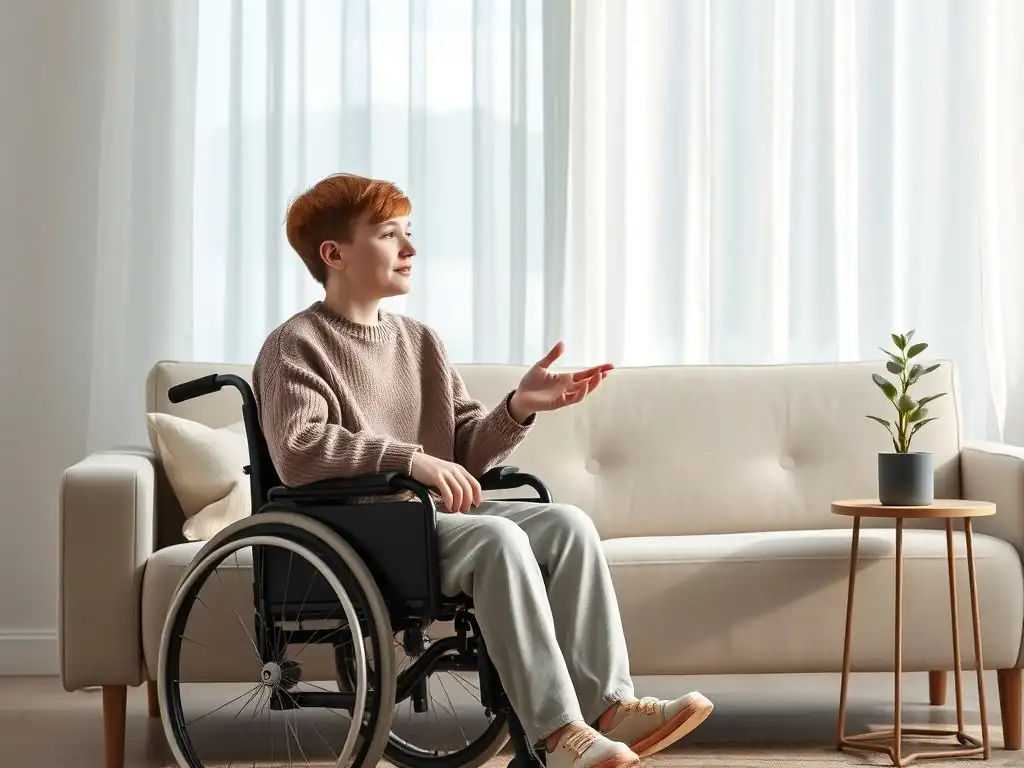
Advocating for Policy Changes: Promoting Inclusion and Accessibility
Addressing the systemic barriers that negatively impact the mental health of LGBTQ+ individuals with disabilities requires focused policy advocacy. This involves pushing for legislation and regulations that promote inclusion and accessibility in healthcare, education, employment, and public spaces. For example, advocating for stronger enforcement of the Americans with Disabilities Act (ADA) alongside non-discrimination protections based on sexual orientation and gender identity is crucial. Policies that mandate accessible mental healthcare facilities and require cultural competency training for providers are also essential.
Advocacy can take many forms, from contacting elected officials and participating in rallies to supporting organizations working on these issues and sharing personal stories to illustrate the need for change. Policy changes can create environments where LGBTQ+ individuals with disabilities are less likely to face discrimination and more likely to access the resources they need, thereby improving their mental well-being. Effective LGBTQ+ disability mental health support requires not only individual care but also systemic transformation.
Educating Healthcare Providers on Intersectionality
A critical systemic barrier is the lack of provider education on intersectionality. Medical and mental health training programs often treat LGBTQ+ health and disability as separate topics, if they cover them at all. This leaves many professionals ill-equipped to serve individuals at the intersection. Advocating for mandatory, comprehensive training on LGBTQ+ cultural competency and disability competency, specifically addressing the unique challenges of their intersection, is vital.
This education should cover topics like using affirming language, understanding the specific health disparities faced by this population, providing accessible care (physical, communication, cognitive), and recognizing how discrimination impacts mental health. Workshops, continuing education courses, and integrating intersectional case studies into curricula can help bridge this knowledge gap. A well-trained healthcare workforce is fundamental to providing adequate and affirming LGBTQ+ disability mental health support.
Challenging Ableism and LGBTQ+-Phobia in Society
Ultimately, improving the mental health of LGBTQ+ individuals with disabilities requires challenging the root causes of their distress: ableism and LGBTQ+-phobia. This involves a broad cultural shift towards greater understanding, acceptance, and celebration of human diversity in all its forms. Challenging stereotypes, confronting discriminatory language, and promoting positive representation in media and public discourse are all necessary steps.
This societal change is a long-term process that involves everyone. It means actively listening to the voices and experiences of LGBTQ+ individuals with disabilities, supporting their leadership, and working to dismantle the prejudices that create barriers to their full participation and well-being. Creating a society that values and includes everyone, regardless of their abilities or identities, is the most effective form of LGBTQ+ disability mental health support, fostering environments where individuals can thrive without fear of judgment or discrimination.
The Future of LGBTQ+ Disability Mental Health Support
The Growing Need for Specialized Services
As awareness of the unique needs of this population grows, there is an increasing demand for specialized mental health services. The future must see the development of clinics, programs, and therapeutic approaches specifically designed to provide LGBTQ+ disability mental health support. These services need to be not only clinically excellent but also culturally competent and fully accessible, integrating an understanding of both identities from the ground up.
This specialization should include therapists trained in trauma-informed care that accounts for the specific types of discrimination faced, peer support programs facilitated by individuals with lived experience at this intersection, and mental health resources available in multiple accessible formats. The goal is to move beyond general services that may inadvertently exclude or misunderstand this group and build dedicated infrastructure that truly meets their unique needs.
Research and Innovation in Mental Healthcare
More research is desperately needed to fully understand the mental health experiences and needs of LGBTQ+ individuals with disabilities. Current data is often limited, making it difficult to develop evidence-based interventions. Future research should focus on prevalence rates of specific conditions within this group, the long-term impacts of intersectional discrimination, effective therapeutic modalities, and the factors that promote resilience and well-being.
Innovation in mental healthcare delivery is also key. This could include developing integrated models of care that combine mental health services with disability support services or LGBTQ+ community resources. Exploring technology-based solutions that are both accessible and affirming could expand reach. The future of LGBTQ+ disability mental health support relies on continuous learning, rigorous research, and creative solutions to address existing gaps and improve outcomes.
Empowering LGBTQ+ Individuals with Disabilities to Thrive
Ultimately, the goal of all support and advocacy efforts is to empower LGBTQ+ individuals with disabilities to not just survive, but to truly thrive. This involves shifting the focus from solely addressing deficits to recognizing and building upon their inherent strengths, resilience, and unique perspectives. Empowerment means ensuring they have access to the resources, support, and opportunities they need to live full, meaningful lives.
Empowerment is fostered by providing affirming care, challenging systemic barriers, creating inclusive communities, and amplifying their voices in conversations about their own lives and needs. Supporting self-advocacy and leadership within this community is paramount. The future of LGBTQ+ disability mental health support is one where individuals at this intersection are recognized, valued, and equipped with the tools and support necessary to navigate challenges and achieve optimal mental well-being.
Conclusion: Prioritizing Mental Well-being at the Intersection
Frequently Asked Questions
How does being both LGBTQ+ and disabled impact mental health?
Being both LGBTQ+ and disabled can lead to increased discrimination and social isolation, which significantly impacts mental health. This intersectionality can result in higher rates of depression and anxiety.
What specific mental health challenges are common in LGBTQ+ individuals with disabilities?
Common challenges include internalized stigma, difficulty accessing inclusive healthcare, and higher rates of trauma. These factors contribute to a greater risk of mental health conditions.
Where can I find LGBTQ+ disability mental health support?
Mind Care Guide and other specialized organizations provide resources. Look for groups offering peer support and affirming therapy for LGBTQ+ individuals with disabilities.
How can healthcare providers better support LGBTQ+ individuals with disabilities?
Providers should receive cultural competency training to understand the unique needs of this population. They should also offer accessible and inclusive services, free from bias and discrimination.
What are some strategies for self-care and resilience for LGBTQ+ individuals with disabilities?
Strategies include connecting with supportive communities, practicing self-compassion, and advocating for your needs. Focusing on strengths and fostering a sense of identity are also crucial.
Final Reflection: Weaving a Tapestry of Support for LGBTQ+ Individuals with Disabilities
The intersection of LGBTQ+ identity and disability presents unique mental health challenges, demanding a more nuanced and inclusive approach to support than currently exists. The disparities in access to care, the added layers of stigma, and the compounding effects of discrimination are not merely statistics; they are lived realities impacting countless individuals. This reality necessitates immediate and comprehensive action.
The journey of understanding and addressing the mental health needs of this community has been, and continues to be, a profound one. Witnessing the resilience and strength of LGBTQ+ individuals with disabilities, while simultaneously acknowledging the systemic barriers they face, underscores the urgency for change. We must not only strive for equality, but also for equity, recognizing that different groups have different needs and require tailored support to thrive.
This quote encapsulates the essence of the challenge – providing equitable access to mental health services requires understanding and addressing the unique vulnerabilities faced by this population. It's a constant learning process, requiring ongoing dialogue and collaboration.
You, the reader, now hold the knowledge to be a part of this crucial conversation. Consider how you can contribute to creating a more inclusive and supportive environment. This might involve advocating for policy changes, educating yourself and others about the specific needs of this community, or simply offering a listening ear and a compassionate heart. Let us move beyond awareness and into meaningful action, weaving a tapestry of support that truly empowers LGBTQ+ individuals with disabilities to flourish.
Unlock a Deeper Understanding of LGBTQ+ Disability Wellbeing
We hope this article provided valuable insights into the unique mental health challenges and triumphs faced by LGBTQ+ individuals with disabilities. You’ve taken a crucial step towards greater understanding and empathy. Now, let's turn that knowledge into action:
- Join our online forum: Share your experiences and connect with others navigating similar journeys. Let's build a supportive community dedicated to inclusivity and understanding. This is your chance to make a real difference!
- Explore resources from trusted organizations: We've compiled a list (available on our site) of organizations dedicated to supporting LGBTQ+ individuals with disabilities. Expand your knowledge and find practical tools for support.
- Consider donating to a relevant charity: Even a small contribution can help provide essential resources and services.
What concrete step can you take today to promote more inclusive and supportive environments for the LGBTQ+ disability community?