
Mental Health in Schools: Improving Access for Students


Welcome to Mind Care Guide, a space dedicated to nurturing your mental well-being. Feeling overwhelmed navigating the landscape of mental health support, especially for students? This guide delves into the crucial topic of school mental health support resources, exploring how we can improve access and create a more supportive environment for our young people. Discover actionable strategies and vital information to empower students and educators alike. Let's embark on this journey towards better mental health together... read on to learn more.
- Mental Health in Schools: Improving Access for Students | A Comprehensive Guide
- Identifying Barriers to Accessing Mental Health Services in Schools
-
Strategies for Enhancing School Mental Health Support Resources
- Implementing Comprehensive School Mental Health Programs
- Increasing the Number of Qualified Mental Health Professionals in Schools
- Partnering with Community-Based Mental Health Organizations
- Utilizing Telehealth and Virtual Mental Health Services for Students
- Creating a Supportive and Inclusive School Environment
- Early Intervention and Prevention Programs for Student Mental Health
- Funding and Policy Recommendations for School Mental Health
- Resources and Support for Students, Educators, and Parents
- Measuring the Impact of School Mental Health Initiatives
- Case Studies: Successful School Mental Health Programs
- Conclusion: Creating a Mentally Healthy School Environment for All Students
-
Frequently Asked Questions
- What is the importance of school mental health support resources?
- What are some examples of school mental health support resources?
- How can schools improve access to mental health support resources for students?
- What role do parents play in accessing school mental health support resources for their children?
- What are the potential long-term benefits of providing comprehensive school mental health support resources?
- Final Reflection: Cultivating a Culture of Care in Our Schools
- Unlock Your School's Potential: Championing Student Mental Wellbeing
Mental Health in Schools: Improving Access for Students | A Comprehensive Guide
Why Prioritizing Mental Health in Educational Settings Matters
The mental well-being of students is intrinsically linked to their ability to learn, grow, and succeed academically and socially. When students face mental health challenges, such as anxiety, depression, or trauma, their concentration, motivation, and classroom engagement can be significantly impacted. Creating educational environments that prioritize mental health recognizes that schools are not just places for academic instruction but also crucial settings for fostering overall student development and resilience. Investing in school mental health support resources is an investment in the future success and health of young people.
Furthermore, schools provide a unique opportunity to reach a large population of young people, including many who might not otherwise have access to mental health services. By integrating mental health support directly into the school day, barriers related to transportation, cost, and parental access can be reduced. This proactive approach allows for earlier identification and intervention, potentially preventing more severe issues from developing later. Effective school mental health support resources contribute to a positive school climate, reducing behavioral issues and promoting a sense of safety and belonging for all students.
Understanding the Impact of Mental Health on Academic Performance
Mental health challenges can profoundly affect a student's academic performance. Conditions like depression can lead to decreased energy, difficulty concentrating, and loss of interest in activities, including schoolwork. Anxiety can manifest as test-taking difficulties, avoidance of school, and impaired cognitive function. Students dealing with unresolved trauma may struggle with emotional regulation, focus, and forming positive relationships with peers and teachers, all of which are vital for academic success.
Research consistently shows a correlation between poor mental health and lower academic achievement. For instance, studies indicate that students with mental health conditions are more likely to have lower grades, higher rates of absenteeism, and increased dropout rates compared to their peers. Providing robust school mental health support resources can mitigate these negative impacts.
When students receive timely and appropriate support, they are better equipped to manage their symptoms, attend school regularly, engage in learning, and ultimately reach their full academic potential. Access to school mental health support resources is therefore not just a health issue, but an educational imperative.
Identifying Barriers to Accessing Mental Health Services in Schools
Common Obstacles Students Face in Seeking Mental Health Care
Students encounter numerous hurdles when attempting to access mental health care within the school system or externally. One significant barrier is the lack of awareness about available school mental health support resources. Many students may not know who to talk to, where to go for help, or what services their school actually offers. This lack of information can be particularly challenging for students from marginalized communities or those who are new to the school.
Another common obstacle is the perceived lack of privacy and confidentiality. Students may worry that seeking help will be noticed by peers or school staff, leading to embarrassment or judgment. Scheduling conflicts with classes, extracurricular activities, or transportation issues can also make it difficult for students to attend appointments, even if services are available on campus. These practical and perceptual barriers significantly limit the utilization of essential school mental health support resources.
Lack of Awareness and Stigma Surrounding Mental Health in Schools
A pervasive barrier is the stigma associated with mental health issues. Despite increasing public awareness, seeking help for mental health challenges can still be viewed negatively by peers, family, and even some school staff. Students may internalize this stigma, leading them to feel shame, guilt, or weakness for experiencing difficulties, making them reluctant to disclose their struggles or seek school mental health support resources.
This lack of awareness extends beyond students to sometimes include educators and parents who may not recognize the signs of mental distress or know how to respond effectively. Without proper training, staff may inadvertently perpetuate stigma or fail to connect students with appropriate school mental health support resources. Addressing this barrier requires comprehensive education and ongoing efforts to create a culture of acceptance and understanding around mental health within the school community.
Insufficient School Mental Health Support Staff and Funding
A critical systemic barrier is the chronic understaffing of mental health professionals in schools. The ratio of students to school counselors, psychologists, and social workers often far exceeds recommended levels. For example, the American School Counselor Association recommends a ratio of 250 students per school counselor, but the national average is often significantly higher, sometimes exceeding 400 or 500 students per counselor. This makes it nearly impossible for staff to provide adequate, individualized support and access to school mental health support resources for all students in need.
Compounding the staffing issue is insufficient funding dedicated specifically to school mental health services. Many school districts operate on tight budgets, and mental health support may not be prioritized over other perceived necessities. This lack of dedicated financial resources limits the ability to hire more staff, implement comprehensive programs, and provide the necessary training and resources for existing personnel. Adequate investment is essential to build and sustain effective school mental health support resources.
Geographical Limitations and Access to School-Based Mental Health Services
For students in rural or underserved areas, geographical limitations present a significant barrier to accessing both school-based and community-based mental health services. In these regions, schools may be the only readily available point of contact for support. However, these schools often face the same challenges of understaffing and underfunding as their urban and suburban counterparts, if not more so.
Furthermore, if specialized services are needed that the school cannot provide, students may have to travel long distances to access community providers. This requires transportation, takes time out of the school day, and can be a burden for families. While school-based services aim to bridge this gap, the capacity of school mental health support resources in geographically isolated areas is often stretched thin, leaving many students without adequate support.
Strategies for Enhancing School Mental Health Support Resources

Implementing Comprehensive School Mental Health Programs
A key strategy for improving access is the implementation of comprehensive school mental health programs. These programs move beyond reactive crisis intervention to include prevention, early identification, and promotion of mental wellness across the entire student body. A comprehensive model typically involves a multi-tiered system of support, providing universal support for all students, targeted interventions for those at risk, and intensive services for students with significant needs.
Such programs often involve collaboration between school counselors, psychologists, social workers, nurses, teachers, administrators, and parents, as well as partnerships with community mental health providers. They integrate mental health education into the curriculum, offer screening and referral processes, provide individual and group counseling, and create positive behavior support systems. Implementing robust, multi-faceted school mental health support resources ensures that different levels of need are addressed systematically.
Increasing the Number of Qualified Mental Health Professionals in Schools
A direct and critical strategy is to increase the number of qualified mental health professionals working within schools. This includes school counselors, school psychologists, school social workers, and potentially school-based therapists or nurses with mental health expertise. Achieving recommended student-to-staff ratios is vital for providing timely and effective support. For instance, aiming for the ASCA-recommended 1:250 counselor-to-student ratio would dramatically improve the ability of counselors to provide guidance, support, and referral services.
Increasing staff requires dedicated funding and recruitment efforts. Policies that incentivize mental health professionals to work in schools, such as loan forgiveness programs or competitive salaries, can help attract talent. With more professionals available, schools can expand the range and availability of school mental health support resources, offering more individual counseling sessions, group therapy, crisis intervention, and consultation services to students, families, and staff.
Partnering with Community-Based Mental Health Organizations
Forging strong partnerships between schools and community-based mental health organizations is a highly effective strategy. Schools often lack the capacity to provide intensive or long-term therapy for all students who need it. Community partners can offer these specialized services, accepting referrals from the school and ensuring continuity of care. This collaboration creates a more seamless system of support for students, connecting them with appropriate resources outside the school walls when necessary.
These partnerships can take various forms, including bringing community therapists into schools to provide on-site services, establishing clear referral pathways, or coordinating care management between school staff and external providers. Leveraging the expertise and resources of community organizations expands the scope and depth of available school mental health support resources, ensuring students receive the right level of care regardless of whether it's provided within the school or externally.
Utilizing Telehealth and Virtual Mental Health Services for Students
Telehealth and virtual mental health services offer a promising avenue for improving access, particularly in areas with geographical limitations or staffing shortages. Schools can partner with telehealth providers to offer remote counseling or therapy sessions to students on school grounds or at home. This approach can reduce barriers related to transportation, scheduling, and privacy, making it easier for students to connect with a licensed mental health professional.
Implementing telehealth requires ensuring students have access to private spaces and reliable internet connections within the school. It also necessitates clear protocols for emergencies and coordination between virtual providers and school staff. While not a complete replacement for in-person services, incorporating telehealth expands the reach of school mental health support resources, offering flexibility and access to specialized care that might not otherwise be available.
Creating a Supportive and Inclusive School Environment
Beyond direct clinical services, fostering a school climate that is supportive and inclusive is foundational to promoting student mental well-being and encouraging help-seeking. This involves actively working to reduce stigma, promoting positive peer relationships, and ensuring that all students feel safe, valued, and respected. Training staff on trauma-informed practices and culturally responsive approaches helps create an environment where students feel comfortable sharing their struggles.
Initiatives like anti-bullying programs, restorative justice practices, and student-led mental health clubs contribute to a positive school culture. When students feel connected to their school community and trust that adults care about their well-being, they are more likely to utilize the available school mental health support resources when they need them. A positive environment is a prerequisite for effective mental health support.
Early Intervention and Prevention Programs for Student Mental Health
The Role of Early Identification in Addressing Mental Health Challenges
Early identification is a cornerstone of effective mental health support in schools. Recognizing the signs of emerging mental health difficulties as early as possible allows for timely intervention, which can prevent problems from escalating and improve long-term outcomes. School staff, including teachers, counselors, and administrators, are often the first adults to notice changes in a student's behavior, mood, or academic performance that may signal a mental health concern.
Implementing universal screening programs, conducted sensitively and with appropriate parental consent, can help identify students who may be at risk but are not outwardly showing distress. Training staff to recognize warning signs and establishing clear protocols for referring students to school mental health support resources are crucial components of an early identification strategy. The sooner a student receives support, the less likely they are to experience significant disruption to their education and life.
Implementing Mental Health Education and Awareness Campaigns
Educating students, staff, and parents about mental health is essential for reducing stigma and promoting help-seeking. Schools can integrate age-appropriate mental health education into the curriculum, teaching students about common mental health conditions, coping strategies, and the importance of seeking help. Awareness campaigns, using posters, assemblies, and school-wide events, can further normalize conversations about mental health and highlight available school mental health support resources.
Educating staff is equally important. Providing professional development on topics such as recognizing signs of distress, trauma-informed practices, and how to talk to students about mental health equips them to support students effectively and make appropriate referrals. When the entire school community is more informed and aware, it creates a more supportive environment where students feel safer accessing school mental health support resources.
Social-Emotional Learning (SEL) programs teach students critical skills such as self-awareness, self-management, social awareness, relationship skills, and responsible decision-making. These skills are foundational for good mental health and overall well-being. Integrating SEL into the daily curriculum helps students develop healthy coping mechanisms, manage their emotions, build positive relationships, and navigate challenges.
Research indicates that schools that effectively implement SEL programs see improvements in student behavior, academic performance, and reduced rates of anxiety and depression. SEL is a preventative measure that builds resilience and equips students with the tools to manage stress and emotional difficulties before they reach a crisis point. Promoting SEL is a vital component of comprehensive school mental health support resources, fostering a proactive approach to well-being.
Developing Peer Support Programs and Mentorship Initiatives
Peer support programs and mentorship initiatives leverage the power of positive peer relationships to support student mental health. Trained students can provide support to their peers, offering a listening ear, sharing their own experiences (when appropriate and safe), and helping connect fellow students with school mental health support resources. Mentorship programs can pair older students with younger ones, or connect students with caring adult mentors, providing guidance and positive role models.
These programs create safe spaces for students to talk about their struggles with someone relatable and can reduce feelings of isolation. Peer support is not a substitute for professional help but can be a valuable layer of support that encourages students to seek formal school mental health support resources when needed. Empowering students to support each other builds a stronger, more connected school community.
Funding and Policy Recommendations for School Mental Health
Advocating for Increased Funding for School Mental Health Services
Securing dedicated and sufficient funding is perhaps the most critical factor in expanding access to school mental health support resources. Advocacy efforts are needed at local, state, and federal levels to prioritize funding for school-based mental health services. This includes advocating for increased allocations in school budgets specifically earmarked for hiring mental health professionals, implementing programs, and providing necessary training.
Advocates can highlight the long-term cost-effectiveness of early intervention and prevention programs, demonstrating how investing in school mental health support resources can reduce future healthcare costs, improve academic outcomes, and decrease societal burdens related to mental illness. Grassroots campaigns, lobbying efforts, and public awareness initiatives are all important tools in the fight for adequate funding to support student mental health.
Supporting Policies that Promote Student Mental Health and Well-being
Policy changes at the state and district levels can create the framework for improved school mental health support resources. This includes advocating for policies that mandate minimum ratios of mental health professionals to students, require mental health education in schools, and establish clear guidelines for mental health screenings and referrals. Policies can also support funding mechanisms, such as grants or dedicated tax revenues, for school mental health initiatives.
Supporting policies that address related issues like school climate, bullying prevention, and trauma-informed practices also contributes to a supportive environment for mental health. Policymakers need to understand the interconnectedness of education and mental well-being and enact legislation that prioritizes the mental health of all students, ensuring equitable access to essential school mental health support resources.
Federal and State Legislation Supporting School Mental Health
Significant federal and state legislation has been enacted to support school mental health, though challenges remain in full implementation and funding. Examples include provisions within the Every Student Succeeds Act (ESSA) that allow schools to use federal funds for mental health services and professional development. State laws increasingly require schools to have mental health plans or provide specific mental health training for staff.
Understanding existing legislation and advocating for its full funding and implementation is crucial. Furthermore, advocating for new legislation that addresses gaps, such as mandating better student-to-staff ratios or creating dedicated funding streams for school mental health support resources, is an ongoing process. These legislative efforts are vital for creating sustainable and scalable mental health support systems in schools nationwide.
Resources and Support for Students, Educators, and Parents
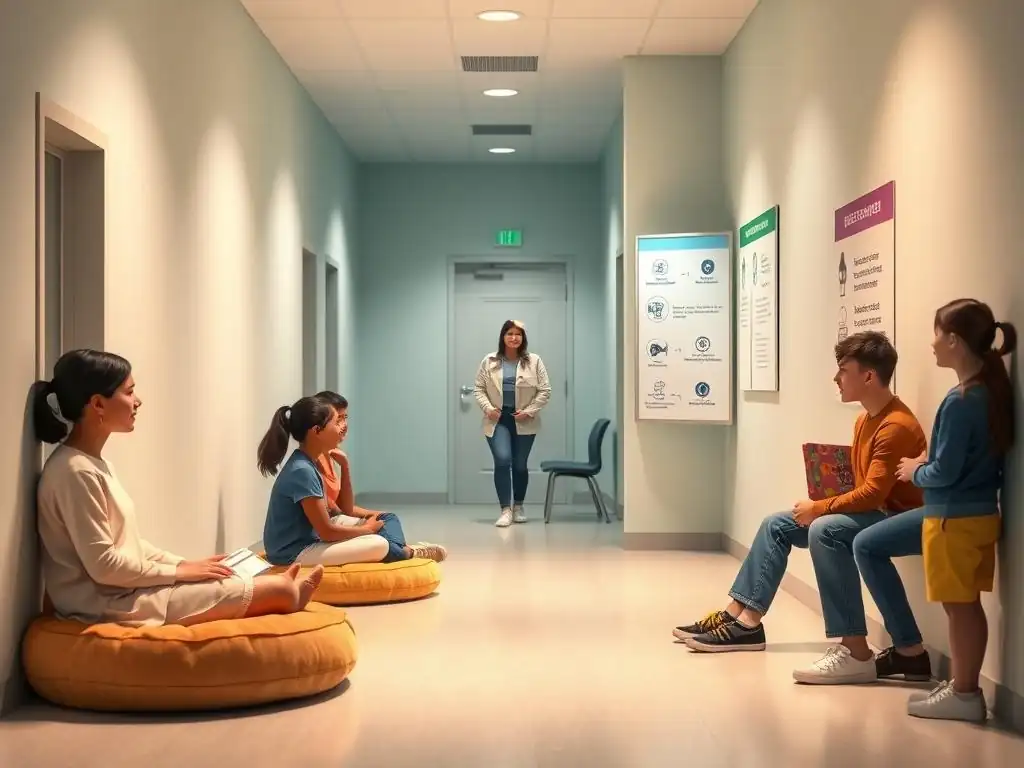
School Mental Health Support Resources Available to Students
Students should be clearly informed about the mental health support resources available directly within their school. This typically includes access to school counselors for short-term counseling, guidance, and referrals. School psychologists may offer assessment, crisis intervention, and support for students with more complex needs. School social workers can connect students and families with community resources and provide support related to home-life factors impacting well-being.
Many schools also offer group counseling sessions focused on common issues like anxiety, grief, or social skills. Some may have peer support programs or designated safe spaces where students can talk to a trusted adult. Information about how to access these school mental health support resources should be readily available through posters, school websites, student handbooks, and announcements.
Training and Professional Development for Educators on Mental Health
Educators are on the front lines and play a crucial role in recognizing when students might need help. Providing comprehensive training and professional development to teachers and other school staff on student mental health is essential. This training should cover topics such as identifying signs of common mental health conditions, understanding the impact of trauma, basic de-escalation techniques, and knowing how to refer students to appropriate school mental health support resources.
Ongoing professional development ensures that staff are equipped with the knowledge and skills to create a supportive classroom environment and respond effectively when students are in distress. Empowering educators with this knowledge increases the likelihood that students in need will be connected with the necessary school mental health support resources in a timely manner.
Information and Support for Parents Regarding Student Mental Health
Parents and guardians are vital partners in supporting student mental health. Schools should provide parents with information about common mental health challenges in young people, warning signs to look for, and strategies for supporting their child's well-being at home. Offering workshops or informational sessions can help parents understand the school's mental health services and how to access them.
Schools can also provide resources on how to talk to children about mental health, cope with stress, and navigate family challenges. Clear communication pathways between school mental health staff and parents, while respecting student confidentiality, are important for coordinated care. Ensuring parents are aware of and comfortable with the available school mental health support resources strengthens the support system for students.
Useful Websites, Hotlines, and Organizations
While direct links are not permitted, it's important to note that numerous external resources exist to supplement school-based support. Organizations dedicated to mental health advocacy and support, such as the National Alliance on Mental Illness (NAMI) or the Substance Abuse and Mental Health Services Administration (SAMHSA), provide valuable information for students, families, and educators. Hotlines and crisis text lines offer immediate support for those in distress.
Public health websites and reputable non-profits offer guides, toolkits, and research on student mental health and school-based interventions. School websites should list relevant local and national resources, providing students and families with access points beyond the school day. These external resources complement the school mental health support resources provided on campus.
Measuring the Impact of School Mental Health Initiatives
Evaluating the Effectiveness of School Mental Health Programs
Evaluating the effectiveness of school mental health programs is crucial for ensuring they are meeting student needs and for justifying continued investment in school mental health support resources. Evaluation should assess various outcomes, including changes in student mental health symptoms, academic performance (e.g., grades, attendance), behavior incidents, and student and staff perceptions of school climate.
Evaluation methods can include collecting data through student surveys, analyzing school administrative data, tracking referrals to mental health services, and gathering qualitative feedback from students, parents, and staff. A robust evaluation plan helps identify what's working well and areas that need improvement, allowing schools to optimize their delivery of school mental health support resources.
Using Data to Inform and Improve Mental Health Services
Data collected through evaluation should be used proactively to inform decision-making and improve the quality and accessibility of school mental health support resources. For example, if data shows that a particular demographic group is underutilizing services, the school can investigate barriers specific to that group and tailor outreach efforts. If data indicates a rise in anxiety among students, the school can implement targeted prevention programs or increase access to coping skills workshops.
Regularly reviewing data allows schools to identify trends, allocate resources effectively, and demonstrate the impact of their mental health initiatives to stakeholders, including parents, administrators, and funding bodies. A data-driven approach ensures that school mental health support resources are responsive to the evolving needs of the student population.
Metrics and Measurement Tools for School Mental Health
Various metrics and measurement tools can be used to assess the impact of school mental health initiatives. Quantitative metrics might include the number of students receiving counseling services, the frequency of crisis interventions, changes in discipline referrals, attendance rates, and aggregated scores from mental health screening tools (used responsibly and ethically). Qualitative data can be gathered through focus groups or interviews with students, staff, and parents about their experiences with the services.
Standardized surveys, such as those assessing school climate, student well-being, or perceived access to support, can provide valuable insights. Tracking referral sources and outcomes can also help evaluate the effectiveness of identification and connection processes for school mental health support resources. Choosing appropriate metrics and tools depends on the specific goals of the program being evaluated.
Case Studies: Successful School Mental Health Programs
Case Study 1: Montgomery County Public Schools, Maryland
Montgomery County Public Schools (MCPS) in Maryland has been recognized for its comprehensive approach to student mental health. The district employs a significant number of school psychologists, counselors, and social workers and has worked to lower student-to-staff ratios compared to national averages. They have implemented a multi-tiered system of support that includes universal prevention programs, targeted interventions, and specialized services.
MCPS utilizes partnerships with community mental health providers to expand access to care beyond what the school can provide internally. They have also focused on professional development for staff to recognize and respond to student mental health needs. While specific real-time data on impact varies annually, the district's commitment to a robust infrastructure of school mental health support resources is often cited as a positive model, aiming to provide timely help to a large and diverse student population.
Case Study 2: Seattle Public Schools, Washington
Seattle Public Schools (SPS) in Washington State has made significant strides in integrating mental health services into their schools, particularly focusing on equity and access for students from diverse backgrounds. SPS has increased the number of school-based health centers, many of which offer integrated physical and mental health services, making it convenient for students to access care.
The district has prioritized reducing barriers like stigma by promoting open conversations about mental health and training staff in culturally responsive practices. They have also worked to improve referral pathways to community partners. SPS's efforts demonstrate a commitment to building accessible school mental health support resources that address the unique needs of their student population, focusing on creating a welcoming environment for seeking help.
Conclusion: Creating a Mentally Healthy School Environment for All Students
Creating a school environment where mental health is prioritized and school mental health support resources are readily accessible is not just an aspiration, but a necessity for student success and well-being. It requires a multi-faceted approach involving increased funding, supportive policies, sufficient staffing, effective programs, and a culture that reduces stigma and promotes help-seeking. By implementing comprehensive strategies, leveraging partnerships, and utilizing data to inform practice, schools can significantly improve access to vital mental health services. Investing in the mental health of students is investing in their academic future, their personal growth, and the health of our communities.
Frequently Asked Questions
What is the importance of school mental health support resources?
These resources are crucial for early intervention and providing students with necessary tools to navigate mental health challenges, fostering a healthier learning environment.
What are some examples of school mental health support resources?
Examples include counseling services, mental health awareness programs, and trained staff who can identify and support students in need.
How can schools improve access to mental health support resources for students?
Schools can improve access by reducing stigma, increasing awareness of available resources, and establishing partnerships with local mental health organizations.
What role do parents play in accessing school mental health support resources for their children?
Parents play a vital role by recognizing potential issues, communicating with school staff, and actively participating in their child's mental health journey.
What are the potential long-term benefits of providing comprehensive school mental health support resources?
Investing in these resources can lead to improved academic performance, reduced behavioral problems, and enhanced overall well-being for students in the long run.
Final Reflection: Cultivating a Culture of Care in Our Schools
The urgent need for accessible and comprehensive mental health support in schools is no longer a matter of debate; it's a critical imperative for the well-being and academic success of our students. The statistics are stark, painting a picture of a generation grappling with unprecedented levels of anxiety, depression, and trauma. Ignoring this reality is not an option; we must actively build systems that prioritize the mental health of our young people.
The impact of inadequate mental health resources in schools reverberates far beyond the classroom. It shapes the trajectory of young lives, influencing their academic performance, social relationships, and overall future prospects. The stigma surrounding mental illness continues to be a significant barrier, preventing many students from seeking help when they need it most. The greatest barrier to mental health care is not the lack of resources, but the lack of access and the stigma associated with seeking help.
This quote underscores the crucial role schools play in fostering a culture of understanding and support, where students feel empowered to prioritize their mental well-being.
Now, consider your own role in this crucial conversation. What steps can you take, whether as a parent, educator, student, or community member, to advocate for improved mental health support in your schools? Perhaps it's volunteering at a local youth mental health organization, starting a conversation with your school board, or simply being a more empathetic and understanding listener for the young people in your life. Let us collectively commit to building a future where every student feels seen, heard, and supported on their journey to mental wellness.
Unlock Your School's Potential: Championing Student Mental Wellbeing
Thanks for taking the time to learn about improving mental health access in schools! You've gained valuable insights into creating a more supportive environment for students. Now, let's turn that knowledge into action.
- Start a conversation: Share this article with your school's administration, teachers, or student council. Let's spark crucial dialogue about mental health resources. This is your primary action – let's make a real difference!
- Explore local resources: Research mental health organizations in your community that offer support and programs for schools. You might be surprised by what's available.
- Share your thoughts: Let us know in the comments below what challenges you face in your school and what solutions you've found successful. Sharing your experience can inspire others!
What small step can you take today to champion mental health in your school?