
The Basal Ganglia: Movement, Motivation, and Mood Regulation

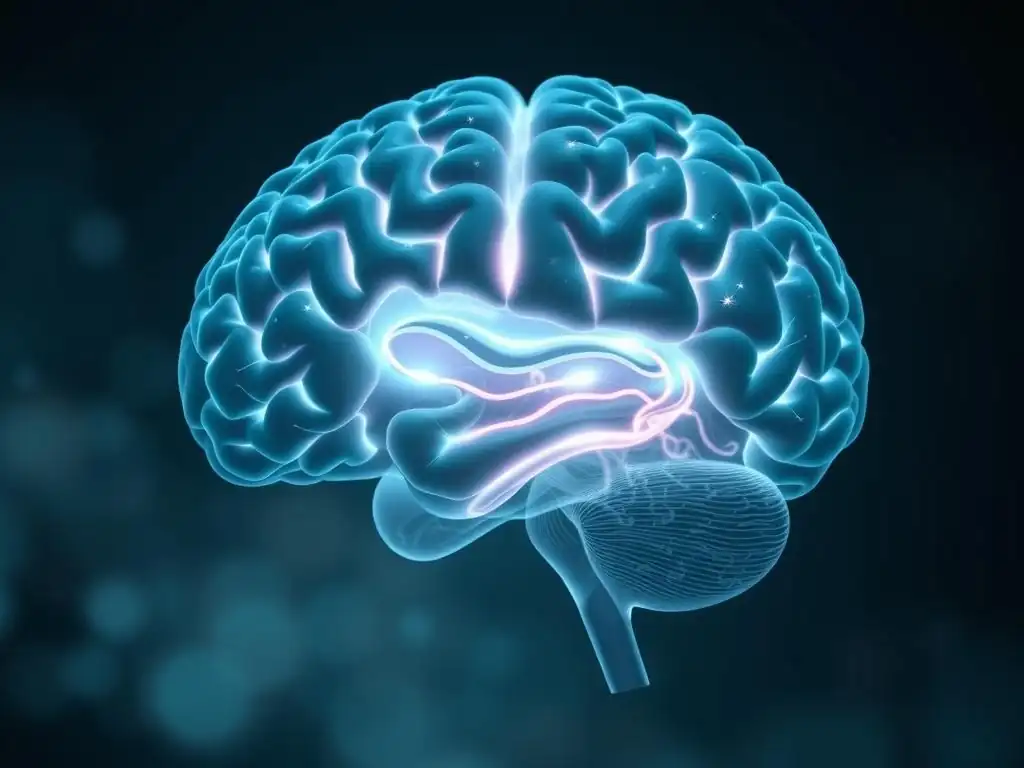
Welcome to Mind Care Guide, a space dedicated to nurturing your mental well-being.
Ever wonder how movement, motivation, and mood are interconnected? We delve into the fascinating world of the brain to explore this connection, starting with the basal ganglia. This crucial brain region plays a surprisingly significant role in our emotional landscape. Could understanding its function unlock new avenues for basal ganglia mental health support and a more balanced life? Join us as we unravel the complexities and discover actionable insights.
The Basal Ganglia: Movement, Motivation, and Mood Regulation - A Mind Care Guide
- Understanding the Basal Ganglia and Mental Well-being
- The Basal Ganglia: Anatomy and Key Structures
- Basal Ganglia and Mood Disorders: Unveiling the Connection
- The Basal Ganglia and Motivation: A Closer Look
- Basal Ganglia-Related Disorders and Their Impact on Mental Health
- Supporting Basal Ganglia Health for Improved Mental Well-being: Practical Strategies
- Basal Ganglia Mental Health Support: Resources and Further Information
-
Frequently Asked Questions
- What exactly is the basal ganglia and what are its primary functions?
- How does the basal ganglia relate to mental health, specifically mood disorders?
- Can damage or dysfunction in the basal ganglia directly contribute to mental health challenges?
- What kind of support is available for individuals experiencing mental health challenges related to the basal ganglia?
- How can Mind Care Guide help individuals seeking "Basal ganglia mental health support"?
- Final Reflection: Unlocking the Mind's Engine: Basal Ganglia and Mental Wellbeing
- Unleash Your Brain's Potential: Take Control of Movement, Motivation, and Mood
Understanding the Basal Ganglia and Mental Well-being
Introduction to the Basal Ganglia's Role in Brain Function
The basal ganglia, a collection of interconnected nuclei situated deep within the brain, represent a critical hub for various cognitive and motor functions. These structures play a pivotal role not only in regulating voluntary movement but also in influencing motivation, learning, and emotional responses.
Often described as a complex processing loop, the basal ganglia receive input from vast areas of the cerebral cortex, process this information through intricate internal circuits, and then send modulated output back to the cortex via the thalamus. This continuous feedback loop is fundamental to selecting and initiating appropriate actions while suppressing unwanted ones, contributing significantly to our ability to navigate the world and interact purposefully.
Beyond motor control, the basal ganglia are deeply integrated into the brain's reward system, heavily relying on the neurotransmitter dopamine. This integration means they are central to how we learn from experiences, form habits, and pursue goals. Their influence extends to shaping our emotional states and regulating our reactions to stimuli, making them integral to overall mental well-being. Understanding the complex functions of the basal ganglia provides valuable insight into the intricate interplay between brain structure, behavior, and various mental health conditions.
Basal Ganglia's Contribution to Movement Control and Coordination
The primary and historically recognized function of the basal ganglia is their crucial role in motor control. They are essential for planning, initiating, and executing smooth, coordinated movements. This includes everything from walking and running to fine motor skills like writing or playing a musical instrument. The basal ganglia work by modulating signals from the cerebral cortex, ensuring that movements are initiated at the right time and performed with the appropriate force and amplitude. They act like a sophisticated filter, selecting desired motor programs and inhibiting competing, unwanted movements.
Dysfunction within the basal ganglia motor circuits can lead to a range of movement disorders. For instance, in Parkinson's disease, degeneration of dopamine-producing neurons in the substantia nigra, a key basal ganglia component, results in symptoms like tremor, rigidity, slowness of movement (bradykinesia), and postural instability. Conversely, conditions like Huntington's disease, which involves degeneration in other parts of the basal ganglia like the striatum, can manifest as involuntary, jerky movements known as chorea. These examples starkly illustrate the basal ganglia's indispensable role in maintaining smooth, controlled motor function.
The Link Between Basal Ganglia Dysfunction and Mental Health
Emerging research has increasingly highlighted the profound connection between basal ganglia dysfunction and a variety of mental health challenges. While traditionally studied for their motor roles, these structures are now recognized as critical players in mood regulation, motivation, decision-making, and even social behavior. Alterations in basal ganglia activity or structure have been implicated in conditions such as depression, bipolar disorder, anxiety disorders, and obsessive-compulsive disorder (OCD).
The interconnectedness of the basal ganglia with limbic system structures, which are central to emotion and motivation, explains this link. For example, changes in dopamine signaling within basal ganglia pathways are strongly associated with anhedonia, the reduced ability to experience pleasure, a core symptom of depression. Similarly, disruptions in the circuits involving the striatum have been observed in individuals with OCD, potentially contributing to the repetitive thoughts and behaviors characteristic of the disorder. Understanding this neurobiological basis is vital for providing effective basal ganglia mental health support.
The Basal Ganglia: Anatomy and Key Structures
Overview of the Basal Ganglia Nuclei: Striatum, Globus Pallidus, Substantia Nigra, Subthalamic Nucleus
The basal ganglia are not a single, monolithic structure but rather a collection of interconnected nuclei. The primary input structure is the striatum, which is further subdivided into the caudate nucleus and the putamen. The striatum receives excitatory signals from the cerebral cortex and dopaminergic input from the substantia nigra. Processing within the basal ganglia involves inhibitory pathways that ultimately route through the globus pallidus, divided into internal (GPi) and external (GPe) segments, and the substantia nigra pars reticulata (SNr).
Other crucial components include the substantia nigra, located in the midbrain, which contains dopamine-producing neurons vital for basal ganglia function (pars compacta, SNc) and also serves as an output nucleus (pars reticulata, SNr). The subthalamic nucleus (STN), a small lens-shaped nucleus, is another key part of the circuitry, providing excitatory input to the globus pallidus internal segment and substantia nigra reticulata. The intricate interplay between these nuclei, involving both direct and indirect pathways, allows for the fine-tuning of motor and non-motor functions.
Interconnections within the Basal Ganglia Circuitry
The basal ganglia operate through complex, parallel processing loops that connect the cortex, basal ganglia nuclei, thalamus, and back to the cortex. The most prominent circuits are the direct and indirect pathways originating in the striatum. The direct pathway facilitates movement and action initiation, while the indirect pathway inhibits movement and action, acting as a brake. These pathways involve a series of inhibitory and excitatory connections between the striatum, globus pallidus (internal and external), substantia nigra, and subthalamic nucleus.
For example, excitatory input from the cortex arrives at the striatum. In the direct pathway, striatal neurons inhibit the GPi/SNr. Since GPi/SNr normally inhibit the thalamus, inhibiting GPi/SNr disinhibits the thalamus, allowing it to send excitatory signals to the cortex, thereby promoting movement. In the indirect pathway, striatal neurons inhibit the GPe, which in turn inhibits the STN. The STN excites the GPi/SNr, which then inhibits the thalamus, suppressing movement. The balance between these two pathways, modulated significantly by dopamine from the substantia nigra, is crucial for normal function.
How the Basal Ganglia Communicates with Other Brain Regions
The basal ganglia do not function in isolation; they are part of extensive neural networks. Their communication primarily involves receiving input from nearly all areas of the cerebral cortex, including motor, sensory, associative, and limbic regions. This broad input allows the basal ganglia to integrate information related to planned movements, sensory context, motivation, and emotional state.
The main output of the basal ganglia is directed towards the thalamus. The thalamus then relays this processed information back to the cerebral cortex, completing the loop. Different parts of the basal ganglia connect to different areas of the cortex via specific thalamic nuclei, forming distinct functional circuits. These include motor loops, but also associative and limbic loops, underscoring the basal ganglia's involvement in cognition and emotion. This extensive communication network highlights why basal ganglia mental health support often requires addressing interconnected brain systems.
Basal Ganglia and Mood Disorders: Unveiling the Connection
The Role of Dopamine in Basal Ganglia Function and Mood Regulation
Dopamine is a key neurotransmitter that plays a critical role in the function of the basal ganglia, particularly within the mesolimbic and mesostriatal pathways. The mesolimbic pathway, originating in the ventral tegmental area (VTA) and projecting to the nucleus accumbens (part of the striatum), is central to the brain's reward system. Dopamine release in this pathway is associated with feelings of pleasure, motivation, and reinforcement learning. The mesostriatal pathway, originating in the substantia nigra pars compacta (SNc) and projecting to the dorsal striatum (caudate and putamen), is primarily involved in motor control.
Dysregulation of dopamine signaling in these basal ganglia circuits is strongly implicated in mood disorders. Reduced dopamine activity or sensitivity in the nucleus accumbens, for instance, is a hallmark feature of anhedonia, a core symptom of major depressive disorder. This lack of dopamine-driven reward signaling can make activities that were once enjoyable seem unappealing and contribute to a general lack of motivation. Conversely, altered dopamine activity might play a role in the elevated mood, increased energy, and impulsivity seen in manic episodes of bipolar disorder.
Basal Ganglia Involvement in Depression: Reduced Reward Sensitivity and Motor Slowing
In major depressive disorder (MDD), studies using functional magnetic resonance imaging (fMRI) often show reduced activity in specific basal ganglia regions, particularly the ventral striatum (including the nucleus accumbens), when individuals are anticipating or receiving rewards. This finding aligns with the subjective experience of anhedonia, where the capacity to feel pleasure from positive stimuli is diminished. For example, research might show a significantly lower neural response in the ventral striatum of depressed individuals compared to healthy controls when presented with monetary rewards or positive feedback.
Beyond anhedonia, depression is often characterized by psychomotor retardation, a slowing of physical and emotional reactions. This symptom, which can manifest as slowed speech, movement, and thinking, is also linked to basal ganglia dysfunction. The motor loops involving the dorsal striatum and substantia nigra, heavily reliant on dopamine, are likely involved.
While not as severe as in Parkinson's, the motor slowing in depression suggests a similar underlying issue with the initiation and execution of movement programs, possibly due to altered dopaminergic input to these motor circuits. Effective basal ganglia mental health support strategies for depression often consider these underlying neurobiological changes.
Basal Ganglia's Impact on Bipolar Disorder: Impulsivity and Motor Hyperactivity
Bipolar disorder, characterized by distinct periods of elevated mood (mania or hypomania) and depression, also shows links to basal ganglia function, particularly during manic episodes. Mania often involves increased energy, reduced need for sleep, racing thoughts, and impulsivity. Neuroimaging studies during manic states have sometimes reported increased activity or structural differences in basal ganglia regions, such as the ventral striatum and globus pallidus, compared to euthymic or depressed states.
The impulsivity and risk-taking behaviors frequently observed in mania are thought to involve dysregulation in the reward pathways within the basal ganglia, possibly related to excessive dopamine signaling or altered processing of rewards and punishments. Furthermore, the psychomotor agitation and increased goal-directed activity (sometimes disorganized) seen in mania could reflect altered function in the motor circuits of the basal ganglia, potentially involving an overactivation of the direct pathway or reduced inhibition from the indirect pathway.
These findings underscore the complex role of the basal ganglia in regulating not just movement, but also mood and behavior across different states of bipolar disorder.
The Basal Ganglia and Motivation: A Closer Look
How the Basal Ganglia Influences Reward Processing and Goal-Directed Behavior
The basal ganglia are central to the brain's intricate reward system, acting as key mediators of how we process pleasurable stimuli and learn to pursue goals. The ventral striatum, particularly the nucleus accumbens, receives significant dopaminergic input from the VTA and is a critical node for processing reward cues and outcomes. When we experience something rewarding, dopamine is released in the nucleus accumbens, signaling the pleasure and reinforcing the behaviors that led to that reward. This process is fundamental to associative learning and habit formation.
Beyond simply signaling pleasure, the basal ganglia are instrumental in translating motivational signals into goal-directed actions. They help us decide what to do to obtain a reward or avoid a punishment. Circuits involving the dorsal striatum, connected to prefrontal cortical areas responsible for planning and executive function, are crucial for learning the instrumental value of actions (e.g., "pressing this button gets me the treat") and automating these into habits. This system allows us to allocate effort and persist in tasks that are likely to yield positive outcomes, forming the basis of motivated behavior.
Basal Ganglia Dysfunction and Apathy: Diminished Initiative and Reduced Spontaneity
Apathy, defined as a lack of motivation, interest, or emotional responsiveness, is a common symptom in various neurological and psychiatric conditions and is strongly linked to basal ganglia dysfunction. Unlike depression, which involves sadness and anhedonia, apathy is primarily characterized by a reduction in goal-directed behavior and diminished initiative. This can manifest as decreased participation in activities, lack of spontaneous thought or action, and emotional blunting.
Damage or dysfunction in specific basal ganglia circuits, particularly those involving the ventral striatum and its connections to the prefrontal cortex, is consistently associated with apathy. For example, lesions in the globus pallidus or anterior parts of the striatum due to stroke or neurodegenerative disease can result in severe apathy, even in the absence of significant motor deficits or depression.
This suggests that these basal ganglia regions are critical for generating the internal drive and translating intentions into action, and their impairment leads to a state of low motivation and reduced spontaneity. Addressing apathy is a key aspect of basal ganglia mental health support in certain populations.
The Connection Between Basal Ganglia Activity and Addiction
Addiction is characterized by compulsive drug seeking and use, despite harmful consequences, and the basal ganglia play a central role in its development and maintenance. Initial drug use often targets the reward system, causing a massive surge of dopamine in the nucleus accumbens, far exceeding natural rewards. This intense signal hijacks the basal ganglia's learning mechanisms, strongly reinforcing drug-seeking behaviors.
Over time, chronic drug exposure causes neuroadaptations within the basal ganglia. The reward pathway can become less responsive to natural rewards (contributing to anhedonia in withdrawal), while the circuits involved in habit formation in the dorsal striatum become strengthened. This shift means that drug use transitions from being a voluntary, reward-driven behavior to a compulsive, habit-driven one, often triggered by cues associated with the drug. The basal ganglia's role in habit formation and reward processing makes it a key target for understanding and treating addiction.
Parkinson's Disease and its Effects on Mood and Cognition
Parkinson's Disease (PD) is primarily known as a movement disorder resulting from the progressive loss of dopamine-producing neurons in the substantia nigra pars compacta, a key part of the basal ganglia. While motor symptoms like tremor, rigidity, and bradykinesia are defining features, non-motor symptoms, including significant neuropsychiatric issues, are also highly prevalent. Up to 50% of individuals with PD experience depression, and anxiety disorders are also common, affecting approximately 40%.
These mental health challenges are not merely a psychological reaction to the motor disability; they are believed to be intrinsic to the disease process itself, involving the same neurodegenerative processes affecting basal ganglia circuits that also influence mood and motivation. Cognitive impairment, including executive dysfunction and apathy, also affects a significant proportion of people with PD, estimated to be around 20-40% in the early stages. These non-motor symptoms often have a greater impact on quality of life than the motor symptoms and necessitate comprehensive basal ganglia mental health support.
Huntington's Disease: Neuropsychiatric Symptoms and Basal Ganglia Degeneration
Huntington's Disease (HD) is a fatal genetic disorder characterized by the progressive degeneration of neurons, most prominently in the striatum (caudate and putamen), another core component of the basal ganglia. While involuntary movements (chorea) are a hallmark motor symptom, neuropsychiatric symptoms often precede motor onset and are pervasive throughout the disease course. Mood disorders, particularly depression, affect a majority of individuals with HD, with prevalence estimates ranging from 40% to 80%.
Irritability, anxiety, obsessive-compulsive behaviors, and psychosis are also common. Cognitive decline, affecting executive functions, memory, and judgment, is a core feature. The extensive degeneration within the basal ganglia, which are integral to emotional regulation and cognitive processing as well as movement, directly underlies these severe psychiatric and cognitive deficits. Addressing these complex symptoms requires specialized basal ganglia mental health support tailored to the specific challenges of HD.
Obsessive-Compulsive Disorder (OCD) and the Basal Ganglia's Role
Obsessive-Compulsive Disorder (OCD) is characterized by persistent, intrusive thoughts (obsessions) and repetitive behaviors or mental acts (compulsions) performed to reduce anxiety or prevent a feared event. Neurobiological models of OCD strongly implicate dysfunctional circuitry involving the basal ganglia, particularly the striatum, and its connections with the thalamus and specific areas of the prefrontal cortex (forming cortico-striatal-thalamo-cortical, or CSTC, loops).
Studies often show increased activity or connectivity in these CSTC loops in individuals with OCD, particularly when provoked by symptom-relevant stimuli. This hyperactive circuitry is thought to contribute to the difficulty in inhibiting unwanted thoughts and behaviors. For instance, functional imaging might reveal heightened activity in the caudate nucleus in response to stimuli that trigger obsessions. While the exact mechanisms are still being researched, the basal ganglia's role in filtering and selecting actions and thoughts appears disrupted in OCD, leading to the characteristic repetitive patterns. Effective treatments often aim to modulate activity within these basal ganglia-related circuits.
Supporting Basal Ganglia Health for Improved Mental Well-being: Practical Strategies
Lifestyle Modifications for Basal Ganglia Support: Diet and Exercise
Maintaining a healthy lifestyle can have a positive impact on overall brain health, including the basal ganglia, and can serve as a foundational element of basal ganglia mental health support. Regular physical exercise is particularly beneficial. Aerobic exercise has been shown in some studies to potentially increase dopamine levels and improve blood flow to brain regions, including areas within the basal ganglia. For example, engaging in moderate-intensity exercise for 150 minutes per week, as recommended by health guidelines, may contribute to better mood regulation and motor function over time.
Diet also plays a role. A balanced diet rich in antioxidants, omega-3 fatty acids, and vitamins can support neuronal health and function. Foods like fatty fish, fruits, vegetables, and nuts provide essential nutrients that protect against oxidative stress and inflammation, factors that can negatively impact brain structures like the basal ganglia. While no specific diet guarantees basal ganglia health, a nutrient-dense eating pattern is a sensible strategy for general brain well-being.
Therapies Targeting Basal Ganglia Dysfunction: Deep Brain Stimulation
For severe, treatment-resistant conditions involving basal ganglia dysfunction, such as advanced Parkinson's disease, certain types of dystonia, or severe, intractable OCD, Deep Brain Stimulation (DBS) is an established therapeutic option. DBS involves surgically implanting electrodes in specific target areas within the basal ganglia or their connected pathways, such as the subthalamic nucleus or globus pallidus. These electrodes deliver precisely controlled electrical impulses that modulate abnormal neural activity.
In Parkinson's disease, DBS can significantly reduce motor symptoms like tremor and rigidity by regulating activity in the STN or GPi. For severe OCD, DBS targeting specific parts of the basal ganglia-thalamo-cortical circuit has shown promise in reducing obsessive thoughts and compulsive behaviors in a subset of patients, though it is typically considered only after other treatments have failed. While invasive, DBS represents a direct approach to modulating basal ganglia circuitry and providing basal ganglia mental health support in carefully selected cases.
Medications for Managing Mood Symptoms Associated with Basal Ganglia Issues
Pharmacological interventions are often used to manage the mental health symptoms associated with basal ganglia-related disorders. For depression and anxiety co-occurring with conditions like Parkinson's or Huntington's disease, standard antidepressant and anxiolytic medications may be prescribed. Selective serotonin reuptake inhibitors (SSRIs) are commonly used, although individual responses can vary.
In conditions directly involving dopaminergic dysfunction, such as Parkinson's disease, dopaminergic medications (like levodopa or dopamine agonists) are primarily used to manage motor symptoms. However, they can sometimes also have an impact on mood and motivation, although their effects on psychiatric symptoms can be complex and sometimes include side effects like impulse control disorders.
For conditions like OCD, medications that modulate serotonin (like high-dose SSRIs) are a first-line treatment, believed to influence the basal ganglia-related circuits implicated in the disorder. The choice of medication depends on the specific condition and the individual's symptom profile, emphasizing the need for personalized basal ganglia mental health support.
Basal Ganglia Mental Health Support: Resources and Further Information
Navigating mental health challenges associated with basal ganglia dysfunction often requires specialized care. Professionals who have expertise in neuropsychiatry, movement disorders, or behavioral neurology are typically best equipped to provide comprehensive basal ganglia mental health support. These specialists understand the complex interplay between neurological conditions affecting the basal ganglia and their impact on mood, cognition, and behavior.
Seeking out psychiatrists or neurologists with fellowship training or significant experience in movement disorders, Huntington's disease, or neurodevelopmental disorders can be beneficial. Clinical psychologists or neuropsychologists with experience in assessing and treating individuals with neurological conditions can provide valuable support through therapy and cognitive rehabilitation strategies. Referral from a primary care physician or general neurologist is often the first step in finding such specialized care.
Support Groups and Organizations for Individuals with Basal Ganglia Conditions
Connecting with others who share similar experiences can be a powerful component of basal ganglia mental health support. Numerous national and local support groups and patient advocacy organizations exist for specific basal ganglia-related conditions like Parkinson's disease, Huntington's disease, and Obsessive-Compulsive Disorder. These groups offer emotional support, practical advice, and a sense of community.
Organizations dedicated to Parkinson's disease, for instance, often host local meetings, educational events, and online forums where individuals and their families can share information and coping strategies. Similarly, foundations focused on Huntington's disease provide resources, support groups, and connect families affected by the disorder. For OCD, organizations offer information, treatment directories, and peer support networks. Engaging with these resources can significantly improve coping and access to information.
Research and Future Directions in Basal Ganglia and Mental Health
Research into the basal ganglia and their role in mental health is a rapidly evolving field. Scientists are using advanced neuroimaging techniques, genetic studies, and computational modeling to better understand the intricate circuits and neurochemical imbalances associated with disorders like depression, bipolar disorder, OCD, Parkinson's, and Huntington's. This ongoing research is crucial for developing more targeted and effective basal ganglia mental health support.
Future directions include developing novel pharmacological agents that specifically target dysfunctional pathways within the basal ganglia, exploring neuromodulation techniques beyond traditional DBS, and identifying biomarkers that could predict treatment response or disease progression. Understanding the specific ways in which different basal ganglia nuclei and their connections contribute to distinct mental health symptoms is key to unlocking new therapeutic strategies and offering more precise interventions for those affected.
Frequently Asked Questions
What exactly is the basal ganglia and what are its primary functions?
The basal ganglia are a group of brain structures crucial for motor control, procedural learning, and executive functions like planning and decision-making. They also play a significant role in motivation and reward.
How does the basal ganglia relate to mental health, specifically mood disorders?
Dysfunction in the basal ganglia is linked to several mental health conditions, including depression and anxiety. It impacts neurotransmitter regulation, affecting mood stability and emotional processing.
Can damage or dysfunction in the basal ganglia directly contribute to mental health challenges?
Yes, damage or dysfunction can significantly contribute. This can manifest as movement disorders, impulsivity, obsessive-compulsive behaviors, and mood instability, all affecting mental well-being.
Support includes medication management, therapy (cognitive behavioral therapy or CBT), and lifestyle modifications (exercise, diet) aimed at improving neurotransmitter balance and overall brain health. Mind Care Guide offers resources in these areas.
How can Mind Care Guide help individuals seeking "Basal ganglia mental health support"?
Mind Care Guide provides educational resources about the basal ganglia's role in mental health, connects individuals with mental health professionals, and offers practical strategies for managing related symptoms.
Final Reflection: Unlocking the Mind's Engine: Basal Ganglia and Mental Wellbeing
The intricate workings of the basal ganglia are not merely a neurological curiosity; they are the very foundation upon which our experiences of movement, motivation, and mood are built. Understanding their role is crucial, not just for neurologists, but for anyone seeking a deeper understanding of mental health and the pathways to well-being. The implications of basal ganglia dysfunction extend far beyond motor control, impacting the very essence of our emotional and cognitive lives.
The more I researched the basal ganglia's influence on mental health, the more I realized how profoundly interconnected our physical and emotional selves truly are. This intricate dance between neurotransmitters, neural pathways, and ultimately, our lived experiences, highlights the complexity of mental illness and the need for holistic approaches to treatment. The body keeps the score,
as Bessel van der Kolk so eloquently puts it, reminding us that trauma and mental health challenges are not solely confined to the mind, but are deeply embedded in the body's physiological processes, including the basal ganglia's intricate network.
Consider the profound implications of this knowledge. You are not simply a collection of thoughts and feelings; you are a complex biological system, and understanding the role of the basal ganglia in your mental well-being empowers you to seek appropriate support and advocate for yourself. Take a moment to reflect on your own experiences with motivation, mood, and movement.
Are there patterns that might suggest a connection to your basal ganglia function? Seek out resources, connect with professionals, and remember that understanding the intricate mechanisms of your brain is the first step towards nurturing your mental and physical health. Your journey to well-being begins with knowledge and self-awareness.
Unleash Your Brain's Potential: Take Control of Movement, Motivation, and Mood
Thanks for exploring the fascinating world of the basal ganglia with us! You've now gained valuable insights into this crucial brain region's impact on your daily life. Ready to put this knowledge into action?
- Prioritize mindful movement: Start small – a short walk, a gentle yoga flow, or even just consciously focusing on your posture – to strengthen the basal ganglia's role in movement coordination. This is your primary action to improve your overall wellbeing.
- Track your mood and motivation: Consider keeping a simple journal to identify patterns between your mood, activities, and overall motivation. This self-awareness can help you pinpoint areas for improvement.
- Share your insights: Discuss this article with friends or family and spark a conversation about brain health. You might be surprised by the common ground you discover.
So, what small step will you take today to nurture your brain's amazing capacity for movement, motivation, and mood regulation?