
Advocacy Wins: Celebrating Successes in the Fight for Mental Wellbeing

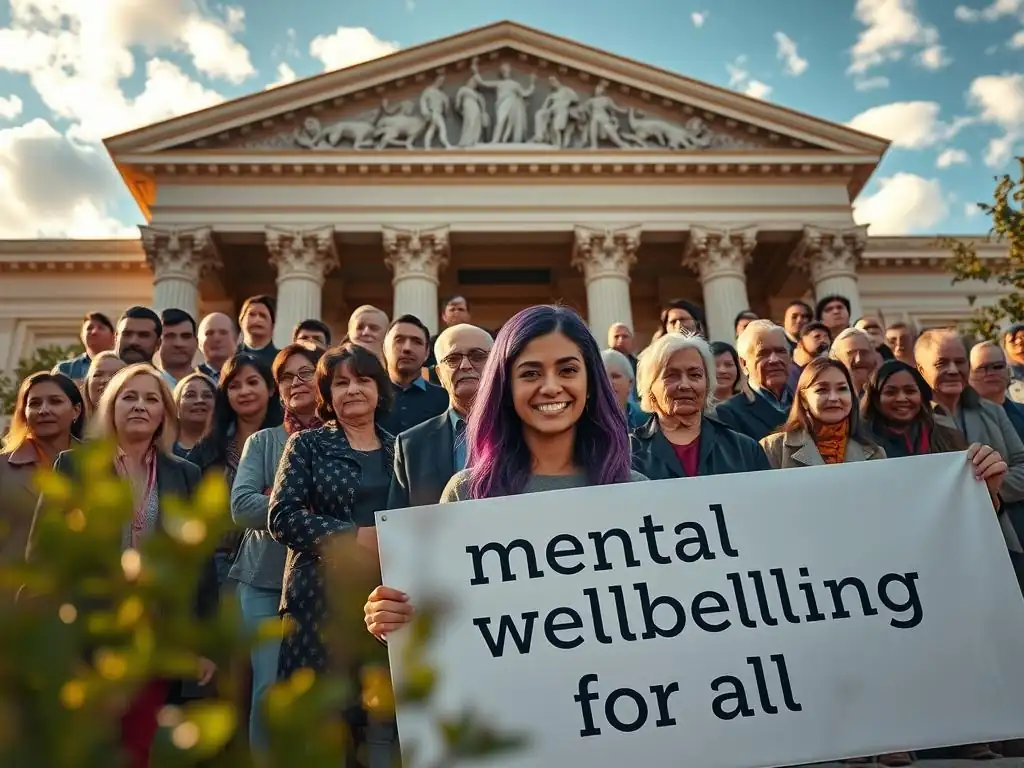
Welcome to Mind Care Guide, a space dedicated to your mental well-being.
Feeling overwhelmed by the challenges surrounding mental health? You're not alone. Today, we delve into something truly inspiring: Mental health advocacy success stories. These powerful narratives showcase the tangible impact of collective effort and offer a beacon of hope. Discover how individuals and organizations are making a real difference, and perhaps, find the spark to ignite your own journey towards positive change. Ready to be inspired and learn how advocacy shapes a brighter future for mental health? Let's explore the victories!
Advocacy Wins: Celebrating Successes in the Fight for Mental Wellbeing
- Introduction: The Power of Mental Health Advocacy
- Landmark Achievements in Mental Health Advocacy
- Mental Health Advocacy Success Stories: Real-World Examples
- How Advocacy Creates Lasting Change in Mental Health
- The Future of Mental Health Advocacy: Building on Successes
- Conclusion: Celebrating Progress and Continuing the Fight for Mental Wellbeing
-
Frequently Asked Questions
- What are some examples of Mental Health Advocacy Success Stories?
- How can I get involved in Mental Health Advocacy?
- What impact does Mental Health Advocacy have on individuals?
- What are the biggest challenges facing Mental Health Advocacy today?
- Where can I find more resources and support for Mental Health Advocacy?
- Final Reflection: The Ripple Effect of Advocacy for Mental Wellbeing
- Ignite Your Advocacy Journey: Spread the Word for Mental Wellbeing!
Introduction: The Power of Mental Health Advocacy
Understanding the Impact of Advocacy on Mental Wellbeing
Mental health advocacy plays a crucial role in shaping policies, increasing access to care, and challenging the pervasive stigma surrounding mental illness. It is the collective voice that pushes for systemic change, ensuring that mental wellbeing is recognized as a fundamental aspect of overall health. Through persistent effort, advocates champion the rights of individuals living with mental health conditions, striving for equitable treatment and resources comparable to physical health. This relentless pursuit of parity and understanding has led to significant shifts in public perception and legislative action over recent decades.
The impact extends beyond policy corridors, influencing communities, workplaces, and educational institutions. Advocacy initiatives empower individuals to share their stories, creating spaces for open dialogue and dismantling stereotypes. This grassroots effort, combined with large-scale organizational campaigns, builds a powerful movement that highlights the urgent need for better mental healthcare infrastructure and support systems. Ultimately, effective mental health advocacy improves lives by removing barriers to care and fostering an environment where seeking help is normalized and supported.
Why Mental Health Advocacy Success Stories Matter
Highlighting mental health advocacy success stories is vital for several reasons. Firstly, they serve as powerful inspiration, demonstrating that change is possible even in the face of significant challenges. These narratives provide concrete examples of how dedicated individuals and groups have overcome obstacles, achieved legislative victories, or transformed public attitudes. Sharing these triumphs fuels motivation for current and future advocates, reinforcing the belief that their efforts can indeed make a tangible difference in the lives of millions affected by mental health conditions.
Secondly, mental health advocacy success stories offer valuable lessons learned. By examining the strategies, coalitions, and persistence that led to positive outcomes, others can gain insights into effective advocacy approaches. These stories often detail the specific tactics used, such as lobbying, public awareness campaigns, or legal challenges, providing a roadmap for future endeavors. Furthermore, celebrating these successes helps to maintain momentum, reminding stakeholders and the public alike that while progress has been made, the fight for full mental wellbeing parity and access is ongoing and requires continued support and action.
Landmark Achievements in Mental Health Advocacy
Policy Changes Driven by Advocacy Efforts
Advocacy has been a primary driver behind significant legislative changes aimed at improving mental healthcare access and quality. A landmark example is the Mental Health Parity and Addiction Equity Act (MHPAEA) in the United States, first enacted in 2008 and expanded since. This federal law requires insurers to provide the same level of benefits for mental and substance use disorders as they do for medical and surgical care. Prior to this, many insurance plans offered significantly fewer visits or higher co-pays for mental health services, creating substantial financial barriers to treatment.
The passage and enforcement of MHPAEA were the direct result of decades of tireless advocacy by organizations like the National Alliance on Mental Illness (NAMI), Mental Health America (MHA), and other consumer and provider groups. They lobbied Congress, shared personal stories, and educated policymakers about the discriminatory practices prevalent in insurance coverage. While challenges in enforcement remain, the law has undeniably increased access to care for millions, marking a major victory in the fight for equitable mental health treatment and demonstrating the power of sustained advocacy in shaping national policy.
Increased Access to Mental Health Services Through Advocacy
Beyond federal mandates, advocacy has spurred initiatives at state and local levels, directly increasing the availability of mental health services. One notable area of progress is the expansion of school-based mental health programs. Advocacy groups, often in partnership with parent-teacher associations and educators, have successfully pushed for dedicated funding and resources to embed mental health professionals, like counselors and psychologists, within schools. This provides crucial early intervention and support for students who might otherwise fall through the cracks.
Another success driven by advocacy is the growth of community mental health centers and mobile crisis units. Advocates have highlighted the need for accessible, localized care, particularly for individuals in underserved rural or low-income areas. This has led to increased funding for these centers and the development of programs that bring mental health support directly to people in crisis, reducing reliance on emergency rooms and law enforcement. These efforts demonstrate how targeted advocacy can create tangible pathways to care in settings where people live and work.
Reducing Stigma Surrounding Mental Illness: Advocacy at Work
Combating the deep-seated stigma associated with mental illness has been a long-standing goal of mental health advocacy, and significant progress has been made. Public awareness campaigns spearheaded by advocacy organizations have played a crucial role in shifting perceptions. Initiatives like "Ok to Say" or "See Me," featuring personal stories from individuals living with mental health conditions, have helped humanize the experience and challenge harmful stereotypes. These campaigns often utilize media, social platforms, and community events to reach broad audiences.
Furthermore, workplace advocacy has encouraged employers to create more supportive environments. Programs promoting mental health first aid training for employees, implementing mental health days, and offering robust employee assistance programs are increasingly common, thanks in part to advocacy efforts highlighting the economic and human costs of untreated mental illness. While stigma persists, these advocacy-driven initiatives have fostered a greater openness and understanding, making it easier for individuals to seek help without fear of judgment or discrimination.
Mental Health Advocacy Success Stories: Real-World Examples

Oregon's Mental Health Parity Law: Ensuring Equal Coverage
The Advocacy Challenge Faced
Despite federal parity laws, implementation and enforcement can vary, leaving gaps in coverage at the state level. In Oregon, as in many states, advocates observed that individuals seeking care for mental health and substance use disorders still faced significant barriers, including denied claims, excessive documentation requirements, and limited provider networks compared to physical health care. The challenge was to ensure true parity in practice, not just on paper, by strengthening state-level regulations and oversight.
The Solution and Advocacy Strategies Employed
A coalition of advocacy groups, including Disability Rights Oregon and the Oregon Council for Behavioral Health, launched a sustained campaign. They gathered data on parity violations, shared compelling stories from individuals affected by denied claims, and worked closely with state legislators and regulatory bodies. Their strategies included public forums, direct lobbying, and persistent communication with state insurance commissioners, pushing for stronger state laws and more rigorous enforcement mechanisms to hold insurers accountable.
The Positive Outcome and Impact on Mental Health
The advocacy efforts culminated in the passage of stronger state parity laws in Oregon, which included requirements for network adequacy, utilization review standards, and clear rules on medical necessity determinations for mental health and substance use services. While continuous monitoring is needed, reports indicated a subsequent reduction in parity complaints and improved access to needed care for Oregon residents. This stands as a key mental health advocacy success story, demonstrating how state-level action can reinforce federal mandates and improve practical access.
The Trevor Project's Lifesaving Hotline: Expanding Access for LGBTQ Youth
The Need for Crisis Intervention and Support
LGBTQ youth face disproportionately high rates of mental health challenges, including anxiety, depression, and suicidal ideation, often due to discrimination, lack of acceptance, and stigma. There was a critical need for accessible, culturally competent crisis intervention and mental health support services specifically tailored to their unique needs and experiences.
Advocacy Strategies Employed
The Trevor Project, a leading crisis intervention and suicide prevention organization for LGBTQ young people, has engaged in significant advocacy alongside providing direct services. They have advocated for increased public and private funding for crisis hotlines and mental health services for youth. They have also championed policies that protect LGBTQ rights and promote inclusive environments, recognizing that systemic factors deeply impact mental wellbeing. Their advocacy includes public awareness campaigns highlighting the mental health disparities faced by LGBTQ youth and the importance of supportive resources.
The Positive Outcome and Impact on Mental Health
Through their advocacy and direct service work, The Trevor Project has become a lifeline for hundreds of thousands of LGBTQ youth. Their crisis lines receive calls, texts, and chats from young people in distress 24/7. While specific funding amounts vary annually and are often from private sources influenced by their advocacy, their visibility and impact have grown significantly, leading to increased resources dedicated to supporting LGBTQ youth mental health. This represents a vital mental health advocacy success story in providing targeted, life-saving support.
Mental Health First Aid in Schools: Empowering Educators
Addressing Mental Health Needs in Educational Settings
Students today face increasing levels of stress, anxiety, and other mental health challenges. Educators are often the first adults to notice changes in a student's behavior but may lack the training or confidence to respond effectively or connect students with help. There was a clear need to equip school staff with basic skills to recognize and respond to mental health concerns.
Advocacy Initiatives for Student Mental Wellbeing
Advocacy groups, including parent organizations, mental health non-profits, and educational associations, championed the implementation of Mental Health First Aid (MHFA) training in schools. They argued that just as schools teach CPR, they should also equip staff to address mental health crises. Their advocacy involved lobbying state legislatures and school boards for funding and mandates to implement MHFA or similar programs for teachers, administrators, and support staff.
Positive Changes in School Mental Health Programs
These advocacy efforts have led to the widespread adoption of MHFA and similar mental health training programs in schools across numerous states and districts. For example, several states have allocated specific grant funding to support this training. Reports from schools implementing MHFA indicate increased confidence among staff in identifying and assisting students in distress, leading to earlier intervention and connections to professional help. This is a significant mental health advocacy success story that directly impacts the school environment and student wellbeing.
How Advocacy Creates Lasting Change in Mental Health
Shifting Public Perception of Mental Illness Through Advocacy
Advocacy plays a transformative role in challenging and changing public attitudes towards mental illness. By promoting open conversations, sharing personal narratives, and disseminating accurate information, advocates work to dismantle the myths and stereotypes that fuel stigma. Campaigns featuring individuals with lived experience, supported by mental health organizations, have been particularly effective in humanizing mental health conditions and demonstrating that recovery is possible. This consistent effort helps to normalize the experience of mental illness, making it easier for individuals to seek help without fear of judgment.
Furthermore, advocacy targets the language used in media and everyday conversation, encouraging respectful and accurate terminology. By pushing back against sensationalized or discriminatory portrayals of mental illness, advocates promote a more empathetic and informed public discourse. This gradual shift in perception, driven by persistent advocacy, is fundamental to creating a society where mental health is viewed with the same understanding and compassion as physical health, paving the way for greater acceptance and support.
Empowering Individuals with Mental Health Conditions Through Advocacy
A core principle of mental health advocacy is the empowerment of individuals who have experienced mental health challenges. Advocacy provides platforms for these individuals to share their stories, assert their rights, and participate in decision-making processes that affect their lives. Peer support initiatives, often championed by advocacy groups, connect individuals with shared experiences, fostering a sense of community and mutual support that is invaluable for recovery and empowerment.
Advocacy also works to ensure that individuals' rights are protected within the healthcare system and society at large. This includes advocating for self-directed care options, fighting against discrimination in housing and employment, and ensuring access to legal aid when needed. By amplifying the voices of those with lived experience and defending their rights, advocacy helps individuals reclaim agency and control over their lives, moving from passive recipients of care to active participants in their own wellbeing and the broader mental health movement.
Promoting Equity and Access in Mental Healthcare Through Advocacy
Advocacy is essential for addressing the significant disparities in access to mental healthcare based on factors like race, ethnicity, socioeconomic status, geography, and sexual orientation. Advocates highlight these inequities and push for targeted policies and funding to reach underserved populations. This includes advocating for culturally competent care, increasing the number of mental health professionals in underserved areas, and expanding telehealth services to improve access in rural or remote regions.
Moreover, advocacy works to break down systemic barriers within the healthcare system itself. This involves pushing for integrated physical and mental healthcare, simplifying complex insurance navigation, and ensuring that services are affordable and available regardless of insurance status. By persistently challenging discriminatory practices and advocating for equitable distribution of resources, advocacy strives to ensure that everyone, regardless of their background or location, has the opportunity to access the mental healthcare they need.
The Future of Mental Health Advocacy: Building on Successes

Emerging Challenges and Opportunities in Mental Health Advocacy
The landscape of mental health advocacy is constantly evolving, presenting both new challenges and opportunities. One significant challenge is addressing the mental health crisis among youth, exacerbated by factors like social media pressures and global events. Advocates are needed to push for more comprehensive school-based programs and early intervention services. Another challenge is ensuring access to care for increasingly diverse populations, requiring advocacy that is culturally sensitive and addresses systemic inequities.
However, there are also significant opportunities. The growing public awareness around mental health, partly due to past advocacy successes, provides a stronger foundation for further action. There is increasing recognition from policymakers and employers about the importance of mental wellbeing. Opportunities exist in advocating for preventative strategies, integrating mental health into primary care, and leveraging new technologies to expand reach and improve care quality. Building on past mental health advocacy success stories will be key to tackling these emerging issues.
The Role of Technology in Advancing Mental Health Advocacy
Technology is becoming an increasingly powerful tool for mental health advocacy. Social media platforms allow advocacy groups to quickly disseminate information, mobilize supporters, and raise public awareness on a massive scale. Online petitions and digital campaigns make it easier for individuals to participate in advocacy efforts regardless of their location. These tools are invaluable for organizing grassroots movements and amplifying the voices of those with lived experience.
Furthermore, technology facilitates data collection and sharing, providing advocates with the evidence needed to support their calls for policy change. Telehealth technologies, while primarily a service delivery tool, also present advocacy opportunities to push for regulations that expand access and reimbursement for virtual mental healthcare, particularly in underserved areas. Leveraging technology effectively will be crucial for future mental health advocacy success stories, expanding reach and impact.
How You Can Get Involved in Mental Health Advocacy
Getting involved in mental health advocacy is accessible to everyone, regardless of prior experience. Start by educating yourself about mental health issues and the policies that affect care. Connect with established mental health organizations like NAMI, MHA, The Trevor Project, or local advocacy groups; they often have volunteer opportunities, training programs, and action alerts you can respond to. Sharing your personal story, if you feel comfortable and safe doing so, can be a powerful form of advocacy, helping to reduce stigma and inspire others.
Other ways to contribute include contacting your elected officials to voice your support for mental health legislation, participating in awareness campaigns, or simply having open conversations about mental health with friends and family. Donating to advocacy organizations provides essential resources for their work. Every action, no matter how small, contributes to the collective effort to improve mental wellbeing for all. Your voice is a valuable part of the movement towards achieving more mental health advocacy success stories.
Conclusion: Celebrating Progress and Continuing the Fight for Mental Wellbeing
Reflecting on Mental Health Advocacy Success Stories
Reflecting on mental health advocacy success stories reveals a powerful narrative of progress driven by dedication, resilience, and collaboration. From landmark parity laws ensuring equitable insurance coverage to local initiatives embedding mental health support in schools, these achievements demonstrate the tangible impact of advocacy on individual lives and systemic structures. They show that challenging discriminatory practices, pushing for policy change, and reducing stigma are not only possible but have resulted in significant improvements in access to care and public understanding.
These successes, while celebrated, also highlight the immense effort required and serve as a reminder that advocacy is an ongoing process. Each victory builds momentum and provides valuable lessons for future endeavors. By acknowledging the progress made, we honor the tireless work of advocates past and present and reinforce the importance of continued commitment to the cause of mental wellbeing.
The Importance of Continued Advocacy for a Brighter Future in Mental Health
Despite the significant mental health advocacy success stories we can celebrate, the journey towards full mental wellbeing parity and access is far from over. Challenges such as persistent disparities in care, the youth mental health crisis, and the need for better integration of services require sustained and innovative advocacy. Continued effort is needed to ensure robust enforcement of existing laws, advocate for increased funding for research and services, and further reduce the stigma that still prevents many from seeking help.
The future of mental health depends on building upon the foundation laid by past advocacy triumphs. It requires individuals, organizations, and communities to remain vigilant, vocal, and committed to creating a society where mental health is truly valued, understood, and supported for everyone. By continuing to advocate, we pave the way for a brighter future, marked by even greater mental health advocacy success stories and improved wellbeing for all.
Frequently Asked Questions
What are some examples of Mental Health Advocacy Success Stories?
Many Mental Health Advocacy Success Stories involve increased funding for mental health services, improved access to care, and reduced stigma surrounding mental illness. These wins often come from tireless efforts by advocates.
How can I get involved in Mental Health Advocacy?
You can get involved in Mental Health Advocacy by contacting your elected officials, supporting organizations dedicated to mental health, and sharing your story to raise awareness. Every action, big or small, makes a difference.
What impact does Mental Health Advocacy have on individuals?
Mental Health Advocacy can significantly improve individuals' lives by expanding access to treatment, reducing discrimination, and creating a more supportive environment. This leads to better overall well-being.
What are the biggest challenges facing Mental Health Advocacy today?
Some of the biggest challenges include funding limitations, stigma surrounding mental illness, and lack of awareness about available resources. Overcoming these requires sustained and coordinated efforts.
Where can I find more resources and support for Mental Health Advocacy?
Websites like Mind Care Guide offer a wealth of information, as do national mental health organizations. Look for local advocacy groups in your community to connect with others.
Final Reflection: The Ripple Effect of Advocacy for Mental Wellbeing
The fight for improved mental wellbeing isn't just a battle; it's a continuous evolution, and the victories we celebrate today are crucial stepping stones towards a healthier future. The success stories highlighted in this article demonstrate the tangible impact of dedicated advocacy, proving that collective action can create meaningful change in the lives of countless individuals struggling with mental health challenges. These aren't isolated incidents; they are powerful examples of what's possible when we prioritize compassion, understanding, and unwavering commitment.
The stories shared here resonate deeply, reminding us that the struggle for mental health equity is far from over, but that progress is undeniably being made. The small victories, the policy changes, the increased awareness – these are all interwoven threads in a larger tapestry of hope. Hope is not the belief that things will turn out well, but the certainty that something is worth doing, no matter the outcome.
This quote perfectly encapsulates the spirit of the advocates featured, whose tireless efforts inspire us all to continue pushing for a more just and supportive world.
Now, it's your turn. Reflect on the stories you've read. What resonated most with you? What inspired you to take action? Perhaps you'll find yourself motivated to volunteer your time, donate to a relevant cause, or simply engage in more open and compassionate conversations about mental health with those around you. Let the successes highlighted in this article fuel your own commitment to building a future where mental wellbeing is valued, prioritized, and accessible to all. Your voice, your action, your empathy – these are the tools that will continue to shape a brighter tomorrow.
Ignite Your Advocacy Journey: Spread the Word for Mental Wellbeing!
Thanks for taking the time to explore the inspiring victories in the fight for mental wellbeing! You've learned about incredible progress, and now it's time to build on that momentum. Let's make a difference together.
- Share this article: Let your friends, family, and network know about these impactful achievements. A simple share can spark crucial conversations and broaden the reach of this vital message.
- Join the Mind Care Guide community: Connect with like-minded individuals who are passionate about mental wellbeing. Share your stories, learn from others, and become part of a supportive network dedicated to making a difference.
- Consider volunteering: Explore opportunities to contribute your time and skills to a local organization supporting mental health initiatives. Even a small contribution can have a significant impact.
What steps will you take today to champion mental wellbeing in your own community?