
Sleep Disturbances and Anxiety: The Vicious Cycle in Older Adults

Welcome to Mind Care Guide.
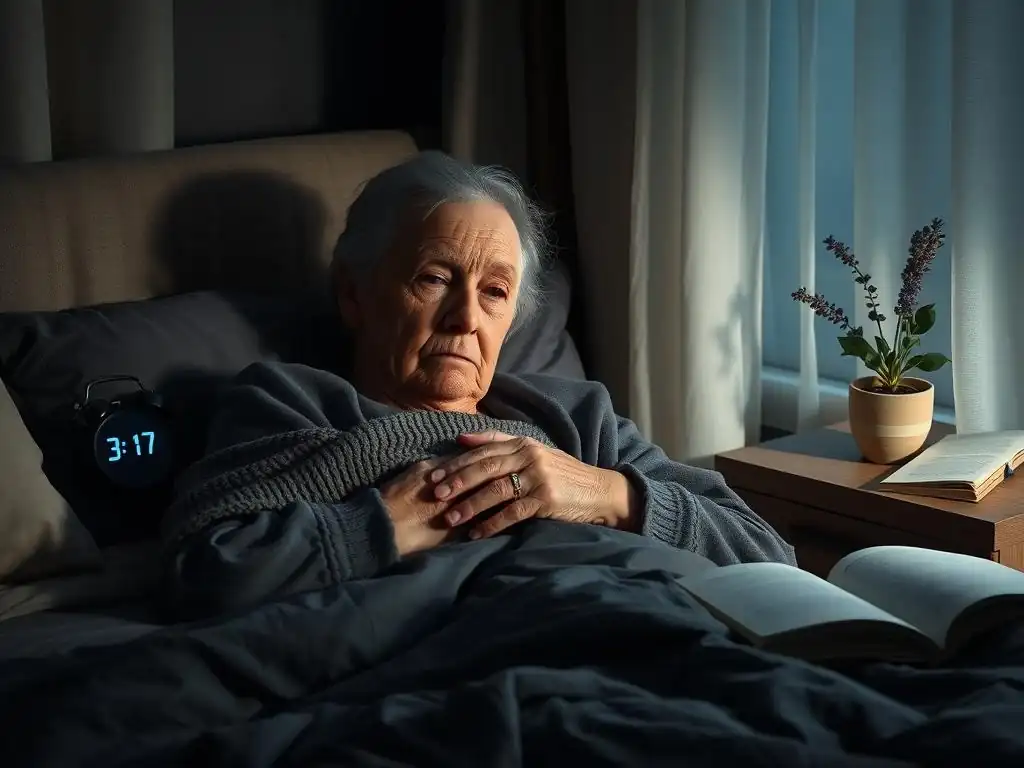
Feeling trapped in a cycle of restless nights and anxious thoughts? You're not alone. Many older adults experience the frustrating reality of sleep anxiety, and understanding this connection is the first step towards reclaiming peaceful rest. This guide delves deep into the causes, symptoms, and effective strategies for managing sleep anxiety in older adults, offering practical solutions and compassionate support. Curious to learn how to break free from this vicious cycle and rediscover restful sleep? Let's explore together.
Sleep Disturbances and Anxiety: The Vicious Cycle in Older Adults
- Understanding the Link Between Sleep and Anxiety in Senior Years
- How Anxiety Disrupts Sleep Patterns in Elderly Individuals
- The Consequences of Sleep Deprivation on Anxiety Levels in Seniors
- Breaking the Cycle: Strategies to Improve Sleep and Reduce Anxiety in Older Adults
- Medical and Therapeutic Interventions for Sleep Anxiety in Older Adults
- Managing Co-existing Conditions: Anxiety, Sleep Disorders, and Other Health Issues in Seniors
- Resources and Support for Older Adults Struggling with Sleep Anxiety
-
Frequently Asked Questions
- What is sleep anxiety and how does it specifically affect older adults?
- How are sleep disturbances and anxiety related in older adults, and why is this relationship considered a "vicious cycle"?
- What are some common symptoms of sleep anxiety in older adults that I should be aware of?
- What are some effective strategies older adults can use to manage sleep anxiety and improve their sleep quality?
- When should an older adult with sleep anxiety seek professional help, and what kind of support is available?
- Final Reflection: Unraveling the Sleep-Anxiety Knot in Later Life
- Unlock Your Best Sleep: Break Free from Anxiety's Grip
Understanding the Link Between Sleep and Anxiety in Senior Years
Why Sleep Problems and Anxiety Often Co-Occur in Older Adults
Sleep disturbances and anxiety share a complex, bidirectional relationship, particularly pronounced in the older adult population. For many seniors, the challenges of aging, including health changes, loss of loved ones, and shifts in lifestyle, can serve as significant stressors that contribute to both restless nights and heightened anxiety levels. It's not uncommon for an older adult experiencing difficulty falling or staying asleep to begin worrying about their sleep, creating a feedback loop where the worry itself exacerbates the sleep problem.
Data suggests this overlap is substantial. Estimates indicate that chronic sleep disturbances affect up to 50% of older adults, while anxiety disorders and symptoms are present in 10-20% of the elderly population. The co-occurrence rate is even higher; studies have shown that older adults with insomnia are significantly more likely to report symptoms of anxiety compared to their peers without sleep issues. This intertwining creates a vicious cycle, where one condition fuels the other, making effective management of sleep anxiety in older adults crucial for overall well-being.
Aging brings about natural physiological changes that can make older adults more vulnerable to both sleep disturbances and anxiety. The body's internal clock, the circadian rhythm, often shifts, leading to earlier bedtimes and wake times but also fragmented sleep. Older adults typically spend less time in deep, restorative sleep (slow-wave sleep) and REM sleep, and experience more awakenings throughout the night. These changes alone can reduce overall sleep quality and quantity.
Furthermore, age-related changes can affect the body's stress response system. Hormonal shifts and alterations in neurotransmitter activity can influence mood regulation and increase susceptibility to anxiety. When combined with less robust sleep architecture, these physiological factors mean that an older adult's sleep is more easily disrupted by worries or stress. The reduced ability to achieve deep sleep may also impair emotional regulation processes that typically occur during rest, making individuals more prone to feeling anxious during the day, thus perpetuating the sleep anxiety older adults often face.
How Anxiety Disrupts Sleep Patterns in Elderly Individuals
The Impact of Worry and Stress on Sleep Onset and Maintenance
Anxiety, particularly the kind characterized by persistent worry and rumination, is a major culprit behind sleep disruption in older adults. When an individual lies in bed feeling anxious, their mind is often racing with thoughts about potential problems, health concerns, financial worries, or upcoming events. This mental activity elevates physiological arousal, increasing heart rate, breathing rate, and muscle tension – states that are antithetical to falling asleep.
Even if sleep onset is achieved, anxiety can disrupt sleep maintenance. Anxious individuals are more likely to awaken during the night, often triggered by a disturbing thought or physical symptom, and then find it difficult to return to sleep as their mind immediately reverts to worrying. This fragmented sleep means they spend less time in the deeper, more restorative sleep stages, leading to feelings of fatigue and heightened anxiety during the day, reinforcing the cycle of sleep anxiety older adults experience.
Physical Symptoms of Anxiety That Interfere With Sleep Quality
Anxiety isn't just a mental state; it manifests physically, and these physical symptoms can directly impede restful sleep. Common physical symptoms include muscle tension, restlessness, stomach discomfort, headaches, and a racing heart. Lying in bed with tight muscles or a pounding heart makes it hard to relax and drift off.
Additionally, anxiety can contribute to symptoms like frequent urination (nocturia) due to increased physiological arousal or stress on the bladder. Waking up multiple times during the night to use the restroom significantly fragments sleep. The combination of these physical discomforts and the mental distress of anxiety creates a challenging environment for achieving and maintaining quality sleep, contributing significantly to sleep anxiety in older adults.
Common Anxiety Disorders Contributing to Sleep Loss in Older Adults
Generalized Anxiety Disorder (GAD) and Sleep Disruption
Generalized Anxiety Disorder (GAD) is characterized by excessive worry about everyday things, often disproportionate to the actual likelihood or impact of the feared event. For older adults with GAD, this pervasive worry doesn't stop at bedtime. They may lie awake for hours, worrying about their health, family, finances, or even minor issues like household chores. This constant mental activity makes initiating sleep incredibly difficult.
Furthermore, the physical tension associated with GAD, such as muscle aches and restlessness, adds to the discomfort experienced in bed. The persistent nature of GAD means these sleep difficulties are often chronic, leading to ongoing sleep deprivation that further exacerbates the anxiety symptoms during the day, creating a persistent pattern of sleep anxiety older adults with GAD must navigate.
Panic Disorder and Nighttime Panic Attacks
Panic disorder involves recurrent, unexpected panic attacks, which are sudden episodes of intense fear accompanied by severe physical symptoms like chest pain, palpitations, shortness of breath, dizziness, and a feeling of losing control or impending doom. While panic attacks can occur at any time, some individuals experience nocturnal panic attacks, waking abruptly from sleep in a state of intense terror and physical distress.
These nighttime attacks are particularly disruptive. They are often unexpected and severe, making it difficult to return to sleep afterward due to the residual fear and physical arousal. The fear of having another panic attack can also develop, leading to anticipatory anxiety that makes falling asleep difficult on subsequent nights, significantly contributing to sleep anxiety in older adults with this condition.
Social Anxiety and Sleep Difficulties
While seemingly less directly linked to sleep, social anxiety disorder can also contribute to sleep disturbances in older adults. Social anxiety involves intense fear of being judged, scrutinized, or embarrassed in social situations. This fear can lead to avoidance of social interactions, which in older adults can result in isolation and loneliness – known risk factors for both depression and anxiety.
The worry associated with anticipated social events, or the rumination about past interactions, can keep an older adult awake at night. For example, worrying about an upcoming family gathering or replaying a perceived social misstep from earlier in the day can trigger anxiety at bedtime. This mental distress can delay sleep onset and lead to fragmented sleep, adding another layer to the complex issue of sleep anxiety older adults may face.
The Consequences of Sleep Deprivation on Anxiety Levels in Seniors
Sleep Loss and Increased Irritability, Agitation, and Anxiety
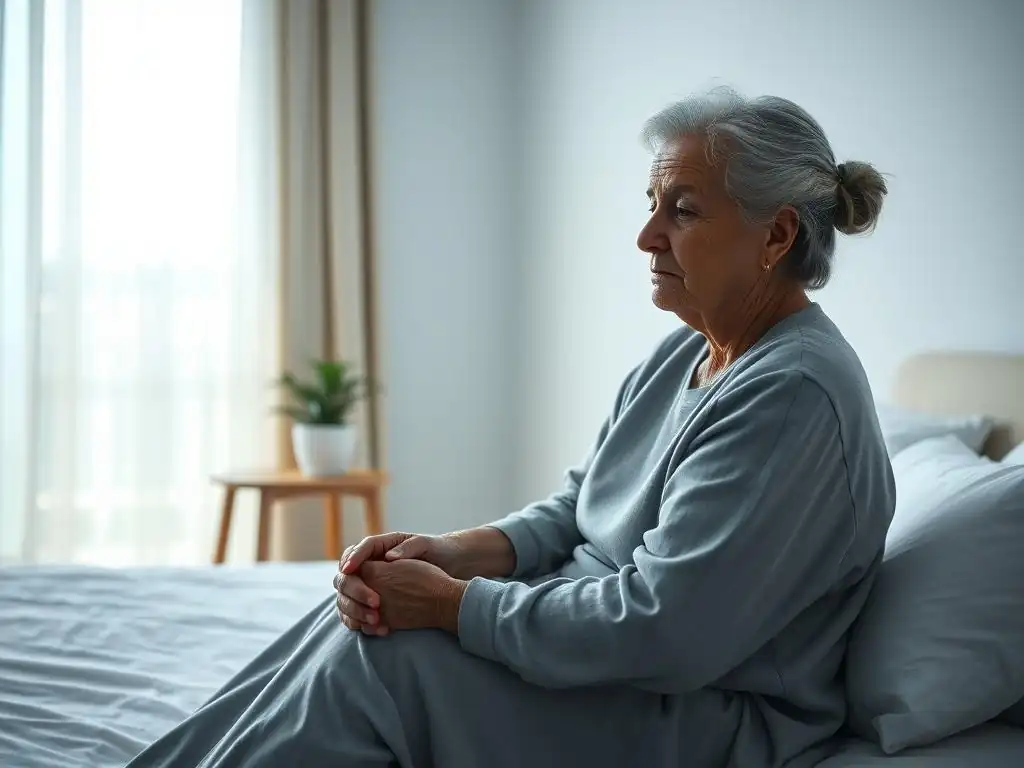
Chronic sleep deprivation has a profound impact on mood and emotional regulation, often leading to increased irritability, agitation, and heightened anxiety levels in older adults. When the brain is not adequately rested, its ability to manage stress and process emotions effectively is compromised. The amygdala, the brain region associated with fear and emotional responses, can become hyperactive with insufficient sleep, leading to an exaggerated reaction to stressors that might otherwise be manageable.
For an older adult already prone to anxiety, poor sleep can significantly lower their tolerance for frustration and increase their sensitivity to triggers. Even minor inconveniences can feel overwhelming, leading to increased worry and restlessness throughout the day. This creates a direct link where insufficient sleep actively worsens anxiety symptoms, completing a turn in the vicious cycle of sleep anxiety older adults experience.
The Impact of Poor Sleep on Cognitive Function and Anxiety Symptoms
Sleep plays a critical role in cognitive processes such as memory consolidation, problem-solving, and executive function. Chronic sleep deprivation in older adults can impair concentration, decision-making, and memory recall. These cognitive deficits can, in turn, fuel anxiety. An older adult who feels forgetful or struggles with tasks they once found easy may worry excessively about their cognitive decline, leading to increased anxiety about their health and independence.
Furthermore, impaired cognitive function can make it harder for older adults to utilize coping strategies they might otherwise employ to manage their anxiety. Difficulty focusing or problem-solving can make challenges seem insurmountable, intensifying feelings of worry and helplessness. This interplay between poor sleep, cognitive decline concerns, and heightened anxiety is a significant component of sleep anxiety older adults often face.
The Correlation Between Insomnia and Increased Risk of Anxiety Disorders
Research consistently shows a strong correlation between chronic insomnia and an increased risk of developing anxiety disorders, or worsening existing ones, in older adults. Insomnia is not merely a symptom of anxiety in this context; it can also be a precipitating factor or an independent risk factor. The stress and distress caused by persistent inability to sleep can be significant enough to contribute to the onset of an anxiety disorder.
Long-term sleep deprivation alters neurochemical balances in the brain, potentially making individuals more susceptible to mood and anxiety disorders. For instance, studies have shown that individuals with chronic insomnia are several times more likely to be diagnosed with an anxiety disorder over time compared to those without sleep problems. This highlights the critical need to address sleep disturbances proactively to mitigate the risk or severity of sleep anxiety in older adults.
Breaking the Cycle: Strategies to Improve Sleep and Reduce Anxiety in Older Adults
Creating a Relaxing Bedtime Routine for Better Sleep
Establishing a consistent and calming bedtime routine is a cornerstone strategy for managing sleep anxiety in older adults. This routine signals to the body that it's time to wind down and prepare for rest, helping to reduce the physiological arousal associated with anxiety. The routine should ideally start an hour or two before bedtime.
- Take a warm bath or shower.
- Read a physical book or listen to calming music or a podcast.
- Avoid screens (phones, tablets, TVs) during this time, as the blue light can interfere with melatonin production.
- Engage in quiet, low-stress activities.
- Ensure the bedroom is dark, quiet, and cool.
- Go to bed and wake up at roughly the same time each day, even on weekends, to regulate the body's internal clock.
Cognitive Behavioral Therapy for Insomnia (CBT-I) and Anxiety Management
Cognitive Behavioral Therapy for Insomnia (CBT-I) is considered the gold standard non-pharmacological treatment for chronic insomnia and is highly effective for older adults, particularly those whose insomnia is linked to anxiety. CBT-I addresses the thoughts and behaviors that interfere with sleep. It typically involves:
- Cognitive Restructuring: Challenging and changing unhelpful beliefs about sleep (e.g., "I'll never be able to sleep," "If I don't get 8 hours, something bad will happen").
- Stimulus Control: Re-associating the bedroom with sleep by restricting time spent in bed awake, only going to bed when sleepy, and getting out of bed if unable to sleep after about 20 minutes.
- Sleep Restriction: Temporarily limiting time in bed to improve sleep efficiency, gradually increasing time as sleep improves (done under guidance).
- Sleep Hygiene Education: Providing information on healthy sleep habits.
CBT-I's focus on changing thought patterns is particularly beneficial for managing the cognitive component of sleep anxiety in older adults. By reducing worry about sleep itself, it helps calm the mind, making sleep more attainable. Studies show significant improvements in both sleep quality and anxiety symptoms after CBT-I.
Relaxation Techniques for Calming Anxiety Before Sleep
Incorporating relaxation techniques into the bedtime routine can significantly help in calming the mind and body, making it easier to transition into sleep and manage sleep anxiety.
Deep Breathing Exercises for Anxiety Relief
Simple deep breathing techniques can activate the body's relaxation response, counteracting the physiological arousal of anxiety. A common method is diaphragmatic breathing:
- Lie on your back or sit comfortably.
- Place one hand on your chest and the other just below your rib cage.
- Inhale slowly through your nose, feeling your abdomen rise.
- Exhale slowly through your mouth, feeling your abdomen fall.
- Focus on the sensation of breathing and the rise and fall of your abdomen.
Practicing this for a few minutes before bed can help quiet a racing mind and relax tense muscles.
Progressive Muscle Relaxation for Improved Sleep
Progressive muscle relaxation (PMR) involves tensing and then releasing different muscle groups in the body. This technique helps individuals become more aware of physical tension and learn how to release it, promoting overall relaxation conducive to sleep.
- Find a quiet, comfortable place to lie down.
- Start with your toes, tensing the muscles tightly for about 5-10 seconds.
- Release the tension completely, noticing the feeling of relaxation.
- Move up through the body, tensing and releasing calves, thighs, abdomen, arms, shoulders, neck, and face.
This systematic process can effectively reduce the physical symptoms of anxiety that interfere with sleep onset.
Mindfulness Meditation for Reducing Nighttime Worry
Mindfulness involves paying attention to the present moment without judgment. For sleep anxiety in older adults, mindfulness meditation can help by teaching individuals to observe their thoughts and feelings, including worries, without getting caught up in them.
- Sit or lie comfortably.
- Close your eyes or soften your gaze.
- Bring your attention to your breath, noticing the sensation of inhaling and exhaling.
- When your mind wanders to worries, gently acknowledge the thought without judgment and redirect your attention back to your breath.
Regular practice can reduce the tendency to ruminate on anxious thoughts at bedtime, making it easier to relax and fall asleep.
Lifestyle Changes to Promote Better Sleep and Reduce Anxiety
Beyond specific techniques, several lifestyle adjustments can significantly support both sleep and anxiety management in older adults.
The Importance of Regular Exercise
Regular physical activity is a powerful tool for both improving sleep quality and reducing anxiety. Exercise helps regulate mood, reduces stress hormones, and can make it easier to fall asleep. Aim for moderate-intensity exercise most days of the week, such as brisk walking, swimming, or cycling. It's generally best to avoid vigorous exercise close to bedtime, as it can be stimulating, but gentle activities like stretching or yoga in the evening can be beneficial. Even short bursts of activity during the day can make a difference in managing sleep anxiety older adults may experience.
Dietary Considerations for Sleep and Anxiety
Diet plays a role in both sleep and mood. Avoiding heavy meals, excessive fluids, or spicy foods close to bedtime can prevent physical discomfort that disrupts sleep. Some nutrients are linked to better sleep and mood, such as magnesium, calcium, and B vitamins. While a balanced diet is key, avoid quick fixes like relying heavily on supplements without consulting a doctor. Focus on regular meal times and nutrient-dense foods.
Limiting Caffeine and Alcohol Intake
Caffeine and alcohol are two substances that significantly impact sleep and can exacerbate anxiety. Caffeine is a stimulant that can stay in the system for many hours, making it harder to fall asleep if consumed late in the day. Older adults may be more sensitive to caffeine's effects.
Alcohol might initially feel relaxing, but it disrupts sleep architecture later in the night, leading to fragmented sleep and less restorative rest. It can also worsen anxiety symptoms as its effects wear off. Reducing or eliminating caffeine and alcohol, especially in the hours before bed, is a crucial step in managing sleep anxiety in older adults.
Medical and Therapeutic Interventions for Sleep Anxiety in Older Adults
When to Seek Professional Help for Sleep and Anxiety
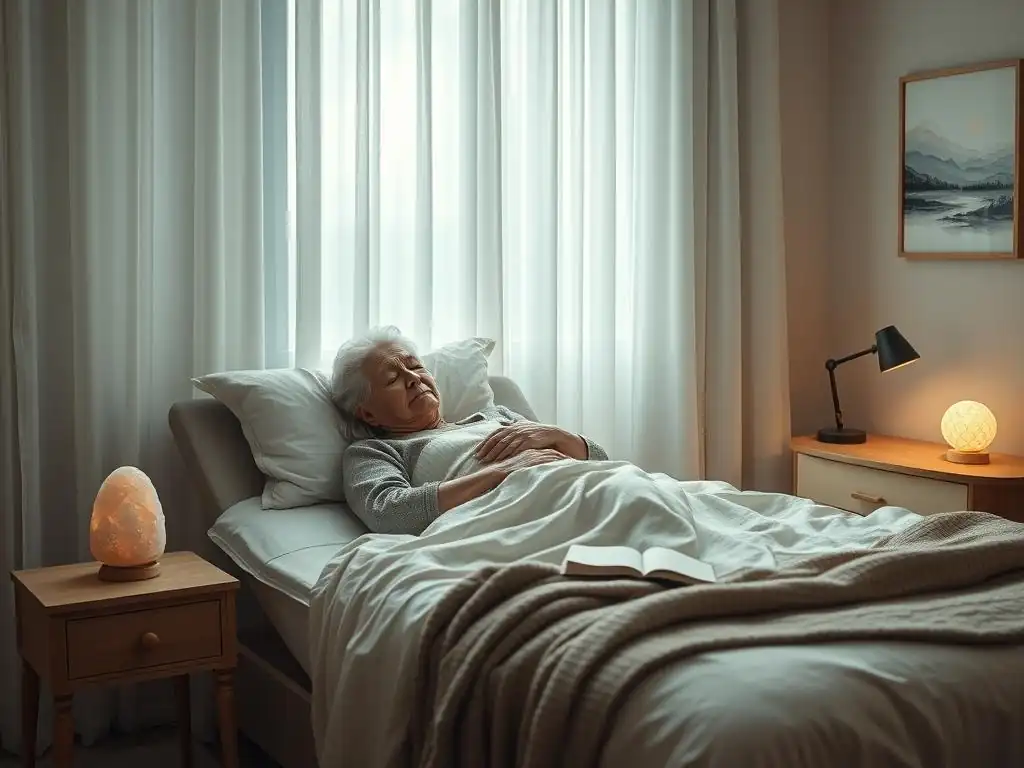
It's important for older adults experiencing persistent sleep disturbances and anxiety to seek professional help. If sleep problems occur most nights for several weeks or months, significantly impact daytime functioning, or are accompanied by intense worry or physical anxiety symptoms, it's time to consult a doctor or mental health professional.
A healthcare provider can help determine the underlying causes, which might include medical conditions, medications, or specific anxiety disorders. They can also assess the severity of sleep anxiety in older adults and recommend appropriate treatment strategies, which may include therapy, medication, or a combination.
Medications for Sleep and Anxiety: Benefits and Risks
Medications can be part of a treatment plan for sleep anxiety, but their use in older adults requires careful consideration due to potential side effects and interactions.
- Anxiety Medications: Selective Serotonin Reuptake Inhibitors (SSRIs) or Serotonin-Norepinephrine Reuptake Inhibitors (SNRIs) are often prescribed for chronic anxiety and can also improve sleep over time. Benzodiazepines are sometimes used for short-term relief of severe anxiety or insomnia but carry significant risks in older adults, including sedation, cognitive impairment, falls, and dependence.
- Sleep Medications: Hypnotic medications (like Z-drugs) can help with sleep onset or maintenance but also carry risks of dependence, next-day sedation, and impaired balance, increasing fall risk. Antidepressants with sedating properties are sometimes used off-label for insomnia, especially when depression is also present.
Any medication use for sleep anxiety in older adults should be closely monitored by a physician, starting with the lowest effective dose and for the shortest duration possible. Non-pharmacological approaches like CBT-I are generally preferred as first-line treatments.
Alternative Therapies for Sleep and Anxiety Management
Several alternative or complementary therapies are explored by older adults seeking relief from sleep anxiety. While evidence varies, some show promise.
Acupuncture for Insomnia and Anxiety
Acupuncture, a traditional Chinese medicine technique involving the insertion of thin needles into specific points on the body, has been studied for its effects on both insomnia and anxiety. Some research suggests that acupuncture may help regulate neurotransmitters and reduce stress hormones, potentially promoting relaxation and improving sleep quality. While more large-scale studies are needed, some older adults report finding relief from their sleep anxiety symptoms with this therapy.
Herbal Remedies for Sleep and Relaxation [Consult a Doctor Before Use]
Various herbal remedies are marketed for sleep and anxiety, such as valerian root, chamomile, and passionflower. Some individuals find these helpful for mild symptoms. However, it is crucial for older adults to exercise caution and always consult their doctor or pharmacist before taking any herbal supplement. Herbal remedies can interact with prescription medications, have side effects, or may not be safe for individuals with certain health conditions. The quality and dosage of herbal products can also vary significantly.
Managing Co-existing Conditions: Anxiety, Sleep Disorders, and Other Health Issues in Seniors
The Impact of Chronic Pain on Sleep and Anxiety
Chronic pain is highly prevalent in older adults, affecting potentially over half of those living in the community. Conditions like arthritis, back pain, or neuropathy can make it difficult to find a comfortable position for sleep, cause awakenings during the night, and reduce overall sleep quality. This sleep disruption, in turn, exacerbates pain sensitivity and contributes to heightened anxiety about managing the pain, future mobility, and overall health.
Addressing chronic pain effectively is a critical step in breaking the sleep-anxiety cycle. This may involve a combination of pain management strategies, including medication, physical therapy, and mindfulness techniques. Improving pain control can lead to better sleep, which then helps reduce the associated anxiety, easing the burden of sleep anxiety older adults often carry.
Addressing Depression and Its Effect on Sleep and Anxiety
Depression is another common co-occurring condition in older adults that significantly impacts both sleep and anxiety. Sleep disturbances, including insomnia or hypersomnia (excessive sleeping), are core symptoms of depression. Anxiety often co-occurs with depression, with estimates suggesting that 50-75% of individuals with depression also experience significant anxiety symptoms.
When depression, anxiety, and sleep problems are present together, they form a complex clinical picture. Treating the underlying depression is essential, as improvements in mood can lead to better sleep and reduced anxiety. Integrated treatment approaches that address all three components simultaneously, such as psychotherapy and sometimes medication, are often necessary to effectively manage sleep anxiety older adults face in the context of depression.
Managing Medical Conditions Like Nocturia That Contribute to Sleep Problems
Many medical conditions common in older adults can directly interfere with sleep, thereby contributing to sleep anxiety. Nocturia, the need to wake up multiple times during the night to urinate, is a prime example. Conditions like prostate issues in men, weakened pelvic floor muscles in women, diabetes, or cardiovascular problems can all contribute to nocturia.
Frequent awakenings due to nocturia disrupt sleep continuity, leading to poor sleep quality and daytime fatigue. The anticipation of needing to get up during the night can also cause anxiety before bedtime. Managing the underlying medical condition causing nocturia, through medication, lifestyle changes, or other treatments, is vital for improving sleep and alleviating the associated sleep anxiety older adults experience. Similarly, conditions causing shortness of breath (like COPD or heart failure) or restless legs syndrome can also severely disrupt sleep and require specific medical management.
Resources and Support for Older Adults Struggling with Sleep Anxiety
Support Groups and Counseling Services
Connecting with others facing similar challenges can be incredibly validating and provide practical coping strategies. Support groups for anxiety, insomnia, or general mental health for older adults offer a space to share experiences and gain mutual support. Counseling services, including individual therapy with a therapist specializing in geriatrics or anxiety disorders, can provide personalized strategies for managing sleep anxiety in older adults. Therapists can teach coping mechanisms, challenge negative thought patterns, and help process underlying stressors.
Online Resources and Information
Numerous reputable websites and organizations offer valuable information and resources on sleep hygiene, anxiety management, and mental health for older adults. Organizations like the National Institute on Aging, the Anxiety & Depression Association of America (ADAA), and the National Sleep Foundation provide articles, guides, and tools. While online resources can be helpful for education, they should not replace professional medical advice. They can, however, empower older adults and their caregivers with knowledge about sleep anxiety older adults commonly experience.
Building a Support Network for Mental Well-being
Beyond formal resources, having a strong personal support network is crucial for managing sleep anxiety. Encouraging older adults to stay connected with friends, family, or community groups can combat loneliness and provide emotional support. Sharing concerns with trusted individuals can help reduce the burden of anxiety. Family members and caregivers can also play a vital role by offering understanding, assisting with implementing sleep hygiene practices, and encouraging the older adult to seek and follow through with professional help. A robust support system is a key component in navigating the challenges of sleep anxiety in older adults.
Frequently Asked Questions
What is sleep anxiety and how does it specifically affect older adults?
Sleep anxiety is excessive worry and fear related to sleep. Older adults often experience it due to age-related changes, medical conditions, and increased social isolation, which exacerbate sleep problems. This can lead to a vicious cycle of poor sleep and increased anxiety.
Sleep disturbances can trigger or worsen anxiety, and conversely, anxiety makes it difficult to fall and stay asleep. This creates a vicious cycle where poor sleep fuels anxiety, and anxiety further disrupts sleep, leading to a decline in mental well-being.
What are some common symptoms of sleep anxiety in older adults that I should be aware of?
Common symptoms include difficulty falling asleep, frequent awakenings during the night, racing thoughts before bed, feeling restless and agitated, and experiencing daytime fatigue despite spending adequate time in bed.
What are some effective strategies older adults can use to manage sleep anxiety and improve their sleep quality?
Effective strategies include establishing a consistent sleep schedule, practicing relaxation techniques like meditation or deep breathing, creating a calming bedtime routine, and avoiding caffeine and alcohol before bed.
When should an older adult with sleep anxiety seek professional help, and what kind of support is available?
Professional help should be sought if sleep anxiety significantly impacts daily functioning or doesn't improve with self-help strategies. Options include cognitive behavioral therapy for insomnia (CBT-I), medication, and support groups focusing on mental health and sleep.
Final Reflection: Unraveling the Sleep-Anxiety Knot in Later Life
The pervasive link between sleep disturbances and anxiety in older adults is not merely a correlation; it's a debilitating cycle demanding immediate attention. The statistics presented throughout this article paint a stark picture: millions struggle silently, their quality of life significantly diminished by a problem often overlooked or misdiagnosed. This isn't just about lost sleep; it's about compromised physical and mental well-being in a vulnerable population.
The impact of this vicious cycle extends far beyond the individual, rippling through families and healthcare systems. The societal cost of untreated sleep anxiety in older adults is immense, impacting everything from healthcare utilization to caregiver burden. As we've explored, effective interventions exist, yet access and awareness remain significant hurdles. The greatest barrier to progress is often not the lack of knowledge, but the lack of will.
This quote highlights the urgent need for increased awareness and proactive strategies to address this widespread issue.
Consider the information presented within this article. Think about the older adults in your life – your parents, grandparents, neighbors. Are they struggling silently? Take the time to learn the signs and symptoms of sleep anxiety, and don't hesitate to initiate a conversation, encourage professional help, or simply offer a listening ear. By understanding this complex interplay between sleep and anxiety, we can empower ourselves and those we care for to break free from this debilitating cycle and embrace a more peaceful and fulfilling later life.
Unlock Your Best Sleep: Break Free from Anxiety's Grip
Thanks for taking the time to learn about the connection between sleep disturbances and anxiety in older adults. We hope this article equipped you with valuable insights into managing this common challenge. Now, let's take action!
- Prioritize a relaxing bedtime routine: Experiment with gentle stretches, calming music, or a warm bath to signal your body it's time to unwind. This simple change can make a world of difference.
- Share your experience: Discuss your sleep and anxiety concerns with a trusted friend, family member, or healthcare professional. Opening up can be incredibly powerful.
- Explore relaxation techniques: Consider learning a new relaxation technique like deep breathing exercises or mindfulness meditation – even just 5 minutes a day can help ease anxiety and improve sleep quality.
Ready to reclaim your restful nights? What small step will you take tonight to prioritize better sleep?