
Progressive Muscle Relaxation: A StepbyStep Guide for Anxious Adults

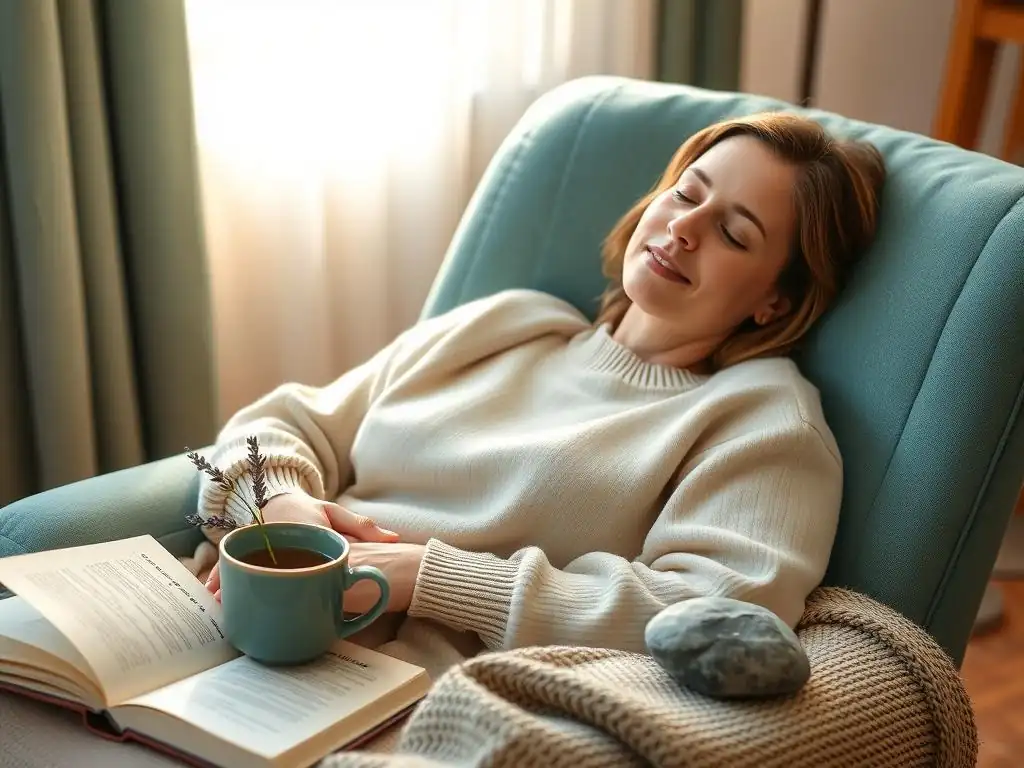
Welcome to Mind Care Guide, your trusted companion on the path to mental well-being. Feeling overwhelmed by anxiety? You're not alone. We understand the daily struggles, and we're here to help you find practical solutions. This guide delves into progressive muscle relaxation anxiety relief, a powerful technique to reclaim control and find inner peace. Curious to discover how this simple yet effective method can transform your life? Let's begin your journey to a calmer, more centered you...
Progressive Muscle Relaxation: A Step-by-Step Guide for Anxious Adults
- Understanding Progressive Muscle Relaxation (PMR) for Anxiety Relief
- Preparing for Your Progressive Muscle Relaxation Session
-
Step-by-Step Guide to Progressive Muscle Relaxation for Anxiety
- Step 1: Finding a Comfortable Position for PMR
- Step 2: Deep Breathing Exercises for Initial Relaxation
- Step 3: Tensing and Releasing Muscle Groups: A Detailed Walkthrough
- Step 4: Focusing on the Difference Between Tension and Relaxation
- Step 5: Deepening Relaxation Through Mental Imagery [Beach Scene, Forest Walk]
- Step 6: Gradual Return to Awareness After PMR
- Adapting Progressive Muscle Relaxation to Your Needs
- Troubleshooting Common Challenges in PMR
- Combining Progressive Muscle Relaxation with Other Anxiety Management Techniques
- Resources for Learning More About Progressive Muscle Relaxation and Anxiety
-
Frequently Asked Questions
- How does Progressive Muscle Relaxation (PMR) help with anxiety?
- Is Progressive Muscle Relaxation effective for everyone with anxiety?
- How long does it typically take to see results from practicing Progressive Muscle Relaxation?
- Can I practice Progressive Muscle Relaxation on my own, or do I need a therapist?
- What are some potential side effects of Progressive Muscle Relaxation?
- Final Reflection: Unwinding Anxiety, One Muscle at a Time
- Unlock Your Inner Calm: Start Your Relaxation Journey Today!
Understanding Progressive Muscle Relaxation (PMR) for Anxiety Relief
What is Progressive Muscle Relaxation and How Does it Work?
Progressive Muscle Relaxation, often shortened to PMR, is a technique developed by Dr. Edmund Jacobson in the 1920s. It's a simple yet powerful method that involves tensing a specific muscle group, holding the tension for a few seconds, and then deliberately releasing it.
This process is systematically applied to different muscle groups throughout the body, moving from one area to the next. The core principle is that by learning to consciously tense and then relax muscles, individuals can develop a greater awareness of physical sensations and learn to release overall bodily tension, which is often a physical manifestation of anxiety.
The effectiveness of PMR for anxiety relief stems from the mind-body connection. When we feel anxious, our muscles often become tense without us even realizing it – shoulders hunching, jaw clenching, stomach tightening. By actively engaging and then releasing this tension, PMR helps break the cycle where physical tension fuels mental anxiety, and vice versa. Regularly practicing this technique teaches the body and mind how to enter a state of deep relaxation on command, providing a practical tool for managing stress and reducing the intensity of anxious feelings in daily life.
The Science Behind PMR: Reducing Anxiety Through Muscle Tension Release
The physiological basis for how progressive muscle relaxation provides anxiety relief lies in its impact on the autonomic nervous system. Anxiety often triggers the sympathetic nervous system, initiating the "fight or flight" response characterized by increased heart rate, rapid breathing, and muscle tension. PMR, by consciously inducing and then releasing muscle tension, helps activate the parasympathetic nervous system, which is responsible for the body's "rest and digest" state. This shift counteracts the anxiety response, promoting calm.
Studies have shown that consistent practice of PMR can lead to measurable physiological changes. For example, research indicates that individuals who regularly practice PMR may experience a reduction in stress hormones like cortisol, potentially decreasing levels by approximately 10-20% over several weeks of consistent practice. Furthermore, practitioners often report a decrease in resting heart rate, sometimes by 5-10 beats per minute, and a drop in blood pressure, contributing to an overall state of physiological calm that directly helps in managing anxiety symptoms.
Benefits of Progressive Muscle Relaxation for Anxiety Management
Progressive muscle relaxation offers a wide range of benefits specifically tailored for anxiety management. One of the most immediate advantages is the reduction of physical symptoms of anxiety, such as muscle stiffness, headaches, and digestive discomfort. By systematically releasing tension, PMR helps alleviate these uncomfortable bodily sensations, making anxious episodes feel less overwhelming and more manageable. Many individuals report feeling a profound sense of physical lightness and ease after a PMR session.
Beyond the physical, PMR significantly impacts the mental and emotional aspects of anxiety. Regular practice enhances body awareness, helping individuals recognize the early signs of tension and anxiety building up in their bodies. This heightened awareness allows them to intervene sooner using relaxation techniques.
Users often report a noticeable decrease in self-reported anxiety levels, sometimes citing a drop of 2-3 points on a 10-point anxiety scale after consistent application. Additionally, improved sleep quality is a common benefit, with many finding it easier to fall asleep and stay asleep as their overall tension levels decrease, which is crucial for managing anxiety effectively.
Preparing for Your Progressive Muscle Relaxation Session
Creating a Calm and Comfortable Environment for PMR Practice
Setting the stage is a crucial first step in making your progressive muscle relaxation practice effective for anxiety relief. The goal is to minimize external distractions and create a space that promotes relaxation. Find a quiet room where you are unlikely to be interrupted. This could be a bedroom, a quiet corner of your living room, or even an office if you have privacy. Ensure the temperature is comfortable – not too hot or too cold – as extreme temperatures can be distracting.
Consider the lighting; dim, soft light is often more conducive to relaxation than harsh, bright lights. If complete darkness isn't possible or preferred, simply softening the light can make a difference. Some people find adding calming elements like soft background music (instrumental, without lyrics) or a gentle, non-overpowering scent (like lavender essential oil) can enhance the atmosphere, though these are optional. The key is to create an environment where you feel safe, comfortable, and able to focus inward without external stimuli pulling your attention away.
Essential Tips for Successful PMR: [Optimal Time, Loose Clothing, Minimizing Distractions]
To maximize the effectiveness of your progressive muscle relaxation for anxiety relief, keep a few key tips in mind. Choosing the right time is important; many people find practicing in the evening before bed helps with sleep, while others prefer a session in the morning to start the day calmly, or even during a midday break to reset. Consistency is more important than the specific time, so choose a time you can realistically commit to most days. Aim for a session of about 15-20 minutes initially.
Ensure you are wearing loose, comfortable clothing that doesn't restrict your movement or breathing. Tight waistbands, collars, or sleeves can be distracting and hinder the relaxation process. Remove shoes, glasses, or contact lenses if they cause any discomfort. Finally, actively work to minimize distractions. Turn off your phone or put it on silent, let others in your household know you need some quiet time, and close doors and windows if external noise is an issue. These small preparations can significantly improve your ability to focus and achieve deep relaxation.
Understanding the Progressive Muscle Relaxation Script
While PMR can be practiced independently once you understand the technique, using a script or guided audio recording is highly recommended, especially when you're starting out or if you find it difficult to focus due to anxiety. A progressive muscle relaxation script systematically guides you through the process, prompting you to tense and release each muscle group in a specific order and for the appropriate duration. This removes the need for you to remember the sequence, allowing you to fully immerse yourself in the experience of tension and release.
A typical script will guide you through focusing on different parts of the body, usually starting with the hands or feet and moving upwards or downwards systematically. For each muscle group, it will instruct you to gently tense the muscles for about 5-10 seconds, focusing on the feeling of tension, and then to completely release the tension for about 20-30 seconds, paying close attention to the sensation of relaxation spreading through the area.
The script often includes cues for deep breathing throughout the process, further enhancing the relaxation response and making the practice of progressive muscle relaxation for anxiety relief more accessible and effective.
Step-by-Step Guide to Progressive Muscle Relaxation for Anxiety

Step 1: Finding a Comfortable Position for PMR
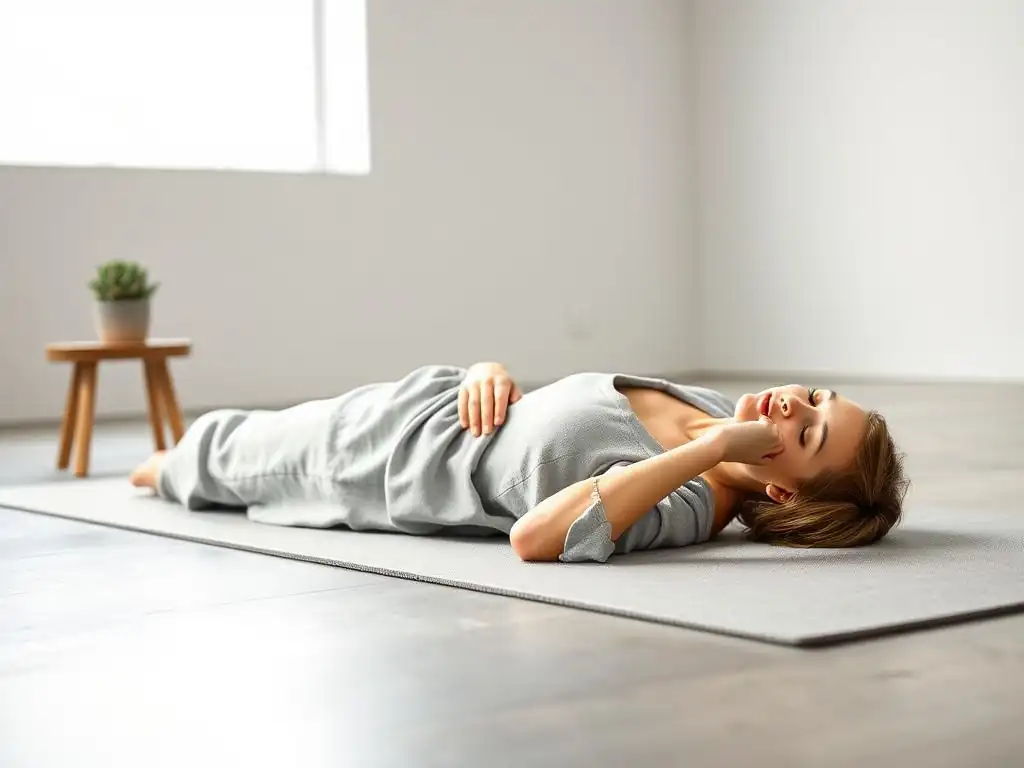
The first step in practicing progressive muscle relaxation for anxiety is to find a comfortable position where you can remain undisturbed for the duration of the session, typically 15-20 minutes. Many people prefer to lie down on their back on a mat or bed, ensuring their limbs are uncrossed and their body is supported. If lying down is not possible or comfortable, sitting upright in a chair with good back support is also perfectly acceptable.
Whether lying or sitting, ensure your head and neck are comfortably supported, and your hands are resting gently in your lap or by your sides, palms down or up – whichever feels most natural. The key is to choose a position where you can fully relax your muscles without having to exert effort to maintain posture. Allow your body to feel heavy and supported by the surface beneath you, preparing for the process of systematically tensing and releasing tension throughout your body.
Step 2: Deep Breathing Exercises for Initial Relaxation
Before beginning the systematic tension and release of muscle groups, it's beneficial to start with a few minutes of deep, slow breathing. This helps to calm the nervous system and bring your focus inward, setting a foundation for deeper relaxation. Find a comfortable breathing rhythm. Inhale slowly and deeply through your nose, allowing your abdomen to rise as you fill your lungs with air. Count silently to yourself, perhaps to four or five, as you inhale.
Hold the breath gently for a second or two, and then exhale slowly and completely through your mouth, letting go of any tension you feel in your body. As you exhale, imagine stress and anxiety leaving your body with the breath. Repeat this deep breathing pattern for about 5-10 breaths, or until you start to feel a sense of calm washing over you. This initial breathing exercise enhances the progressive muscle relaxation anxiety relief process by preparing both your mind and body.
Step 3: Tensing and Releasing Muscle Groups: A Detailed Walkthrough
This is the core of progressive muscle relaxation. You will systematically move through different muscle groups, tensing each group firmly but without pain, holding the tension, and then completely releasing it. Focus intently on the contrast between the feeling of tension and the feeling of relaxation. Work through the body in a consistent order, such as from hands to feet or vice versa.
As you move from one muscle group to the next, take a few normal breaths between each one. If you find a muscle group particularly tense, you may repeat the tension-release cycle for that specific area before moving on. The goal is not to build strength, but to become acutely aware of the sensations of tension and relaxation in different parts of your body, facilitating progressive muscle relaxation anxiety relief.
Tensing and Releasing Your Hands and Forearms
Begin with your dominant hand. Make a tight fist, squeezing your fingers and thumb firmly. Feel the tension building in your hand and extending into your forearm. Hold this tension for about 5-10 seconds. Notice the tightness, the pressure, the warmth or coolness associated with the tension.
Now, release the tension completely. Let your hand fall open and your fingers relax. Feel the sudden absence of tension. Pay attention to the contrasting sensations: the release, the looseness, perhaps a tingling or warmth as blood flow returns. Rest for 20-30 seconds, focusing on the feeling of relaxation. Repeat this process for your other hand and forearm.
Tensing and Releasing Your Upper Arms and Shoulders
Next, move to your upper arms. Bend your elbows slightly and tense the muscles in your upper arms (biceps and triceps). You can do this by pressing your elbows into the surface you are lying or sitting on, or by imagining you are trying to touch your shoulders with your hands while resisting the movement. Hold the tension for 5-10 seconds. Feel the hardness and tightness in your upper arms.
Release the tension completely. Let your arms relax and hang loosely. Allow your shoulders to drop away from your ears. Feel the relaxation spread through your upper arms and shoulders. Notice the difference between the tense state and the relaxed state. Rest for 20-30 seconds, breathing normally and enjoying the feeling of ease in your upper body.
Tensing and Releasing Your Forehead and Face Muscles
Now, bring your attention to your face. Start with your forehead: raise your eyebrows as high as you can, creating wrinkles on your forehead. Feel the tension across your brow and scalp. Hold for 5-10 seconds.
Release the tension completely. Smooth out your forehead. Let your eyebrows return to their natural position. Feel the relaxation spreading across your forehead. Next, scrunch up your face tightly: squint your eyes, wrinkle your nose, clench your jaw, and purse your lips. Feel the tension in your cheeks, jaw, and around your mouth. Hold for 5-10 seconds. Release the tension completely. Let your facial muscles relax. Allow your jaw to hang slightly open, your tongue to rest naturally in your mouth, and your eyes to feel soft. Notice the feeling of looseness in your face. Rest for 20-30 seconds.
Tensing and Releasing Your Neck and Upper Back
Move to your neck and upper back. Gently press the back of your head into the surface you are resting on (if lying down) or try to touch your shoulders with your ears (if sitting), creating tension in the back of your neck and upper trapezius muscles. Hold for 5-10 seconds. Be gentle here to avoid strain.
Release the tension completely. Let your head rest comfortably. Allow your shoulders to drop down. Feel the relaxation spreading through your neck and upper back. Alternatively, you can gently roll your head forward, tucking your chin towards your chest, feeling a slight stretch in the back of the neck (no tension, just stretch), and then returning to a neutral position. Focus on releasing any stiffness in this common area of tension for anxiety. Rest for 20-30 seconds.
Tensing and Releasing Your Chest and Abdomen
Next, focus on your chest and abdomen. Take a deep breath and hold it, tensing your chest and stomach muscles. Feel the tightness in your torso. Hold for 5-10 seconds. Do not hold your breath for too long if it causes discomfort.
Exhale completely and release the tension. Let your breath return to normal. Soften your stomach and chest muscles. Feel the relaxation in your core. You can also gently tense your abdominal muscles by pulling them inward slightly, holding for 5-10 seconds, and then releasing completely, letting your belly soften. This helps to release tension often held in the gut during anxiety. Rest for 20-30 seconds.
Tensing and Releasing Your Thighs and Buttocks
Move down to your lower body, starting with your thighs and buttocks. Tense your thigh muscles by pressing your knees together or pressing your legs down into the surface. Squeeze your buttocks muscles tightly. Feel the tension in your legs and glutes. Hold for 5-10 seconds.
Release the tension completely. Let your legs and buttocks relax and feel heavy. Notice the feeling of relaxation spreading through your lower body. Rest for 20-30 seconds, allowing the muscles to soften and release any lingering tightness.
Tensing and Releasing Your Calves and Feet
Finally, focus on your calves and feet. Point your toes towards your shins (flexing your feet) to tense your calf muscles. Feel the tension in the back of your lower legs. Hold for 5-10 seconds.
Release the tension completely. Let your feet relax. Now, curl your toes downwards (pointing your toes away from your shins) and tense the muscles in your feet. Hold for 5-10 seconds. Release the tension completely. Let your feet and toes feel completely relaxed and loose. Rest for 20-30 seconds, feeling the relaxation extend all the way down to your toes.
Step 4: Focusing on the Difference Between Tension and Relaxation
A critical component of progressive muscle relaxation for anxiety relief is the conscious awareness of the contrast between the feeling of tension and the feeling of relaxation. As you systematically work through each muscle group, don't just go through the motions of tensing and releasing. Actively pay attention to the sensations associated with each state.
When you tense a muscle group, notice where you feel the tension most strongly. Is it a tightness, a hardness, a pulling sensation? Hold that feeling in your awareness for the brief period. Then, as you release, consciously observe the absence of that tension. What replaces it? Is it warmth, heaviness, lightness, looseness, tingling? This deliberate focus on the difference helps your mind and body learn what true relaxation feels like, making it easier to recognize tension building in the future and to consciously release it when you feel anxiety starting to surface.
Step 5: Deepening Relaxation Through Mental Imagery [Beach Scene, Forest Walk]
Once you have completed the systematic tensing and releasing of all major muscle groups, you can deepen your state of relaxation by incorporating mental imagery. With your muscles relaxed and your body feeling heavy and comfortable, allow your mind to gently drift to a peaceful scene. Common and effective images include a tranquil beach or a serene forest walk.
Imagine yourself in this peaceful setting. Use all your senses: picture the scene vividly, hear the sounds (like gentle waves or rustling leaves), feel the sensations (like warm sand or cool forest air), and perhaps even imagine a calming scent. For instance, visualizing a beach might involve seeing the blue sky, feeling the warmth of the sun on your skin, hearing the rhythmic sound of the waves, and smelling the salty air.
A forest walk might involve seeing sunlight filtering through trees, hearing birdsong, feeling a gentle breeze, and smelling the earthy scent of pine and soil. Allow yourself to fully immerse in this calming imagery for several minutes, letting the peaceful scene enhance your physical relaxation and provide significant progressive muscle relaxation anxiety relief.
Step 6: Gradual Return to Awareness After PMR
After completing your progressive muscle relaxation session and spending some time in deep relaxation or peaceful imagery, it's important to return to your full awareness gradually. Do not rush this step. Begin by gently bringing your attention back to your physical body and the room you are in.
Start by wiggling your fingers and toes slowly. Then, gently move your hands and feet. Perhaps stretch your arms and legs gently, as you might upon waking from a restful sleep. Take a few deeper breaths. When you feel ready, slowly open your eyes if they were closed. Sit quietly for a moment before standing up, allowing yourself to fully transition back to your day feeling refreshed and calmer. This gradual re-entry helps maintain the sense of peace achieved during the progressive muscle relaxation anxiety relief practice.
Adapting Progressive Muscle Relaxation to Your Needs
Modified PMR Techniques for Different Situations [Quick PMR, Seated PMR]
Progressive muscle relaxation for anxiety relief is a flexible technique that can be modified to fit various situations and time constraints. A full body scan might take 15-20 minutes, but you can perform a "Quick PMR" when time is limited. This involves rapidly tensing and releasing all major muscle groups simultaneously or focusing only on areas where you commonly hold tension, like your shoulders, neck, and jaw, for just a few minutes. This abbreviated version can still provide significant, immediate relief from tension.
Another adaptation is "Seated PMR." While the full technique is often done lying down, it can be effectively practiced while sitting in a chair. This is particularly useful at work, during commutes, or in other situations where lying down is not feasible. When practicing seated, ensure you are comfortable with good back support and your feet flat on the floor. The steps for tensing and releasing muscle groups remain the same, simply adapted to your seated posture. These modifications make progressive muscle relaxation a highly practical tool for managing anxiety throughout the day.
Progressive Muscle Relaxation for Specific Anxiety Triggers [Public Speaking, Test Anxiety]
Progressive muscle relaxation is an excellent tool for managing anxiety in response to specific triggers. For instance, individuals facing public speaking anxiety often experience physical symptoms like trembling hands, a shaky voice, and a racing heart. Practicing PMR shortly before a presentation can help calm these physical responses. Focusing on relaxing the hands, arms, chest, and throat can reduce tremors and help maintain a steadier voice, offering tangible progressive muscle relaxation anxiety relief in the moment.
Similarly, for test anxiety, which can manifest as a tight stomach, tense shoulders, and difficulty concentrating, a brief PMR session before or even during a test can be beneficial. Focusing on relaxing the abdomen, shoulders, and jaw can ease physical discomfort and help clear the mind. By practicing PMR regularly, you train your body to relax, making it easier to invoke that relaxation response when facing specific stressful situations, thereby directly counteracting the physical symptoms associated with common anxiety triggers.
Integrating PMR into Your Daily Routine for Long-Term Anxiety Reduction
Consistency is key to unlocking the full potential of progressive muscle relaxation for long-term anxiety reduction. While single sessions provide immediate relief, incorporating PMR into your daily routine builds a cumulative effect, gradually reducing overall tension levels and making you more resilient to stress. Aim to practice PMR for 15-20 minutes at least once a day, ideally at a time when you can commit to it without interruption.
Consider scheduling your PMR session like any other important appointment. Whether it's first thing in the morning, during a lunch break, or before bed, making it a regular habit reinforces the mind-body connection and strengthens your ability to relax on demand. Over time, you may find you can achieve a state of relaxation more quickly or even perform a "mini-PMR" by simply focusing on releasing tension in certain areas without the need for the full tension-release cycle. This integration makes progressive muscle relaxation a powerful, ongoing strategy for managing anxiety.
Troubleshooting Common Challenges in PMR
Difficulty Tensing or Relaxing Specific Muscle Groups: [Visualization, Gentle Movements]
It's common to encounter challenges when first practicing progressive muscle relaxation for anxiety relief, such as difficulty feeling tension or achieving complete relaxation in certain muscle groups. Some areas, like the neck or jaw, might hold chronic tension that is hard to isolate or release. If you struggle to feel the tension when instructed, try visualizing the muscles contracting or tightening like a rope being pulled taut. This mental imagery can sometimes help activate the physical sensation.
If you find it hard to release tension, focus intensely on the feeling of letting go. Imagine the tension melting away or flowing out of your body. Sometimes, performing a gentle, small range of motion movement for that body part before tensing can help you become more aware of the muscles involved. For instance, gently rolling your shoulders before tensing them. Remember to be patient and persistent; it takes practice to develop body awareness and control over muscle tension.
Distractions During PMR: [Focusing on Breath, Using White Noise]
Distractions, both internal (wandering thoughts) and external (noises), are common during progressive muscle relaxation practice. If you find your mind racing or focusing on anxious thoughts, gently acknowledge the thoughts without judgment and then deliberately bring your attention back to your body and the sensations of tension and release. Focusing on your breath – the simple in and out flow – can also serve as an anchor to help redirect your attention back to the present moment and the PMR process.
To minimize external distractions, ensure you have created the quietest possible environment, as suggested earlier. If ambient noise is unavoidable, consider using white noise or soft instrumental background music specifically designed for relaxation. These sounds can help mask sudden or distracting noises. Remember that it's okay if your mind occasionally drifts; the practice is in noticing the distraction and gently guiding your focus back to the progressive muscle relaxation anxiety relief technique.
Experiencing Discomfort or Pain: [Reducing Tension, Consulting a Doctor]
While progressive muscle relaxation should feel challenging during the tension phase, it should never cause pain. If you experience discomfort or pain when tensing a muscle group, it's crucial to reduce the intensity of the tension immediately. You should only tense the muscles firmly, not maximally, and certainly not to the point of pain. If a particular muscle group is injured or prone to pain (like a tense neck or sore back), you can choose to skip tensing that area altogether and simply focus on the release phase, visualizing relaxation flowing into the area.
If you have chronic pain conditions, injuries, or any medical concerns, it is advisable to consult with a doctor or physical therapist before starting progressive muscle relaxation. They can advise you on whether PMR is suitable for your condition and if any specific modifications are necessary to ensure your safety and comfort. While PMR is generally safe, prioritizing your physical well-being is essential, and professional guidance can help you gain progressive muscle relaxation anxiety relief without exacerbating existing issues.
Combining Progressive Muscle Relaxation with Other Anxiety Management Techniques
PMR and Mindfulness Meditation: A Powerful Combination
Progressive muscle relaxation and mindfulness meditation are complementary techniques that can be combined to create a powerful approach to anxiety management. While PMR focuses on releasing physical tension through a systematic process, mindfulness meditation cultivates present-moment awareness without judgment, often focusing on the breath, bodily sensations, or thoughts.
Practicing PMR can serve as an excellent preparation for mindfulness meditation. By releasing physical tension through PMR, you create a calmer, more settled physical state, which can make it easier to sit still and focus during meditation. Conversely, the heightened body awareness developed through mindfulness can deepen your experience of the tension and release phases in PMR, allowing for more profound relaxation. Combining these practices can lead to a greater sense of calm, reduced reactivity to anxious thoughts, and enhanced overall progressive muscle relaxation anxiety relief.
PMR and Cognitive Behavioral Therapy (CBT): Complementary Approaches
Progressive muscle relaxation and Cognitive Behavioral Therapy (CBT) address anxiety from different but complementary angles. CBT focuses on identifying and changing negative thought patterns and behaviors that contribute to anxiety. It helps individuals challenge irrational fears and develop coping strategies for managing difficult situations. PMR, on the other hand, directly targets the physiological symptoms of anxiety by reducing muscle tension and activating the relaxation response.
Integrating PMR into a CBT framework can be highly effective. CBT helps you understand the why behind your anxiety and develop cognitive tools, while PMR provides a practical, immediate tool to manage the physical feelings of anxiety as they arise. For example, if CBT helps you identify that public speaking triggers anxious thoughts, practicing PMR beforehand helps calm the physical symptoms like shaking or rapid heartbeat. Many therapists incorporate relaxation techniques like progressive muscle relaxation as part of a comprehensive CBT treatment plan for enhanced progressive muscle relaxation anxiety relief.
PMR and Medication: [Consulting with a Healthcare Professional]
For some individuals, anxiety may be severe enough to warrant medication. Progressive muscle relaxation can be a valuable complementary tool alongside prescribed medication for anxiety relief, but it is crucial to discuss this with a healthcare professional. Medication works on the neurochemical aspects of anxiety, while PMR addresses the physical and mind-body connection aspects.
Never adjust or stop taking prescribed medication without consulting your doctor. However, incorporating PMR into your routine, under the guidance of your healthcare provider, can potentially enhance the effects of medication or provide additional relief for physical symptoms that medication might not fully address. Your doctor can advise on how progressive muscle relaxation fits into your overall treatment plan and ensure it is used safely and effectively alongside your medication regimen for optimal progressive muscle relaxation anxiety relief.
Resources for Learning More About Progressive Muscle Relaxation and Anxiety
Recommended Books and Articles on PMR and Anxiety Relief
There are numerous reputable resources available for those seeking to deepen their understanding and practice of progressive muscle relaxation for anxiety relief. Dr. Edmund Jacobson's original work, though academic, laid the foundation. More accessible books often provide detailed scripts, variations, and integrate PMR with other relaxation techniques. Look for books written by licensed therapists or researchers specializing in anxiety and stress reduction.
Searching for articles from reputable health organizations (like the Mayo Clinic, National Institute of Mental Health, or university health centers) or peer-reviewed journals can also provide valuable information on the efficacy of PMR for anxiety and offer practical guidance based on current research. These resources often explain the physiological mechanisms in more detail and provide evidence-based support for using progressive muscle relaxation as a coping mechanism for anxiety.
Online Progressive Muscle Relaxation Scripts and Audio Guides
One of the most practical ways to learn and practice progressive muscle relaxation is by using online scripts and audio guides. Many mental health websites, relaxation apps, and YouTube channels offer free or subscription-based guided PMR sessions. These resources walk you through the entire process, providing timing cues for tensing and releasing each muscle group, often accompanied by soothing background music or nature sounds.
Using a guided audio can be particularly helpful when you are new to PMR or when you find it difficult to stay focused. The guide keeps you on track, allowing you to fully immerse yourself in the physical sensations of tension and release. Search for "progressive muscle relaxation script" or "guided progressive muscle relaxation anxiety relief audio" to find a variety of options to suit your preferences.
Finding a Qualified Therapist for PMR Guidance
While progressive muscle relaxation can be learned independently, working with a qualified therapist can provide personalized guidance and support, especially if you are struggling with significant anxiety. Therapists who specialize in anxiety disorders, such as those trained in CBT or other mindfulness-based therapies, often incorporate relaxation techniques like PMR into their treatment plans.
A therapist can help you understand how anxiety manifests physically for you, guide you through the PMR technique, troubleshoot difficulties you might encounter, and help you integrate PMR effectively into a broader strategy for managing your anxiety. They can also help identify underlying causes of your anxiety and recommend other evidence-based treatments if needed. Seeking guidance from a professional ensures you are using progressive muscle relaxation safely and optimally for your specific needs, enhancing your journey toward progressive muscle relaxation anxiety relief.
Frequently Asked Questions
How does Progressive Muscle Relaxation (PMR) help with anxiety?
PMR helps reduce anxiety by teaching you to recognize and release muscle tension, which is often a physical manifestation of stress. This conscious relaxation of muscles sends signals to the brain to calm down. It promotes overall body relaxation.
Is Progressive Muscle Relaxation effective for everyone with anxiety?
While PMR is effective for many, it's not a one-size-fits-all solution. Its effectiveness varies based on the individual and the severity of anxiety. It's often most effective when combined with other therapeutic approaches.
How long does it typically take to see results from practicing Progressive Muscle Relaxation?
Some people experience immediate relief after a single session, while others may need to practice regularly for several weeks to notice significant changes. Consistent practice is key to developing muscle awareness and relaxation skills.
Can I practice Progressive Muscle Relaxation on my own, or do I need a therapist?
You can absolutely practice PMR on your own using guides like this one! However, a therapist can provide personalized guidance and address underlying issues contributing to your anxiety. They can also help with proper technique.
What are some potential side effects of Progressive Muscle Relaxation?
PMR is generally considered safe. However, some individuals may experience lightheadedness or fatigue initially. It's important to listen to your body and avoid tensing muscles too forcefully to prevent discomfort.
Final Reflection: Unwinding Anxiety, One Muscle at a Time
Progressive muscle relaxation isn't just a technique; it's a powerful tool for reclaiming control in a world increasingly demanding our attention and energy. The pervasive anxiety affecting so many adults today makes mastering techniques like this more crucial than ever. Learning to consciously release tension, one muscle group at a time, offers a tangible path towards a calmer, more centered existence.
The impact of chronic stress and anxiety on our physical and mental well-being is undeniable. I've personally witnessed the transformative power of progressive muscle relaxation, not only in my own life but also in the lives of those I've guided through the process. Tension is who you think you should be. Relaxation is who you are.
– Unknown. This quote perfectly encapsulates the essence of this practice: it's about returning to our inherent state of ease, unburdened by the weight of expectations and anxieties. The technique's enduring popularity speaks volumes about its effectiveness in navigating the complexities of modern life.
Now, it's your turn. Take a moment to reflect on the steps outlined in this guide. Consider incorporating progressive muscle relaxation into your daily routine, even if it's just for five minutes. Notice the subtle shifts in your body and mind as you learn to consciously release tension. Remember, this isn't a quick fix, but a journey towards a more peaceful and resilient you. Embrace the process, be patient with yourself, and discover the profound benefits of unwinding, one muscle at a time.
Unlock Your Inner Calm: Start Your Relaxation Journey Today!
Thanks for taking the time to explore the power of progressive muscle relaxation! You've now learned a valuable technique to manage anxiety and stress. Ready to put it into practice?
- Prioritize your relaxation: Schedule 10 minutes today to try a guided progressive muscle relaxation exercise. Even a short session can make a big difference.
- Share this valuable tool with a friend or family member who might benefit. Helping others can be incredibly rewarding, and spreading the word about stress management is important.
- Consider keeping a journal to track your progress and note how relaxation impacts your daily life. This can provide invaluable insight and motivation.
What small step will you take today to cultivate more inner peace?