
The Connection Between Childhood Emotional Neglect and Anxiety/Depression


Welcome to Mind Care Guide, a safe space for understanding and nurturing your mental well-being.
Are you grappling with persistent feelings of anxiety or depression and suspect something from your past might be contributing? You're not alone. This article delves into the often-overlooked connection between childhood emotional neglect anxiety and its lasting impact on mental health. Could experiences you barely remember be subtly shaping your present struggles? Let's explore this crucial link together and uncover pathways toward healing.
- Childhood Emotional Neglect and Anxiety/Depression: A Mind Care Guide
- The Link Between Childhood Emotional Neglect and Mental Health
- Childhood Emotional Neglect and Anxiety: Exploring the Connection
- Childhood Emotional Neglect and Depression: Unveiling the Relationship
- Identifying Childhood Emotional Neglect: Self-Assessment and Diagnosis
- Healing from Childhood Emotional Neglect: Strategies for Recovery
- Coping Mechanisms for Anxiety and Depression Resulting from CEN
- Supporting Someone Who Experienced Childhood Emotional Neglect
- Resources for Childhood Emotional Neglect and Mental Health
-
Frequently Asked Questions
- How does childhood emotional neglect contribute to anxiety in adulthood?
- Can childhood emotional neglect lead to depression, and if so, how?
- What are some common signs that someone experienced childhood emotional neglect?
- How can therapy help address the effects of childhood emotional neglect and related anxiety?
- What resources are available for individuals who suspect they experienced childhood emotional neglect and are struggling with anxiety or depression?
- Final Reflection: Unpacking the Roots of Anxiety and Depression
- Unlock Your Emotional Well-being: Take the Next Step
Childhood Emotional Neglect and Anxiety/Depression: A Mind Care Guide
Defining Childhood Emotional Neglect: An Invisible Wound
Childhood Emotional Neglect (CEN) occurs when a parent or caregiver fails to respond adequately to a child's emotional needs. Unlike more overt forms of abuse or neglect, CEN is often characterized by absence – the absence of emotional attunement, validation, and support. The caregiver might provide for the child's physical needs, such as food, shelter, and clothing, but consistently miss or dismiss the child's feelings, thoughts, and experiences. This creates an environment where the child learns that their internal world is unimportant or even a burden.
This lack of emotional mirroring and validation during crucial developmental years can leave deep, invisible wounds. A child experiencing CEN may not even recognize that something is wrong because there is no dramatic event or physical harm. They simply grow up feeling a vague sense of emptiness, loneliness, or 'otherness'. This subtle yet pervasive lack of emotional connection impacts the child's developing brain and sense of self, laying groundwork for potential difficulties later in life, including the significant link between childhood emotional neglect and anxiety and depression.
The Difference Between Emotional Neglect and Emotional Abuse
While both emotional neglect and emotional abuse are harmful forms of maltreatment, they differ fundamentally in their nature. Emotional abuse involves actions that actively harm a child's emotional well-being, such as yelling, criticizing, humiliating, manipulating, or threatening. It is a presence of harmful interactions designed to control or demean the child.
In contrast, emotional neglect is primarily an absence of necessary emotional support and responsiveness. It's not about what the caregiver does to the child's emotions, but what they fail to do.
A parent might be emotionally neglectful by simply being consistently unavailable, uninterested, or uncomfortable with emotions, failing to validate a child's sadness, fear, or joy. While emotional abuse is often easier to identify due to its overt nature, the subtle lack of emotional attunement in childhood emotional neglect can be harder to pinpoint, yet its long-term effects, particularly its contribution to childhood emotional neglect anxiety and depression, can be just as profound.
Common Signs and Symptoms of Childhood Emotional Neglect
Identifying childhood emotional neglect can be challenging because its signs are often internalized and manifest as personality traits or difficulties rather than specific traumatic memories. Adults who experienced CEN often struggle with a pervasive feeling of emptiness or a sense that something is missing, even if they cannot articulate what that is. They may feel fundamentally flawed or different from others.
Other common signs include difficulty identifying, understanding, or expressing emotions, often described as alexithymia. This can lead to challenges in relationships, as they may struggle with intimacy and emotional connection. Perfectionism, a fear of dependence, and a tendency to be overly self-reliant are also frequently observed. Furthermore, many individuals with a history of childhood emotional neglect report feelings of guilt or shame about their own needs and emotions, reinforcing the internal message that their feelings are burdensome or invalid.
The Link Between Childhood Emotional Neglect and Mental Health
How CEN Impacts Emotional Development
Childhood is a critical period for emotional development. Through interactions with caregivers, children learn to identify their feelings, understand their intensity, and develop strategies for managing them. When a child experiences emotional neglect, this fundamental learning process is disrupted. The lack of validation means the child doesn't learn that their emotions are normal or acceptable. They may suppress their feelings or develop maladaptive coping mechanisms to deal with distress, such as withdrawal or externalizing behaviors.
This impaired emotional development can lead to a lifelong struggle with emotional regulation. Adults who experienced CEN may find themselves overwhelmed by intense emotions or, conversely, feel numb and disconnected from their feelings. They might lack the internal resources to soothe themselves during times of stress, making them more vulnerable to developing mental health conditions. The inability to process and manage emotions effectively is a significant factor contributing to the complex relationship between childhood emotional neglect and anxiety and depression.
The Long-Term Effects of Emotional Neglect on Adults
The impact of childhood emotional neglect doesn't disappear with age; it often manifests in adulthood in various ways, significantly affecting relationships, career, and overall well-being. Adults who grew up with CEN may struggle with self-esteem, feeling inherently inadequate or unworthy. This can lead to difficulties forming stable and fulfilling relationships, as they may fear rejection or abandonment, or struggle with intimacy due to a lack of trust or emotional availability.
Furthermore, the chronic invalidation of emotions in childhood can result in a deep-seated fear of vulnerability and a reluctance to ask for help. This can make navigating life's challenges significantly harder. Research and clinical experience consistently show a strong correlation between a history of CEN and increased rates of various mental health issues in adulthood, including personality disorders, substance abuse, and, most notably, anxiety and depressive disorders. The subtle yet persistent wound of emotional neglect can cast a long shadow over adult life.
Childhood Emotional Neglect and Anxiety: Exploring the Connection
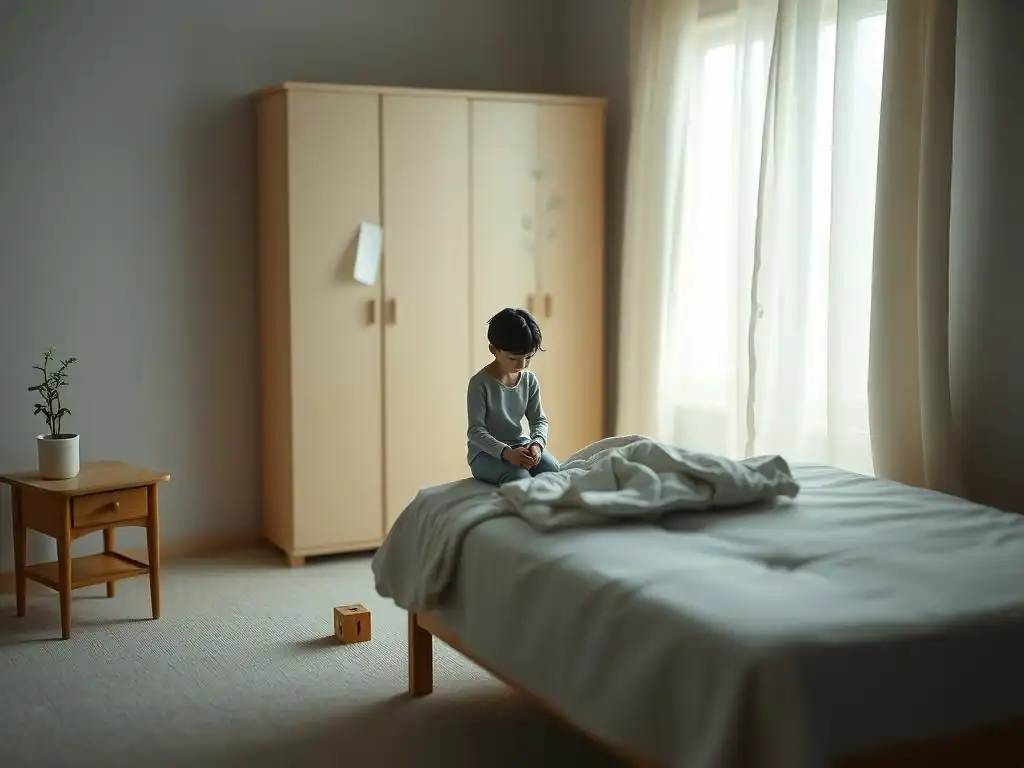
The Role of Emotional Neglect in the Development of Anxiety Disorders
The experience of childhood emotional neglect creates an internal environment ripe for the development of anxiety. Growing up without consistent emotional support means a child doesn't develop a secure base from which to explore the world and return for comfort. They learn that their emotional needs won't be met reliably, leading to a pervasive sense of insecurity and hypervigilance. This constant internal scanning for potential threats or signs of disapproval mirrors the core experience of anxiety.
Moreover, the difficulty identifying and articulating emotions, common in those with CEN, means that uncomfortable feelings like fear or worry often manifest as diffuse, overwhelming anxiety rather than specific, nameable emotions. The individual lacks the emotional literacy to understand what they are feeling or why, making the anxiety feel unpredictable and uncontrollable. This inability to process internal states, coupled with a learned expectation of emotional unmet needs, directly links childhood emotional neglect anxiety disorders.
Childhood emotional neglect significantly impacts attachment styles, often leading to insecure attachment, particularly avoidant or anxious-preoccupied styles. Avoidant attachment anxiety stems from a history where proximity or emotional expression was met with rejection or discomfort, leading the child to suppress needs and become overly self-reliant. As adults, this can manifest as a fear of intimacy and closeness, alongside anxiety about depending on others.
A profound fear of abandonment is another common anxiety related to CEN. Even if there wasn't physical abandonment, the emotional unavailability felt like a form of desertion. This deep-seated fear can lead to anxious attachment patterns, where individuals become overly clingy or demanding in relationships, constantly seeking reassurance that they won't be left alone. This intense fear drives significant distress and is a direct consequence of the foundational insecurity created by childhood emotional neglect, fueling chronic childhood emotional neglect anxiety.
Specific Anxiety Symptoms Often Seen in Adults Who Experienced CEN
Adults with a history of childhood emotional neglect frequently exhibit specific patterns of anxiety symptoms. Social anxiety is common, driven by a fear of judgment or criticism learned from invalidating early experiences. They may struggle in social situations, constantly worrying about saying or doing the wrong thing, reflecting an internalized belief that they are fundamentally unacceptable.
Generalized Anxiety Disorder (GAD) is also prevalent, characterized by excessive worry about everyday things, often without a clear cause. This diffuse worry can be linked to the pervasive sense of insecurity and the lack of a secure internal emotional foundation. Panic attacks, though less universally linked than GAD or social anxiety, can also occur, potentially triggered by situations that evoke feelings of being overwhelmed, alone, or emotionally vulnerable – echoes of the original neglectful environment. These specific manifestations highlight the direct pathway from childhood emotional neglect to anxiety symptoms in adulthood.
Childhood Emotional Neglect and Depression: Unveiling the Relationship
The Connection Between Unmet Emotional Needs and Depressive Symptoms
Depression is strongly linked to the experience of unmet emotional needs during childhood. When a child's feelings are consistently ignored, dismissed, or invalidated, they learn that their internal world doesn't matter. This can lead to a deep-seated belief that they don't matter. This feeling of worthlessness is a core component of depression. The chronic lack of emotional nourishment creates an emotional deficit that can feel like a persistent void.
This void can manifest as persistent sadness, lack of motivation, and an inability to experience pleasure (anhedonia), all hallmark symptoms of depression. The individual may feel perpetually drained, as if constantly running on empty, because the fundamental emotional resources that should have been built in childhood are missing. This direct line between the deprivation of emotional connection and the onset of depressive states underscores the potent link between childhood emotional neglect and depression.
How Emotional Neglect Contributes to Feelings of Worthlessness and Hopelessness
Emotional neglect teaches a child that their feelings and, by extension, they themselves, are not important enough to warrant attention or care. This internalized message becomes a core belief that fuels feelings of worthlessness. The child concludes that if their primary caregivers didn't value their emotional world, there must be something fundamentally wrong with them. This belief persists into adulthood, making it difficult to accept love, praise, or validation from others.
Coupled with worthlessness is a profound sense of hopelessness. If the people who were supposed to provide emotional safety and validation failed to do so, the individual may lose hope that their emotional needs can ever be met. This can lead to a sense of futility and resignation, where the future feels bleak and change seems impossible. These feelings of worthlessness and hopelessness are central to many depressive disorders and are tragic legacies of childhood emotional neglect.
The Impact of CEN on Self-Esteem and its Link to Depression
Self-esteem, the overall subjective evaluation of one's worth, is profoundly impacted by childhood emotional neglect. Healthy self-esteem develops when a child feels seen, heard, and valued for who they are, including their emotional landscape. When this validation is absent, self-esteem suffers significantly. The individual may develop a fragile sense of self, constantly doubting their abilities and value.
Low self-esteem is a major risk factor for depression. When someone believes they are inherently flawed or unworthy, it becomes difficult to engage with life, pursue goals, or maintain healthy relationships. Setbacks are seen as confirmation of inadequacy rather than challenges to overcome. This cycle of low self-esteem leading to withdrawal and further negative self-perception is a common pathway from childhood emotional neglect to depression, creating a self-reinforcing pattern of emotional pain.
Identifying Childhood Emotional Neglect: Self-Assessment and Diagnosis
Questions to Ask Yourself: Assessing Your Experiences with Emotional Neglect
Assessing whether you experienced childhood emotional neglect can be a crucial step towards understanding current struggles with childhood emotional neglect anxiety or depression. It requires reflecting on the emotional climate of your childhood home, not just the physical provisions. Consider questions like:
- Did your parents seem uncomfortable with your emotions, especially negative ones like sadness or anger?
- Did you feel like you had to hide your feelings to avoid upsetting your parents?
- Were your feelings or problems often minimized or dismissed ("It's not a big deal," "Just cheer up")?
- Did you feel alone with your feelings, even when your parents were physically present?
- Did your parents rarely ask how you felt or what you were thinking?
- Did you learn to be fiercely independent and avoid asking for help?
- Do you struggle to identify what you are feeling in the moment?
- Do you feel a sense of emptiness or numbness frequently?
- Do you often feel like you don't belong or are fundamentally different from others?
- Do you feel guilty or ashamed when you express a need?
Reflecting on these questions honestly can provide valuable insight into whether emotional neglect was part of your upbringing, shedding light on potential roots of issues like childhood emotional neglect anxiety and depression.
Seeking Professional Help: Finding a Therapist Who Understands CEN
Identifying potential childhood emotional neglect through self-assessment is a powerful first step, but processing these experiences and their impact, particularly on childhood emotional neglect anxiety and depression, often requires professional support. Finding a therapist who is knowledgeable about CEN is essential. Look for therapists who list experience with trauma, attachment issues, or complex trauma (C-PTSD), as these areas often overlap significantly with the effects of emotional neglect.
When meeting with a potential therapist, don't hesitate to ask about their understanding of emotional neglect and how they approach working with clients who have this history. A therapist familiar with CEN will understand that the client may not have specific traumatic memories but rather a pervasive sense of something missing or wrong. They will be equipped to help you explore the subtle ways neglect has impacted your emotional life and relationships, providing a safe space to process these often-unacknowledged wounds.
While childhood emotional neglect itself is not a formal diagnosis in the Diagnostic and Statistical Manual of Mental Disorders (DSM), its effects often manifest as diagnosable conditions like Generalized Anxiety Disorder, Social Anxiety Disorder, Major Depressive Disorder, or Persistent Depressive Disorder (Dysthymia). When assessing for these conditions in someone with a history of CEN, clinicians look beyond the surface symptoms.
A therapist or psychiatrist knowledgeable about CEN will consider how the individual's history of emotional invalidation might be contributing to their current anxiety and depression. They might explore patterns of emotional avoidance, difficulty with self-soothing, insecure attachment styles, and core beliefs of worthlessness or inadequacy. Recognizing the root of these symptoms in emotional neglect is crucial for tailoring treatment effectively, moving beyond just managing symptoms to addressing the underlying emotional deficits and relational patterns shaped by CEN.
Healing from Childhood Emotional Neglect: Strategies for Recovery

Therapy for Emotional Neglect: Internal Family Systems (IFS) Therapy, Attachment-Based Therapy
Healing from childhood emotional neglect and its associated childhood emotional neglect anxiety and depression requires specific therapeutic approaches that address the core issues of emotional awareness, self-compassion, and attachment. Internal Family Systems (IFS) therapy is often highly effective because it helps individuals understand their internal landscape as comprised of different "parts," including wounded parts holding the pain of neglect and protective parts that developed to cope. IFS helps the individual's core "Self" (which is inherently calm, compassionate, and wise) connect with and heal these parts, fostering internal harmony and self-compassion.
Attachment-Based Therapy focuses on understanding how early relationship experiences, particularly the lack of secure attachment due to emotional neglect, have shaped current relational patterns and internal working models. This therapy helps individuals build a more secure sense of self and learn healthier ways of relating to others. Therapies like Emotionally Focused Therapy (EFT), often used for couples but adaptable for individuals, can also help by focusing on identifying and processing core emotions and unmet attachment needs, which is vital for healing the wounds of CEN.
Re-Parenting Yourself: Meeting Your Own Emotional Needs
A powerful component of healing from childhood emotional neglect is the process of "re-parenting" yourself. Since your caregivers couldn't consistently meet your emotional needs, you can learn to provide that nurturing, validation, and support for yourself in adulthood. This involves actively paying attention to your feelings, acknowledging them without judgment, and validating their existence.
For example, if you feel sad, instead of dismissing it as you might have learned to do, you would acknowledge, "I am feeling sad right now, and that's okay. It makes sense that I feel this way." This internal validation is the opposite of the neglectful message you received as a child. Re-parenting also involves setting healthy boundaries, practicing self-compassion when you make mistakes, and consciously choosing activities and relationships that nourish your emotional well-being. It's an active practice of providing the emotional care you didn't receive, which can significantly reduce childhood emotional neglect anxiety and depression.
Building Emotional Awareness and Regulation Skills
A key deficit created by childhood emotional neglect is difficulty with emotional awareness and regulation. Healing involves actively developing these skills. Emotional awareness starts with simply noticing feelings as they arise in your body or mind. Practices like mindfulness meditation can be incredibly helpful for this, training you to observe your internal states without getting swept away by them.
Once you can identify emotions, the next step is learning healthy regulation strategies. This isn't about suppressing feelings, but about managing their intensity and responding to them constructively. Techniques might include deep breathing exercises for anxiety, journaling to process complex feelings, engaging in physical activity to release tension, or using grounding techniques when feeling overwhelmed. Learning to tolerate uncomfortable emotions and respond skillfully builds resilience and diminishes the power that untreated feelings have over perpetuating childhood emotional neglect anxiety and depression.
Coping Mechanisms for Anxiety and Depression Resulting from CEN
Mindfulness and Meditation Techniques for Managing Anxiety
Mindfulness and meditation are highly effective coping mechanisms for managing childhood emotional neglect anxiety. Anxiety often involves excessive worry about the future or rumination about the past. Mindfulness brings your attention to the present moment without judgment. By practicing mindfulness, you train your brain to step out of anxious thought loops and ground yourself in the here and now.
Simple practices like focusing on your breath, doing a body scan to notice physical sensations, or mindfully engaging in everyday activities (like eating or walking) can interrupt the cycle of worry. Regular meditation practice, even for just a few minutes daily, can lower overall stress levels and increase your capacity to observe anxious thoughts without reacting to them. This creates a sense of agency over your internal experience, which is particularly empowering for those who felt powerless over their emotional environment in childhood.
Cognitive Restructuring to Challenge Negative Thought Patterns
Childhood emotional neglect often instills deep-seated negative core beliefs, such as "I am unworthy," "My feelings don't matter," or "I am not enough." These beliefs fuel negative thought patterns that contribute significantly to both anxiety and depression. Cognitive Restructuring, a technique from Cognitive Behavioral Therapy (CBT), helps identify and challenge these unhelpful thoughts.
The process involves recognizing a negative thought (e.g., "I'm going to fail this task"), identifying the feeling associated with it (anxiety), and then questioning the thought's validity. Is there evidence for this thought? Is there evidence against it? What's a more balanced or realistic perspective? By systematically challenging these ingrained negative thoughts, individuals can begin to dismantle the internal narrative shaped by emotional neglect and replace it with more compassionate and realistic self-talk, thereby reducing the intensity of childhood emotional neglect anxiety and depression.
Beyond therapeutic techniques, certain lifestyle changes can significantly support healing from childhood emotional neglect and managing associated childhood emotional neglect anxiety and depression. Given that CEN involves a deficit in emotional connection, nurturing healthy social connections is paramount. While challenging for those with attachment wounds, finding safe, validating relationships where you feel seen and accepted can counteract the original neglectful experience. This might involve joining support groups, connecting with understanding friends, or building strong bonds with family members who are emotionally available.
Spending time in nature has also been shown to have profound positive effects on mental health, reducing symptoms of anxiety and depression. Exposure to natural environments can lower stress hormones, improve mood, and provide a sense of peace and grounding. Engaging in regular physical activity, ensuring adequate sleep, and maintaining a balanced diet are also foundational pillars of mental well-being that support the healing process and build resilience against the lingering effects of childhood emotional neglect.
Supporting Someone Who Experienced Childhood Emotional Neglect
Understanding the Challenges They Face
Supporting a loved one who experienced childhood emotional neglect requires patience, empathy, and a deep understanding of the unique challenges they face. Unlike someone recovering from a single traumatic event, their struggles are often rooted in a chronic absence, making them harder to articulate and understand. They may struggle with identifying their feelings, expressing needs, trusting others, and accepting validation or affection.
Their childhood experience taught them that their emotional world is unimportant or problematic. As a result, they may unconsciously push away emotional closeness, become overly self-reliant to the point of refusing help, or exhibit behaviors stemming from insecure attachment patterns. Recognizing that these behaviors are often protective mechanisms developed in childhood, rather than intentional difficulty, is crucial for offering effective support without judgment.
Offering Empathy and Validation
One of the most healing things you can offer someone who experienced emotional neglect is consistent empathy and validation. This means actively listening to their experiences and feelings without minimizing, dismissing, or trying to "fix" them. Simply saying "That sounds really difficult," or "It makes sense that you would feel that way" can be incredibly powerful.
Validation counteracts the core wound of CEN, which is the invalidation of their emotional reality. By showing that you see and accept their feelings, you help them build a new internal experience – one where their emotions are acknowledged and valued. This doesn't mean you have to agree with everything they say or do, but you can validate the feeling behind it. This consistent emotional presence is a stark contrast to the absence they experienced in childhood and is vital for their healing journey from childhood emotional neglect anxiety and depression.
Encouraging Professional Help and Self-Care
While your support is invaluable, professional therapy is often necessary for deep healing from childhood emotional neglect and its impacts like childhood emotional neglect anxiety and depression. Encourage your loved one to seek therapy, perhaps offering to help them find resources or even accompanying them to a first appointment if they are comfortable. Frame therapy not as a sign of weakness, but as a brave step towards understanding and healing old wounds.
Additionally, encourage and support their self-care practices. Healing from CEN requires significant emotional energy, and self-care is crucial for maintaining well-being. This might involve encouraging them to prioritize sleep, healthy eating, exercise, hobbies they enjoy, and spending time in nature. Support their efforts to build healthy boundaries and connect with others who are supportive. Your encouragement can reinforce the message that their well-being is important and worth prioritizing.
Resources for Childhood Emotional Neglect and Mental Health
Books and Articles on CEN, Anxiety, and Depression
- Running on Empty: Overcome Your Childhood Emotional Neglect by Jonice Webb, PhD, is a foundational text that clearly defines CEN and provides practical strategies for recovery.
- The Body Keeps the Score: Brain, Mind, and Body in the Healing of Trauma by Bessel van der Kolk offers deep insights into how trauma, including developmental trauma like CEN, affects the brain and body, and explores various healing modalities.
- Attached: The New Science of Adult Attachment and How It Can Help You Find—and Keep—Love by Amir Levine and Rachel S.F. Heller explains adult attachment styles and how they relate to early experiences, providing context for relationship struggles linked to CEN and childhood emotional neglect anxiety.
- Numerous articles and blogs on reputable mental health websites (like Mind Care Guide) offer accessible information, personal stories, and coping tips related to childhood emotional neglect, anxiety, and depression.
Online Support Groups and Communities
Connecting with others who understand the experience of childhood emotional neglect can significantly reduce feelings of isolation and shame. Online support groups and forums dedicated to CEN provide a space for individuals to share their stories, learn from others' experiences, and offer mutual support.
Platforms like Reddit have active communities focused on CEN (e.g., r/emotionalneglect). Various mental health organizations and private therapists also host online support groups specifically for individuals recovering from emotional neglect. Finding a community where you feel seen and understood can be a powerful adjunct to individual therapy in healing from childhood emotional neglect anxiety and depression.
Mental Health Organizations and Services
Several mental health organizations offer resources, information, and directories of mental health professionals who can help with childhood emotional neglect and its related conditions like childhood emotional neglect anxiety and depression.
Organizations such as the National Alliance on Mental Illness (NAMI), the Depression and Bipolar Support Alliance (DBSA), and the Anxiety & Depression Association of America (ADAA) provide valuable information about symptoms, treatment options, and how to find support in your area. Their websites often include helplines, support group information, and directories of licensed therapists and psychiatrists specializing in trauma, anxiety, and mood disorders. Utilizing these resources can be a vital step in accessing the care needed to heal.
Frequently Asked Questions
How does childhood emotional neglect contribute to anxiety in adulthood?
Childhood emotional neglect can lead to insecure attachment styles and a lack of emotional regulation skills. These deficits can manifest as anxiety in adulthood because individuals may struggle to manage stress and fear abandonment. This creates a vulnerability to anxiety disorders.
Can childhood emotional neglect lead to depression, and if so, how?
Yes, emotional neglect can contribute to depression. A lack of emotional validation and support during childhood can lead to feelings of worthlessness, low self-esteem, and a sense of emptiness. These feelings are key symptoms of depression.
What are some common signs that someone experienced childhood emotional neglect?
Common signs include difficulty identifying and expressing emotions (alexithymia), a tendency to people-please, and a fear of being a burden. They may also have difficulty forming close relationships and experience chronic feelings of emptiness.
Therapy, particularly approaches like schema therapy or attachment-based therapy, can help individuals process unresolved emotional needs and develop healthier coping mechanisms. It helps to build self-compassion and establish more secure relationships.
What resources are available for individuals who suspect they experienced childhood emotional neglect and are struggling with anxiety or depression?
Resources include the Mind Care Guide website, online support groups, and mental health professionals specializing in trauma-informed care. Seeking professional help is crucial for proper diagnosis and treatment of underlying issues.
Final Reflection: Unpacking the Roots of Anxiety and Depression
The pervasive impact of childhood emotional neglect on adult mental health is undeniable, a silent epidemic shaping countless lives. Understanding this connection is not merely academic; it's crucial for fostering empathy, promoting healing, and building a more supportive society. The research presented highlights the far-reaching consequences of unmet emotional needs during formative years, demonstrating a clear link between the lack of validation, empathy, and emotional support and the development of anxiety and depression in adulthood.
The journey of uncovering this connection has been profoundly impactful, both personally and professionally. Witnessing the strength and resilience of individuals who have overcome the challenges of childhood emotional neglect is deeply inspiring. The wound is where the Light enters you.
– Rumi. This quote resonates deeply, as it speaks to the transformative power of acknowledging and addressing the pain of past neglect. Understanding the root causes of our struggles allows us to begin the process of healing and building a more emotionally secure future, not just for ourselves, but for future generations.
You now hold the knowledge to recognize the signs of childhood emotional neglect, both in yourself and others. Take a moment to reflect on your own upbringing. Were your emotional needs consistently met? If not, remember that seeking help is a sign of strength, not weakness. By understanding the impact of childhood emotional neglect, we can break the cycle, fostering healthier relationships and creating a world where emotional well-being is prioritized and nurtured from the very beginning. Let this knowledge empower you to seek support, build stronger connections, and cultivate a life filled with emotional security and resilience.
Unlock Your Emotional Well-being: Take the Next Step
Thanks for taking the time to explore the connection between childhood emotional neglect and anxiety/depression. We hope this article provided valuable insights into understanding your past and paving the way for a brighter future. Ready to move forward?
- Identify your potential CEN patterns: Take some time for quiet reflection, using the information provided to honestly assess your experiences and identify any recurring patterns. This self-awareness is the first crucial step.
- Explore additional resources: We recommend searching for qualified therapists specializing in CEN and related trauma. Their guidance can be invaluable as you navigate this journey.
- Share your thoughts: Join our Mind Care Guide community and share your experiences – even anonymously – to connect with others and create a supportive environment. Your insights might help someone else.
What small, tangible step will you take today to nurture your emotional well-being?