
Actionable Advice: Books Experts Say Really Help with Anxiety


Welcome to Mind Care Guide, your sanctuary for navigating the complexities of mental well-being.
Feeling overwhelmed by anxiety? You're not alone. Discover Actionable Advice: Books Experts Say Really Help with Anxiety. This curated guide explores how the simple act of reading can be a powerful tool for anxiety relief, offering solace and practical strategies. Curious to learn which books experts recommend and how they can transform your mental landscape? Let's begin your journey to calmer days, one page at a time.
Actionable Advice: Books Experts Say Really Help with Anxiety
- Finding Anxiety Relief Through Reading Books: An Expert-Backed Guide
-
Top Books for Anxiety Relief: Expert Recommendations
- "Dare: The New Way to End Anxiety and Stop Panic Attacks" - A Practical Approach to Overcoming Anxiety
- "Declutter Your Mind: How To Stop Worrying, Relieve Anxiety, and Eliminate Negative Thinking" - Mastering Your Thoughts for Anxiety Reduction
- "The Body Keeps the Score: Brain, Mind, and Body in the Healing of Trauma" - Understanding the Roots of Anxiety for Effective Treatment
- "Feeling Good: The New Mood Therapy" - CBT Techniques for Anxiety and Depression
- "Wherever You Go, There You Are: Mindfulness Meditation in Everyday Life" - Cultivating Present Moment Awareness for Anxiety Reduction
- Choosing the Right Book for Your Anxiety: A Personalized Approach
- Beyond Reading: Complementary Strategies for Anxiety Management
- Conclusion: Empowering Yourself Through Knowledge and Action for Lasting Anxiety Relief.
-
Frequently Asked Questions
- What types of books are most effective for anxiety relief?
- How quickly can reading provide anxiety relief?
- Can reading replace professional mental health treatment for anxiety?
- Are there specific genres that are particularly helpful for anxiety?
- Where can I find recommendations for books specifically for anxiety relief?
- Final Reflection: The Quiet Power of Words Against Anxiety
- Unlock Your Calm: Start Your Anxiety-Reducing Journey Today!
Finding Anxiety Relief Through Reading Books: An Expert-Backed Guide
Why Reading Can Be a Powerful Tool for Anxiety Management
Reading offers a unique escape and a tangible way to engage the mind, which can be incredibly beneficial for those seeking anxiety relief. When we immerse ourselves in a narrative or absorb new information from a non-fiction text, our focus shifts away from anxious thoughts and worries.
Research, such as a 2009 study from the University of Sussex, indicated that reading could reduce stress levels by up to 68%, surpassing activities like listening to music or taking a walk. This demonstrates the significant physiological impact reading can have, helping to lower heart rate and ease muscle tension often associated with anxiety symptoms.
Beyond simple distraction, reading specific types of books provides actionable strategies and a deeper understanding of anxiety. Bibliotherapy, the therapeutic use of reading, is a recognized approach in mental health circles. It allows individuals to learn coping mechanisms, normalize their experiences by reading about others facing similar challenges, and gain insights into the nature of anxiety itself. This educational component is vital for long-term anxiety management, equipping readers with tools they can apply in daily life, thereby fostering a sense of control and empowerment over their anxious feelings.
Top Books for Anxiety Relief: Expert Recommendations
"Dare: The New Way to End Anxiety and Stop Panic Attacks" - A Practical Approach to Overcoming Anxiety
"Dare" by Barry McDonagh presents a direct and counter-intuitive approach to anxiety relief. Instead of fighting anxiety, the method encourages individuals to face it head-on, using specific steps like 'Defuse,' 'Allow,' 'Run Towards,' and 'Engage.' This book provides practical scripts and exercises designed to be implemented in the moment of anxiety or panic, helping to retrain the brain's response to fear signals. Many users report significant reductions in panic attacks and general anxiety symptoms within weeks of consistently applying the "Dare" techniques.
The strength of "Dare" lies in its simplicity and actionable steps, making it highly accessible for those overwhelmed by traditional approaches. It emphasizes accepting anxious feelings without judgment and then actively engaging with life despite the discomfort. This shifts the focus from eliminating anxiety entirely to building resilience and reducing its power over one's life. The book's focus on immediate, practical application makes it a popular recommendation for individuals seeking rapid anxiety relief and a proactive way to manage panic.
"Declutter Your Mind: How To Stop Worrying, Relieve Anxiety, and Eliminate Negative Thinking" - Mastering Your Thoughts for Anxiety Reduction
"Declutter Your Mind" by S.J. Scott and Barrie Davenport focuses on the cognitive aspects of anxiety, specifically the relentless cycle of worrying and negative thinking. The book provides techniques rooted in mindfulness and cognitive behavioral principles to help readers identify and challenge unhelpful thought patterns. By learning to observe thoughts without getting carried away by them, individuals can gain distance from their worries and reduce their emotional impact. This process is crucial for managing anxiety, as excessive rumination often fuels anxious feelings.
The book offers practical exercises for calming the mind, such as mindful observation, thought challenging, and creating positive thought habits. It breaks down complex ideas into simple, actionable steps, making it easy for readers to integrate these techniques into their daily routines. By mastering the ability to 'declutter' their minds, readers can significantly reduce the mental noise that contributes to anxiety, leading to a calmer and more focused state. This book is particularly helpful for those whose anxiety is characterized by constant worry and intrusive thoughts.
"The Body Keeps the Score: Brain, Mind, and Body in the Healing of Trauma" - Understanding the Roots of Anxiety for Effective Treatment
While not solely focused on anxiety, Bessel van der Kolk's "The Body Keeps the Score" is a seminal work that profoundly impacts the understanding and treatment of trauma-related anxiety. The book explains how trauma is stored not just in the mind but also in the body, affecting brain function, emotional regulation, and physical health. It details how unresolved trauma can manifest as chronic anxiety, panic disorders, and other mental health challenges years after the initial events. This perspective is crucial for individuals whose anxiety may stem from past traumatic experiences, even if those experiences seem distant.
"The Body Keeps the Score" delves into various therapeutic approaches that address the physical and neurological impacts of trauma, including EMDR, yoga, and neurofeedback. While reading the book is not a substitute for therapy, it provides invaluable knowledge that can help individuals understand the biological basis of their anxiety and why certain conventional treatments might not have been fully effective. Gaining this understanding can be incredibly validating and empowering, guiding individuals towards more effective pathways for anxiety relief and healing.
"Feeling Good: The New Mood Therapy" - CBT Techniques for Anxiety and Depression
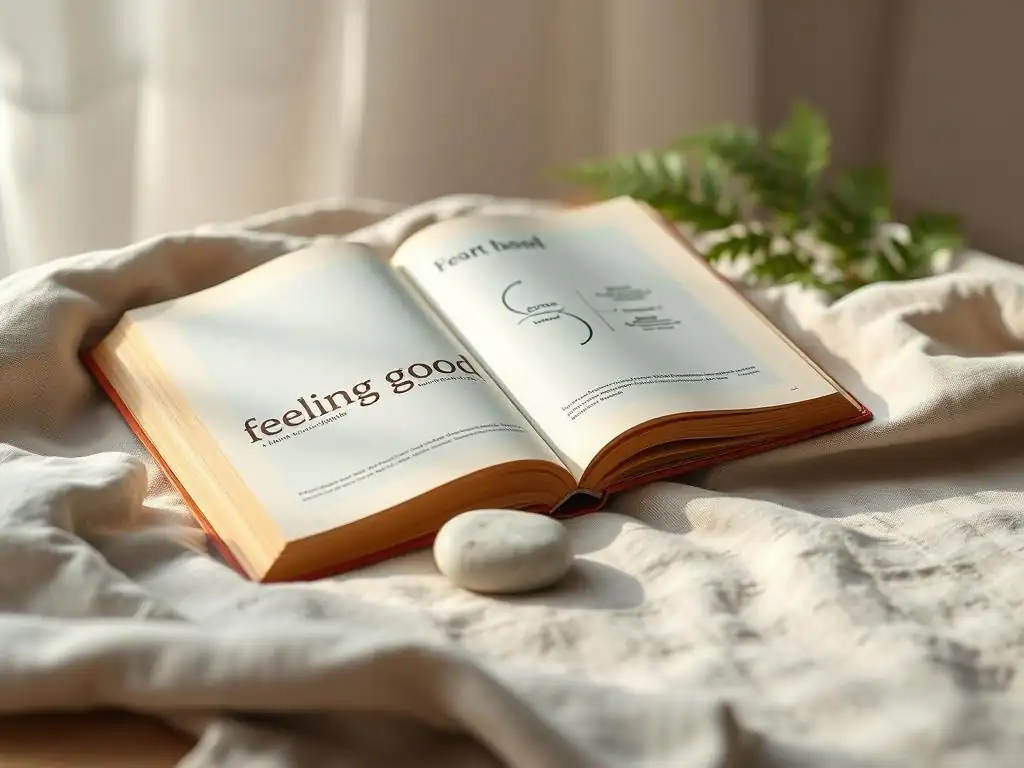
"Feeling Good" by David D. Burns is a classic in the field of cognitive behavioral therapy (CBT) and offers powerful techniques applicable to both depression and anxiety. The book focuses on identifying and correcting distorted thinking patterns that contribute to negative emotions. Burns introduces common cognitive distortions, such as all-or-nothing thinking, overgeneralization, and catastrophizing, and provides step-by-step methods for challenging and replacing these thoughts with more realistic and positive ones. This approach is a cornerstone of effective anxiety management through reading.
The book includes detailed examples and exercises, including the "Daily Mood Log," which helps readers track their negative feelings and the thoughts associated with them. By systematically working through these exercises, individuals can learn to dismantle the thought processes that fuel their anxiety. "Feeling Good" has helped millions of readers over several decades, proving the enduring power of CBT principles for achieving significant anxiety relief and improving overall emotional well-being. Its practical, evidence-based approach makes it a highly recommended resource by mental health professionals.
"Wherever You Go, There You Are: Mindfulness Meditation in Everyday Life" - Cultivating Present Moment Awareness for Anxiety Reduction
Jon Kabat-Zinn's "Wherever You Go, There You Are" is a gentle introduction to mindfulness meditation, a practice widely recognized for its effectiveness in reducing anxiety. The book doesn't offer quick fixes but rather guides readers on how to cultivate present moment awareness and acceptance. Anxiety often involves worrying about the future or dwelling on the past; mindfulness teaches us to anchor ourselves in the present, observing thoughts and feelings without getting swept away by them. This non-judgmental observation can significantly diminish the intensity and frequency of anxious states.
The book is structured in short, accessible chapters, each offering insights and simple practices for integrating mindfulness into daily life. It emphasizes that mindfulness is not about emptying the mind but about paying attention in a particular way – intentionally, in the present moment, and non-judgmentally. By practicing mindfulness, individuals can develop a greater capacity to tolerate uncertainty, manage difficult emotions, and respond to challenging situations with more clarity and less reactivity, leading to profound anxiety relief over time.
Choosing the Right Book for Your Anxiety: A Personalized Approach
Understanding Your Anxiety Triggers and Symptoms
Selecting the most helpful book for anxiety relief begins with self-awareness. Take time to understand what situations, thoughts, or feelings tend to trigger your anxiety. Do you experience panic attacks, social anxiety, generalized worry, or anxiety related to specific events or phobias? Are your symptoms primarily physical (racing heart, shortness of breath) or cognitive (racing thoughts, inability to concentrate)? Reflecting on these patterns can help you identify which approaches – practical coping, cognitive restructuring, trauma-informed care, or mindfulness – might be most relevant to your experience.
Consider keeping a journal for a week or two to track when your anxiety is highest and what seems to be happening at those times. Note down the specific thoughts you are having and the physical sensations you are experiencing. This personal data provides valuable clues about the nature of your anxiety and will guide you toward books that address your specific challenges. For instance, if panic attacks are your main concern, a book focusing on in-the-moment coping strategies like "Dare" might be a good starting point for finding anxiety relief.
Matching Books to Your Specific Needs: A Guide
Once you have a clearer picture of your anxiety, you can better match your needs to the approaches offered in different books. If your anxiety is driven by excessive worrying and negative self-talk, books like "Declutter Your Mind" or "Feeling Good," which focus on cognitive techniques, could be highly beneficial. If your anxiety feels overwhelming and manifests as panic, a book offering immediate, practical steps to navigate those moments, such as "Dare," might be more suitable for finding initial anxiety relief.
For individuals whose anxiety may be linked to past difficult experiences or trauma, exploring resources like "The Body Keeps the Score" can provide essential context and point towards therapeutic avenues. If you find yourself constantly swept away by thoughts and struggle to stay present, a book on mindfulness, like "Wherever You Go, There You Are," could help you build the foundational skill of grounding yourself. Consider reading reviews or summaries to get a feel for the book's tone and approach, ensuring it resonates with you and your journey toward anxiety relief through reading.
Beyond Reading: Complementary Strategies for Anxiety Management

Combining Reading with Therapy and Medication
While reading can provide significant anxiety relief and valuable insights, it is often most effective when used as a complement to other forms of care. For many individuals, combining the knowledge gained from books with professional therapy, such as Cognitive Behavioral Therapy (CBT), Acceptance and Commitment Therapy (ACT), or trauma-informed therapy, can lead to more profound and lasting change. A therapist can help you apply the principles from books to your specific situation, work through underlying issues, and provide personalized support.
In some cases, medication prescribed by a healthcare professional may also be a necessary part of a comprehensive anxiety management plan, especially for severe symptoms. Reading can enhance the effectiveness of therapy and medication by increasing your understanding of your condition and empowering you with additional coping strategies. Think of reading as a powerful tool in your anxiety relief toolkit, designed to work alongside, not necessarily replace, professional medical and psychological support.
Lifestyle Changes for Anxiety Relief
Integrating healthy lifestyle practices can significantly boost the benefits you gain from reading and other therapeutic interventions for anxiety relief. Simple yet powerful changes can make a difference. Regular physical activity, even moderate exercise like a daily walk, has been shown to reduce anxiety symptoms. Prioritizing sleep is crucial, as sleep deprivation can exacerbate anxiety; aim for 7-9 hours per night.
Mindful eating and reducing caffeine and alcohol intake can also help stabilize mood and reduce physical anxiety symptoms. Additionally, incorporating relaxation techniques beyond reading, such as deep breathing exercises, progressive muscle relaxation, or yoga, can provide immediate relief and build resilience over time. Building a strong social support network and engaging in enjoyable hobbies are also vital for overall well-being and contribute significantly to managing anxiety effectively.
Conclusion: Empowering Yourself Through Knowledge and Action for Lasting Anxiety Relief.
Frequently Asked Questions
What types of books are most effective for anxiety relief?
Books offering practical techniques like mindfulness and cognitive behavioral therapy (CBT) are often the most effective. Additionally, engaging fictional narratives can provide temporary escape and reduce stress.
How quickly can reading provide anxiety relief?
While individual experiences vary, many people report feeling a sense of calm almost immediately after starting to read. However, long-term anxiety management requires consistent engagement and potentially other therapeutic approaches.
Can reading replace professional mental health treatment for anxiety?
No, reading cannot replace professional mental health treatment. Books can be a valuable supplement, but therapy and/or medication may be necessary for some individuals.
Are there specific genres that are particularly helpful for anxiety?
Beyond self-help, genres like fantasy, historical fiction, and mystery can offer a welcome distraction. The key is finding genres you enjoy and that promote relaxation, not further stress.
Where can I find recommendations for books specifically for anxiety relief?
Resources like the Mind Care Guide and recommendations from mental health professionals can be helpful. Look for books that address your specific anxiety triggers and preferences.
Final Reflection: The Quiet Power of Words Against Anxiety
The simple act of reading, often overlooked in our fast-paced world, offers a surprisingly potent antidote to the pervasive anxieties of modern life. This article explored the therapeutic potential of specific books, highlighting titles chosen by experts for their ability to soothe, empower, and provide practical coping mechanisms. The overwhelming response to these recommendations underscores a growing need for accessible and effective self-help strategies, particularly in the face of rising anxiety levels globally.
The profound impact of literature on our emotional well-being is undeniable. Books offer a safe space for exploration, allowing us to process complex feelings and gain valuable perspective. They provide a sense of community, reminding us that we are not alone in our struggles. As the writer and activist Audre Lorde eloquently stated, Caring for myself is not self-indulgence, it is self-preservation, and that is an act of political warfare.
Reading, in its ability to foster self-compassion and understanding, becomes a crucial act of self-preservation in the battle against anxiety.
Consider the books highlighted in this article as your allies in this ongoing journey. Don't just passively consume their wisdom; actively engage with the ideas presented. Choose a book that resonates with you, create a dedicated reading space, and allow yourself the time and quiet necessary to fully absorb its message. Let the power of words become your refuge, your guide, and your strength in navigating the complexities of anxiety. Begin your journey towards a calmer, more peaceful you, one page at a time.
Unlock Your Calm: Start Your Anxiety-Reducing Journey Today!
Thanks for taking the time to explore practical ways to manage anxiety. We hope you found the book recommendations insightful and empowering. Ready to take the next step towards a calmer you?
- Dive into one of the recommended books: Choose the title that resonates most with you and start reading today. Even a few chapters can make a difference!
- Share your favorite anxiety-reducing techniques with our community in the comments below. Let's support each other!
- Consider creating a dedicated "me-time" reading space—a quiet corner where you can unwind and de-stress.
What's one small step you can take right now to prioritize your mental well-being?