
Sleep and Bipolar II: Mastering Rest for Mood Stability


Welcome to Mind Care Guide, a sanctuary for your mental well-being.
Are you navigating the complex landscape of Bipolar II and finding that elusive good night's sleep seems impossible? You're not alone. Understanding the intricate relationship between your sleep patterns and mood is crucial, especially when considering sleep cycle bipolar ii treatment. Dive into this essential guide where we unravel the science behind this connection and offer practical strategies to help you reclaim restful nights and foster emotional stability. Let's embark on this journey to better sleep and a brighter tomorrow, together.
Sleep and Bipolar Disorder: Mastering Rest for Mood Stability
- Understanding the Interplay Between Sleep and Bipolar Disorder
- The Science Behind Sleep Disruption in Bipolar Disorder
- Effective Treatment Strategies for Sleep Disturbances in Bipolar Disorder
- Practical Tips for Improving Sleep Quality with Bipolar Disorder
- Lifestyle Adjustments for Enhanced Sleep and Mood Stability
- Monitoring Your Sleep and Mood: Tracking Progress
- Addressing Common Sleep Challenges in Bipolar Disorder
- Supporting Loved Ones with Bipolar Disorder and Sleep Issues
- The Future of Sleep Disturbance Treatment in Bipolar Disorder
-
Frequently Asked Questions
- What is the connection between sleep cycles and Bipolar II disorder?
- How does "Sleep cycle bipolar ii treatment" aim to improve mental well-being?
- What are some common sleep-related challenges faced by individuals with Bipolar II?
- What types of treatments are typically included in "Sleep cycle bipolar ii treatment"?
- Why is a "comprehensive guide to mental well-being" important for managing Bipolar II and sleep issues?
- Final Reflection: Finding Harmony in Sleep and Mood
- Unlock Your Best Sleep, Stabilize Your Mood
Understanding the Interplay Between Sleep and Bipolar Disorder
The Crucial Role of Sleep in Managing Bipolar Disorder
Sleep is not merely a passive state; it is a fundamental biological necessity that plays a critical role in regulating mood, cognitive function, and overall physical health. For individuals living with bipolar disorder, particularly Bipolar II characterized by shifts between depressive episodes and hypomania, maintaining a stable and consistent sleep cycle is paramount.
Disruptions in sleep patterns can act as significant triggers for mood episodes, potentially precipitating either a depressive crash or a swing towards hypomania. Prioritizing sleep hygiene and actively managing sleep disturbances can be a cornerstone of effective bipolar disorder management, contributing significantly to long-term stability and quality of life.
Research consistently highlights the link between sleep regularity and mood stability in bipolar disorder. For instance, studies have shown that even minor shifts in sleep schedules can increase the risk of relapse. One meta-analysis estimated that up to 70-80% of individuals with bipolar disorder report significant sleep disturbances, emphasizing how pervasive this issue is. Effective sleep cycle bipolar ii treatment often involves not just medication but also rigorous behavioral interventions aimed at stabilizing sleep patterns, recognizing that this stability is foundational to managing the unpredictable nature of the condition.
How Bipolar Disorder Affects Sleep Patterns: Insomnia, Hypersomnia, and Irregularity
Bipolar disorder manifests in sleep through various disruptive patterns. During depressive episodes, individuals often experience hypersomnia, sleeping excessively (sometimes 12-18 hours a day) but still feeling unrefreshed, or conversely, severe insomnia with difficulty falling or staying asleep. Hypomanic or manic episodes are frequently characterized by significantly reduced need for sleep, with individuals feeling energetic and productive on only a few hours of rest or sometimes none at all for days. This reduced sleep is not a symptom of fatigue but rather a hallmark feature of elevated mood states.
Beyond the distinct patterns seen in episodes, many people with bipolar disorder experience chronic sleep irregularity even during periods of relative mood stability. This might involve inconsistent bedtimes and wake times, frequent awakenings, or shifts in the natural sleep-wake cycle. This chronic disruption makes effective sleep cycle bipolar ii treatment challenging but also critical, as these ongoing issues can lower the threshold for future mood episodes. For example, someone might experience a seemingly minor stressor, but combined with several nights of poor sleep, it could be enough to trigger a shift in mood.
Recognizing Sleep Disturbances as a Bipolar Disorder Symptom
Sleep disturbances are not just consequences of bipolar disorder; they are often considered core symptoms, particularly the decreased need for sleep during hypomania or mania. Recognizing these changes early can be crucial for intervention and preventing a full-blown episode. A significant reduction in sleep duration, coupled with increased energy and activity, is a key diagnostic criterion for hypomania and mania. Conversely, persistent insomnia or hypersomnia can be strong indicators of an impending or current depressive episode.
It is vital for individuals with bipolar disorder, their families, and clinicians to monitor sleep patterns closely. Changes in sleep often precede changes in mood by several days or even weeks. For example, a person might notice they only needed 4 hours of sleep for two consecutive nights and felt unusually energized – this could be an early warning sign of hypomania.
Similarly, sleeping 14 hours a day for several days and feeling exhausted could signal a depressive turn. Integrating sleep tracking into overall sleep cycle bipolar ii treatment strategies allows for earlier identification of potential mood shifts and timely intervention.
The Science Behind Sleep Disruption in Bipolar Disorder
Circadian Rhythm Dysregulation and Bipolar Disorder: A Closer Look
The body's internal biological clock, the circadian rhythm, regulates the sleep-wake cycle and many other physiological processes. In individuals with bipolar disorder, there is strong evidence suggesting that this rhythm is often disrupted or misaligned. This dysregulation can manifest as a tendency to be a 'night owl' (delayed sleep phase), difficulty adapting to schedule changes (like travel across time zones or shift work), and an unstable rhythm that easily becomes desynchronized. This inherent instability in the circadian system is believed to play a significant role in the erratic sleep patterns characteristic of the disorder.
Research into the genetic basis of bipolar disorder has identified several genes involved in regulating circadian rhythms that may be implicated. For example, variations in genes like CLOCK, BMAL1, and PER2 have been associated with both circadian rhythm disorders and an increased vulnerability to bipolar disorder. This suggests a fundamental biological link between the body's internal timing system and mood regulation. Understanding and addressing these circadian disruptions is a key aspect of effective sleep cycle bipolar ii treatment, often involving strategies like light therapy and strict schedule adherence.
Neurotransmitters and Sleep: The Bipolar Disorder Connection
Several neurotransmitters crucial for mood regulation are also intimately involved in controlling sleep and wakefulness. Serotonin, norepinephrine, dopamine, and glutamate, all implicated in bipolar disorder pathophysiology, also influence sleep architecture and duration. For instance, dopamine activity is often elevated during mania/hypomania, which correlates with decreased sleep need and increased energy. Conversely, dysregulation of serotonin and norepinephrine is linked to depression, often accompanied by either insomnia or hypersomnia.
Furthermore, the balance between excitatory and inhibitory neurotransmitters, such as glutamate and GABA, is critical for maintaining stable brain activity throughout the sleep-wake cycle. Disruptions in this balance, observed in bipolar disorder, can contribute to difficulties initiating or maintaining sleep, as well as altered sleep stages. Medications used in sleep cycle bipolar ii treatment, such as mood stabilizers and atypical antipsychotics, often work by modulating these neurotransmitter systems, which can indirectly or directly impact sleep patterns, sometimes restoring a more stable sleep architecture.
Genetic Factors Influencing Sleep and Bipolar Vulnerability
Genetics plays a significant role in both an individual's natural sleep tendencies and their predisposition to bipolar disorder. Studies of twins and families have shown that sleep patterns, including preferred sleep timing and sleep duration, have a substantial heritable component. Similarly, bipolar disorder is a highly heritable condition, with genetic factors contributing significantly to vulnerability. As mentioned earlier, research has begun to identify specific genes that are associated with both circadian rhythm function and bipolar disorder risk, suggesting shared genetic pathways.
While no single gene causes bipolar disorder or sleep problems, the interplay of multiple genes, combined with environmental factors, can increase susceptibility. For example, someone might inherit a genetic predisposition for a less robust circadian clock and a vulnerability to mood swings. This combination could make them particularly susceptible to sleep disruptions that trigger mood episodes. Exploring these genetic links is an active area of research aimed at developing more personalized approaches to both bipolar disorder treatment and sleep cycle bipolar ii treatment.
Effective Treatment Strategies for Sleep Disturbances in Bipolar Disorder
Pharmaceutical Interventions for Sleep Disturbances in Bipolar Disorder
Managing sleep disturbances in the context of bipolar disorder often requires a careful approach to medication. While the primary treatment for bipolar disorder involves mood stabilizers, antipsychotics, or antidepressants (used cautiously), adjunctive medications may be prescribed specifically to target sleep issues. It's crucial that any sleep medication is integrated into the overall sleep cycle bipolar ii treatment plan, considering potential interactions and effects on mood stability.
Medications to Promote Sleep: Benefits and Risks
Several classes of medication may be used to promote sleep in individuals with bipolar disorder. These include benzodiazepines (like lorazepam), non-benzodiazepine hypnotics ("Z-drugs" like zolpidem), certain antidepressants (like trazodone or mirtazapine), and atypical antipsychotics (like quetiapine or olanzapine) which have sedating properties. Antihistamines are sometimes used but are generally less effective long-term and can have side effects. The benefits include helping individuals fall asleep, stay asleep, and establish a more consistent sleep schedule, which can significantly improve mood stability and overall functioning.
However, these medications come with risks. Benzodiazepines and Z-drugs carry risks of dependence, tolerance, rebound insomnia, and withdrawal symptoms, making them generally unsuitable for long-term use. Some antidepressants can potentially trigger hypomania or mania in susceptible individuals, requiring careful monitoring. Atypical antipsychotics, while effective for both mood and sleep, can have significant metabolic side effects like weight gain, increased blood sugar, and cholesterol. The choice of medication depends heavily on the individual's specific symptoms, treatment history, and the phase of their bipolar disorder. A comprehensive sleep cycle bipolar ii treatment plan weighs these benefits against the risks.
Integrating Sleep Medications with Overall Bipolar Disorder Treatment
Sleep medications should always be prescribed and monitored by a psychiatrist or healthcare provider familiar with bipolar disorder. They are typically used as an adjunctive therapy to the primary mood-stabilizing regimen. The goal is often short-term use to break a cycle of severe insomnia or help re-establish a regular sleep pattern during or after a mood episode. Long-term use is generally discouraged due to potential side effects and risks, especially dependence.
Effective integration involves assessing how the sleep disturbance relates to the individual's mood state. For instance, using a sedating medication during a hypomanic episode with reduced sleep might be appropriate, whereas the same medication during a depressive episode with hypersomnia would not. The prescriber must also consider potential drug-drug interactions with existing mood stabilizers or other medications. Regular follow-up is essential to evaluate the medication's effectiveness, monitor for side effects, and determine when it can be tapered or discontinued as part of the overall sleep cycle bipolar ii treatment strategy.
Non-Pharmaceutical Approaches to Improve Sleep
While medication can be helpful, non-pharmaceutical strategies are fundamental components of sleep cycle bipolar ii treatment and are often recommended as first-line interventions or alongside medication. These approaches empower individuals to take an active role in improving their sleep through behavioral and environmental changes.
Cognitive Behavioral Therapy for Insomnia (CBT-I) and Bipolar Disorder
Cognitive Behavioral Therapy for Insomnia (CBT-I) is a highly effective, evidence-based treatment for chronic insomnia. It typically involves several sessions with a trained therapist and focuses on identifying and changing thoughts and behaviors that interfere with sleep. Key components include stimulus control (associating the bed/bedroom only with sleep), sleep restriction (temporarily limiting time in bed to improve sleep efficiency), cognitive restructuring (challenging unhelpful beliefs about sleep), and relaxation techniques.
Adapting CBT-I for individuals with bipolar disorder requires careful consideration, as techniques like sleep restriction could potentially trigger hypomania in some vulnerable individuals. Therefore, CBT-I is often modified to be less restrictive and delivered by therapists experienced in treating bipolar disorder. Studies have shown that modified CBT-I can significantly improve sleep quality and duration in people with bipolar disorder without increasing the risk of mood episodes, making it a valuable tool in sleep cycle bipolar ii treatment.
Sleep Hygiene Techniques for Mood Stabilization
Implementing consistent sleep hygiene practices is a cornerstone of managing sleep in bipolar disorder. These are daily habits and environmental factors that promote healthy sleep. While simple, consistent application is key. Examples include maintaining a regular bedtime and wake time, even on weekends (aiming for no more than a 1-2 hour deviation). Creating a dark, quiet, and cool bedroom environment is also crucial. Avoiding caffeine and alcohol, especially in the hours before bed, and limiting screen time (phones, tablets, TVs) due to the blue light suppressing melatonin production, are also standard recommendations.
Other sleep hygiene practices include avoiding heavy meals close to bedtime, getting regular physical activity (but not too close to sleep), and using the bedroom only for sleep and intimacy. While sleep hygiene alone may not fully resolve severe sleep disturbances during acute episodes, consistently practicing good habits during periods of stability can help reinforce a healthy sleep cycle and reduce vulnerability to mood shifts. It's a foundational element of any sleep cycle bipolar ii treatment plan.
Light Therapy for Regulating Circadian Rhythms in Bipolar Disorder
Light therapy involves exposure to a bright light box that mimics natural outdoor light, typically for a set period each morning. This therapy is primarily used to help reset and regulate the body's circadian rhythm. For individuals with delayed sleep phase tendencies common in bipolar disorder, morning light exposure can help shift their internal clock earlier, making it easier to fall asleep and wake up at more conventional times.
Light therapy must be used cautiously in bipolar disorder, as it carries a risk of potentially triggering hypomania or mania, particularly if used for too long or at the wrong time of day (e.g., evening). It is generally recommended to use light therapy under the guidance of a clinician experienced in bipolar disorder treatment. When used appropriately, typically with a low dose (e.g., 2,500 lux to 5,000 lux) for a short duration (e.g., 15-30 minutes) early in the morning, it can be a helpful tool for stabilizing sleep cycles as part of sleep cycle bipolar ii treatment.
Practical Tips for Improving Sleep Quality with Bipolar Disorder
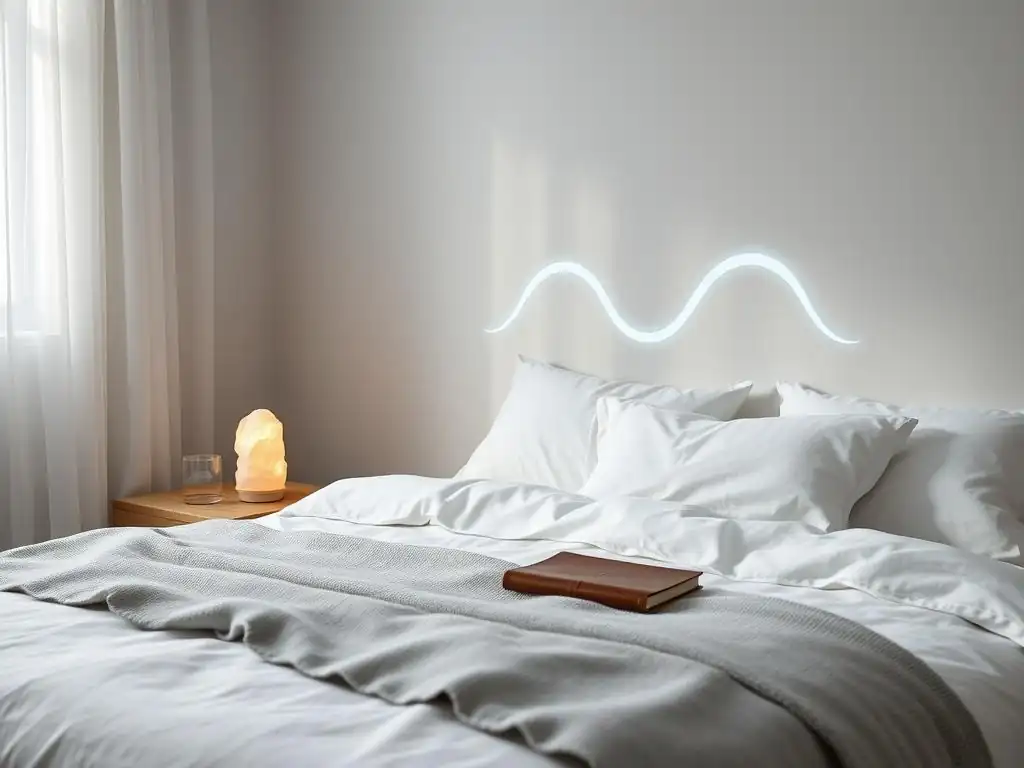
Establishing a Consistent Sleep Schedule: The Key to Regulation
One of the most impactful steps you can take for sleep cycle bipolar ii treatment is establishing and strictly adhering to a consistent sleep schedule. This means going to bed and waking up at roughly the same time every single day, including weekends. Consistency helps to anchor your circadian rhythm, making it more robust and less susceptible to disruption. Even a deviation of just a couple of hours on weekends (often called "social jet lag") can throw off your rhythm and increase the risk of mood instability.
Aim for a target sleep duration that leaves you feeling rested, typically between 7 and 9 hours for most adults. While it might be challenging initially, especially during mood shifts, gradually working towards and maintaining this consistent schedule is a powerful tool. Using alarms for both bedtime and wake time can be helpful reminders. Think of your sleep schedule as a non-negotiable part of your daily routine, just like taking medication.
Creating a Relaxing Bedtime Routine
A consistent bedtime routine signals to your body that it's time to wind down and prepare for sleep. This routine should be calming and relaxing, avoiding stimulating activities. Start your routine about 30-60 minutes before your target bedtime. Examples of relaxing activities include reading a physical book (avoiding backlit screens), taking a warm bath or shower, listening to quiet music or a calming podcast, practicing gentle stretching or yoga, or engaging in mindfulness or meditation.
Avoid activities that are stimulating, stressful, or involve bright screens during this time. This includes working, paying bills, engaging in intense discussions, or scrolling through social media. The goal is to create a peaceful transition from your day to sleep, helping to quiet your mind and body. Making this routine a regular part of your evening further reinforces your consistent sleep schedule, contributing to effective sleep cycle bipolar ii treatment.
Optimizing Your Sleep Environment for Better Rest
Your bedroom environment plays a significant role in your ability to fall and stay asleep. Make your bedroom a sanctuary dedicated primarily to sleep. Ensure the room is as dark as possible; consider using blackout curtains if necessary. The room should also be quiet; use earplugs or a white noise machine if needed to block out disruptive sounds. Temperature is also important; most people sleep best in a cool room, typically between 60-67°F (15-19°C).
Ensure your mattress and pillows are comfortable and supportive. Remove any clutter that might cause stress or distraction. Avoid having a television or computer in the bedroom if possible, and definitely avoid using them in bed. The aim is to create a calm, comfortable, and distraction-free space that promotes relaxation and sleep, supporting your efforts towards regulating your sleep cycle as part of sleep cycle bipolar ii treatment.
Managing Anxiety and Racing Thoughts Before Bed
Anxiety, worry, and racing thoughts are common culprits that keep individuals with bipolar disorder awake, particularly during hypomanic phases or periods of stress. Developing strategies to manage these mental activities before bed is crucial. Techniques like journaling your thoughts earlier in the evening can help offload worries before hitting the pillow. Mindfulness meditation or deep breathing exercises can help calm the nervous system.
If you find yourself lying in bed unable to sleep for more than 20 minutes, it's often better to get out of bed and go to another room to do a quiet, relaxing activity (like reading in dim light) until you feel sleepy, then return to bed. This helps prevent associating your bed with frustration and wakefulness. Regularly practicing relaxation techniques throughout the day can also reduce baseline anxiety levels, making it easier to wind down at night. These strategies are vital complements to pharmaceutical and behavioral sleep cycle bipolar ii treatment approaches.
Lifestyle Adjustments for Enhanced Sleep and Mood Stability
The Importance of Diet and Exercise in Bipolar Disorder and Sleep
Diet and exercise have profound impacts on both mood and sleep, making them essential components of comprehensive sleep cycle bipolar ii treatment. Regular physical activity can improve sleep quality and duration, reduce stress, and help regulate mood. Aim for at least 30 minutes of moderate-intensity exercise most days of the week. However, avoid vigorous exercise close to bedtime, as it can be stimulating. Gentle activities like stretching or a short walk are fine in the evening.
Regarding diet, maintaining balanced blood sugar levels can help prevent energy crashes and surges that might disrupt sleep. Limiting processed foods, excessive sugar, and unhealthy fats is generally recommended. Some nutrients, like magnesium and tryptophan (found in foods like nuts, seeds, and turkey), are linked to sleep regulation. Staying adequately hydrated throughout the day is also important, but try to limit fluids close to bedtime to avoid nighttime awakenings. A healthy diet and regular exercise support overall physical and mental well-being, creating a better foundation for stable sleep.
Avoiding Stimulants and Alcohol for Better Sleep
Substances like caffeine, nicotine, and alcohol can significantly disrupt sleep patterns, especially for individuals with bipolar disorder who are already vulnerable to sleep disturbances. Caffeine is a stimulant that blocks sleep-promoting chemicals in the brain and can linger in the system for many hours. Avoid caffeine (found in coffee, tea, soda, chocolate, and some medications) particularly in the afternoon and evening.
While alcohol might initially make you feel sleepy, it disrupts the second half of the sleep cycle, leading to fragmented sleep and reduced REM sleep, resulting in unrefreshing rest. Alcohol can also worsen sleep-related breathing problems. Nicotine is also a stimulant that can make it harder to fall asleep and often causes withdrawal symptoms during the night, leading to awakenings. Avoiding or significantly limiting these substances is a critical step in optimizing sleep and supporting sleep cycle bipolar ii treatment efforts.
Stress Management Techniques for Improved Sleep Quality
Stress is a major trigger for mood episodes and sleep problems in bipolar disorder. Developing effective stress management techniques is therefore vital for both mood stability and sleep quality. Chronic stress keeps the body in a state of heightened arousal, making it difficult to relax and fall asleep. Techniques such as mindfulness meditation, deep breathing exercises, progressive muscle relaxation, yoga, or tai chi can help lower stress levels.
Engaging in enjoyable hobbies, spending time in nature, connecting with supportive friends and family, and setting realistic boundaries at work and in personal life are also effective stress reducers. Finding what works best for you and incorporating stress management into your daily routine can significantly improve your ability to wind down in the evening and achieve more restful sleep, complementing other strategies within your sleep cycle bipolar ii treatment plan.
Monitoring Your Sleep and Mood: Tracking Progress
Using Sleep Journals to Identify Patterns and Triggers
Tracking your sleep patterns and mood concurrently is a powerful tool for understanding the unique relationship between your sleep and bipolar disorder. A sleep journal can help you identify specific patterns, triggers, and the impact of different interventions. For a week or two (or longer), record:
- Bedtime
- Estimated time taken to fall asleep
- Number and duration of awakenings
- Final wake time
- Total estimated sleep time
- How rested you feel upon waking
- Any factors that might have influenced sleep (e.g., late meal, stress, medication timing, exercise)
- Your mood level (e.g., on a scale or describing it)
Analyzing this data over time can reveal crucial insights, such as noticing that inadequate sleep reliably precedes hypomanic symptoms or that excessive sleep correlates with depressive phases. This information is invaluable for tailoring your sleep cycle bipolar ii treatment plan.
Working with Your Doctor to Adjust Treatment Plans
The information gathered from sleep tracking and mood monitoring should be shared regularly with your psychiatrist or therapist. This objective data provides them with a clearer picture of how your sleep patterns are influencing your mood and vice versa. Based on this information, your treatment plan can be adjusted. This might involve:
- Adjusting the timing or dosage of existing medications (some are more sedating than others)
- Considering a temporary sleep aid if insomnia is severe and disruptive
- Implementing or modifying non-pharmaceutical strategies like CBT-I or light therapy
- Identifying specific sleep goals as part of your overall treatment objectives
Collaborating closely with your healthcare team ensures that your sleep challenges are addressed effectively and integrated into your broader sleep cycle bipolar ii treatment strategy.
The Long-Term Benefits of Prioritizing Sleep in Bipolar Disorder Management
Prioritizing sleep is not just about feeling rested day-to-day; it offers significant long-term benefits for individuals with bipolar disorder. Consistent, quality sleep is strongly associated with reduced frequency and severity of mood episodes. By stabilizing your circadian rhythm and ensuring adequate rest, you are essentially building resilience against the triggers that can precipitate hypomania or depression.
Over time, mastering sleep as part of your sleep cycle bipolar ii treatment can lead to:
- Fewer hospitalizations
- Reduced need for crisis intervention
- Improved cognitive function (concentration, memory, decision-making)
- Better relationships
- Increased ability to work or study
- Enhanced overall quality of life
Viewing sleep management as a core component of your treatment, rather than just an auxiliary issue, is key to achieving greater stability and well-being.
Addressing Common Sleep Challenges in Bipolar Disorder

During hypomanic or manic episodes, a reduced need for sleep is a hallmark symptom. Individuals may feel completely energized on only a few hours of sleep or go days without sleeping at all. This isn't just insomnia; it's a biological shift driven by the elevated mood state. Attempting to force sleep when in a full manic state is often ineffective. The primary focus of sleep cycle bipolar ii treatment during these times is treating the underlying mood episode itself, typically with mood stabilizers or antipsychotics.
However, strategies can help manage the symptoms while the core mood is being treated. Maintaining the established consistent bedtime and wake time as much as possible, even if you don't feel tired, can help prevent further circadian disruption. Avoiding all stimulants is critical. Relaxation techniques might offer some relief, but often medication is required to bring sleep back to a healthy level when in an elevated state. It's important not to view this reduced sleep need as a positive or productive state, as it is a symptom of illness and contributes to the episode's progression and potential crash.
Conversely, depressive episodes often bring hypersomnia, characterized by prolonged sleep duration and persistent fatigue despite sleeping excessively. This isn't simply wanting to sleep more; it's a symptom linked to the neurobiological changes of depression. While tempting to stay in bed, excessive time in bed can actually worsen both sleep quality and depressive symptoms. Spending too long in bed leads to fragmented sleep and weakens the drive to sleep the following night.
Sleep cycle bipolar ii treatment during depression often involves encouraging a return to a more regular sleep schedule. This might mean setting an alarm to wake up at the same time each day, even if you feel tired. Limiting naps (or keeping them short, e.g., 20-30 minutes) can help build sleep drive for the night. Increasing light exposure during the day and gentle physical activity can also combat fatigue and improve sleep efficiency. Addressing the underlying depression with appropriate medication and therapy is key, which often helps normalize sleep patterns over time.
Dealing with Nightmares and Sleep Terrors
Disturbed sleep in bipolar disorder can also include distressing experiences like nightmares or sleep terrors. Nightmares are vivid, frightening dreams that occur during REM sleep and are typically remembered upon waking. Sleep terrors are episodes of screaming, flailing, or fear during non-REM sleep, where the person is often difficult to fully wake and has little to no memory of the event. Both can be highly disruptive and contribute to fear around sleep.
While the exact link isn't fully understood, mood instability and certain medications (like antidepressants) can sometimes increase the frequency of nightmares. Stress and anxiety are also common triggers. Strategies for managing nightmares can include improving overall sleep quality, stress reduction techniques, and sometimes specific therapies like Imagery Rehearsal Therapy (IRT) which involves rewriting the nightmare's narrative.
Sleep terrors are less common in adults and often linked to severe sleep deprivation or other sleep disorders; addressing these underlying issues is key. Discussing persistent nightmares or sleep terrors with your doctor is important as part of your sleep cycle bipolar ii treatment.
Supporting Loved Ones with Bipolar Disorder and Sleep Issues
Understanding the Challenges They Face
Supporting someone with bipolar disorder who is struggling with sleep requires empathy and understanding. Recognize that their sleep problems are not willful choices but rather symptoms of a complex biological illness. During hypomania, they may genuinely not feel the need to sleep, even if their behavior is erratic. During depression, they may feel physically unable to get out of bed due to overwhelming fatigue. These are not signs of laziness or lack of effort.
Acknowledge how frustrating and debilitating sleep disturbances can be, both for the individual experiencing them and for those witnessing the impact on their mood and functioning. Learn about the typical sleep patterns associated with bipolar disorder to better anticipate challenges. Understanding that sleep disruption is a core feature of the illness helps frame your support in a compassionate and effective way, central to supporting their sleep cycle bipolar ii treatment journey.
Encouraging Healthy Sleep Habits
While you cannot force someone to sleep, you can encourage and support healthy sleep habits. This might involve:
- Helping them maintain a consistent daily routine, including regular mealtimes and activity.
- Gently reminding them of their established bedtime and wake time.
- Creating a relaxing and supportive home environment in the evening.
- Avoiding late-night stimulating activities or discussions.
- Participating in calming bedtime routines together, if appropriate.
- Limiting access to stimulants like caffeine or alcohol in the evening.
- Modeling good sleep hygiene yourself.
Offer support without nagging or being overly critical. Frame discussions about sleep in terms of supporting their overall well-being and mood stability, rather than focusing solely on the "problem" of not sleeping. Consistent, empathetic encouragement is often more effective than confrontation.
Seeking Professional Help When Needed
Recognize your limits as a supporter. If your loved one's sleep problems are severe, significantly impacting their mood or functioning, or if they are resistant to making changes, it is crucial to encourage them to seek professional help. Offer to help them find a therapist or psychiatrist experienced in bipolar disorder. Attend appointments with them if they are comfortable with that support.
If their sleep problems are part of a worsening mood episode (e.g., severe lack of sleep with increasing agitation indicating hypomania, or excessive sleep with withdrawal indicating depression), it may be a sign that their current sleep cycle bipolar ii treatment plan needs adjustment by a medical professional. Don't hesitate to reach out to their treatment team if you have concerns about their safety or significant changes in their symptoms, including drastic shifts in sleep patterns.
The Future of Sleep Disturbance Treatment in Bipolar Disorder
Emerging Therapies and Research
Research into the intricate relationship between sleep and bipolar disorder is ongoing, paving the way for potentially more effective treatments. Emerging therapies are exploring novel ways to target the underlying circadian and neurobiological disruptions. This includes investigating new classes of medications that specifically modulate circadian rhythms (chronobiotics) or target specific neurotransmitter pathways implicated in both sleep and mood.
Non-pharmacological research is also advancing. Studies are looking at more refined applications of light therapy, the potential role of darkness therapy (controlled exposure to darkness) for mania, and innovative digital tools for tracking sleep and mood. The potential of using wearable technology (like smartwatches or rings) to passively monitor sleep and activity levels is also being explored to provide more objective data for both individuals and clinicians, enhancing the precision of sleep cycle bipolar ii treatment adjustments.
Personalized Approaches to Sleep Management in Bipolar Disorder
The future of sleep disturbance treatment in bipolar disorder is likely to move towards highly personalized approaches. Recognizing that bipolar disorder and its sleep manifestations vary significantly from person to person, treatment plans will ideally be tailored to the individual's specific sleep phenotype (e.g., tendency towards insomnia vs. hypersomnia), circadian profile (e.g., morning lark vs. night owl), genetic predispositions, and response to different interventions.
This personalization will be informed by a combination of detailed clinical assessment, objective sleep tracking data (potentially from wearables), and perhaps even genetic or biological markers. The goal is to move beyond a one-size-fits-all approach to sleep cycle bipolar ii treatment, developing targeted strategies that address the root causes of sleep disruption for each individual, leading to more stable mood, improved functioning, and a better quality of life.
Frequently Asked Questions
What is the connection between sleep cycles and Bipolar II disorder?
Disrupted sleep cycles are a hallmark symptom of Bipolar II disorder, often exacerbating mood swings. Understanding and regulating sleep can be a critical component of managing the condition. Poor sleep can trigger hypomanic or depressive episodes.
How does "Sleep cycle bipolar ii treatment" aim to improve mental well-being?
Sleep cycle bipolar ii treatment focuses on normalizing sleep patterns through various interventions. This directly impacts mood regulation and can reduce the frequency and severity of mood episodes. Stable sleep is foundational for overall mental health.
Insomnia and hypersomnia (excessive sleepiness) are common, along with disrupted sleep-wake cycles. These challenges can contribute to mood instability and make it difficult to function daily. Irregular sleep also impacts medication effectiveness.
What types of treatments are typically included in "Sleep cycle bipolar ii treatment"?
Treatments often include cognitive behavioral therapy for insomnia (CBT-I), medication management, and lifestyle adjustments. Sleep hygiene practices are also essential, such as maintaining a consistent sleep schedule. Light therapy might be another potential treatment.
Why is a "comprehensive guide to mental well-being" important for managing Bipolar II and sleep issues?
A comprehensive approach addresses the multifaceted nature of Bipolar II, recognizing that sleep is just one piece of the puzzle. It emphasizes the importance of integrated care, encompassing therapy, medication, and self-care strategies. This holistic view promotes long-term stability.
Final Reflection: Finding Harmony in Sleep and Mood
The struggle to achieve consistent, restorative sleep is not merely an inconvenience for those with Bipolar II; it's a critical battleground in the fight for mood stability. Ignoring the profound connection between sleep cycles and bipolar symptoms is akin to fighting a fire without water – exhausting and ultimately ineffective. This article has explored the multifaceted nature of this relationship, highlighting the importance of sleep hygiene, recognizing sleep disturbances as potential symptoms, and exploring various treatment options.
The impact of sleep disruption on the bipolar experience is deeply personal, profoundly shaping daily life and relationships. It's a constant negotiation, a delicate dance between exhaustion and mania, between the desperate need for rest and the inability to find it. The pervasive nature of this struggle is often underestimated, leaving individuals feeling isolated and misunderstood. The body never lies. Listen to its whispers, and it will guide you to healing.
This quote, though not directly about bipolar disorder, speaks volumes about the importance of paying attention to our bodies' fundamental needs, including sleep. Understanding and addressing sleep disturbances is not just about managing symptoms; it's about reclaiming control and fostering a healthier relationship with oneself.
You, the reader, now hold the knowledge to begin this journey towards better sleep and, consequently, better mood management. Don't let the complexity of bipolar disorder discourage you. Start small: evaluate your current sleep hygiene, explore the resources mentioned in this article, and consider consulting a healthcare professional. Remember, consistent effort, even in small increments, can lead to significant improvements in your overall well-being. Take charge of your sleep, and you'll be taking charge of your life.
Unlock Your Best Sleep, Stabilize Your Mood
Thanks for taking the time to explore the vital link between sleep and managing Bipolar II. We hope you gained valuable insights into improving your rest and, consequently, your overall well-being. Ready to put this knowledge into practice?
- Prioritize your sleep hygiene: Start with small, manageable changes to your sleep routine tonight. This could be anything from setting a regular bedtime to creating a relaxing pre-sleep ritual.
- Share your sleep-improvement journey: Connect with others in our community (mention community forum or social media if applicable – if not, omit this bullet). Sharing experiences can be incredibly supportive and motivating.
- Track your sleep patterns: Keep a simple sleep diary for a week to identify any patterns or triggers affecting your rest. This simple step provides valuable data for future improvements.
What small step will you take tonight to prioritize your sleep and pave the way for a more stable mood tomorrow?