
Discover Calm Through Reading: Best Books for Anxiety According to Experts

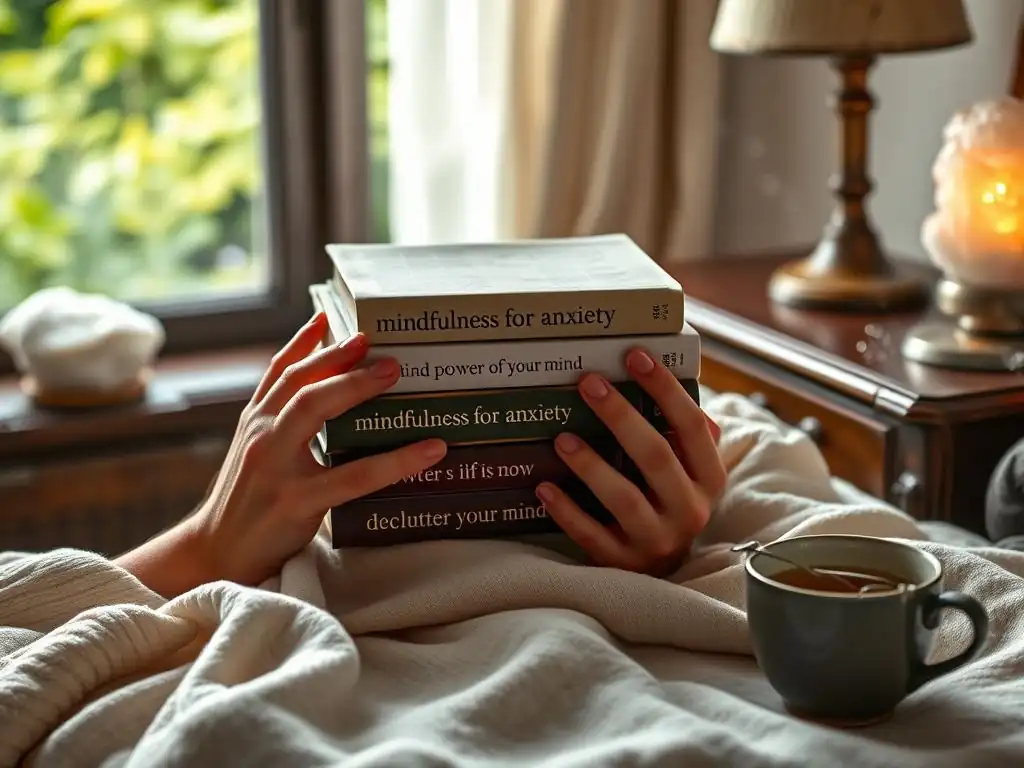
Welcome to Mind Care Guide, a safe space dedicated to your mental well-being. Feeling overwhelmed by anxiety? You're not alone. Many find solace and practical tools within the pages of a good book. Dive into our article, Discover Calm Through Reading: Best Books for Anxiety According to Experts, where we explore how anxiety books reduce stress reading, and uncover the titles that therapists and readers alike recommend to find peace and regain control. Ready to turn the page towards a calmer you?
Discover Calm Through Reading: Best Books for Anxiety According to Experts | Mind Care Guide
- Anxiety Books for Stress Reduction: Expert-Recommended Reading List
-
Top Anxiety Books for Managing Stress and Finding Inner Peace: A Curated Selection
- "Declutter Your Mind: How To Stop Worrying, Relieve Anxiety, and Eliminate Negative Thinking": A Practical Guide to Mental Clarity
- "Dare: The New Way to End Anxiety and Stop Panic Attacks": Facing Your Fears with Confidence
- "The Body Keeps the Score: Brain, Mind, and Body in the Healing of Trauma": Understanding Trauma and Anxiety
- "Feeling Good: The New Mood Therapy": Cognitive Behavioral Therapy (CBT) Techniques for Anxiety Relief
- "Wherever You Go, There You Are: Mindfulness Meditation in Everyday Life": Cultivating Mindfulness for Anxiety Reduction
- Choosing the Right Anxiety-Reducing Books for Your Needs
- Beyond Books: Complementary Strategies for Managing Anxiety
- Conclusion: Finding Calm and Reducing Stress Through Reading and Expert Guidance
-
Frequently Asked Questions
- How can reading anxiety books help reduce stress?
- What types of anxiety books are most effective for stress reduction?
- Can reading alone completely eliminate anxiety and stress?
- Are there specific genres besides self-help that can help with anxiety and stress through reading?
- How do experts recommend using anxiety books to maximize their stress-reducing benefits?
- Final Reflection: Finding Solace in the Written Word
- Unleash Your Inner Peace: Start Your Reading Journey Now!
Anxiety Books for Stress Reduction: Expert-Recommended Reading List
Finding Peace Through Literature: An Introduction to Anxiety-Reducing Reads
Many individuals seek effective ways to manage the pervasive feelings of worry and stress that accompany anxiety. While professional help is invaluable, complementing therapeutic approaches with self-help resources can significantly contribute to a sense of calm and control. Anxiety books reduce stress reading has emerged as a widely accessible and often recommended strategy by mental health professionals. These books offer practical techniques, theoretical understanding, and empathetic guidance, empowering readers to navigate their anxiety challenges from the comfort of their own space.
The act of reading itself can be a therapeutic practice, offering a distraction from anxious thoughts and providing a focused activity that promotes relaxation. Beyond the mere act of reading, the content within these specific books is curated to equip individuals with tools rooted in psychological principles.
Experts often point to titles that incorporate evidence-based therapies like Cognitive Behavioral Therapy (CBT), Mindfulness, and Acceptance and Commitment Therapy (ACT), or those that address the underlying causes of anxiety, such as trauma. Choosing the right anxiety books reduce stress reading can feel overwhelming with the vast number of options available, which is why expert recommendations are so valuable.
Top Anxiety Books for Managing Stress and Finding Inner Peace: A Curated Selection
"Declutter Your Mind: How To Stop Worrying, Relieve Anxiety, and Eliminate Negative Thinking": A Practical Guide to Mental Clarity
This book, authored by S.J. Scott and Barrie Davenport, focuses on providing actionable steps to quiet the mental noise that often fuels anxiety. It breaks down common thought patterns that lead to stress and offers strategies rooted in mindfulness and cognitive restructuring to help readers regain control over their internal dialogue. The emphasis is on practical exercises that can be implemented immediately, making it a popular choice for those looking for direct solutions to reduce daily worry.
The book dedicates sections to identifying different types of negative thoughts, such as rumination and catastrophizing, and provides specific techniques to challenge and reframe them. For instance, it suggests dedicating specific "worry time" to contain anxious thoughts, a technique often used in therapeutic settings. Readers are guided through exercises designed to improve focus and concentration, essential skills for interrupting the cycle of anxious thinking. The straightforward approach aims to empower individuals to take charge of their mental space, reinforcing the idea that anxiety books reduce stress reading by providing tangible tools.
"Dare: The New Way to End Anxiety and Stop Panic Attacks": Facing Your Fears with Confidence
Authored by Barry McDonagh, this book presents a method developed from personal experience and professional insights, specifically targeting panic attacks and general anxiety. The DARE response (Defuse, Allow, Run Towards, Engage) is a four-step process designed to change the way individuals react to anxious sensations and thoughts. Unlike methods that might suggest fighting or avoiding anxiety, DARE encourages acceptance and proactive engagement with discomfort to ultimately diminish its power.
The DARE technique has gained significant traction due to its direct and empowering message. For example, the "Allow" step involves embracing anxious feelings without resistance, which counterintuitively can reduce their intensity over time. The "Run Towards" element encourages individuals to lean into feared situations, demonstrating to the brain that they are not actually dangerous. This exposure-based approach is a core component of effective anxiety treatment. McDonagh's empathetic tone and clear instructions make complex psychological principles accessible, helping readers implement the DARE method to find freedom from panic and worry, illustrating how targeted anxiety books reduce stress reading effectively.
"The Body Keeps the Score: Brain, Mind, and Body in the Healing of Trauma": Understanding Trauma and Anxiety
While not exclusively an anxiety book, Bessel van der Kolk's seminal work provides a profound understanding of how trauma impacts the brain and body, often manifesting as anxiety, panic, and other stress-related conditions. Dr. van der Kolk, a leading expert in trauma research, details how traumatic experiences fundamentally alter physiological and neurological systems, explaining why traditional talk therapy alone may not always fully resolve trauma-related anxiety.
The book integrates decades of clinical research and practice, discussing various therapeutic modalities that address the body's role in trauma recovery, such as Eye Movement Desensitization and Reprocessing (EMDR), yoga, and neurofeedback. It highlights, for example, how trauma can disrupt the body's stress response system, leading to chronic states of high alert that mimic anxiety.
By understanding the deep connection between past experiences and present physical sensations, readers gain insight into the roots of their anxiety, which can be a crucial step towards healing. This book underscores that effective anxiety books reduce stress reading by addressing underlying causes, not just surface symptoms.
"Feeling Good: The New Mood Therapy": Cognitive Behavioral Therapy (CBT) Techniques for Anxiety Relief

Dr. David Burns's classic guide to Cognitive Behavioral Therapy (CBT) has helped millions manage depression and anxiety by teaching them to identify and change distorted thinking patterns. The book provides a comprehensive overview of CBT principles, offering step-by-step exercises to challenge negative thoughts and develop more realistic and positive ways of thinking. It emphasizes the direct link between thoughts, feelings, and behaviors, a cornerstone of the CBT model.
"Feeling Good" includes detailed chapters on specific anxiety symptoms like panic attacks, phobias, and procrastination, offering tailored CBT techniques for each. For instance, it introduces the concept of "cognitive distortions," common errors in thinking such as "all-or-nothing thinking" or "catastrophizing," and provides specific methods like the "triple-column technique" to restructure these thoughts. Decades of research support the effectiveness of CBT for anxiety disorders, and this book serves as an accessible workbook for applying these proven strategies independently. It's a prime example of how anxiety books reduce stress reading by providing structured, evidence-based tools.
"Wherever You Go, There You Are: Mindfulness Meditation in Everyday Life": Cultivating Mindfulness for Anxiety Reduction
Jon Kabat-Zinn, the founder of Mindfulness-Based Stress Reduction (MBSR), offers a gentle introduction to the practice of mindfulness in this widely acclaimed book. It doesn't present a rigid program but rather a series of short, accessible chapters that invite readers to explore mindfulness as a way of being present with their experiences, including difficult emotions like anxiety. The book emphasizes cultivating non-judgmental awareness of thoughts, feelings, and bodily sensations.
Mindfulness practices, as described by Kabat-Zinn, involve paying attention to the present moment without getting caught up in worries about the future or regrets about the past, common sources of anxiety. The book guides readers through basic meditation techniques, such as focusing on the breath or body scan, and encourages integrating mindfulness into everyday activities like walking or eating.
Research consistently shows that regular mindfulness practice can reduce symptoms of anxiety and depression by helping individuals develop a different relationship with their thoughts. This book demonstrates how anxiety books reduce stress reading by fostering a greater capacity for presence and acceptance.
Choosing the Right Anxiety-Reducing Books for Your Needs
Consider Your Specific Anxiety Type: Tailoring Your Reading Choices
When selecting from the vast array of anxiety books reduce stress reading, it's beneficial to consider the specific nature of your anxiety. Different books focus on different aspects or types of anxiety. For example, if you primarily experience panic attacks, a book like "Dare" which specifically addresses panic might be more immediately helpful than a general guide to worry. If your anxiety stems from past traumatic experiences, "The Body Keeps the Score" could offer crucial insights into the mind-body connection.
Identifying whether your anxiety is more about constant worry (Generalized Anxiety Disorder), specific fears (phobias), social situations (Social Anxiety), or intrusive thoughts (OCD-related anxiety) can help narrow down your options. Some books provide broad techniques applicable to various forms of anxiety, while others dive deep into strategies for a particular manifestation. Reflecting on your primary challenges will guide you toward resources that offer the most relevant and practical tools for your unique situation.
Expert Opinions and Reader Reviews: Gauging the Effectiveness of Anxiety Books
Before committing to an anxiety book reduce stress reading, seeking out expert opinions and reading reviews from other readers can provide valuable insights into its potential effectiveness. Mental health professionals often recommend books based on their therapeutic approach and the book's alignment with evidence-based practices. Psychologists, therapists, and counselors can point you toward titles that complement the work you might be doing in therapy or offer a solid foundation for self-help.
Additionally, exploring online reviews from individuals who have read the book can offer a glimpse into real-world experiences. Look for comments that describe specific benefits gained, the practicality of the techniques, and the overall tone and accessibility of the writing. While individual results vary, a consensus among readers about a book's helpfulness or clarity can be a strong indicator of its quality and potential to assist in managing anxiety.
Beyond Books: Complementary Strategies for Managing Anxiety

Mindfulness Techniques and Meditation for Stress Relief
While many anxiety books reduce stress reading incorporate mindfulness, dedicated practice can significantly enhance its benefits. Mindfulness meditation involves training your attention to be present in the moment, observing thoughts and feelings without judgment. Regular practice has been shown to reduce activity in the amygdala, the brain's fear center, and increase connectivity to the prefrontal cortex, which helps regulate emotions. Studies indicate that even short, daily sessions of 10-15 minutes can lead to noticeable reductions in perceived stress and anxiety over several weeks.
Integrating formal meditation sessions with informal mindfulness throughout the day – like mindful walking or eating – can build resilience against anxiety. Numerous apps and online resources offer guided meditations, making it accessible for beginners. The key is consistency; like any skill, mindfulness improves with practice, helping you develop a greater capacity to observe anxious thoughts without being consumed by them.
Therapy and Counseling: Seeking Professional Help for Anxiety
It's crucial to remember that while anxiety books reduce stress reading and offer valuable support, they are often best used as complements to professional help, not replacements. Therapy with a licensed mental health professional provides personalized strategies, emotional support, and a safe space to explore the root causes of anxiety. Therapies like CBT, ACT, and exposure therapy, often discussed in books, are most effective when guided by a trained therapist.
A therapist can help diagnose specific anxiety disorders, develop a tailored treatment plan, and provide accountability and support as you work through challenges. For moderate to severe anxiety, or anxiety that significantly impacts daily life, professional intervention is highly recommended. Combining the insights and tools gained from reading with the guidance of a therapist can provide the most comprehensive and effective approach to managing anxiety and improving overall well-being.
Conclusion: Finding Calm and Reducing Stress Through Reading and Expert Guidance
Finding effective ways to manage anxiety is a personal journey, and for many, exploring anxiety books reduce stress reading offers a valuable pathway to greater peace. The expert-recommended titles discussed provide a range of approaches, from practical CBT techniques and trauma-informed insights to the empowering DARE method and the calming practice of mindfulness. These books serve as accessible resources, equipping individuals with knowledge and tools rooted in psychological principles to navigate their anxiety challenges.
While self-help books can be incredibly beneficial, remember they are powerful tools that work best when integrated into a broader strategy. Combining the wisdom gained from reading with consistent mindfulness practice and, importantly, seeking professional guidance when needed, creates a robust framework for managing anxiety. By committing to understanding your anxiety and actively applying the techniques learned, you can significantly reduce stress and cultivate a deeper sense of calm in your life.
Frequently Asked Questions
How can reading anxiety books help reduce stress?
Reading offers a form of distraction and escapism, allowing you to temporarily step away from your worries. Many anxiety books provide practical coping strategies and insights into managing anxiety symptoms, leading to reduced stress levels.
What types of anxiety books are most effective for stress reduction?
The most effective books often combine psychoeducation (understanding anxiety) with practical exercises, such as mindfulness techniques or cognitive restructuring. Look for books that resonate with your specific concerns and offer actionable advice.
Can reading alone completely eliminate anxiety and stress?
While reading can significantly contribute to stress reduction and provide valuable tools for managing anxiety, it's usually not a standalone solution. It's best used in conjunction with other therapies or support systems, especially for severe anxiety.
Are there specific genres besides self-help that can help with anxiety and stress through reading?
Yes, genres like fiction, especially those with positive or empowering themes, can offer a much-needed escape and promote relaxation. Biographies of resilient individuals can also provide inspiration and hope.
How do experts recommend using anxiety books to maximize their stress-reducing benefits?
Experts suggest actively engaging with the material, taking notes, and practicing the techniques described in the book. Consistency is key; dedicate regular time for reading and implementing the strategies to experience lasting stress reduction.
Final Reflection: Finding Solace in the Written Word
The pervasive nature of anxiety in modern life demands accessible and effective coping mechanisms, and the power of reading to soothe the mind is increasingly recognized. This exploration of expert-recommended books for anxiety reveals a potent antidote to the relentless pressures of our daily lives – a quiet sanctuary found within the pages of a well-chosen book. The ability to escape, to learn, and to find empathy within fictional worlds offers a tangible path towards reducing stress and cultivating inner peace.
The impact of literature on our emotional well-being is profound and far-reaching. It's not simply about escapism; it's about connection, understanding, and the validation of shared human experiences. Reading is a form of self-care. It's a way to escape, to learn, and to grow.
This simple statement encapsulates the transformative power of books, offering solace and perspective in times of stress. The books highlighted in this article represent a diverse range of approaches, from practical self-help guides to immersive narratives that foster empathy and understanding, demonstrating the multifaceted nature of anxiety relief through reading.
Now, consider your own relationship with reading. What stories, characters, or themes resonate most deeply with you? What books have offered you comfort and perspective during challenging times? Take a moment to reflect on the power of the written word in your own life. Choose a book that speaks to you, create a quiet space, and allow yourself to be transported. Embrace the restorative power of reading, and discover the calm that awaits within the pages.
Unleash Your Inner Peace: Start Your Reading Journey Now!
Thanks for taking the time to explore the world of calming reads with us! We hope you discovered some new titles to help ease your mind and find your inner peace. Ready to dive in?
- Begin your personal reading retreat: Choose one book from our list that resonates most with you and start reading today. Even 15 minutes can make a difference!
- Share your calming reads: Let others know what books you found helpful – recommend them on social media, and start a conversation in the comments below!
- Explore related resources: Consider browsing more articles on our website dedicated to mindfulness and relaxation techniques to complement your reading journey.
What calming book are you most excited to read next, and why?